

Tragedy

Presentation
•
English
•
12th Grade
•
Practice Problem
•
Medium
+11
Standards-aligned

Elizabeth Rauscher
Used 3K+ times
FREE Resource
13 Slides • 7 Questions
1
Shakespeare
2
Drama or performance has been used for centuries to entertain audiences, share traditional stories, and recount historical facts. Two of the most common forms of drama are tragedy and comedy. In this text, you will learn about some of the elements that are commonly found in tragedies.
Before reading, watch the video below, which shares some ideas about why tragedies are often so exciting to watch.
*Watch video on Tragedy
Hamlet| Tragedy
Shakespeare
3
Introduction to Tragedy & the Tragic Hero
Drama is a form of fiction that uses performance to tell a story. Performances can take many different forms including theatrical plays with characters delivering heart-wrenching monologues or musicals where emotions are conveyed through clever song lyrics. These performances typically include different characters, props, and costumes, which help the audience enter the world being presented.
Hamlet | Tragedy
Shakespeare
4
One common form of drama is tragedy. Aristotle, an ancient Greek philosopher, defined tragedy as a form of drama whose plot is centered on human suffering for the purpose of evoking feelings of pity or fear in the audience or catharsis. Shakespeare’s plays Romeo and Juliet and Macbeth are both tragedies. Most tragedies follow a similar plot structure. At the beginning of the play, the audience is introduced to the characters and the story’s problem. As the play progresses, characters encounter various challenges or situations to advance the plot until the story’s problem is resolved in the final act.
Hamlet | Tragedy
Shakespeare
5
Multiple Choice
What is the definition of catharsis?
Sympathizing with pitiful characters
Acting out revenge
Releasing strong emotions
Inability to care about the characters
6

7
Multiple Choice
All tragedies...
were written by Aristotle.
end with the death of the protagonist.
involve romantic relationships.
focus on the suffering experienced by the characters.
8
The protagonist of a tragedy is known as the tragic hero. The tragic hero makes choices that inevitably leads to his/her downfall (coup de grace). Tragic heroes share some or all of the character traits described in the list below.
Hamlet | Tragedy
Shakespeare
9
Six Traditional Characteristics of the Tragic Hero
The following are six characteristics that Aristotle identified as traditional characteristics of a tragic hero. Shakespeare, mirroring much of his writing off the Ancient Greeks, composed tragedies with tragic heroes that exhibited these same characteristics. Modern authors may take more creative licenses in creating their tragic heroes, but many contemporary reiterations of the tragic hero are based off these six traits.
Hamlet | Tragedy
Shakespeare
10

1. Noble Birth
Most tragic heroes come from a place of elevated status in society; this ensures that tragic heroes experience an even more dramatic “fall from grace” than the common man.
On Tragedy
11
Open Ended
Name a movie or tv show you have watched that stars someone from "noble birth".
12

2. Excessive Pride / Hubris
Despite being warned over the course of the tragedy, tragic heroes are too proud (and too stubborn) to heed the advice of those warning them.
On Tragedy
13
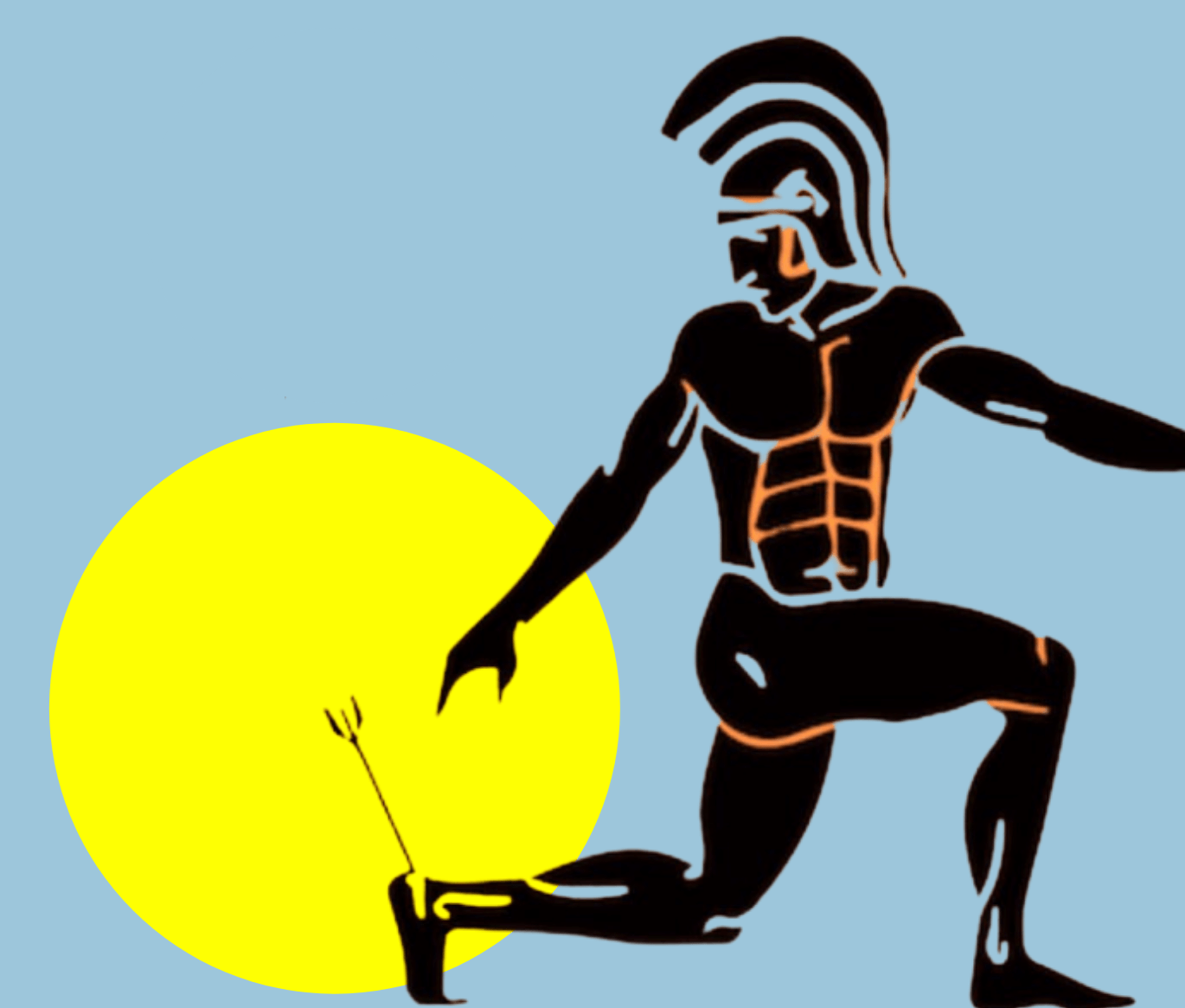
3. Tragic Flaw/ Hamartia
Tragic heroes all have a weakness in character, or a tragic flaw, that causes the character’s fall from grace.
On Tragedy
14

4. Reversal / Peripeteia
All tragic heroes experience a sharp turning point in their journey as a character. Being noble from birth, this reversal changes the path of the character and shifts him closer and closer to doom.
On Tragedy
15

5. Self- Realization/ Anagnorisis
Once the climax in the plot has occurred, the tragic hero will experience a realization that he, in fact, has caused the central suffering of the tragedy. Despite this anagnorisis or self-realization, the character is unable to change his tragic fate at this point in the story.
On Tragedy
16

6. Excessive Suffering Causing Catharsis
The suffering that the tragic hero experiences during the tragedy are extreme and brutal, causing an emotional reaction from the audience. Traditionally, it was believed that if an individual were to view a tragedy, the fear, and pity that he/she would experience while watching the suffering of the tragic hero would be a way to release personal emotions that were bottled up.
On Tragedy
17
Multiple Choice
What is the meaning of Hubris?
Excessive pride
Excessive joy
Poor and Unfortunate
A reversal of a situation
18
Multiple Choice
Which word means a sharp turning point in a hero's story?
Hubris
Harmatia
Peripetia
Anagnorisis
19
Multiple Choice
Which word means the realization that a character makes that they are at fault for their own downfall?
Hubris
Harmatia
Peripetia
Anagnorisis
20
Open Ended
Name a drama that you have watched (it could be a play, TV show, or movie) that you would classify as a tragedy. Using evidence from the text, explain why the drama you selected is a tragedy and what you find most appealing about it.
Shakespeare
Show answer
Auto Play
Slide 1 / 20
SLIDE
Similar Resources on Wayground

13 questions
Position Paper
Presentation
•
11th Grade
15 questions
digestive system
Presentation
•
12th Grade
15 questions
APPLICATION LETTER
Presentation
•
12th Grade
13 questions
Satire
Presentation
•
12th Grade
18 questions
In-Text Citation (Direct Quote, Paraphrasing, Summarizing)
Presentation
•
12th Grade
11 questions
Reading tips
Presentation
•
12th Grade
16 questions
Passive voice
Presentation
•
University
16 questions
If-Clause Conditional Sentences
Presentation
•
12th Grade
Popular Resources on Wayground
10 questions
How much do you know about our Portrait of an Eagle?

Quiz
•
10th Grade
10 questions
Fast Food Slogans
Quiz
•
6th - 8th Grade
21 questions
Continents and Oceans
Quiz
•
6th Grade
20 questions
Parts of Speech
Quiz
•
5th Grade
16 questions
Subject & Predicate
Quiz
•
5th Grade
25 questions
Multiplication Facts
Quiz
•
5th Grade
12 questions
Map Skills
Quiz
•
3rd Grade
22 questions
Continents and Oceans
Quiz
•
5th Grade
Discover more resources for English
20 questions
Parts of Speech
Quiz
•
12th Grade
19 questions
Understanding the Circle of Control
Quiz
•
9th - 12th Grade
15 questions
ACT English Practice
Quiz
•
11th - 12th Grade
31 questions
AP Vocab Group 5
Quiz
•
9th - 12th Grade
22 questions
Topic Vs Theme
Quiz
•
3rd - 12th Grade
20 questions
Vocab Group 5
Quiz
•
9th - 12th Grade
12 questions
RI.8.5/RL.8.5
Quiz
•
5th - 12th Grade
15 questions
Literary Devices Review
Quiz
•
9th - 12th Grade