

Unit 3 African Empires

Presentation
•
History
•
6th Grade
•
Practice Problem
•
Medium

Mithuiel Barnes
Used 18+ times
FREE Resource
14 Slides • 7 Questions
1
African Empires
2
Same time as the Americas (Maya, Olmec, and Indigenous N. American peoples
Centered on native crops
Complex civilizations emerge around 1500 BCE
Contradicts the myth of Africa as 'primitive'
3000 BCE region independently developed farming
West Africa

3
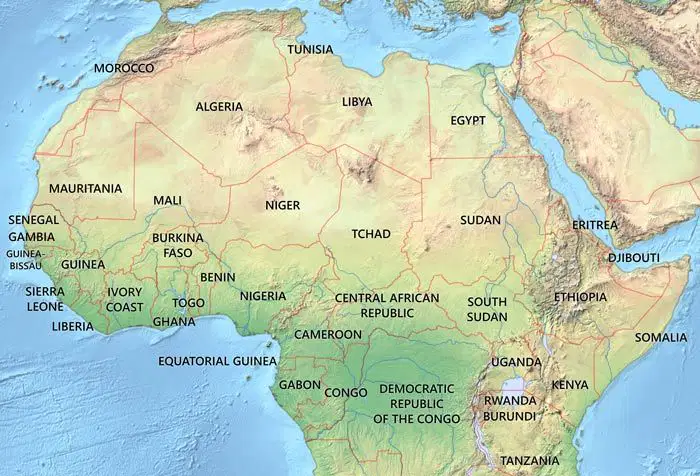
What do you notice about North Africa?
4
Multiple Choice

What vital crop was first discovered in Sub-Saharan Africa?
Coffee
Cocoa
Juniper
Currants
5
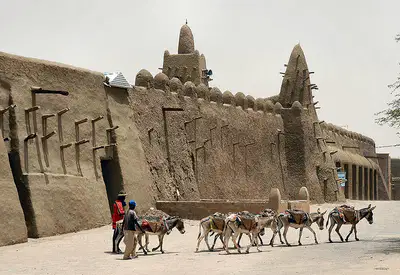
What breakthrough catapulted W. Africa into a new era
of development?
6
Open Ended
What breakthrough catapulted W. Africa into a new era
of development?
7
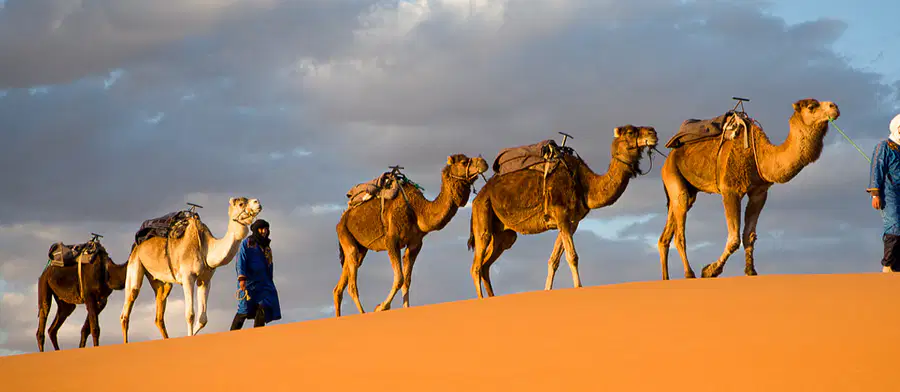
The Camel!
Domestication of the camel in around 300 CE revolutionized trade across the Sahara. Can travel 50 miles a day for days, go a month without water
8
Multiple Choice
Camels were vital to the growth and expansion of West African civilizations because:
They were fun to ride
They were faster than horses, making them very important in war
The could cross large desert areas such as the Sahara
They quickly became a status symbol for the wealthiest West Africans
9
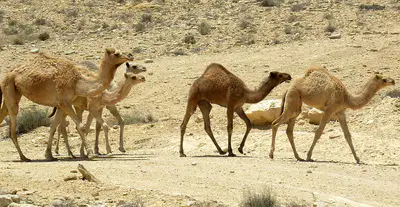
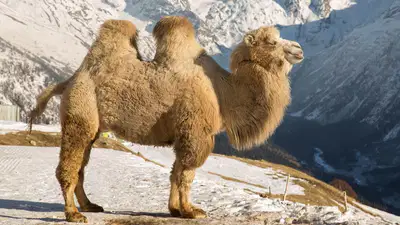
One hump
Native to Africa
No wild Dromedaries in over 1,000 years
Dromedary
Two humps
Native to Central Asia
Both wild and domestic variants exist today
Bactrian
10
Multiple Choice
A Dromedary camel:
Has two humps on its back
Has only one hump on its back
Still exists in the wild, as well as domestication
Is native to Central Asia
11
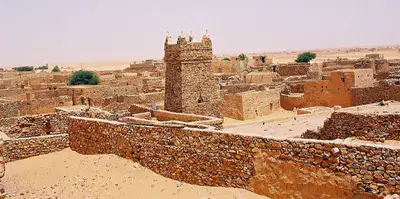
Emerged in around 7th C, possibly as early as the 4th C
Soninke (so-NINK-ee) people; skilled traders and craftsmen
Rose to prominence by
trans-Saharan trade
between Arab salt traders
to the north, and gold/ivory
producers south of the Niger
Valley. Became known as the
Land of Gold, and its Kings
the Lords of Gold
Ghana: First of the great W. African Empires
12
Multiple Choice
In ancient times, soldiers were paid with _____, leading to "_____" as a modern term for a worker's pay.
gold / money
salt / salary
salt / salt of the earth
gold / goldings
13
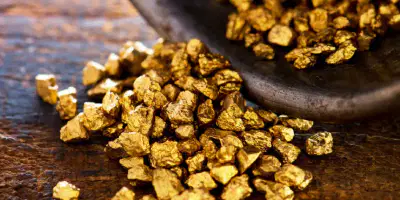
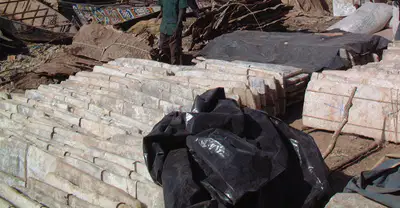
Found in quantity in West & Central Africa. The King owned all the nuggets found in mines (though others could trade in gold dust). Traded to the north for salt (and other goods)
Gold
Found in the Sahara as rock salt (like the slabs above) either in surface deposits or shallow mines. Traded to the south for gold and occasionally slaves
Salt
Gold and the 'other gold'
14
But there was another resource the Ghana had....what do you think it was?

15
Open Ended
What other natural resource do you imagine might have been a HUGE part of Ghana's virtually unstoppable growth?
16

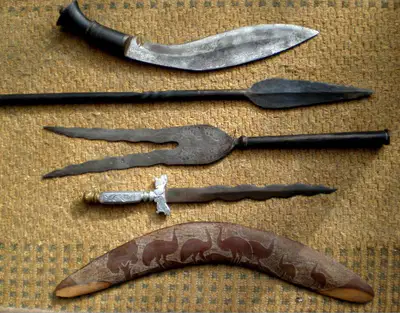
RIch deposits on West & Central Africa, and the Soninke craftsmen who knew how to work it gave Ghana a reliable source of weapons.
When the Ghana wanted to expand, nothing could really stop them!
Iron
There is another metal....
17
Multiple Choice
These metals gave Ghana its huge advantage:
Iron and steel
Gold and silver
Gold and iron
Gold and steel
18
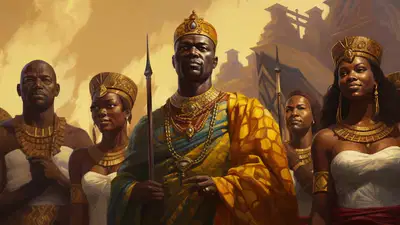
Ghana enjoyed a unique set of advantages: a rich trade in goods that were constantly in demand, reliable agriculture to produce their food, and the military strength to defend it.
Trade + farming + iron weapons = POWER
Ghana
19
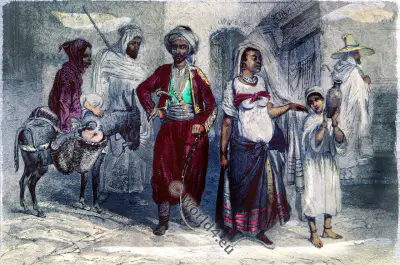
Muslim Berbers began to establish their own trade for gold to meet growing demand.
Warlords began fighting for control of trade, eventually weakening the empire
The Berbers
Ghana's decline
20
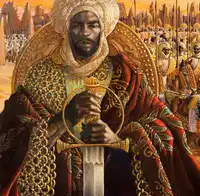
Sundiata: Hungering Lion
Malinke
The Lion of the Malinke
The Malinke were a small tribe that lived north of Ghana. They had been violently conquered by the Sossos. They struggled for their freedom, but failed until the 'Hungering Lion' rose to challenge them
Though born the son of
a warrior king, he was small and sickly, unable to walk. When Sossos' Sumanguru killed the rest of his brothers, he spared Sundiata as an example of the weakness of the Malinke...that may have been a mistake...
(Sundiata: soon-JAHT-ah)
21
The Malinke became known as the Mali, and they decimated their former Sossos overlords
Mali
African Empires
Show answer
Auto Play
Slide 1 / 21
SLIDE
Similar Resources on Wayground

16 questions
Percent
Presentation
•
6th Grade
16 questions
RATIOS AND PROPORTIONS
Presentation
•
6th Grade
16 questions
Point of View
Presentation
•
6th Grade
16 questions
6.8A Triangles Lesson
Presentation
•
6th Grade
17 questions
The Rise of the Roman Republic
Presentation
•
6th Grade
14 questions
Brazil: Location, Climate, and Natural Resources
Presentation
•
6th Grade
16 questions
Geography of Ancient Greece
Presentation
•
5th - 6th Grade
16 questions
Athens vs. Sparta
Presentation
•
7th Grade
Popular Resources on Wayground
11 questions
Hallway & Bathroom Expectations

Quiz
•
6th - 8th Grade
10 questions
HCS SCI 03 Summer School Assessment 2
Quiz
•
3rd Grade
11 questions
Home Scope
Quiz
•
7th - 8th Grade
12 questions
2026 TAP Technology in the Classroom
Presentation
•
Professional Development
15 questions
HCS SCI 05 Summer School Assessment 2 Review
Quiz
•
5th Grade
15 questions
HCS SCI 04 Summer School Review 2
Quiz
•
4th Grade
59 questions
Geometry Unit 3 Review
Quiz
•
9th - 12th Grade
14 questions
FAST ELA READING SMAPLE TEST MATERIALS

Passage
•
3rd Grade