Search Header Logo
Tenses in english

Tenses in english

Assessment

Presentation

English

9th Grade

Practice Problem

Hard

Created by

Mariella lopez

Used 8+ times

FREE Resource

13 Slides • 0 Questions

1

simple present

  • Form: Base form of the verb (add -s for third person singular)

  • Use: General truths, habits, and routines.

  • Examples:

    • She works as a teacher.

    • The sun rises in the east.

    • We play soccer every Saturday.

  • Summary: Describes facts, habits, and timeless actions.

2

Present Continuous

  • Form: Am/Is/Are + Verb+ing

  • Use: Actions happening right now or temporary situations.

  • Examples:

    • She is studying for her exams.

    • They are building a new house.

    • I am reading a great book right now.

  • Summary: Describes actions happening now or ongoing temporary actions.

3

Present perfect

  • Form: Have/Has + Past Participle

  • Use: Actions started in the past with relevance now or still happening.

  • Examples:

    • She has traveled to Japan several times.

    • We have known each other since childhood.

    • I have just finished my homework.

  • Summary: Connects past actions or experiences with the present.

4

Present perfect continous

  • Form: Have/Has Been + Verb+ing

  • Use: Actions that started in the past and continue now, emphasizing duration.

  • Examples:

    • They have been studying for hours.

    • She has been working here since last year.

    • I have been reading that book all morning.

  • Summary: Emphasizes ongoing actions and their duration up to the present.

5

Past simple

  • Form: Past form of the verb

  • Use: Completed actions in the past.

  • Examples:

    • I visited my grandparents last weekend.

    • She won the competition last year.

    • They moved to a new city.

  • Summary: Describes completed actions in a specific past time.

6

Past continous

  • Form: Was/Were + Verb+ing

  • Use: Actions that were ongoing at a specific time in the past.

  • Examples:

    • I was cooking dinner when she called.

    • They were watching a movie last night.

    • He was working late yesterday.

  • Summary: Describes past actions that were in progress at a certain time.

7

Past perfect

  • Form: Had + Past Participle

  • Use: Actions completed before another past action.

  • Examples:

    • He had left before she arrived.

    • I had never seen such a beautiful view until that day.

    • By the time they called, we had already eaten dinner.

  • Summary: Shows one past action happening before another.

8

Past perfect continous

  • Form: Had Been + Verb+ing

  • Use: Ongoing past action before another past event, emphasizing duration.

  • Examples:

    • They had been waiting for hours when the train finally arrived.

    • She had been practicing the piano before the recital.

    • I had been feeling ill before I went to the doctor.

  • Summary: Focuses on a past ongoing action’s duration before another past event.

9

future simple

  • Form: Will + Base form of the verb

  • Use: Actions decided at the moment of speaking or future facts.

  • Examples:

    • I will call you later.

    • They will travel to Japan next month.

    • He will win the game.

  • Summary: Describes spontaneous decisions or future facts.

10

future continous

  • Form: Will Be + Verb+ing

  • Use: Actions that will be ongoing at a specific time in the future.

  • Examples:

    • This time tomorrow, I will be flying to New York.

    • They will be working on the project all weekend.

    • She will be waiting for us at the café.

  • Summary: Describes future actions that will be in progress at a certain time.

11

future perfect

  • Form: Will Have + Past Participle

  • Use: Action that will be completed by a specific future time.

  • Examples:

    • She will have finished the project by tomorrow.

    • By 2025, they will have built a new stadium.

    • We will have saved enough money by next year.

  • Summary: Shows actions completed by a certain time in the future.

12

future perfect continous

  • Form: Will Have Been + Verb+ing

  • Use: Ongoing action that will continue up to a future point, focusing on duration.

  • Examples:

    • By next June, he will have been working here for five years.

    • She will have been studying for months by the time of the exam.

    • We will have been traveling for hours by the time we arrive.

  • Summary: Highlights the duration of an action up to a specific future time.

13

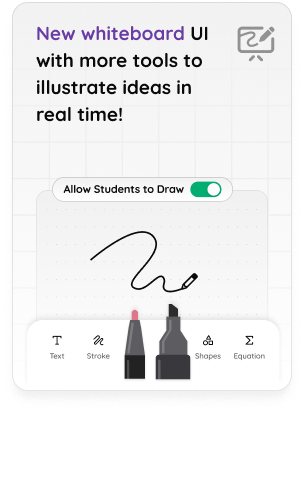
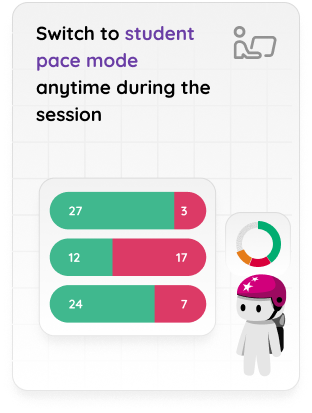
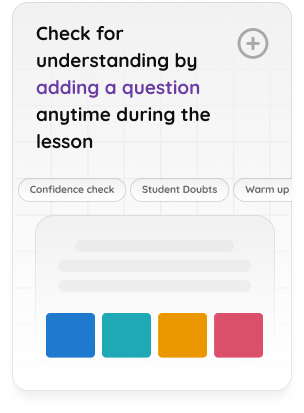
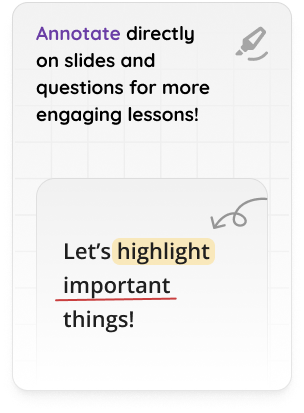
Discover new features in Lessons!
Finish all phases of “I-do ; We-do ; You-do” with Quizizz

media
media
media
media

​You can also create lessons directly on Google Slides using “Quizizz Extension”.
Read more about it here

simple present

  • Form: Base form of the verb (add -s for third person singular)

  • Use: General truths, habits, and routines.

  • Examples:

    • She works as a teacher.

    • The sun rises in the east.

    • We play soccer every Saturday.

  • Summary: Describes facts, habits, and timeless actions.

Show answer

Auto Play

Slide 1 / 13

SLIDE