
Unit 4 Review (2024)

Presentation
•
Science
•
8th Grade
•
Practice Problem
•
Easy
+1
Standards-aligned

Amanda Everett
Used 10+ times
FREE Resource
4 Slides • 16 Questions
1
2
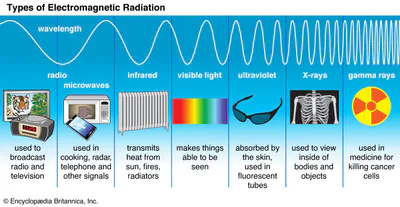
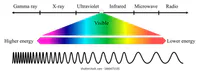
The electromagnetic spectrum shows the range of electromagnetic radiation: radio waves, microwaves, ultraviolet, visible light, infrared, x-rays, and gamma rays. The spectrum arranges the radiation in order of frequency and wavelength.
The image shows the seven radiations in order of increasing frequency.
**Red martians invade Venus using X-ray guns.
3
Multiple Choice
How are the components of the EMS, from radio waves to gamma rays, grouped?
according to their speed
according to their velocity
according to their wavelength
according to their visibility.
4
Reorder

Reorder the following from longest wavelength to shortest
radio
microwave
infrared
visible light
ultraviolet
5
Reorder
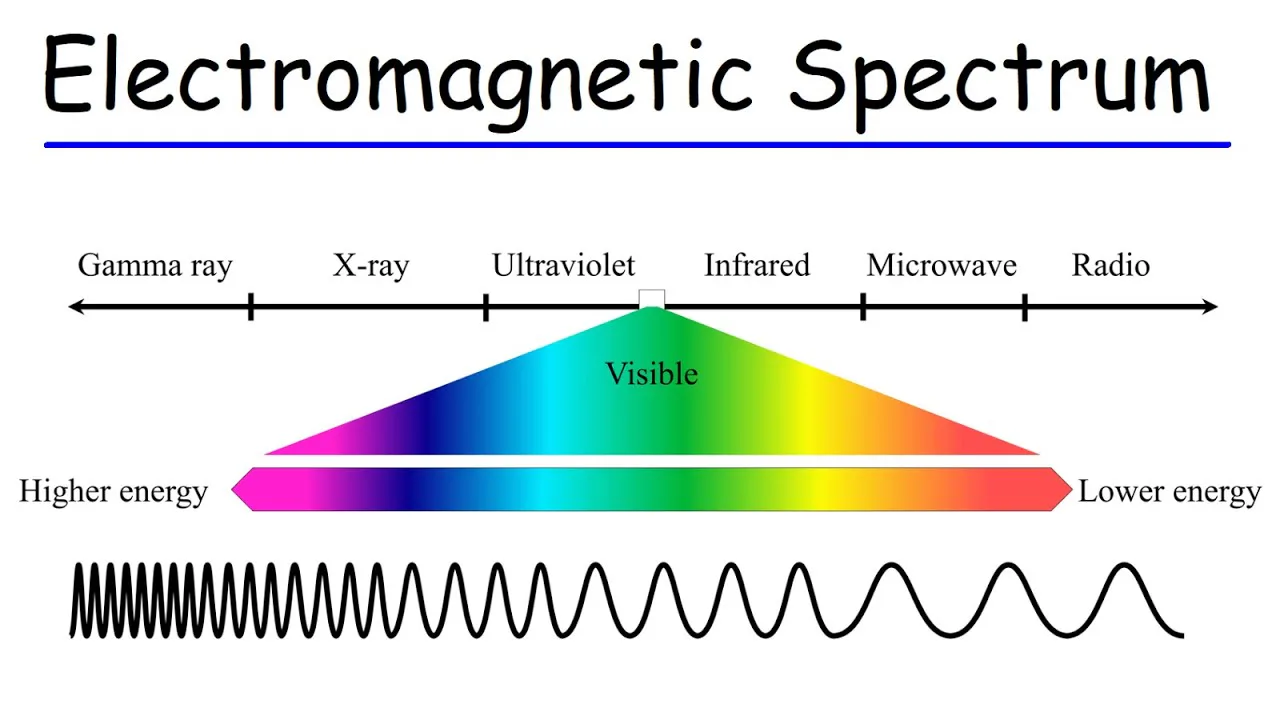
Reorder the following in order from shortest wavelength to the longest.
Gamma Ray
X-Ray
Ultraviolet
Visible Light
Infrared
6
Multiple Choice

Where is visible light located on the electromagnetic spectrum?
between infrared and ultraviolet rays
between radio waves and infrared rays
between X-rays and gamma rays
between radio waves and microwaves
7
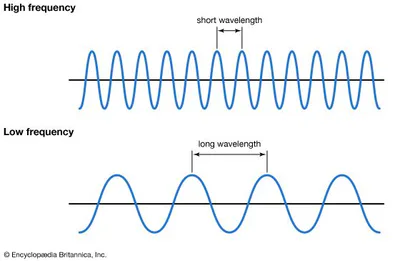
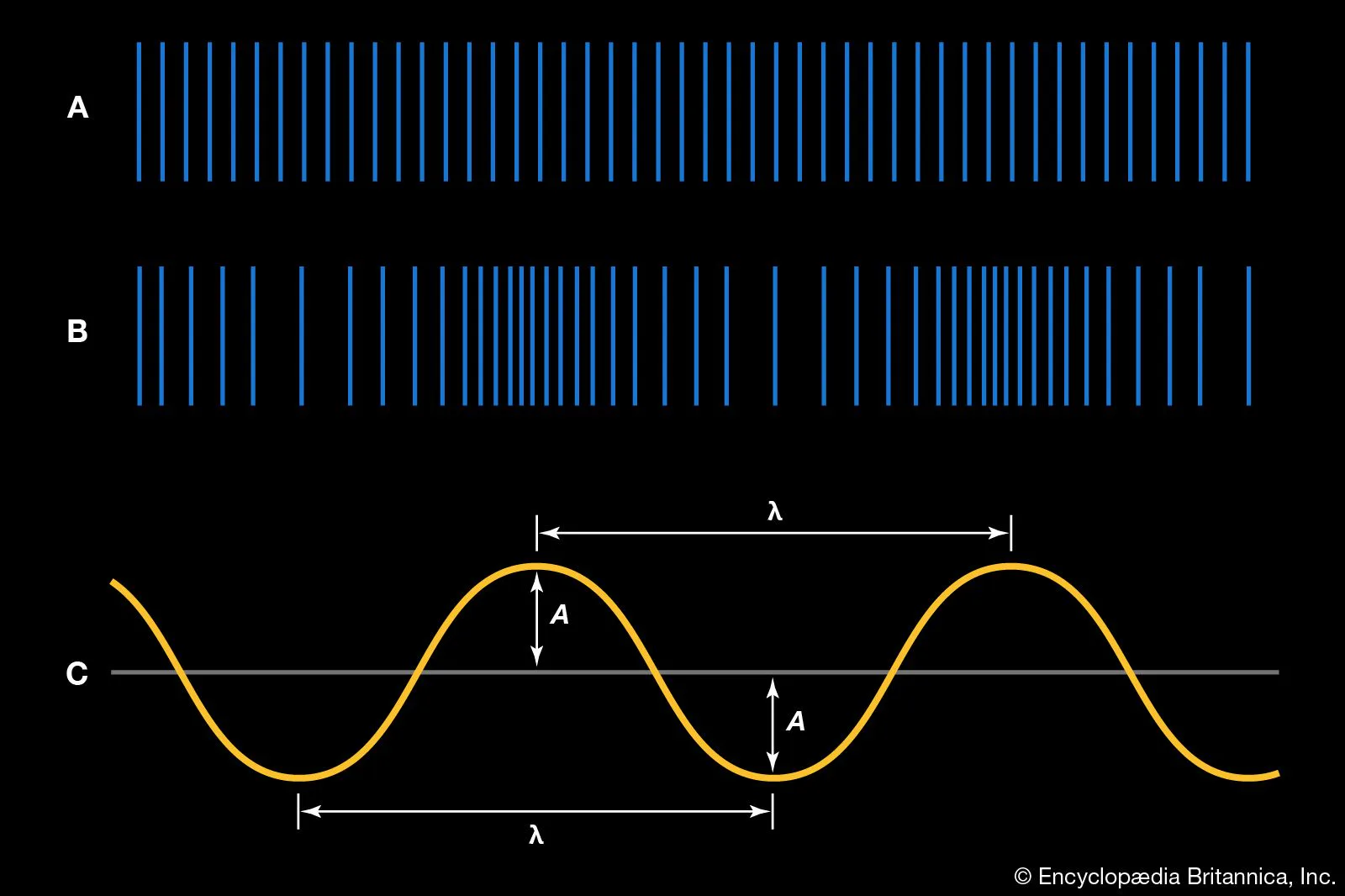
In electromagnetic waves, the relationship between frequency and energy is directly proportional.
Short wavelength=high frequency=high energy
Long wavelength=low frequency=low energy
Frequency vs. Wavelength
8
Multiple Choice
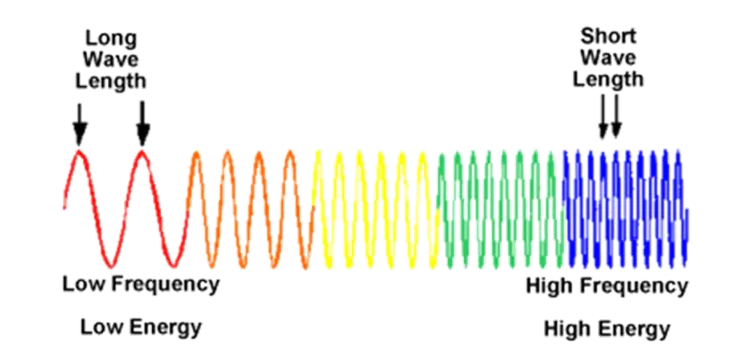
Which of the following types of electromagnetic waves have the shortest wavelengths?
infrared
x-rays
radio waves
ultraviolet
9
Multiple Choice
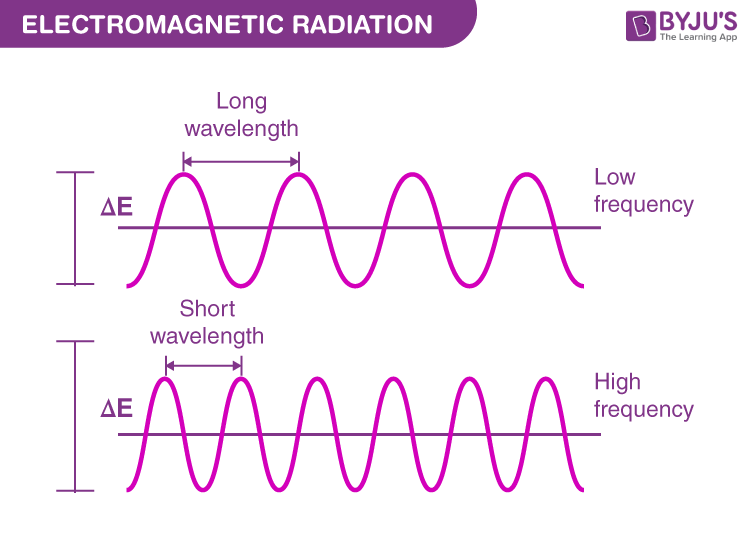
Which electromagnetic waves have the highest frequency?
microwaves
gamma rays
ultraviolet rays
radio waves
10
Multiple Choice
Which of the following statements correctly compares the frequency and energy of infrared waves and ultraviolet waves?
Infrared waves have lower frequencies than ultraviolet waves. Since frequency and energy are directly proportional, infrared waves also have less energy than ultraviolet waves.
Infrared waves have lower frequencies than ultraviolet waves. Since frequency and energy are inversely proportional, infrared waves also have more energy than ultraviolet waves.
Infrared waves have higher frequencies than ultraviolet waves. Since frequency and energy are directly proportional, infrared waves also have more energy than ultraviolet waves.
Infrared waves have higher frequencies than ultraviolet waves. Since frequency and energy are inversely proportional, infrared waves also have less energy than ultraviolet waves.
11
Multiple Choice
Which statement BEST compares a gamma ray to a radio wave?
A gamma ray has more energy than a radio wave because it has a longer wavelength and lower frequency.
A gamma ray has more energy than a radio wave because it has a shorter wavelength and a higher frequency.
A gamma ray has more energy than a radio wave because it has a shorter wavelength and lower frequency.
A gamma ray has more energy than a radio wave because it has a longer wavelength and a higher frequency.
12
Multiple Choice
Which statement BEST describes the frequency and wavelength of waves that are the most energetic?
Waves that have low frequency and long wavelengths.
Waves that have low frequency and short wavelengths.
Waves that have high frequency and long wavelengths.
Waves that high frequency and short wavelengths.
13
Multiple Choice
Based on this information, which statement can the student BEST make to explain the difference between radio waves and x-rays?
The shorter wavelength of x-rays indicates that they are less common.
The shorter wavelength of x-rays indicates that they have more energy.
The shorter wavelength of X-rays indicates that they have a higher temperature and can more easily cause burns.
The shorter wavelength of X-Ryas indicates that their particles are heavier and can travel farther through matter.
14
Multiple Choice
Ultraviolet rays have a higher frequency than microwaves. Which statement BEST compares the wavelength and energy of ultraviolet rays to microwaves?
Ultraviolet rays have a longer wavelength and less energy than microwaves.
Ultraviolet rays have a shorter wavelength and less energy than microwaves.
Ultraviolet rays have a longer wavelength and more energy than microwaves.
Ultraviolet rays have a shorter wavelength and more energy than microwaves.
15
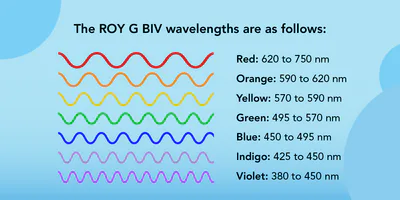

The visible part of the electromagnetic spectrum is often abbreviated ROYGBIV based on the first letters of each color's name (red-orange-yellow-green- blue-indigo-violet).
Visible light is the range of the electromagnetic spectrum humans can see. ROY G BIV represents the colors of visible light. Colors are arranged from longest to shortest wavelength. Red has the longest wavelength.
16
Reorder
Arrange the colors of the visible light spectrum in order of decreasing frequency.
violet
indigo
blue
green
yellow
17
Reorder
Arrange in order of longest to shortest wavelength.
red
orange
yellow
green
blue
18
Drag and Drop
19
Multiple Choice
What type of electromagnetic radiation does the sun emit?
gamma rays and ultraviolet radiation
ultraviolet radiation only
infrared, visible, and ultraviolet radiation
all types of electromagnetic radiation
20
Multiple Choice
What does sunscreen lotion do to interfere with the transfer of energy from the sun to a person's skin?
Absorbs the radiation coming from the sun.
Causes the skin cancer from the radiation emitted from the skin
Reflects most of the UV radiation.
Causes skin exposed to the sun.
Show answer
Auto Play
Slide 1 / 20
SLIDE
Similar Resources on Wayground

12 questions
Artificial Intelligence
Presentation
•
8th - 9th Grade
16 questions
Compression/Longitudinal Waves
Presentation
•
8th Grade
17 questions
Heat Transfer
Presentation
•
8th Grade
15 questions
1.1.4 Sensory Inputs
Presentation
•
8th Grade
15 questions
S8-JU1L2 - Properties of Waves
Presentation
•
8th Grade
16 questions
Seismic Waves
Presentation
•
8th Grade
15 questions
LSS 207 Sound (Part 3)
Presentation
•
7th - 8th Grade
12 questions
Nature of Science Review-Booklet-Day 3.
Presentation
•
8th Grade
Popular Resources on Wayground
10 questions
How much do you know about our Portrait of an Eagle?

Quiz
•
10th Grade
10 questions
Fast Food Slogans
Quiz
•
6th - 8th Grade
21 questions
Continents and Oceans
Quiz
•
6th Grade
20 questions
Parts of Speech
Quiz
•
5th Grade
16 questions
Subject & Predicate
Quiz
•
5th Grade
25 questions
Multiplication Facts
Quiz
•
5th Grade
12 questions
Map Skills
Quiz
•
3rd Grade
22 questions
Continents and Oceans
Quiz
•
5th Grade
Discover more resources for Science
20 questions
Scientific Method and Variables
Quiz
•
8th Grade
20 questions
Scientific method and variables
Quiz
•
8th Grade
27 questions
Counting Atoms - Subscripts
Quiz
•
8th Grade
20 questions
Claim, Evidence and Reasoning (CER)
Quiz
•
6th - 8th Grade
18 questions
Counting Atoms
Quiz
•
7th - 8th Grade
20 questions
Elements, Compounds and Mixtures
Quiz
•
8th Grade
10 questions
Exploring Chemical and Physical Changes

Interactive video
•
6th - 10th Grade
10 questions
Decoding the Periodic Table of Elements
Interactive video
•
6th - 10th Grade