

Legal Issues Related to Marketing

Presentation
•
Business
•
9th Grade
•
Practice Problem
•
Easy

Alicia Delande
Used 11+ times
FREE Resource
14 Slides • 13 Questions
1
2
Marketing and Legal Concerns
As marketers push the boundaries to captivate audiences, they must navigate a complex legal landscape to avoid costly missteps.
With the increasing scrutiny of marketing practices, from social media advertising to email campaigns, staying informed and proactive has never been more critical for marketers.
In this lesson, we explore marketing laws, common legal issues, and identify real world legal challenges.
3
Marketing Laws
Advertising Laws: The Federal Trade Commission (FTC) enforces truth-in-advertising laws, ensuring that advertisements are not deceptive or unfair.
Consumer Protection Laws: These laws safeguard consumers against fraudulent practices - cheating, lying, or deceiving someone.
Intellectual Property Laws: These protect brands' and individuals' creative works and innovations - copyrights, trademarks, or patents.
4
Multiple Choice
The Federal Trade Commission (FTC) enforces truth-in-advertising laws, ensuring that advertisements are not deceptive or unfair.
Advertising Laws
Consumer Protection Laws
Intellectual Property Laws
5
Multiple Choice
These laws safeguard consumers against fraudulent practices - cheating, lying, or deceiving someone.
Advertising Laws
Consumer Protection Laws
Intellectual Property Laws
6
Multiple Choice
These protect brands' and individuals' creative works and innovations - copyrights, trademarks, or patents.
Advertising Laws
Consumer Protection Laws
Intellectual Property Laws
7
Copyrights, Trademarks & Patents
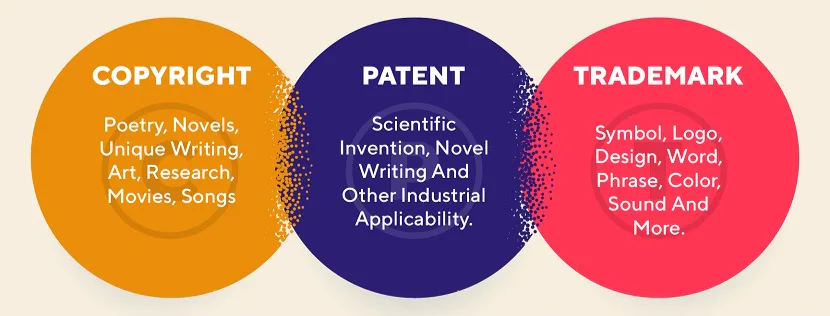
Copyright: A property right given to authors that allows them to control, protect, and exploit their artistic works.
Trademark: Any word, phrase, symbol, design, or a combination of these things that identifies your goods or services.
Patent: A grant of a property right by the government to the inventor to exclude others from making, using or selling the invention.
8
9
Multiple Choice
A property right given to authors that allows them to control, protect, and exploit their artistic works.
10
Multiple Choice
Any word, phrase, symbol, design, or a combination of these things that identifies your goods or services.
11
Multiple Choice
A grant of a property right by the government to the inventor to exclude others from making, using or selling the invention.
12
Copyright Example
"Playas Gon' Play" writers want Taylor Swift to knock it off
Taylor Swift's "Shake It Off" is a reminder of what to do in the face of criticism. But what about a copyright lawsuit? Songwriters Sean Hall and Nathan Butler sued Swift in 2017, alleging the song and its lines about "players gonna play" and "haters gonna hate" stole lyrics from their 2001 song "Playas Gon' Play," written for the R&B group 3LW. Swift said the lyrics in her song were common sayings and that she was unfamiliar with the 3LW song. Outside of the lyrical snippet, there was no musical similarity between the two songs. The case was dismissed in 2022 one month before trial.
13
Trademark Examples
Almost anything can be a trademark if it indicates the source of your goods and services. It could be a word, slogan, design, or combination of these. It could even be a sound, a scent, or a color. Some registered trademarks you may recognize include:




14
Patent Example
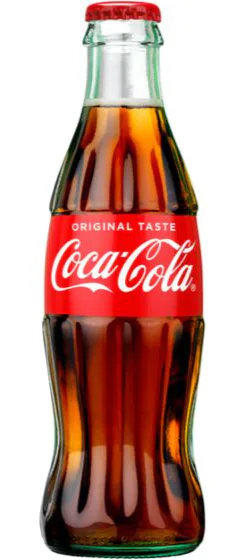
Coca-Cola’s contour bottle is one of the most recognizable packaging designs in the world. Its distinctive curves and fluted shape were specifically created to set Coca-Cola apart from "copycat" brands.
The design patent titled "A bottle or similar article" (patent number USD48160S) is the original contour bottle design. This patent, granted in 1915, was chosen by the Coca-Cola Company to uniquely distinguish their beverage.
15
Multiple Choice

Taylor Swift's "Shake It Off" song being accused of stealing lyrics from a 2001 song "Playas Gon' Play," written for the R&B group 3LW.
Copyright example
Trademark example
Patent example
16
Multiple Choice

This logo represents a.....
Copyright example
Trademark example
Patent example
17
Multiple Choice
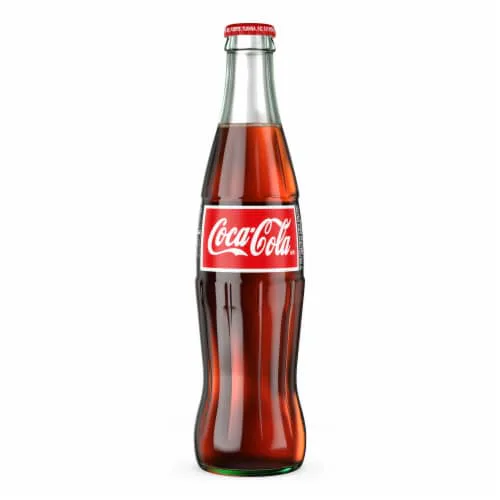
Coca-Cola’s contour bottle represents a.....
Copyright example
Trademark example
Patent example
18
Common Legal Issues in Marketing Campaigns
Marketing campaigns, with their creative zeal, sometimes inadvertently cross legal boundaries.
Being aware of these common legal issues can help you steer clear of potential conflicts.
19
Misleading Advertisements
False claims: Exaggerating a product's capabilities or making unsubstantiated claims can lead to allegations of false advertising.
Hidden fees and conditions: Not disclosing an offer's total cost or critical terms can be deemed deceptive.
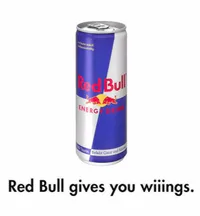
Example: Red Bull's misleading energy claims - Red Bull settled a lawsuit for falsely claiming that their drink could improve concentration and reaction speeds, illustrating the importance of substantiating marketing claims.
20
Copyright/Trademark Infringement
Unauthorized use of material: Using copyrighted music, images, or text without permission can lead to legal action.
Trademark violation: Misusing another brand's trademark, even unintentionally, can result in infringement claims.
Example: Nestle v Cadbury - Cadbury attempted to trademark a specific shade of purple (Pantone 2685C), noting the color had become synonymous with its brand and thus deserved legal protection as a trademark. Nestle opposed this move, claiming that allowing Cadbury to trademark the use of the color would unfairly restrict competition.

21
Privacy Laws and Data Usage
Improper data handling: With laws like GDPR and CCPA, mishandling customer data can lead to severe penalties.
Intrusive marketing techniques: Overstepping boundaries in personalized marketing can infringe on privacy rights.
Examples of intrusive marketing techniques include: Unsolicited telemarketing calls, spam emails, pop-up ads that obstruct the screen, overly loud radio or TV commercials, unwanted text messages, excessive direct mail - interrupting a person's day without their consent to aggressively promote a product or service.

22
Multiple Choice
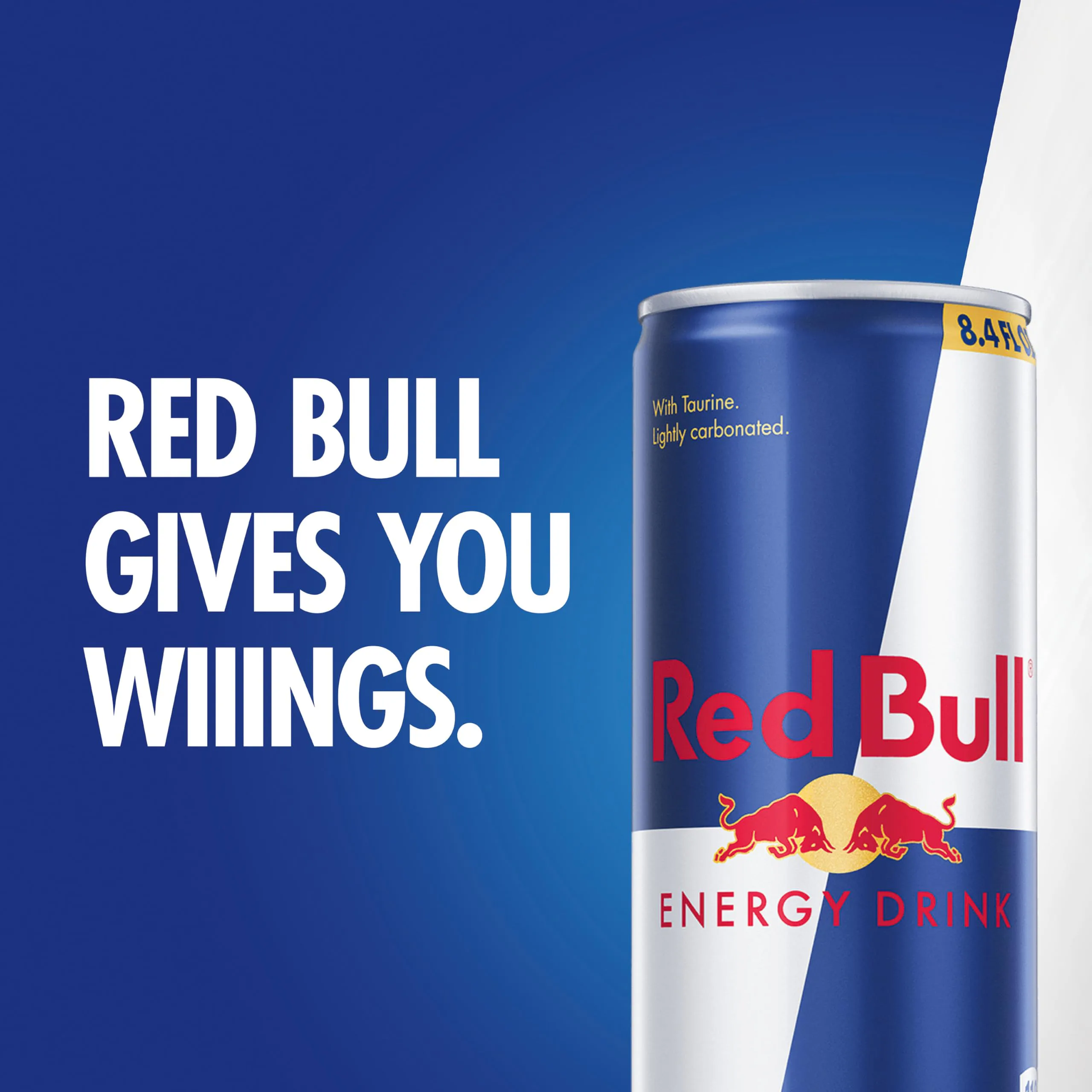
Red Bull claiming that their drink could improve concentration and reaction speeds, is an example of?
False Claims
Hidden Fees and Conditions
Trademark Violation
Intrusive Marketing Techniques
23
Multiple Choice
Not disclosing an offer's total cost or critical terms is an example of?
False Claims
Hidden Fees and Conditions
Trademark Violation
Intrusive Marketing Techniques
24
Multiple Choice

Cadbury attempted to trademark a specific shade of purple is an example of?
False Claims
Hidden Fees and Conditions
Trademark Violation
Intrusive Marketing Techniques
25
Multiple Choice

Spam emails and pop-up ads that obstruct the screen are example of?
False Claims
Hidden Fees and Conditions
Trademark Violation
Intrusive Marketing Techniques
26
Best Practices to Avoid Legal Issues
Develop a compliance checklist: Identify legal requirements related to advertising and intellectual property, and update the checklist to reflect changes in laws and regulations.
Conduct regular audits: Review marketing materials and campaigns for legal compliance.
Train the team: Educate your marketing team on the legal aspects of marketing, including new laws and emerging marketing channels.
Establish transparent processes: Create standard procedures for approval of marketing materials and implement protocols for responding to legal concerns or complaints.
Monitor marketing trends: Stay informed about marketing practices that are under legal scrutiny, and adapt your strategies to avoid risky or controversial methods.
27
Conclusion
Navigating the intersection of marketing and legal compliance is a delicate but essential part of a marketer's role.
As we've explored, understanding the legal landscape, learning from past mistakes, and implementing best practices are vital to developing successful, legally compliant marketing campaigns.
Staying informed, proactive, and responsible in your marketing efforts will protect your brand legally, all the while enhancing its value and credibility in the long run.
Show answer
Auto Play
Slide 1 / 27
SLIDE
Similar Resources on Wayground

18 questions
Chapter 10 - Multinationals
Presentation
•
9th Grade
18 questions
Theory vs Law
Presentation
•
8th Grade
20 questions
Gas Laws in Physical Science
Presentation
•
9th Grade
20 questions
Graffiti
Presentation
•
10th Grade
19 questions
The Gas Laws
Presentation
•
9th Grade
19 questions
Exponents Worksheets
Presentation
•
9th Grade
20 questions
Legislative Branch
Presentation
•
9th Grade
23 questions
Occupations related to digital media careers
Presentation
•
9th Grade
Popular Resources on Wayground
10 questions
Safety Day 2026 – Student Review

Quiz
•
9th Grade
21 questions
Continents and Oceans
Quiz
•
6th Grade
20 questions
Parts of Speech
Quiz
•
5th Grade
16 questions
Subject & Predicate
Quiz
•
5th Grade
25 questions
Multiplication Facts
Quiz
•
5th Grade
12 questions
Map Skills
Quiz
•
3rd Grade
22 questions
Continents and Oceans
Quiz
•
5th Grade
15 questions
Rounding Decimals
Quiz
•
5th Grade