

Pollution and Resources

Presentation
•
Science
•
6th Grade
•
Medium
Standards-aligned

Kevona McLaughlin
Used 1+ times
FREE Resource
36 Slides • 45 Questions
1
Multiple Choice
A farmer applies excess fertilizer to one of her fields just before a rainstorm. What kind of pollution is this most likely to lead to?
Toxic
Sediment
Nutrient
Bacterial
2

3

4

5

6
Multiple Choice
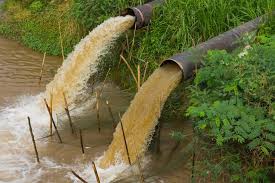
Chemicals released from an Industrial Plant directly into a river
Point
Non-Point
7
Multiple Choice

Disposing of paint and other household hazardous materials down the drain
Point
Non-Point
8
Multiple Choice
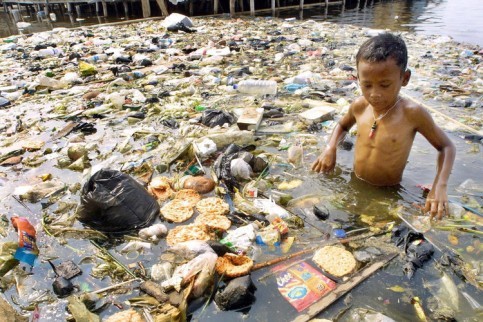
______________________ is the introduction of chemical, physical, or biological agents into water that degrade water quality and adversely affect the organisms that depend on the water.
water pollution
desalination
watershed
potable
9

10

11

12

13
Multiple Choice
Some kids were dumping paint in the local pond. What type of water pollution did they cause?
Toxic
Sediment
Nutrient
Bacterial
14
Multiple Choice
Why does chemical waste need to be disposed of carefully?
It encourages excessive plant growth
It contains heavy metals which build up in the tissues of living organisms.
It is not biodegradable
It depletes the oxygen levels in the water
15
Multiple Choice
Dirt, sand and silt are classified as what type of pollution?
toxic chemical
sediment
nutrient
bacterial
16
Multiple Choice
A farmer applies excess fertilizer to one of her fields just before a rainstorm. What kind of pollution is this most likely to lead to?
Toxic
Sediment
Nutrient
Bacterial
17

18

19

20

21

22
Multiple Choice
This type of pollution comes from any heating of natural water that results from human activity
Thermal pollution
Chemical pollution
Biological pollution
23
Multiple Choice
Which of the following is an effect of an oil spill?
Many plants and animals die.
The fishing industry improves.
Plant life increases.
The oil cleans the beaches.
24
Multiple Choice
At a research lab, a scientist carelessly pours cultures of living microrganisms down the drain. What type of water pollution does this cause?
Toxic
Sediment
Nutrient
Biological
25
Multiple Choice
What type of pollution is the example:
Water from a river or lake, that is used for cooling powerplants, get warmed up. When that warm water is returned to the river or lake, it is a higher temperature than the river or lake water. This warmer water has less oxygen available for organisms that live in the water.
Biological pollution
Chemical pollution
Thermal pollution
26

27

28

29
Multiple Choice
True or False. Air pollution is caused by both natural causes and man-made causes.
True
False
30
Multiple Choice
What are substances that are harmful to the air, water or soil?
Oil
Pollutants
Ocean
Ozone
31

32
Fill in the Blanks
Most natural causes are made worse due to blowing
33

34
Dropdown
35
Categorize
Natural Disasters
Pollen
Mold
Industry
Transportation
Humans
Construction
Categorize the natural and man-made causes of pollution. Put each example under the correct category.
36

37
Multiple Choice
True or False. Secondary pollutants enter the air directly.
True
False
38

39
Multiple Choice
Which pollutants are created chemically in the atmosphere?
Primary
Secondary
40
Categorize
Carbon Monoxide
Carbon Dioxide
Hydrocarbons
Ozone
Photochemical Smog
Acid Depositions
Categorize the primary and secondary pollutants. Put each example under the correct category.
41

42
Earth is a water planet. However, that doesn't mean it is all drinkable. The oceans contain 96.5% of the water on our planet. Of the little freshwater we have, most is locked in ice.

43
Multiple Choice
What percentage of surface water on Earth is rivers?
0.49%
2.6%
20.9%
3.0%
44
In the United States, most water usage is industrial including making electricity. It is followed closely by agriculture.

45
Multiple Choice
In the United State, which uses the most water?
Agriculture
Industrial
Domestic
46
We also use water every day that is hidden.
Some examples:
2,900 gallons of water = 1 pair of blue jeans
678 gallons of water = 1 cheeseburger
122 gallons of water = 1 loaf of bread
100,000 gallons of water = 1 automobile

47
The average American family of four uses 400 gallons of water a day. Approximately 70% of that water is used inside the home. That's 280 gallons a day. Here is a breakdown of water usage in the home.

48
Multiple Choice
Conserves Water or Wastes Water?
Take long showers
Conserves Water
Wastes Water
49
Multiple Choice
Conserves Water or Wastes Water?
Fixing a leak
Conserves Water
Wastes Water
50
Multiple Choice
Conserves Water or Wastes Water?
Washing only full loads in the washing machine or dishwasher
Conserves Water
Wastes Water
51
Multiple Choice
Conserves Water or Wastes Water?
Let water run while brushing teeth
Conserves Water
Wastes Water
52
Multiple Choice
Conserves Water or Wastes Water?
Washing dishes by hand
Conserves Water
Wastes Water
53
Multiple Choice
Conserves Water or Wastes Water?
Installing low-flow faucets/toliets/showerheads
Conserves Water
Wastes Water
54
Multiple Choice
Conserves Water or Wastes Water?
Watering lawn and plants during the hottest part of the day
Conserves Water
Wastes Water
55
Multiple Choice
Conserves Water or Wastes Water?
Replacing appliances with energy efficient appliances
Conserves Water
Wastes Water
56
Multiple Choice
Conserves Water or Wastes Water?
Clean sidewalks and driveways with a broom instead of spraying them clean with water
Conserves Water
Wastes Water
57
Multiple Choice
Conserves Water or Wastes Water?
Taking 5 minute showers
Conserves Water
Wastes Water
58
Multiple Choice
Conserves Water or Wastes Water?
Running the faucet till cold water comes out for drinking
Conserves Water
Wastes Water
59

any energy source, organism, or substance found in nature that people use
Natural Resource
60

a natural resource that can be replaced in nature at about the same rate it is used. Ex: sunlight, wind, water, trees, plants, animal waste
renewable resource
61

a natural resource that exists in a fixed amount or that is used up faster than it can be replaced in nature. Ex: coal, oil, natural gas, uranium
nonrenewable resource
62

a nonrenewable energy source formed from the remains of ancient plants and animals buried in Earth's crust for millions of years. Ex: coal, oil, natural
gas
fossil fuels
63

a solid fossil fuel formed underground from buried and decayed plant material
coal
64

protecting, restoring, and managing natural resources so that they can last as long as possible
conservation
65

electricity produced by moving water
hydroelectric energy
66

electricity produced by the sun using solar cells or solar panels. It's a clean unlimited source of energy but expensive and somewhat inefficient
solar energy
67
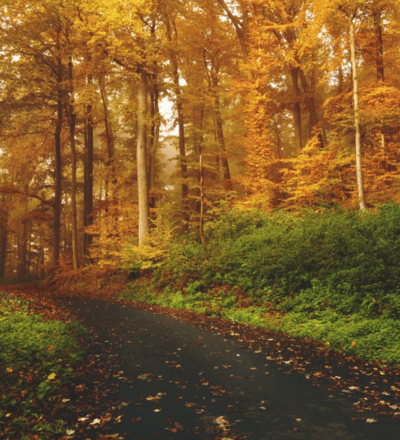
energy produced by heat within Earth's crust
geothermal energy
68

clean and renewable type of energy that uses the force of moving air to generate electricity
wind energy
69

renewable resource in which organic matter such as plant and animal waste that can be used as fuel
biomass energy
70
Multiple Choice
What is any natural material that is used by humans?
natural resource
material resource
energy resource
71
Multiple Choice
What is a resource that can be replaced at the same rate at which the resource is consumed?
nonrenewable resource
fossil fuel
renewable resource
material resource
72
Multiple Choice
What is an example of a renewable resource?
Coal
Gasoline
Oil
Water
73
Multiple Choice
What is a resource that forms at a rate that is much lower than the rate at which the resource is consumed?
material resource
nonrenewable resource
renewable resource
energy resource
74
Multiple Choice
What is an example of a nonrenewable resource?
Wind
Oil
Water
Plants
75
Multiple Choice
What is a nonrenewable energy resource that formed from the remains of organisms that lived long ago?
fossil fuel
natural resource
material resource
energy resource
76
Multiple Choice
What is NOT an example of a fossil fuel?
Oil
Coal
Natural Gas
Soil
77
Multiple Choice
What is a natural resource that humans use to make objects or to consume as food and drink?
fossil fuel
energy resource
material resource
78
Multiple Choice
What are all the bodies of freshwater, salt water, ice, and snow that are found above the ground?
surface water
groundwater
79
Multiple Choice
What is the water that is beneath the earth's surface called?
groundwater
surface water
80
Multiple Choice
What type of water is the most prominent on Earth?
Salt Water
Freshwater
81
Multiple Choice
What type of water do humans drink?
Salt Water
Freshwater
A farmer applies excess fertilizer to one of her fields just before a rainstorm. What kind of pollution is this most likely to lead to?
Toxic
Sediment
Nutrient
Bacterial
Show answer
Auto Play
Slide 1 / 81
MULTIPLE CHOICE
Similar Resources on Wayground

74 questions
Eukaryotic vs Prokaryotic
Presentation
•
6th - 8th Grade
77 questions
ESB Domain 1 Review
Presentation
•
6th - 8th Grade
78 questions
Science 5G: Vascular and Nonvascular Plants
Presentation
•
5th Grade
81 questions
Meteorology 4d
Presentation
•
6th Grade
71 questions
Benchmark Review Part 1
Presentation
•
KG
70 questions
comida
Presentation
•
6th Grade
74 questions
1.4 Developing Vocabulary Quizizz slide
Presentation
•
7th Grade
Popular Resources on Wayground
10 questions
Safety Day 2026 – Student Review

Quiz
•
9th Grade
21 questions
Continents and Oceans
Quiz
•
6th Grade
20 questions
Parts of Speech
Quiz
•
5th Grade
16 questions
Subject & Predicate
Quiz
•
5th Grade
25 questions
Multiplication Facts
Quiz
•
5th Grade
12 questions
Map Skills
Quiz
•
3rd Grade
22 questions
Continents and Oceans
Quiz
•
5th Grade
15 questions
Rounding Decimals
Quiz
•
5th Grade
Discover more resources for Science
20 questions
Elements, compounds, and mixtures
Quiz
•
6th Grade
10 questions
6.6D - Relative Density Review
Quiz
•
6th Grade
10 questions
Exploring Chemical and Physical Changes

Interactive video
•
6th - 10th Grade
20 questions
CONDUCTION,CONVECTION AND RADIATION
Quiz
•
6th Grade
20 questions
Rocks and The Rock Cycle
Quiz
•
6th Grade
19 questions
Describing and Classifying Matter
Presentation
•
6th Grade
21 questions
Waves and Wave Properties
Quiz
•
6th - 8th Grade
20 questions
Phases of the Moon
Quiz
•
6th Grade