11.1: Spain's Empire and European Absolutism
Presentation
•
History
•
10th Grade
•
Practice Problem
•
Medium
Scott Markowitz
Used 5+ times
FREE Resource
53 Slides • 22 Questions
1
2
3
4
5
Multiple Choice
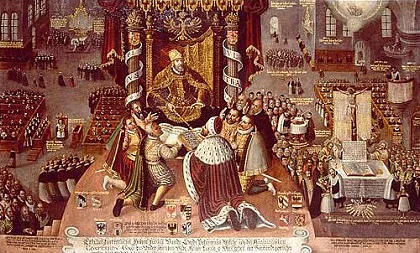
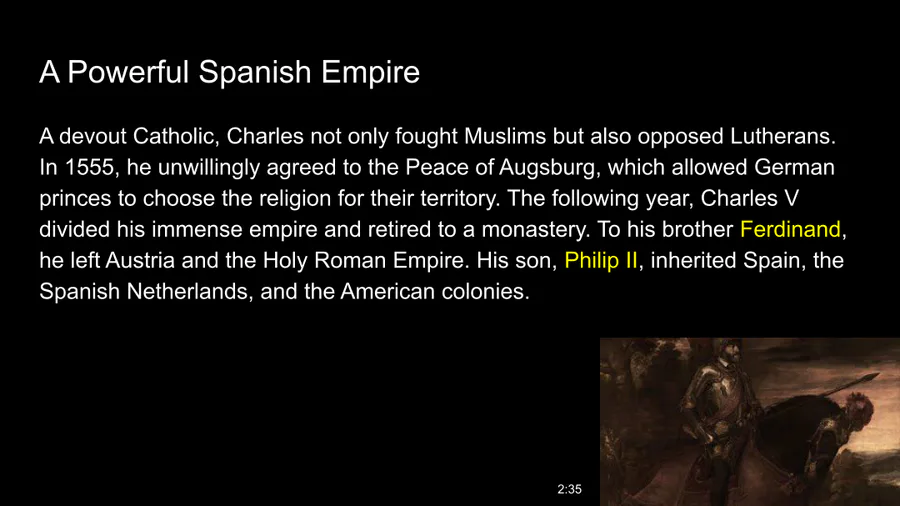
Which religious settlement was reached with the Peace of Augsburg?
All countries north of France would remain Protestant, while those to its south would be Catholic
All countries of the former Roman Empire would remain Catholic, while the rest of Europe would be Protestant
The ruler of each German state would decide the religion of his subjects, regardless of the wishes of those subjects
The people of each German state would vote to decide the religion of the country, regardless of the views of the rulers of those states
6
7
8
9
10
11
Multiple Choice
Which interpretation best explains Spain's long-term economic decline, despite its colonial wealth?
simple mismanagement of resources
systemic structural problems preventing economic diversification
external competition from other European powers
economic warfare with England and other rivals
12
Multiple Choice
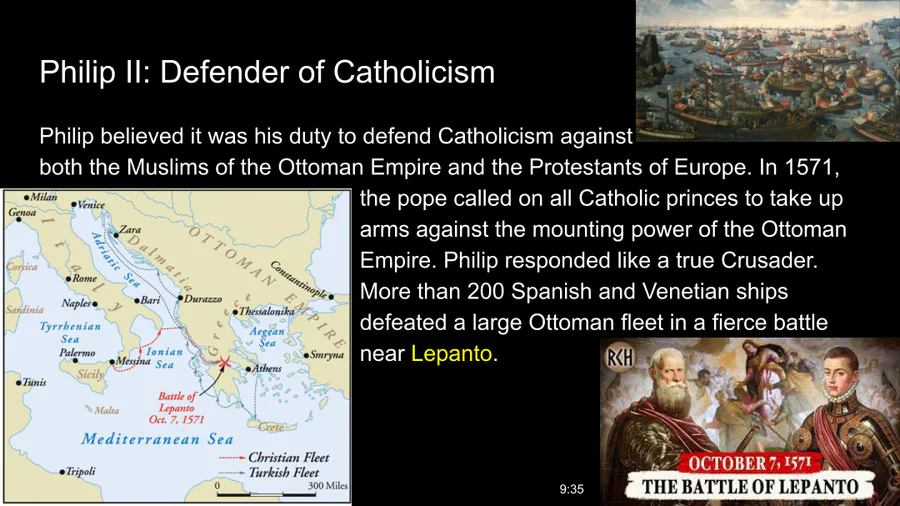
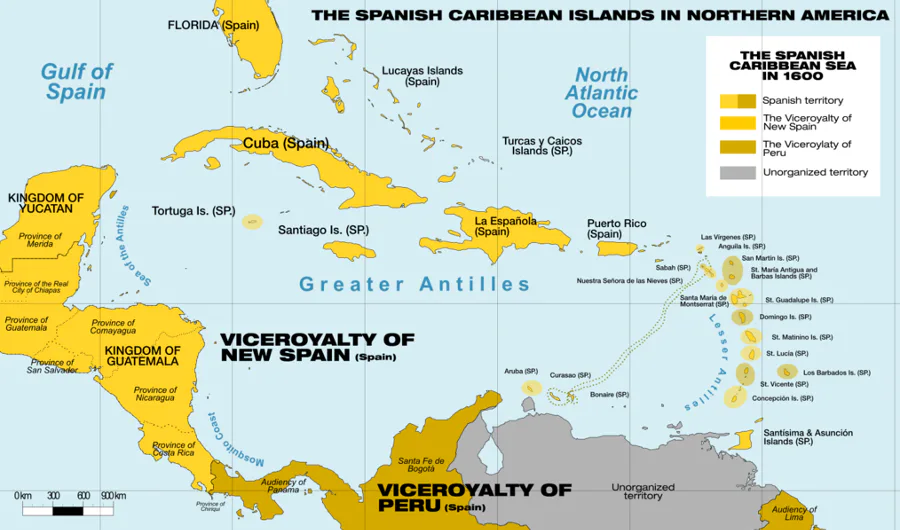
Much of the immense wealth brought back from the Spanish colonies was used to fight religious wars against
Protestants
Jews
Catholics
Jesuits
13
14
15
Multiple Choice
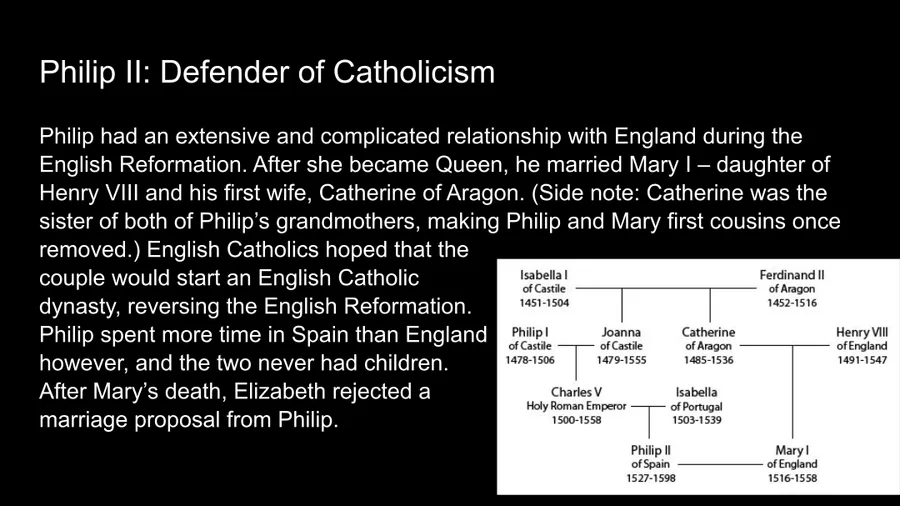
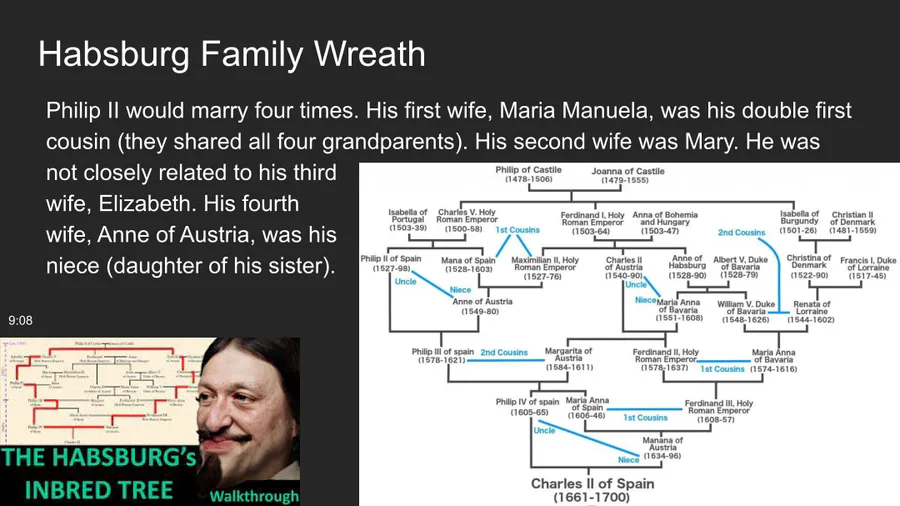
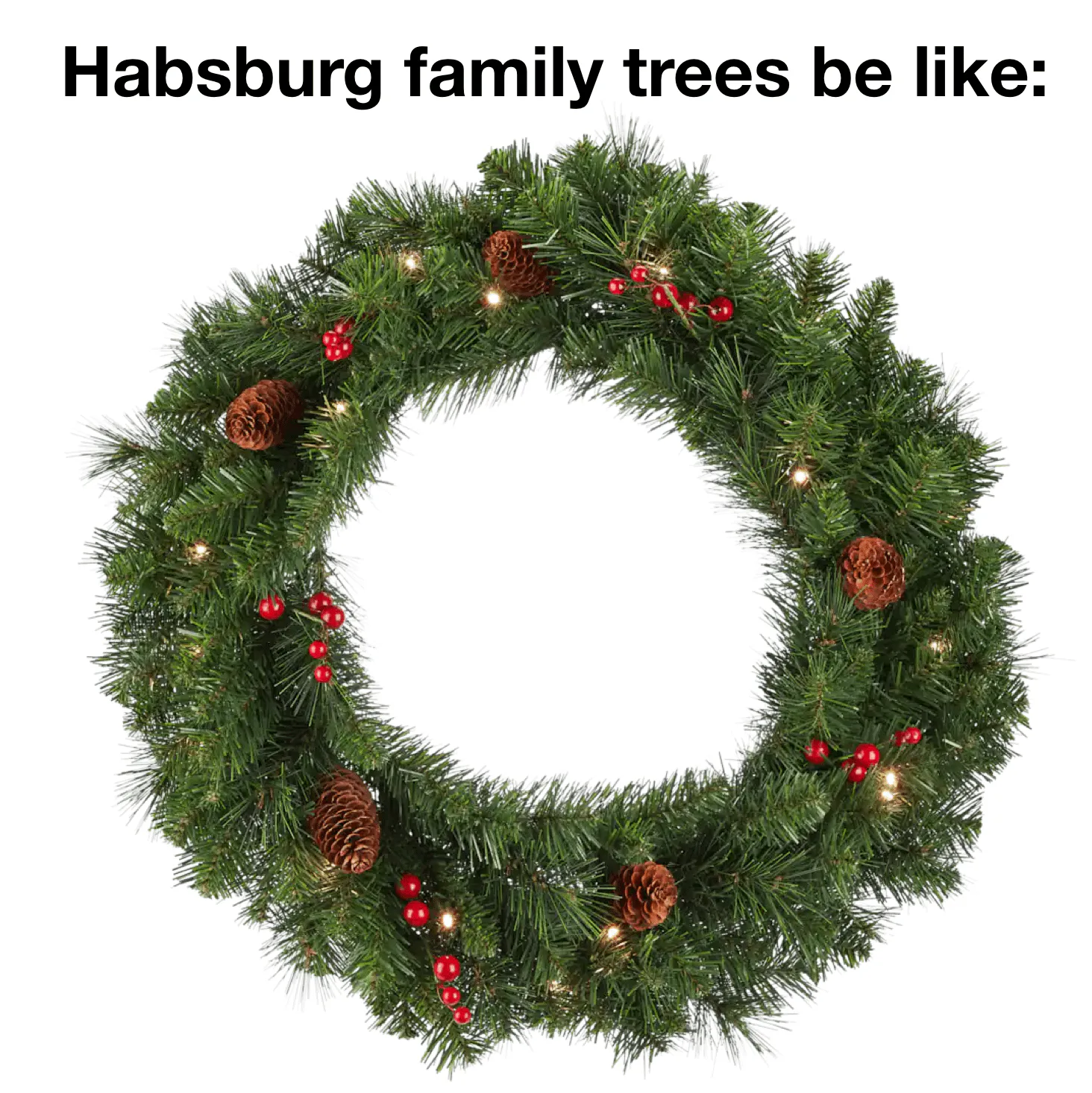
How might Philip II's complex family marriage patterns reflect broader political strategies of European monarchies during the 16th century?
as random personal choices
as deliberate dynastic consolidation mechanisms
as evidence of genetic ignorance
as expressions of religious compliance
16
17
18
19
20
21
22
23
24
Multiple Choice
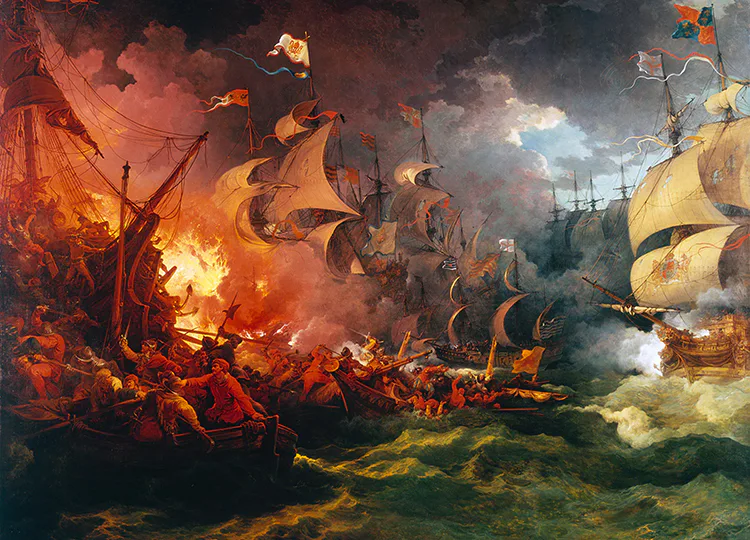
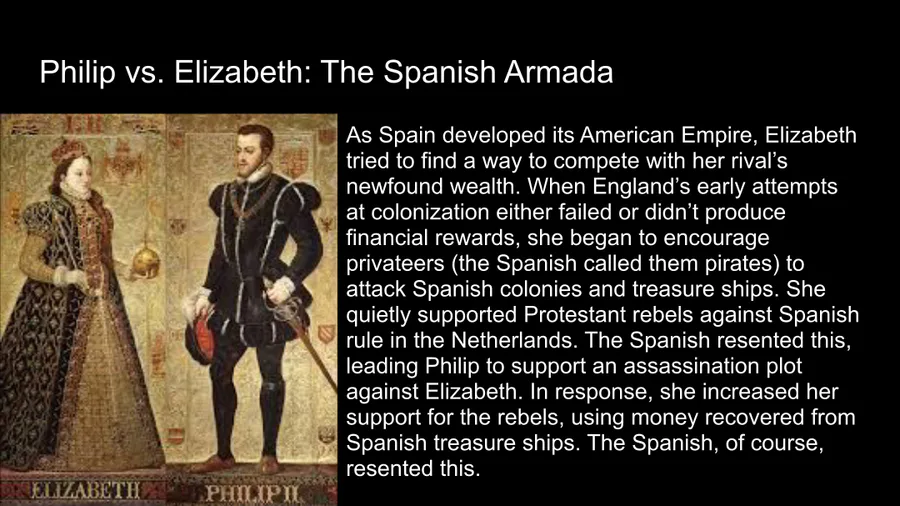
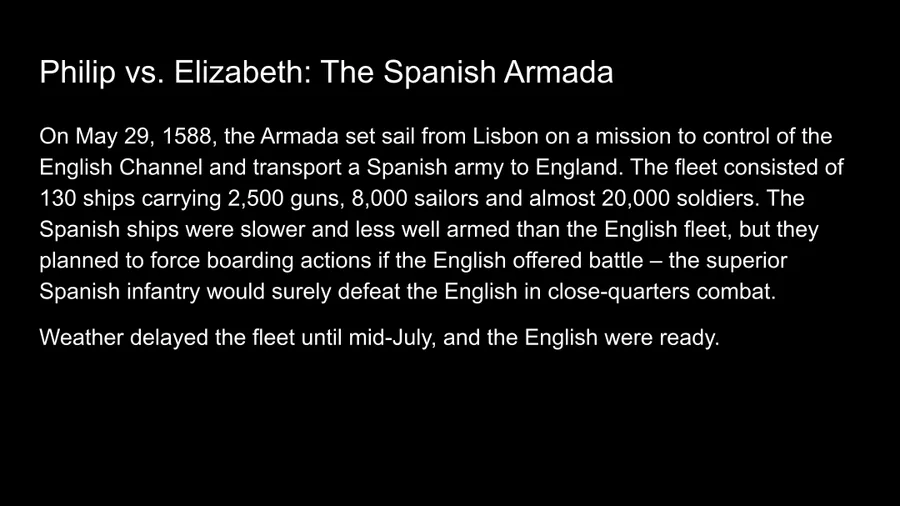
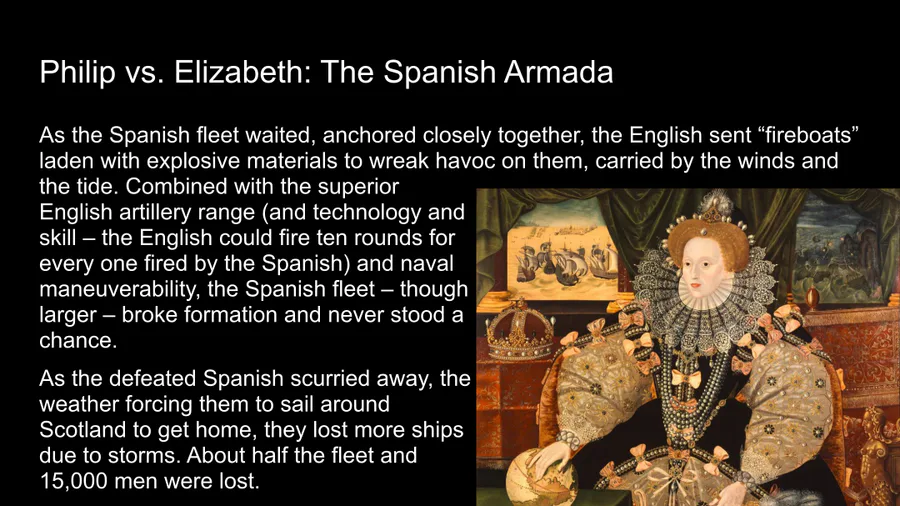
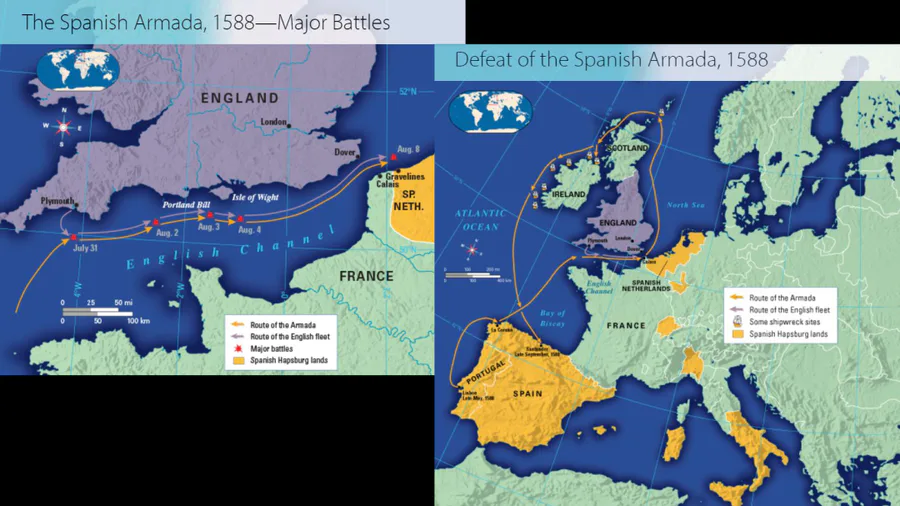
How might the Spanish Armada's defeat represent a broader geopolitical transformation in European power dynamics?
as an isolated military setback
symbolic decline of imperial hegemony
insignificant maritime event
purely technological competition
25
26
27
28
29
Multiple Choice
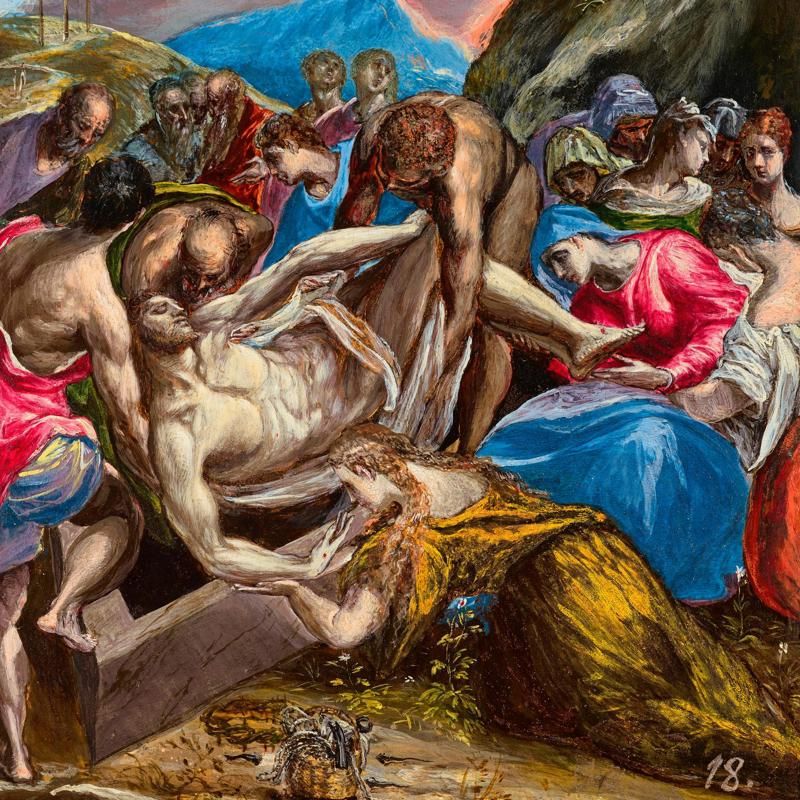
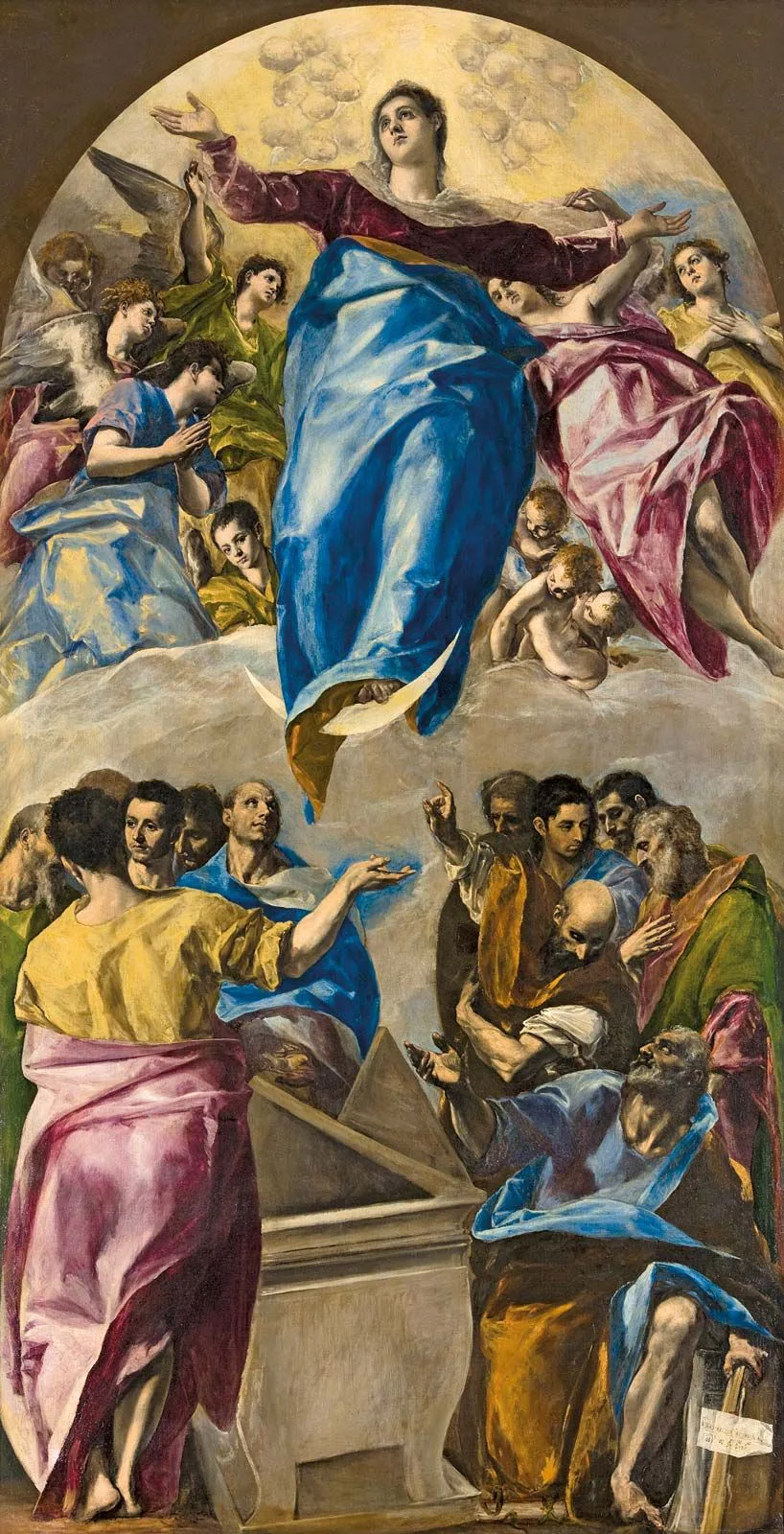
How do El Greco's paintings reflect aspects of Spanish history and culture?
His paintings demonstrate an admiration for the royal family.
His paintings show the country's struggle in defeating the Muslims.
His paintings illustrate the people's strong devotion to Catholicism.
His paintings exhibit the riches obtained from expanding the empire.
30
Multiple Choice
The subjects of El Greco's paintings were often ___ which reflected Spain's strong devotion to its Catholic faith.
saints
popes
church buildings
priests
31
32
33
34
35
Multiple Choice
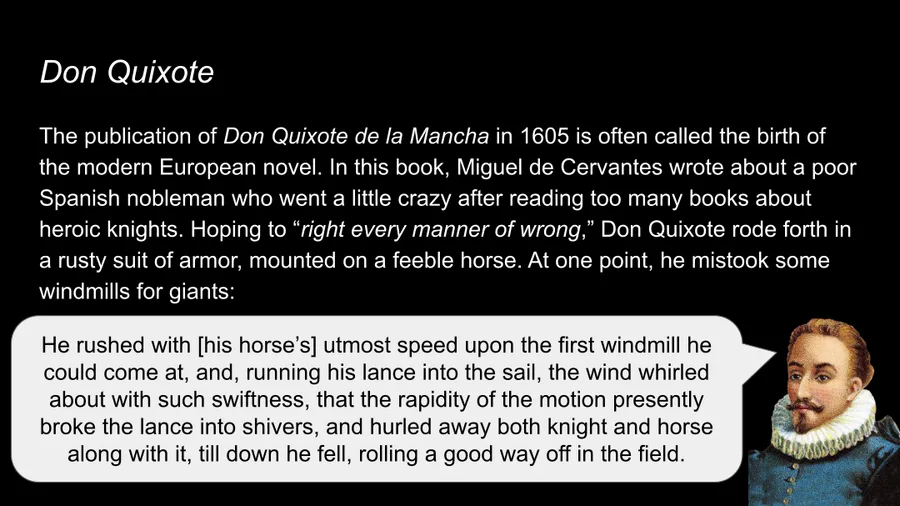
How do Cervantes' literary techniques in Don Quixote critique contemporary social structures?
pure entertainment
sophisticated social and philosophical commentary
literary incompetence
random narrative exposition
36
37
38
39
40
41
Multiple Choice
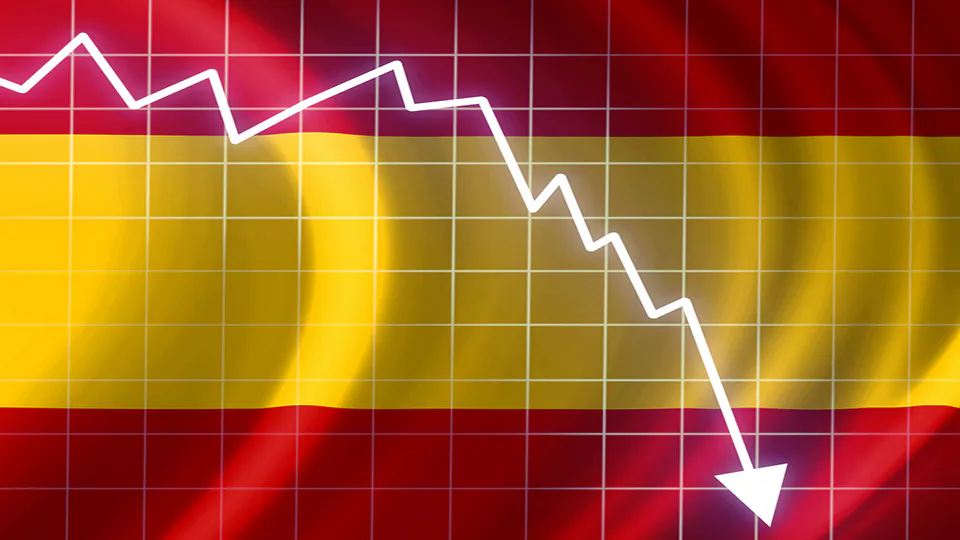
Which financial troubles plagued the Spanish economy during the 17th century?
The cost of exploration and maintaining the empire exceeded the reward of conquest.
The cost of fighting numerous battles throughout the continent resulted in large debts.
The switch from an agricultural to a mercantilist economy caused high levels of unemployment.
The failure to adopt new farming methods resulted in crop failures and famine throughout the country.
42
Multiple Choice
Which of these was NOT a financial problem affecting Spain during the 17th century?
inflation
high unemployment
bankrupt government
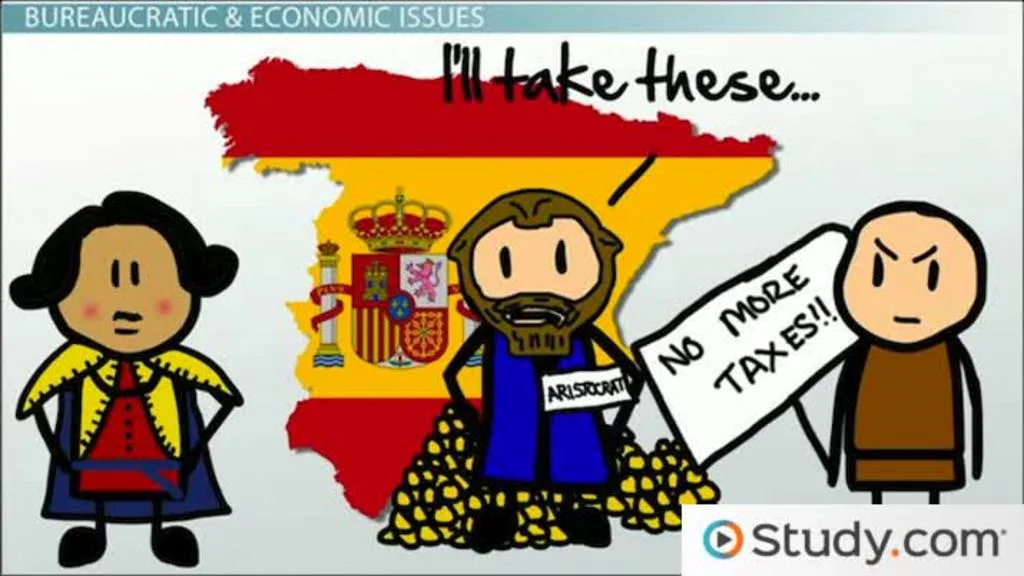
high taxes for the poor
43
Multiple Choice
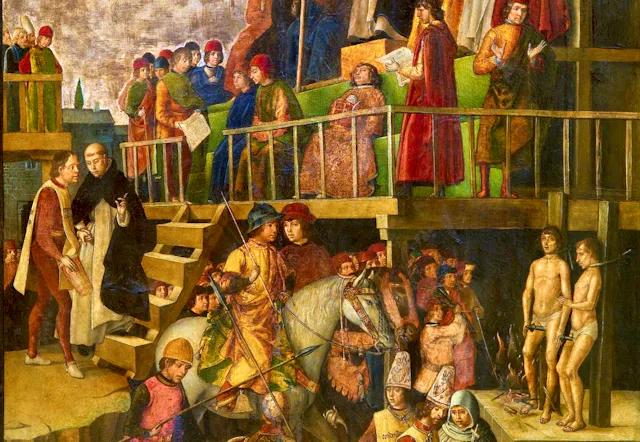
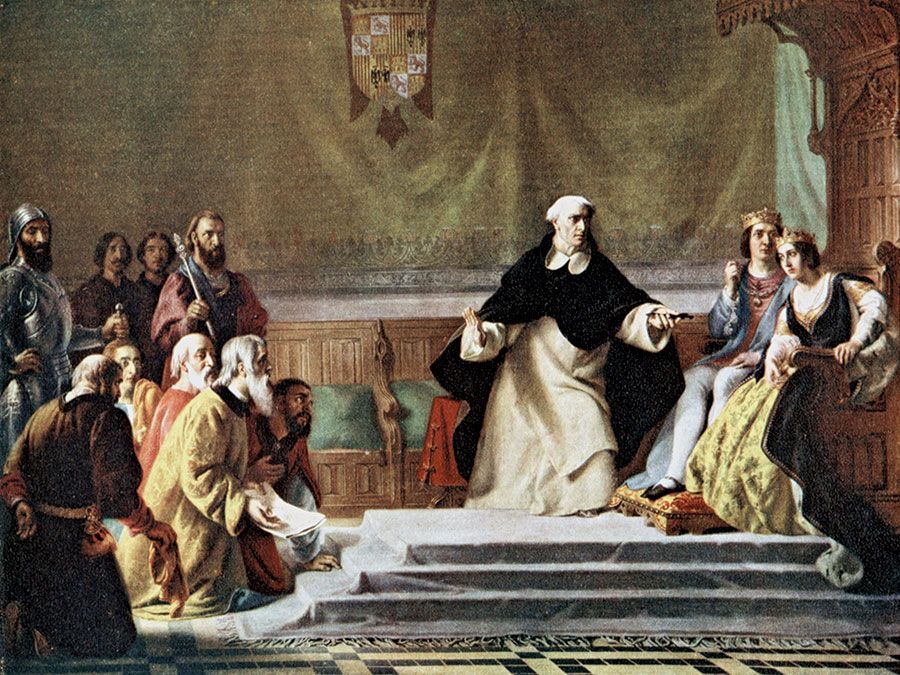
What profound long-term societal consequences did Spain's expulsion of Jews and Moors precipitate?
it had minimal cultural impact
comprehensive economic and intellectual regression
there was a temporary demographic shift
intensified and universal Catholicism
44
45
46
47
48
Multiple Choice
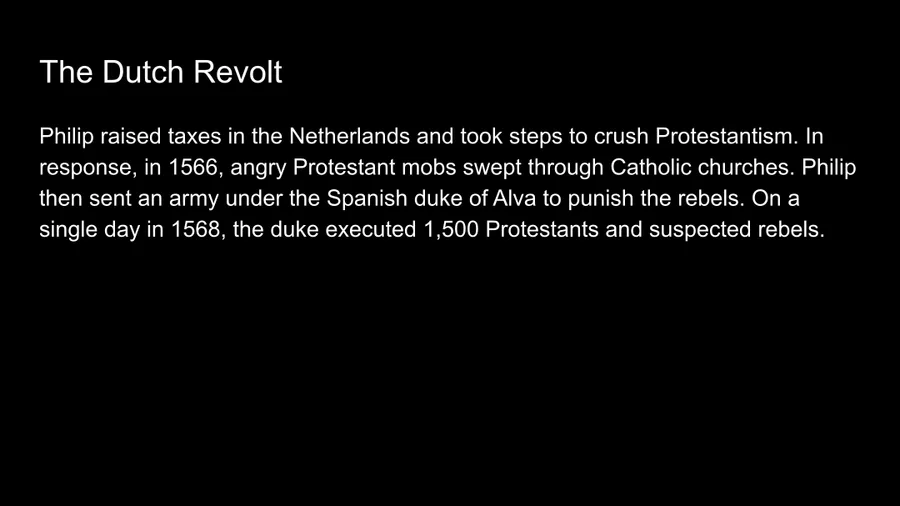
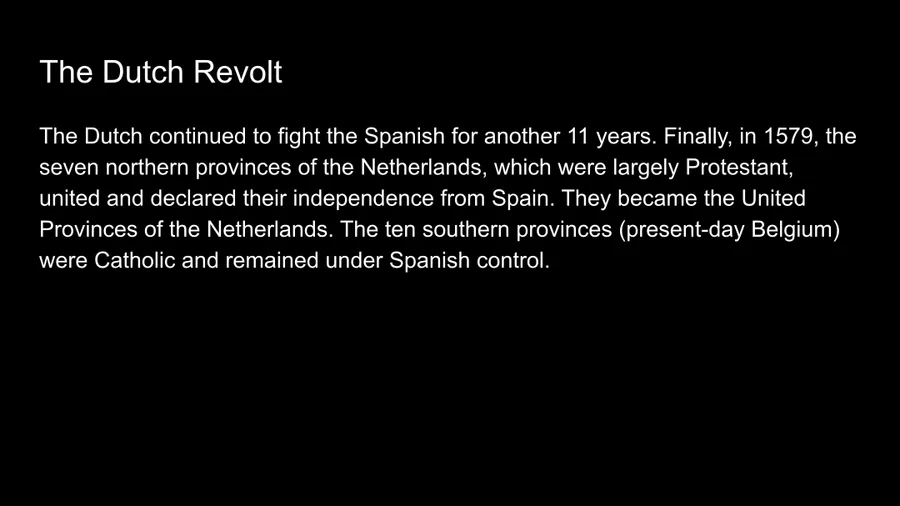
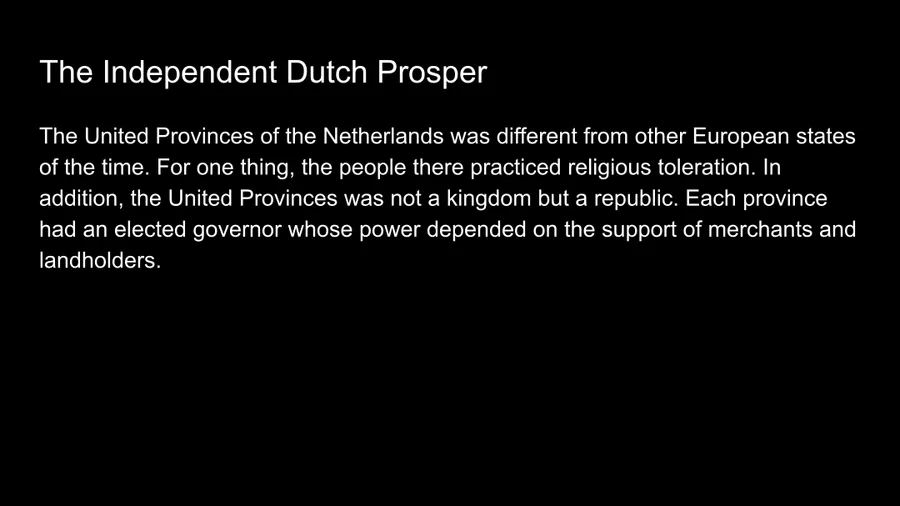
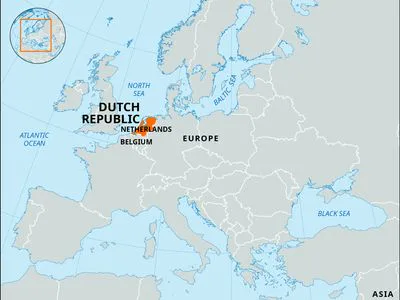
After the war of independence from Spain, the Dutch provinces joined together to form a
republic
democracy
monarchy
theocracy
49
Multiple Choice
How was the Netherlands more democratic than most 17th-century European nations?
The head of the republic could be removed from office by the royal family.
The monarch was elected by the people instead of through family succession.
The right to vote was extended to women who were at least 18 years old.
The provincial governors were elected rather than appointed by the government.
50
Multiple Choice
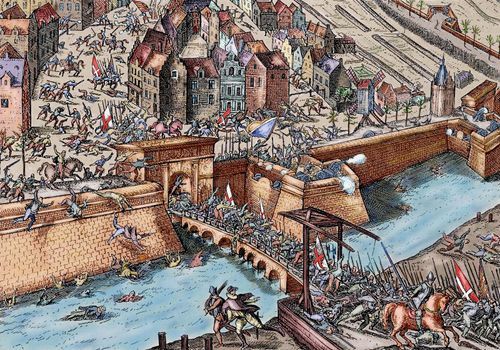
Which outcome of the Dutch Revolt most substantially transformed European political structures by challenging absolute monarchical power?
temporary Spanish territorial loss
establishment of a Protestant republican model
minor administrative changes to prevent the worst excesses
there was no substantial change
51
Multiple Choice
The Dutch Revolt demonstrates that absolutist rulers could face resistance when
they raise taxes
they suppress religious freedom
they overly expand military forces
they build new palaces
52
53
54
55
Multiple Choice
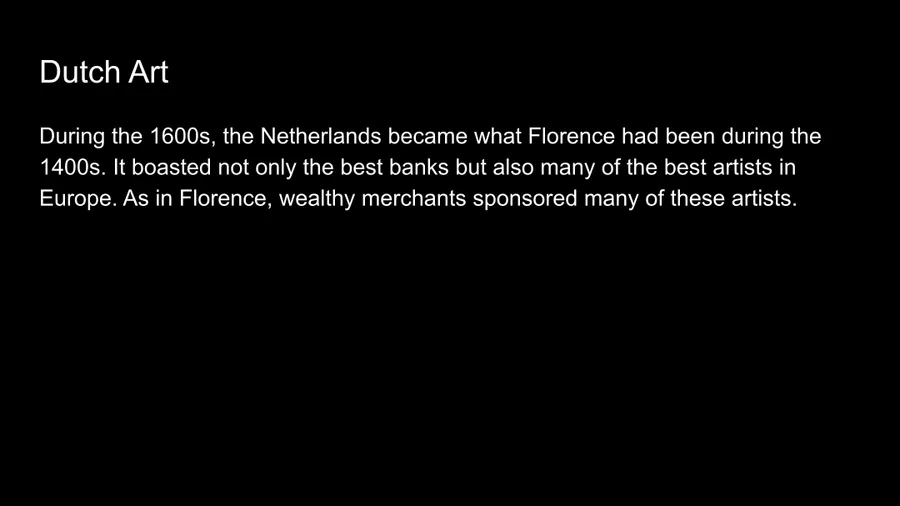
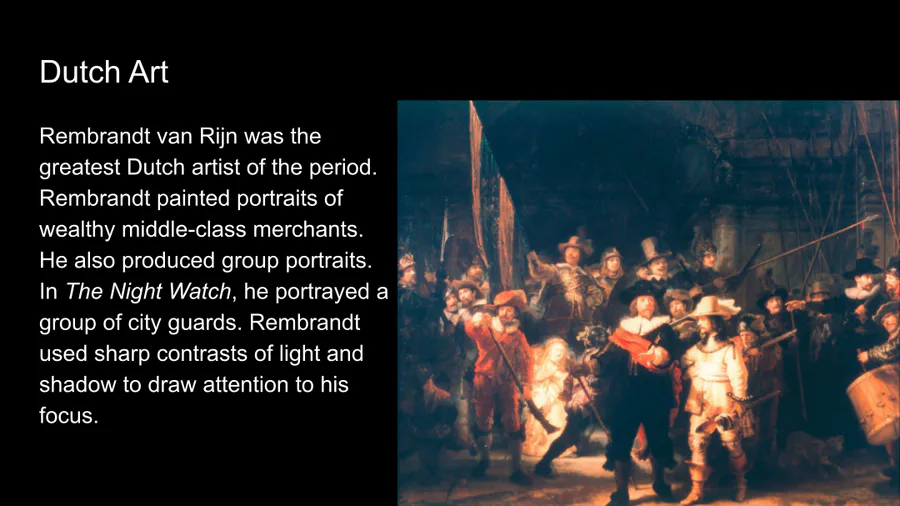
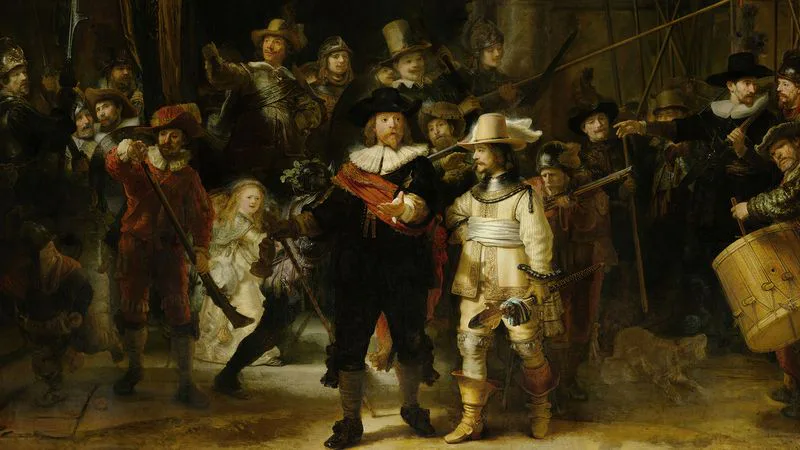
How do Rembrandt's artistic techniques reflect broader societal transformations in the Dutch Republic?
pure aesthetic innovation
represention of emerging middle-class cultural identity
demonstration of Dutch technical incompetence
result of random artistic experimentation
56
57
58
59
60
61
62
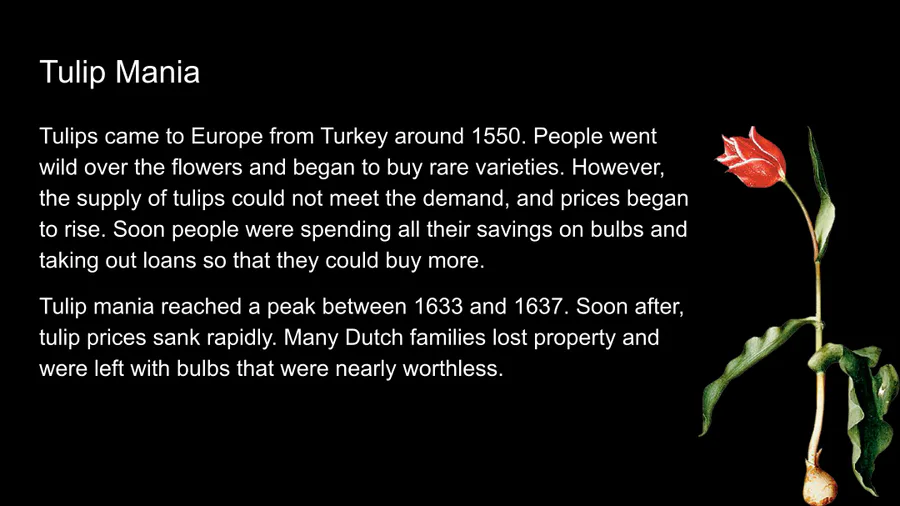
Multiple Choice
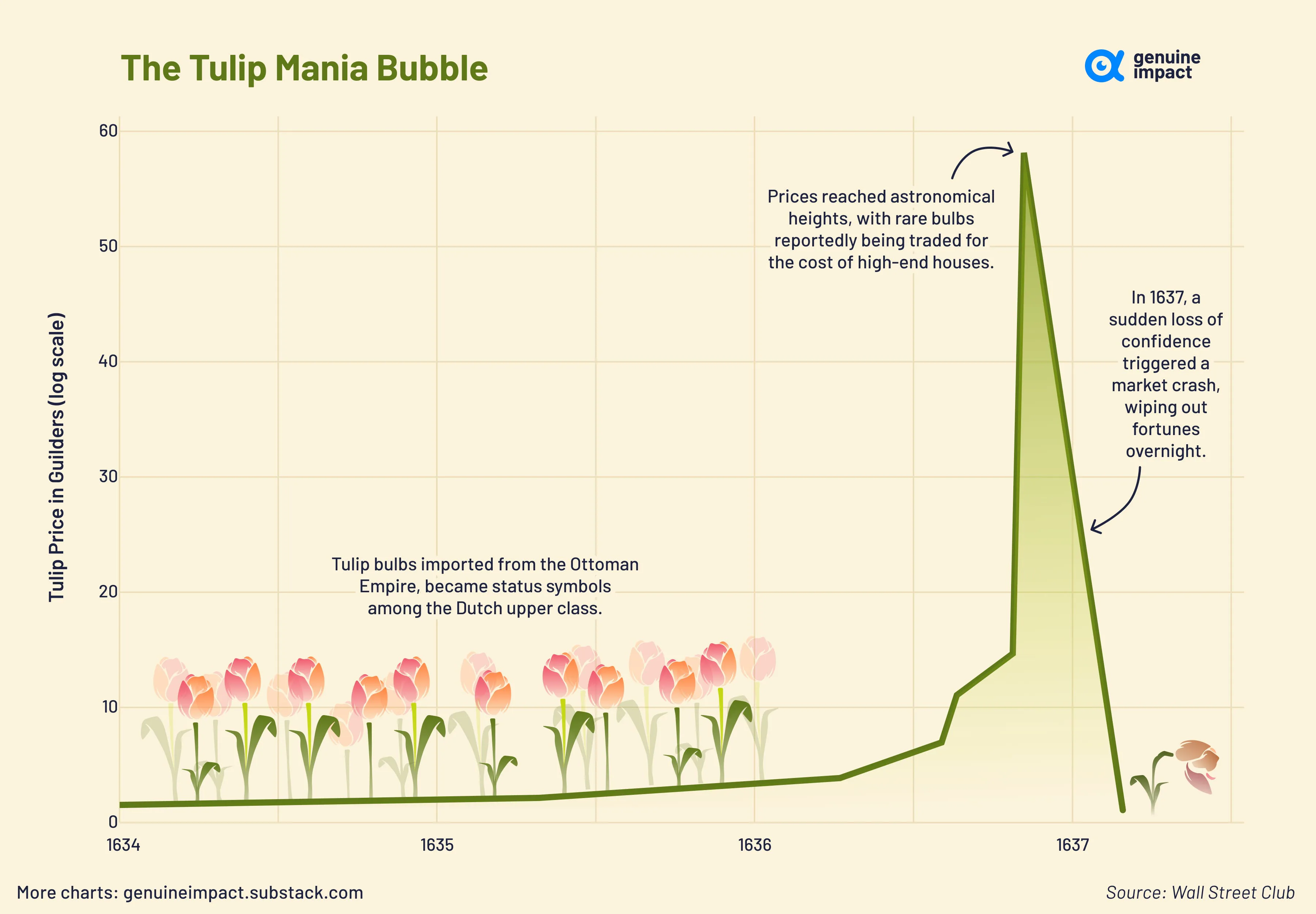
How might tulip mania represent broader economic psychological phenomena?
as isolated but expected market aberration
complex example of speculative economic behavior
demonstration of market irrationality and unsustainability of capitalism
as an insignificant economic event
63
Multiple Choice
Which economic philosophies of Spain and the Netherlands most significantly differentiated their developmental trajectories?
None - it was a random historical coincidence.
Structural economic and social innovations explain their future developments.
Purely geographical advantages made the most difference.
Individual leadership qualities between Spanish and Dutch leaders was most important.
64
65
66
67
68
69
70
71
72
Multiple Choice
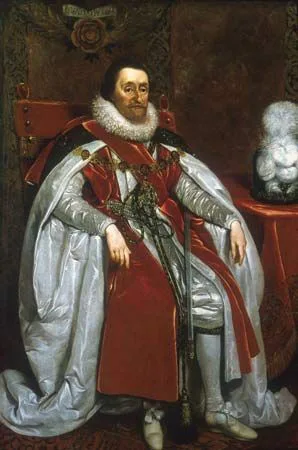
How did 17th-century absolute monarchs view their position in government?
Since their rule is derived from God, their power is unlimited by any force on earth.
Since their power is defined by a constitution, they must be mindful not to exceed the power granted.
Since their power is given to them by the people, they must be sympathetic to the will of those people.
Since their rule is dependent on the will of parliament, their power is limited by that will.
73
Multiple Choice
What underlying psychological mechanism does the concept of "divine right" as a political legitimization strategy exploit?
simple superstition
need for hierarchical order
purely rhetorical manipulation
religious institutional control
74
Multiple Choice
What religious conflict mechanism most effectively enabled monarchical power expansion into absolutist political consolidation?
direct theological argumentation
exploiting religious divisions
convincing political rhetoric
institutional inertia
75
Multiple Choice
Religious conflicts during this period were fundamentally driven by
pure theological differences
a combination of economic competition and political power struggles
individual personal beliefs
complex scientific disagreements
Show answer
Auto Play
Slide 1 / 75
SLIDE

Similar Resources on Wayground
73 questions
QUIZIZZ ULANGKAJI BIOLOGI 9 (T4): NUTRISI
Presentation
•
10th Grade
70 questions
Atoms, Elements and Compounds IGCSE
Presentation
•
10th Grade
71 questions
Student Copy ADHD Lesson
Presentation
•
10th Grade
72 questions
Tire and wheel ppt
Presentation
•
10th Grade
68 questions
Scientific Method - with examples
Presentation
•
10th Grade
69 questions
Re-introduction to Geography
Presentation
•
9th Grade
73 questions
Cold War
Presentation
•
10th Grade
69 questions
Fall of Rome Simulation Activity
Presentation
•
10th Grade
Popular Resources on Wayground
10 questions
Fire Safety Quiz
Quiz
•
12th Grade
20 questions
Equivalent Fractions
Quiz
•
3rd Grade
20 questions
Main Idea and Details
Quiz
•
5th Grade
20 questions
Context Clues
Quiz
•
6th Grade
20 questions
Inferences
Quiz
•
4th Grade
36 questions
6th Grade Math STAAR Review
Quiz
•
6th Grade
19 questions
Classifying Quadrilaterals
Quiz
•
3rd Grade
12 questions
What makes Nebraska's government unique?
Quiz
•
4th - 5th Grade
Discover more resources for History
36 questions
8th Grade Social Studies STAAR Review
Quiz
•
8th - 11th Grade
36 questions
8th Grade US History STAAR Review
Quiz
•
KG - University
15 questions
Students of Civics Unit 8: The Judicial Branch
Quiz
•
7th - 11th Grade
10 questions
Exploring the American Civil War: Key Events and Figures
Interactive video
•
6th - 10th Grade
26 questions
World War I Test (World)
Quiz
•
10th Grade
14 questions
Industrial Revolution & Imperialism Test Review
Quiz
•
10th Grade
25 questions
Constitution STAAR Review
Quiz
•
8th - 11th Grade
18 questions
World War 2
Quiz
•
7th - 10th Grade