Homologous, Analogous, and Vestigial Structures
Presentation
•
Science
•
8th Grade
•
Hard

Joseph Anderson
FREE Resource
6 Slides • 26 Questions
1
Evidence of Evolution
What helps support Evolution?
2
3
4
Multiple Choice
What term describes part of organisms, that have a similar structure but a different function?
homologous structure
homologous chromosome
vestigial structure
analogous structure
5
Multiple Choice
Homologous structures are defined as the same structure but different function. In vertebrates the presence of homologous structures suggest?
all vertebrates have a common ancestor
all vertebrates developed at the same rate
all vertebrates developed internally
6
Multiple Choice
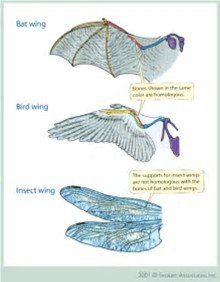
This is an example of _________ structure.
homologous
Vestigial
Analogous
7
Multiple Choice
This is an example of ___________ structure.
Homologous
Vestigial
Analogous
8
9
Multiple Choice
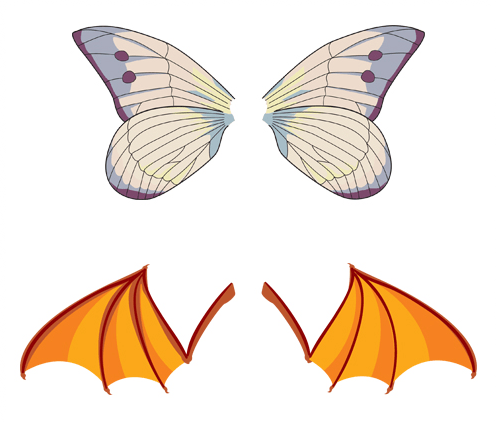
A category of structures that have a similar function, but are structurally different.
Homologous structures
Analogous structures
Vestigial structures
Common core structures
10
Multiple Choice
What type of structure does this image illustrate?
Homologous structures
Analogous structures
Vestigial structures
11
Multiple Select
What are the most important characteristics of analogous structures?
Structures that perform the same function
Structurally different
Structurally the same
Structures that perform different functions
12
13
14
Multiple Choice
This is an example of__________ structure.
Homologous
Vestigial
Analogous
15
Multiple Choice
the wings of a red-tailed hawk
the hind limbs of a house cat
the fins of sharks
the tailbone of a human
16
Multiple Choice
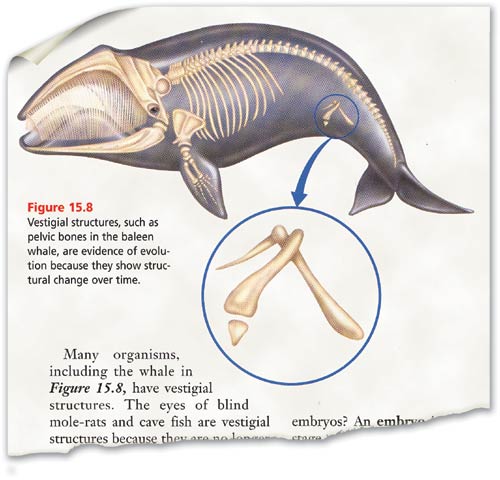
A type of structure that is physically present, but does not seem to serve a significant function for an organism.
Homologous structure
Analogous structure
Vestigial structure
Standard structure
17
Multiple Choice
This is an example of _________ structure.
Homologous
Vestigial
Analogous
18
Multiple Choice
close relative
early ancestor
unrelated organism
embryological stage
19
Multiple Choice
fossil record
comparing embryology
comparing biochemistry
comparing anatomy
20
Multiple Choice
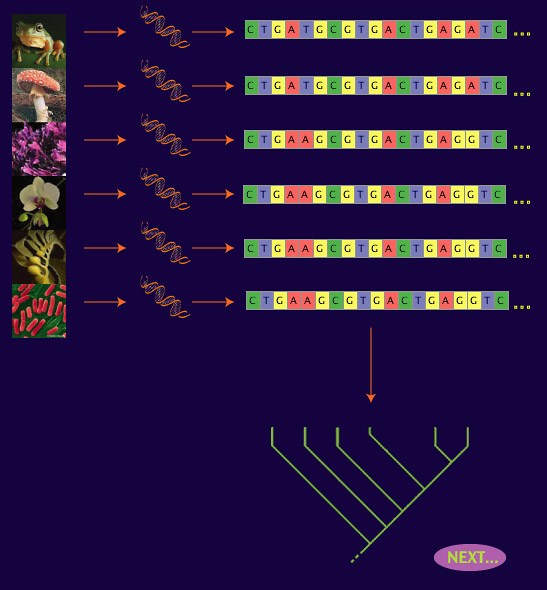
What type of evidence is shown in the image above?
Fossils
Vestigial structures
Homologous Structures
DNA
21
Multiple Choice
What type of evidence are shown in the picture above?
Fossils
Embryology
Homologous Structures
Vestigial Structures
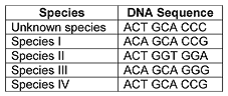
22
Multiple Choice
Species I
Species II
Species III
Species IV
23
Multiple Choice
The similarities of the bones in the diagram provide evidence that---
The organisms shown have the same genetic diseases
All vertebrate species have identical forelimbs
The organisms shown lived in the same natural environment
The organisms shown may have developed from a common ancestor
24
Multiple Choice
1
2
3
4
25
Multiple Choice
very similar DNA sequence
exactly the same DNA sequences
no proteins in common
completely different DNA sequence
26
Multiple Select
What are the most important characteristics of analogous structures?
Structures that perform the same function
Structurally different
Structurally the same
Structures that perform different functions
27
Multiple Select
Select the two most important characteristics that distinguish homologous structures.
Similar bone structures
Similar function
Similar embryonic development
Similar species
28
Multiple Choice
The appendix, tailbone, and wisdom teeth are all examples of what type of structure in humans?
Homologous
Analogous
Vestigial
Modern
29
Multiple Choice
Homologous structure
Analogous structure
Structural adaption
Functional adaption
30
Multiple Choice
This is a(n) __________ structure.
Homologous
Vesitigial
Analogous
31
Multiple Choice
a. Vestigial Organ
b. Embryological Similarities
c. Homologous Structures
d. Analogous Structures
32
Multiple Choice
This is a(n) __________ structure.
Homologous
Vestigial
Analogous
Evidence of Evolution
What helps support Evolution?
Show answer
Auto Play
Slide 1 / 32
SLIDE

Similar Resources on Wayground
26 questions
Counting Atoms with Subscripts
Lesson
•
8th Grade
27 questions
Types of Galaxies
Lesson
•
8th Grade
23 questions
Thermal Energy Transfer
Lesson
•
8th Grade
23 questions
Rocks and the Rock Cycle
Lesson
•
8th Grade
25 questions
Physical and Chemical Changes Review
Lesson
•
8th Grade
25 questions
Seasons Day & Night
Lesson
•
8th Grade
25 questions
Net Force
Lesson
•
8th Grade
26 questions
Wave Properties
Lesson
•
8th Grade
Popular Resources on Wayground
10 questions
5.P.1.3 Distance/Time Graphs
Quiz
•
5th Grade
10 questions
Fire Drill
Quiz
•
2nd - 5th Grade
20 questions
Equivalent Fractions
Quiz
•
3rd Grade
15 questions
Hargrett House Quiz: Community & Service
Quiz
•
5th Grade
20 questions
Main Idea and Details
Quiz
•
5th Grade
20 questions
Context Clues
Quiz
•
6th Grade
20 questions
Inferences
Quiz
•
4th Grade
15 questions
Equivalent Fractions
Quiz
•
4th Grade
Discover more resources for Science
20 questions
Recognizing Violence and Being an Upstander
Quiz
•
8th Grade
19 questions
Introduction to Properties of Waves
Lesson
•
6th - 8th Grade
16 questions
Interactions within Ecosystems
Lesson
•
6th - 8th Grade
10 questions
Exploring the Layers of the Earth
Interactive video
•
6th - 10th Grade
20 questions
Newton's Laws of Motion
Quiz
•
8th Grade
46 questions
8th Science STAAR Review
Quiz
•
8th Grade
10 questions
Exploring the Dynamics of Ocean Currents
Interactive video
•
6th - 10th Grade
23 questions
Newton's 3 Laws of Motion
Quiz
•
8th Grade