

Author's Use of Figurative Language

Presentation
•
English
•
9th - 10th Grade
•
Hard

Joseph Anderson
FREE Resource
8 Slides • 8 Questions
1

the repetition of the same letters (at least two) or the same sounds of the first syllable
Alliteration
Not every word must be alliterative. You can use prepositions and pronouns, while still maintaining the overall effect.
can be as little as two words or as much as an entire sentence
can be found in: tongue twisters, poems, song lyrics and well-known names
used for the purposes of adding interest to words and phrases or to help people remember names
2
Open Ended
Define alliteration in your own words. Write your own example.
3
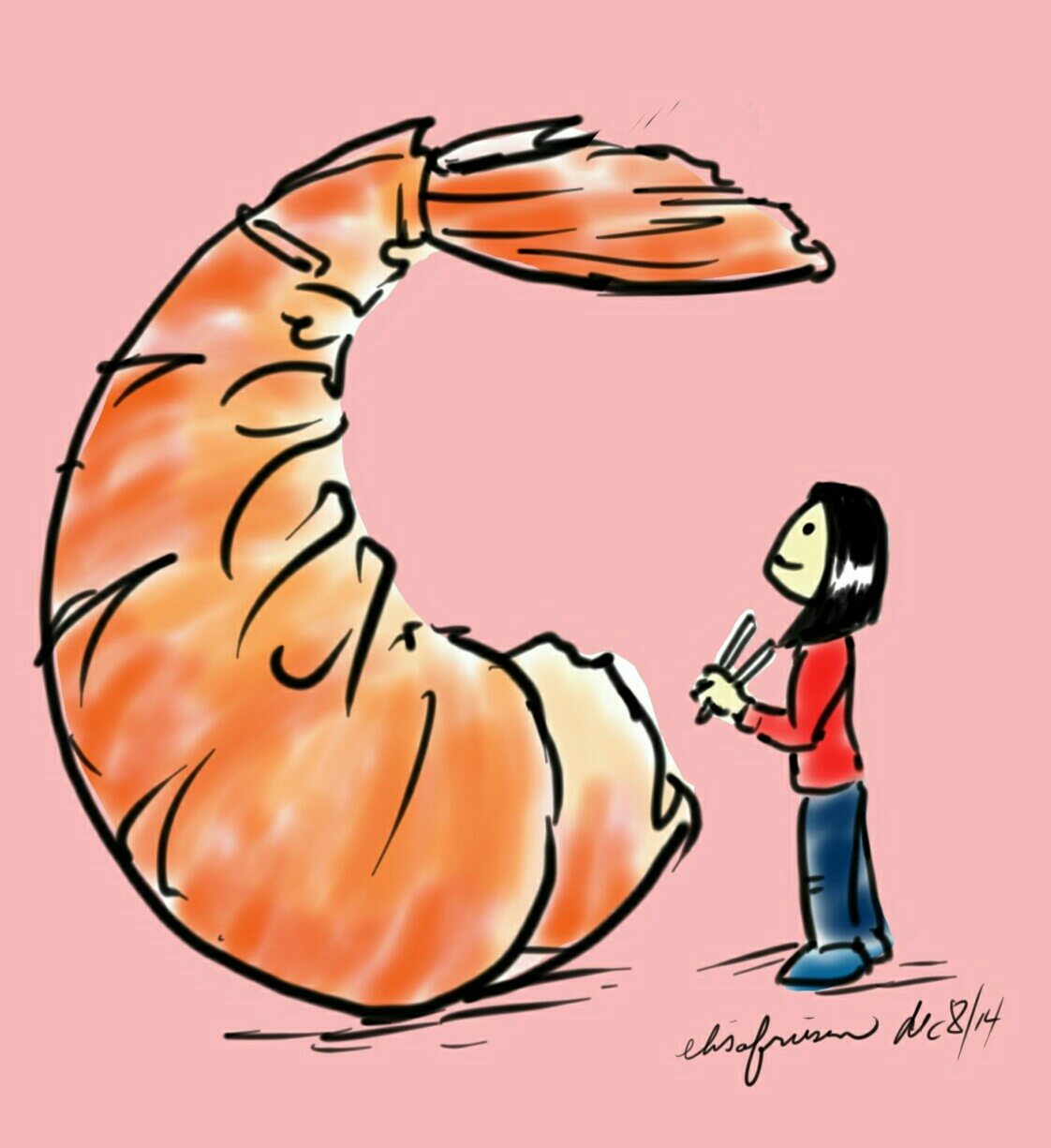
when two contradictory words are put together
Oxymoron
An oxymoron usually creates some sort of impression of wonder
An oxymoron can be used when someone is trying to be witty or trying to make someone laugh
4
Poll
Which phrase is the oxymoron?
earn money by spending it
open secret
cold as ice
silent room
5

a figure of speech where two unlike things are compared
Simile
The key words in this type of figurative language are “like” or “as”
Writers use similes to make their writing sound more impressive
6
Open Ended
Make up your own simile!
7

A type of figurative language where inanimate (non-living) things are given human qualities
Personification
Writers use personification to establish mood or to build imagery
Personification can also be used in everyday language to make things more relatable
8
Draw
Draw your own example of personification!
9

imitates the sounds of the word that it represents
Onomatopoeia
It is helpful to use sound words in writing because it conveys more meaning to the reader, while speaking to the five senses.
The use of sound words also help to make the writing more realistic
10
Multiple Choice
Select the word that is NOT an onomatopoeia.
Meow!
Whoa!
Achoo!
Pop!
11
a figure of speech with intentional or obvious exaggeration
Hyperbole
Stories or conversations ‘come to life’ when a hyperbole is used
Hyperboles are a form of a comparison, but they are extreme comparisons, as they are usually ridiculous or impossible in nature
12
Open Ended
Explain the following hyperbole: She cried a river.
13
a phrase that has a different meaning than its literal meaning
Idiom
Idioms are used to make an impression
Because idioms are unrealistic, imagined or exaggerated impressions, people who hear idioms in a language that is not their first language, are often left confused
14
Poll
Vote for the idiom!
She missed school because she was under the weather.
Her eyes were diamonds.
15
an implied comparison between two unlike things
Metaphor
A smile and a metaphor are both types of comparisons, but there’s an easy way to recognize the difference
Unlike a simile that uses “like” or “as” which implies that something is somewhat like another item, a metaphor makes a direct comparison
16
Open Ended
Write your own metaphor!
the repetition of the same letters (at least two) or the same sounds of the first syllable
Alliteration
Not every word must be alliterative. You can use prepositions and pronouns, while still maintaining the overall effect.
can be as little as two words or as much as an entire sentence
can be found in: tongue twisters, poems, song lyrics and well-known names
used for the purposes of adding interest to words and phrases or to help people remember names
Show answer
Auto Play
Slide 1 / 16
SLIDE
Similar Resources on Wayground

11 questions
Figurative Language
Presentation
•
8th - 9th Grade
14 questions
Point Of View
Presentation
•
9th Grade
11 questions
Possessive adjectives
Presentation
•
9th Grade
12 questions
Degrees of Comparison
Presentation
•
10th Grade
13 questions
Conjunctions: And, But, So, Because
Presentation
•
8th - 10th Grade
9 questions
RL.9-10.7 / RI.9-10.7
Presentation
•
9th - 10th Grade
11 questions
Past Perfect
Presentation
•
8th - 10th Grade
11 questions
Label
Presentation
•
9th Grade
Popular Resources on Wayground
24 questions
PBIS-HGMS Day 10

Quiz
•
6th - 8th Grade
10 questions
HCS SCI 03 Summer School Review 3
Quiz
•
3rd Grade
11 questions
Home Scope
Quiz
•
7th - 8th Grade
15 questions
HCS SCI 05 Summer School Assessment 3 Review
Quiz
•
5th Grade
35 questions
Lufkin Road Middle School Student Handbook & Policies Assessment
Quiz
•
7th Grade
18 questions
Geo 11.3 Area of Circles and Sectors
Quiz
•
9th - 11th Grade