

Our Place in the Universe

Presentation
•
Science
•
6th Grade
•
Hard

Joseph Anderson
FREE Resource
6 Slides • 6 Questions
1

Active Learning Lesson
Our Place in Space!
Grade 6
Elizabeth Frye
E.6.8 Students will demonstrate an understanding of Earth's place in the universe and the interactions of the solar system (sun, planets, their moons, comets, and asteroids) using evidence from multiple scientific resources to explain how these objects are held in orbit around the Sun because of its gravitational pull.
2
Open Ended
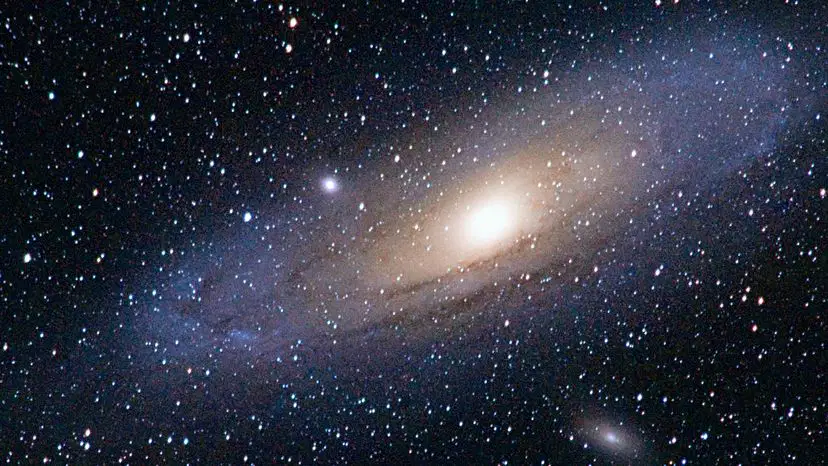
Where do we fit in the universe?
3
Our Galaxy!
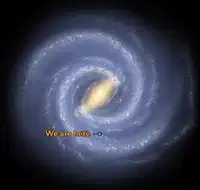
We fit in Space through layers of the universe! There is an estimated 2 trillion galaxies in the universe and we are found in one, the Milky Way. Within the Milky Way, is our solar system, and within that, our planet Earth is found.
Where do we fit in Space?
4
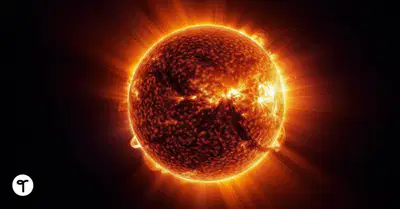
The center of our solar system is the sun.
Every planet, asteroid, moon, comet, etc. revolves around the sun.
Let's watch this video for an up close view!
https://www.youtube.com/watch?v=qmSPRZVrDlc
5
Multiple Choice
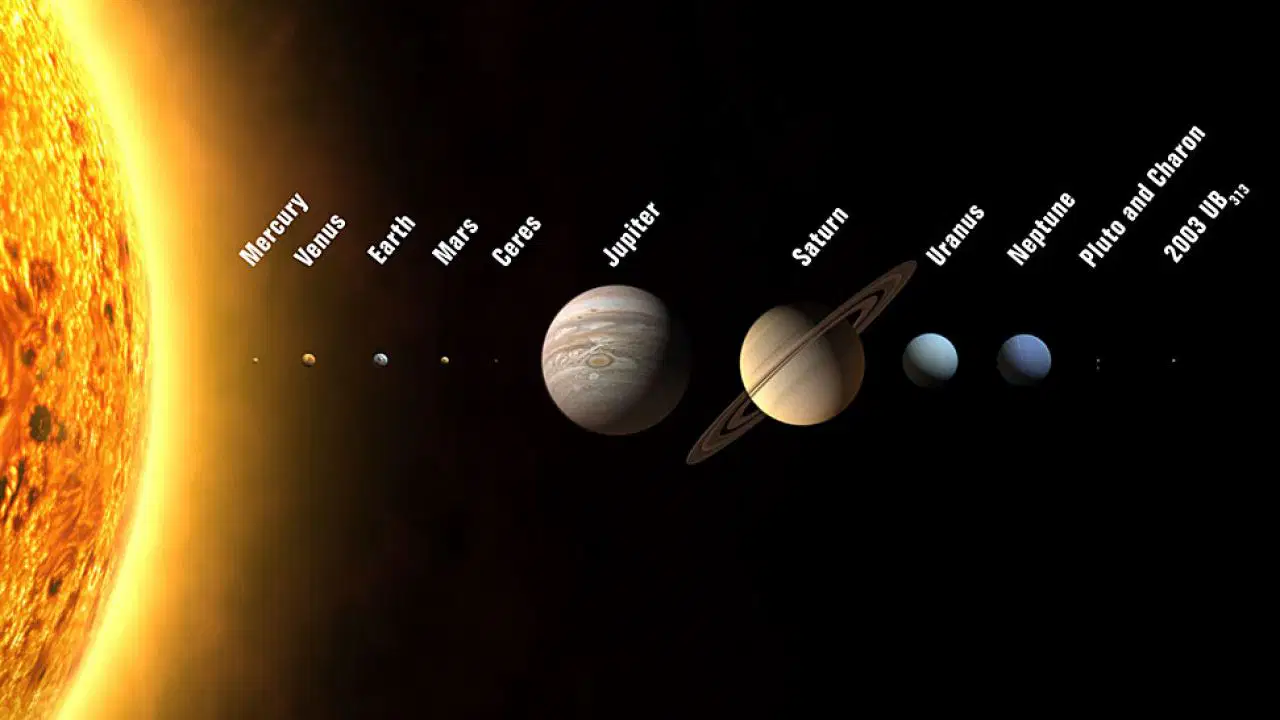
Which is the correct order of the planets in our Solar System?
(Starting with the Sun)
Neptune, Uranus, Saturn, Jupiter, Mars, Earth, Venus Mercury
Mercury, Venus, Earth, Mars, Jupiter, Saturn, Uranus, Neptune
Mars, Earth, Venus, Mercury, Saturn, Jupiter, Neptune, Uranus
6
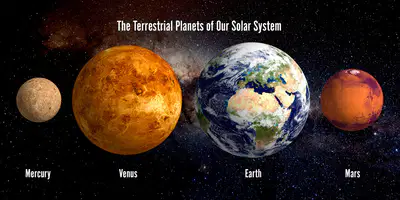
The Terrestrial Planets
Mercury, Venus, Earth and Mars
The Terrestrial planets (also known as the Rocky planets) are the first 4 planets in our solar system. These planets have a compact, rocky makeup and are the four innermost planets in our solar system. These planets have canyons, craters, mountains, and volcanoes. Think of the terrestrial planet we live on, Earth.
7
The Jovian Planets
Jupiter, Saturn, Uranus, and Neptune
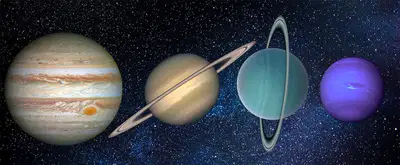
The Jovian planets (also known as the Gas and Ice Giants) are the last 4 planets in our solar system. These planets have small cores and are divided into two categories. Jupiter and Saturn are gaseous (hydrogen and helium) while Uranus and Neptune are made of rock and ice. These planets are the outermost planets of the solar system, contain hundreds of moons and rings. Saturn's rings may be the most visible, however the other 3 planets have rings as well!
8
Draw
Draw and create a planet of your own!
9
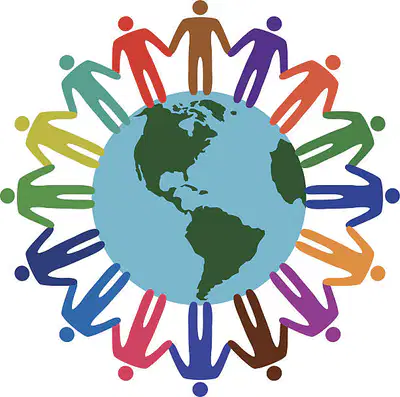
We live on Earth! Earth is the only planet that can sustain human life inhabiting 8 billion people. It rotates on an axis because of inertia, which is an object's resistance to changes in its current state of motion. Earth is the perfect distance from the sun and has water and carbon that keeps life sustained. Our planet is unique in the solar system!
How do YOU fit in the Solar System?
10
Word Cloud
What is your favorite planet?
11
Poll
Could you see yourself having a career in space in some capacity? (astronaut, aerospace engineer, scientist, etc.)
YES
no
maybe...
12
Open Ended
Did you learn something new today? Please share below!
Active Learning Lesson
Our Place in Space!
Grade 6
Elizabeth Frye
E.6.8 Students will demonstrate an understanding of Earth's place in the universe and the interactions of the solar system (sun, planets, their moons, comets, and asteroids) using evidence from multiple scientific resources to explain how these objects are held in orbit around the Sun because of its gravitational pull.
Show answer
Auto Play
Slide 1 / 12
SLIDE
Similar Resources on Wayground

10 questions
Multiplying Decimals
Presentation
•
6th Grade
10 questions
2.5 Distance on the Coordinate Plane
Presentation
•
6th Grade
8 questions
Body Systems Intro
Presentation
•
6th Grade
11 questions
Matter
Presentation
•
6th Grade
11 questions
Weather Patterns & Climate Factors
Presentation
•
6th Grade
8 questions
Amplify 2.3
Presentation
•
6th Grade
10 questions
MS-ESS2-3 Plate Tectonics and Seafloor Spreading
Presentation
•
7th Grade
9 questions
Author's Purpose
Presentation
•
6th Grade
Popular Resources on Wayground
19 questions
Naming Polygons

Quiz
•
3rd Grade
10 questions
Prime Factorization
Quiz
•
6th Grade
20 questions
Math Review
Quiz
•
3rd Grade
15 questions
Fast food
Quiz
•
7th Grade
20 questions
Main Idea and Details
Quiz
•
5th Grade
20 questions
Context Clues
Quiz
•
6th Grade
20 questions
Inferences
Quiz
•
4th Grade
19 questions
Classifying Quadrilaterals
Quiz
•
3rd Grade
Discover more resources for Science
16 questions
Interactions within Ecosystems
Presentation
•
6th - 8th Grade
20 questions
Rocks and The Rock Cycle
Quiz
•
6th Grade
20 questions
Moon Phases and Eclipses
Quiz
•
6th - 8th Grade
20 questions
Human Body Systems
Quiz
•
6th Grade
22 questions
6th & 8th Grade Science Material SOL Review
Quiz
•
6th - 8th Grade
15 questions
Punnett Squares
Quiz
•
6th Grade
20 questions
Cells! Cell Theory and Characteristics of Eukaryotes/Prokaryotes
Quiz
•
6th Grade
35 questions
Amplify Weather Patterns Unit Review
Quiz
•
6th Grade