

CK12 Chemistry

Presentation
•
Science
•
10th - 12th Grade
•
Hard

Joseph Anderson
FREE Resource
15 Slides • 13 Questions
1

2
What is Chemistry?
Chemistry: the study of the composition, structure, and properties of matter, the processes that matter undergoes, and the energy changes that accompany these processes
What is something made of
What happens to something when the temperature changes
What happens when two things are mixed together

3
What is Chemistry?
There are six main types of chemistry, all focus on different things
Organic Chemistry: Studies carbon-containing compounds
Hint: Anything containing carbon is "organic"
Inorganic Chemistry: Studies non carbon containing compounds
Physical Chemistry: Studies how mater changes in response to energy
Analytical Chemistry: Identifies new elements and compounds
Biochemistry: Studies reactions inside living things
Hint: Bio means Living
Theoretical Chemistry: Uses math and models to predict reactions
4
What are chemicals?
A chemical is any substance that has a definite known composition
If we don't know what is in it or how it is made, we don't call it a chemical
Sucrose Is a chemical we know the composition of: C12H22O11
We use that information to make artificial versions with slightly different properties


5
What do chemists do?
Chemists preform research to help them learn about the world around them
Two Types of Research
Basic Research: Research done to increase knowledge, with no set goal
Many "accidental" discoveries are made through basic research
Applied Research: Research done to solve a problem
Chemistry 1| Unit 0 Lesson 1
6
Fill in the Blanks
What is the study of the composition, structure, and properties of matter, the processes that matter undergoes, and the energy changes that accompany these processes
7
Match
Match the type of chemistry with what it studies
Studies carbon-containing compounds
Studies reactions inside living things
Studies how mater changes in response to energy
Identifies new elements and compounds
Studies non carbon containing compounds
Organic Chemistry
Biochemistry
Physical Chemistry
Analytical Chemistry
Inorganic Chemistry
Organic Chemistry
Biochemistry
Physical Chemistry
Analytical Chemistry
Inorganic Chemistry
8
Multiple Choice
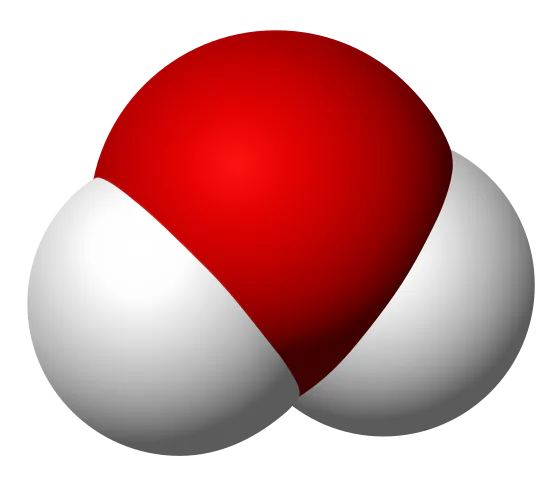
Water is made up of two hydrogen atoms and one oxygen atom, with the formula H2O. Is water a chemical?
Yes
No
Only sometimes
9
Matter and its properties
Mass: the measure of the amount of matter in an object
Is not the same as the weight
Weight depends on gravity
Mass does not change regardless of where an object is
In other courses Mass can have additional meanings, but for right now this is all you need to know
Chemistry 1| Unit 0 Lesson 1
10
Matter and its properties
Matter: any object that has mass and takes up space
exists in 3 states on Earth, and a fourth in Space
Chemistry 1| Unit 0 Lesson 1

11
Matter and its properties
Element: a pure substance that can't be broken down into simpler, more stable substances
Carbon, oxygen, Nitrogen
Atom: The smallest unit of an element that maintains the properties of that element
All atoms are an element, and the two words can mean the same thing
Chemistry 1| Unit 0 Lesson 1
12
Matter and its properties
Compound: A substance made of two or more elements that can be broken down
All compounds are made up of atoms
Chemistry 1| Unit 0 Lesson 1
13
Matter and its properties
Extensive Properties of Matter: depend in the amount of matter that is present
Volume, Mass, amount of energy
Intensive Properties: exist regardless of the amount of matter that is present
melting point
ability to conduct electricity
density
14
Multiple Choice

If you eat a Snickers bar, it will release a certain amount of energy. If you eat two Snickers bars, the amount of energy released is doubled. Which type property of matter is the release of energy?
Extensive
Intensive
15
Multiple Choice
True or False: Mass and weight are two words that mean the same thing.
True
False
16
Matter and its properties
Physical Properties: Can be observed with the senses without changing the identity of the substance
Chemical Properties: tell how a substance will react with other substances
Tells how likely a substance is to turn into something else
17
Matter and its properties
All Matter can undergo two different types of changes
Physical Changes: can be observed without changing what the substance is
Melting
Grinding
Cutting
Boiling
Changing from one state to another
18
Matter and its properties
All Matter can undergo two different types of changes
Chemical Changes: Occur when one substance changes to another
Burning
Rotting
Rusting
Decomposing
19
Multiple Choice

Is the Following a Physical or Chemical Change: Ice Melting
Physical
Chemical
20
Multiple Choice
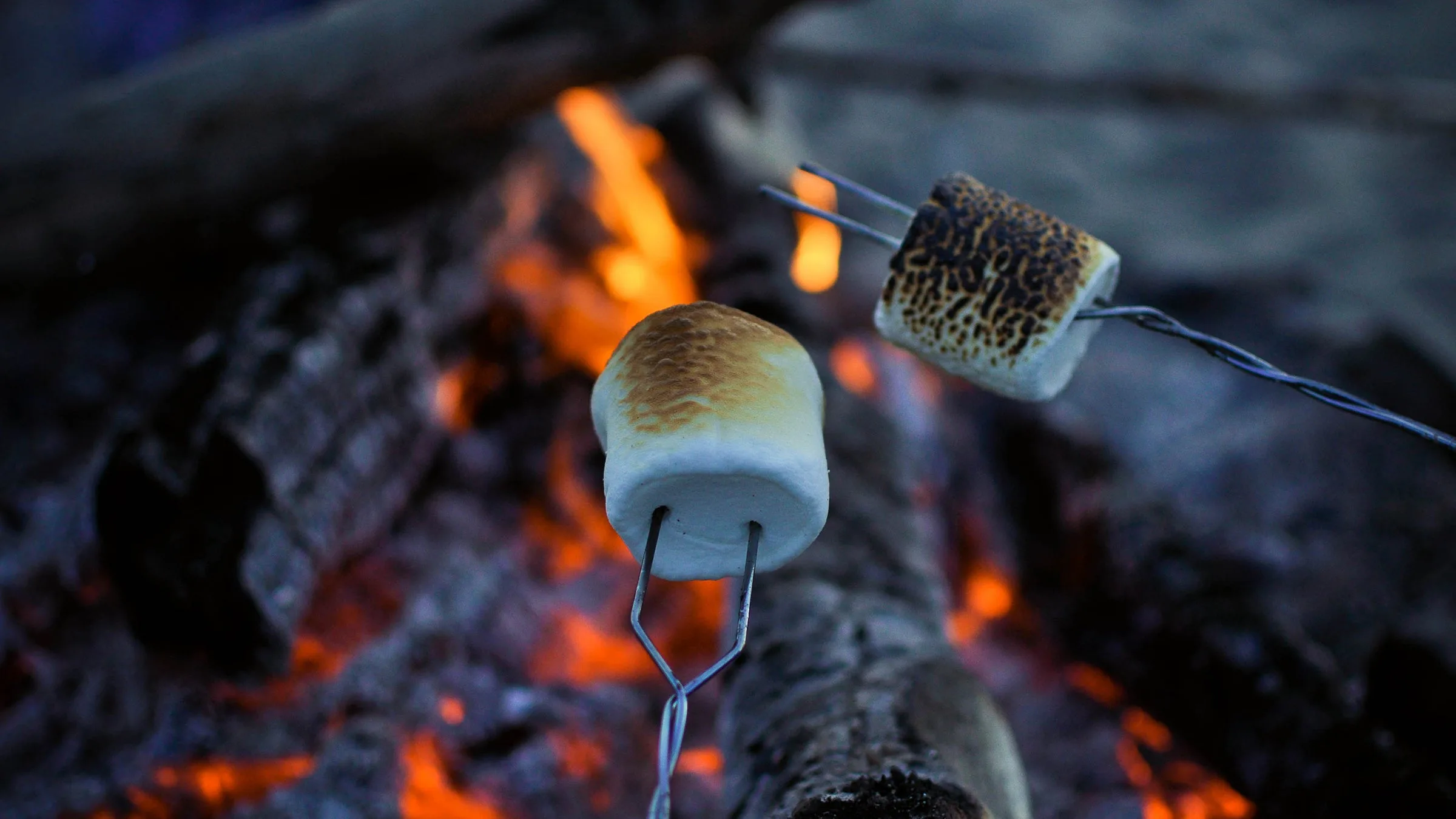
Is the Following a Physical or Chemical Change: Burning a Marshmallow
Physical
Chemical
21
How is Matter Classified?
Matter is split into two main groups
Pure Substances: Compounds that does not vary from sample to sample
always looks and acts the same
Chemistry 1| Unit 0 Lesson 1
22
How is Matter Classified?
Matter is split into two main groups
Mixtures: A blend of two or more kinds of matter, where each component of matter retains its own identity and properties
Homogenous: the mixture looks uniform and you can not see the separate parts
Heterogenous: A mixture is not uniform and you can see the separate parts
Chemistry 1| Unit 0 Lesson 1
23
Multiple Choice
In which mixture can you not see all of the parts?
homogeneous
heterogeneous
24
Multiple Select
Sugar and water
Homogeneous
Heterogeneous
25
Multiple Choice
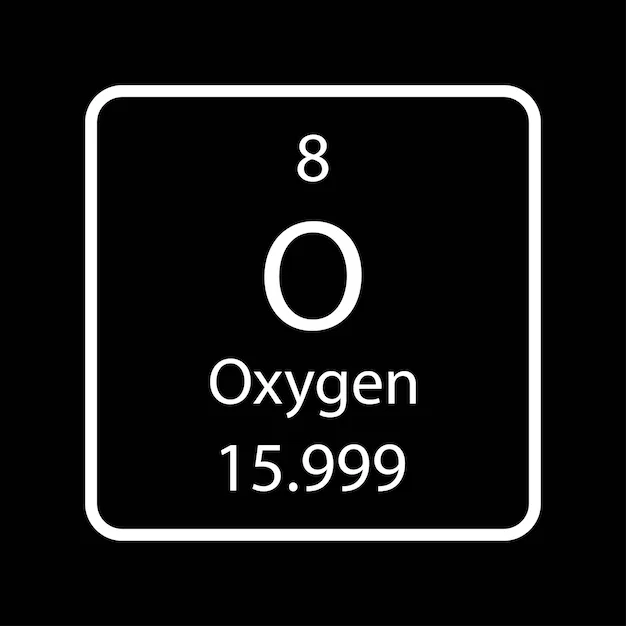
Oxygen is a
Homogeneous mixture
Heterogeneous mixture
Compound
Element
26
Multiple Choice
Black pepper and water is which type of mixture?
Homogeneous
Heterogeneous
27
Drag and Drop

28
Open Ended
Name three examples of chemistry in your everyday life.
Show answer
Auto Play
Slide 1 / 28
SLIDE
Similar Resources on Wayground

19 questions
Layers of the Earth
Presentation
•
10th - 12th Grade
21 questions
Atmosphere Refresher
Presentation
•
9th - 12th Grade
20 questions
Cell Division
Presentation
•
9th - 12th Grade
23 questions
Ecosystems and Biomes
Presentation
•
11th - 12th Grade
24 questions
Plate Tectonics
Presentation
•
9th - 12th Grade
24 questions
Cell Membrane
Presentation
•
9th - 12th Grade
19 questions
3.4 Behavior of Gases
Presentation
•
9th - 12th Grade
22 questions
Ion Formation and Ionic Bonding
Presentation
•
10th - 12th Grade
Popular Resources on Wayground
10 questions
How much do you know about our Portrait of an Eagle?

Quiz
•
10th Grade
10 questions
Fast Food Slogans
Quiz
•
6th - 8th Grade
21 questions
Continents and Oceans
Quiz
•
6th Grade
20 questions
Parts of Speech
Quiz
•
5th Grade
16 questions
Subject & Predicate
Quiz
•
5th Grade
25 questions
Multiplication Facts
Quiz
•
5th Grade
12 questions
Map Skills
Quiz
•
3rd Grade
22 questions
Continents and Oceans
Quiz
•
5th Grade
Discover more resources for Science
10 questions
Exploring Chemical and Physical Changes

Interactive video
•
6th - 10th Grade
10 questions
Decoding the Periodic Table of Elements
Interactive video
•
6th - 10th Grade
10 questions
Exploring the Periodic Table
Interactive video
•
6th - 10th Grade
14 questions
Physical and Chemical Changes
Quiz
•
10th Grade
22 questions
Periodic Table Review
Quiz
•
9th - 12th Grade
14 questions
Periodic Trends
Interactive video
•
11th Grade
10 questions
Exploring the States of Matter
Interactive video
•
6th - 10th Grade
10 questions
Exploring Physical and Chemical Changes
Interactive video
•
6th - 10th Grade