

Levels of Organization in Biology

Presentation
•
Biology
•
7th Grade
•
Hard

Joseph Anderson
FREE Resource
16 Slides • 10 Questions
1
Levels of Organization
2
3
Unicellular Organisms
These organisms can complete all the processes needed to stay alive in one cell
The processes include things like: obtaining food, making food, reproducing, and responding to their environments.

4
Multicellular Organisms
Multicellular organisms are much more complex and arranged in levels.

5
6
Multiple Choice
7
Multiple Choice
8
Multiple Choice
9
Multiple Choice
10
Multiple Choice
11
12

13
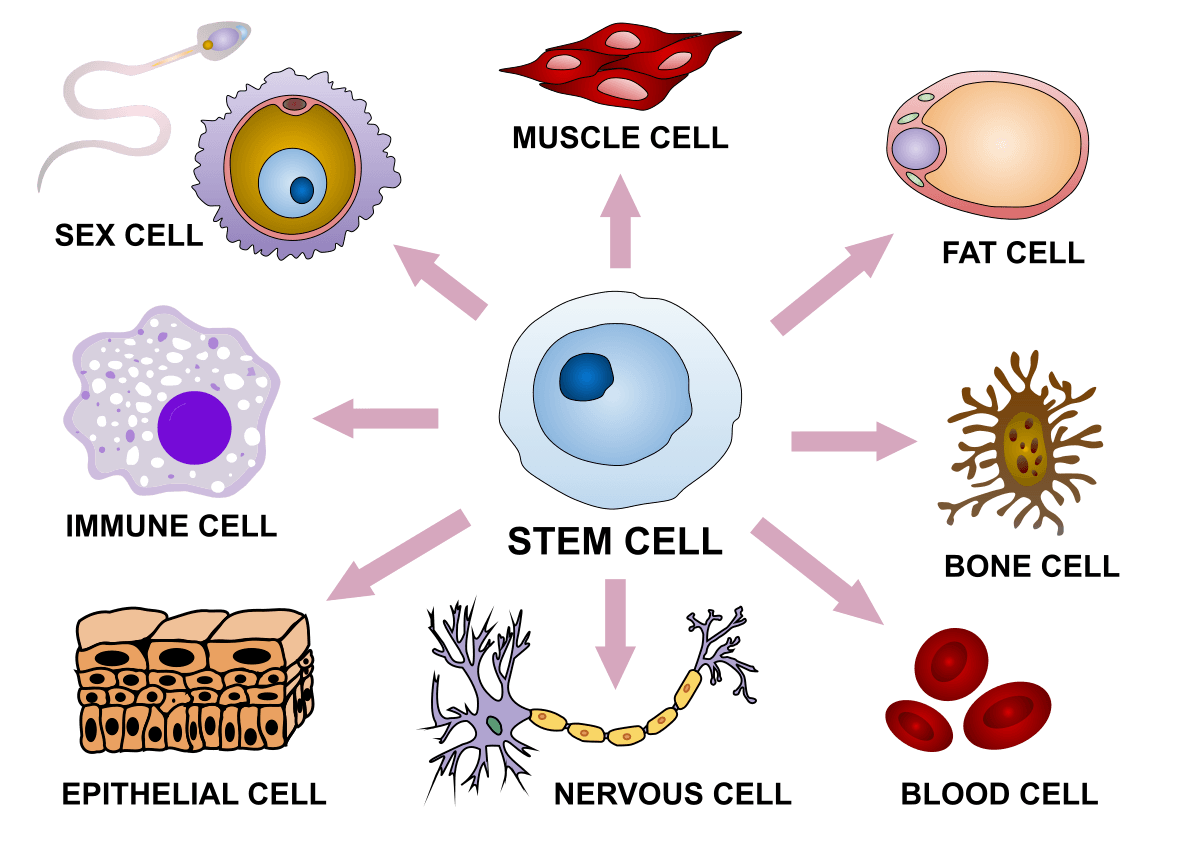
Level One: Cells
Cells are the basic unit of living things
They are specialized and have different shapes and functions
Examples in animals are muscle cells, nerve cells, red blood cells, and white blood cells.
Examples in plant cells are epidermal cells, guard cells, and paliaide mesophyll cells.
14
15
Level Two: Tissues
Tissues are made up of similar cells that work together to perform a particular task
Examples of animal tissues are blood tissue, bone tissue, and muscle tissue
Examples of plant tissues are epidermis tissues and vascular tissues

16
Level Three: Organs
Organs are made up of different tissues that perform a specific job for the organism
Examples of animal organs are heart, brain, bone, skin, and liver.
Examples of plant organs are roots, leaves, and stems.

17
Level Four: Organ Systems
Organ systems are made up of different organs and perform a major function for the organism
Animal organ systems include: respiratory, circulatory, and nervours.
Plant organ systems include: the shoot system and the root system.

18
Level Five: Organism
The organism is made up of all the cells, tissues, organs, and organ systems.

19
20
Multiple Choice
21
Multiple Select
22
Multiple Choice
23
Multiple Choice
24
Multiple Choice
25
26
Levels of Organization
Show answer
Auto Play
Slide 1 / 26
SLIDE

