
Organisms and Interactions in an Environment
Presentation
•
Science
•
9th - 11th Grade
•
Hard

Joseph Anderson
FREE Resource
26 Slides • 15 Questions
1
2
3
Each organism has a unique role to play in an ecosystem. That is called the organism's niche.
A niche can include the species' physical home, the environmental factors necessary for the species' survival and all of the species' interactions with other organisms.
.
4
Niche can also be...
A niche can also be thought of an organism's function role - for example a bison is a grazing herbivore on American grasslands, lions interact with hyenas in the african savanna, etc.
5
6
7
8
9
10
11
Open Ended
What are these organisms competing for?
12
13
14
15
16
17
18
19
20
21
22
Open Ended
Explain how the relationship between the clownfish and sea anemone is an example of mutualism.
23
24
25
The remora fish are benefitted - get a 'free' ride and food scraps from the shark.
The shark is not benefitted or harmed by the fish.
26
27
28
29
Fill in the Blanks
Type answer...
30
Fill in the Blanks
Type answer...
31
Multiple Choice
32
Multiple Choice
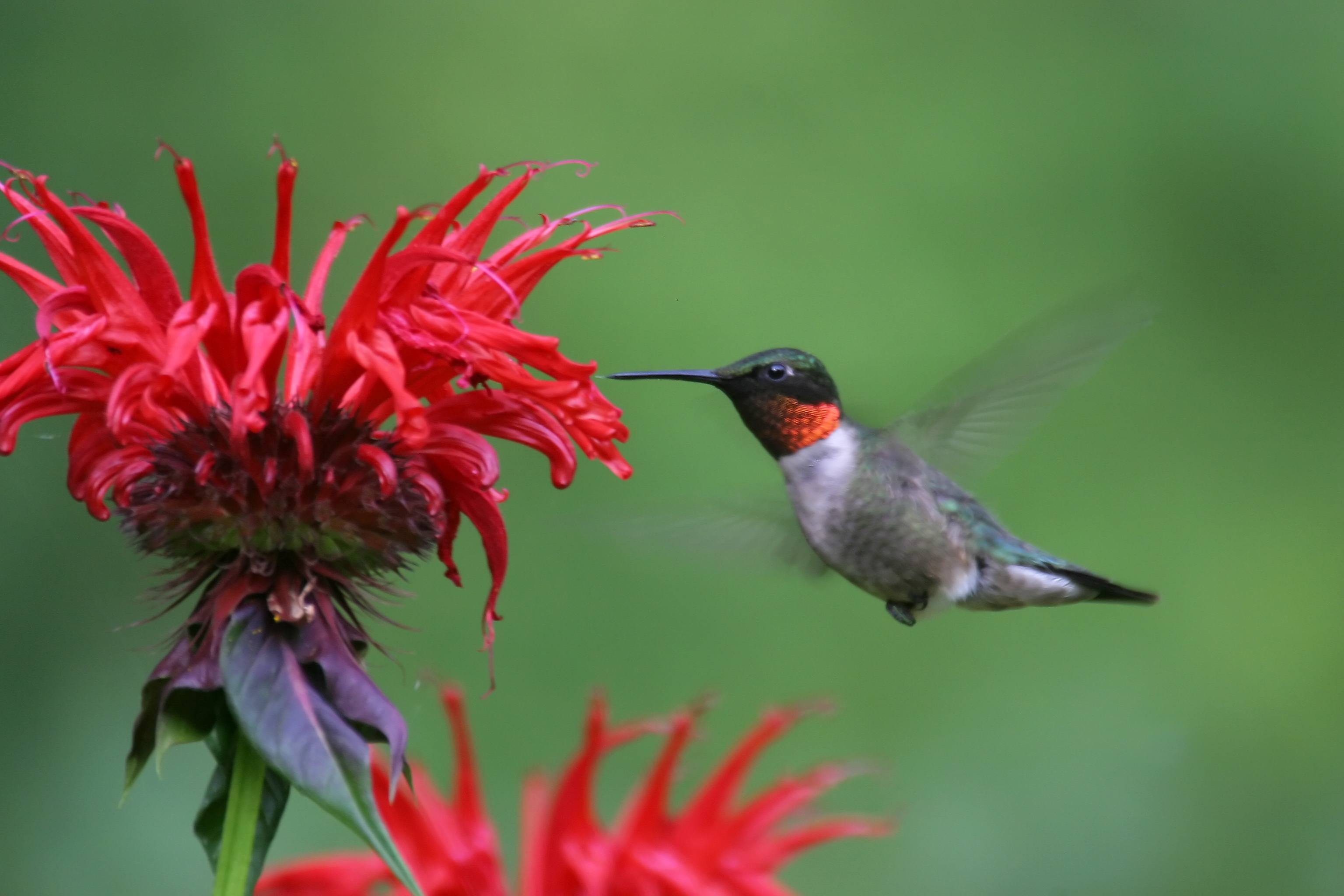
33
Multiple Choice
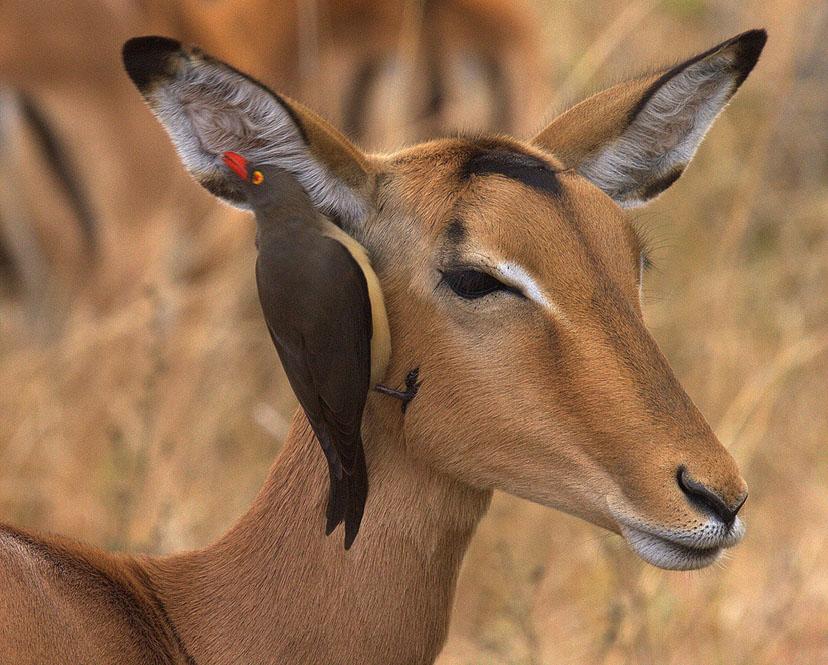
34
Multiple Choice
35
Multiple Choice
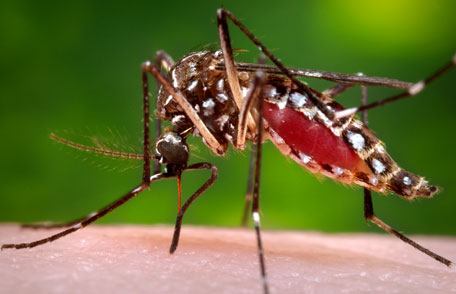
36
Multiple Choice
Clown fish live among anemones, acting as a lure for the sea anemone's prey. The clown fish get protection and shelter from the anemone. This is an example of which type of symbiosis?
Commensalism
Mutualism
Parasitism
37
Multiple Choice
Hookworms enter the human body by burrowing into the skin of the feet. Once in the skin, they enter the bloodstream and travel to the small intestine where they attach to the walls and begin to drink the person's blood and weaken the victim.
mutualism
commensalism
parasitism
38
Multiple Choice
Lichens are close associations of fungi and algae. The fungi hold the water supply and the algae perform photosynthesis to manufacture carbohydrates for both organisms.
mutualism
commensalism
parasitism
39
Multiple Choice
In the jungles of South America lives a thorn tree call an acacia. A species of ant eats secretions of the acacia, drinks its sap, and raises its young in the hollow thorns. The ants also keep competing vines from growing near the acacia tree and they help repel any insects that would damage the acacia tree.
mutualism
commensalism
parasitism
40
Multiple Choice
41
Multiple Choice
Mockingbirds will push the eggs out of a blue bird's nest and use the nest for it's own babies illustrating...
commensalism
parasitism
mutualism
predation
Show answer
Auto Play
Slide 1 / 41
SLIDE

Similar Resources on Wayground
36 questions
Levels of Organization - Cells to Biome
Presentation
•
KG
36 questions
Regulation of Gene Expression
Presentation
•
9th - 10th Grade
36 questions
Lab Safety Rules
Presentation
•
9th - 12th Grade
37 questions
Energy and Energy Transformations
Presentation
•
9th - 12th Grade
34 questions
Ionic and Covalent Bonding
Presentation
•
9th - 12th Grade
32 questions
Forensic Toxicology and Drugs
Presentation
•
9th - 12th Grade
35 questions
Chordates and Fish Notes Part 2
Presentation
•
9th - 12th Grade
36 questions
E2 T2 ¿Reflexivo o no?
Presentation
•
9th - 12th Grade
Popular Resources on Wayground
20 questions
STAAR Review Quiz #3
Quiz
•
8th Grade
20 questions
Equivalent Fractions
Quiz
•
3rd Grade
6 questions
Marshmallow Farm Quiz
Quiz
•
2nd - 5th Grade
20 questions
Main Idea and Details
Quiz
•
5th Grade
20 questions
Context Clues
Quiz
•
6th Grade
20 questions
Inferences
Quiz
•
4th Grade
19 questions
Classifying Quadrilaterals
Quiz
•
3rd Grade
12 questions
What makes Nebraska's government unique?
Quiz
•
4th - 5th Grade
Discover more resources for Science
46 questions
Unit 4 Geosphere Test Review
Quiz
•
9th - 12th Grade
25 questions
Naming Ionic and Covalent Compounds
Quiz
•
9th Grade
20 questions
Human Impact on the Environment Review #2
Quiz
•
9th Grade
16 questions
Ecosystem Stability
Quiz
•
9th Grade
20 questions
Mendelian Genetics Review
Quiz
•
9th Grade
12 questions
Unit 6 Quiz #3 (Life Cycles of Stars)
Quiz
•
9th Grade
34 questions
Human Impact on Ecosystems Quiz
Quiz
•
9th Grade
10 questions
Exploring Alfred Wegener's Continental Drift Theory
Interactive video
•
6th - 10th Grade