

Phylum Porifera

Presentation
•
Biology
•
1st - 8th Grade
•
Hard

Joseph Anderson
FREE Resource
14 Slides • 7 Questions
1
2
3
Multiple Choice
4

5

6
7
Multiple Choice

8
9

10
Multiple Choice
11

12
13

14

15

16
17

18
Multiple Choice
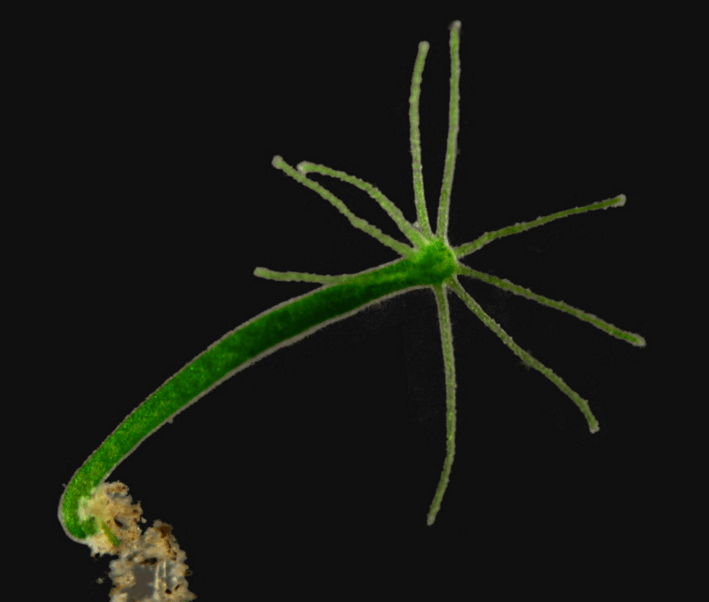
19
Multiple Choice

20
Multiple Choice
21
Multiple Choice
Show answer
Auto Play
Slide 1 / 21
SLIDE
Similar Resources on Wayground

15 questions
biology
Lesson
•
1st - 8th Grade
12 questions
English Foundation
Lesson
•
1st - 7th Grade
14 questions
Electron Math
Lesson
•
9th - 12th Grade
15 questions
Adjetivos demostrativos
Lesson
•
KG
14 questions
ARTICLES
Lesson
•
1st - 9th Grade
17 questions
Parts of the house
Lesson
•
KG
17 questions
911 Presentation
Lesson
•
KG
12 questions
DAUR HIDUP HEWAN
Lesson
•
KG
Popular Resources on Wayground
15 questions
Fractions on a Number Line

Quiz
•
3rd Grade
20 questions
Equivalent Fractions
Quiz
•
3rd Grade
25 questions
Multiplication Facts
Quiz
•
5th Grade
29 questions
Alg. 1 Section 5.1 Coordinate Plane
Quiz
•
9th Grade
22 questions
fractions
Quiz
•
3rd Grade
11 questions
FOREST Effective communication
Lesson
•
KG
20 questions
Main Idea and Details
Quiz
•
5th Grade
20 questions
Context Clues
Quiz
•
6th Grade
Discover more resources for Biology
20 questions
Food Chains and Food Webs
Quiz
•
7th - 12th Grade
20 questions
Natural Selection
Quiz
•
8th Grade
10 questions
Exploring Food Webs and Energy Pyramids

Interactive video
•
6th - 10th Grade
10 questions
Exploring the Impact of Genetic Mutations
Interactive video
•
6th - 10th Grade
28 questions
Ecosystems Review
Quiz
•
4th Grade
20 questions
Cell Division
Quiz
•
7th Grade
5 questions
Inherited and Acquired Traits of Animals
Interactive video
•
4th Grade - University
20 questions
Adaptations and Natural Selection
Quiz
•
7th Grade