

The Living World: Ecosystems

Presentation
•
Biology
•
1st - 5th Grade
•
Hard

Joseph Anderson
FREE Resource
30 Slides • 0 Questions
1
Unit 2: The Living World- Biodiversity
Ramiro Rabago p.2
2
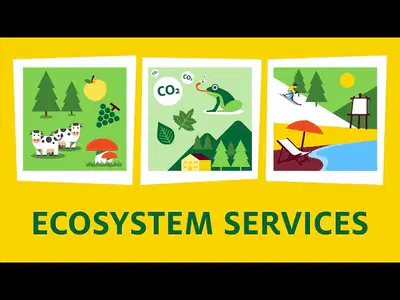
An ecosystem service is positive benefits that wildlife or ecosystems provide to people.
Ecosystem Services
3
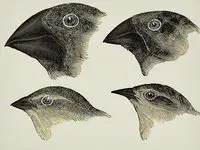
Is the changes in the heritable traits of a population of organisms as successive generations replace one another.
Evolution
4
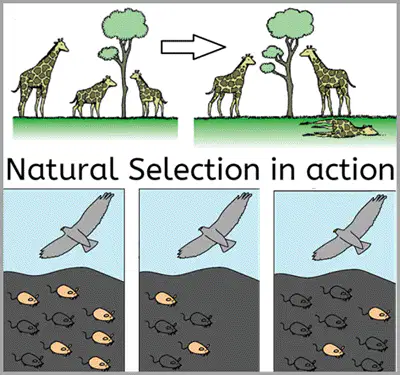
Is the process through which populations of living organisms adapt and change.
Natural Selection
5

He had the revolutionary idea of evolution by natural selection.
Alfred Russel Wallace
6
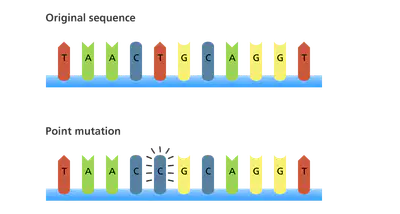
Are changes in the genetic sequence. They can happen at different levels and affect you in different ways.
Mutation
7
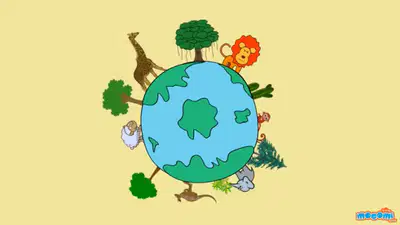
Is the natural world around us, and the variety of all of the different kinds of organisms - the plants, animals, insects and microorganisms that live on our planet.
Biodiversity
8
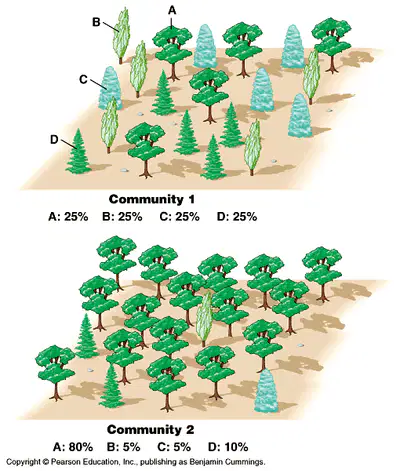
Is the number and relative abundance of species found in a given biological organization.
Species Diversity
9
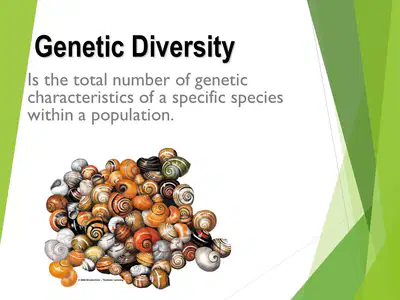
Is the biological variation that occurs within species. It makes it possible for species to adapt when the environment changes.
Genetic Diversity
10
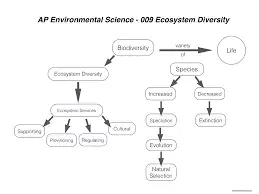
Is the variety of different habitats, communities and ecological processes.
Ecosystem Diversity
11
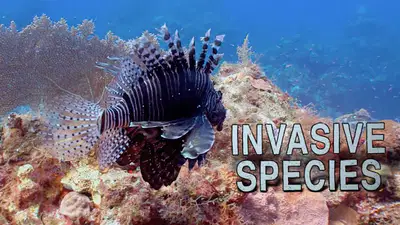
Is an organism that causes ecological or economic harm in a new environment where it is not native.
Invasive Species
12

Is when a group within a species separates from other members of its species and develops its own unique characteristics.
Speciation
13

Are animals that require very unique resources. Often, these species have a very limited diet, or need a specific habitat condition to survive.
Specialist Species
14
Are species that can live in many different types of environments, and have a varied diet.
Generalist species
15
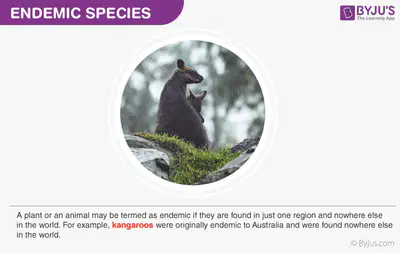
Is the distribution of a taxon limited to a small geographic area and which can therefore be found naturally in this place.
Endemic
16
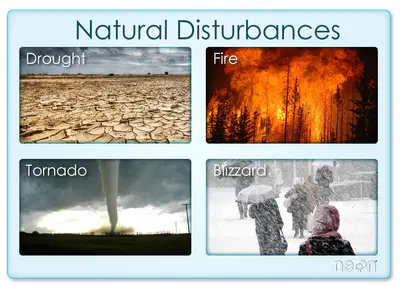
Is a physical force, agent, or process, either abiotic or biotic, causing a perturbation or stress, to an ecological component or system, relative to a specified reference state or system.
Disturbance
17
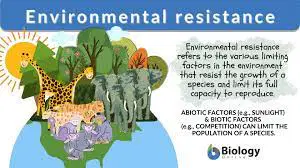
Are things that limit the growth of a population.
Resistance
18
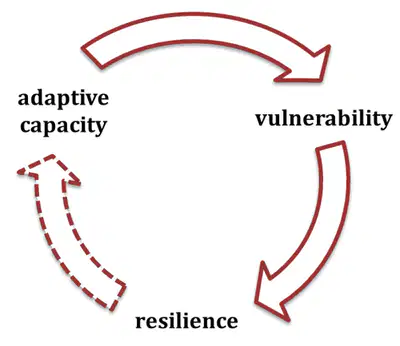
Is the ability of an ecosystem to maintain its normal patterns, after being subjected to damager caused by an ecological disturbance
Resilience
19
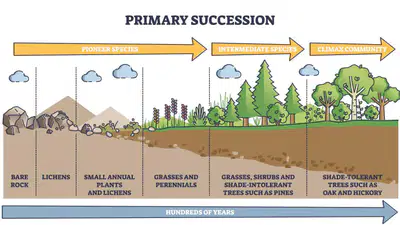
Is when a new patch of land is created or exposed for the first time.
Primary Succession
20
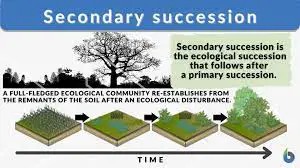
Is when a climax community or intermediate community is impacted by a disturbance.
Secondary Succession
21
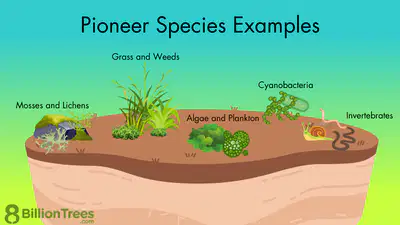
Are species that are the first to colonize newly created environments or recently disturbed environments during the processes of primary succession and secondary succession, respectively.
Pioneer species
22
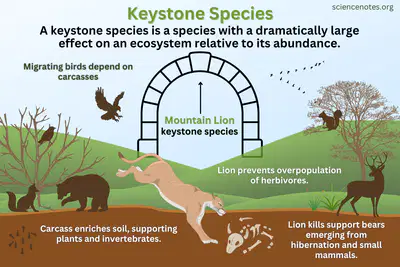
Is an organism that helps define an entire ecosystem.
Keystone Species
23
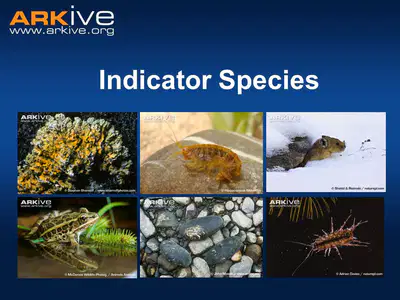
Is an organism whose presence, absence or abundance reflects a specific environmental condition.
Indicator Species
24
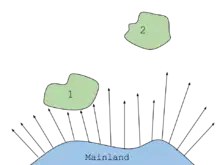
larger islands closer to the mainland have higher biodiversity than smaller islands further from the mainland.
Island Biogeography theory
25
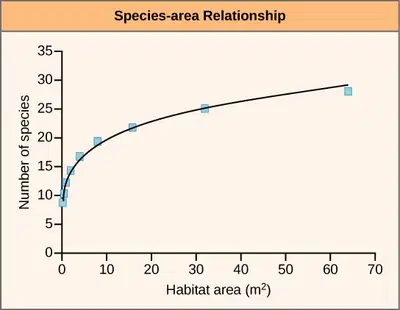
Is the relationship between the area of a habitat and the number of species found within that area.
Species-area curve
26
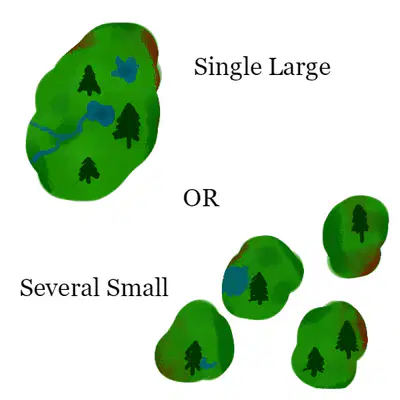
Means "Single Large or Several Small" and refers to two different approaches to land conservation in order to protect biodiversity in a given region.
SLOSS Dilemma
27
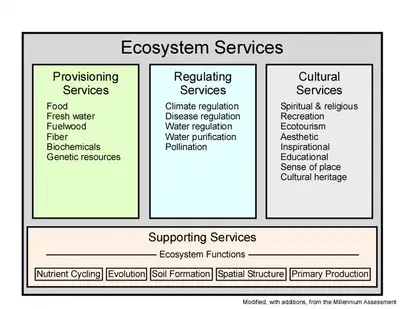
Is any type of benefit to people that can be extracted from nature.
Provisioning Ecosystem Service
28
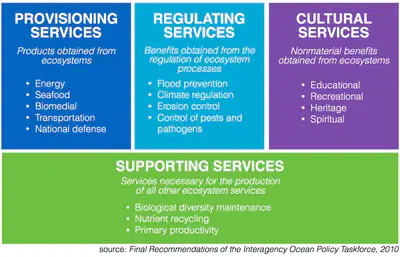
Is the benefit provided by ecosystem processes that moderate natural phenomena.
Regulating Ecosystem Service
29
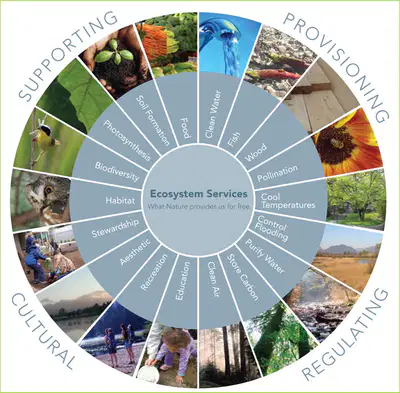
Is the non-material benefits people obtain from ecosystems.
Cultural Ecosystem Service
30
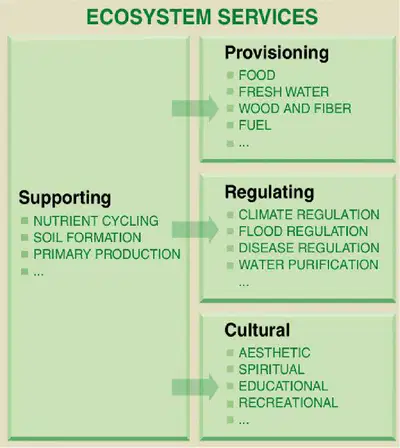
Are the most basic natural cycles that nature needs to function.
Supporting Ecosystem Service
Unit 2: The Living World- Biodiversity
Ramiro Rabago p.2
Show answer
Auto Play
Slide 1 / 30
SLIDE
Similar Resources on Wayground

27 questions
Comandos
Presentation
•
1st - 5th Grade
23 questions
Elements of Fairy Tales
Presentation
•
2nd - 4th Grade
24 questions
George Washington
Presentation
•
2nd - 4th Grade
20 questions
PHYSICAL EDUCATION
Presentation
•
KG - 5th Grade
20 questions
Sentence Types
Presentation
•
2nd - 5th Grade
21 questions
SIMPLE PRESENT - WH QUESTIONS
Presentation
•
1st - 5th Grade
20 questions
Mixed Numbers
Presentation
•
4th - 5th Grade
21 questions
Zintuigen
Presentation
•
1st - 5th Grade
Popular Resources on Wayground
10 questions
HCS SCI 03 Summer School Assessment 1

Quiz
•
3rd Grade
15 questions
HCS SCI 05 Summer School Assessment 1 Review
Quiz
•
5th Grade
22 questions
Day 9 Equations and Inequalities Review
Quiz
•
9th Grade
10 questions
Writing and Identifying Ratios Practice
Quiz
•
5th - 6th Grade
7 questions
PYRAMID PERSPECTIVES part 1
Presentation
•
9th - 12th Grade
12 questions
Understanding the Fourth of July
Quiz
•
9th Grade
15 questions
Soccer World Cup Quiz Questions
Quiz
•
7th Grade