Search Header Logo
TMSCA Science Lesson

TMSCA Science Lesson

Assessment

Presentation

Science

7th - 9th Grade

Hard

Created by

Joseph Anderson

FREE Resource

5 Slides • 40 Questions

1

Chemical reaction test review

media

2

Atomic structure

3

Multiple Choice

Subatomic particles with a negative charge

1

Electrons

2

Neutrons

3

Protons

4

Quarks

4

Multiple Choice

Subatomic particles with a positive charge
1
neutrons
2
atomic mass
3
protons
4
isotopes

5

Multiple Choice

Measure mainly of the nuclear particles: protons + neutrons
1
Subatomic Particles
2
Atomic Number
3
Atomic Mass
4
Gluons

6

Multiple Choice

Value representing the number of protons in an element
1
Atomic Mass
2
Mass Number
3
Valence Electrons
4
Atomic Number

7

Multiple Choice

Subatomic particles that are neutral in charge
1
Neutrons
2
Protons
3
Nucleus 
4
Electrons

8

Multiple Choice

Question image

The smallest particle of an element.

1

Element

2

Molecule

3

Atom

9

Multiple Choice

Question image

What is the atomic mass of Neon?

1

10

2

20

3

30

10

Multiple Choice

Question image

What is one way Neutrons are different from electrons?

1

they both are negative

2

neutrons have no charge, while electrons have a negative charge

3

Both are in the nucleus( center of atom)

4

Electrons are inside nucleus and neutrons are outside the nucleus.

11

Multiple Choice

Question image

What is the atomic number?

1

35

2

18

3

17

4

52

12

Multiple Choice

Question image

How many protons and electrons does this element have?

1

35

2

18

3

17

4

52

13

Multiple Choice

Question image

How many neutrons does Chlorine have?

1

18

2

17

3

35

4

52

14

Multiple Choice

Question image

What is the atomic mass of Arsenic?

1

33

2

107

3

75

15

Multiple Choice

Question image

How many neutrons does calcium have?

1

20

2

40

3

60

4

0

16

C​outing Atoms

17

Multiple Choice

How many atoms of Hydrogen are in H2O

1

1

2

2

3

3

4

more than 3

18

Multiple Choice

How many different elements are present in H2COCH2

1

5

2

4

3

3

4

2

19

Multiple Choice

Calculate the number of Oxygen atoms in Al(OH)3

1

1

2

2

3

3

4

4

20

Multiple Choice

The ______ are numbers found on the lower right-hand side of an element symbol.

1

Coefficient

2

Exponent

3

Multiplier

4

Subscript

21

Multiple Choice

Coefficients in chemical formulas...

1

Multiply just the first atom

2

Add to the subscripts at the end of the molecule

3

Multiply elements without subscripts

4

Multiply EVERYTHING!

22

Multiple Choice

4CF2Cl2

1

C = 4, F = 4, Cl = 2

2

C = 1, F = 8, Cl = 8

3

C = 4, F = 8, Cl = 8

4

C = 1, F = 4, Cl = 8

23

Multiple Choice

C3H5(NO3)3

1

C = 3, H = 5, N = 3, O = 9

2

C = 3, H = 5, N = 1, O = 9

3

C = 9, H = 15, N = 3, O = 9

4

C = 9, H = 15, N = 1, O = 3

24

Multiple Choice

H2SO4

1

H = 2, S = 4, O = 4

2

H = 2, S = 1, O = 4

3

H = 8, S = 4, O = 4

4

H = 2, SO = 4

25

Multiple Choice

How many different elements are present in this molecule?

3 NH4C2H3O2

1

15

2

36

3

5

4

4

26

Multiple Choice

A ______ is a number written in front of a chemical formula.

1

Coefficient

2

Subscript

3

Exponent

4

Coordinator

27

​The law of conservation of mass

28

Multiple Choice

A chemical reaction is balanced when
1
both sides have the same elements
2
Both sides have the same  number of atoms
3
Same subscripts
4
Same coefficients

29

Multiple Choice

Which of these is not a chemical reaction?
1
Burning of wood
2
Milk going bad
3
Mixing vinegar and baking soda
4
Melting of ice

30

Multiple Choice

If reaction starts with 20g of reactants it should produce 
1
a total of 40g of products
2
a total of 10g of products
3
a total of 80 g of products
4
a total of 20g of products

31

Multiple Choice

What is the Law of Conservation of mass?
1
Mass is created in a chemical reaction
2
Mass is created in a physical change
3
New chemicals formed from a chemical reaction have a larger overall mass than the original reactants
4
Mass is never created or destroyed

32

Multiple Choice

Question image

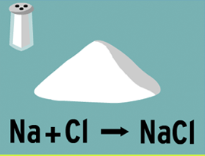
When sodium and chlorine combine to form sodium chloride, sodium chloride is the:

1

Originator

2

Reactant

3

Product

4

Produce

33

Multiple Choice

Question image
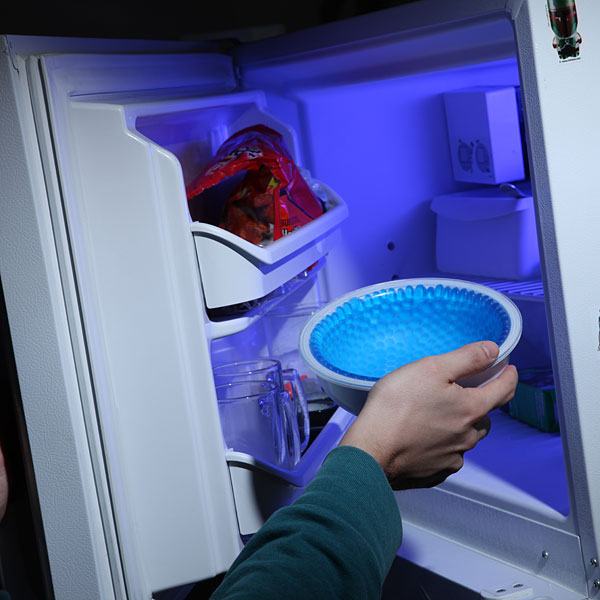
Maria fills a bowl with 200 g of water. She puts the bowl of water in the freezer, and the water freezes. Which will most likely be the mass of the frozen water?
1
50 g
2
100 g
3
200 g
4
400 g

34

Multiple Choice

Law of conservation of mass states the amounts of atoms in the reactants and the products...

1

Increase

2

Decrease

3

Stay the same

4

No correct answer

35

Multiple Choice

Does the equation H2+O2 →H2O follow the Law of Conservation of Mass?

1

Yes, because the atoms are equal.

2

No, because more info is needed.

3

No, because there are more atoms in the product.

4

No, because there are more atoms in the reactant.

36

Multiple Choice

Matter can not be created nor destroyed: it can only be
1
Destroyed a little bit
2
Invisible
3
Transformed, changed
4
None of the above

37

Endothermic and Exo thermic​

38

Multiple Choice

Question image
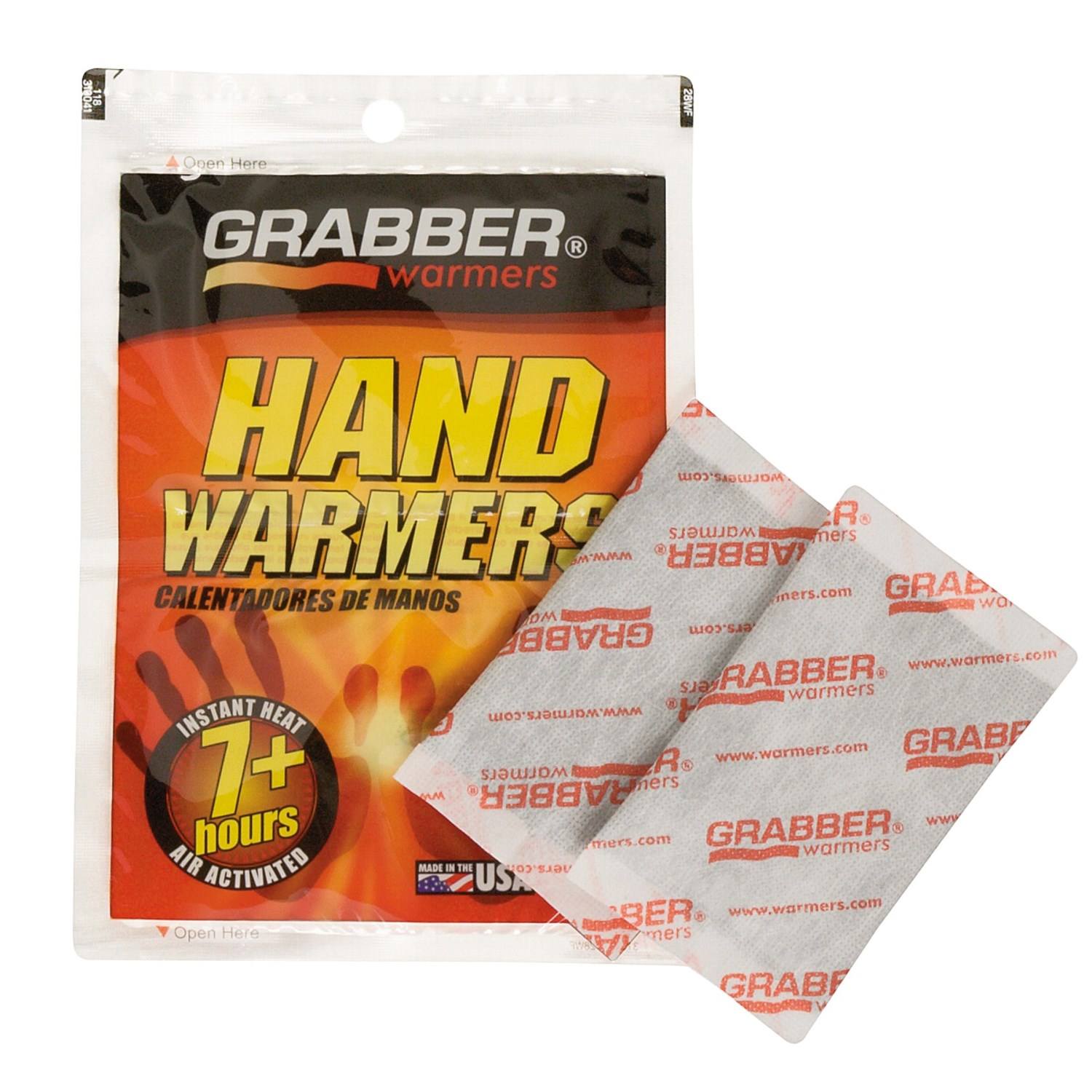
What type of reaction occurs in a hand warmer
1
exothermic
2
endothermic

39

Multiple Choice

Question image
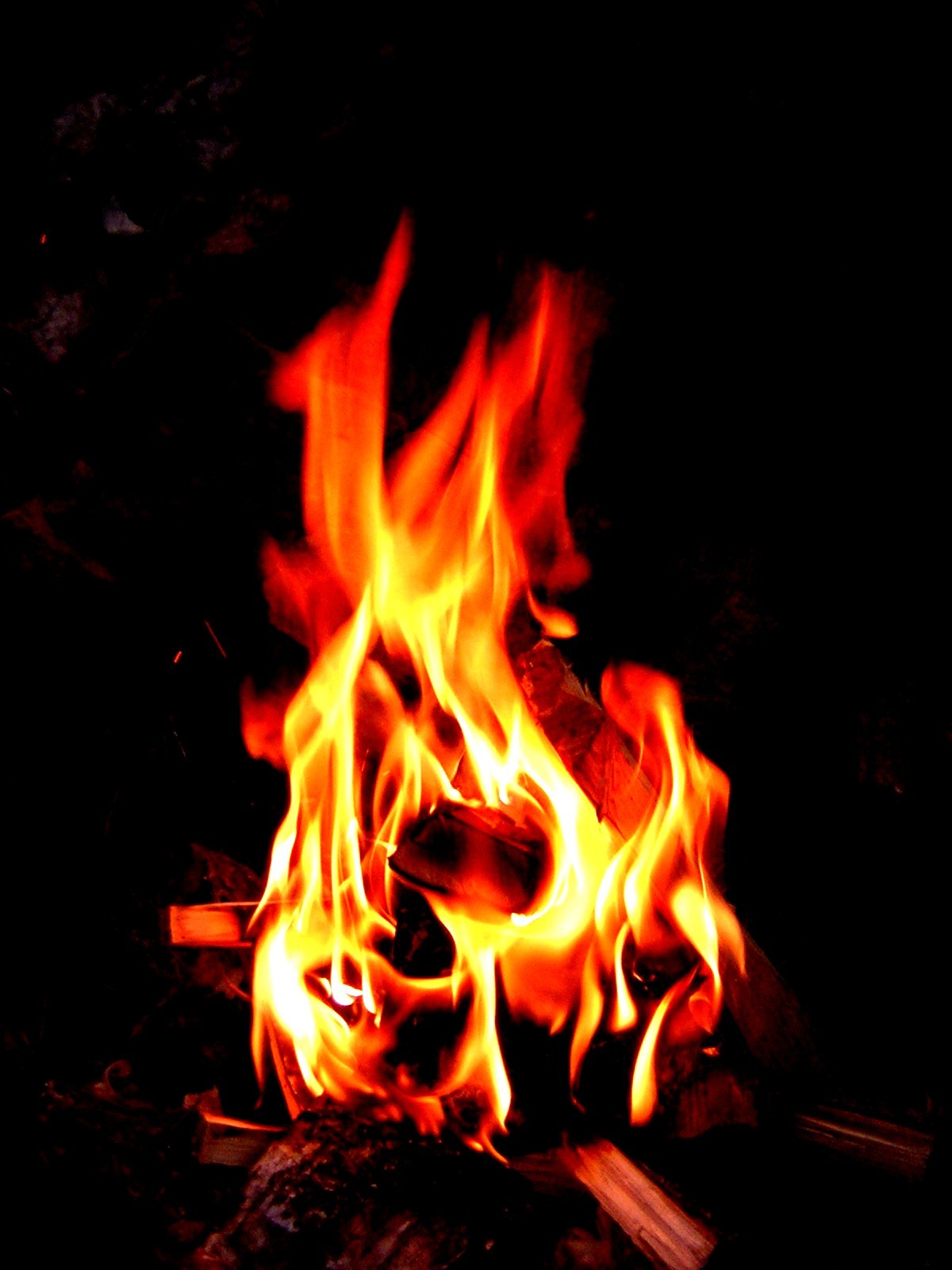
Exothermic reactions...
1
Absorb energy
2
Release energy
3
Release Color
4
Absorb Color

40

Multiple Choice

Question image
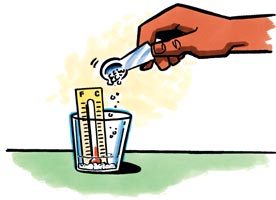
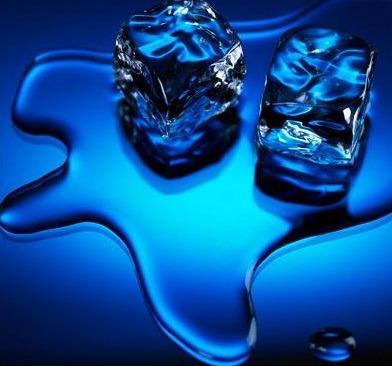
In an endothermic reaction, heat is ...
1
taken in or absorbed
2
given out or released 

41

Multiple Choice

Question image
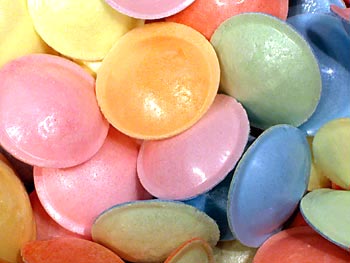
Have you ever eaten sherbet sweets candy? They fizz in your mouth and your tongue feels cold. Why do you think that is?
1
It is an exothermic reaction
2
It is an endothermic reaction
3
It is made of ice
4
It is dissolving your mouth

42

Multiple Choice

02 (g)+ 2H2-------------2H20 + Energy

1

endothermic

2

exothermic

43

Multiple Choice

6CO2 + 6H20 + Energy --------------- C6 H12 06 + 6O2

1

endothermic reaction

2

exothermic reaction

44

Multiple Choice

Question image

_____ reactions usually feel hot!

1

endothermic

2

exothermic

45

Multiple Choice

Question image

____ reactions usually feel cold.

1

endothermic

2

exothermic

Chemical reaction test review

media

Show answer

Auto Play

Slide 1 / 45

SLIDE