Search Header Logo
NUCLEAR CHEMISTRY (PART 1)

NUCLEAR CHEMISTRY (PART 1)

Assessment

Presentation

Chemistry

University

Hard

NGSS
HS-PS1-8

Standards-aligned

Created by

NOREZA IPG-Pensyarah

Used 1+ times

FREE Resource

32 Slides • 8 Questions

1

media

2

media

3

media

4

Multiple Choice

Question image
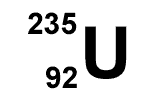
How many neutrons are in this isotope of Uranium?
1
235
2
92
3
327
4
143

5

Multiple Choice

Question image
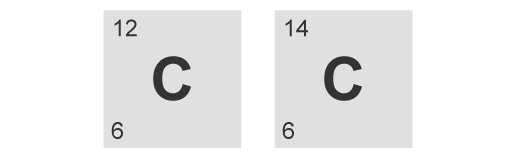
How are these isotopes different?
1
Different atomic numbers
2
Different number of protons
3
Different number of neutrons
4
Different number of electrons

6

media

7

media

8

media

9

media

10

media

11

media

12

media

13

media

14

media

15

media

16

media

17

media

18

media

19

media

20

media

21

media

22

media

23

media

24

Multiple Choice

What happens to the atomic number during alpha decay?
1
The atomic number decreases by 4
2
The atomic number increases by 1
3
The atomic number decreases by 2.
4
The atomic number stays the same.

25

Multiple Choice

Why does an atom undergo beta decay?
1
It has too many electrons.
2
It has an atomic number greater than 83
3
It has more neutrons than protons
4
It has more protons than neutrons

26

media

27

media

28

media

29

media

30

media

31

media

32

media

33

media

34

media

35

media

36

media

37

Multiple Choice

___________ is a process where an unstable nucleus becomes a more stable nucleus by emitting radioactive radiation

1

radioactive decay

2

half-life

3

nuclear fission

4

nuclear fusion

38

Multiple Choice

Which among the following type of nulei is the most common in nature?

1

Even-Even

2

Even-Odd

3

Odd-Even

4

Odd-Odd

39

Multiple Choice

Thorium-232 decays and emits gamma ray. which of the following is true about gamma ray?

I. Gamma ray is type of electromagnetic wave

II. Gamma ray is neutral

III. Gamma ray does not have energy

1

I. and II.

2

I. and III.

3

II. and III.

40

Multiple Choice

Nuclear energy is energy released from a ______ during nuclear reactions

1

fast-moving proton

2

fast-moving neutron

3

fast-moving electron

4

nucleus

media

Show answer

Auto Play

Slide 1 / 40

SLIDE