

02 Types of organisation, contractor and specialist

Presentation
•
Construction
•
Vocational training
•
Hard
•
2.1, 2.4, 2.2
+1
Standards-aligned

Paul Ward
FREE Resource
29 Slides • 27 Questions
1

2
Match
3

4

5
Dropdown

Sole trader
A big advantage is that they are able to keep the profits and make their own decisions, but they do have
person owns their own business and looks after everything:
A big advantage is that they are able to keep the profits and make their own decisions, but they do have
responsibility for the business.
6

7

8
Dropdown
9

10

11

12
13
Multiple Choice
14
Multiple Choice
15
Multiple Choice
16
Match
17
Match
18

19
20

21

22
Dropdown

Gas engineers
Gas engineers are trained and certified as ‘
Gas engineers are trained and certified as ‘
’ in the installation,
and maintenance of gas systems. They will be registered with
, who keep a list of all competent engineers. The registration is also a confirmation of competence to the customer.
23

24
Dropdown

Heating engineers
Heating engineers will be trained to a
Heating engineers will be trained to a
level in the design, installation and maintenance of central
systems. They are familiar with current regulation concerning the control systems and regulations for this area.
25

26
Dropdown

Industrial plumbers
Industrial plumbers install hot and cold water systems in
Industrial plumbers install hot and cold water systems in
situations. This means the use of
steel pipe will be more commonly used. The ability to
will be required for industrial installations.
27

28
Dropdown
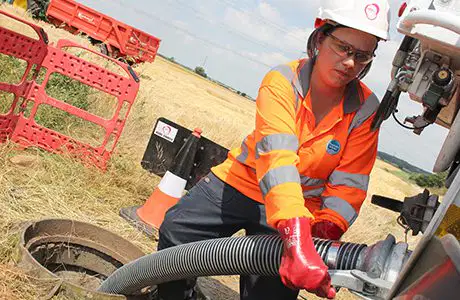
Drainage specialists
Drainage specialists are required for both domestic and
Drainage specialists are required for both domestic and
situations. They will be required to
a single house drain to maintain the flow within the main sewer systems in city centres. They would also repair any damaged or
drains that need attention.
29
30
Dropdown
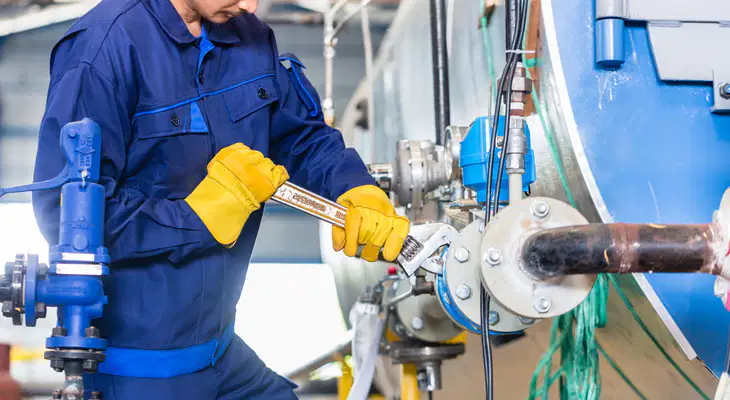
Maintenance engineers
Maintenance engineers are required to
Maintenance engineers are required to
any planned preventative maintenance
for commercial installations along with any unforeseen maintenance issues that could arise in commercial and
situations.
31

32
Dropdown

Domestic electricians
Domestic electricians will carry out any installation work within a
Domestic electricians will carry out any installation work within a
property. This would include installing and testing the
and the power circuits within the
and could be for a new build or any extension/retrofit work that may take place.
33

34
Dropdown

Industrial/commercial electricians
Industrial/commercial electricians are responsible for the
Industrial/commercial electricians are responsible for the
and testing of lighting and power circuits in
. This may include installations at
industrial voltages and involve different
.
35
Open Ended
36

37
Dropdown
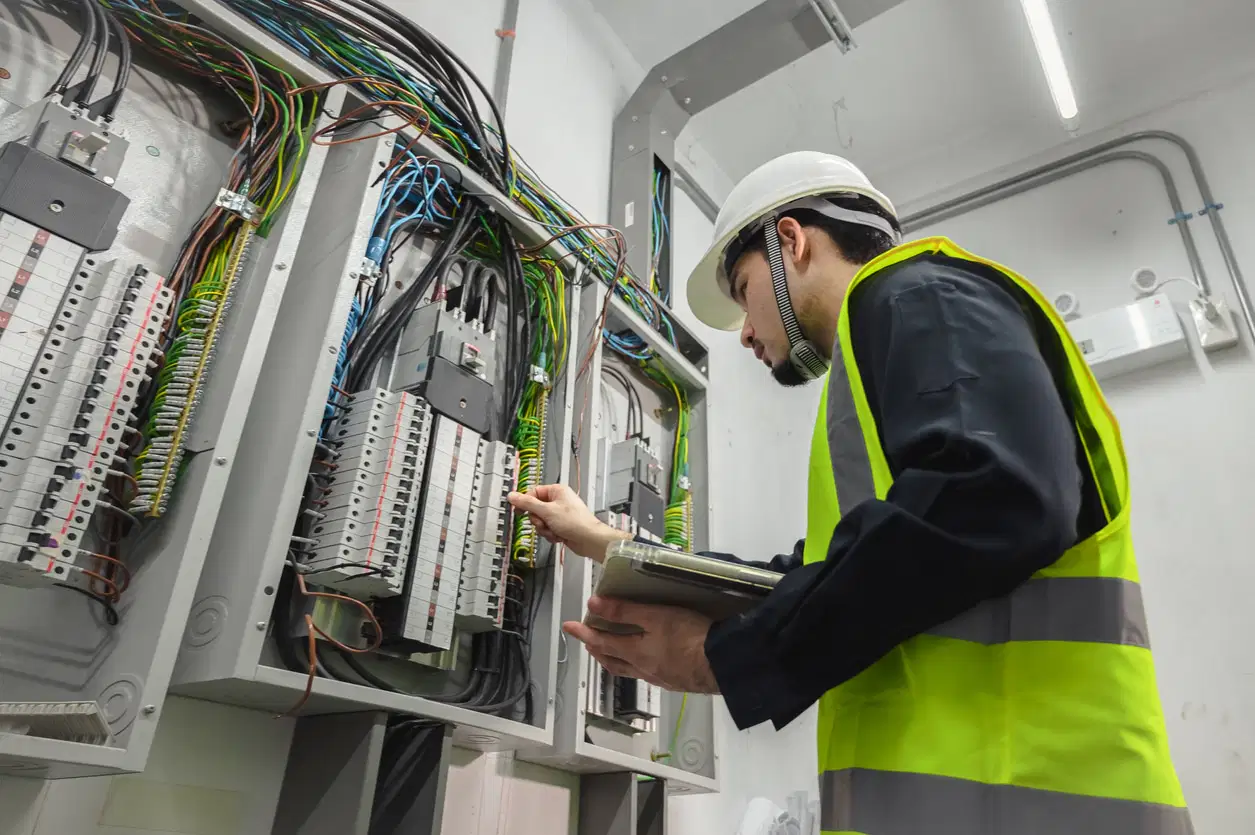
Maintenance electricians
Maintenance electricians are required to carry out any
Maintenance electricians are required to carry out any
preventative maintenance
for
installations along with any unforeseen maintenance issues that could arise in both commercial and domestic situations. For example, large companies such as supermarkets may ask a maintenance company to replace all the lamps in one of its stores.
38

39
Dropdown

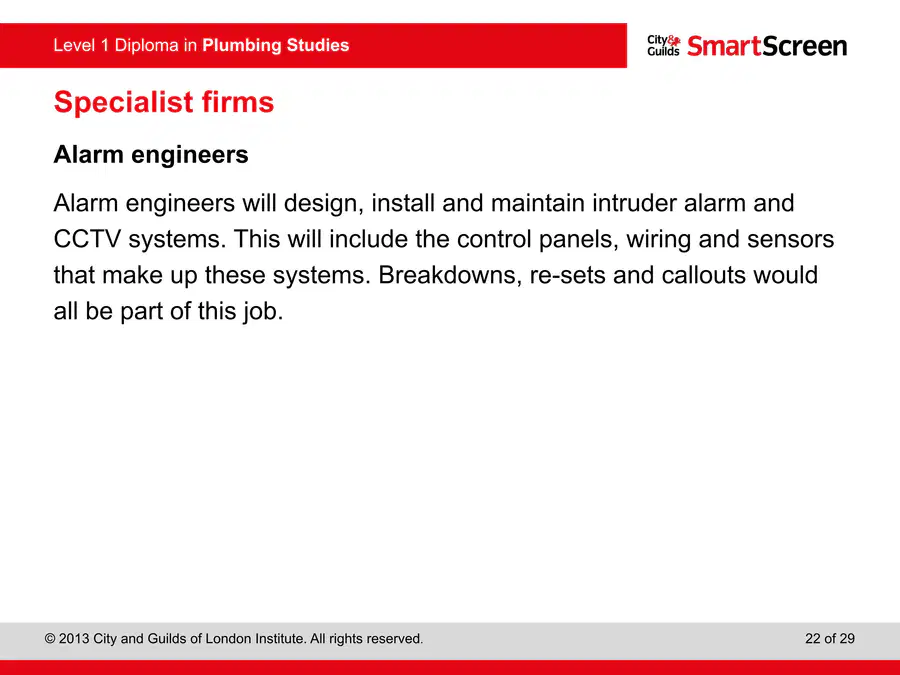
Alarm engineers
Alarm engineers will design, install and maintain intruder alarm and
Alarm engineers will design, install and maintain intruder alarm and
systems. This will include the
, wiring and sensors that make up these systems. Breakdowns, re-sets and
would all be part of this job.
40
41
Open Ended
42
Labeling
43
Dropdown

Architect
The architect is the
They
They
The architect is the
of the project and considered the
of the management team.
They
the client’s ideas and requirements into a building design and working drawings.
They
with the client regularly at the early stages, and regularly throughout the project.
44

45
Dropdown
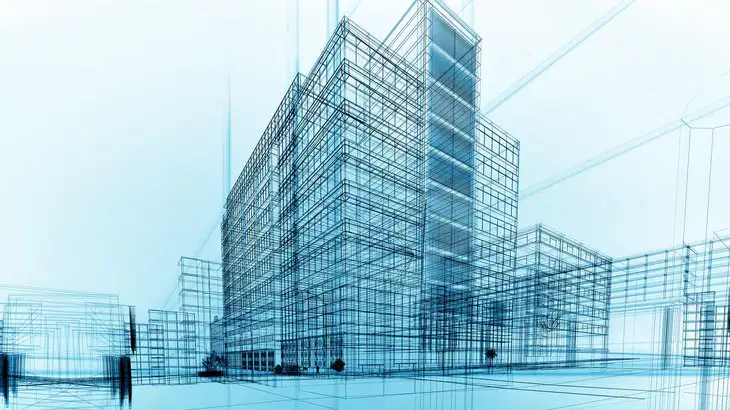
Structural engineer
This is a
They
This is a
engineer who works closely with the architect to find the most efficient method of construction.
They
loads, forces, variances from wind and rain, and look at
. They are sometimes involved in insurance claims, repair work and alterations to properties.
46
47
Dropdown
48
49
Dropdown

Estimator
The estimator works for the contractor and will
The estimator works for the contractor and will
the bill of quantities into
, which represent the amount it will
a contractor to complete each stage. To this they will add company overheads and
.
50

51
Dropdown

Buyer
The buyer also works for the contractor and will
The buyer also works for the contractor and will
all the materials needed to complete a project by obtaining
from suppliers for materials, with delivery times and quality assurance.
52

53

54
Dropdown

Site manager
Sometimes known as the
Sometimes known as the
or the site
, they are responsible for
the site. They
and make sure the work is carried out safely.
55
Labeling
56

Show answer
Auto Play
Slide 1 / 56
SLIDE

