Open Ocean Notes
Presentation
•
Biology
•
12th Grade
•
Practice Problem
•
Medium
Stephanie Bell
Used 1+ times
FREE Resource
17 Slides • 17 Questions
1
2
3
Multiple Choice
The largest ecosystem on earth also known as the __________________ consists of everything outside of coastal waters.
Pelagic Zone
Deep Zone
Coastal Zone
Coral Reef
4
Multiple Choice
From the surface downwards abiotic factors change quickly.
_______________ decreases with depth.
Water
Biodiversity
Oxygen
Plant resources
5
6
Multiple Choice
There is ______________, so photosynthesis supports the food web.
Oxygen
Salt
Sunlight
Plankton
7
Multiple Choice
No place to hide unless floating debris or seaweed.
________________ helps to blend with the depths or surface- species are darker on top, light on bottom.
O2 is abundant
Water
Floating Debris or seaweed
algae
coral
8
9
10
Multiple Choice
The _______________ is a region within the North Atlantic Gyre.
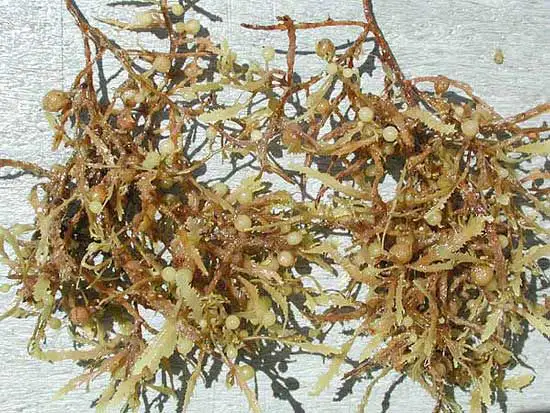
Floating mats of seaweeds, mostly _________________ trapped by ocean currents on all sides.
Coral Reef
Estuary
Great Pacific Garbage Patch
Sargasso Sea/Sargassum
11
Multiple Choice
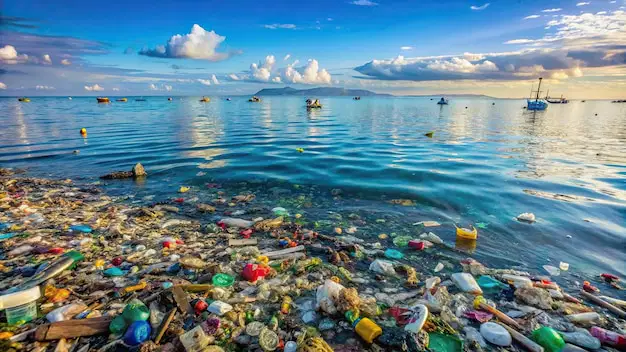
The _________________________________ is a region within the North Pacific Gyre.
A vast area of floating plastic trapped by ocean currents.
Bay
Great Pacific Garbage Patch
Coral Reefs
Sargassum
12
13
14
Multiple Choice
Many species live here, food is not scarce yet.
_____________________________________
Mesopelagic Zone
Pelagic Zone
Coral Zone
Surface
15
Multiple Choice
There is a big drop in temperature here from ____________ at top of zone to 5° at bottom of zone.
20 degrees
30 degrees
10 degrees
75 degrees
16
17
Multiple Choice
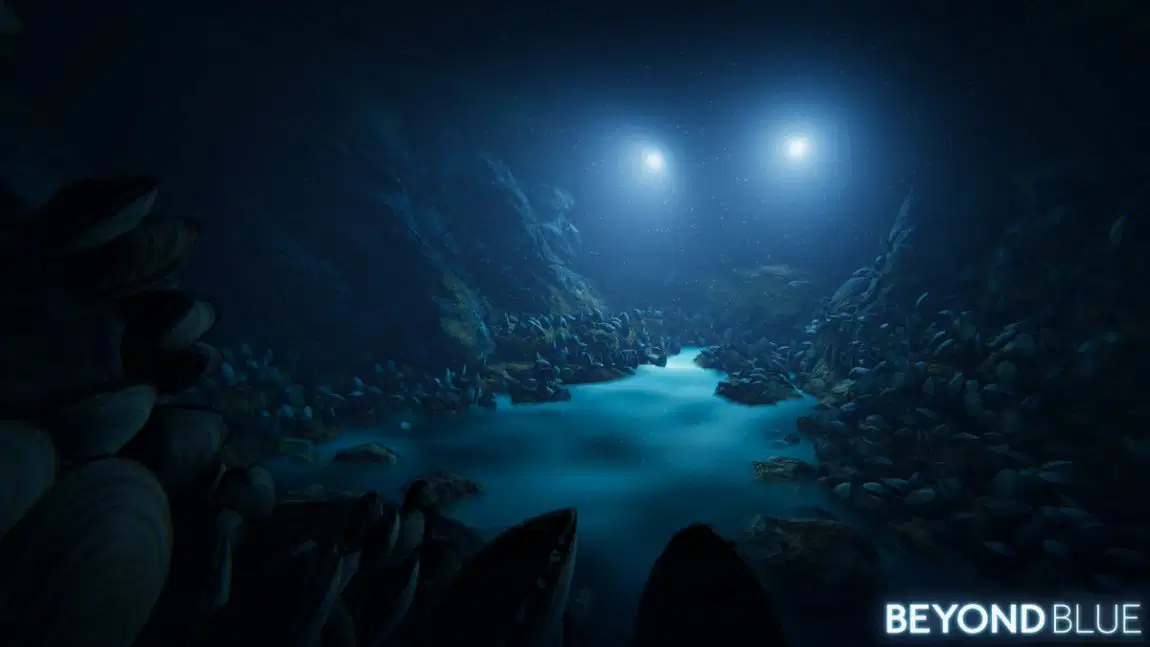
Which Zone is completely dark but the animals that live there create light
Mesopelagic Zone
Pelagic Zone
Bathypelagic Zone
Coral Zone
18
Multiple Choice
Bioluminescence _____________________________________________________________
Used for attracting prey and mates, communication, and confusing predators.
very common - light is produced as a product of chemical reactions in organs called photophores
Light produced from photosynthesis
Light produced from the sun
There is no light produced
19
20
Multiple Choice
This zone the water is near freezing, and there is no light at all.
Bathypelagic Zone
Pelagic Zone
Mesopelagic Zone
Abyssalpelagic Zone
21
Fill in the Blanks
22
Multiple Choice
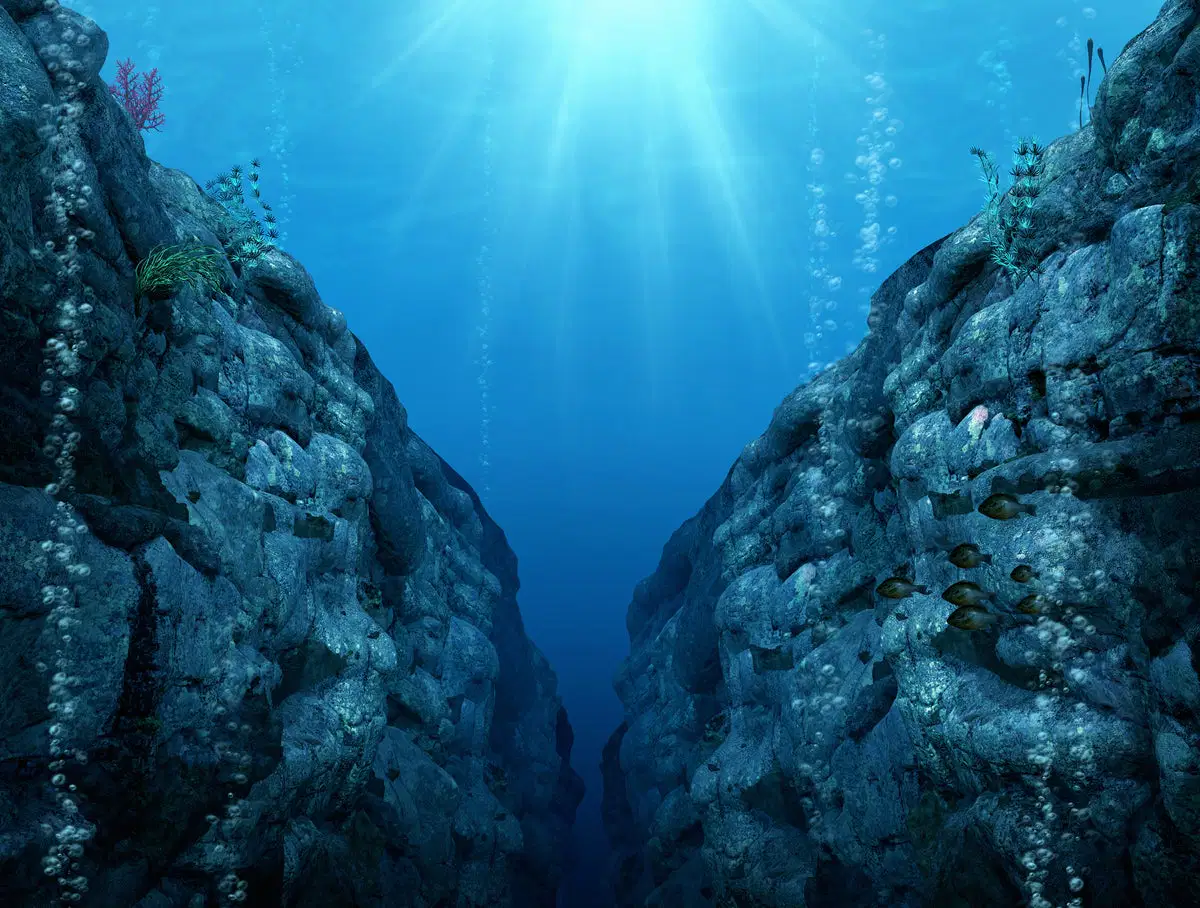
The deepest fish ever discovered was found in the
Mariana Trench
Puerto Rico Trench
Texas Trench
23
24
Multiple Choice
The temperature in this zone is around
2-3 degrees
6-7 degrees
75 degrees
30 degrees
25
Multiple Choice
What adaptations do the organisms have in this zone?
No adaptations are present
Colorful features, small jaws, large teeth, transparent eyes
Transparent skin, large eyes, expandable jaws, hermaphrodites
Dark colored blue skin, small eyes, short jaws
26
27
Fill in the Blanks
Type answer...
28
29
30
31
32
Multiple Choice
What is marine "snow"
The biological conversion of one or more carbon-containing molecules
actual snow that falls to the bottom of the ocean and all of the fish take advantage of the temeperature
the organic debris, including dead plankton, fecal matter, and other decaying matter, that sinks from the ocean's surface to the deep sea, forming a crucial part of the ocean's food web and carbon cycle.
33
34
Show answer
Auto Play
Slide 1 / 34
SLIDE

Similar Resources on Wayground
32 questions
Estuaries Notes 2025
Presentation
•
12th Grade
24 questions
Government Response to the Great Depression
Presentation
•
11th Grade
28 questions
Folding Activity
Presentation
•
12th Grade
29 questions
Pedigree Lesson 2022
Presentation
•
7th - 10th Grade
29 questions
Ecology Unit Review
Presentation
•
12th Grade
25 questions
Physical and Chemical Changes Review
Presentation
•
8th Grade
27 questions
Microbiology Survey
Presentation
•
University
27 questions
Inheritance Biology KSSM F5 Chapter 11
Presentation
•
12th Grade
Popular Resources on Wayground
10 questions
HCS SCI 03 Summer School Assessment 1
Quiz
•
3rd Grade
15 questions
HCS SCI 05 Summer School Assessment 1 Review
Quiz
•
5th Grade
22 questions
Day 9 Equations and Inequalities Review
Quiz
•
9th Grade
10 questions
Writing and Identifying Ratios Practice
Quiz
•
5th - 6th Grade
7 questions
PYRAMID PERSPECTIVES part 1
Presentation
•
9th - 12th Grade
12 questions
Understanding the Fourth of July
Quiz
•
9th Grade
15 questions
Soccer World Cup Quiz Questions
Quiz
•
7th Grade