

Chapter 15

Presentation
•
Social Studies
•
10th Grade
•
Practice Problem
•
Easy

Shawn Collins
Used 4+ times
FREE Resource
19 Slides • 16 Questions
1
Chapter 15:
Global sustainability and prosperity

Chapter Question: In a globalizing world, how can we balance sustainability and prosperity?
Textbook Pages: 248-262
2
Textbook
Read Pages: 248-249
3
Understanding Global Sustainability


4
Open Ended
How do you see the environment relating to global sustainability and prosperity? Try and give at least TWO examples that show this relationship.
5
Open Ended
How do you see people relating to global sustainability and prosperity? Give two examples that show this relationship
6
Open Ended
What is sustainable development? Give two examples
7
Open Ended
How could you contribute to sustainable development in your everyday life?
What are your values relating to sustainable development?
What would your future look like if your values were listened to and acted upon?
8
Sustainability vs. Development: What Do You Think?
Let's explore some tough questions about Alberta’s development and its impact on the environment.
We’ll go through a series of poll questions. Think critically about your answers and be ready to explain why you feel the way you do.

9
Poll

Should Alberta continue to develop the oil sands despite its environmental impact?
Yes, the economic benefits outweigh the environmental costs.
No, the environmental damage is too severe.
Maybe, but only with stricter environmental regulations.
I’m not sure.
10
Poll
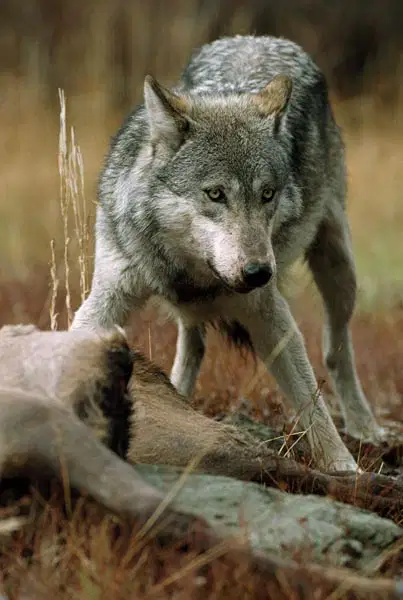
Should Alberta allow the hunting of wolves to protect livestock and property?
Yes, protecting livestock is more important.
No, wolves are a vital part of the ecosystem.
Only under strict regulations and monitoring.
I don’t know enough to say.
11
Poll

Should Alberta prioritize economic development over environmental conservation?
Yes, economic development creates jobs and revenue.
No, long-term environmental health is more important.
It depends on the specific project.
Not sure.
12
Poll

Should Alberta limit the use of fresh water in oil sands projects to protect local water supplies?
Yes, protecting water supplies is crucial.
No, economic benefits justify water use.
Only if it’s proven to harm local water sources.
Not sure.
13
Sustainability vs. Development: What Do You Think?
Take a moment to think back on the poll questions you just answered.
Were your answers more in favor of economic development or environmental sustainability?
Consider which side your responses align with more.
Why do you think you chose those positions?
What values or priorities influenced your answers?

14
Poll
Which side do you think you ultimately sided with?
Economic Development
Environmental Sustainability
A balance of both
15
Key Terms: Urbanization
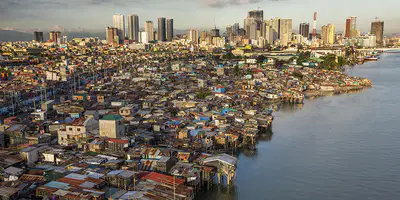
Urbanization is the process by which more people move from rural areas to cities seeking better working opportunities, leading to the growth of cities in population and infrastructure. It often results in changes to the economy, lifestyle, and environment of the area.

16
Multiple Choice
Which of the following is a primary driver of urbanization?
Increased rural farming opportunities
Job opportunities in cities
Decreased population growth
Better access to natural resources
17
Key Terms: Megacity
A megacity is a very large city, typically with a population of over 10 million people. These cities are often economic and cultural hubs but may also face challenges like overcrowding, pollution, and infrastructure strain.


18
Multiple Choice
Which of the following is an example of a megacity?
Calgary
Vancouver
Tokyo
Edmonton
19
Poll
Would you want to live in a very large city?
Yes
No
20
Pros and Cons of living in a large city
Pros:
Job Opportunities: Access to diverse career options and industries.
Education & Healthcare: Better access to universities, hospitals, and specialized services.
Entertainment & Culture: Museums, theatres, restaurants, and diverse cultural experiences.
Public Transportation: More developed transit systems, reducing the need for personal vehicles.
Cons:
21
Pros and Cons of Living in a Small City or Rural Area
Pros:
Lower Cost of Living: More affordable housing and everyday expenses.
Space & Nature: More open spaces, cleaner air, and closer proximity to nature.
Tight-Knit Community: Stronger sense of community and connection with neighbors.
Cons:
Fewer Job Opportunities: Limited industries and career options.
Limited Amenities: Fewer hospitals, schools, and recreational facilities.
Transportation: Less public transit; more reliance on personal vehicles.
Isolation: Potential for social isolation, especially for young people.
22
Megacities
Here is a LIST of all of the Megacities in the world Pick ONE to research
Find out:
1. What are the strengths of this city - (its good aspects)?
2. What are the challenges of this city - (its negative aspects)?
(Be sure to mention which city you researched)
-
More generally, reflect on:
3. How can we make cities more sustainable?
23
Open Ended
Here is a LIST of all of the Megacities in the world Pick ONE to research
1. What are the strengths of this city - (its good aspects)?
2. What are the challenges of this city - (its negative aspects)?
3. How can we make cities more sustainable?
24
Sustainable Cities
Most sustainable cities have:
Green Spaces: Parks, green rooftops, community gardens
Renewable Energy: Solar, wind, clean energy systems
Waste Management: Recycling, composting, waste reduction
Water Conservation: Efficient water use, stormwater management
Affordable Housing: Mixed-income, accessible housing options
Local Food Systems: Support for local farms, farmers’ markets
Smart Technology: Sensors, smart grids, data analytics
Community Education: Programs on sustainability, community engagement
Efficient Transportation: Public transit, bike lanes, walkability
What are the most sustainable cities?
25
Textbook
Pages 252-256
26
Key Terms: Habitat
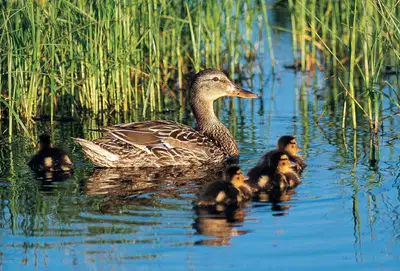
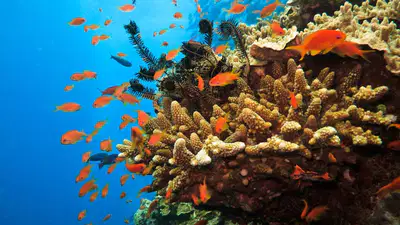
A habitat is the natural environment where a plant, animal, or other organism lives, grows, and thrives. It provides the necessary food, water, shelter, and space for survival.
27
Multiple Choice
Which of the following best describes a habitat?
A zoo where animals are kept
The natural home of a species
A man-made park for recreation
A farm where crops are grown
28
Key Terms: Extinction
Extinction occurs when a species of plant or animal completely disappears from the Earth. Once extinct, a species cannot be brought back to life.


29
Multiple Choice
What is a key cause of extinction for many species?
Habitat destruction
Population growth
Conservation efforts
Migration to new areas
30
Globalization and Extinction – What’s the Connection?
Why Are Species Vanishing?
Habitat Loss: Deforestation, urbanization, and agriculture reduce natural habitats.
Overexploitation: Species hunted or harvested faster than they can reproduce.
Pollution: Contaminants from industry and agriculture disrupt ecosystems.
Climate Change: Rising temperatures alter habitats, making survival difficult.
Global Trade: Demand for exotic pets, rare plants, or animal parts drives illegal poaching and trafficking.
Key Questions to Consider:
How might global markets impact a species’ survival?
Is economic gain taking priority over conservation?
Are conservation efforts effective in protecting endangered species?
31
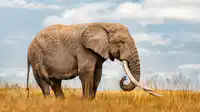
Case Study – The African Elephant
Background:
African elephants are targeted for their ivory, which is highly valuable in global markets.
Despite international bans, illegal poaching continues due to high demand in some countries.
Impact of Globalization:
Economic Incentive: Ivory can sell for thousands of dollars per kilogram.
International Trade: Traffickers exploit global supply chains to move ivory.
Conservation vs. Livelihoods: Poaching provides income for some communities, creating conflict between survival and conservation.
Conflict Analysis:



32
Textbook
Pages 257-261
33
Species at Risk Profile
You will be researching a species at risk, either locally or globally. Your task is to investigate how globalization might be contributing to its decline and explore possible solutions to protect it.
Instructions:
Complete the profile by answering questions about the species’ habitat, threats, connections to globalization, and potential solutions.
Consider how different groups (e.g., local communities, industries, conservationists) might view the situation differently.
Take your time and provide detailed responses – your research will help us understand how human activity is impacting endangered species worldwide.
34
Species at Risk Profile
Species at Risk – Introduction:
Name the species you chose and provide a brief description
Habitat:
Describe the natural habitat of this species (Where is it located?)
Problems Species Faces:
List and explain the key threats to this species: Are these threats linked to human activity?
Connections to Globalization:
How is globalization connected to these threats? Consider trade, pollution, deforestation, poaching, etc.
Different Perspectives:
Identify two or more perspectives on the issue.
How might a local community, conservationist, or industry leader view the situation differently?
Possible Solutions:
Suggest one or more solutions to help protect this species.
35
Open Ended
Introduction:
Habitat:
Problems Species Faces:
Connections to Globalization:
Different Perspectives:
Possible Solutions:
Chapter 15:
Global sustainability and prosperity
Chapter Question: In a globalizing world, how can we balance sustainability and prosperity?
Textbook Pages: 248-262
Show answer
Auto Play
Slide 1 / 35
SLIDE
Similar Resources on Wayground

30 questions
8.1 Settling Along the Huang river
Presentation
•
10th Grade
30 questions
Europe Map 4
Presentation
•
9th Grade
29 questions
WWII Innovations
Presentation
•
10th Grade
24 questions
Urbanization
Presentation
•
10th Grade
31 questions
Law of Demand- Operation
Presentation
•
10th Grade
26 questions
Rigid Transformations
Presentation
•
10th Grade
26 questions
The Crusades
Presentation
•
9th - 10th Grade
27 questions
Enlightenment
Presentation
•
9th Grade
Popular Resources on Wayground
20 questions
Math Review

Quiz
•
3rd Grade
15 questions
Fast food
Quiz
•
7th Grade
20 questions
Context Clues
Quiz
•
6th Grade
20 questions
Inferences
Quiz
•
4th Grade
19 questions
Classifying Quadrilaterals
Quiz
•
3rd Grade
20 questions
Figurative Language Review
Quiz
•
6th Grade
20 questions
Equivalent Fractions
Quiz
•
3rd Grade
10 questions
Identify Fractions, Mixed Numbers & Improper Fractions
Quiz
•
3rd - 4th Grade