

Spanish: Introductions

Presentation
•
World Languages
•
6th - 8th Grade
•
Easy

Taylor Cullen
Used 1+ times
FREE Resource
19 Slides • 67 Questions
1
Greetings & Expressions of Courtesy
By Maddie Gomez

2
Multiple Choice
Despedida means
Greeting
Goodbye
3
Multiple Choice
Saludo means
Greeting
Goodbye
4
Multiple Choice
Which one is a "despedida"?
¡Hola!
¿Cómo estás?
¡Hasta luego!
Tanto tiempo sin verte.
5
Multiple Choice
Which one is a "despedida"?
¡Adiós!
¿Qué hay de nuevo?
¿Qué tal?
Muchas gracias.
6
Multiple Choice
Which one is a "saludo" used only in Mexico?
¿Cómo estás?
¿Qué hay de nuevo?
¿Qué tal?
¿Qué onda?
7
Multiple Choice
Respond formally to "¿Cómo está usted?"
Bien hecho.
Bien, ¿y usted?
Bien, ¿y tú?
8
Multiple Choice
What does "Que tengas un buen día" mean?
Be well.
Have a good day.
See you later.
Good morning.
9
Multiple Choice
What does "¿Qué hay de nuevo?" mean?
Be well.
Have a good day.
What's new?
What's up?
10
Multiple Choice
What does "Tanto tiempo sin verte" mean?
Long time, no see
Have a good day.
Well done
I hope you are well.
11
Multiple Choice
Which saludo would you use at 3 pm?
Tanto tiempo sin verte.
Buenos días.
Buenas tardes.
Buenas noches.
12
Multiple Choice
Which saludo would you use at 10 am?
Tanto tiempo sin verte.
Buenos días.
Buenas tardes.
Buenas noches.
13
Multiple Choice
Which saludo would you use at 7 pm?
Tanto tiempo sin verte.
Buenos días.
Buenas tardes.
Buenas noches.
14
Multiple Select
Which saludos can you use at any time of day?
Tanto tiempo sin verte.
Buenos días.
Buenas.
¡Hola!
15
Multiple Choice
Which one would you use to greet your friend?
¿Qué tal?
¿Cómo está usted?
16
Multiple Choice
Which one should you use to greet your teacher?
¿Qué tal?
¿Cómo está usted?
17
Multiple Select
What is an appropriate "respuesta" to "¿Cómo estás?"
Bien hecho
Más o menos
Muy mal
Bienvenidos
Bien
18
Multiple Choice
"Cómo estás tú" and "Cómo estás" have the same meaning
Cierto
Falso
19
Multiple Choice
"Cómo está" and "Cómo está usted" have the same meaning
Cierto
Falso
20
Multiple Choice
"Que te vaya bien" is...
Formal
Informal
21
Multiple Choice
"Que le vaya bien" is...
Formal
Informal
22
Reorder
Put the conversation in the correct order
¿Cómo estás?
Bien, ¿y tú?
Bien.
Que te vaya bien.
Gracias. ¡Hasta luego!
23
Introducing yourself
and others
By Maddie Gomez

24
25
¿Cómo te llamas (tú)? - What is your name? (informal)
¿Cómo se llama (usted)? - What is your name? (formal)
¿Cuál es tu nombre? - What is your name? (informal)
¿Cuál es su nombre? - What is your name? (formal)
Me llamo...- My name is... (I call myself...)
Mi nombre es... - My name is...
(Yo) Soy... - My name is... (I am...)
Se llama..- His/Her name is...
Te llamas..- Your name is...

26
27
28
¡Mucho gusto! - Nice to meet you
¡Un placer! - Nice to meet you (A pleasure)
¡Mucho gusto en conocerte! - Nice to meet you
¡Es un placer conocerte! - It's a pleasure to meet you
Encantado - Delighted (Nice to meet you)
El gusto es mío. - The pleasure is mine
Igualmente - Likewise

29
Este es... - This is... (male)
Esta es... - This is... (female)
Mi amigo - My friend (male)
Mi amiga - My friend (female)
Te presento a...- I present to you... I'd like you to meet... (informal)
Le presento a... - I present to you... I'd like you to meet... (formal)
¿Quién es? - Who is he/she/it?

30
31
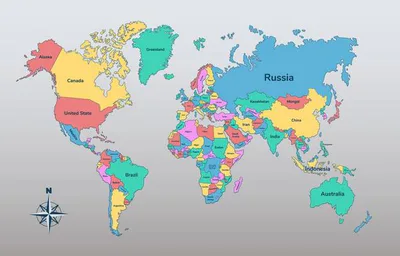
¿De dónde es usted? - Where are you from? (formal)
¿De dónde eres (tú)? - Where are you from? (informal)
(Yo) Soy de... - I am from...
(Tú) Eres de... - You are from...
32
Read and fill in the blanks
Ms. Gomez: ¡Hola!
Advay: ¡Hola! ¿Cómo se llama usted?
Ms. Gomez: Me llamo Ms. Gomez. ¿Y tú?
Advay: Me llamo ___. ¿De dónde es usted?
Ms. Gomez: Yo soy de Oklahoma. ¿Y tú?
Advay: Yo soy de ____. Mucho gusto.
Ms. Gomez: ¡Encantada!

33
- Question words in Spanish always have an accent mark (Quién, Cómo, Qué, Cuál, Dónde, etc)
- It is not necessary to include the subject pronoun in Spanish sentences. For example "Cómo se llama usted" and "cómo se llama" are both correct.
- Spanish has "masculine" and "feminine" words. All nouns are assigned either masculine or feminine. Adjectives are modified to be masculine or feminine based on who is talking or who they are referring to. Example: "Encantado" (said by a male) or "Encantada" (said by a female)
34
Read and practice pronunciation
Ms. Gomez: ¡Hola!
Advay: ¡Hola! ¿Cómo está?
Ms. Gomez: Bien. ¿Y tú?
Advay: Bien. Este es mi amigo Bob.
Ms. Gomez: Mucho gusto, Bob.
Advay: Que tengas un buen día.
Ms. Gomez: Igualmente.
35


36


37
Multiple Choice
Translate: ¿Cómo te llamas?
What's his/her/your
(formal) name?
What's your
(familiar/informal) name?
Who is he/she/it?
38
Multiple Choice
Translate: ¿Quién es?
What's his/her/your
(formal) name?
What's your
(familiar/informal) name?
Who is he/she/it?
39
Multiple Choice
Translate: ¿Cómo se llama?
What's his/her/your
(formal) name?
What's your
(familiar/informal) name?
Who is he/she/it?
40
Multiple Choice
Translate: Encantado
Delighted to meet you (masculine)
Delighted to meet you (feminine)
41
Multiple Choice
Translate: Encantada
Delighted to meet you (masculine)
Delighted to meet you (feminine)
42
Multiple Choice
Translate: El gusto es mío
Nice to meet you
The pleasure is mine
Likewise
43
Multiple Choice
Translate: Mucho gusto
Nice to meet you
The pleasure is mine
Likewise
44
Multiple Choice
Translate: Igualmente
Nice to meet you
The pleasure is mine
Likewise
45
Multiple Choice
Translate: Se llama...
His/Her name is...
My name is...
Let me introduce you
(informal) to...
Let me introduce you
(formal) to...
He/She/It is...
46
Multiple Choice
Translate: Me llamo...
His/Her name is...
My name is...
Let me introduce you
(informal) to...
Let me introduce you
(formal) to...
He/She/It is...
47
Multiple Choice
Translate: Le presento a...
His/Her name is...
My name is...
Let me introduce you
(informal) to...
Let me introduce you
(formal) to...
He/She/It is...
48
Multiple Choice
Translate: Te presento a...
His/Her name is...
My name is...
Let me introduce you
(informal) to...
Let me introduce you
(formal) to...
He/She/It is...
49
Fill in the Blanks
Fill in the blank:
¿Cómo
50
Fill in the Blanks
Fill in the blank:
51
Fill in the Blanks
Fill in JUST the missing letter:
Me llam_ = my name is
Type answer...
52
Multiple Choice
What is the term that one uses for Mr. in Spanish?
señor
señorita
señora
chica
53
Multiple Choice
Which word here indicates formal use?
tu
usted
ustedes
ellos
54
Multiple Choice
Translate to the Spanish language:
"See you tomorrow".
Hasta mañana.
Hasta luego.
Hasta pronto.
Hasta nunca.
55
Multiple Choice
Translate to the Spanish language:
You saying ‘delighted (nice) to meet you’
Bien
Mal
Encantado/a
Un placer
56
Multiple Choice
¿De dónde es usted?
Where are you from?
What's your name?
How are you?
57
Multiple Choice
¿Cómo te llamas?
Where are you from?
What's your name?
How are you?
58
Multiple Choice
¿Y usted?
where are you from?
and you?
and you? -formal
59
Multiple Choice
Soy de
You're from
I'm from
60
Multiple Choice
Me llamo
My name is
Her name is
His name is
61
Multiple Choice
Is "Como te llamas" formal or informal?
Informal
Formal
62
Multiple Select
If someone asks you "Como te llamas?" what are two ways you can respond?
Se llama...
Mi nombre es...
Soy de...
Me llamo...
63
Open Ended
What is the difference between using "¿Cómo te llamas?" and "¿Cómo se llama usted?" Please include who you are talking to when using each.
64
Multiple Choice
Now, listen to the audio.
During what time of day is this conversation taking place?
morning
afternoon
evening
night
65

66
67
Multiple Choice
Which is the most logical response to "Nice to meet you?"
Escucha
Cómo te llamas
Hola
Igualmente
68
Be prepared to answer questions on the following slides.

69
Multiple Choice
¿Cierto o falso?
(True or false?)
The two speakers are meeting for the first time.
70
Multiple Choice
Now, listen to the audio.
During what time of day is this conversation taking place?
morning
afternoon
evening
night
71
Multiple Choice
¿Cierto o falso?
After one speaker says "Nice to meet you,"
the other responds, "Likewise."
72

73
Multiple Choice
Now, listen to the audio.
During what time of day is this conversation
taking place?
morning
afternoon
night
74
Multiple Choice
How does the female speaker respond to
¿Cómo te llamas?
Te llamas Graciela.
Cómo llamo Graciela.
Me llamo Graciela.
75
Fill in the Blanks
¿
Type answer...
76
Fill in the Blanks
Type answer...
77
Fill in the Blanks
¿
Type answer...
Mi nombre es Pedro.
78
Fill in the Blanks
Mucho
Type answer...
79
Fill in the Blanks
-Mucho gusto.
-
Type answer...
80
Fill in the Blanks
Te
Type answer...
81
Fill in the Blanks
Type answer...
82
Fill in the Blanks
¿De dónde
Type answer...
83
Fill in the Blanks
Yo
Type answer...
84
Fill in the Blanks
Type answer...
85
Fill in the Blanks
El
Type answer...
86
Match
Match the "frase" (phrase) with the "respuesta" (answer).
Hola, ¿cómo te llamas?
Te presento a mi amigo Luis.
Un placer.
¿De dónde es usted?
Mucho gusto.
Me llamo Gabriel.
Encantado.
Igualmente.
Yo soy de México.
El gusto es mío.
Me llamo Gabriel.
Encantado.
Igualmente.
Yo soy de México.
El gusto es mío.
Greetings & Expressions of Courtesy
By Maddie Gomez
Show answer
Auto Play
Slide 1 / 86
SLIDE
Similar Resources on Wayground

79 questions
HISTORY OF THE PERIODIC TABLE
Presentation
•
7th Grade
78 questions
Los hábitats
Presentation
•
8th Grade
79 questions
KUIZ NILAI MORAL
Presentation
•
7th Grade
86 questions
Checking Account and Debit Card
Presentation
•
6th - 8th Grade
74 questions
La chica de otro planeta
Presentation
•
6th - 8th Grade
80 questions
Ecosystems - Food Chains/Webs
Presentation
•
6th - 8th Grade
81 questions
Process of Science Review
Presentation
•
6th - 8th Grade
82 questions
7th Gr Unit 3 Test "Proportional Relationships" Practice/Prep
Presentation
•
7th Grade
Popular Resources on Wayground
10 questions
Safety Day 2026 – Student Review

Quiz
•
9th Grade
21 questions
Continents and Oceans
Quiz
•
6th Grade
20 questions
Parts of Speech
Quiz
•
5th Grade
16 questions
Subject & Predicate
Quiz
•
5th Grade
25 questions
Multiplication Facts
Quiz
•
5th Grade
12 questions
Map Skills
Quiz
•
3rd Grade
22 questions
Continents and Oceans
Quiz
•
5th Grade
15 questions
Rounding Decimals
Quiz
•
5th Grade
Discover more resources for World Languages
20 questions
REGULAR Present tense verbs
Quiz
•
8th - 9th Grade
14 questions
Los Dias de la Semana
Quiz
•
6th - 8th Grade
10 questions
Spanish Greetings and Goodbyes!
Presentation
•
6th Grade - University
21 questions
Realidades 1A - Vocabulario
Quiz
•
8th - 9th Grade
20 questions
Los saludos y las despedidas
Quiz
•
5th - 8th Grade
20 questions
Los pronombres personales
Quiz
•
8th - 12th Grade
10 questions
Exploring National Hispanic Heritage Month Facts

Interactive video
•
6th - 10th Grade
25 questions
Articulos definidos e indefinidos
Quiz
•
7th Grade