

Human Systems Interaction

Presentation
•
Science
•
6th - 8th Grade
•
Practice Problem
•
Easy
+2
Standards-aligned

Barbara White
Used 11+ times
FREE Resource
13 Slides • 22 Questions
1

Middle School

2
Describe how the body is organized from cells to tissues to organs.
Explain how organ systems work together to keep the body stable and alive.
Analyze how organ systems support the process of cellular respiration.
Use evidence to explain why the body is a system of interacting parts.


3
Key Vocabulary
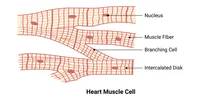
Tissue
A group of similar cells that work together to do a specific job in the body.
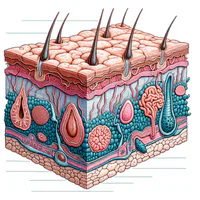
Organ
An organ is a structure made of different types of tissues that all work together.
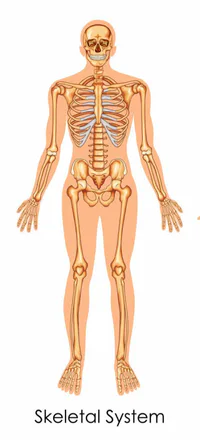
Organ System
An organ system is a group of organs that work together to perform major functions for the body.
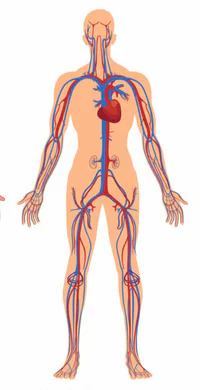
Circulatory System
The circulatory system transports blood, oxygen, and essential nutrients throughout the entire body.
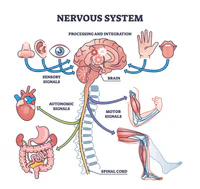
Nervous System
The nervous system is the body's command center, controlling all of its many activities and responses.
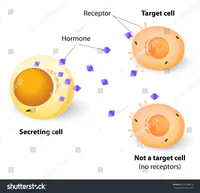
Hormone
A hormone is a chemical messenger that controls the function of a particular cell or organ.
4
Key Vocabulary
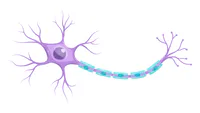
Neuron
A neuron is a specialized nerve cell that carries messages by transmitting electrical signals.
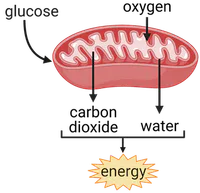
Cellular Respiration
This is the process by which cells release energy from food using oxygen.
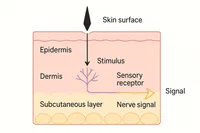
Sensory Receptor
A sensory receptor is a specialized nerve ending that detects and responds to a stimulus.

Homeostasis
Homeostasis is the body's remarkable ability to maintain a stable and balanced internal environment.
5
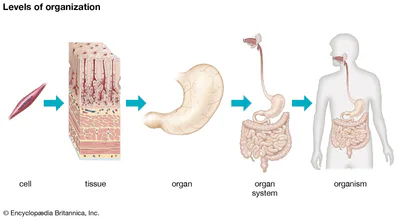
The Body's Organization: From Cells to Systems
The human body has a clear hierarchy, starting with cells as the basic units.
Specialized cells group together to form tissues, like muscle or nervous tissue.
Different tissues combine to create organs that perform a specific function, like the heart.
Organs work together in organ systems, such as the digestive or circulatory systems.
6
Multiple Choice
What are the basic building blocks that group together to form all other parts of the human body?
Cells
Tissues
Organs
Organ systems
7
Multiple Choice
Which statement best describes the relationship between cells, tissues, and organs?
Cells combine to form tissues, which combine to form organs.
Organs combine to form tissues, which combine to form cells.
Tissues combine to form cells, which combine to form organs.
Cells, tissues, and organs are all separate and unrelated.
8
Multiple Choice
If a large amount of specialized muscle tissue in the heart was damaged, what conclusion can be drawn based on the body's organizational hierarchy?
The heart, an organ, would be directly affected by the damaged tissue.
The entire circulatory system would fail at the exact same time.
Only the individual cells would be affected, but not the larger structures.
The body would immediately create a new type of tissue to replace it.
9
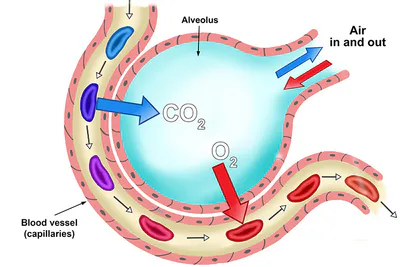
The Body’s Transport Systems
The circulatory system is the body's transport network, led by the heart.
Blood contains red cells for oxygen and white cells for fighting infection.
The respiratory system takes in oxygen and removes carbon dioxide (CO2).
These systems work together to deliver oxygen and remove waste from cells.
10
Multiple Choice
What are the primary functions of the circulatory and respiratory systems?
To transport materials throughout the body and exchange gases with the environment.
To break down food and absorb nutrients into the body.
To provide the body with structure, support, and movement.
To send and receive electrical signals for communication.
11
Multiple Choice
What is the relationship between the heart and lungs in their respective systems?
The heart pumps blood through the body, while the lungs are where gases are exchanged.
The heart is where gases are exchanged, while the lungs pump blood through the body.
The heart is made of cardiac muscle, while the lungs contain red and white blood cells.
The heart removes carbon dioxide waste, while the lungs fight off infections.
12
Multiple Choice
Which statement best explains how oxygen from the air is delivered to the body's cells?
Oxygen enters the blood through the alveoli in the lungs and is then transported to cells by the circulatory system.
The heart sends red blood cells to the lungs to be filled with carbon dioxide for delivery to the cells.
The lungs directly pump oxygen-rich blood to all the cells in the body without using the heart.
White blood cells carry oxygen from the alveoli to the heart, which then sends it to the rest of the body.
13
Digestive System
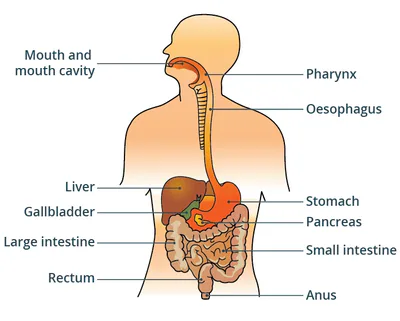
The digestive system breaks food into nutrients that your body can use for energy, growth, and repair.
Organs like the stomach and intestines use smooth muscle tissue to move and process the food.
The liver and pancreas produce enzymes to help break down the complex food molecules into simpler nutrients.
Excretory System
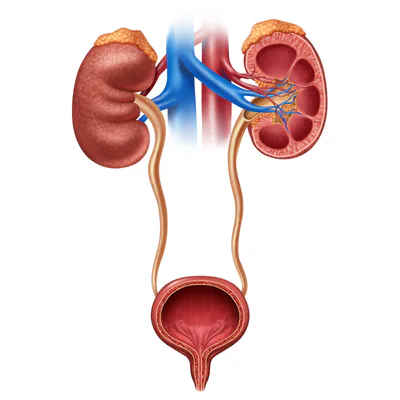
The excretory system is responsible for removing waste from the body and maintaining proper water balance.
The kidneys are the main organs that filter waste from the blood to produce and excrete urine.
The lungs also act as excretory organs by removing waste gas like carbon dioxide (CO2).
14
Multiple Choice
What is the primary function of the digestive system?
To break food into nutrients that your body can use.
To remove waste products like urine and carbon dioxide.
To filter waste materials directly from the blood.
To use muscle tissue to help the body move and grow.
15
Multiple Choice
Which statement best compares the functions of two different excretory organs?
The kidneys filter waste from the blood, while the lungs remove waste gas.
The stomach breaks down food, while the intestines absorb all the water.
The liver produces urine, while the pancreas produces carbon dioxide.
The lungs move food with muscle, while the kidneys produce enzymes.
16
Multiple Choice
Which statement best explains how the digestive and excretory systems work together to fuel and maintain the body?
The digestive system breaks down food for nutrients, and the excretory system removes wastes produced.
The digestive system removes waste gas, and the excretory system provides energy for growth.
The digestive system creates enzymes, and the excretory system uses muscles to move food.
The digestive system filters blood, and the excretory system breaks down complex molecules.
17
Skeletal System
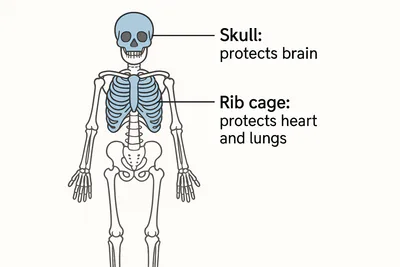
The skeletal system provides the rigid framework and support for the entire body.
It protects vital organs like the brain, heart, and lungs from external damage.
Bones act as anchors for muscles, providing a surface for them to pull against.
Muscular System
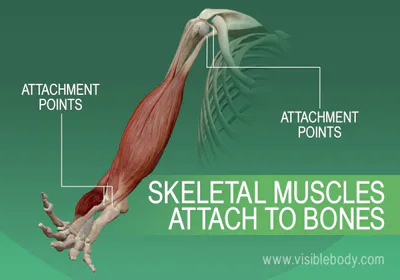
The muscular system is composed of tissues that can contract to produce movement.
Skeletal muscles receive signals from the nervous system to pull on bones.
Without the skeletal framework, contracting muscles would not be able to create motion.
18
Multiple Choice
What are the primary functions of the skeletal system?
To provide the body with a rigid framework and protect vital organs
To contract in order to send signals throughout the body
To create the tissues that produce movement
To anchor the nervous system to the body's core
19
Multiple Choice
What is the relationship between the skeletal and muscular systems that allows the body to move?
Muscles contract to pull on bones, which act as anchors to create movement.
Bones contract and pull on muscles, which provides a surface for motion.
The nervous system provides a rigid framework for muscles to pull against.
The skeleton sends signals to the muscles, telling them when to contract.
20
Multiple Choice
Based on the information, what would be the most likely result if the skeletal system did not exist?
The body would not be able to create motion because muscles would have nothing to pull against.
The body would move more efficiently because it would be less rigid.
The muscles would take over the function of protecting the body's vital organs.
The nervous system would signal organs to contract to produce movement instead.
21
Nervous System
It provides rapid, electrical signals for immediate responses like reflexes and movement.
It consists of the brain, spinal cord, and a network of nerves throughout the body.
This system is built from specialized nervous tissue made of cells called neurons.
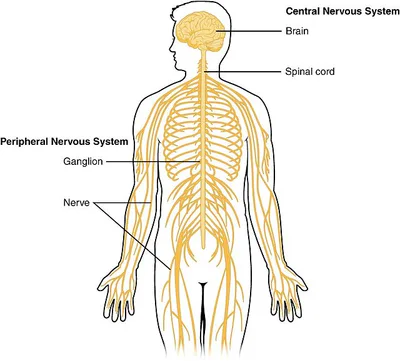
Endocrine System
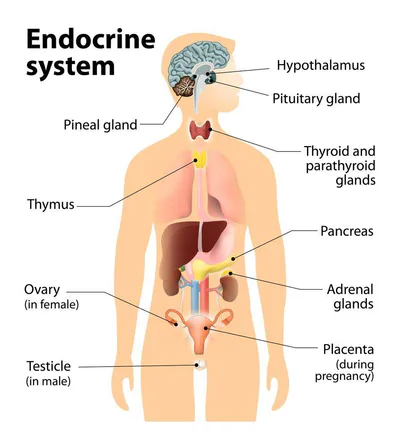
It uses slower-acting chemical hormones for more long-lasting regulation.
Glands produce hormones that travel through the circulatory system to target cells.
It controls long-term processes such as body growth, development, and metabolism.
22
Multiple Choice
What is the main, shared purpose of the nervous and endocrine systems?
To provide control and communication for the body
To digest food and absorb nutrients from it
To provide the body with structure and support
To transport oxygen and nutrients through the blood
23
Multiple Choice
How do the messages of the nervous system differ from those of the endocrine system?
The nervous system uses fast electrical signals, while the endocrine system uses slower chemical hormones.
The nervous system controls long-term growth, while the endocrine system controls immediate reflexes.
The nervous system is made of glands, while the endocrine system is made of neurons.
The nervous system sends messages through the blood, while the endocrine system uses a network of nerves.
24
Multiple Choice
If a person quickly pulls their hand away after touching a hot surface, which system is primarily responsible for this action and why?
The nervous system, because it handles rapid, immediate responses like reflexes.
The endocrine system, because it controls all muscle movements in the body.
The nervous system, because its main job is to regulate long-term growth.
The endocrine system, because hormones are the fastest way to send messages.
25
Cellular Respiration: A Team Effort
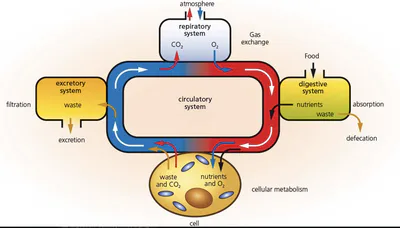
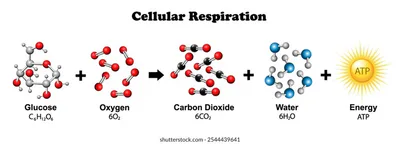
26
Multiple Choice
What is the primary goal of the digestive, respiratory, and circulatory systems working together in every cell?
To release energy for the body to use.
To create glucose for the digestive system.
To deliver carbon dioxide to the cells.
To produce oxygen for the lungs to use.
27
Multiple Choice
What is the specific role of the circulatory system in the process of cellular respiration?
It delivers glucose and oxygen to the cells and removes carbon dioxide.
It breaks down glucose and produces oxygen for the cells.
It produces energy and water as waste products.
It exchanges carbon dioxide for oxygen in the lungs.
28
Multiple Choice
If the circulatory system failed to deliver enough oxygen to the cells, what would be the most direct consequence?
The cells would not be able to release enough energy.
The lungs would stop taking in oxygen from the air.
The digestive system would stop providing glucose.
The body would start producing more carbon dioxide waste.
29
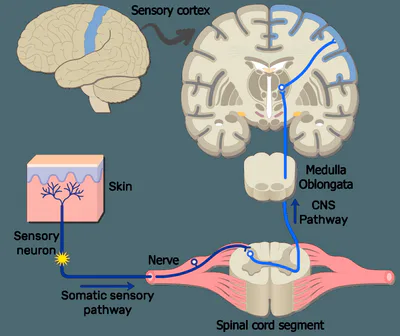
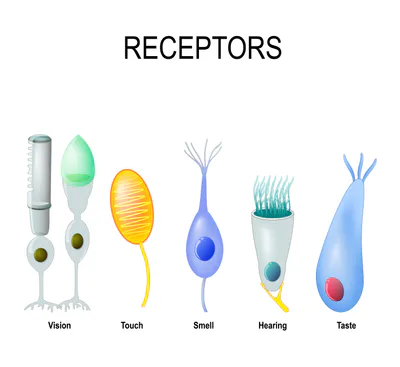
How the Nervous System Gathers Information
The nervous system gathers information using cells called sensory receptors.
This information travels as electrical signals through nerve cells called neurons.
Mechanoreceptors sense touch and sound, while chemoreceptors handle taste and smell.
Photoreceptors in the eyes respond to light, allowing the brain to interpret sight.
30
Multiple Choice
What is the main way the nervous system gathers information?
To gather information using specialized cells.
To move muscles and limbs.
To store memories and thoughts.
To produce electrical signals for warmth.
31
Multiple Choice
What is the difference between how mechanoreceptors and photoreceptors work?
Mechanoreceptors sense sound, while photoreceptors sense light.
Mechanoreceptors sense taste, while chemoreceptors sense touch.
Photoreceptors sense smell, while chemoreceptors sense sound.
Mechanoreceptors sense light, while photoreceptors sense touch.
32
Multiple Choice
Based on the information provided, what is the best explanation for how a person can smell a flower?
Information from chemoreceptors travels through neurons to the brain.
Neurons transform into chemoreceptors to detect the smell.
The brain sends electrical signals to the nose to interpret the smell.
Chemoreceptors send light signals directly to the brain.
33
Misconception | Correction |
|---|---|
Breathing and cellular respiration are the same thing. | Breathing is taking in oxygen. Respiration is using oxygen to create energy. |
The skeletal system is a non-living scaffold. | Bones are living organs that produce blood cells and store minerals. |
Organs are made of just one thing. | Organs are made of multiple types of specialized tissues working together. |
Body systems work independently. | All organ systems must interact to keep the body functioning. |
34
The body is organized in a hierarchy from cells to organ systems.
Interacting systems deliver oxygen and nutrients to cells for cellular respiration.
The nervous and endocrine systems control the body to maintain homeostasis.
Skeletal and muscular systems provide movement, while the excretory system removes waste.
35
Poll
On a scale of 1-4, how confident are you about explaining how different organ systems interact?
1
2
3
4
Middle School
Show answer
Auto Play
Slide 1 / 35
SLIDE
Similar Resources on Wayground

31 questions
States of Matter and Phase Changes
Presentation
•
6th - 8th Grade
32 questions
Circulatory System
Presentation
•
6th - 8th Grade
27 questions
Tropisms Notes
Presentation
•
6th - 8th Grade
27 questions
Genetics / Heredity Review
Presentation
•
6th - 8th Grade
30 questions
The Waves Halftime Show
Presentation
•
6th - 8th Grade
26 questions
Mass Extinction
Presentation
•
6th - 8th Grade
28 questions
Absolute Dating
Presentation
•
6th - 8th Grade
32 questions
TCi Adaptation Lesson 3
Presentation
•
6th - 8th Grade
Popular Resources on Wayground
10 questions
Safety Day 2026 – Student Review

Quiz
•
9th Grade
21 questions
Continents and Oceans
Quiz
•
6th Grade
20 questions
Parts of Speech
Quiz
•
5th Grade
16 questions
Subject & Predicate
Quiz
•
5th Grade
25 questions
Multiplication Facts
Quiz
•
5th Grade
12 questions
Map Skills
Quiz
•
3rd Grade
22 questions
Continents and Oceans
Quiz
•
5th Grade
15 questions
Rounding Decimals
Quiz
•
5th Grade
Discover more resources for Science
20 questions
Newton's Laws of Motion
Quiz
•
8th Grade
20 questions
Elements, compounds, and mixtures
Quiz
•
6th Grade
10 questions
6.6D - Relative Density Review
Quiz
•
6th Grade
15 questions
potential and kinetic energy
Quiz
•
8th Grade
21 questions
Newton's Laws of Motion
Quiz
•
8th Grade
20 questions
Elements, Compounds and Mixtures
Quiz
•
8th Grade
10 questions
Exploring Chemical and Physical Changes

Interactive video
•
6th - 10th Grade
20 questions
CONDUCTION,CONVECTION AND RADIATION
Quiz
•
6th Grade