

Chapter 1 Env. Science

Presentation
•
Arts
•
9th Grade
•
Practice Problem
•
Hard

Kathryn Elder
FREE Resource
38 Slides • 28 Questions
1

2

3
Multiple Choice
Which of the following best describes the main message of Wangari Maathai's quote?
Humanity must change its mindset to prevent environmental destruction.
Technological advancement is the only solution to environmental problems.
Nature can recover on its own without human intervention.
Economic growth should be prioritized over environmental concerns.
4
Open Ended
Why is it important for humanity to change its way of thinking to protect the life-support system of our planet?
5
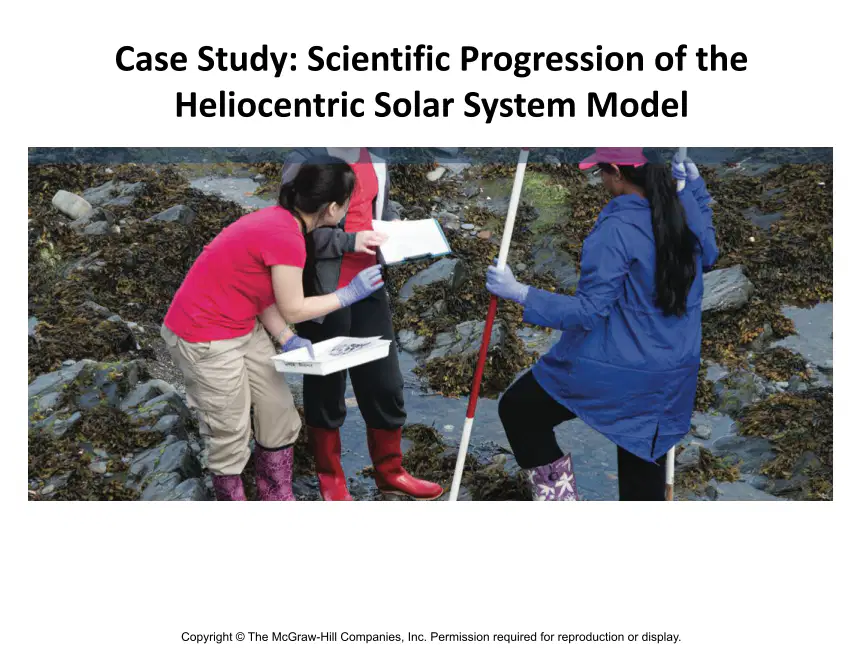
6
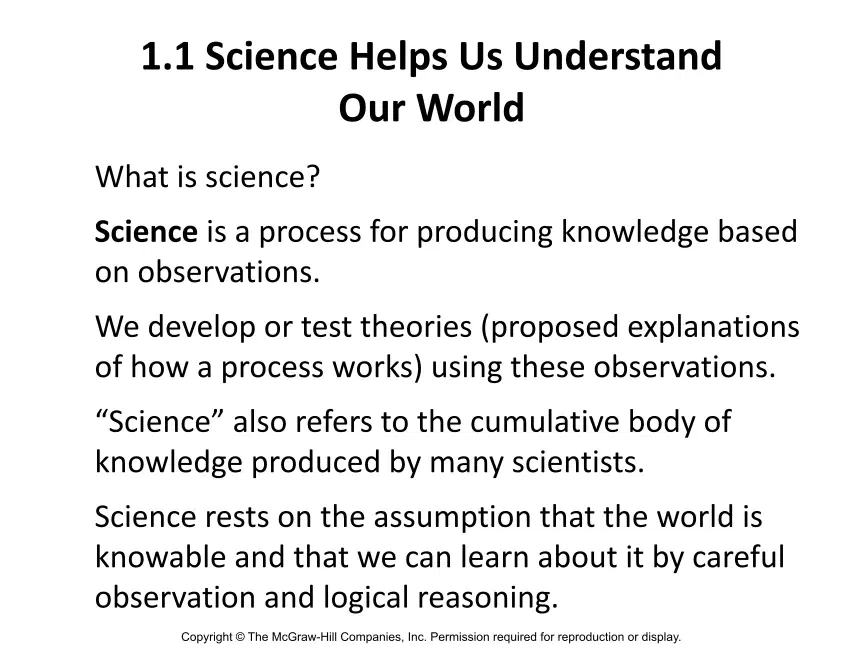
7
Multiple Choice
Which of the following best describes the process of science?
A process for producing knowledge based on observations
A set of unchanging facts
A collection of opinions
A method for guessing outcomes
8
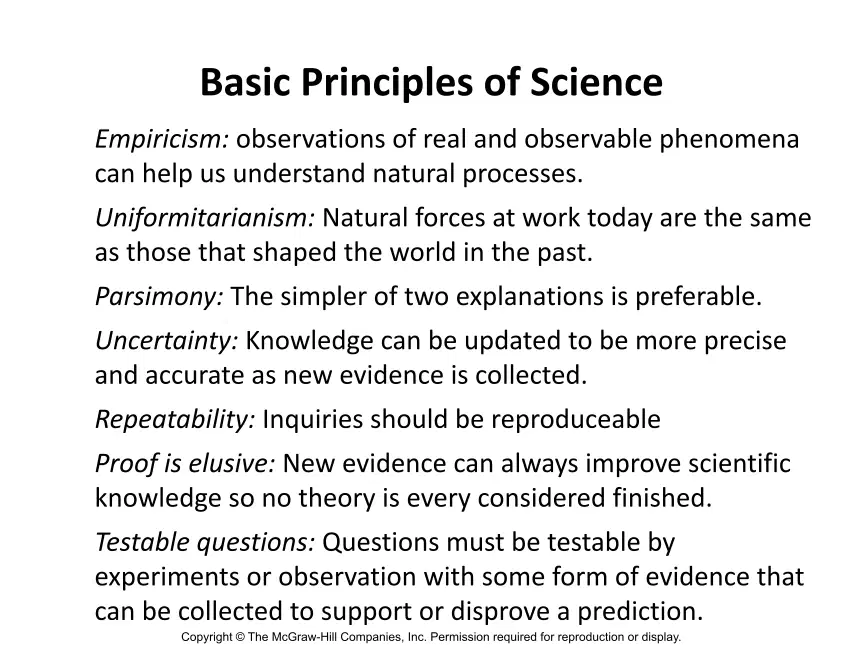
9
Multiple Select
Which of the following are basic principles of science?
Empiricism
Uniformitarianism
Parsimony
Dogmatism
10
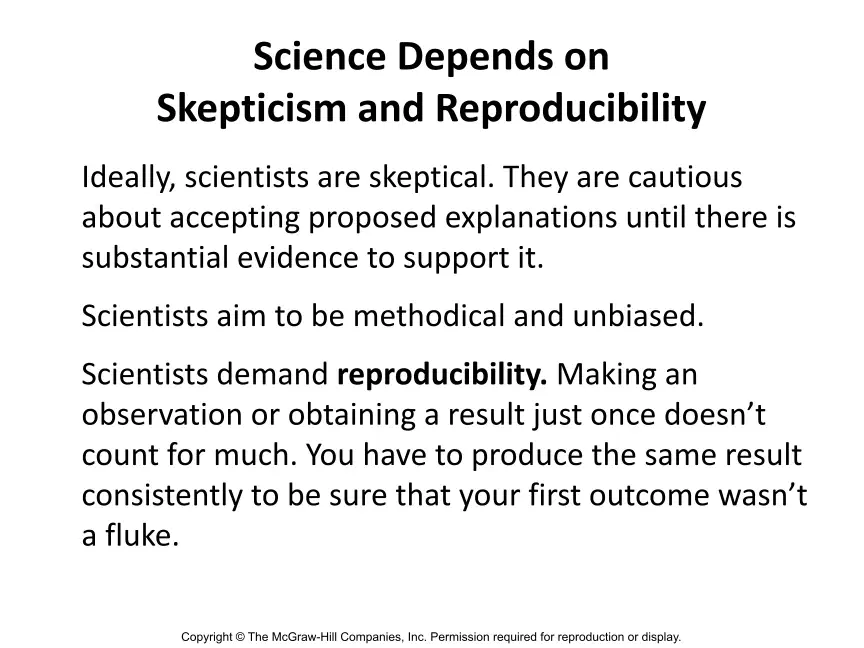
11
Open Ended
Explain why reproducibility is important in scientific research.
12
13
Open Ended
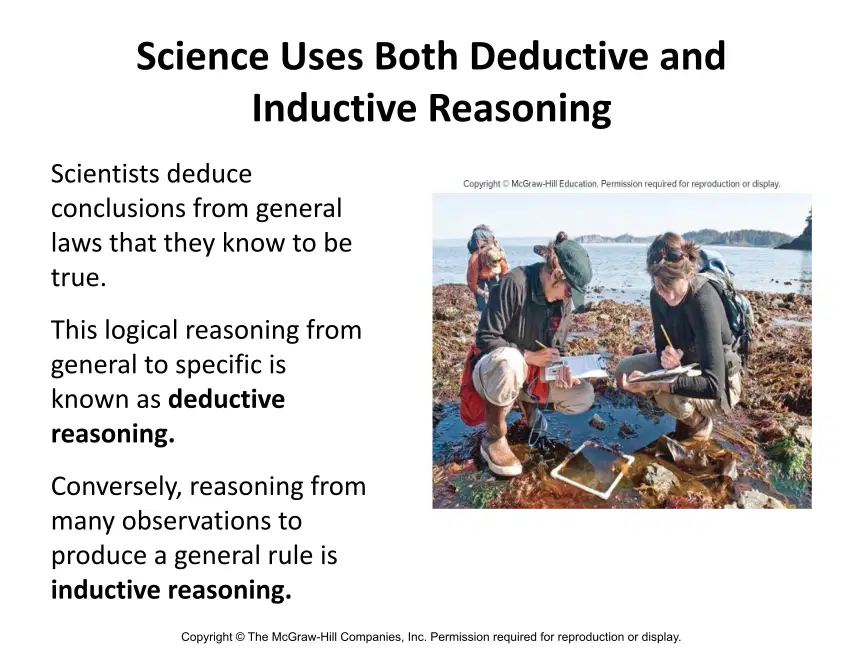
How do both deductive and inductive reasoning contribute to scientific discoveries?
14
Fill in the Blanks
Type answer...
15
16
Multiple Choice
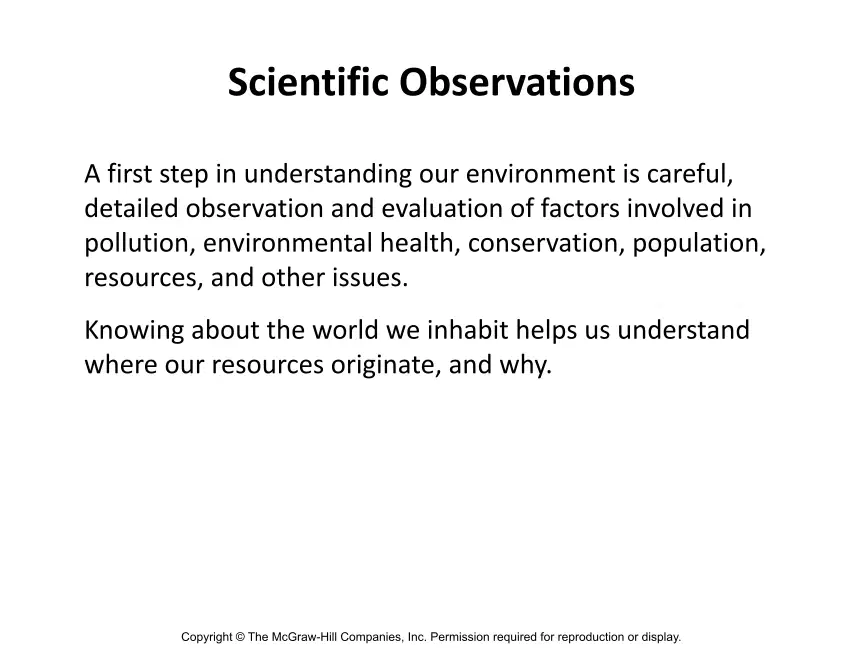
What is the first step in understanding our environment according to the scientific method?
Careful, detailed observation and evaluation
Making assumptions
Drawing conclusions without evidence
Ignoring environmental factors
17
18
19
Multiple Choice
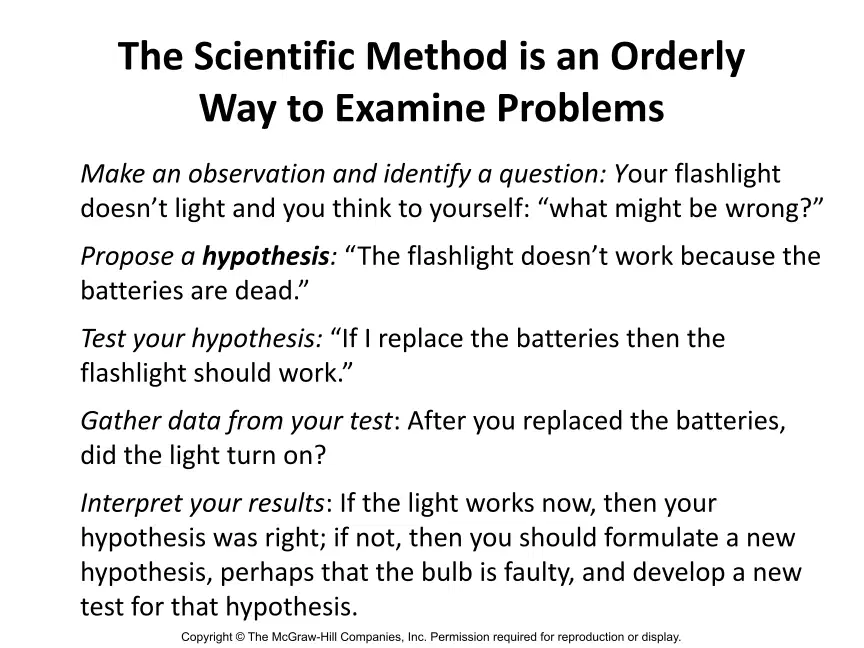
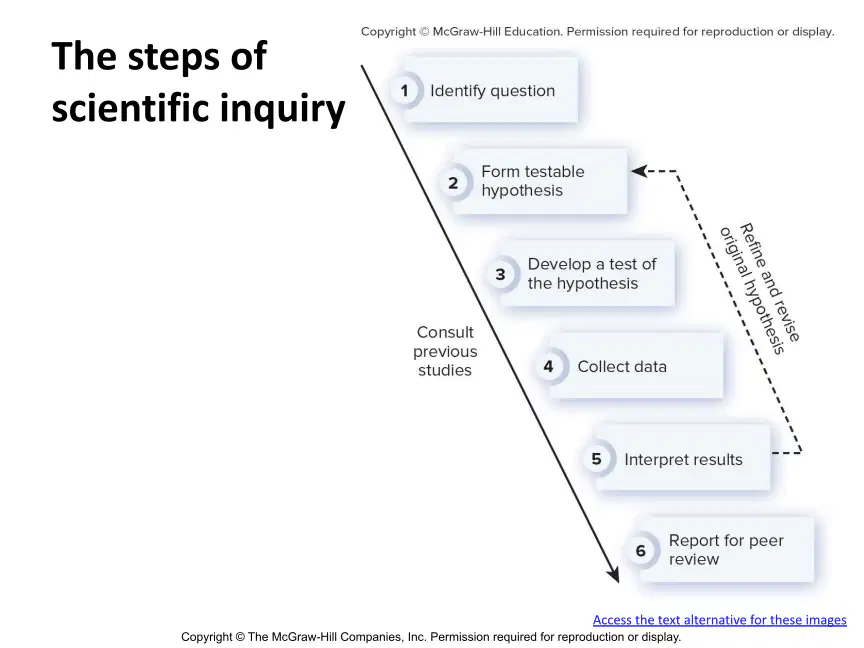
Which of the following is the correct order of steps in the scientific method as described in the images?
Make an observation, propose a hypothesis, test your hypothesis, gather data, interpret results
Propose a hypothesis, make an observation, gather data, test your hypothesis, interpret results
Gather data, interpret results, make an observation, propose a hypothesis, test your hypothesis
Interpret results, test your hypothesis, make an observation, propose a hypothesis, gather data
20
21
Open Ended
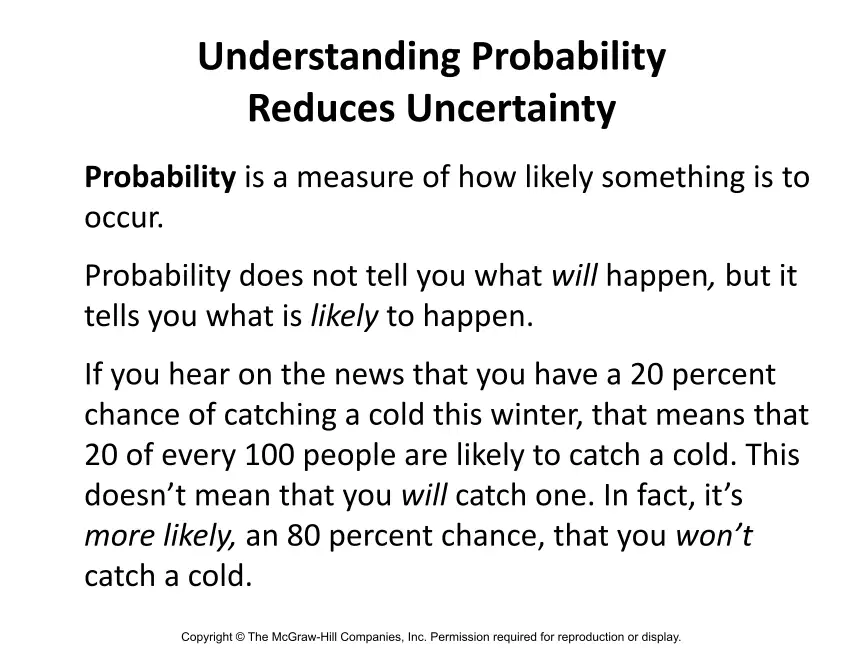
Explain how probability helps reduce uncertainty in scientific studies. Provide an example based on the information provided.
22
23
Fill in the Blanks
Type answer...
24
Multiple Select
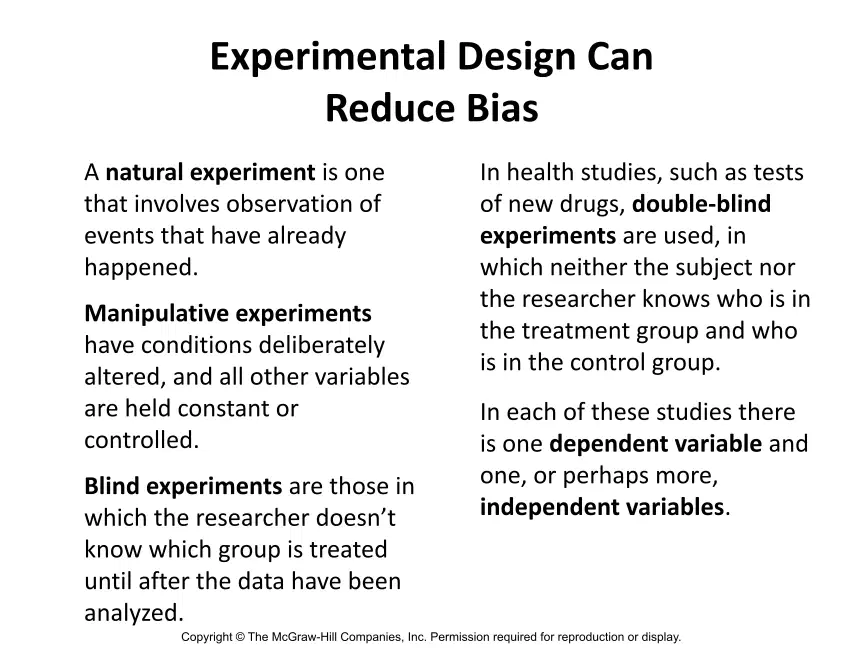
Which of the following are types of experiments that can reduce bias in scientific studies?
Natural experiments
Manipulative experiments
Blind experiments
Random sampling
25
26
27
Open Ended
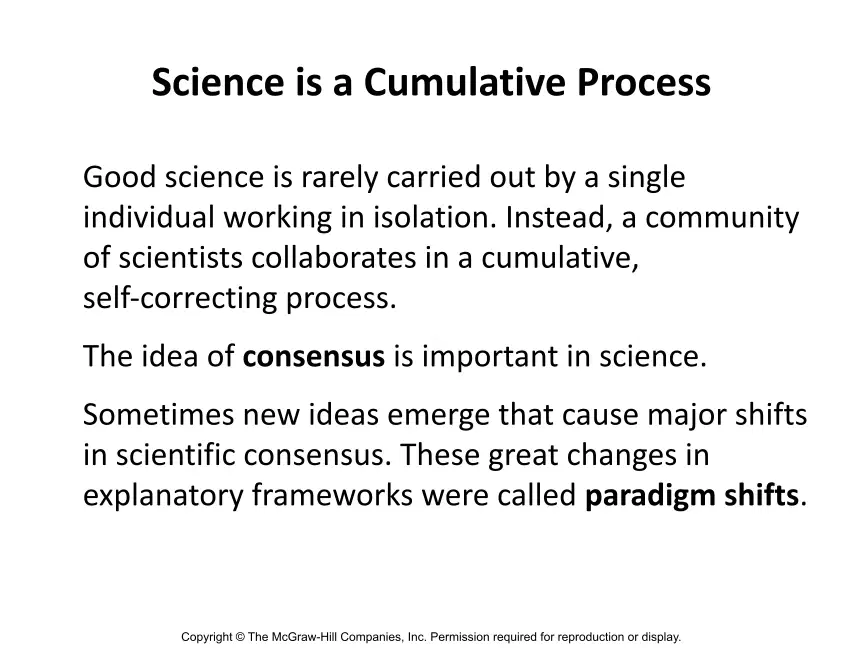
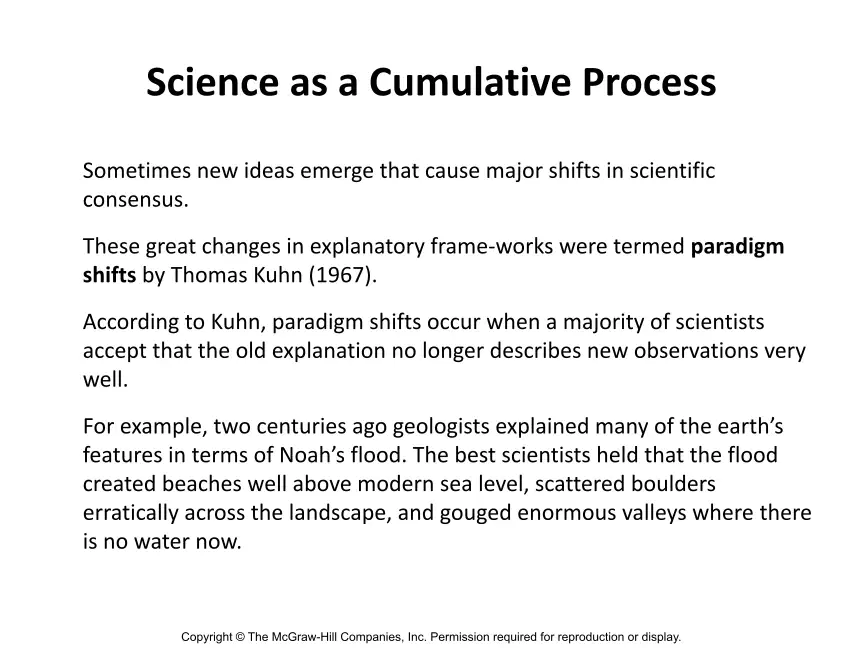
Describe how scientific consensus and paradigm shifts contribute to the cumulative nature of science. Use examples from the slides to support your answer.
28
Multiple Choice
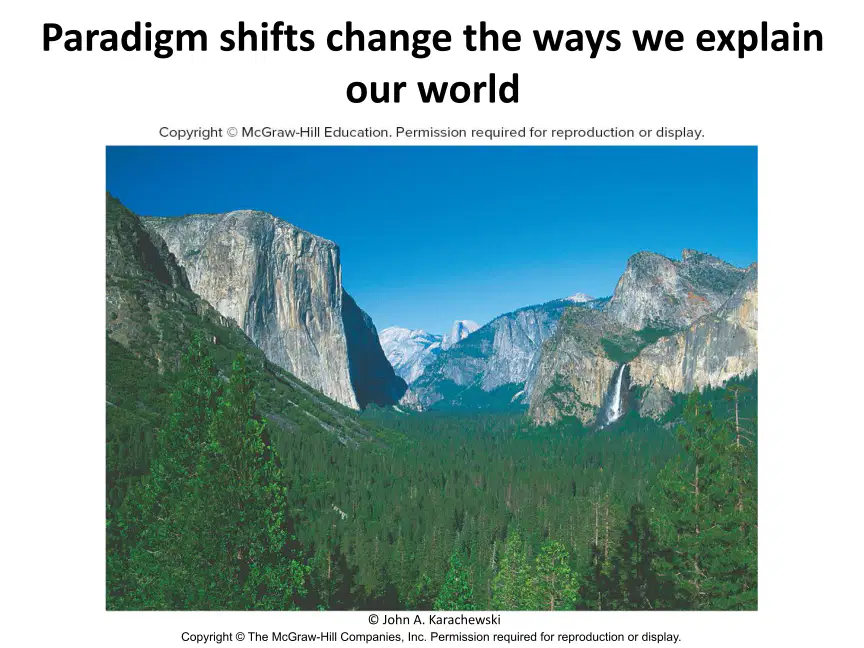
What is a paradigm shift in science, according to Thomas Kuhn?
A minor correction to a scientific theory
A gradual accumulation of small changes
A major change in explanatory frameworks when the old explanation no longer fits new observations
A consensus among scientists on a controversial topic
29
30
Open Ended
Explain how paradigm shifts can change the way we explain our world, using an example from science or engineering.
31
32
Open Ended
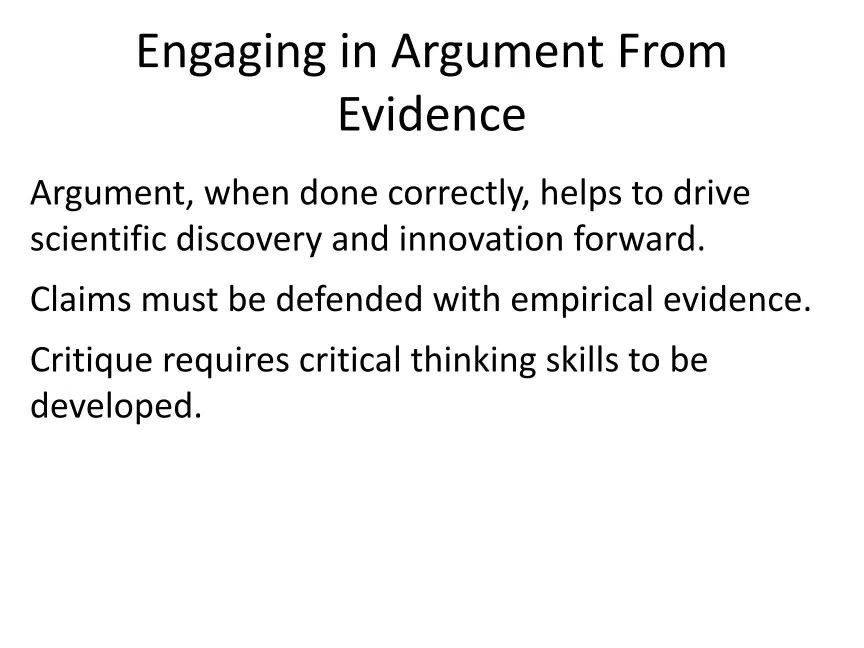
How do you evaluate whether reports or news are sound science?
33
34
Multiple Choice
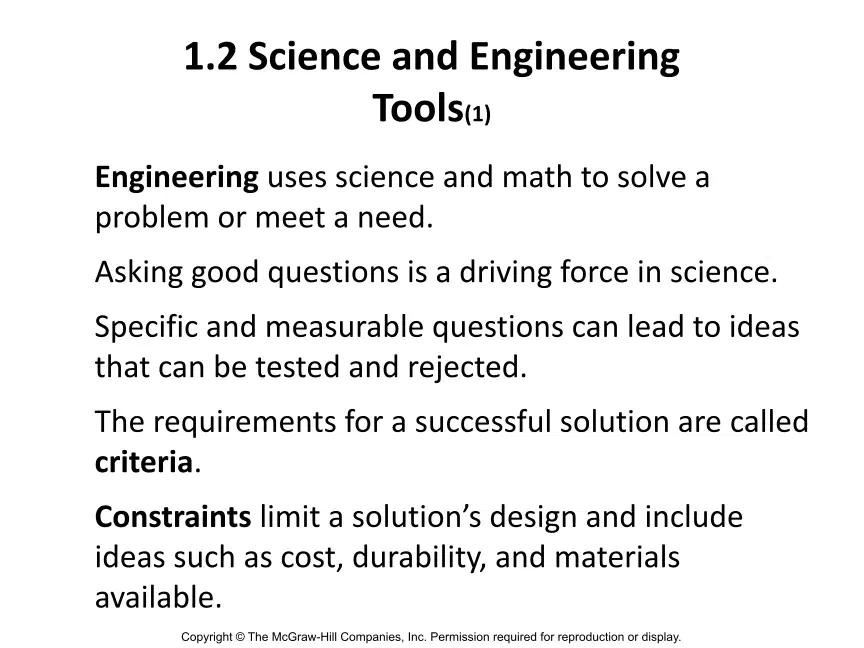
Which of the following best describes the role of criteria and constraints in engineering?
Criteria are requirements for a successful solution, and constraints are limitations such as cost and materials.
Criteria are limitations, and constraints are requirements for success.
Criteria and constraints are both types of scientific data.
Criteria and constraints are unrelated to engineering.
35
36
Multiple Select
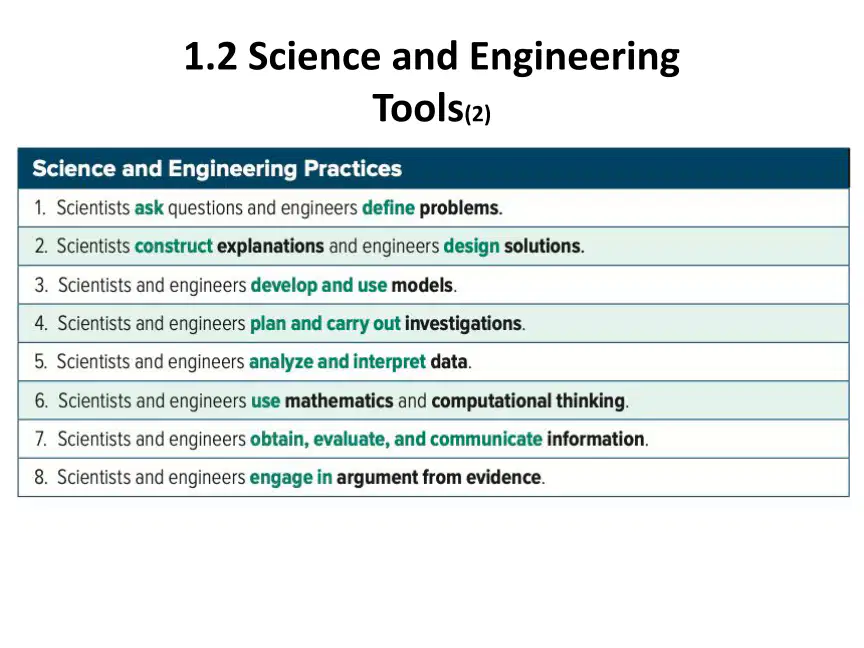
Which of the following are practices used by scientists and engineers?
Develop and use models
Engage in argument from evidence
Ignore data
Plan and carry out investigations
37
38
Fill in the Blanks
Type answer...
39
40
Multiple Choice
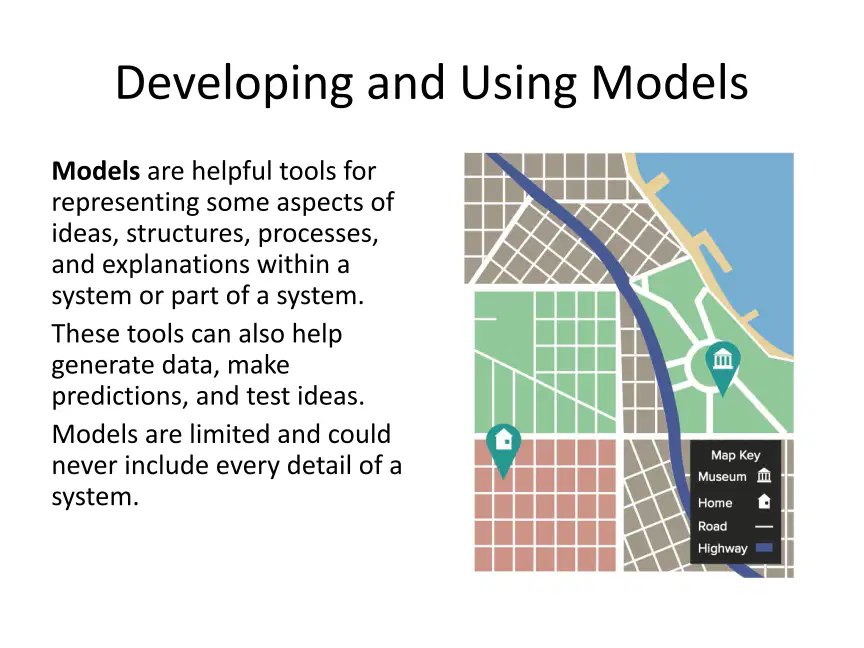
Why are models useful in science and engineering?
They represent some aspects of systems and help generate data, make predictions, and test ideas.
They provide every detail of a system.
They replace the need for experiments.
They are only used for decoration.
41
42
Multiple Choice
Which of the following is a key step in the scientific investigation process described in the slides?
Careful planning
Ignoring data
Skipping hypothesis testing
Avoiding analysis
43
44
Open Ended
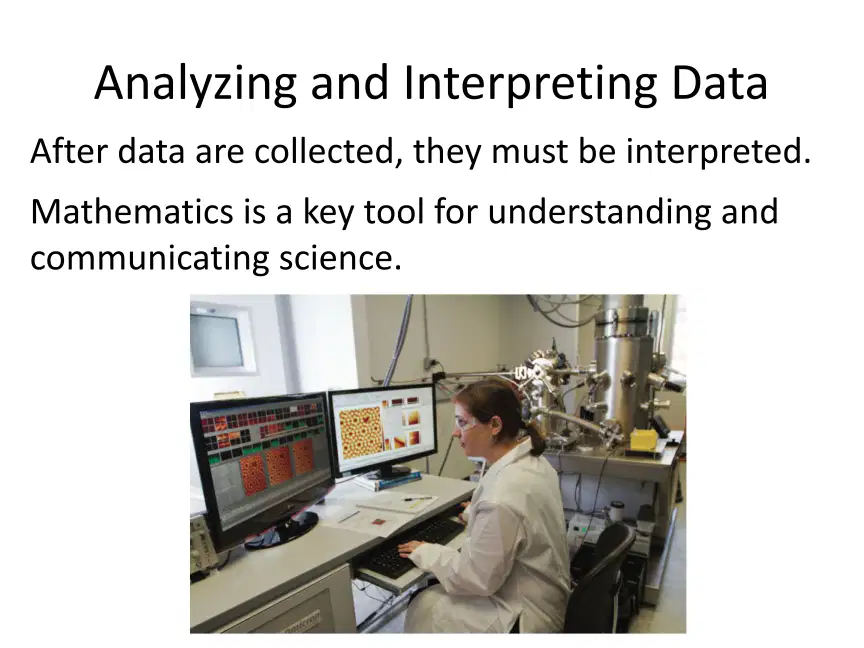
Why is mathematics considered a key tool for understanding and communicating science after data are collected?
45
46
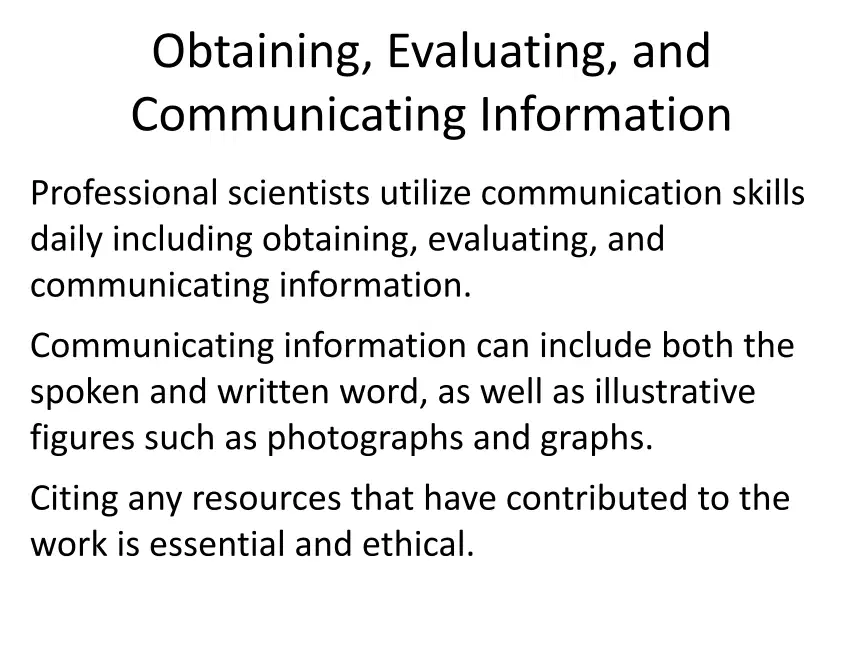
Multiple Select
Which of the following are important aspects of communicating scientific information, according to the slides?
Using written and spoken words
Including photographs and graphs
Ignoring sources
Citing resources
47
48
Fill in the Blanks
Type answer...
49
50
Multiple Choice
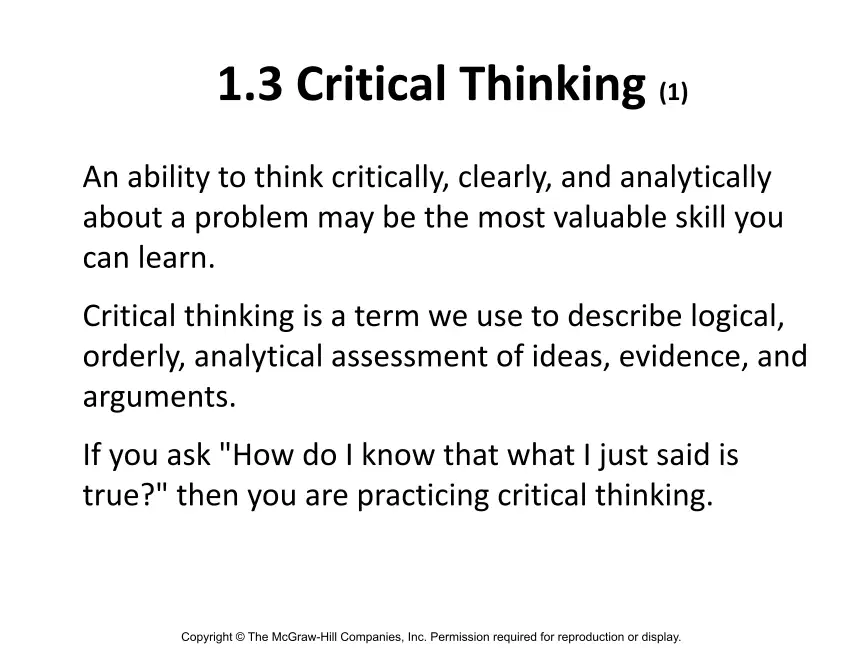
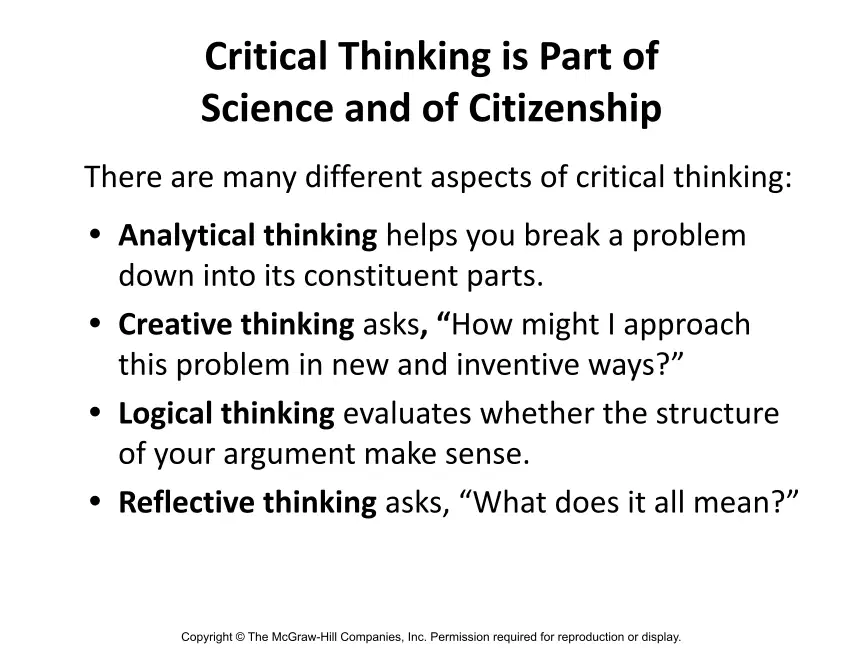
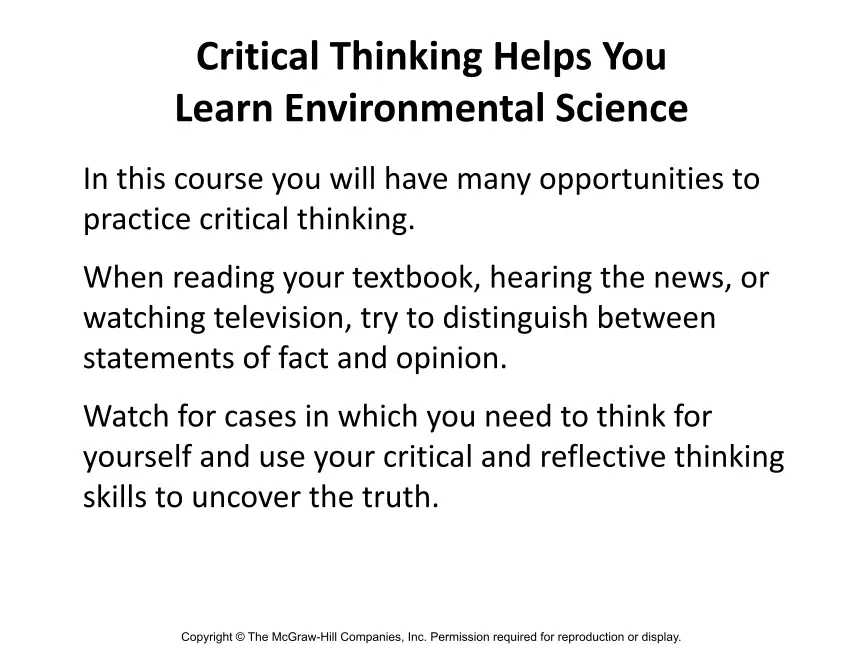
What is a characteristic of critical thinking as described in the slides?
Orderly assessment of ideas
Accepting information without question
Relying only on intuition
Avoiding analysis
51
52
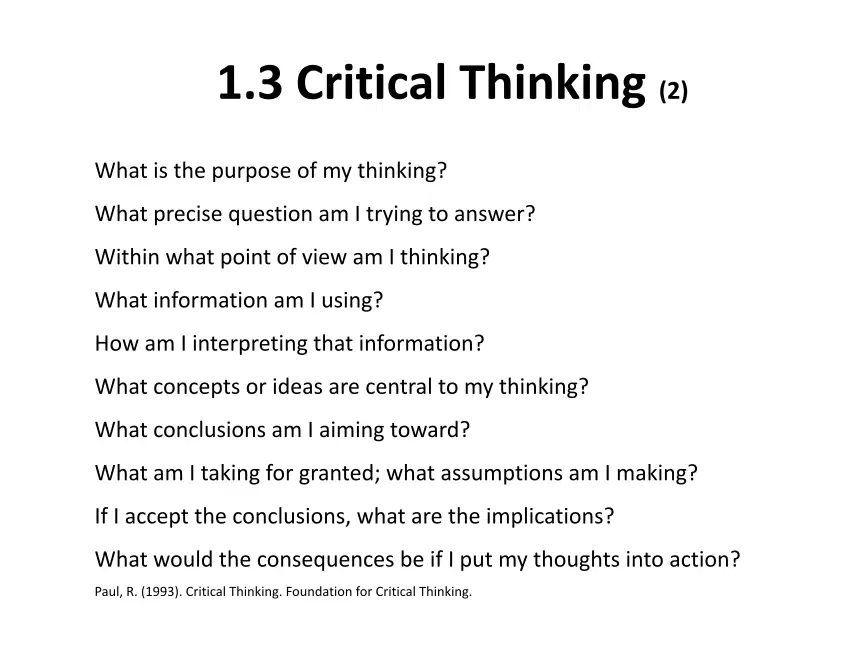
Open Ended
Choose one of the questions from the list on the slide and explain how it can help improve your critical thinking skills.
53
54
55

56
57
58
59

60
61
62

63
64
65
Multiple Choice
What is the main challenge highlighted by Wangari Maathai in her quote?
The need for technological advancement
A shift in our thinking to stop threatening Earth's life-support system
Economic growth
Political stability
66
Open Ended
Reflecting on Wangari Maathai's quote, what are some ways humanity can shift its thinking to better protect our planet's life-support systems?
Show answer
Auto Play
Slide 1 / 66
SLIDE
Similar Resources on Wayground

61 questions
Complex Patterns of Inheritance
Presentation
•
9th Grade
60 questions
Types of Clauses
Presentation
•
9th Grade
61 questions
Intro to the Nile River: Egypt 1
Presentation
•
8th Grade
59 questions
S3 - Pop decades Lesson 3
Presentation
•
9th Grade
61 questions
Review 9ª ano Make x Do
Presentation
•
9th Grade
63 questions
Dimensioning and Notes
Presentation
•
9th Grade
62 questions
Classification of Matter
Presentation
•
9th Grade
61 questions
Beyond the Mississippi
Presentation
•
10th Grade
Popular Resources on Wayground
6 questions
Secondary Safety Quiz
Presentation
•
9th - 12th Grade
10 questions
MyPath Diagnostic Overview
Presentation
•
6th - 8th Grade
20 questions
Lab Safety Quiz

Quiz
•
6th Grade
21 questions
Continents and Oceans
Quiz
•
6th Grade
20 questions
Adding and Subtracting Decimals
Quiz
•
5th Grade
20 questions
Parts of Speech
Quiz
•
5th Grade
16 questions
Subject & Predicate
Quiz
•
5th Grade
21 questions
Lab Safety
Quiz
•
10th Grade