Introduction to Anatomy Test review
Presentation
•
Science
•
11th Grade
•
Practice Problem
•
Easy
+4
Standards-aligned
Kirk Minton
Used 1+ times
FREE Resource
55 Slides • 26 Questions
1
2
3
Multiple Choice
Which of the following is NOT typically identified when studying the orientation of the human body?
Body planes
Directional terms
Cavities and quadrants
Genetic mutations
4
Open Ended
Why is it important to understand the basic levels of organization in the human body?
5
6
Multiple Choice
Which of the following best describes the difference between anatomy and physiology?
Anatomy studies the structure of body parts, while physiology studies their function.
Anatomy studies the function of body parts, while physiology studies their structure.
Anatomy and physiology both study only the structure of the body.
Anatomy and physiology are unrelated fields.
7
8
Multiple Choice
Which of the following statements about the relationship between anatomy and physiology is correct?
Structure determines what functions can take place.
Function determines what structures can exist.
Anatomy and physiology are always unrelated.
The body operates as a collection of unrelated parts.
9
Open Ended
Explain how the structure of a body part can influence its function, using an example from the slides.
10
11
Fill in the Blanks
Type answer...
12
13
Multiple Select
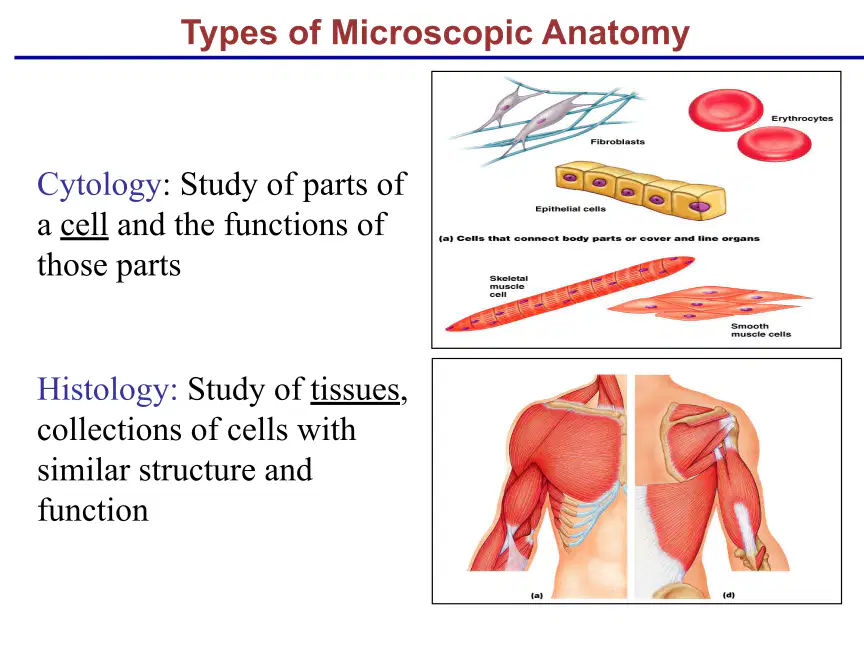
Which of the following are types of gross anatomy?
Regional
Systemic
Surface
Cytology
14
15
Multiple Choice
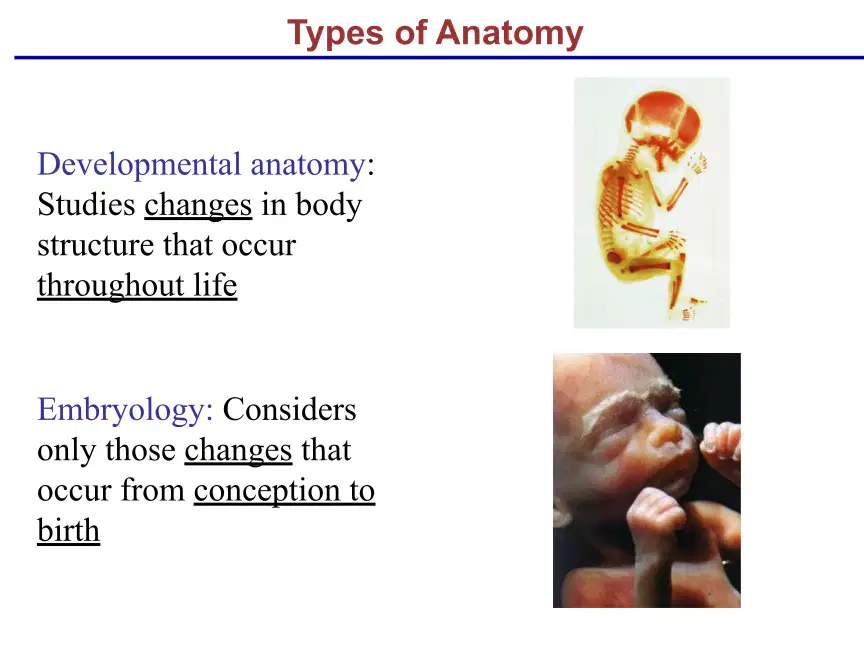
What is the main difference between developmental anatomy and embryology?
Developmental anatomy studies changes throughout life, while embryology focuses on changes from conception to birth.
Developmental anatomy focuses on cells, while embryology focuses on tissues.
Embryology studies changes throughout life, while developmental anatomy focuses on birth only.
There is no difference between developmental anatomy and embryology.
16
17
18
Multiple Choice
Which specialized branch of anatomy focuses on the study of structural changes caused by disease?
Pathological anatomy
Radiographic anatomy
Molecular biology
Comparative anatomy
19
20
Open Ended
Explain the principle of complementarity and provide an example of how structure determines function in the human body.
21
22
Multiple Select
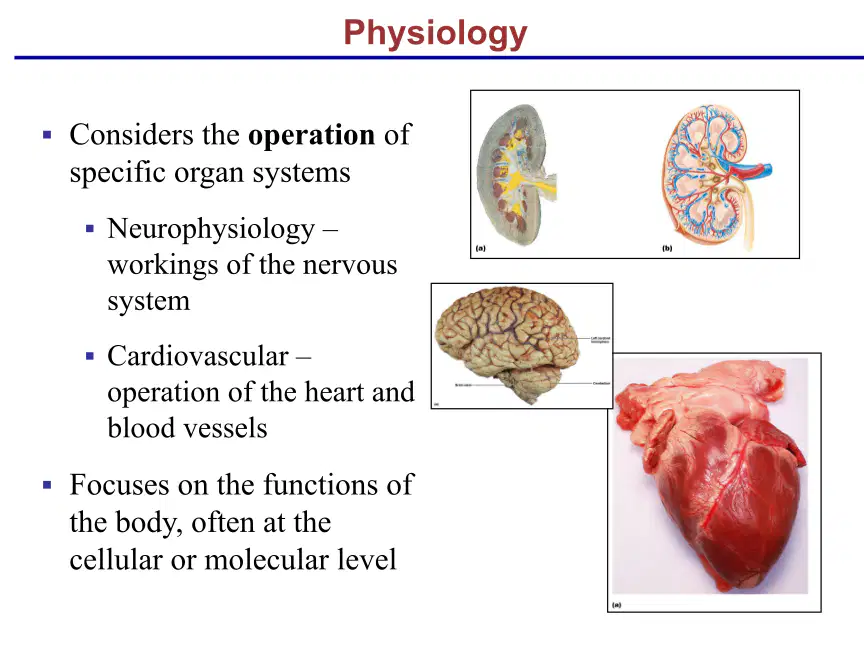
Which of the following are considered functions studied under physiology?
Operation of organ systems
Structural changes caused by disease
Workings of the nervous system
Operation of the heart and blood vessels
23
24
Fill in the Blanks
Type answer...
25
26
Multiple Choice
At which level of structural organization do organs consist of different types of tissues?
Chemical level
Tissue level
Organ level
Organ system level
27
28
Multiple Choice
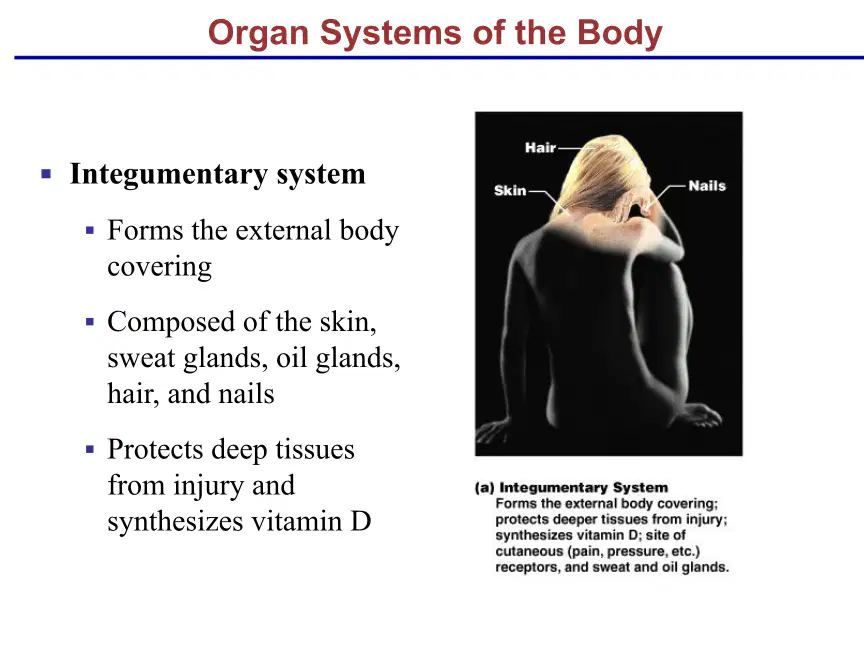
Which of the following is NOT a function of the integumentary system?
Synthesizes vitamin D
Protects deep tissues from injury
Forms the external body covering
Produces red blood cells
29
30
Multiple Choice
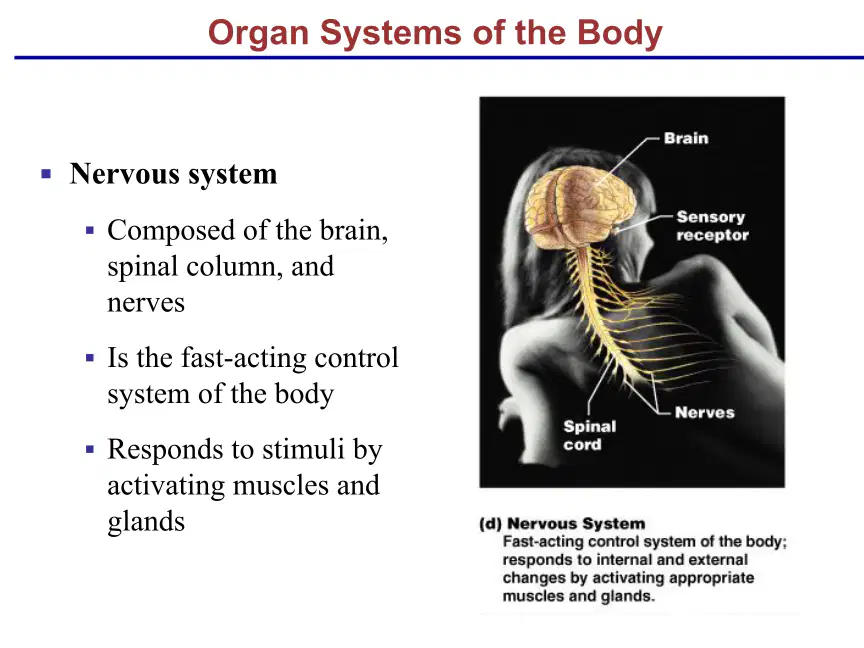
Which organ system is responsible for protecting and supporting body organs as well as providing the framework for muscles?
Skeletal system
Muscular system
Nervous system
Cardiovascular system
31
32
Multiple Choice
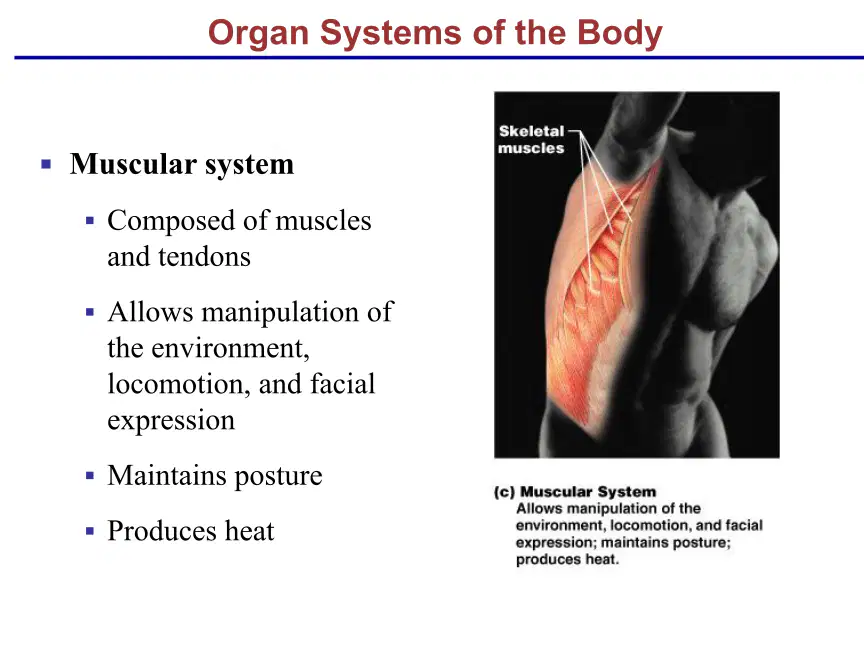
Which of the following is NOT a function of the muscular system?
Stores minerals
Allows manipulation of the environment
Maintains posture
Produces heat
33
34
35
Multiple Select
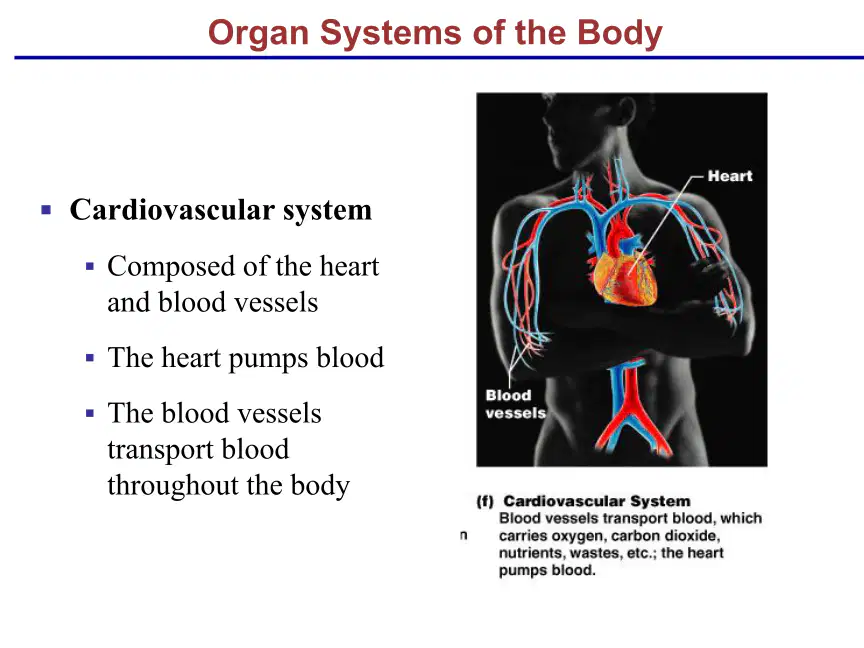
Which of the following are components of the cardiovascular system?
Heart
Blood vessels
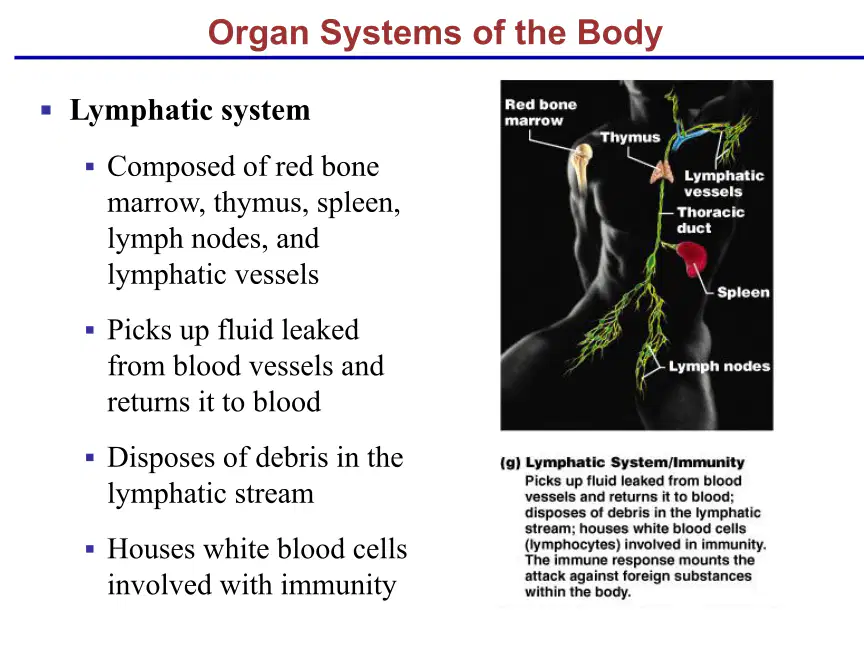
Lymph nodes
Lungs
36
37
Fill in the Blanks
Type answer...
38
39
Multiple Choice
What is the main function of the respiratory system?
Keeps blood supplied with oxygen and removes carbon dioxide
Pumps blood throughout the body
Stores minerals
Produces heat
40
41
Multiple Choice
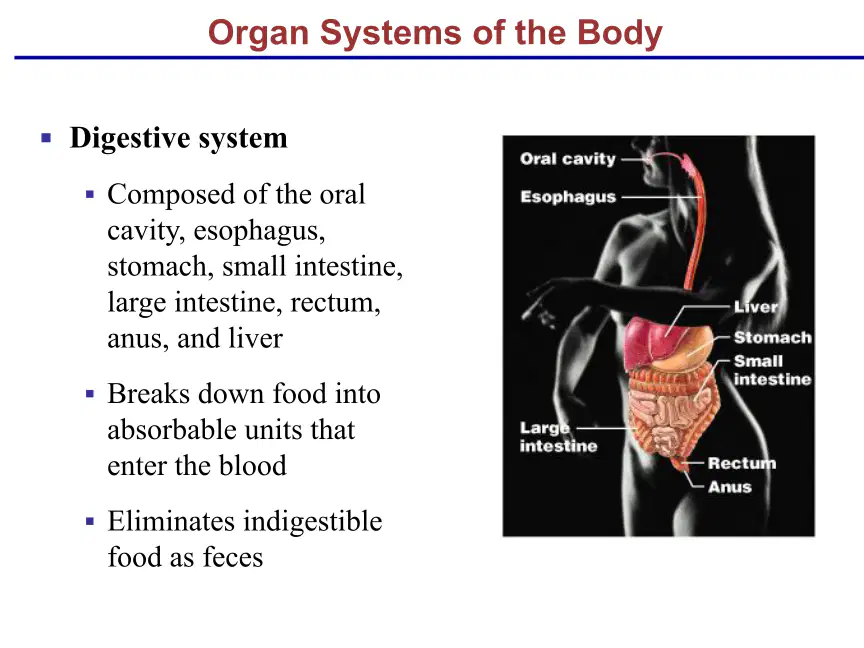
Which organ is NOT part of the digestive system?
Liver
Stomach
Kidney
Rectum
42
43
Multiple Select
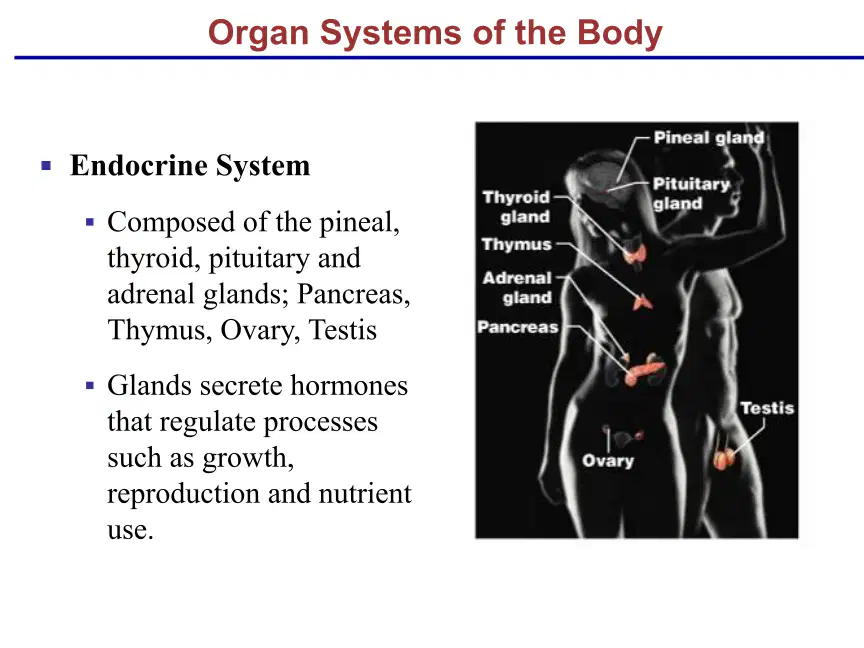
Which of the following glands are part of the endocrine system?
Pineal gland
Thyroid gland
Kidney
Adrenal gland
44
45
Fill in the Blanks
Type answer...
46
47
Multiple Choice
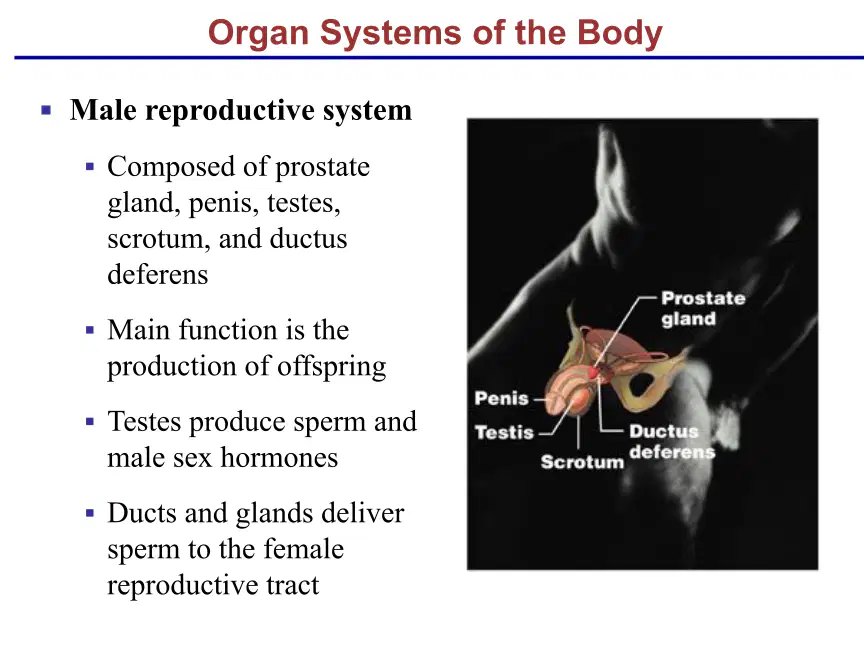
What is the main function of the male reproductive system?
Production of offspring
Regulation of hormones
Breakdown of food
Elimination of wastes
48
49
50
Multiple Choice
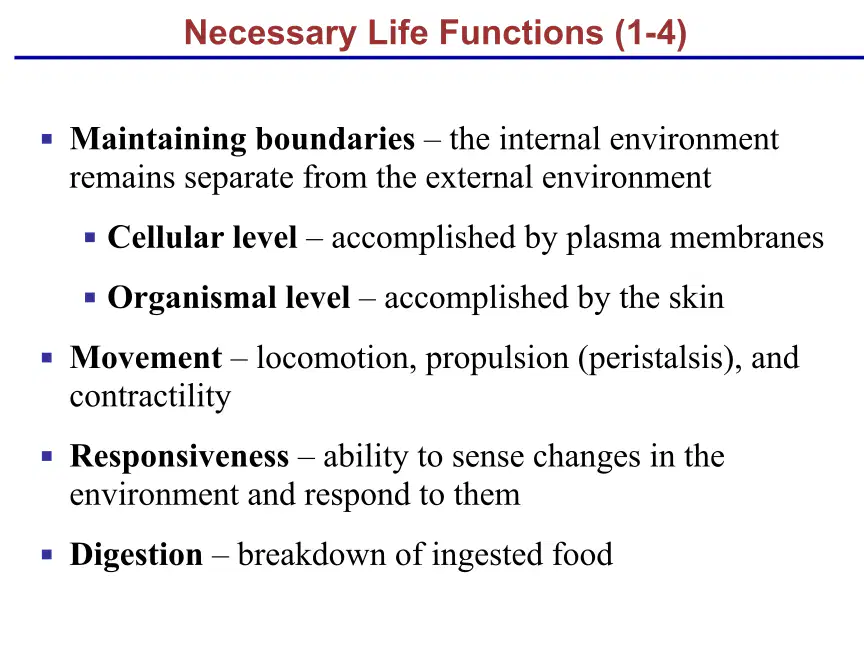
Which necessary life function is accomplished by plasma membranes at the cellular level?
Movement
Maintaining boundaries
Digestion
Responsiveness
51
52
53
54
55
56
57
58
59
60
61
62
63
64
65
66
67
68
69
70
71
72
73
74
75
76
77
78
79
Multiple Choice
Which of the following is NOT one of the basic standards covered in the study of human anatomy and physiology according to the South Carolina Health Science Education standards?
Identifying basic levels of organization of the human body
Identifying body planes, directional terms, cavities, and quadrants
Analyzing basic structures and functions of human body systems
Studying the history of medicine
80
Open Ended
Reflecting on today's lesson about the human body, what is one concept or topic you found most interesting or would like to learn more about?
81
​
By Kirk Minton
Show answer
Auto Play
Slide 1 / 81
SLIDE

Similar Resources on Wayground
78 questions
Lesson 1.A.
Presentation
•
11th Grade
80 questions
Chapter 15: The Biosphere
Presentation
•
10th Grade
77 questions
M6 Vocabulary 1
Presentation
•
12th Grade
73 questions
Atomic Radius
Presentation
•
11th Grade
80 questions
Normal Distribution
Presentation
•
11th Grade
73 questions
Grammar Unit 2
Presentation
•
11th Grade
76 questions
composition of Matter
Presentation
•
9th - 10th Grade
71 questions
Benchmark Review Part 1
Presentation
•
KG
Popular Resources on Wayground
24 questions
PBIS-HGMS Day 10
Quiz
•
6th - 8th Grade
10 questions
HCS SCI 03 Summer School Review 3
Quiz
•
3rd Grade
11 questions
Home Scope
Quiz
•
7th - 8th Grade
15 questions
HCS SCI 05 Summer School Assessment 3 Review
Quiz
•
5th Grade
35 questions
Lufkin Road Middle School Student Handbook & Policies Assessment
Quiz
•
7th Grade
18 questions
Geo 11.3 Area of Circles and Sectors
Quiz
•
9th - 11th Grade