Search Header Logo
Intro to Acquired Innate Immunity

Intro to Acquired Innate Immunity

Assessment

Presentation

Science

University

Hard

NGSS
HS-ESS3-6, HS-LS2-7, HS-LS1-3

+7

Standards-aligned

Created by

Barbara Bell

Used 1+ times

FREE Resource

84 Slides • 28 Questions

1
media

2

Open Ended

Why is it important to understand the different factors that impact human health?

3

media

4

Multiple Choice

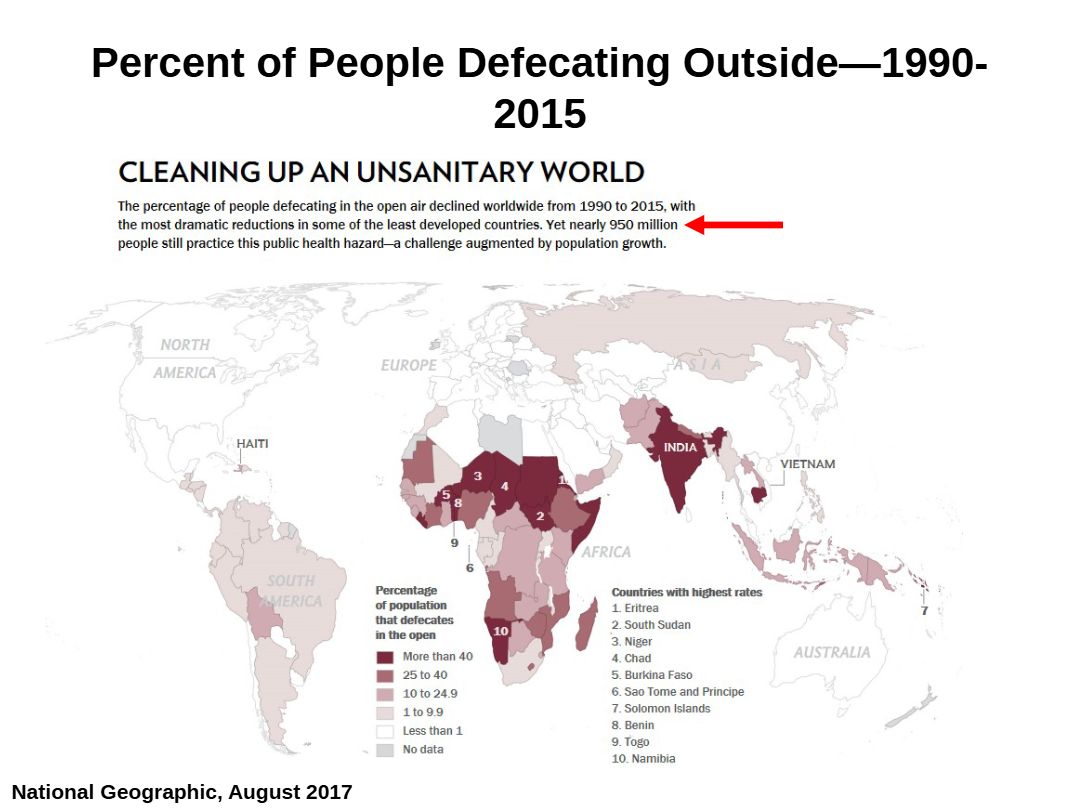
Which of the following is a major concern when feces contaminates drinking water?

1

Spread of infectious diseases

2

Improved water taste

3

Increased water clarity

4

Enhanced nutritional value

5

media

6

Multiple Choice

Which country had the highest percentage of people defecating outside between 1990 and 2015?

1

Eritrea

2

India

3

Vietnam

4

Nigeria

7

media

8

Open Ended

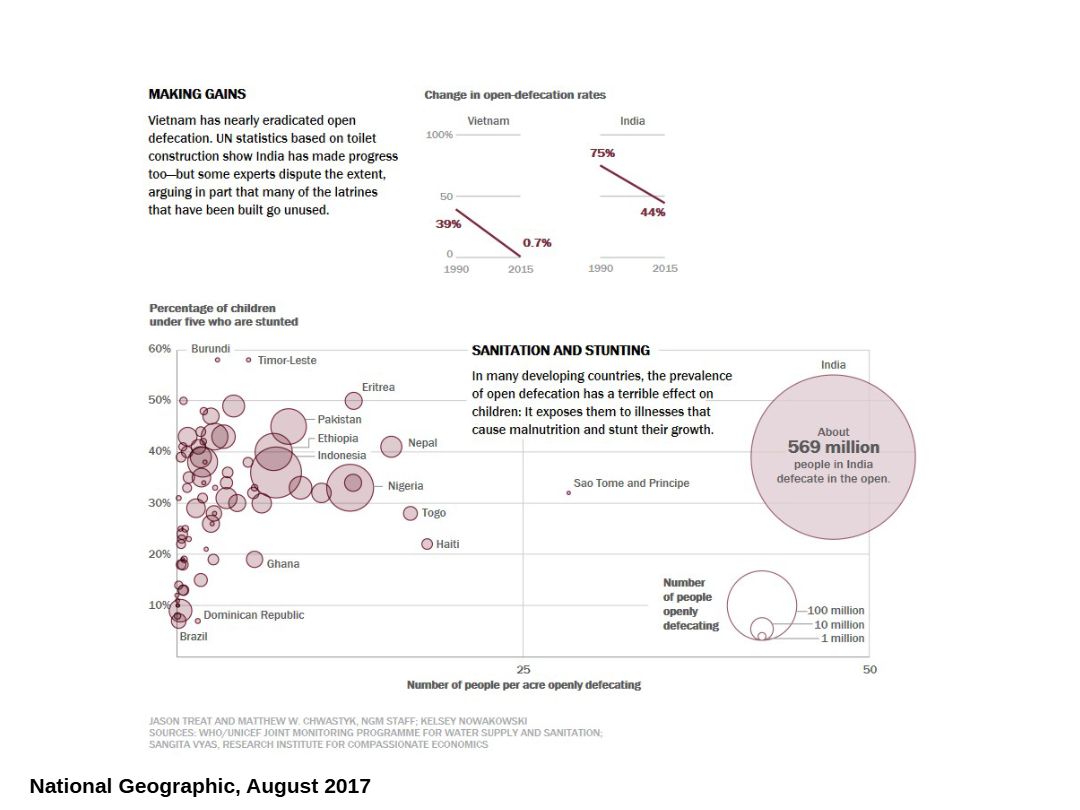
Discuss the relationship between open defecation and child stunting as shown in the data.

9

media

10

Fill in the Blanks

Type answer...

11

media

12

Multiple Select

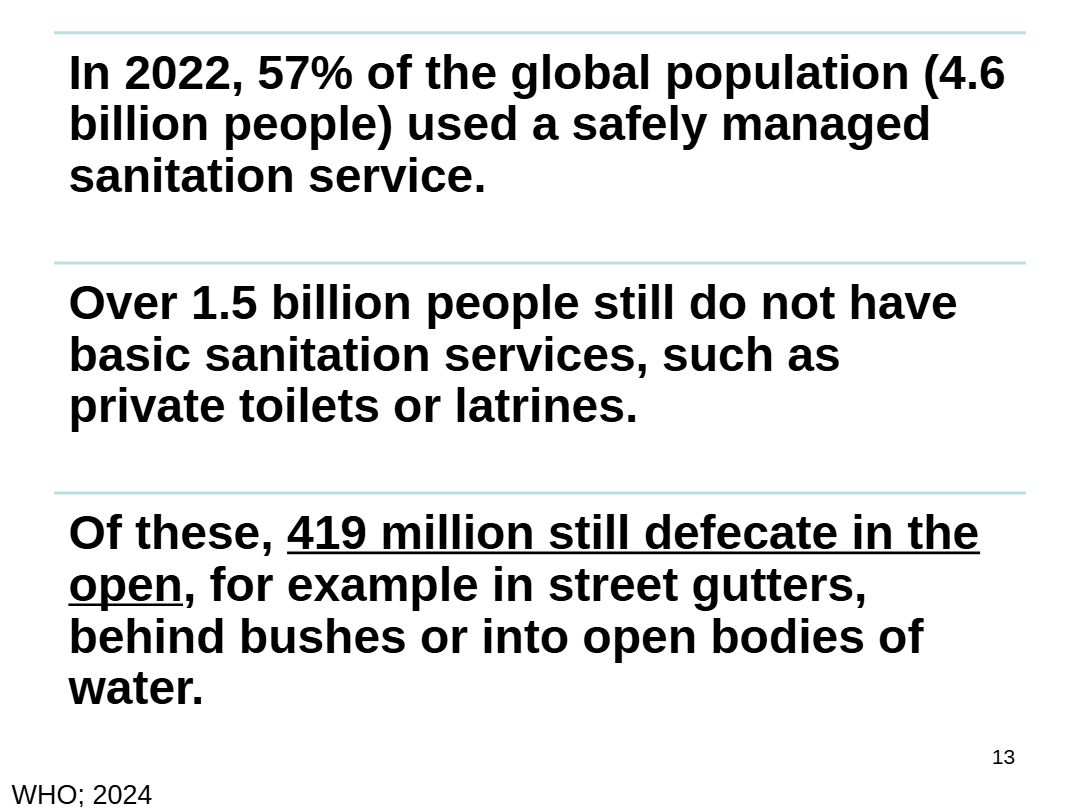
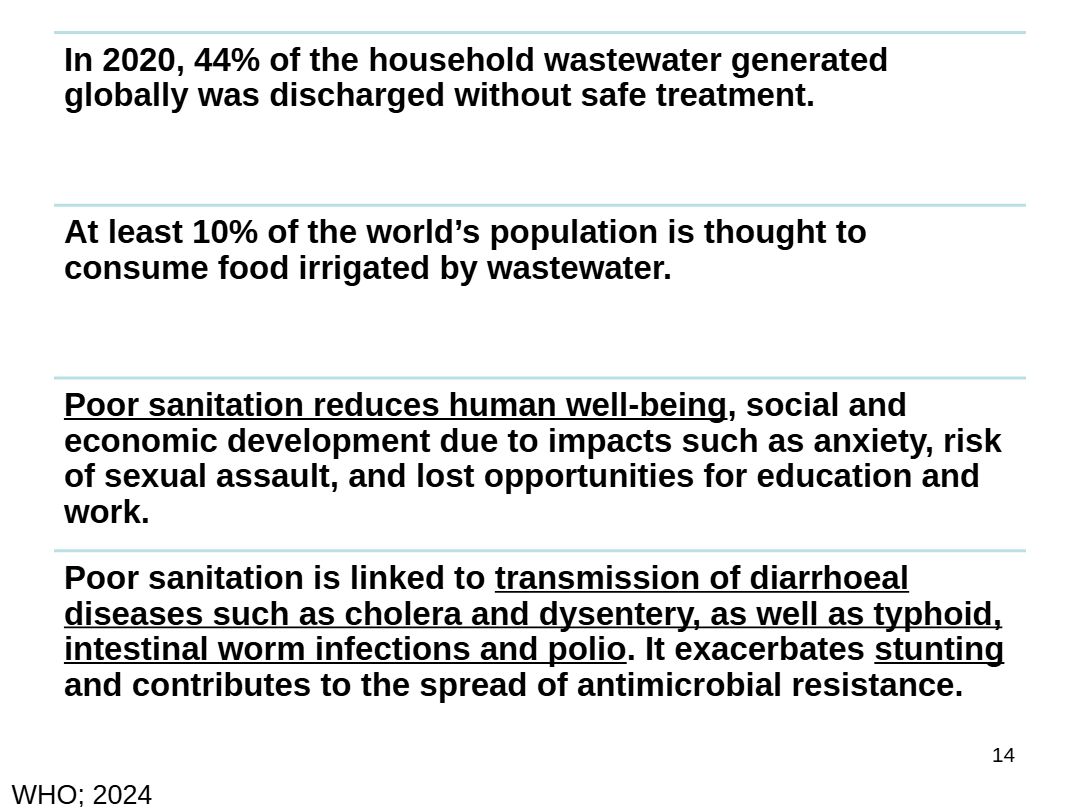
Which of the following are consequences of poor sanitation as described in the slides?

1

Transmission of diarrhoeal diseases

2

Stunting in children

3

Increased antimicrobial resistance

4

Improved economic development

13

media

14

Multiple Choice

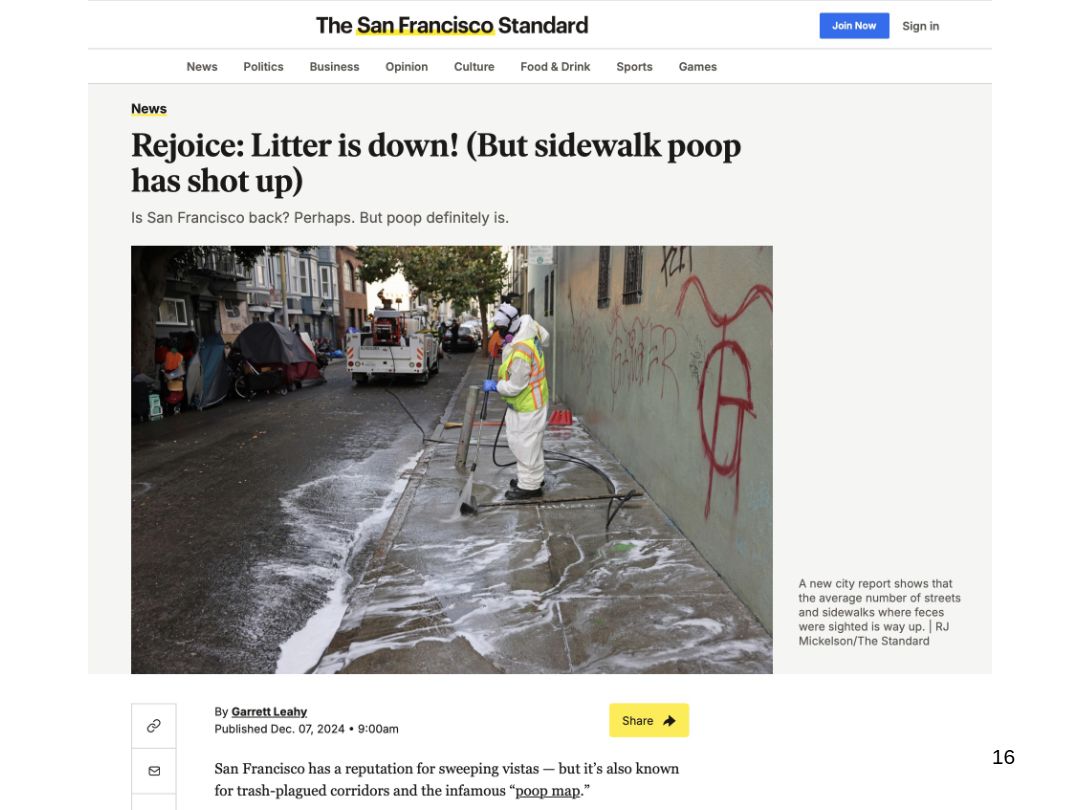
What trend is observed in the number of reports of human and animal waste in San Francisco from 2015 to 2021?

1

It increased overall, peaking in 2020 before slightly decreasing in 2021.

2

It steadily decreased each year.

3

It remained constant throughout the years.

4

It peaked in 2015 and then dropped sharply.

15

media

16

Open Ended

What factors might contribute to the rise in sidewalk feces in San Francisco despite a decrease in litter, as reported in the news article?

17

media

18

Multiple Choice

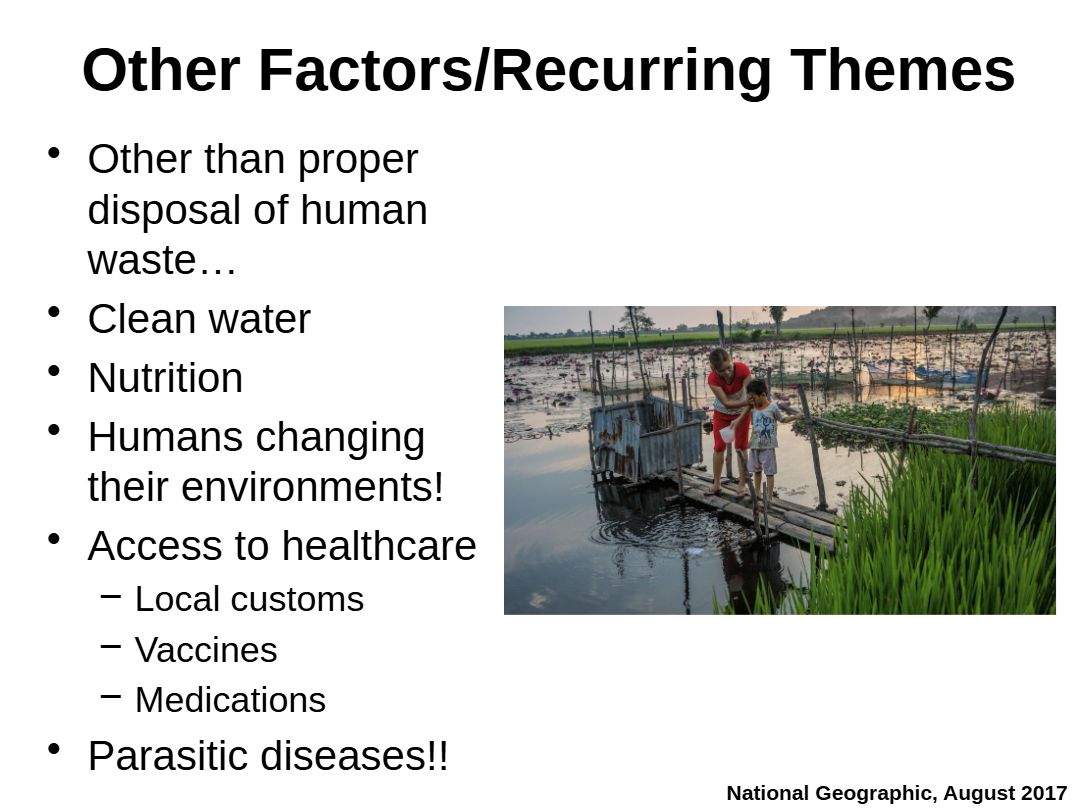
Which of the following is NOT listed as a recurring theme affecting human health in the first image?

1

Clean water

2

Nutrition

3

Genetic engineering

4

Access to healthcare

19

media

20

Fill in the Blanks

Type answer...

21

Open Ended

Based on the information from the first two images, explain how human activities and environmental changes can influence the spread of parasitic diseases.

22

media

23

media

24

media

25

Multiple Select

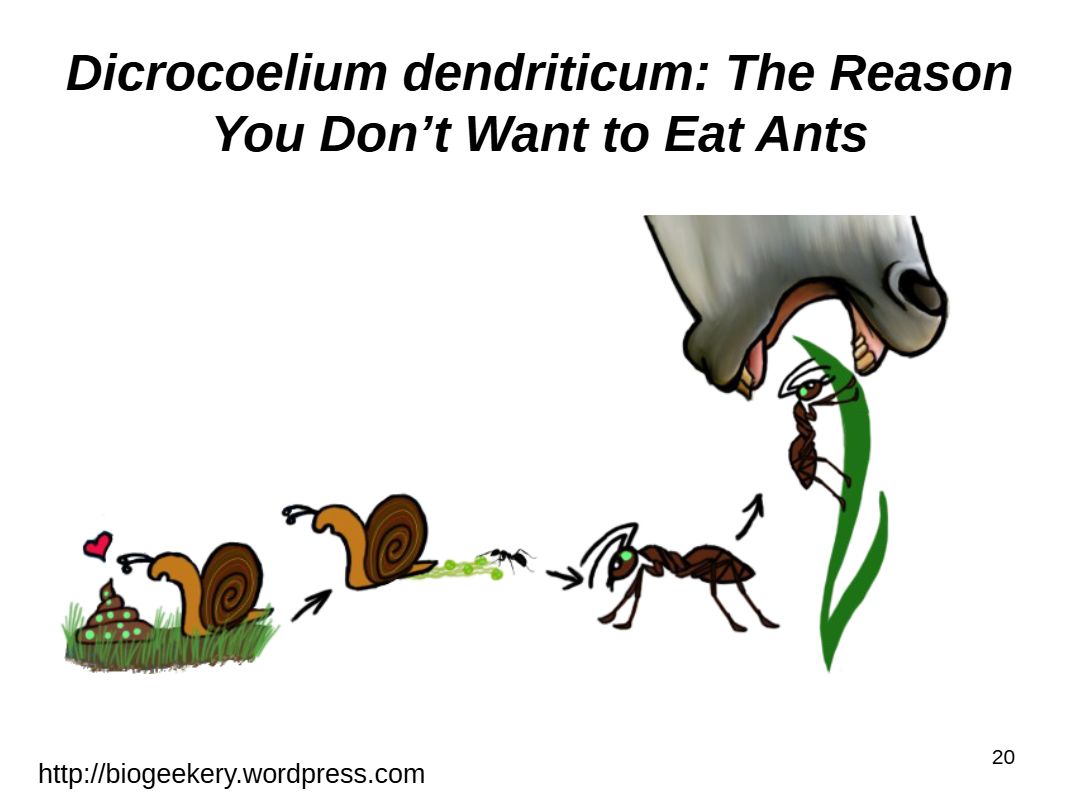
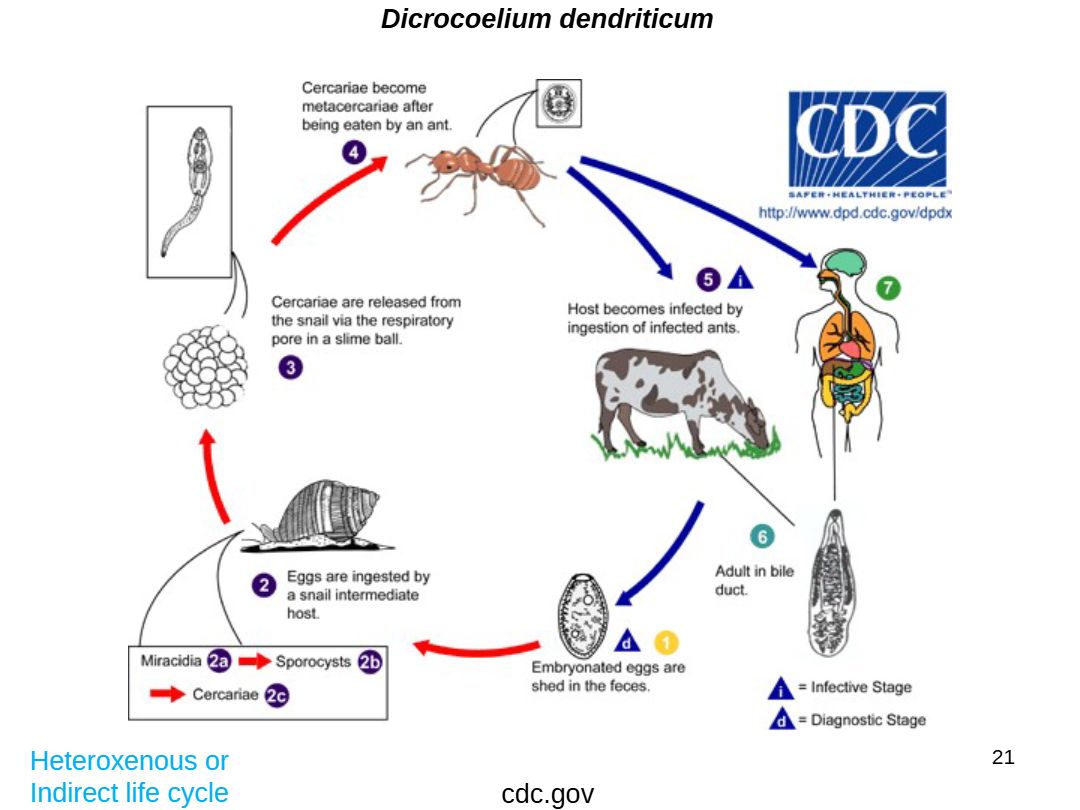
Which of the following are stages in the life cycle of Dicrocoelium dendriticum, as shown in the diagram?

1

Eggs ingested by snails

2

Cercariae released in slime balls

3

Metacercariae eaten by ants

4

Adult fluke in bile duct

26

Multiple Choice

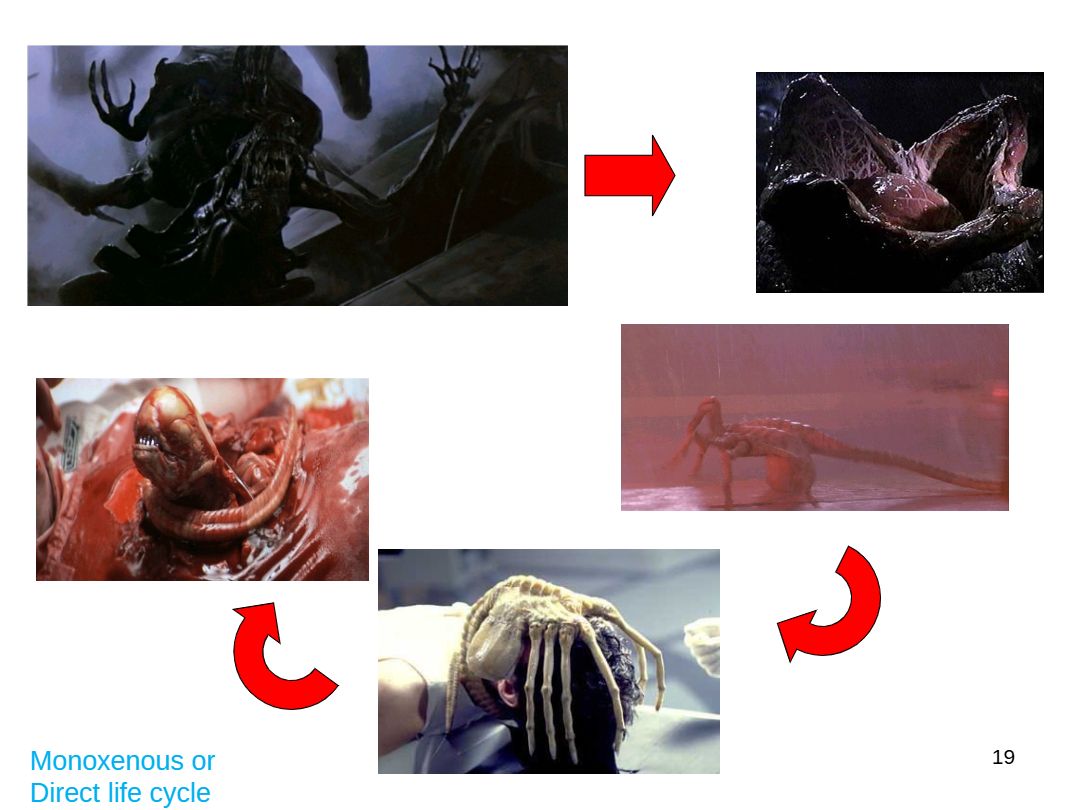
What is the main difference between a monoxenous (direct) and heteroxenous (indirect) life cycle in parasites, as illustrated in the images?

1

Monoxenous involves only one host, heteroxenous involves multiple hosts

2

Monoxenous parasites are always viruses, heteroxenous are bacteria

3

Heteroxenous life cycles do not require a host

4

Monoxenous life cycles are more dangerous to humans

27

media

28

Open Ended

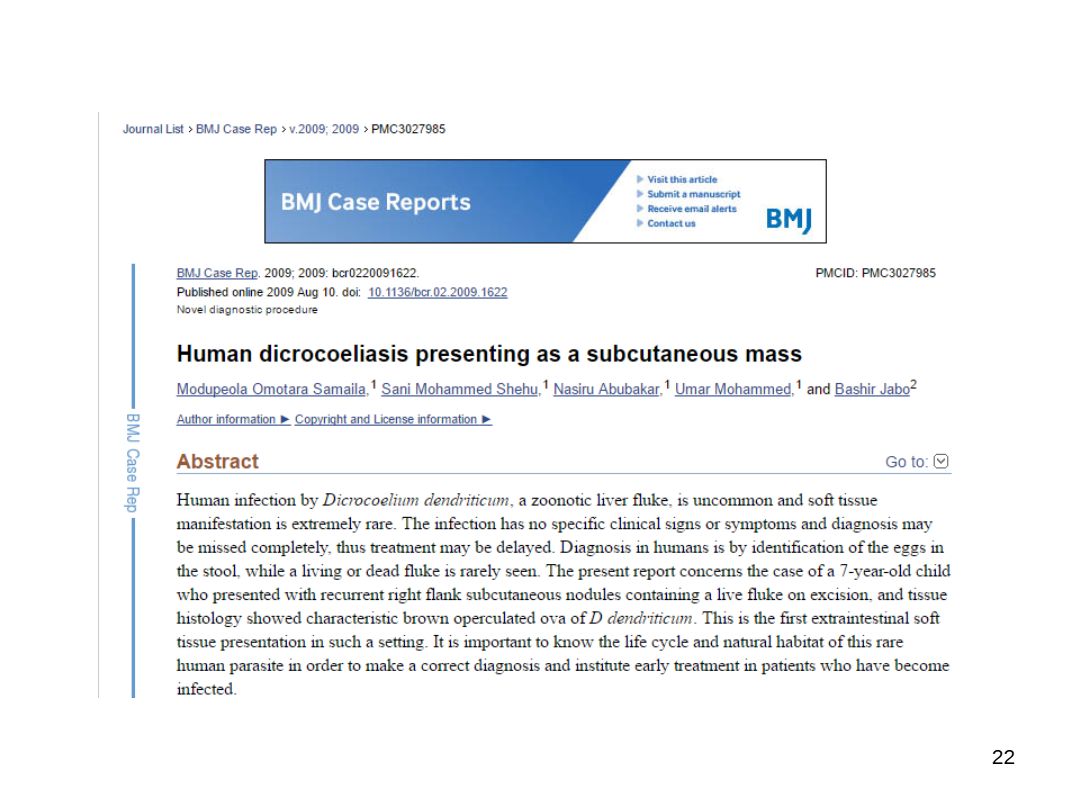
Why is it important for clinicians to understand the life cycle and natural habitat of Dicrocoelium dendriticum when diagnosing rare human infections?

29

media

30

Multiple Choice

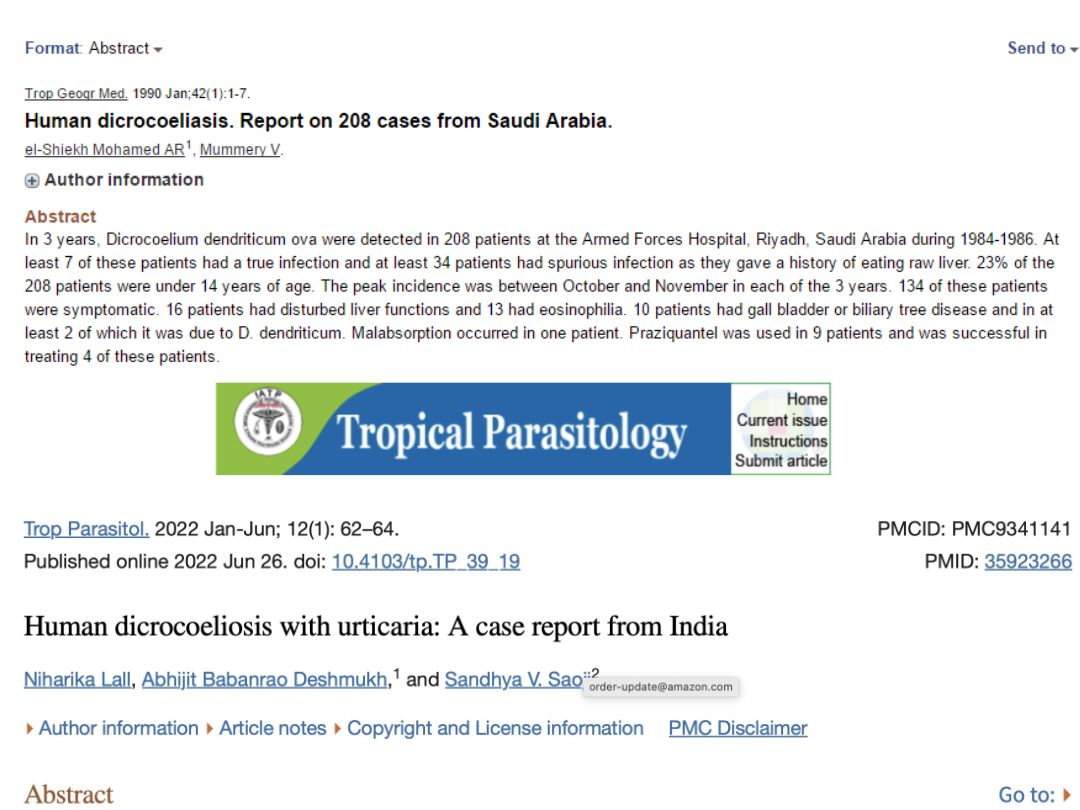
Which of the following statements about human dicrocoeliasis, as reported in the Saudi Arabia case study, is correct?

1

All patients were over 14 years of age.

2

Praziquantel was successful in treating all patients.

3

23% of the patients were under 14 years of age.

4

No patients had disturbed liver functions.

31

media

32

Open Ended

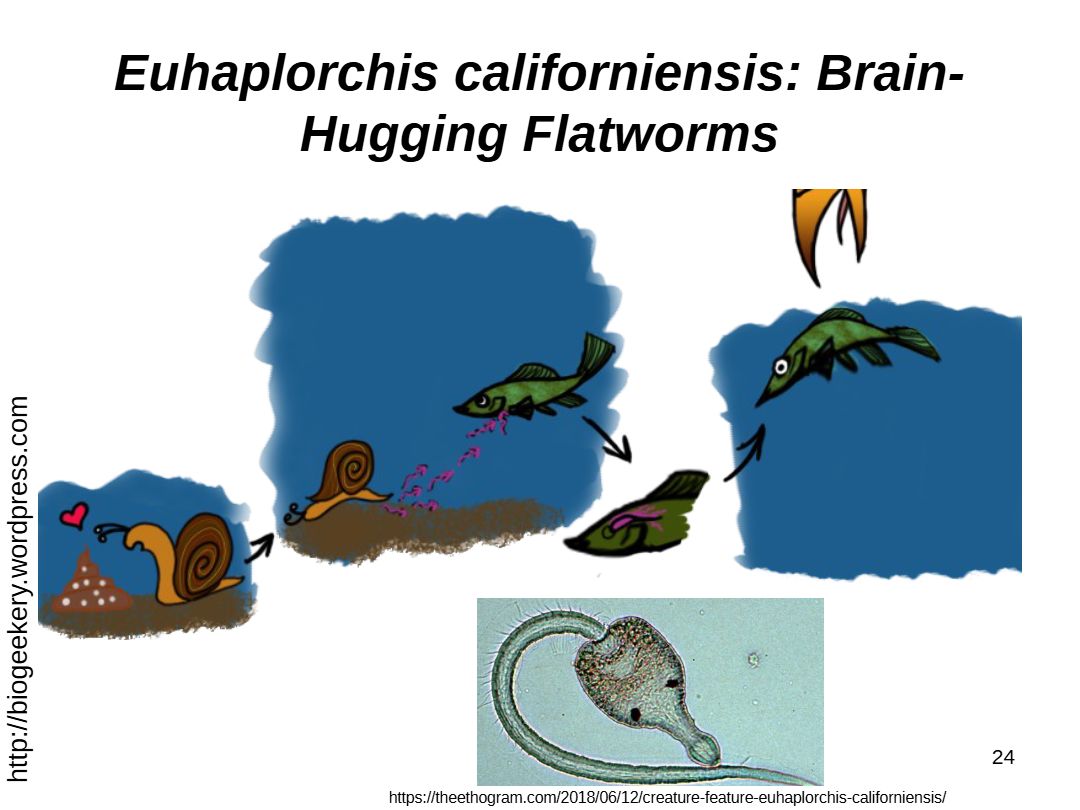
Describe the life cycle of Euhaplorchis californiensis as depicted in the diagram.

33

media

34

Multiple Choice

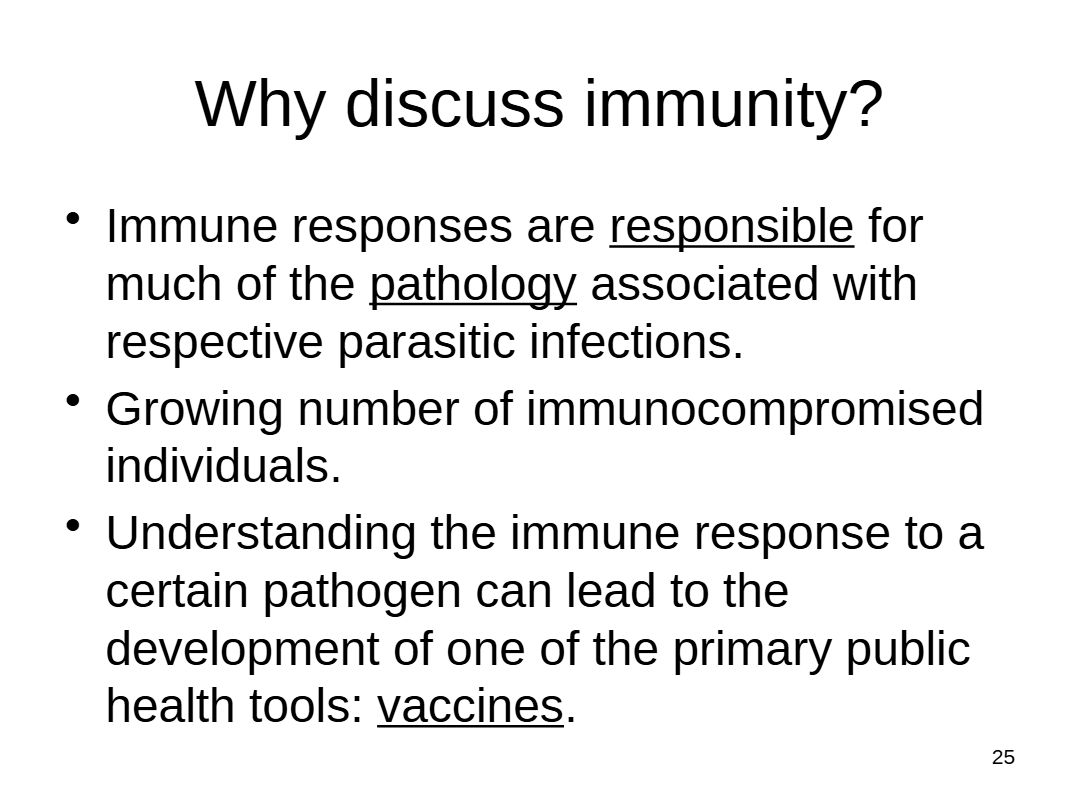
Why is it important to discuss immunity in the context of parasitic infections?

1

Because immunity has no effect on parasitic infections.

2

Because immune responses are responsible for much of the pathology, and understanding them can help develop vaccines.

3

Because immunity only affects bacterial infections.

4

Because vaccines are not related to immunity.

35

media

36

Fill in the Blanks

Type answer...

37

Multiple Choice

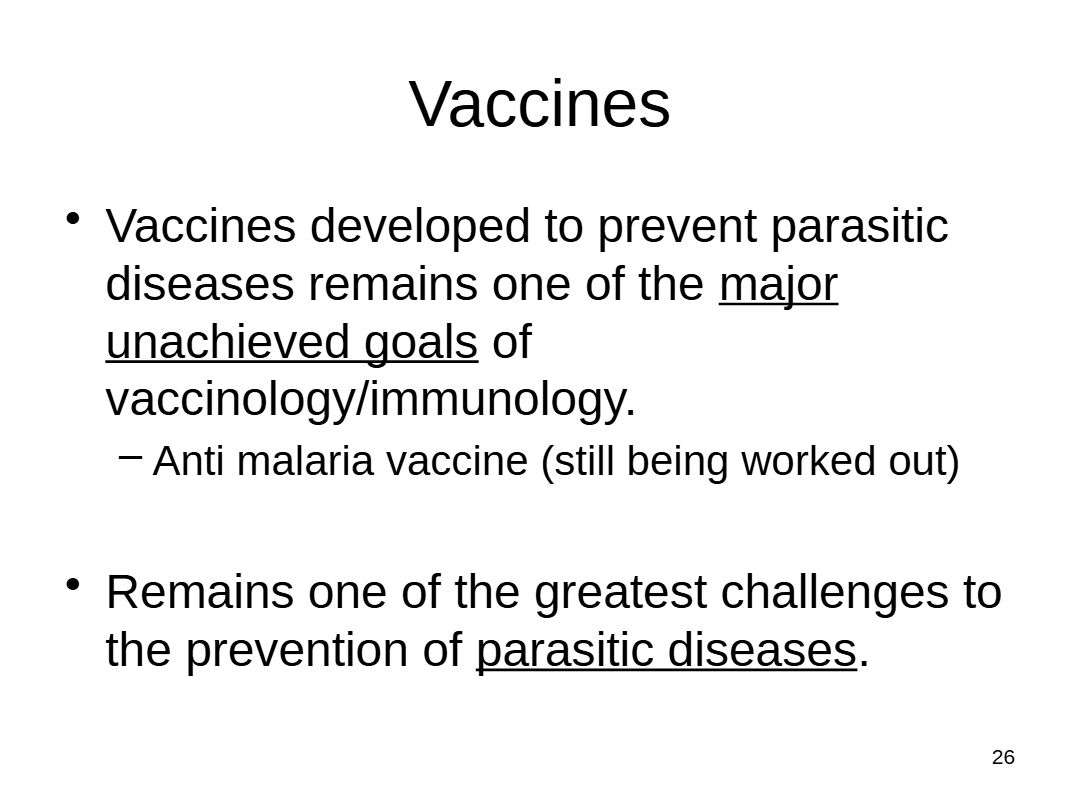
Which of the following are major challenges in the prevention of parasitic diseases according to the slides?

1

Development of effective vaccines

2

Lack of public awareness

3

Shortage of medical professionals

4

Overuse of antibiotics

38

media

39

Open Ended

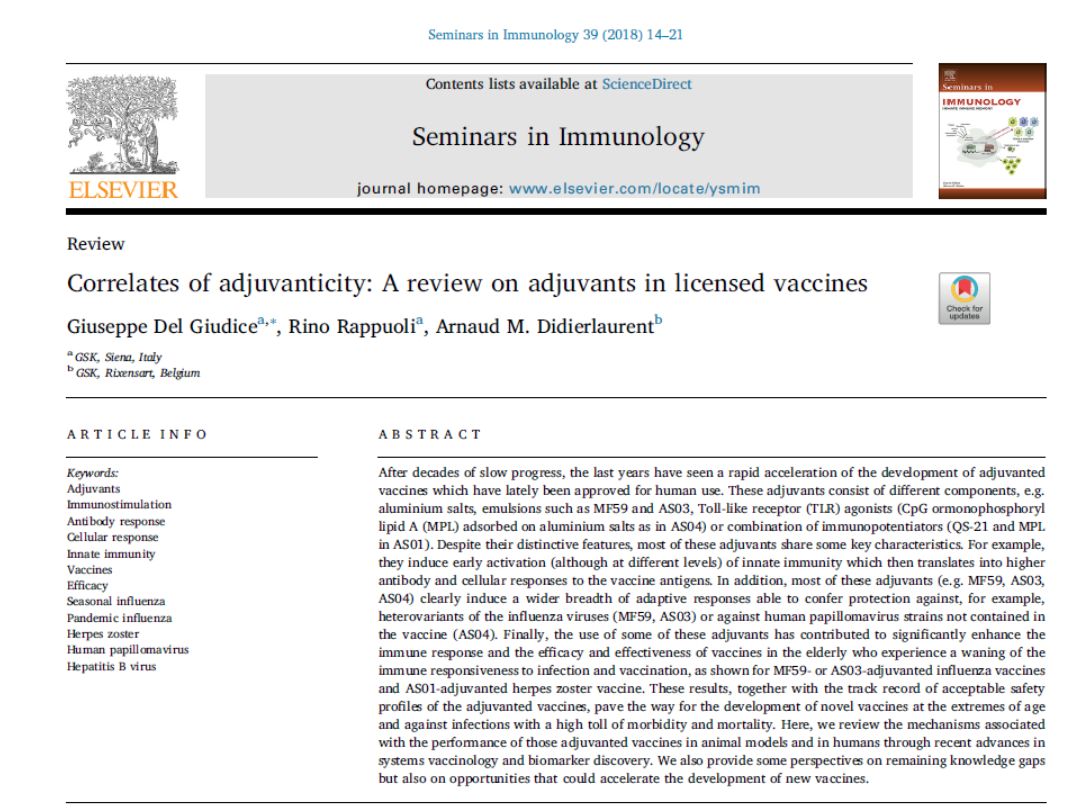
Summarize the key features of adjuvants in licensed vaccines and their importance as described in the review abstract.

40

media

41

media

42

media

43

Multiple Choice

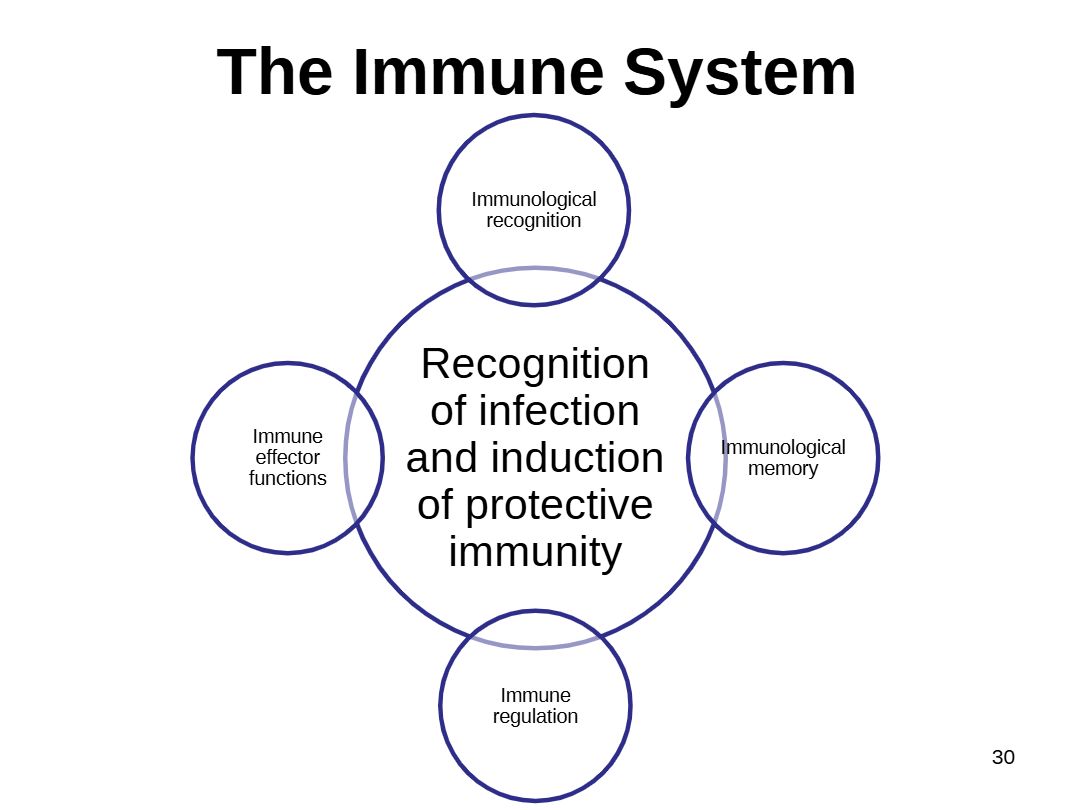
Which of the following is NOT a main function of the immune system as shown in the diagram?

1

Immunological recognition

2

Immune effector functions

3

Immunological memory

4

Pathogen replication

44

media

45

Multiple Select

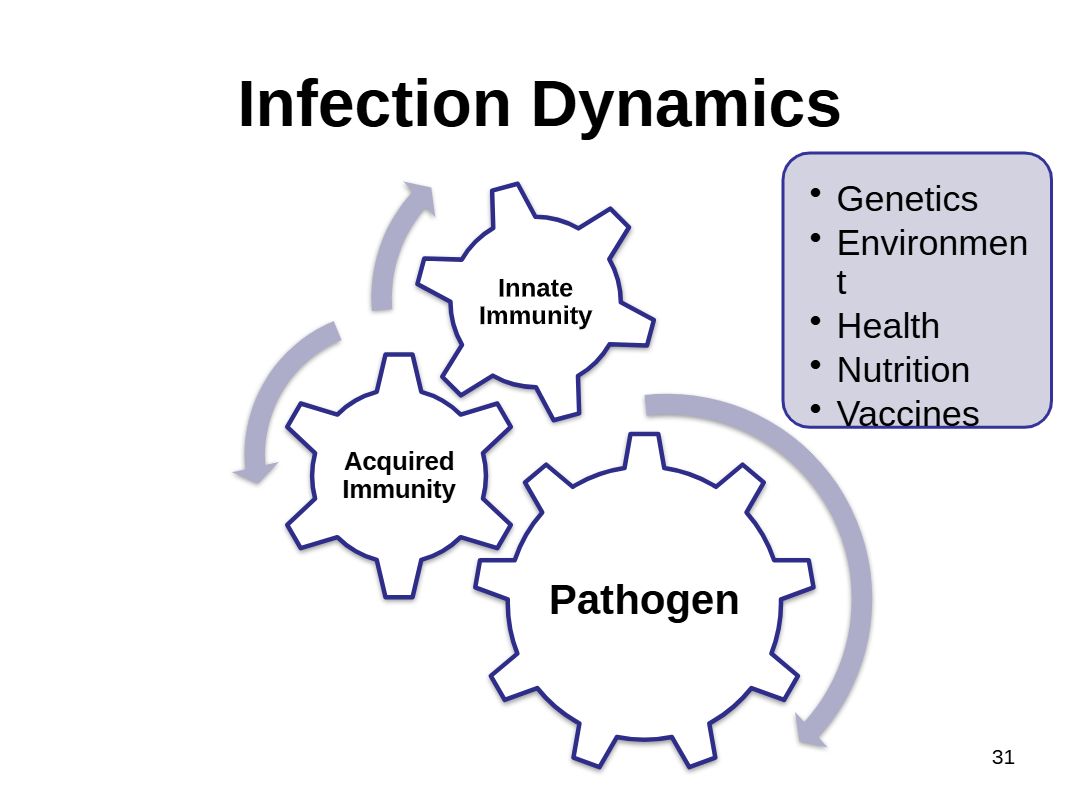
Which factors influence infection dynamics according to the diagram?

1

Genetics

2

Vaccines

3

Climate change

4

Nutrition

46

media

47

Fill in the Blanks

Type answer...

48

media

49

Open Ended

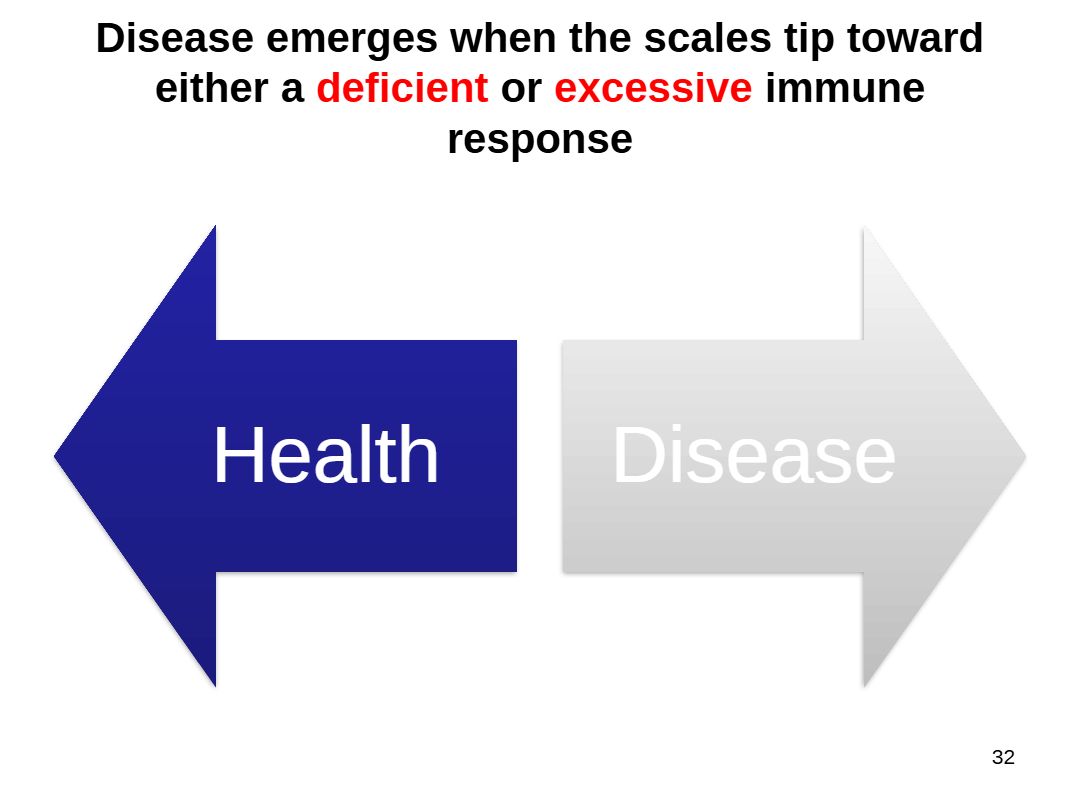
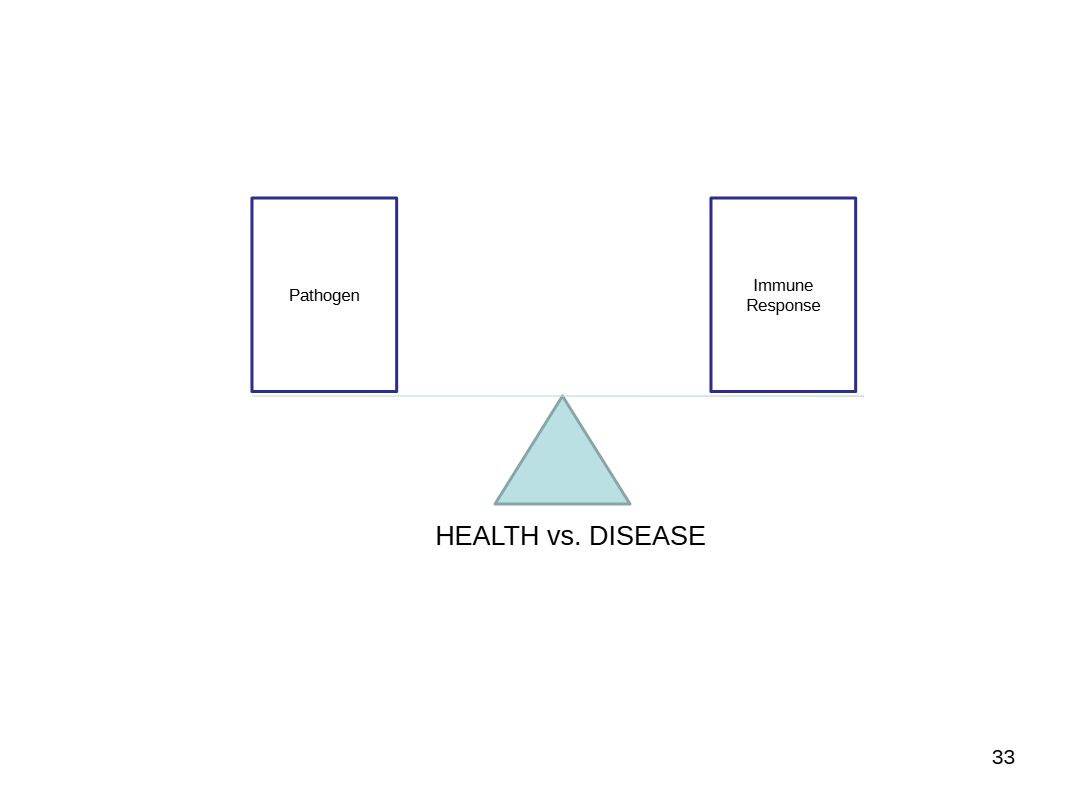
Explain how the balance between pathogen presence and immune response determines health versus disease.

50

media

51

Fill in the Blanks

Type answer...

52

Multiple Choice

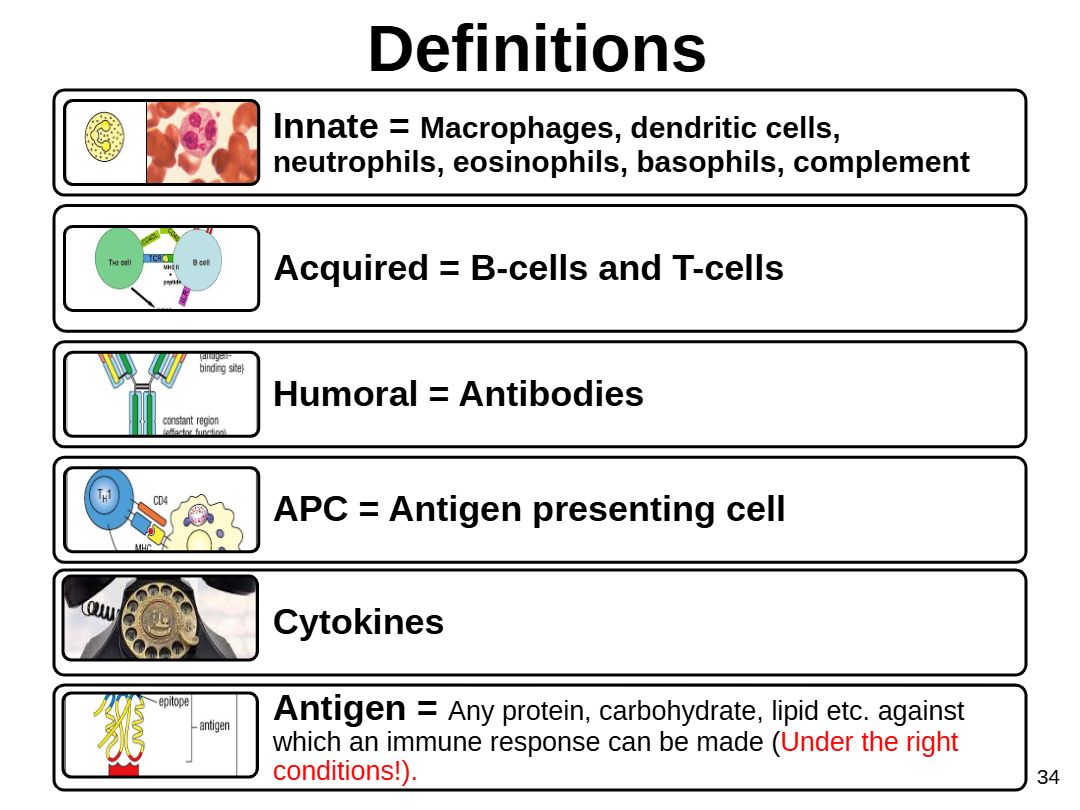
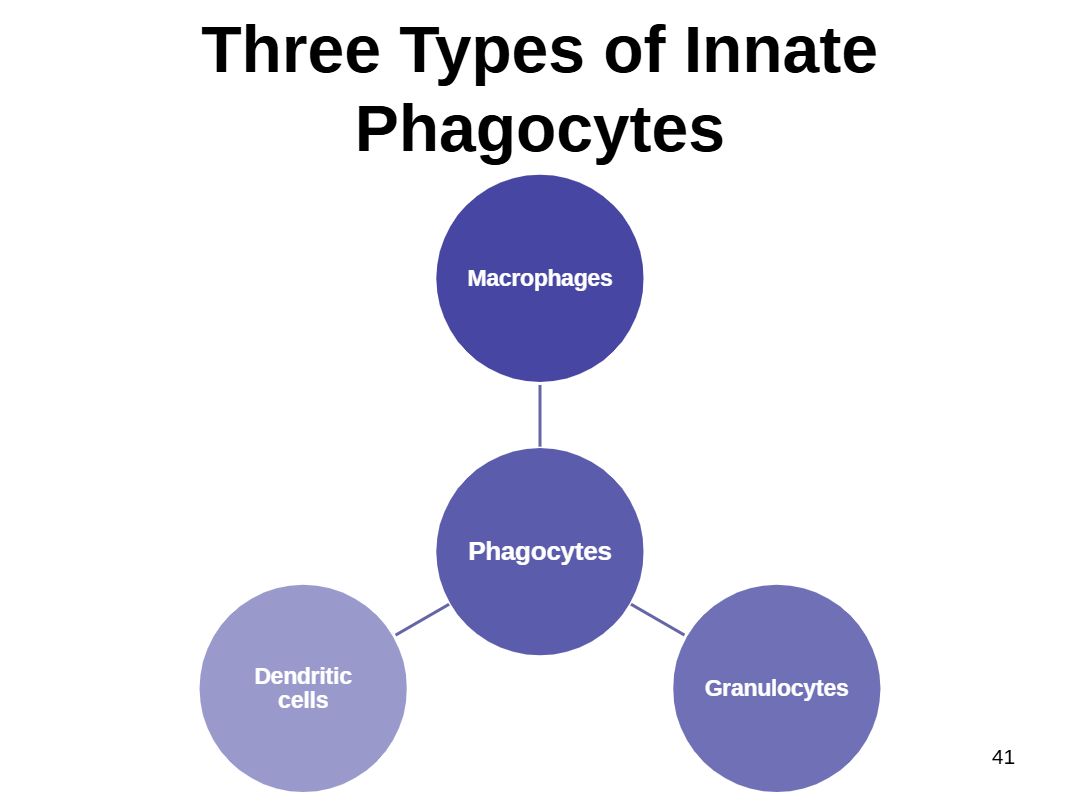
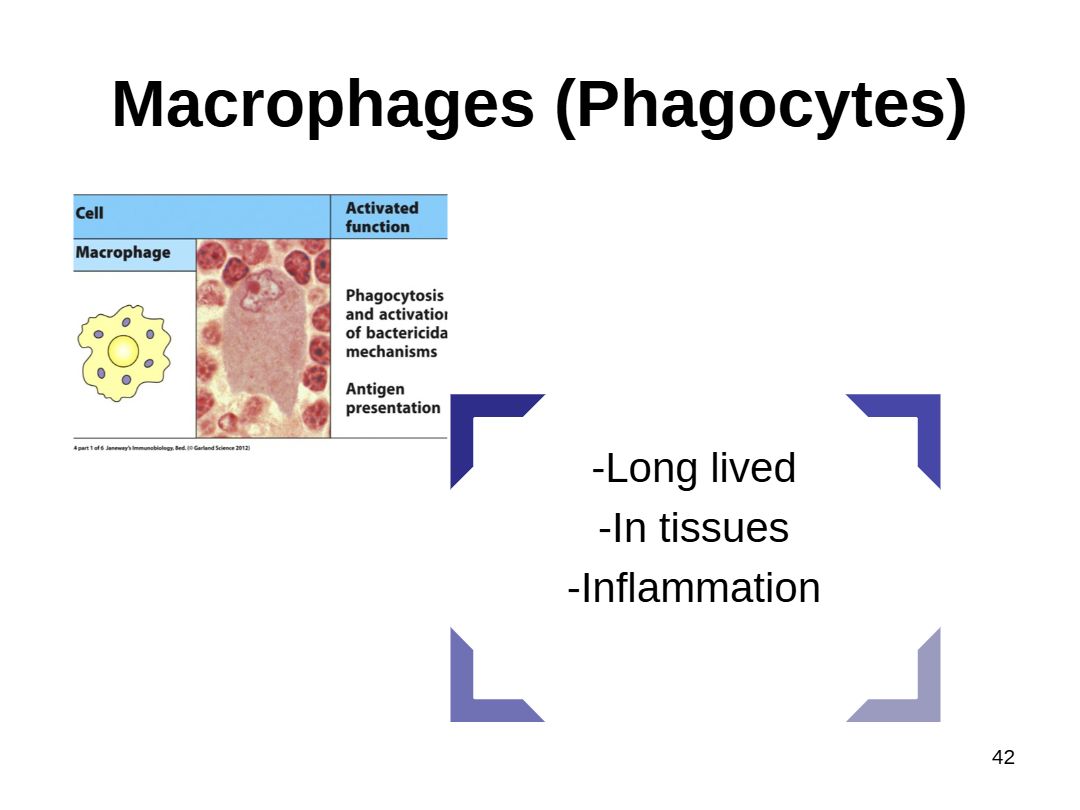
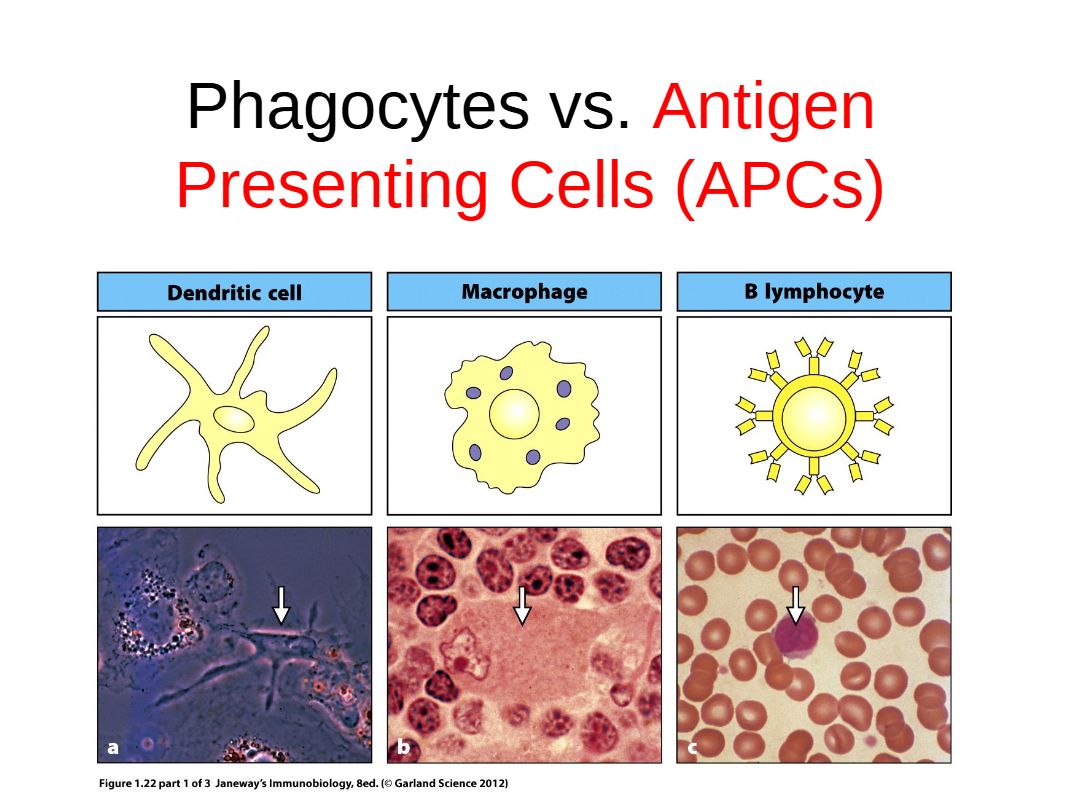
Which of the following cell types is part of the innate immune system?

1

B-cells

2

T-cells

3

Macrophages

4

Antibodies

53

media

54

media

55

media

56

media

57

media

58

media

59

media

60

media

61

media

62

media

63

media

64

media

65

media

66

media

67

media

68

media

69

media

70

media

71

media

72

media

73

media

74

media

75

media

76

media

77

media

78

media

79

media

80

media

81

media

82

media

83

media

84

media

85

media

86

media

87

media

88

media

89

media

90

media

91

media

92

media

93

media

94

media

95

media

96

media

97

media

98

media

99

media

100

media

101

media

102

media

103

media

104

media

105

media

106

media

107

media

108

media

109

media

110

media

111

Open Ended

Reflecting on today's lesson, what questions do you still have about the factors that impact human health, particularly regarding water contamination?

112

Multiple Choice

How can the contamination of drinking water with feces impact human health?

1

It can cause waterborne diseases such as cholera and dysentery.

2

It improves the taste of water.

3

It increases the nutritional value of water.

4

It has no effect on human health.

media

Show answer

Auto Play

Slide 1 / 112

SLIDE