

The Leaf

Presentation
•
English
•
7th Grade
•
Hard

Pavitra BP
FREE Resource
21 Slides • 1 Question
1
The Leaf
By Pavitra BP
2
Open Ended
What are the two main parts of a plant?
3
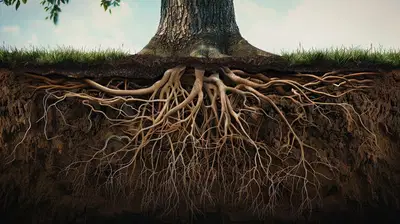
The part of the plant that grows under the ground
Grows downwards-away from sunlight
Brown , non-green part of the plant
Arises from the base of the stem.
End part of root branches has hair like structures called root hair
Root System
4
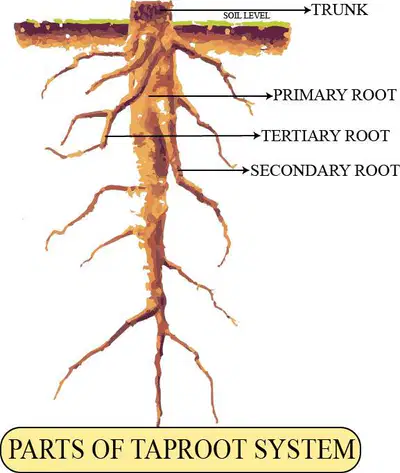
Made up of primary- main thick root and secondary roots-many side branches.
Eg- Gram and Pea plant
Tap Root System
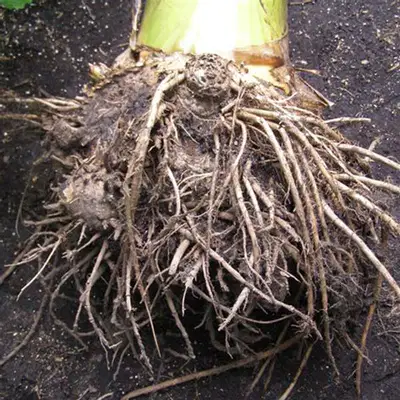
Has many roots of around the same size and thickness.
They arise from the base of the stem forming a cluster. Eg. Grass, Maize
Fibrous Root System
Types of Root System
5
Functions of Roots
Fixation - Roots hold the plant firmly to the soil. They bind particles of the soil.
Absorption - They absorb water and minerals from the soil.
6
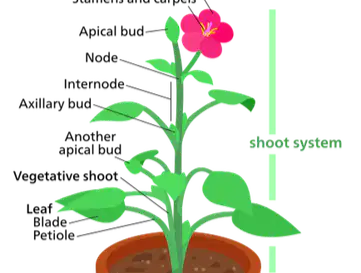
Grows above the ground- main part-stem
Grow upwards and hold the plant.
Node- part of the stem where the leaf grows.
Internode- region between 2 adjacent nodes
Buds- undeveloped shoots
Terminal/ Apical bud- present at the tip of the stem
Axillary bud- found in the axil
( Axil - the upper angle between the leaf
and the stem)
The Shoot System
7
Functions of Stem
Support - Bears branches, buds, leaves, flowers and fruits.
Conduction - Conducts water and minerals from roots to other parts.
It also conducts the prepared food from the leaves to the other parts of
the plant.
3. Food Production- Some green stems contain chlorophyll. The manufacture
food.
4. Orientation of leaves - On the stem, the leaves are arranged in a way that
they get maximum sunlight.
8
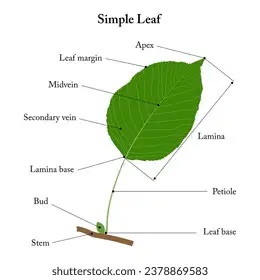
Petiole - the stalk that attaches the leaf to the stem. ( In some leaves, the stalk is absent and they are directly attached to the stem- sessile leaves)
Lamina/Leaf Blade- Flat, broad, green part.
Midrib- Petiole continues into the lamina at the centre as the thick midrib. It gives rise to fine branches called veins. They give support to the leaf and conduct water, minerals and food.
Parts of a Leaf
9
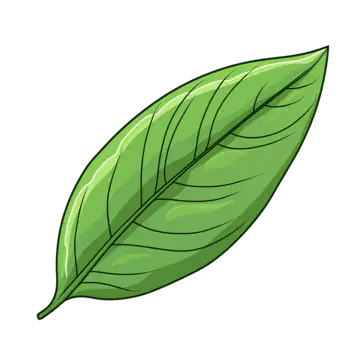
A leaf with a single lamina.
Axillary bud is present.
Eg. Mango, peepal, banyan
Simple Leaf
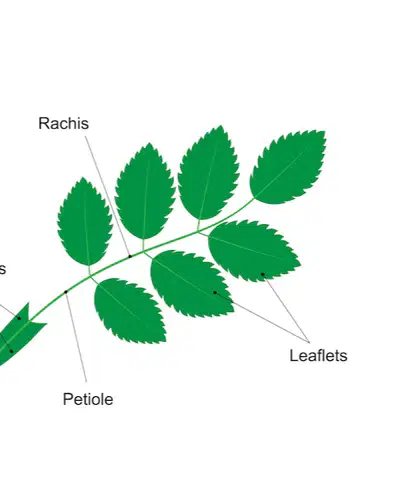
A leaf in which the lamina is divided into leaflets.
Leaflets do not have axillary bud in their individual axis.
Eg. Rose, Neem, Gulmohar
Compound leaf
Types of Leaves
10
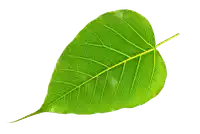
Different Shapes Of leaves
Heart Shaped-
Peepal
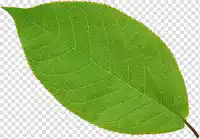
Oval Shaped- Apple
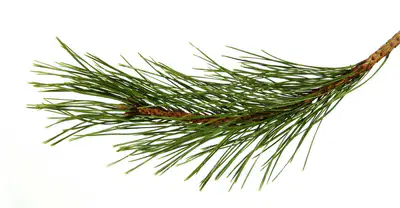
Needle shaped- Pine
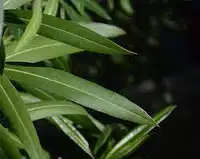
Sword Shaped- Neerium
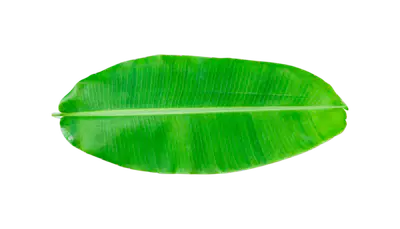
Oblong shaped- Banana
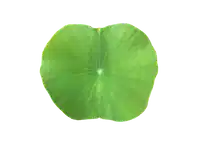
Circular- Lotus
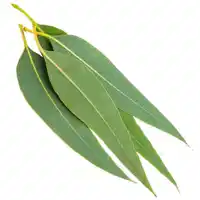
Tapered- Eucalyptus
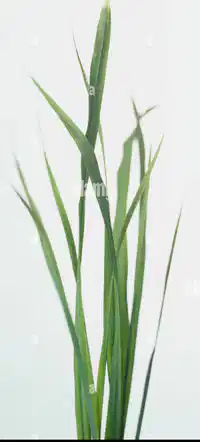
Linear-Grass
11
Different Types Of Edges of Leaves
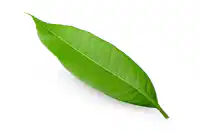
Entire/Smooth- Mango
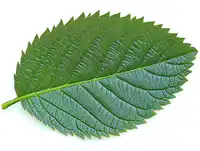
Serrate/ Toothed (pointed forward) - Rose
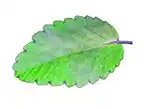
Crenate- Bryophyllum
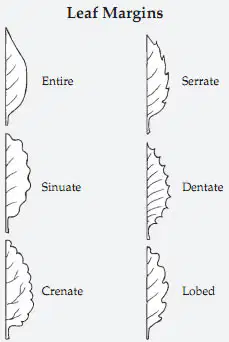
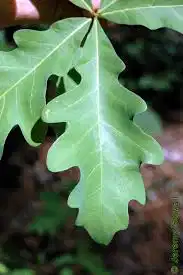
Lobed leaf
12
Different textures of leaves
1. Smooth and soft
2. Rough and Hairy
3. Fleshy and thick
4. Thin and papery
5. Juicy
6. Dry
13
Arrangement of Leaves
The leaves are arranged on a stem in different ways to get maximum exposure to air and sunlight.
Phyllotaxy- The arrangement of leaves on a stem or branch is called phyllotaxy.
Three main types of arrangements are
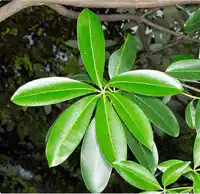
1. Alternate
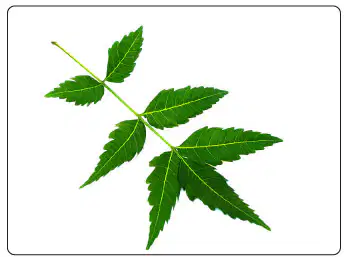
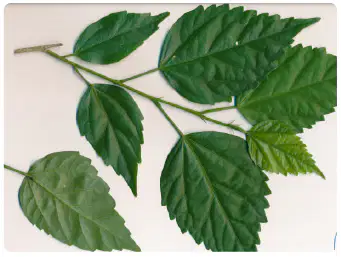
2. Opposite
3. Whorled
14
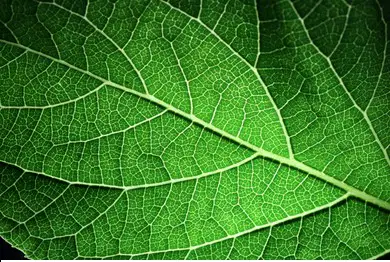
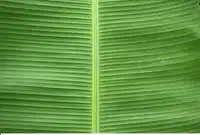
Veins form a net-like pattern on both sides of the midrib.
Eg- Peepal, Mango, Mustard
Reticulate Venation
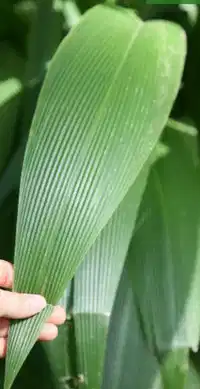
Veins run parallel to each other or parallel to the midrib.
Eg . Banana, Wheat, Grass
2. Parallel Venation
Venation- The arrangement of veins on a lamina
15
Functions of the Leaf
Manufacture of Food (Photosynthesis)
It is the main function of the leaf.
Transpiration
It is the loss of water in the form of water vapour mainly from the surface of the leaves.
It helps the roots absorb more water along with minerals.
It also has a cooling effect on plants.
Exchange of Gases
The exchange of gases- carbon di oxide and oxygen takes place mainly through the surface of leaves
16
Photosynthesis
Green plants make their own food, so they are called autotrophs. (troph means feeding/nourishment).
This type of nutrition is called autotrophic nutrition.
Plants make their own food by the process of photosynthesis.
The process by which green plants make their own food (glucose) from carbondioxide and water in the presence of sunlight and chlorophyll is called photosynthesis.
17
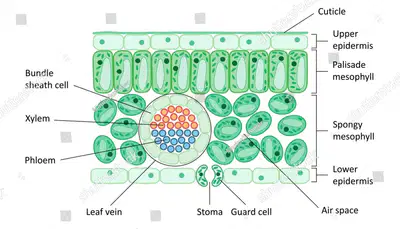
Section of a Leaf
18
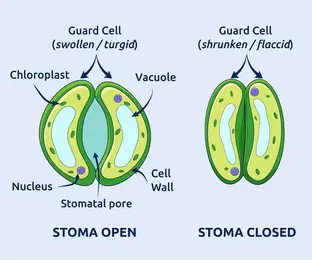
Stomata
Structure of Stomata
2 videos from folder
19
End Products of Photosynthesis
The 2 end products of photosynthesis are 1. Glucose and 2. Oxygen
1. Glucose
It is a simple sugar.
It is utilized by the plants immediately.
The extra glucose is converted into starch and sucrose. These are either stored or utilised for the synthesis of proteins and fats.
2. Oxygen
It is used for respiration by the plants.
A major part of the oxygen produced is released in the atmosphere through stomata.
This oxygen is utilized by all other living organisms for respiration.
20
Factors affecting photosynthesis
Light
Availability of carbon di oxide and water
Temperature (20 - 35 degree celcius)
Importance of Photosynthesis
21
Transpiration
Factors affecting Transpiration
1. Sunlight
2. Temperature
3. Wind
4. Humidity
The loss of excess water from plants mainly through leaves as water vapour is called transpiration.
Importance of Transpiration
Maintains concentration of sap and has cooling effect
22
Modification of Leaves
Sometimes a leaf, or a part of it is modified to perform a specific function. These kinds of leaves are called modified leaves.
Regular Plants
1. Tendrils
2. Spines
3. Scaly Leaves
Insectivorous Plants
1. Pitcher Plants
2. Bladderwort
3. Venus flytrap (Videos from folder)
The Leaf
By Pavitra BP
Show answer
Auto Play
Slide 1 / 22
SLIDE
Similar Resources on Wayground

18 questions
Formal vs Informal
Presentation
•
7th Grade
18 questions
Modifiers Part 2 (and 1 review)
Presentation
•
7th Grade
18 questions
SWBST
Presentation
•
7th Grade
18 questions
Central Idea
Presentation
•
7th Grade
16 questions
Types of Evidence
Presentation
•
7th Grade
17 questions
Simple, Compound, Compound-Complex Sentences
Presentation
•
7th Grade
18 questions
Commas in Coordinate Adjectives
Presentation
•
7th Grade
16 questions
Idioms
Presentation
•
7th Grade
Popular Resources on Wayground
16 questions
Grade 3 Simulation Assessment 2

Quiz
•
3rd Grade
19 questions
HCS Grade 5 Simulation Assessment_1 2526sy
Quiz
•
5th Grade
10 questions
Cinco de Mayo Trivia Questions

Interactive video
•
3rd - 5th Grade
17 questions
HCS Grade 4 Simulation Assessment_2 2526sy
Quiz
•
4th Grade
24 questions
HCS Grade 5 Simulation Assessment_2 2526sy
Quiz
•
5th Grade
13 questions
Cinco de mayo
Interactive video
•
6th - 8th Grade
20 questions
Math Review
Quiz
•
3rd Grade
30 questions
GVMS House Trivia 2026
Quiz
•
6th - 8th Grade
Discover more resources for English
75 questions
Georgia K-12 ELA Standards – 7th Grade Questions
Quiz
•
7th Grade
37 questions
Georgia Milestones Grade 7 ELA Writing Key Terms Review
Quiz
•
7th Grade
12 questions
Final Figurative Language Review
Presentation
•
6th - 8th Grade
60 questions
FAST Reading Review #3
Quiz
•
6th - 8th Grade
55 questions
SC READY Reading Review
Quiz
•
6th - 8th Grade
35 questions
SBAC Prep: ELA
Quiz
•
6th - 8th Grade
74 questions
7th Grade ELA Practice Quiz 2
Quiz
•
7th Grade
50 questions
2025 Reading SOL REVIEW PACKET Questions
Quiz
•
6th - 8th Grade