Cell Cycle
Presentation
•
Science
•
9th - 12th Grade
•
Practice Problem
•
Medium
Standards-aligned
Chelsea Briggs
Used 6+ times
FREE Resource
35 Slides • 21 Questions
1
2
3
4
5
6
Multiple Select
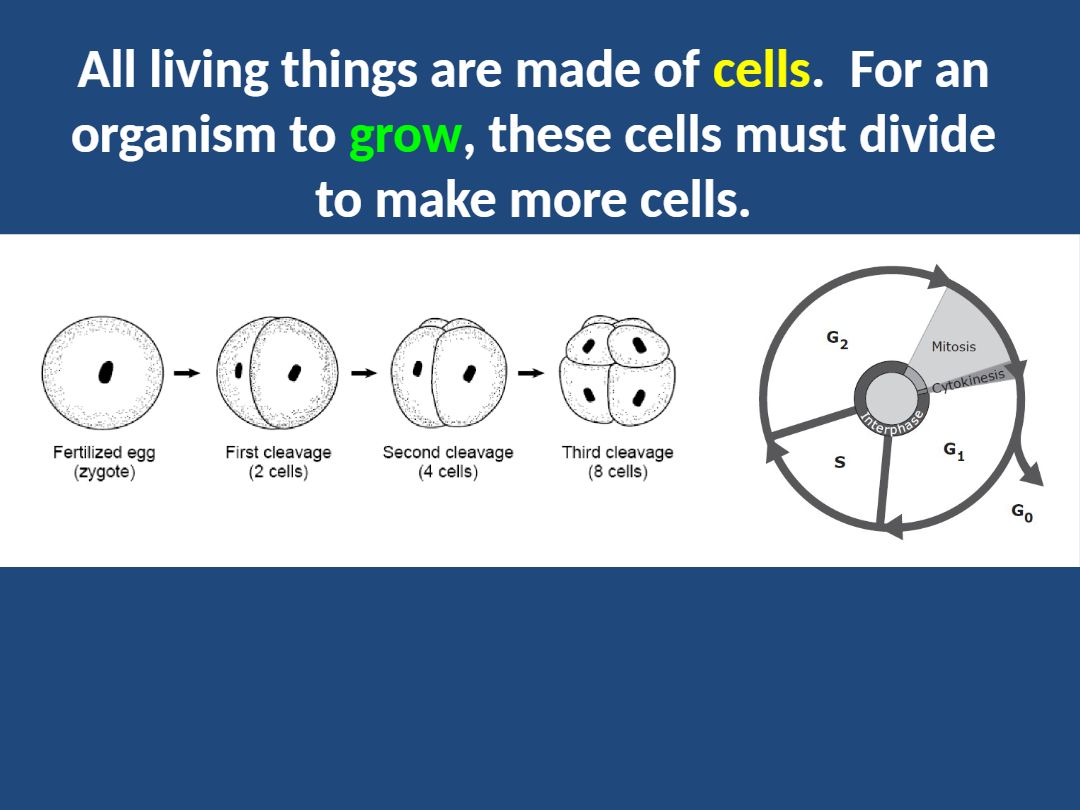
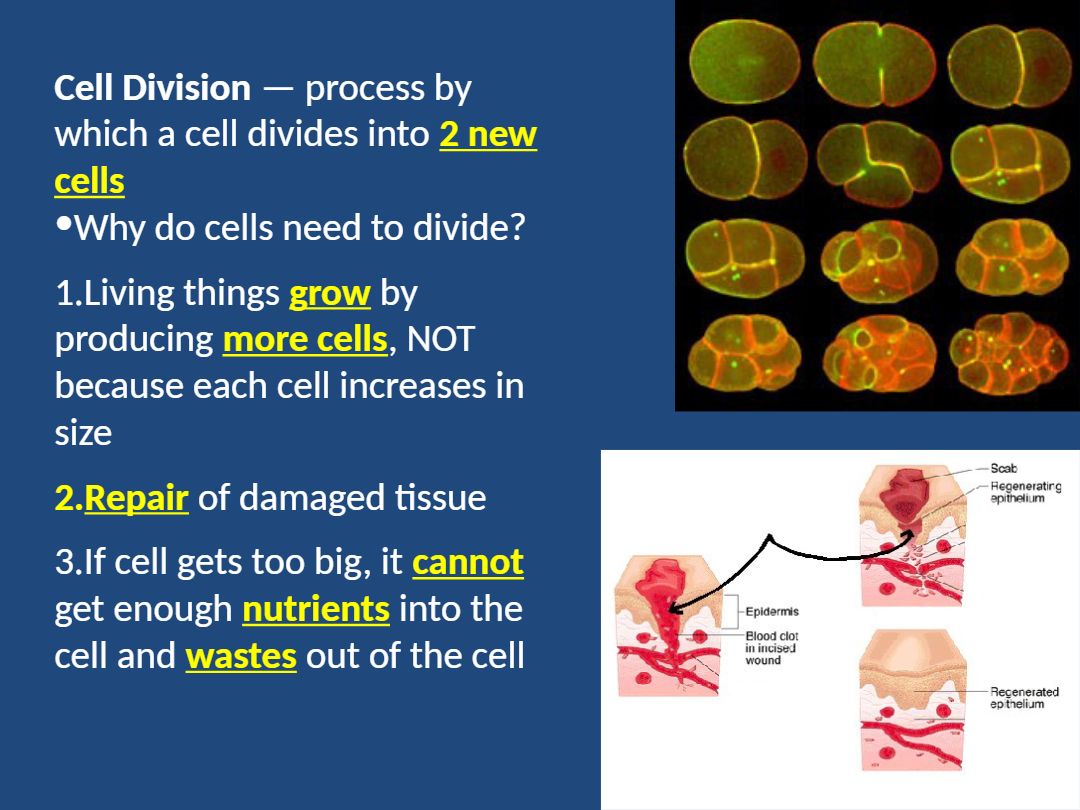
Which of the following are reasons why cells need to divide?
To grow by producing more cells
To repair damaged tissue
To increase the size of each cell
To remove wastes more efficiently
7
8
Fill in the Blanks
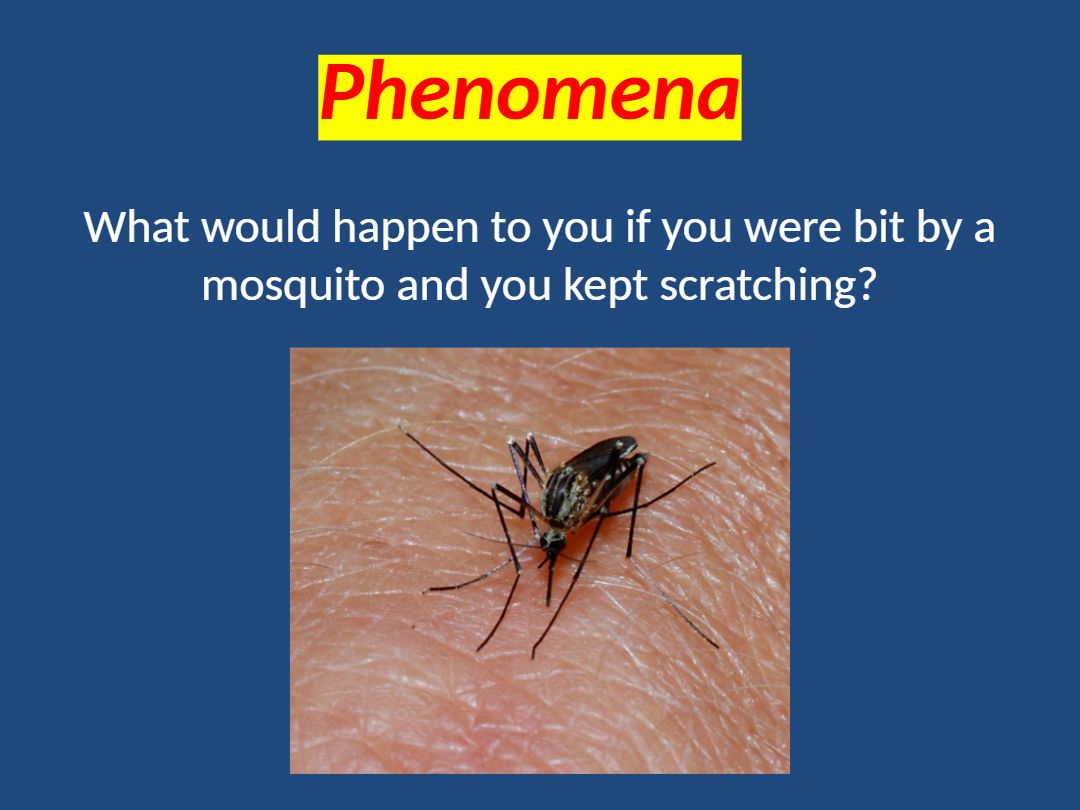
What would happen to your skin if you kept scratching a mosquito bite?
Type answer...
9
10
Fill in the Blanks
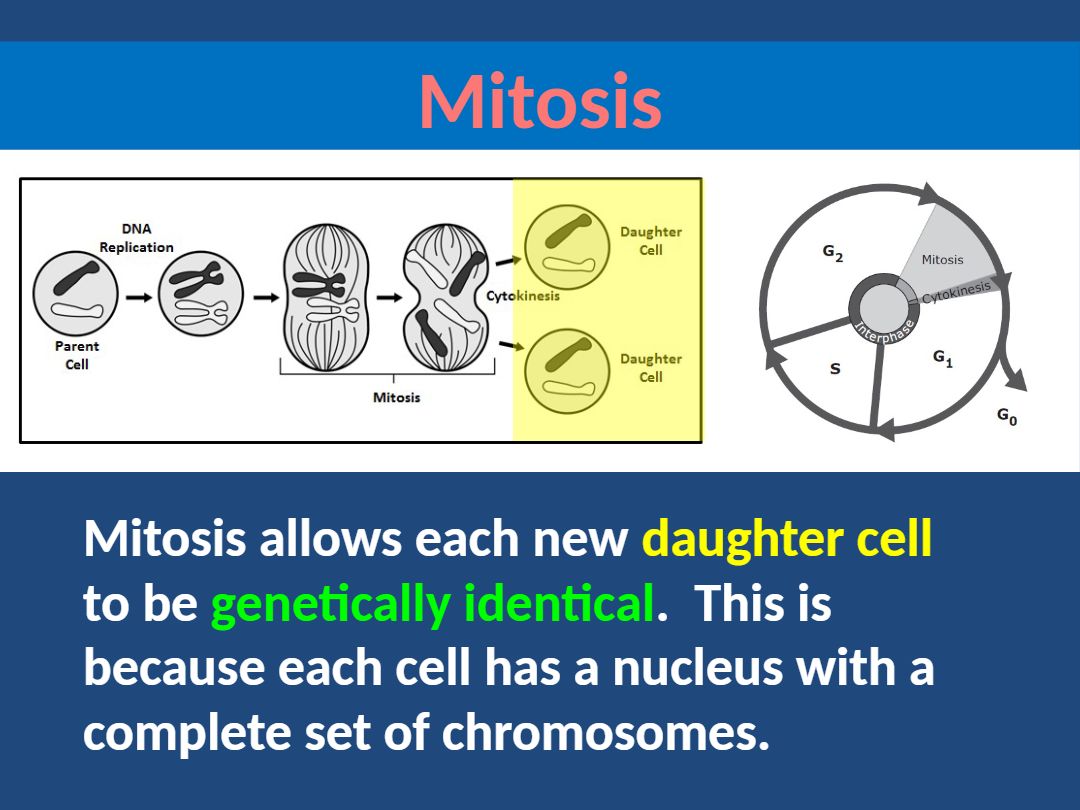
The repeated pattern of growth and division that occurs in eukaryotic cells is called the
11
Multiple Choice
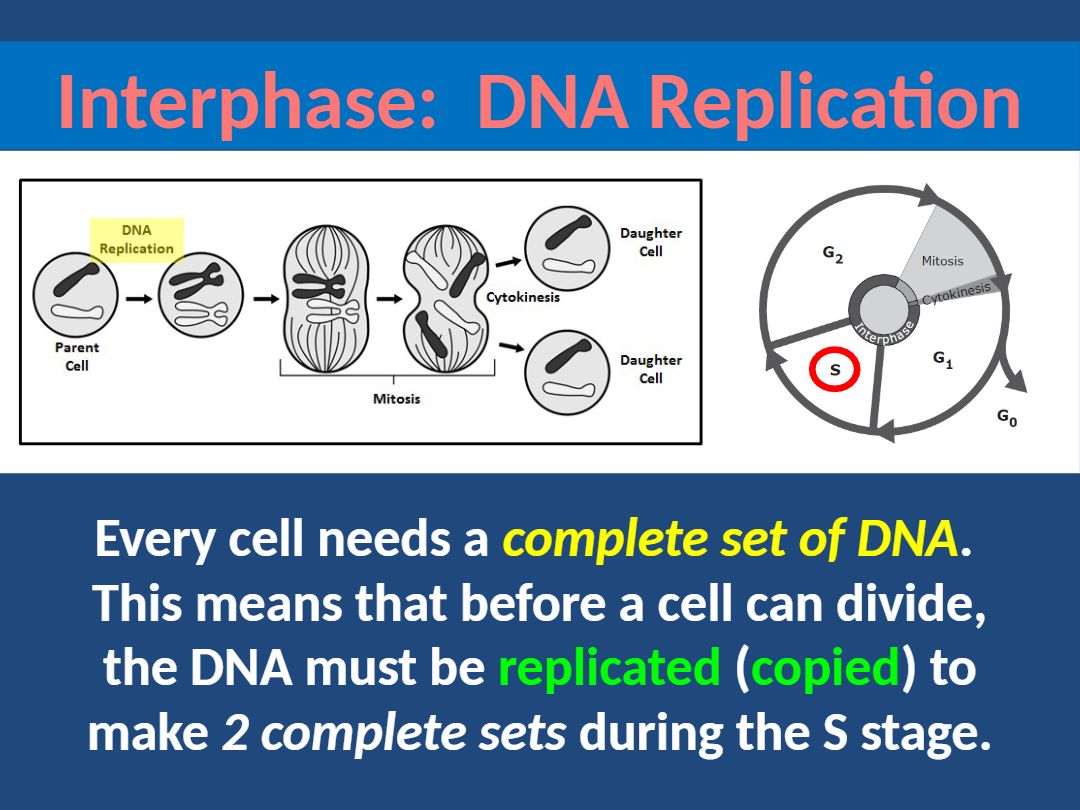
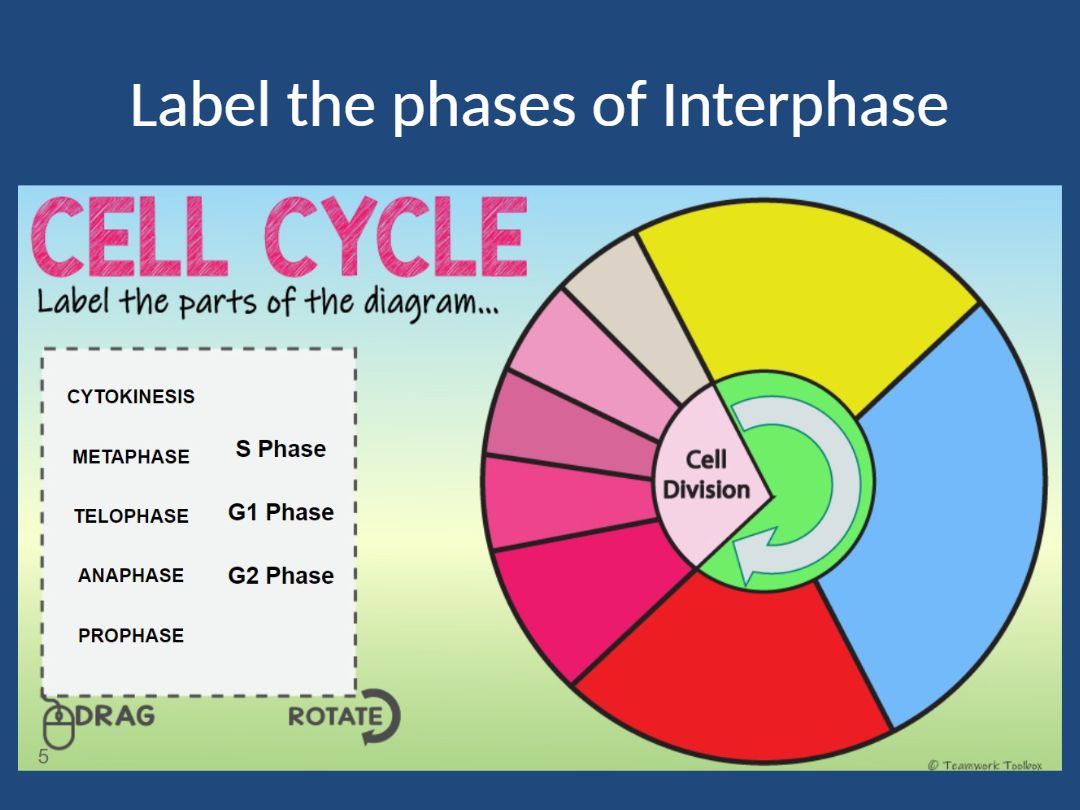
Which phase of the cell cycle is responsible for the duplication of chromosomes?
G1 phase
S phase
G2 phase
Mitosis
12
13
14
Multiple Choice
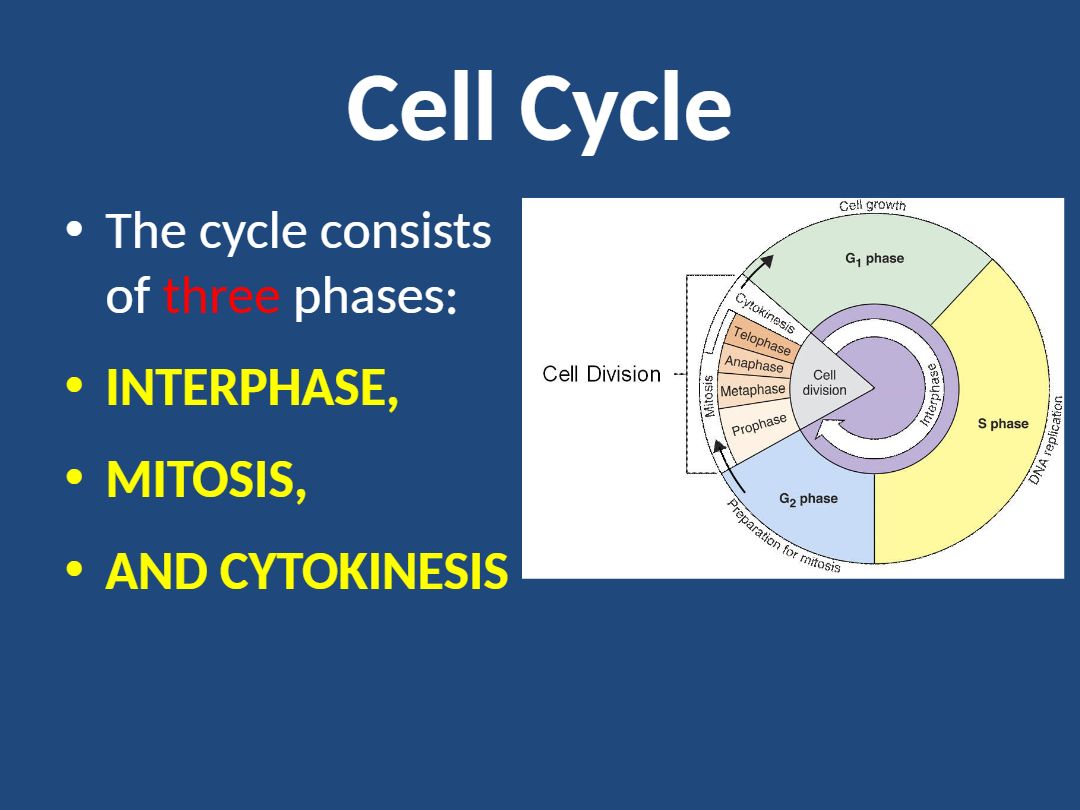
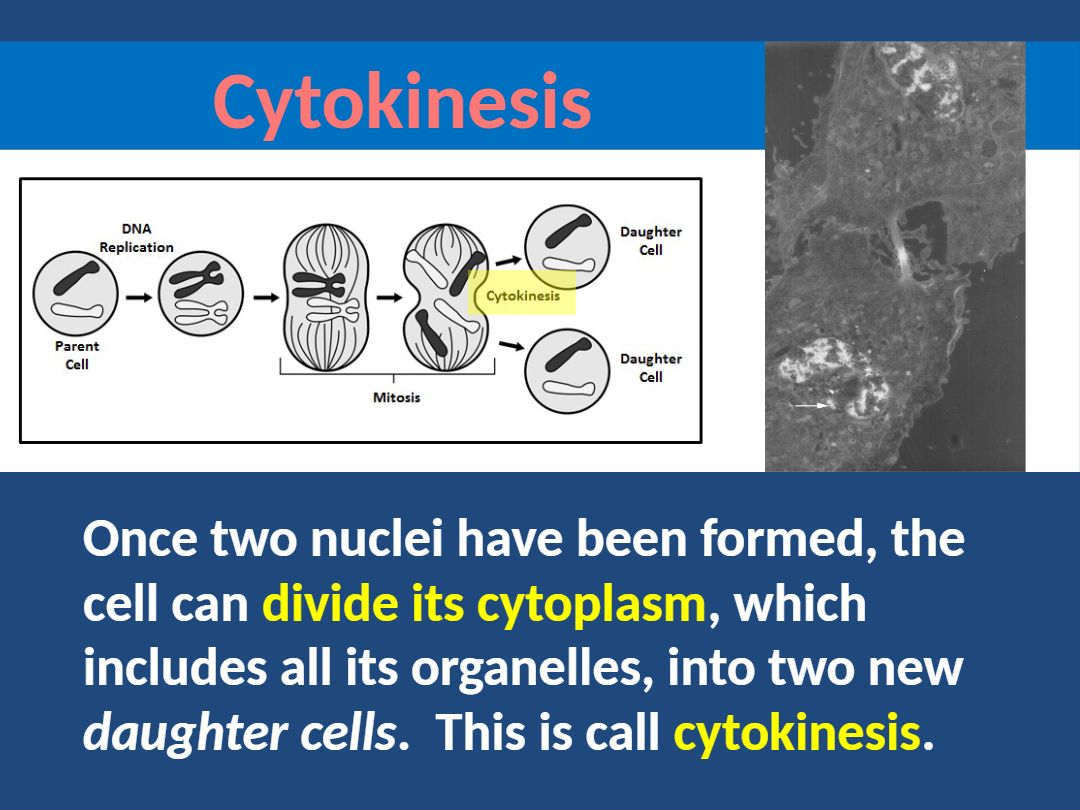
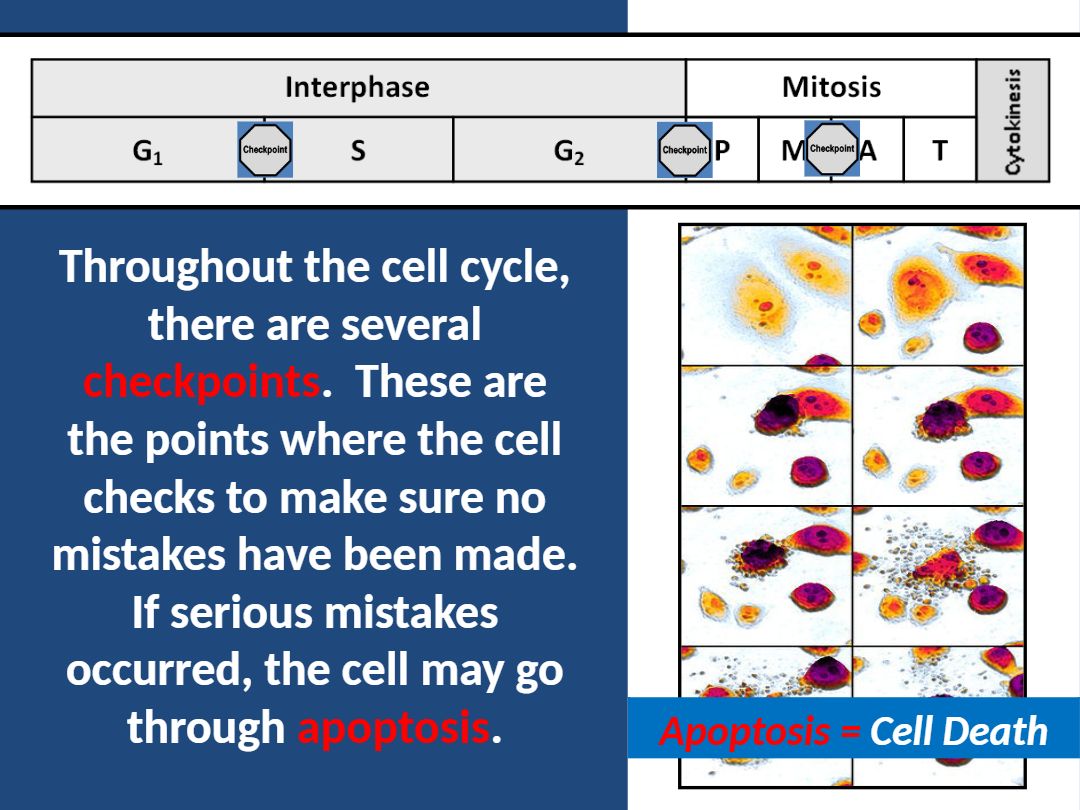
Which of the following is NOT one of the three main phases of the cell cycle?
Interphase
Mitosis
Cytokinesis
Apoptosis
15
16
17
Multiple Select
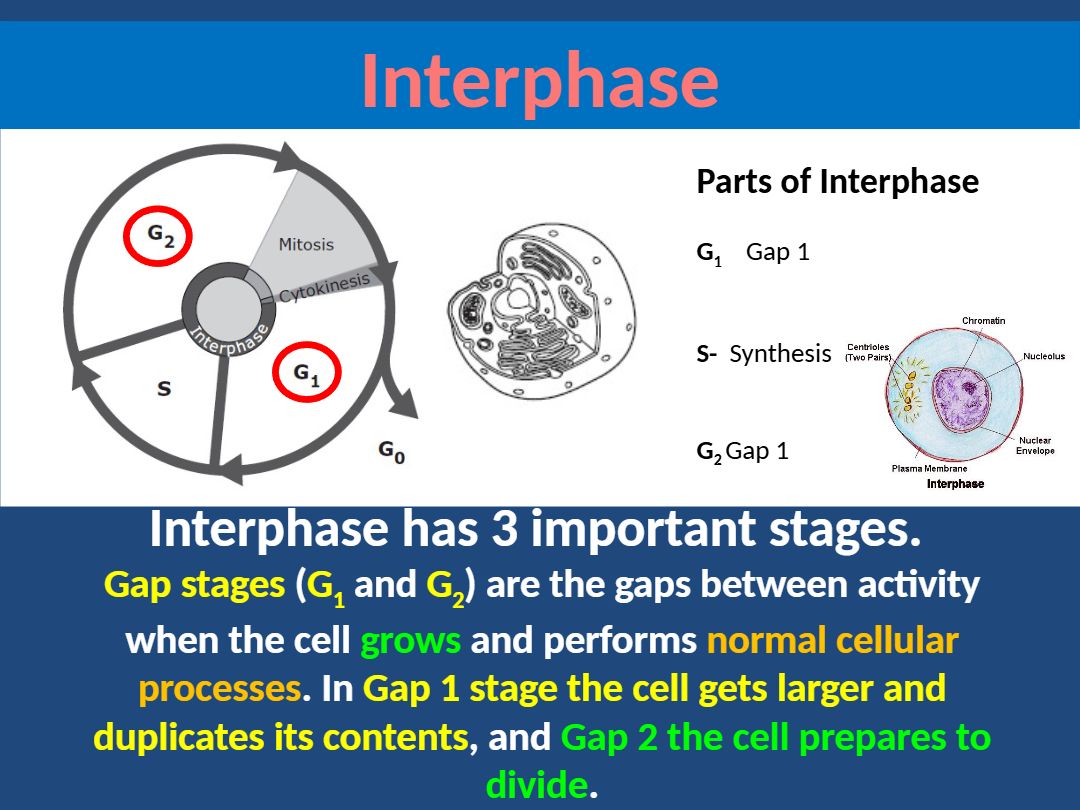
Which of the following occur during the Gap 1 (G1) stage of interphase?
Select all that apply
The cell gets larger
The cell duplicates its contents
The cell prepares to divide
DNA replication occurs
18
19
20
21
22
23
Multiple Select
Which of the following statements about DNA replication are correct?
Select all that apply
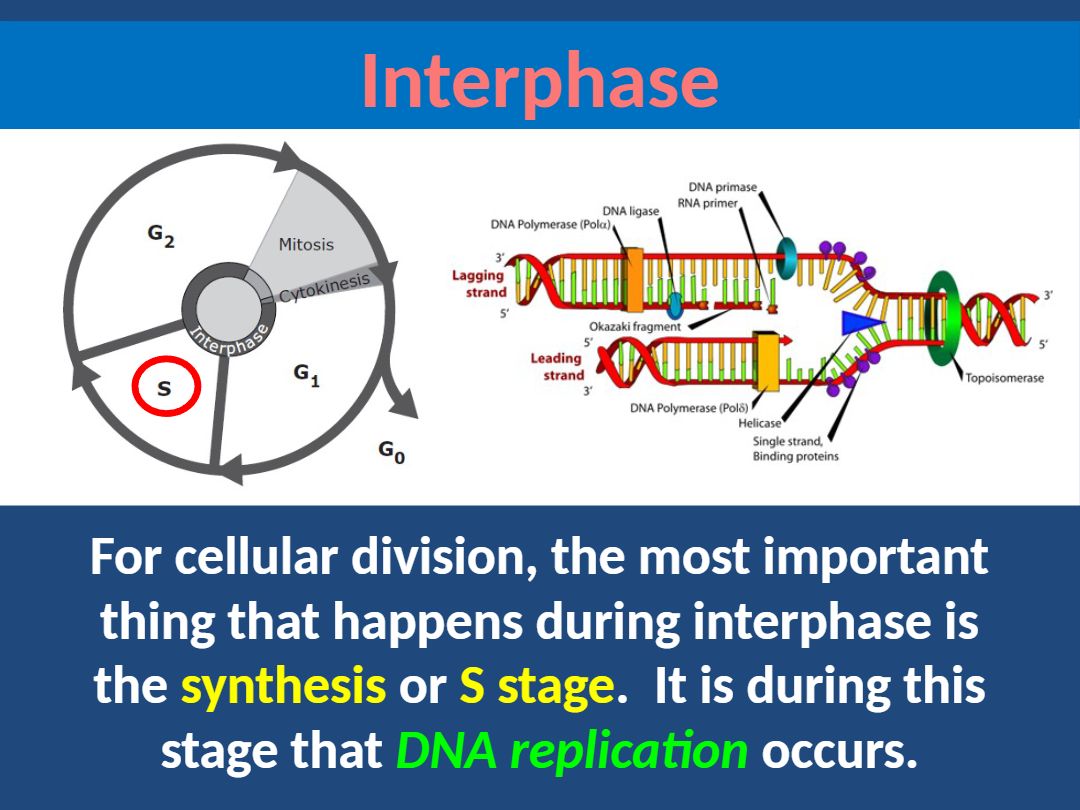
It requires enzymes to unwind the DNA.
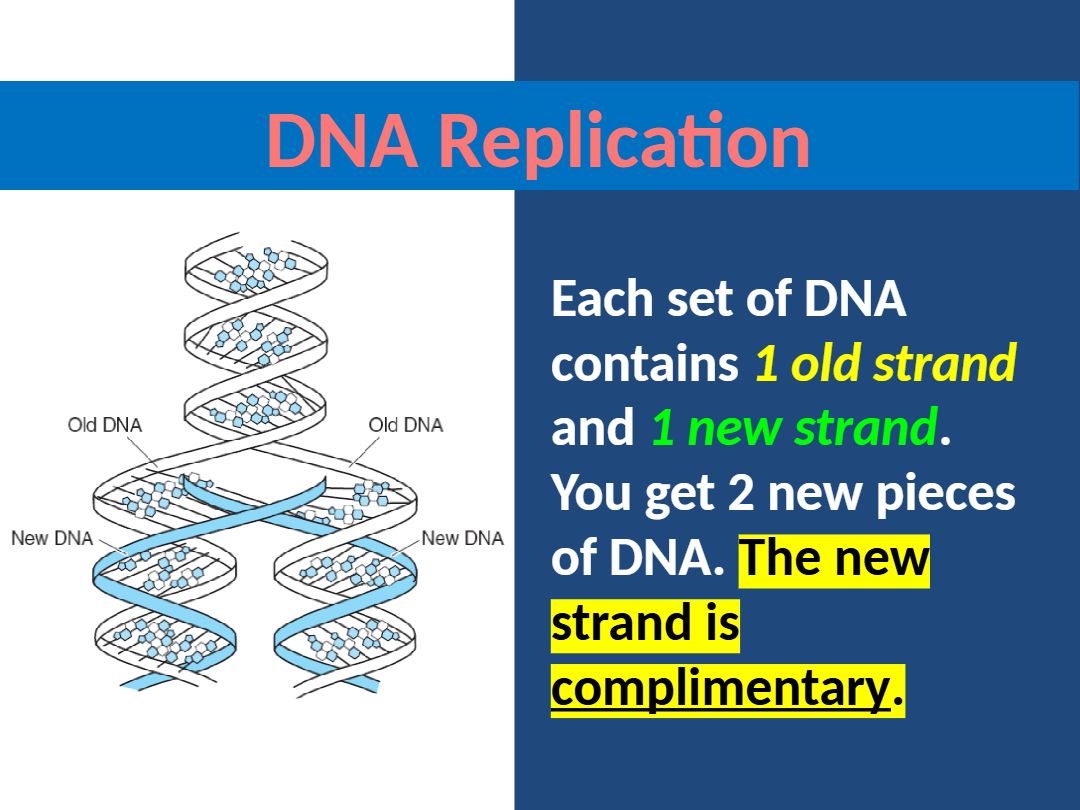
Each new DNA molecule has one old and one new strand.
The process is called semi-conservative replication.
Both strands of DNA are completely new after replication.
24
25
Multiple Choice
In which phase is DNA replicated?
G1 phase
S phase
G2 phase
Mitosis
26
27
Fill in the Blanks
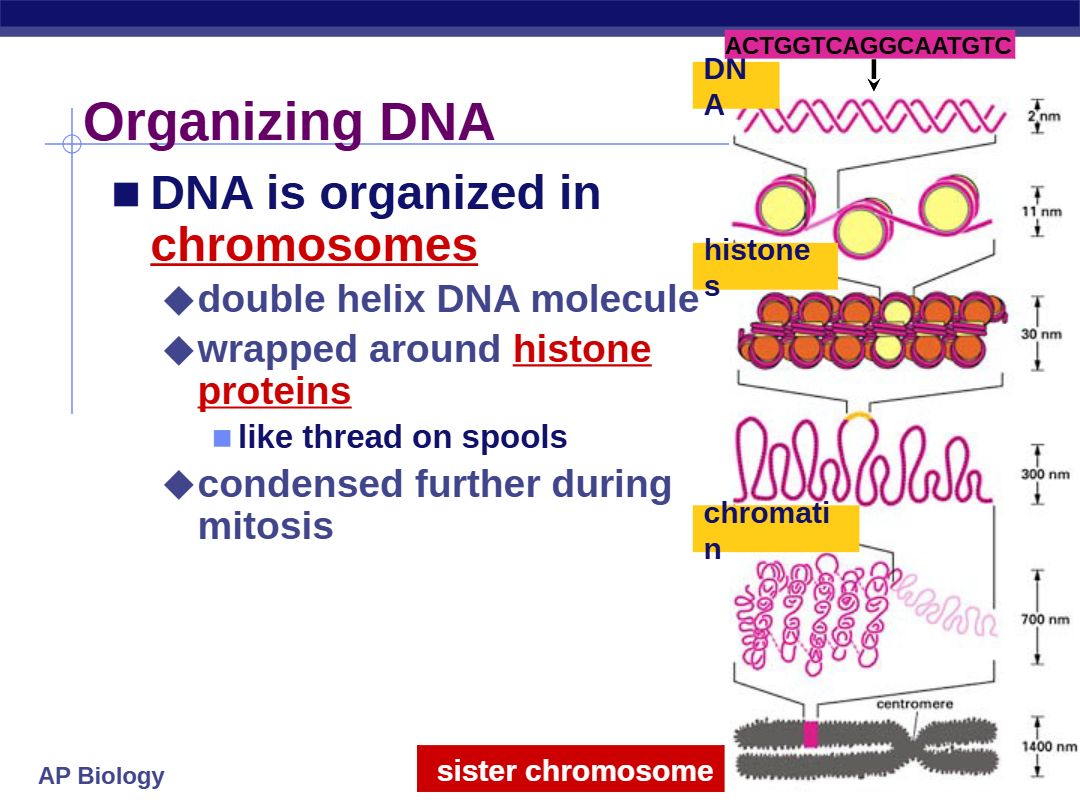
DNA is made up of subunits called
28
29
Multiple Choice
Which of the following is NOT a component of a nucleotide?
Phosphate
Pentose sugar
Nitrogen base
Amino acid
30
31
Multiple Choice
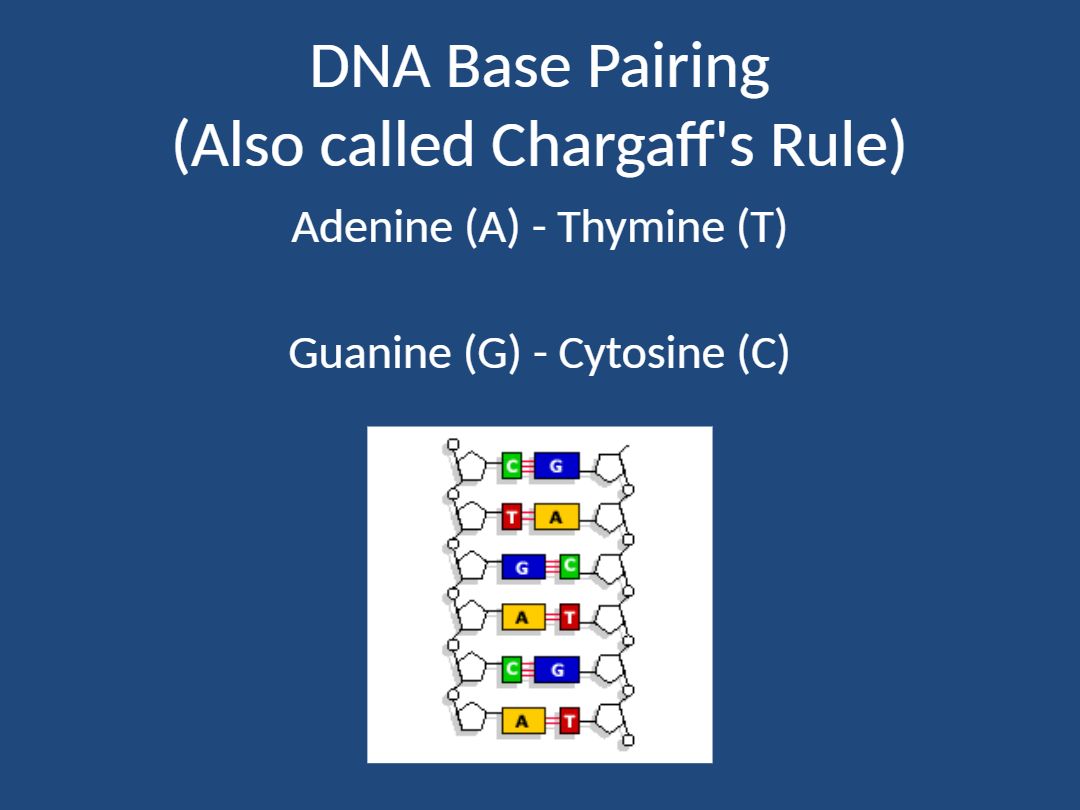
According to Chargaff's Rule, which nitrogenous base pairs with cytosine in DNA?
Adenine
Thymine
Guanine
Uracil
32
33
34
35
36
Multiple Select
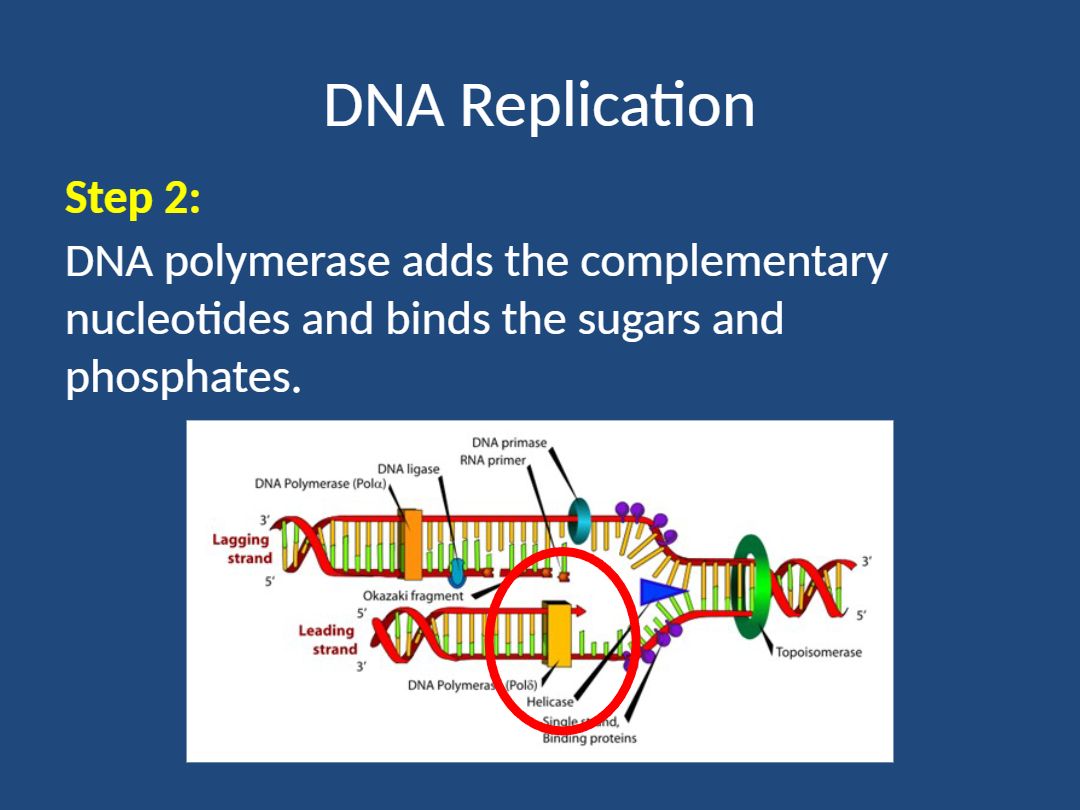
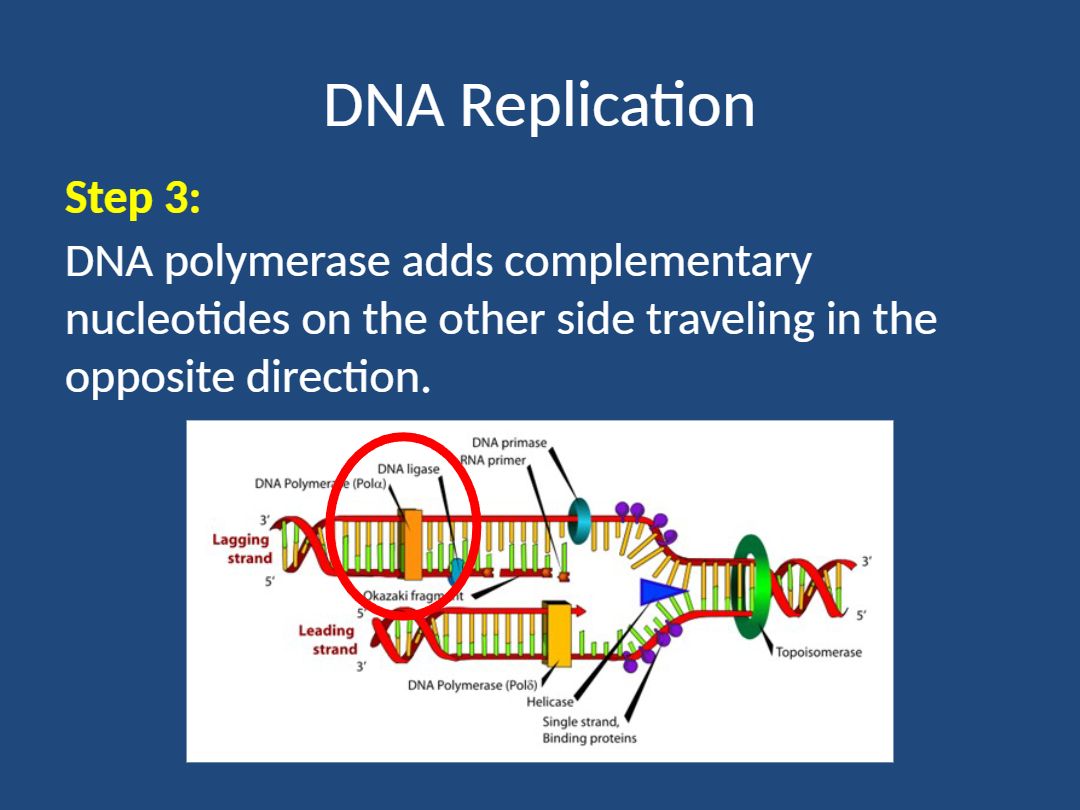
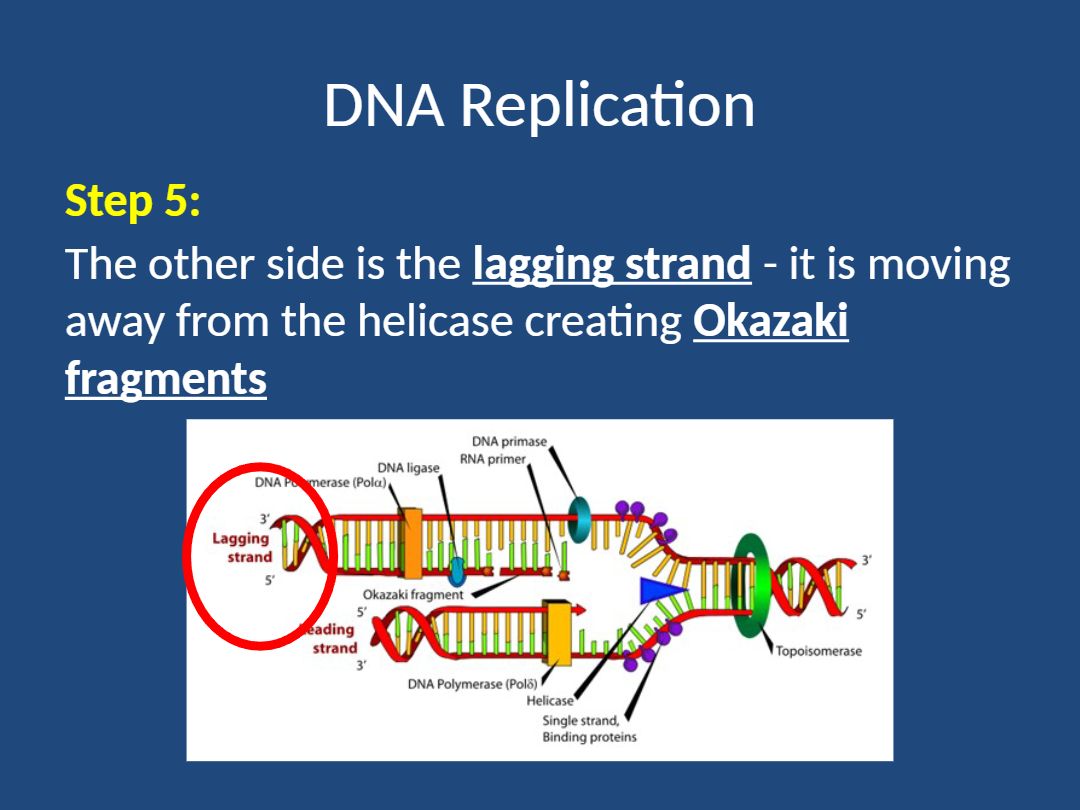
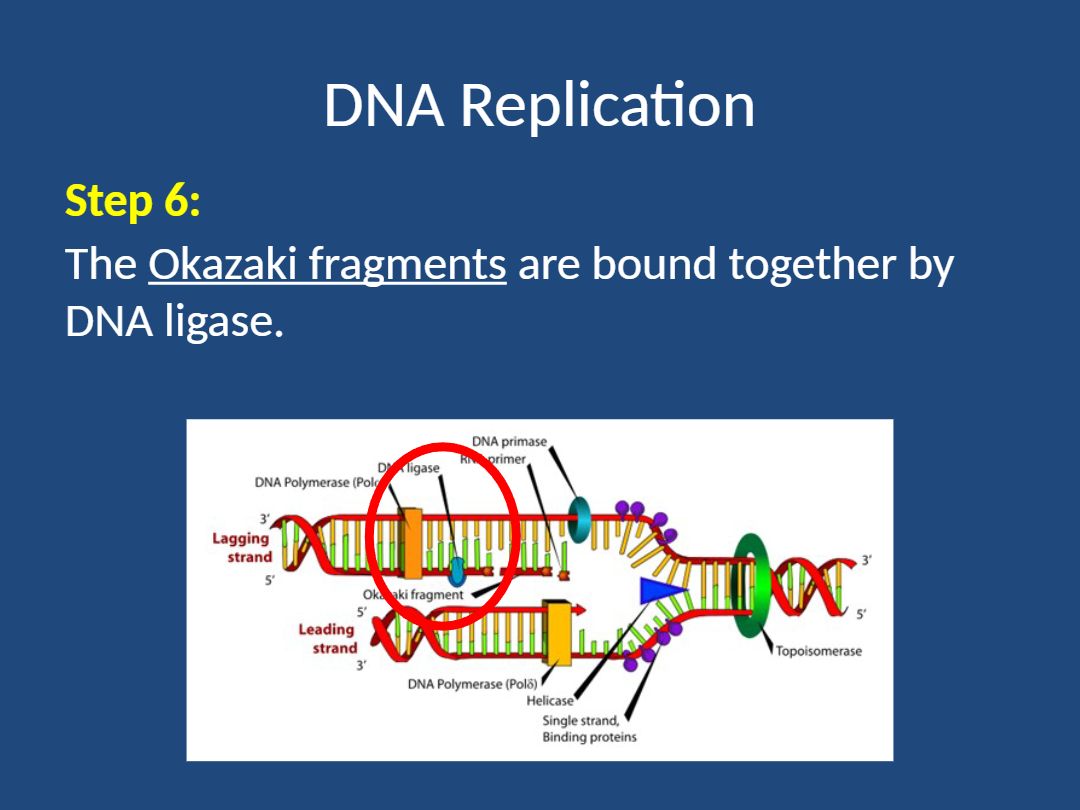
Which of the following statements about the leading and lagging strands during DNA replication are correct?
Select all that apply
The leading strand is synthesized continuously.
The lagging strand is synthesized in fragments.
Both strands are synthesized in the same direction as the replication fork movement.
37
38
39
40
41
42
43
44
45
46
47
48
Multiple Choice
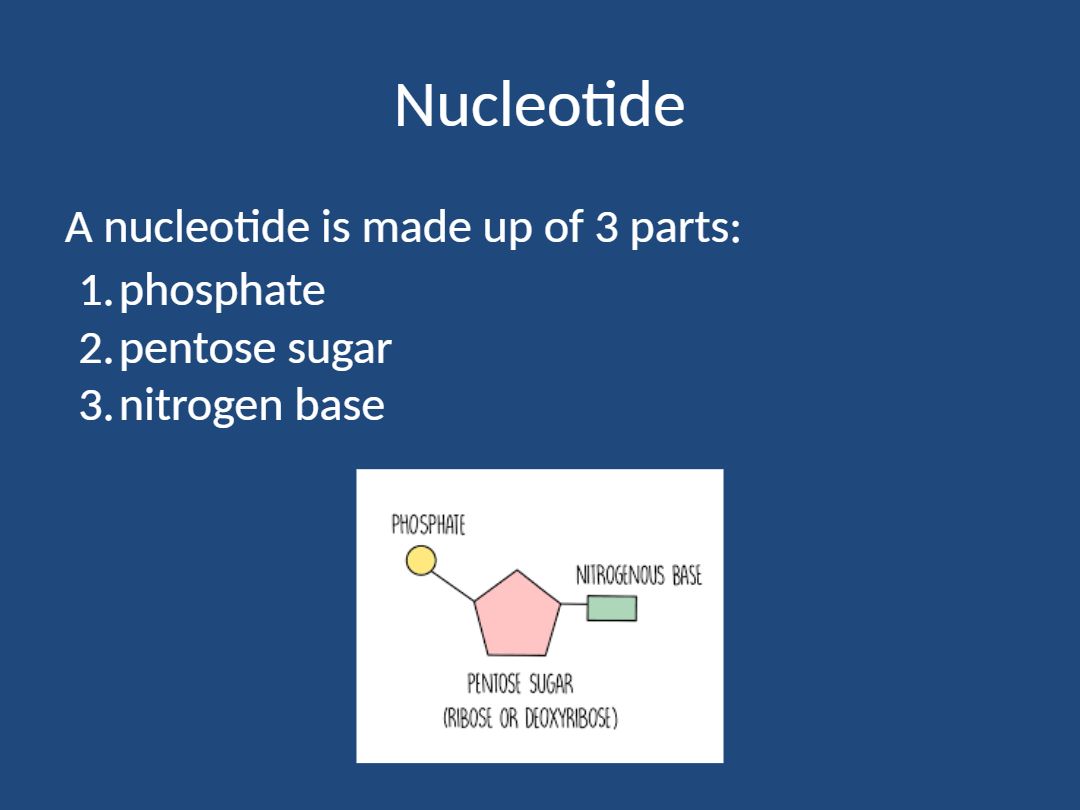
What are the 3 parts of a nucleotide?
phosphate, starch, hydrogen bases
sugar, phosphate, nitrogen base
nitrogen bases, DNA, sugar
none of the above
49
Multiple Choice
50
Multiple Choice
DNA _________________ is the process of copying DNA to prepare for cell division.
replication
duplicity
dynamism
relocation
51
Multiple Choice
Identify the correct order of events for DNA Replication.
1 - DNA unwinds
2 - unzips by breaking hydrogen bonds
3 - adds complementary nucleotides to original strand
4 - coils up
1 - unzips by breaking hydrogen bonds
2 - coils up
3 - adds complementary nucleotides to original strand
4 - DNA unwinds
1 - unzips by breaking hydrogen bonds
2 - DNA unwinds
3 - adds complementary nucleotides to original strand
4 - coils up
1 - coils up
2 - adds complementary nucleotides to original strand
3 - unzips by breaking hydrogen bonds
4 - DNA unwinds
52
Multiple Choice
Do all cells within a single organism have the same DNA?
no, each cell has different DNA because it has differing jobs from other cells
no, only certain types of cells contain the DNA, which is the blueprint or genetic code for the organism
yes, differing cells just read different instructions from the DNA, turning genes on and off
yes, because all cells among any particular species all have the exact same DNA.
53
Multiple Choice
A T C C G
? ? ? ? ?
Identify the correct complementary nucleotides for the parent strand above.
A T C C G
G C T T A
C G A A C
T A G G C
54
Multiple Choice
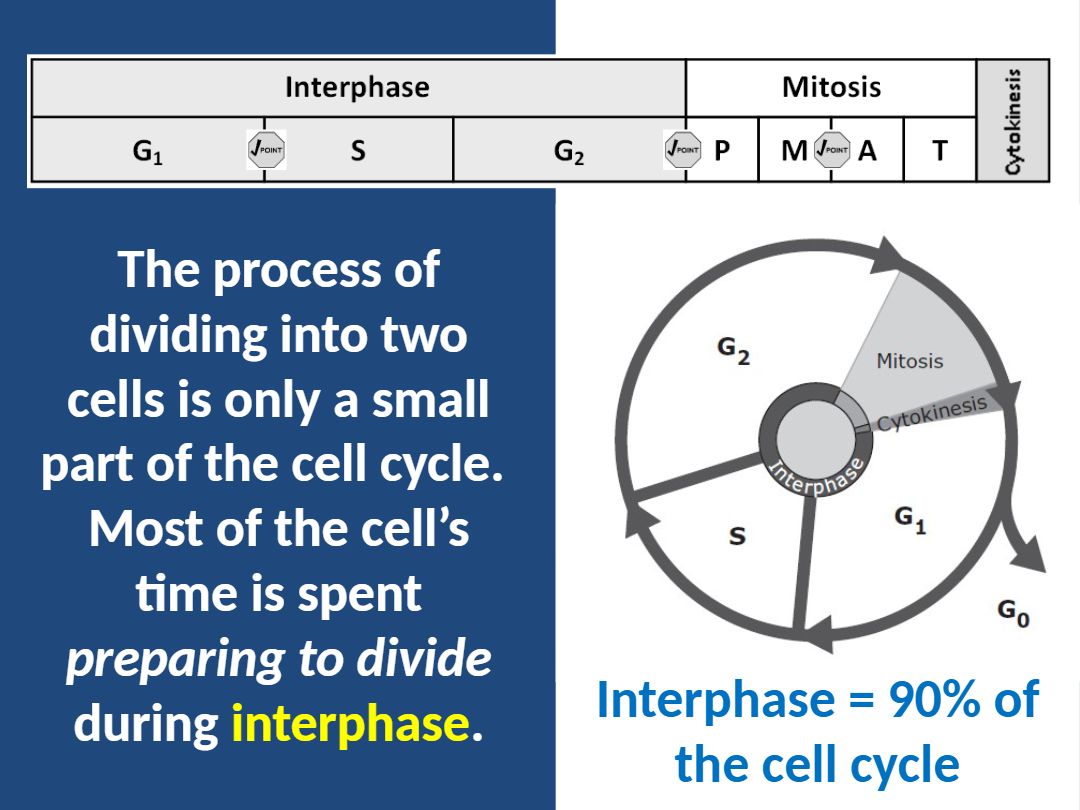
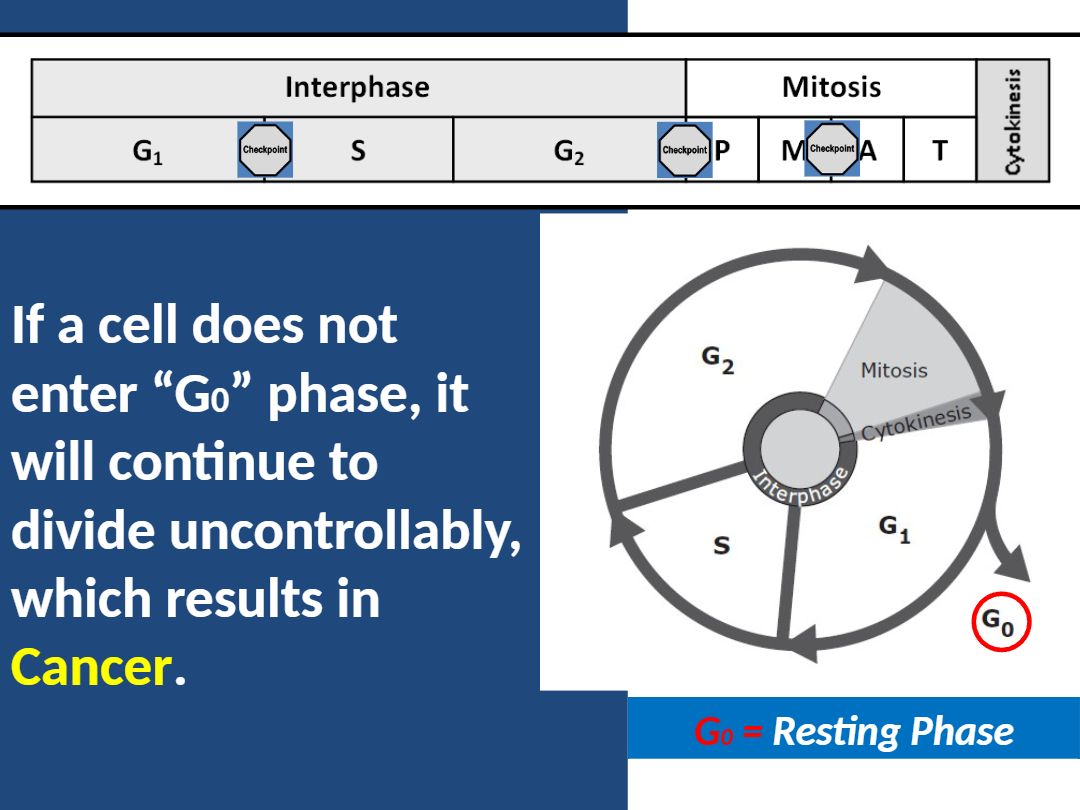
Which of the following is the longest phase in the cell cycle?
G1
G2
Interphase
Mitosis
55
Multiple Choice
G1 phase is the initial ______________ phase.
growth
rest
division
duplication
56
Multiple Choice
What important process occurs during the M phase?
DNA Replication
Mitosis
Growth and repair
Rest and repair
Show answer
Auto Play
Slide 1 / 56
SLIDE

Similar Resources on Wayground
48 questions
How Ecosystems Work
Presentation
•
9th - 12th Grade
53 questions
Nature of Science
Presentation
•
9th - 12th Grade
52 questions
The Atom and Its History
Presentation
•
9th - 12th Grade
49 questions
Thermal Energy and Earth 12.04.2020
Presentation
•
9th - 12th Grade
51 questions
Memory
Presentation
•
9th - 12th Grade
51 questions
Muscle Contractile Unit
Presentation
•
9th - 12th Grade
52 questions
U5L2 Green Rev/GMO/Agriculture Review Lesson
Presentation
•
9th - 12th Grade
Popular Resources on Wayground
10 questions
How much do you know about our Portrait of an Eagle?
Quiz
•
10th Grade
10 questions
Fast Food Slogans
Quiz
•
6th - 8th Grade
21 questions
Continents and Oceans
Quiz
•
6th Grade
20 questions
Parts of Speech
Quiz
•
5th Grade
16 questions
Subject & Predicate
Quiz
•
5th Grade
25 questions
Multiplication Facts
Quiz
•
5th Grade
12 questions
Map Skills
Quiz
•
3rd Grade
22 questions
Continents and Oceans
Quiz
•
5th Grade
Discover more resources for Science
10 questions
Exploring Chemical and Physical Changes
Interactive video
•
6th - 10th Grade
20 questions
Atomic Structure
Quiz
•
9th Grade
10 questions
Decoding the Periodic Table of Elements
Interactive video
•
6th - 10th Grade
10 questions
Exploring the Periodic Table
Interactive video
•
6th - 10th Grade
14 questions
Physical and Chemical Changes
Quiz
•
10th Grade
22 questions
Periodic Table Review
Quiz
•
9th - 12th Grade
20 questions
Observation vs. Inference
Quiz
•
7th - 9th Grade
14 questions
Periodic Trends
Interactive video
•
11th Grade