Cell Differentiation
Presentation
•
Science
•
9th - 12th Grade
•
Practice Problem
•
Medium
+2
Standards-aligned
Chelsea Briggs
Used 6+ times
FREE Resource
17 Slides • 16 Questions
1
2
Multiple Choice
Which factor will most directly determine what type of specialized cell will be produced?
The size of the cell
The number of chromosomes that are replicated
The length of the cell cycle
The genes that are expressed
3
Multiple Choice
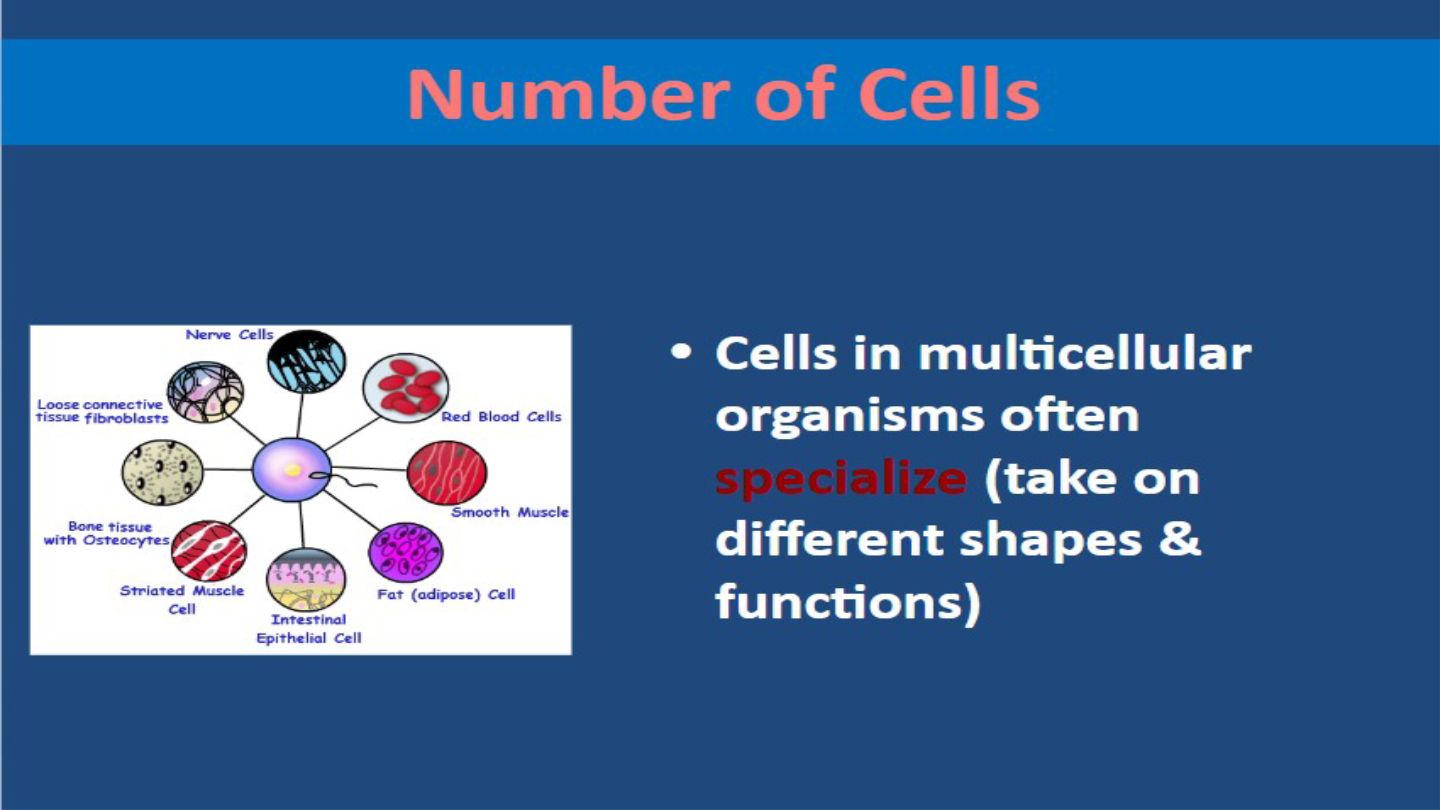
Why is understanding cell specialization important in biology?
It helps explain how organisms develop different tissues and organs.
It shows how all cells are identical in function.
It proves that cells do not change over time.
It demonstrates that only plant cells can specialize.
4
5
6
7
8
Multiple Choice
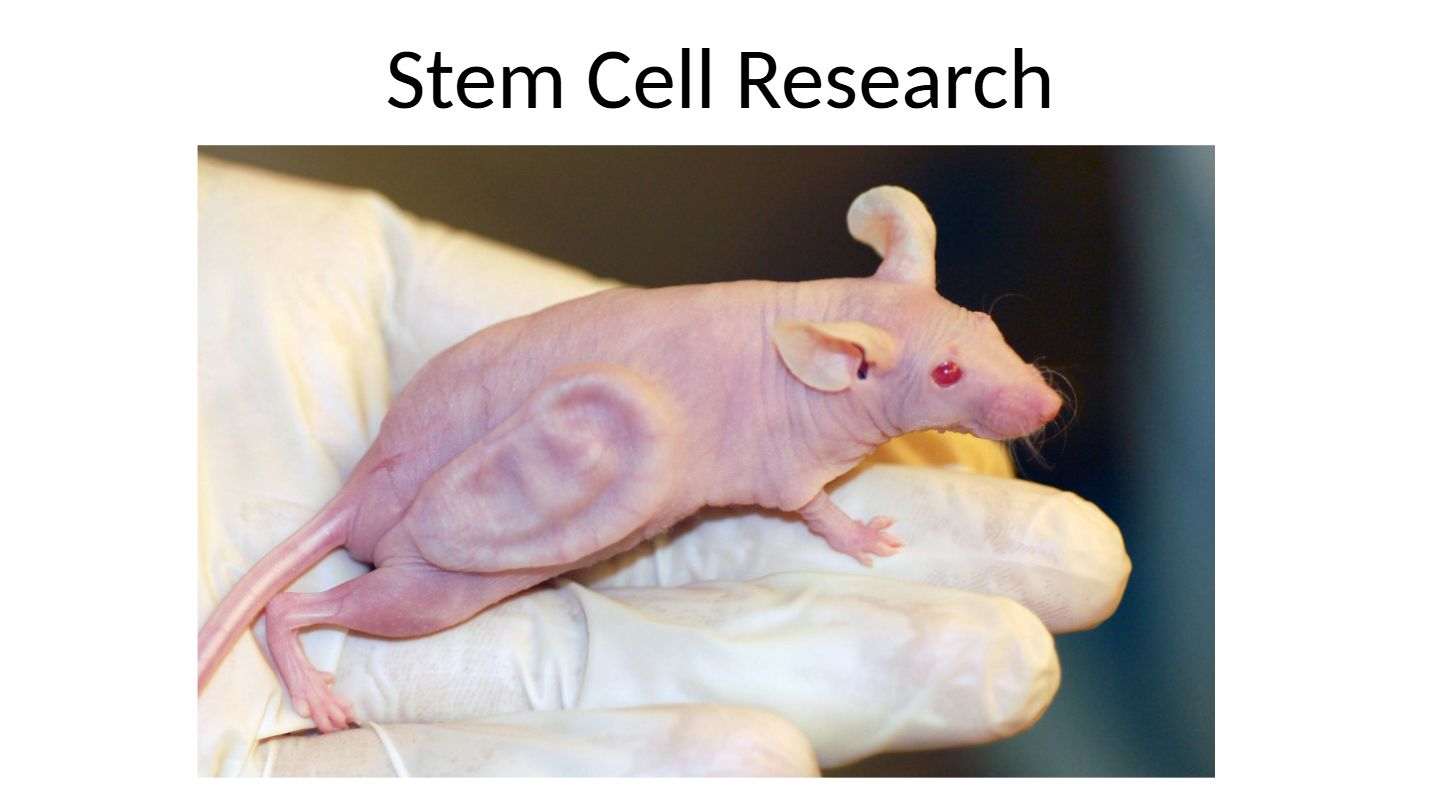
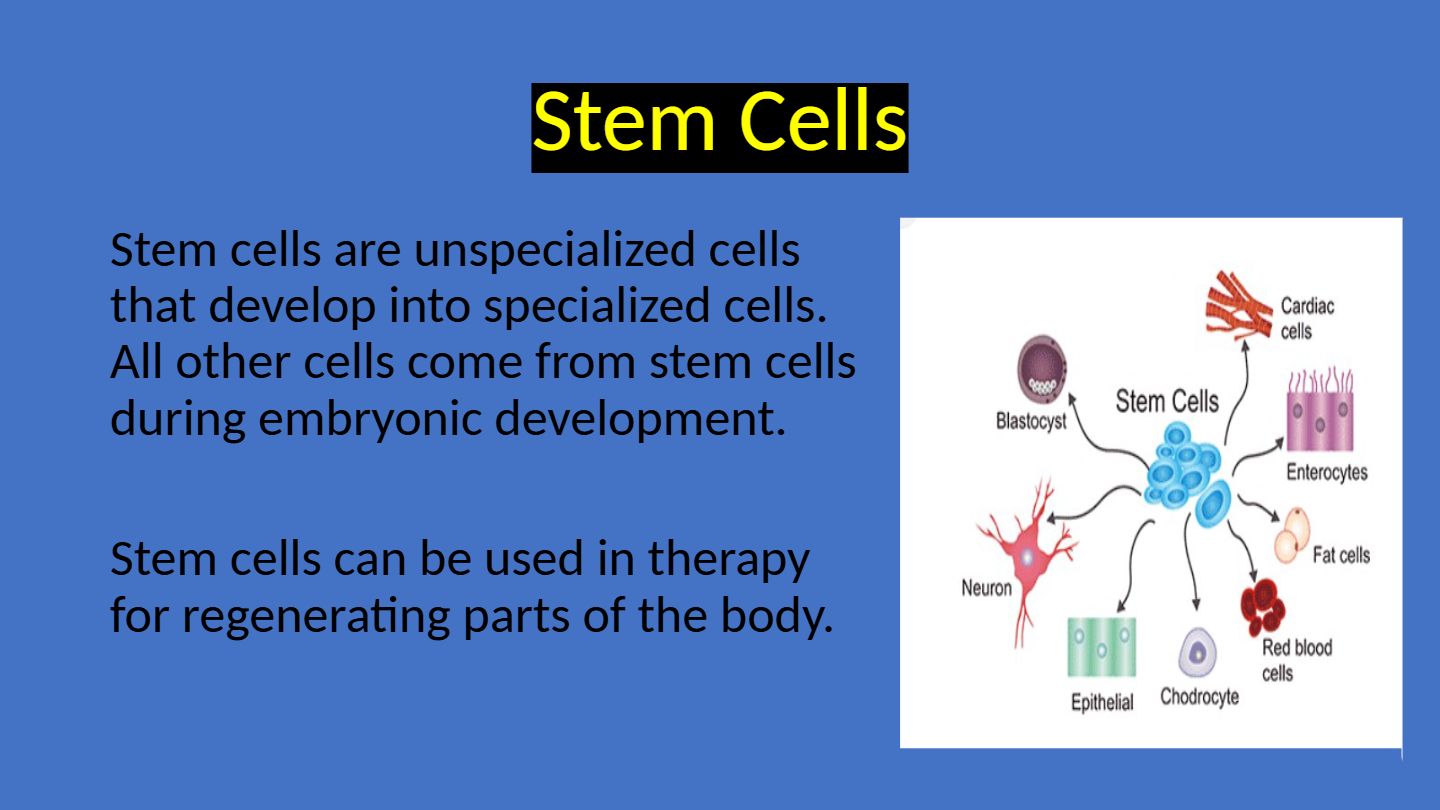
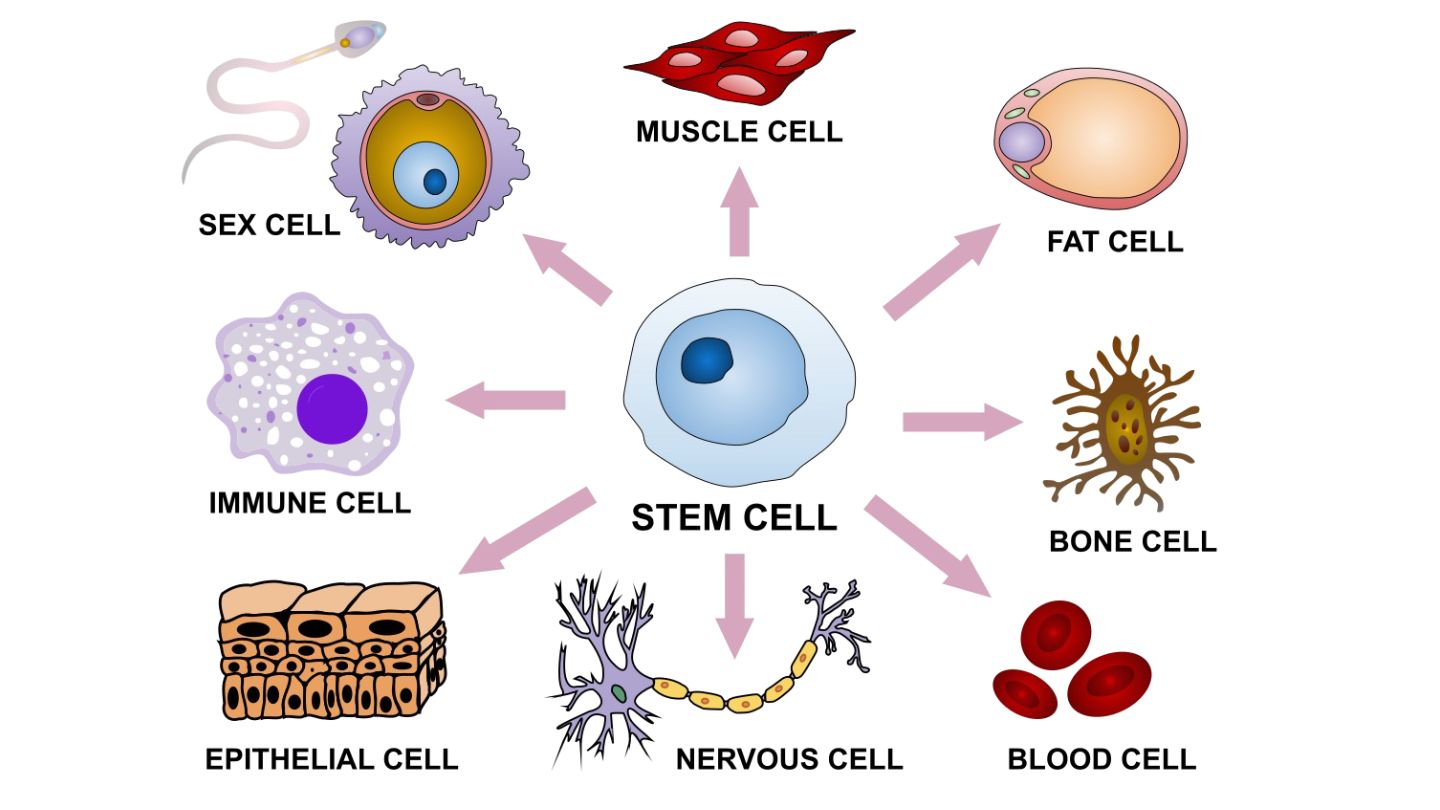
What is the main purpose of stem cell research as shown in the image?
To study how stem cells can regenerate tissues or organs
To observe animal behavior
To test new medicines on animals
To study animal genetics
9
10
Fill in the Blanks
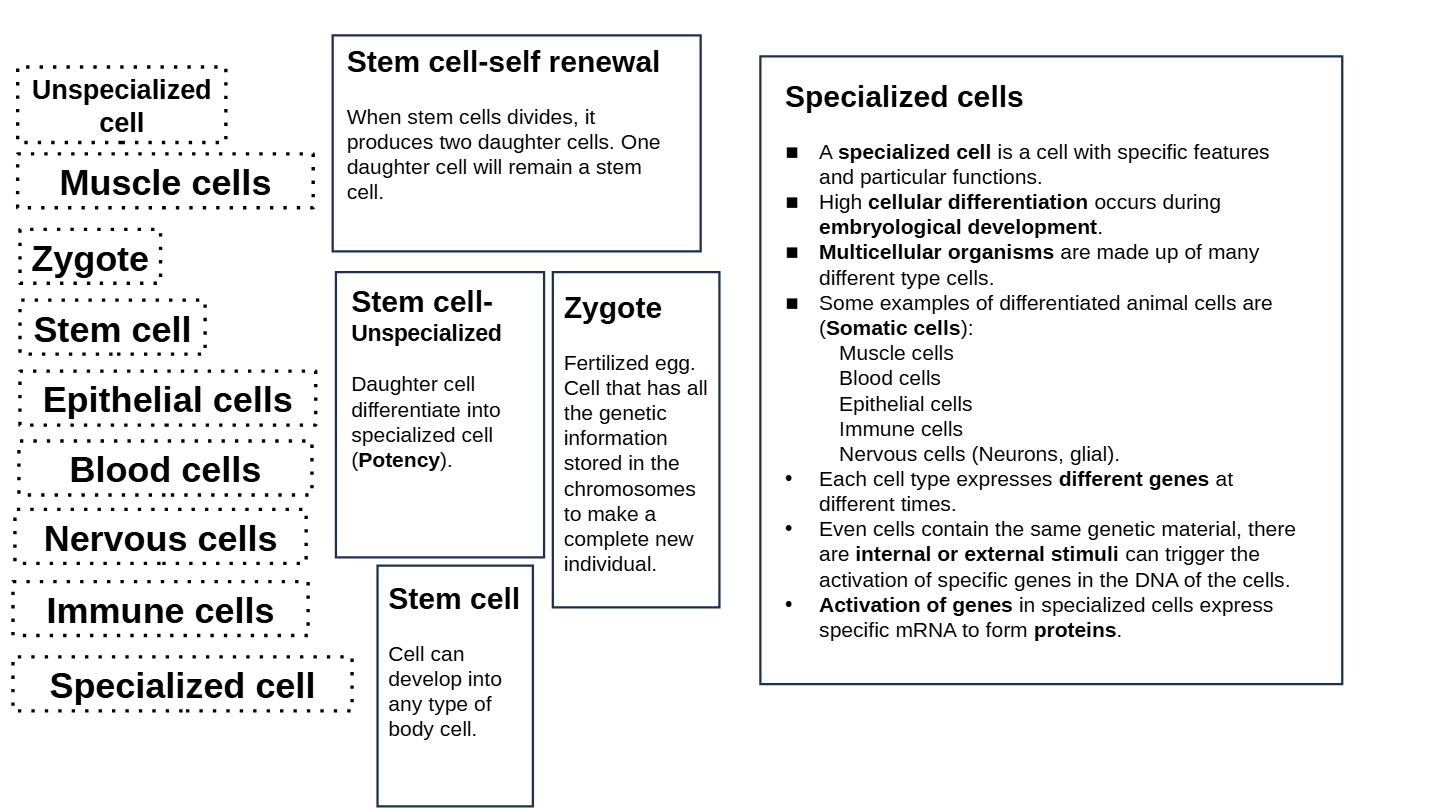
Stem cells are unspecialized cells that develop into
Type answer...
11
12
Multiple Select
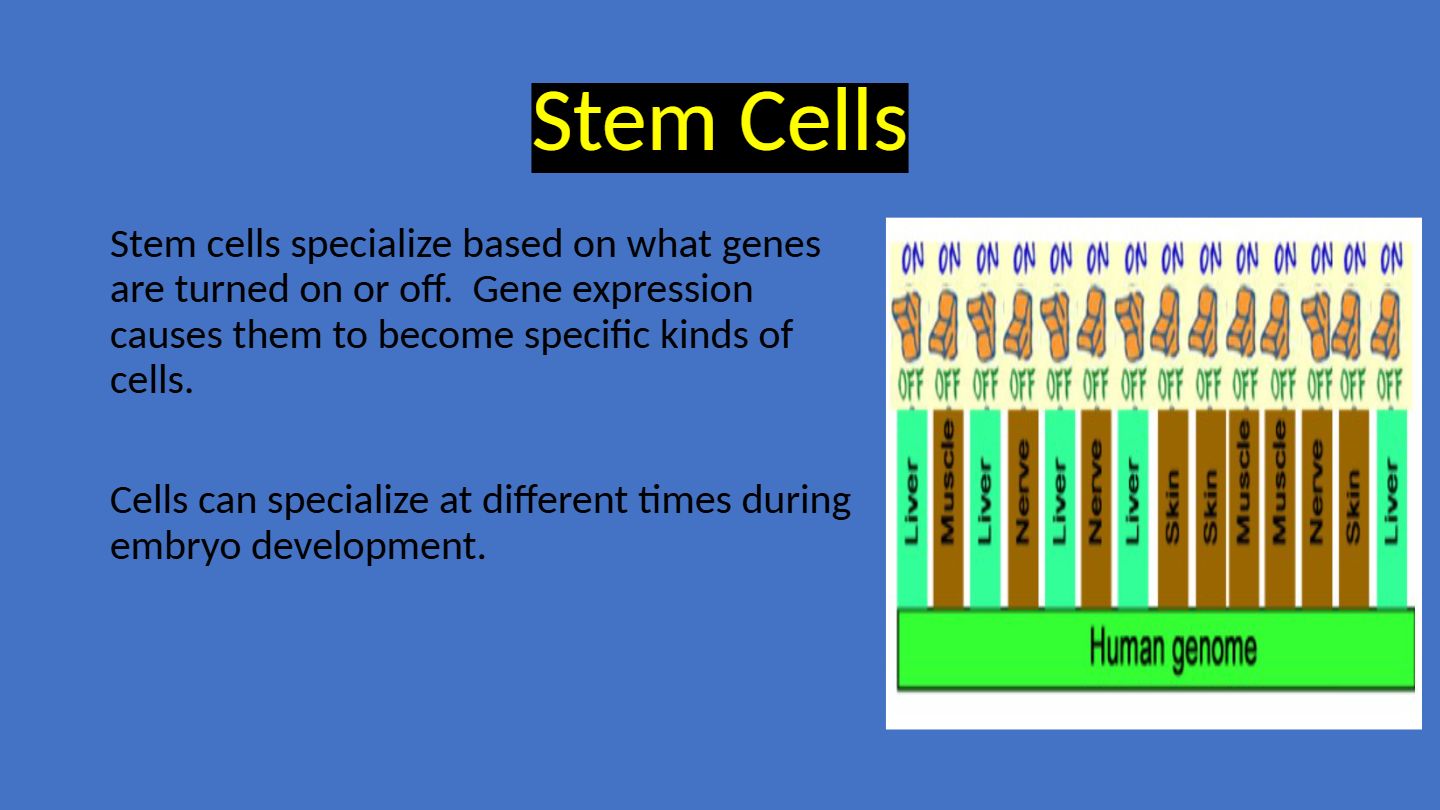
Which of the following statements about stem cells and gene expression are correct?
Stem cells specialize based on gene expression.
Gene expression causes stem cells to become specific kinds of cells.
Cells can only specialize at one time during embryo development.
Cells can specialize at different times during embryo development.
13
14
15
Multiple Choice
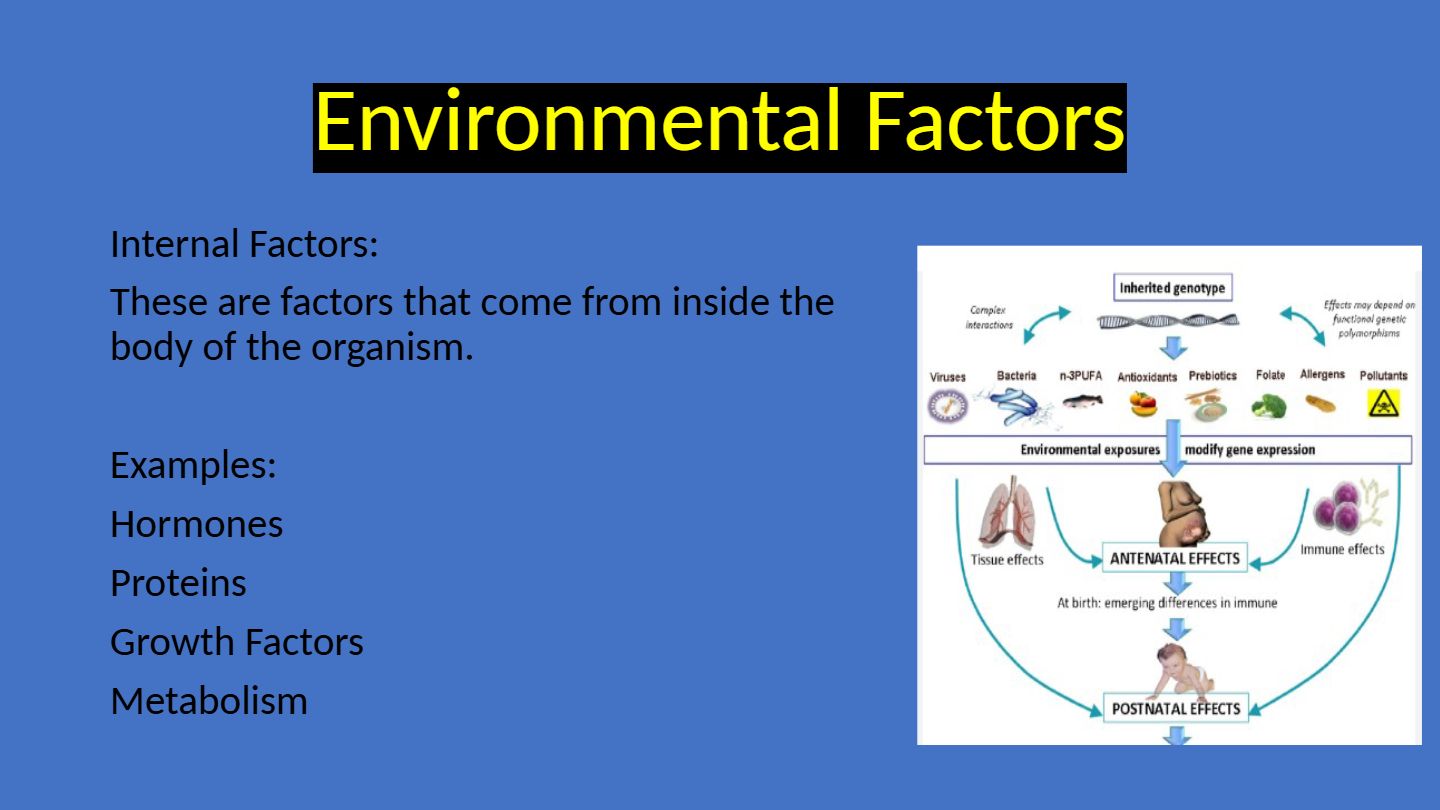
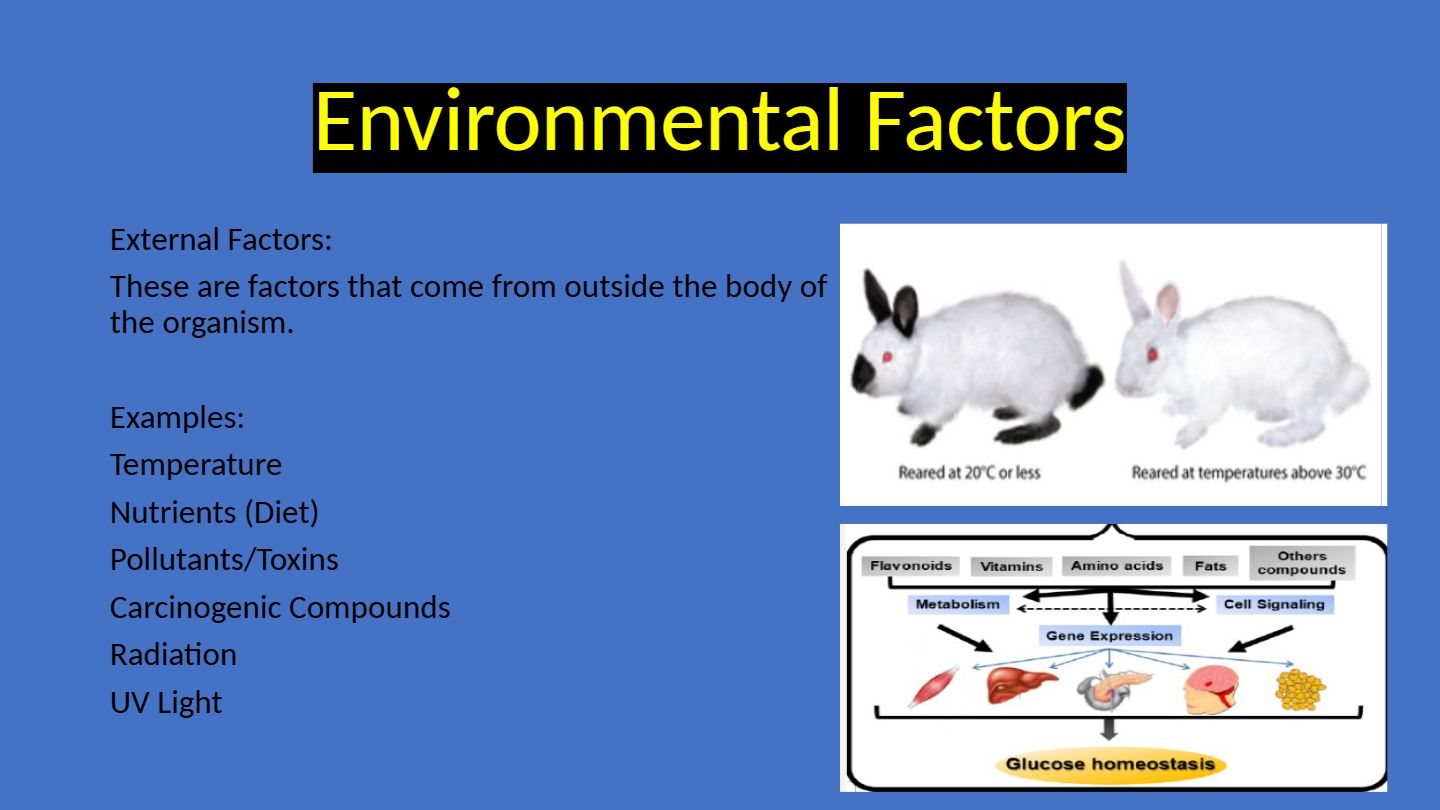
Which of the following is an example of an internal environmental factor affecting organisms?
Hormones
Temperature
Radiation
UV Light
16
17
Multiple Choice
Which of the following is NOT an example of an external environmental factor?
Nutrients (Diet)
Carcinogenic Compounds
Growth Factors
Radiation
18
19
Multiple Select
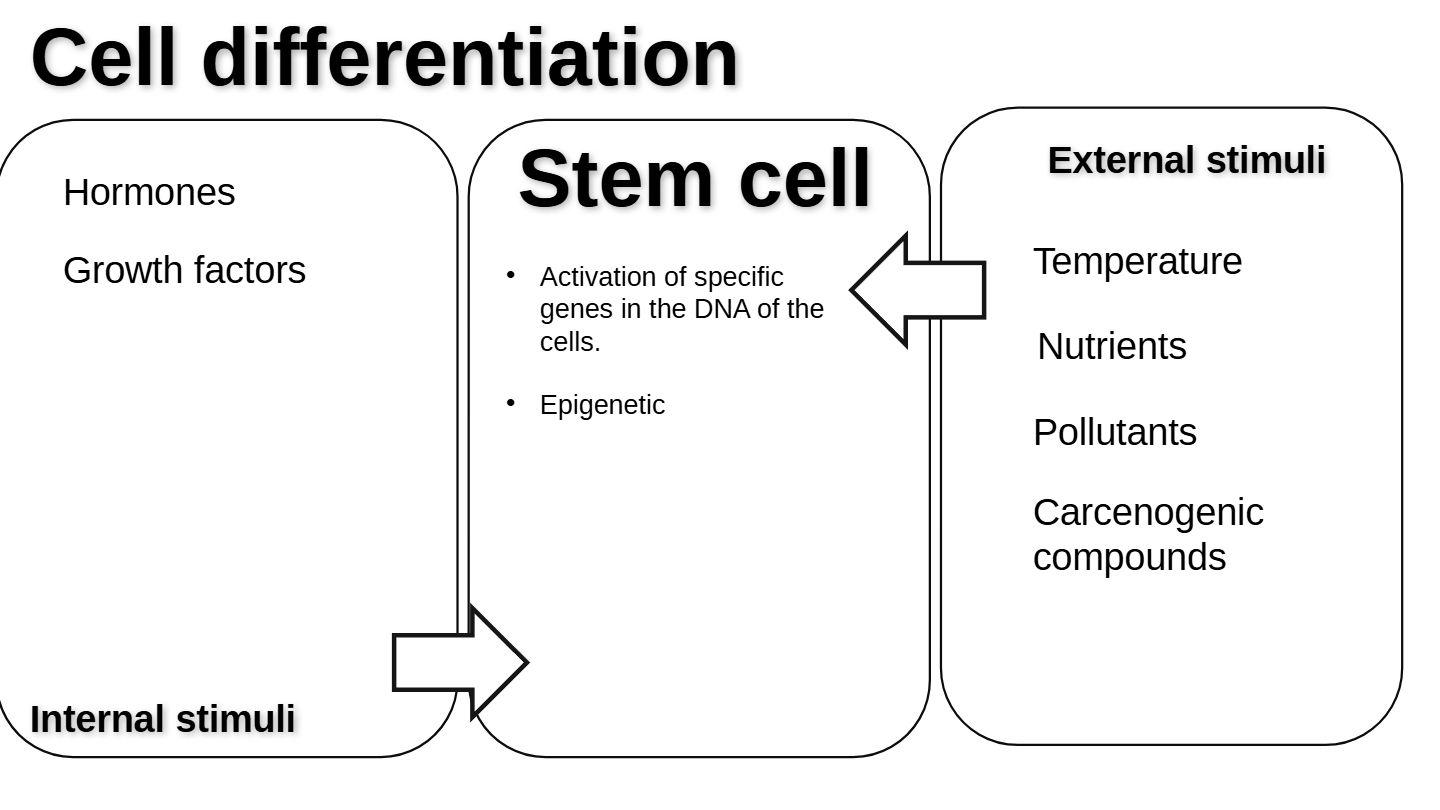
Which of the following are examples of external stimuli that can influence cell differentiation?
Temperature
Hormones
Nutrients
Pollutants
20
21
Fill in the Blanks
The process by which a stem cell becomes a muscle cell is called
Type answer...
22
23
Multiple Choice
Which cell type can a stem cell NOT differentiate into?
Muscle cell
Blood cell
Bone cell
Virus
24
25
26
27
28
Fill in the Blanks
A cell that can develop into any type of body cell is called a
29
Multiple Choice
What is one way that cell specialization can occur?
Through cell differentiation
Through mitosis only
By random mutation
Through photosynthesis
30
Multiple Choice
The table shows a comparison of muscle cells and blood cells. Based on the table, which conclusion can be made?
The gene that codes for glucagon is active only in muscle cells.
The gene that codes for hemoglobin is absent from both cell types.
The factors that regulate gene expression for glycolysis enzymes are active in muscle and blood cells.
The factors that regulate gene expression for muscle proteins are active in red and white blood cells.
31
Multiple Choice
As unspecialized cells mature, what controls their development into specific cell types?
The rate at which the cells grow
The genes expressed within the cells
The nutrients available to the cells
The age of neighboring cells
32
Multiple Choice
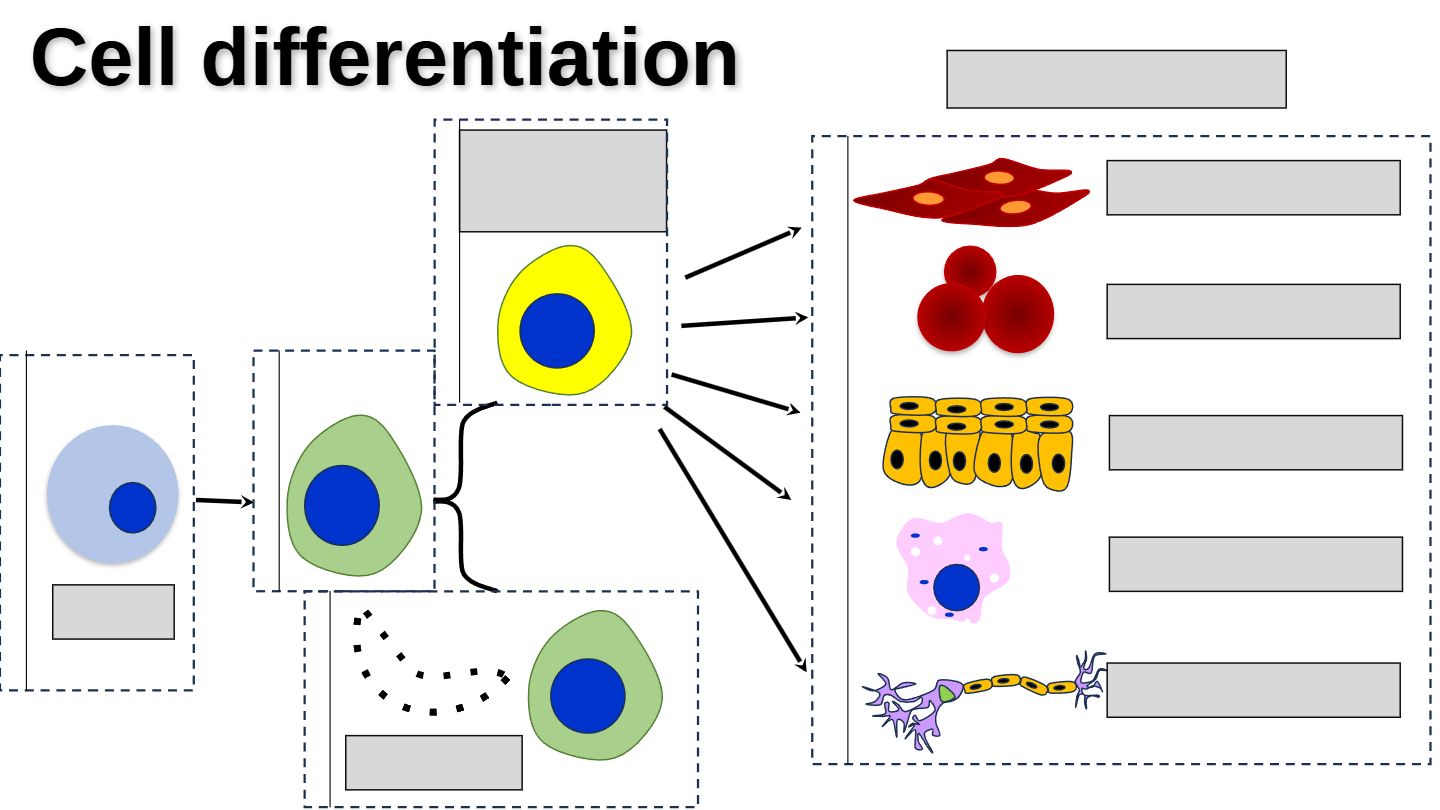
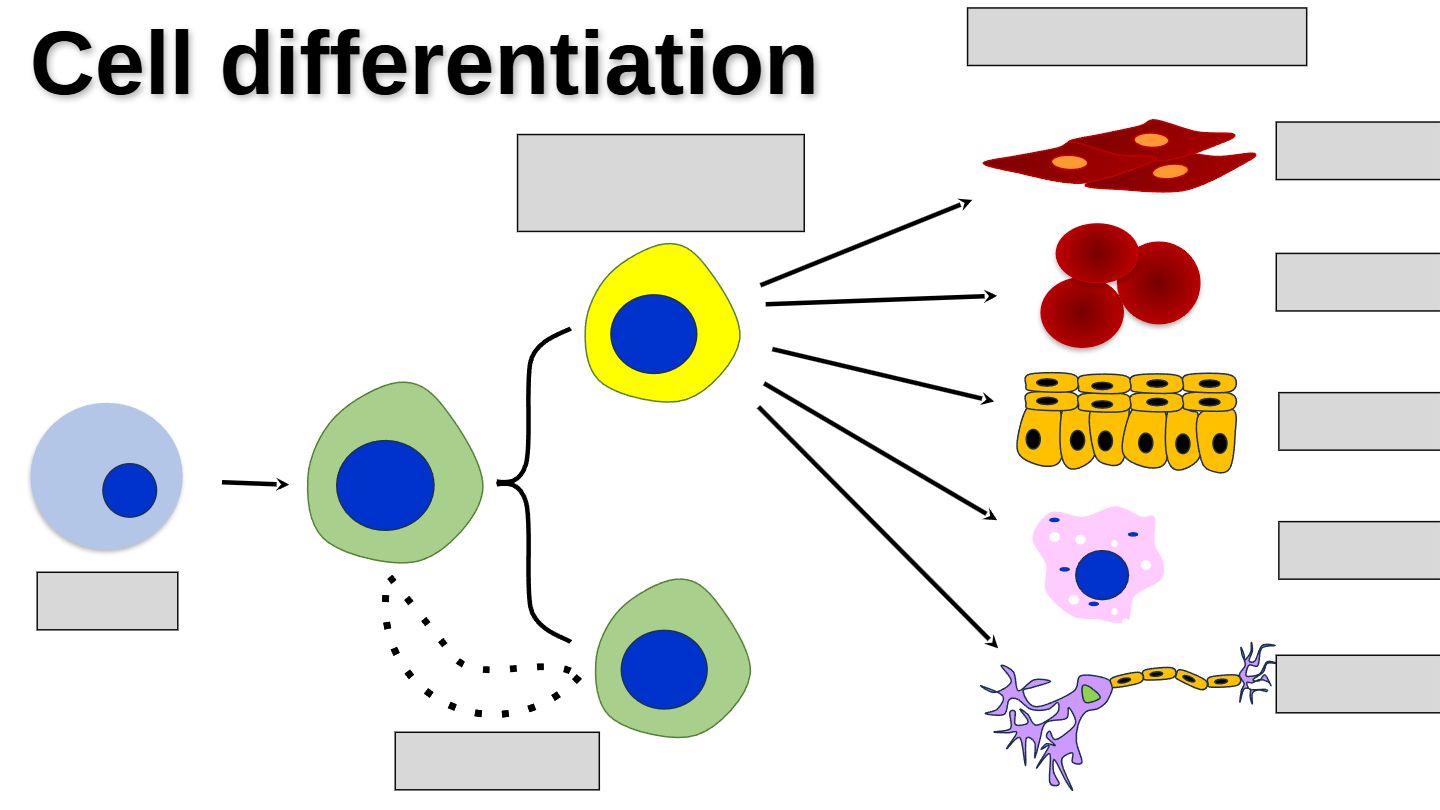
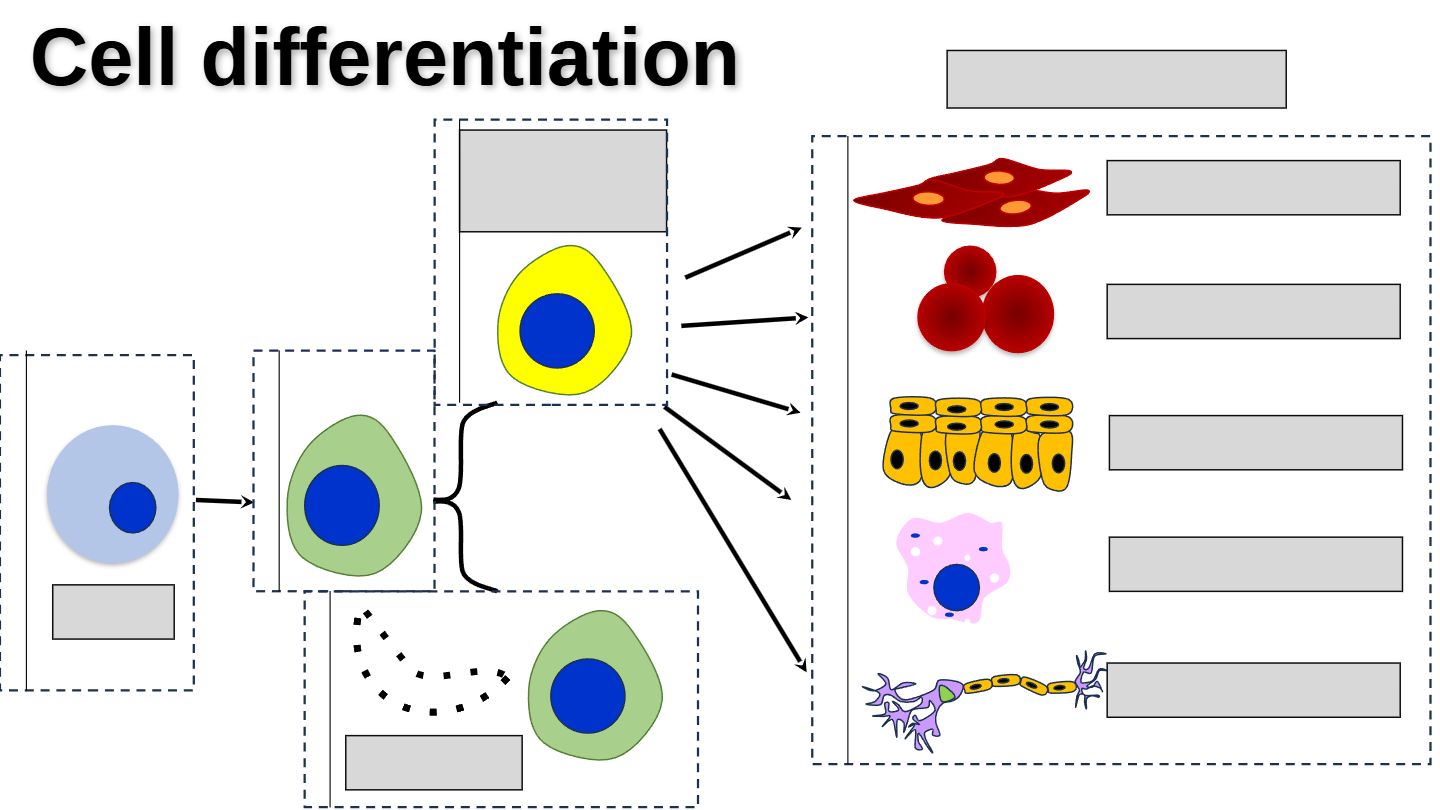
The diagram shows a process that occurs during the development of an organism. Which statement explains how the different cell types in the image are formed?
Each cell type uses its own unique replication process.
Each cell type contains a different part of the original DNA.
Each cell type expresses different genes at different times.
Each cell type has different enzymes to replicate genetic material.
33
Multiple Choice
The diagram shows how specialized body cells can develop. Which of the following best explains why cells that contain the same genetic material do not develop into the same types of cells?
A. Because internal or external stimuli can trigger the activation of specific genes in the DNA of cells
B. Because random mutations can occur in the DNA of cells during early embryonic development
Because messenger RNA is converted to transfer RNA when cell differentiation begins
Because chemical signals that are released during the cell cycle can result in the linking of similar genes
Show answer
Auto Play
Slide 1 / 33
SLIDE

Similar Resources on Wayground
23 questions
Plastic Pollution Awareness
Presentation
•
KG - 12th Grade
25 questions
Bohr Models
Presentation
•
10th - 12th Grade
30 questions
Eukaryotic Cell Structure
Presentation
•
9th - 12th Grade
30 questions
Evidence of Evolution
Presentation
•
9th - 12th Grade
25 questions
Biome Quiz Review
Presentation
•
9th - 12th Grade
24 questions
Ecology
Presentation
•
10th - 12th Grade
24 questions
Cell Cycle: Checkpoints and Cancer
Presentation
•
9th - 12th Grade
23 questions
Forensics: Observation
Presentation
•
9th - 12th Grade
Popular Resources on Wayground
10 questions
How much do you know about our Portrait of an Eagle?
Quiz
•
10th Grade
10 questions
Fast Food Slogans
Quiz
•
6th - 8th Grade
21 questions
Continents and Oceans
Quiz
•
6th Grade
20 questions
Parts of Speech
Quiz
•
5th Grade
16 questions
Subject & Predicate
Quiz
•
5th Grade
25 questions
Multiplication Facts
Quiz
•
5th Grade
12 questions
Map Skills
Quiz
•
3rd Grade
22 questions
Continents and Oceans
Quiz
•
5th Grade
Discover more resources for Science
10 questions
Exploring Chemical and Physical Changes
Interactive video
•
6th - 10th Grade
20 questions
Atomic Structure
Quiz
•
9th Grade
10 questions
Decoding the Periodic Table of Elements
Interactive video
•
6th - 10th Grade
10 questions
Exploring the Periodic Table
Interactive video
•
6th - 10th Grade
14 questions
Physical and Chemical Changes
Quiz
•
10th Grade
22 questions
Periodic Table Review
Quiz
•
9th - 12th Grade
20 questions
Observation vs. Inference
Quiz
•
7th - 9th Grade
14 questions
Periodic Trends
Interactive video
•
11th Grade