

Passive Transport

Presentation
•
Science
•
9th - 12th Grade
•
Practice Problem
•
Easy
Standards-aligned

Chelsea Briggs
Used 6+ times
FREE Resource
22 Slides • 20 Questions
1

2
3
4
Multiple Select
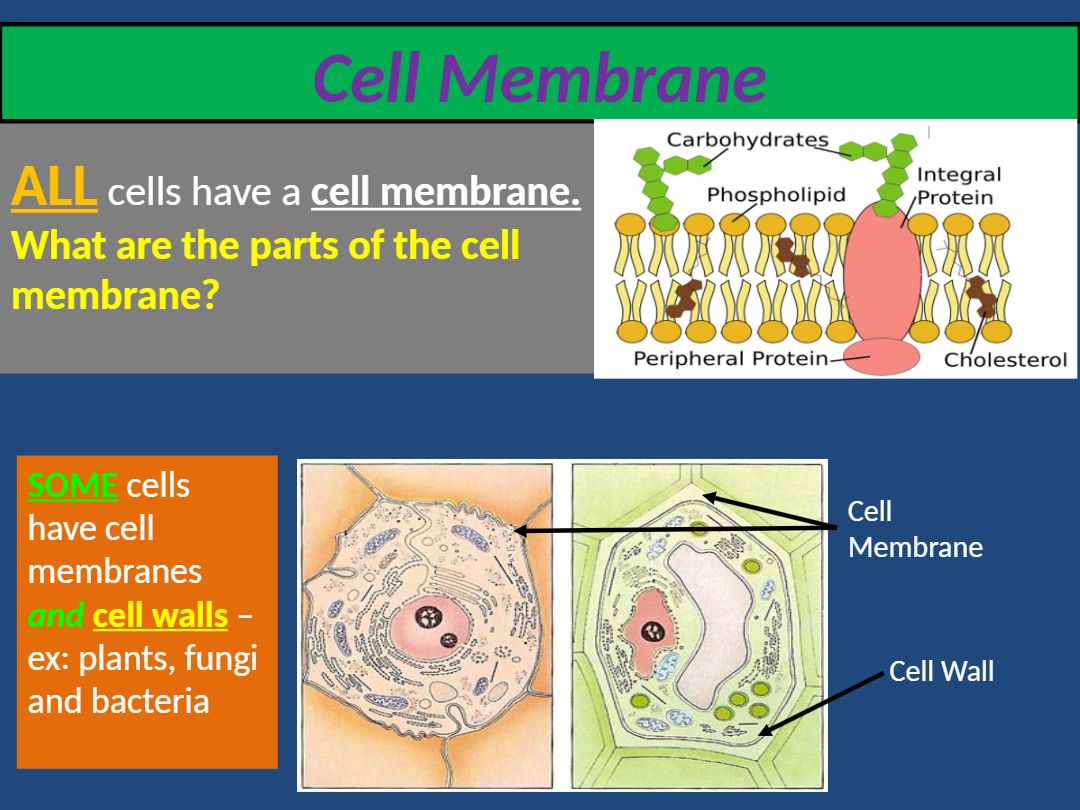
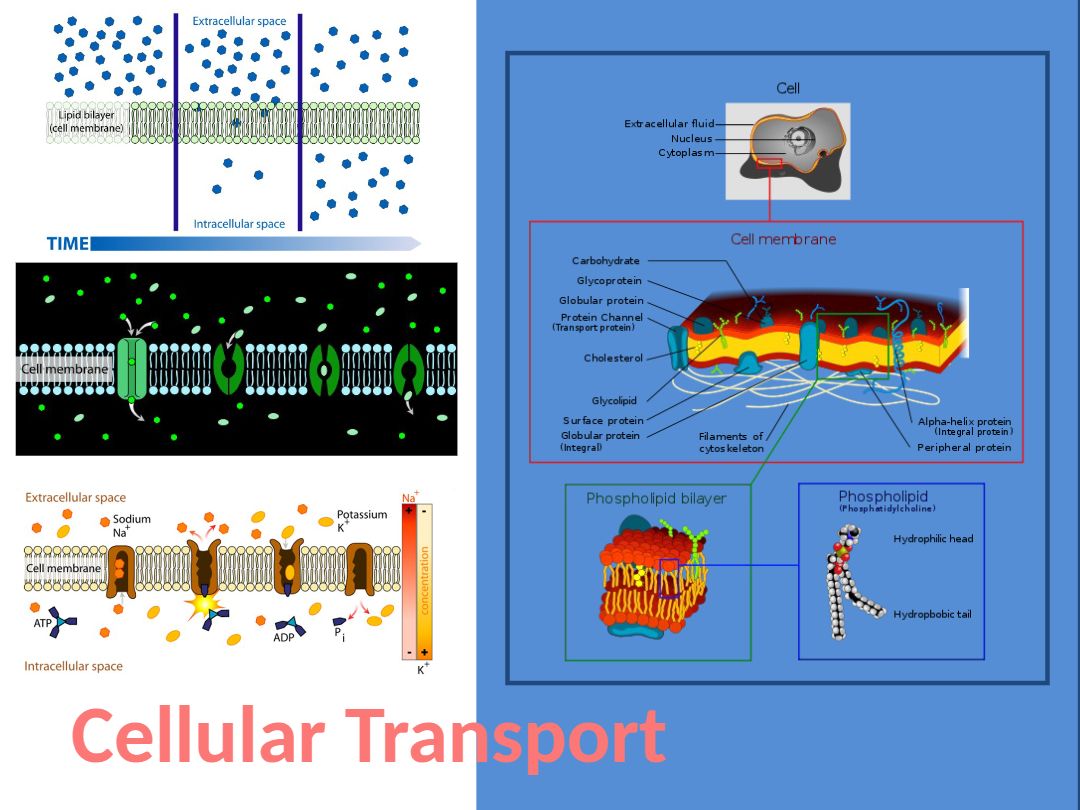
Which of the following are components of the cell membrane?
Phospholipids
Cholesterol
Proteins
Carbohydrates
5
Multiple Choice
What are the specific parts of the cell membrane?
Phospholipid, Integral Protein, Peripheral Protein, Carbohydrates, Cholesterol
Nucleus, Mitochondria, Ribosomes, Cytoplasm
Cell Wall, Cytoskeleton, Lysosome, Vacuole
DNA, RNA, Flagellum, Capsule
6
Open Ended
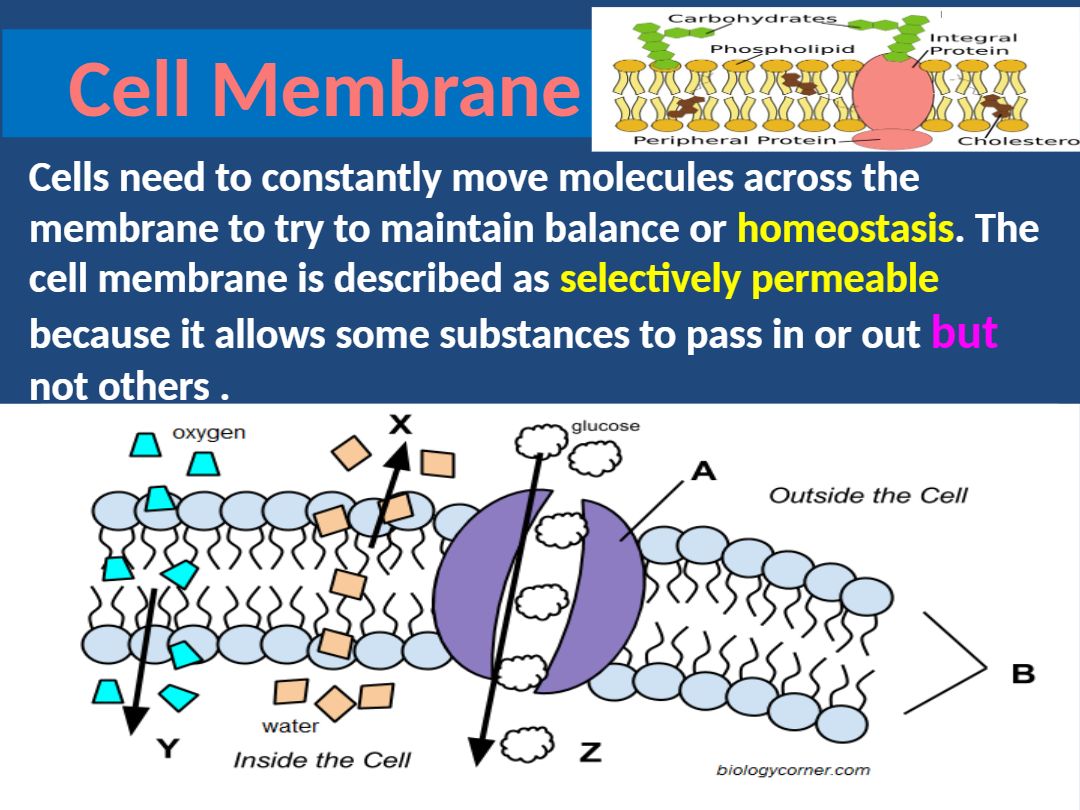
What is the main function of the cell membrane?
7
8
9
10
11
Open Ended
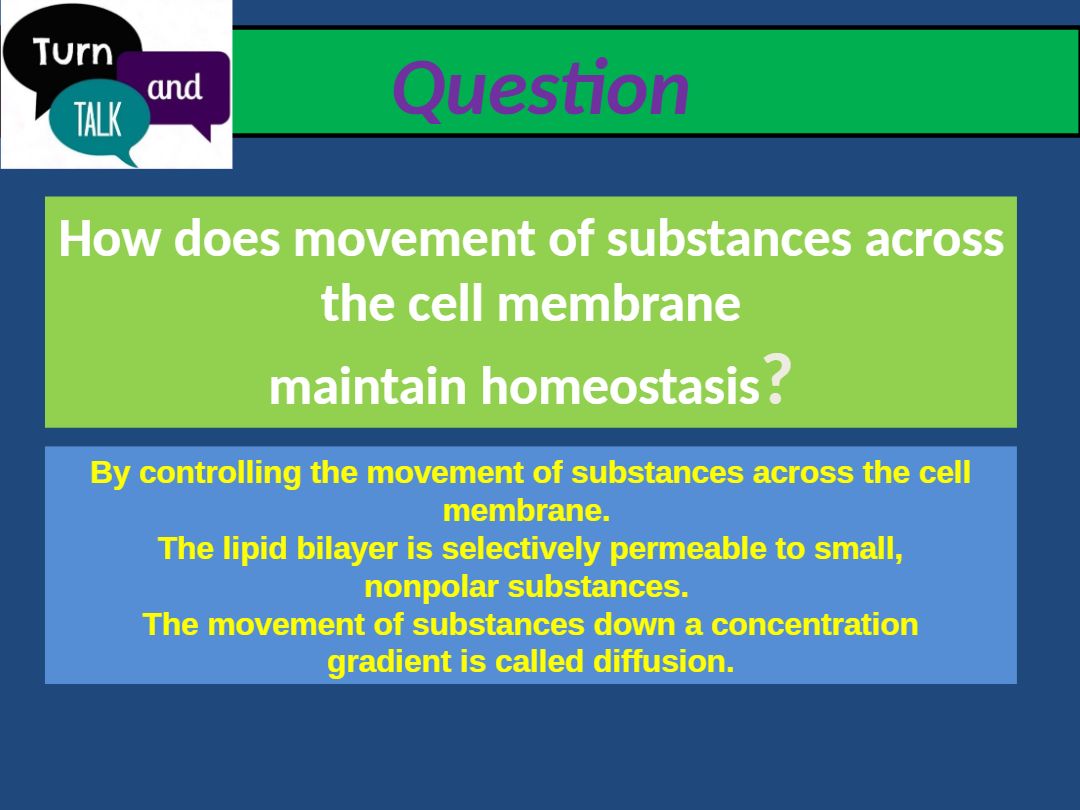
Explain how the movement of substances across the cell membrane helps maintain homeostasis.
12
13
Open Ended
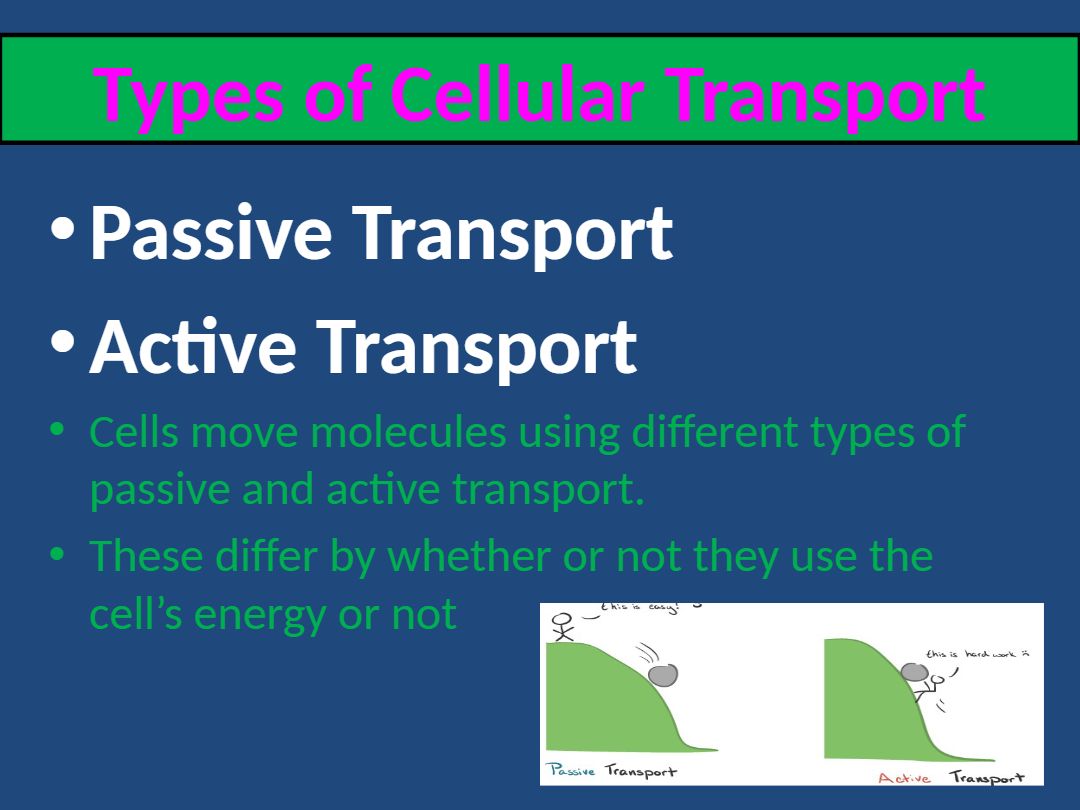
How does the Cell Membrane Permit Cellular Transport?
14
15
16
Fill in the Blanks
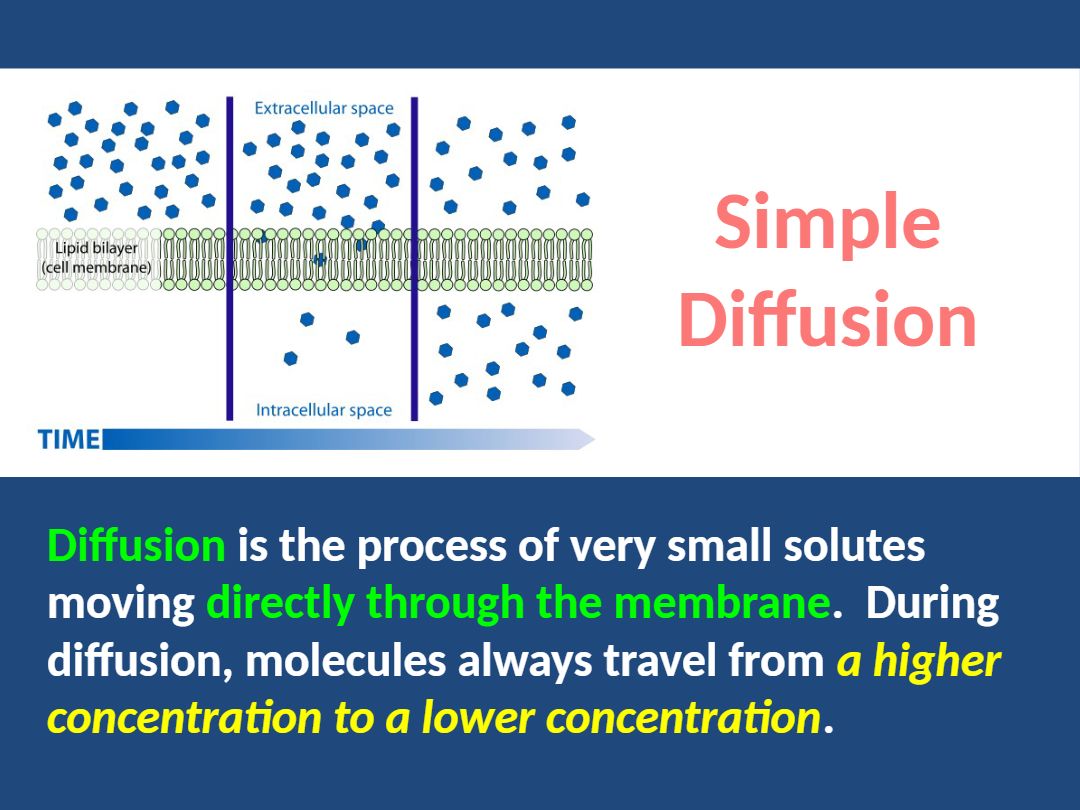
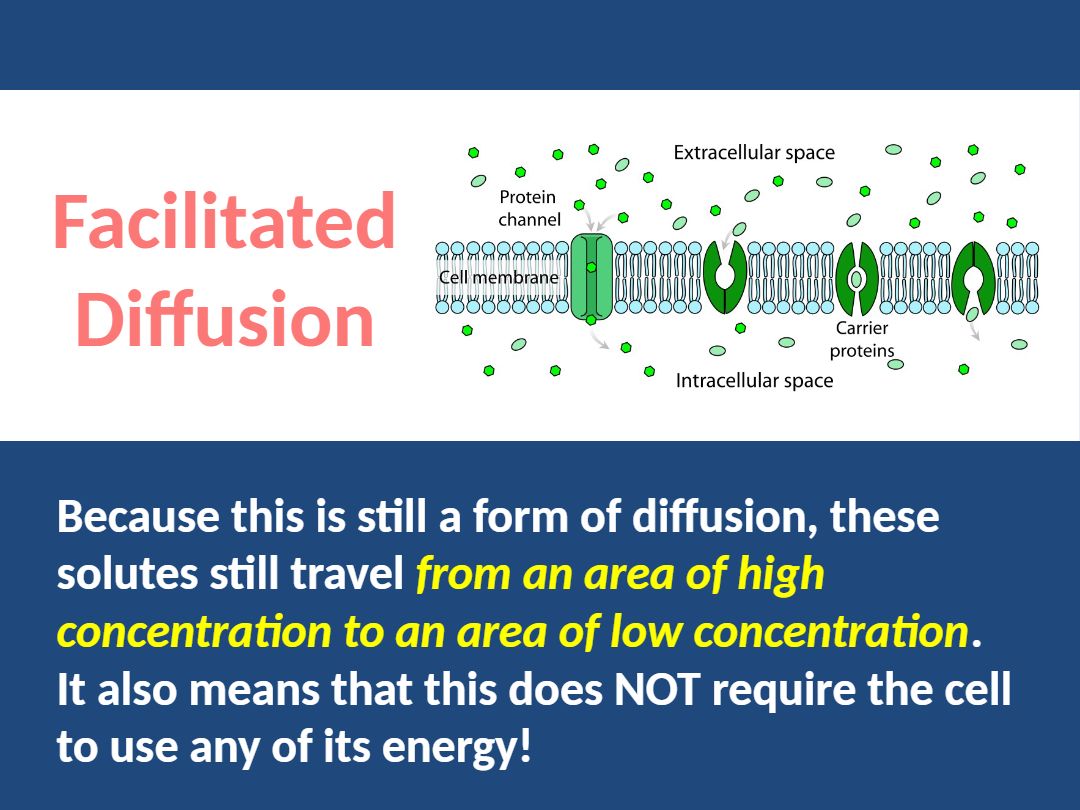
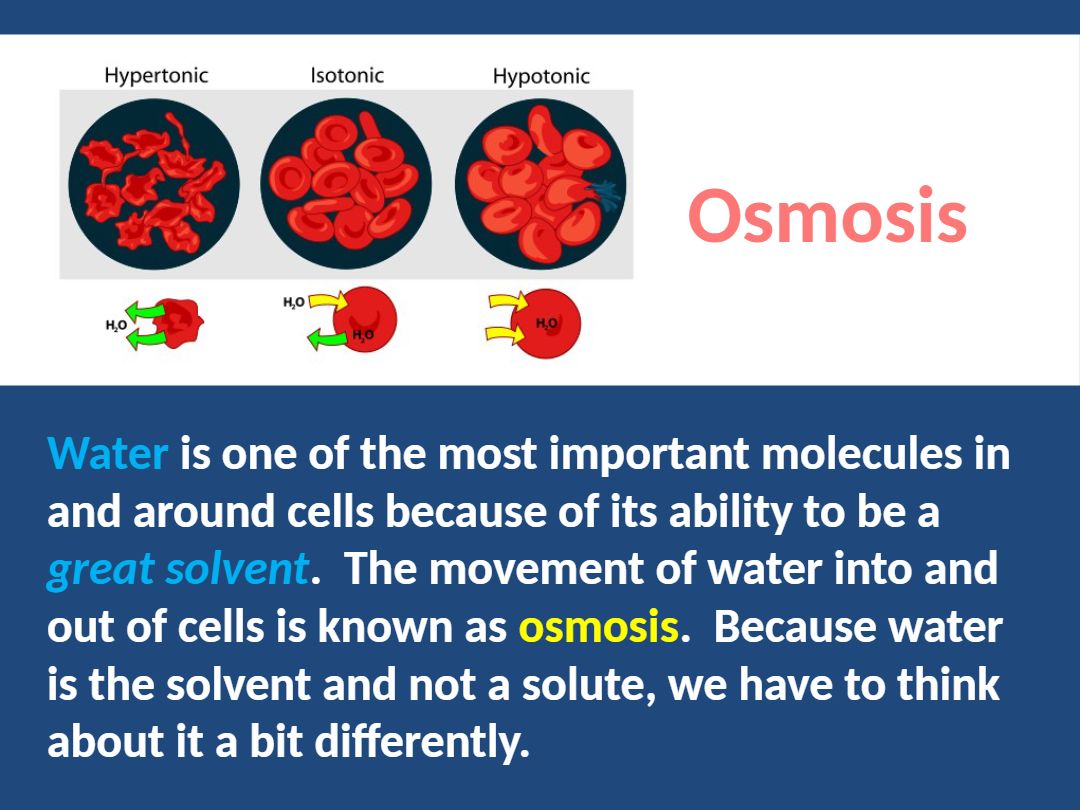
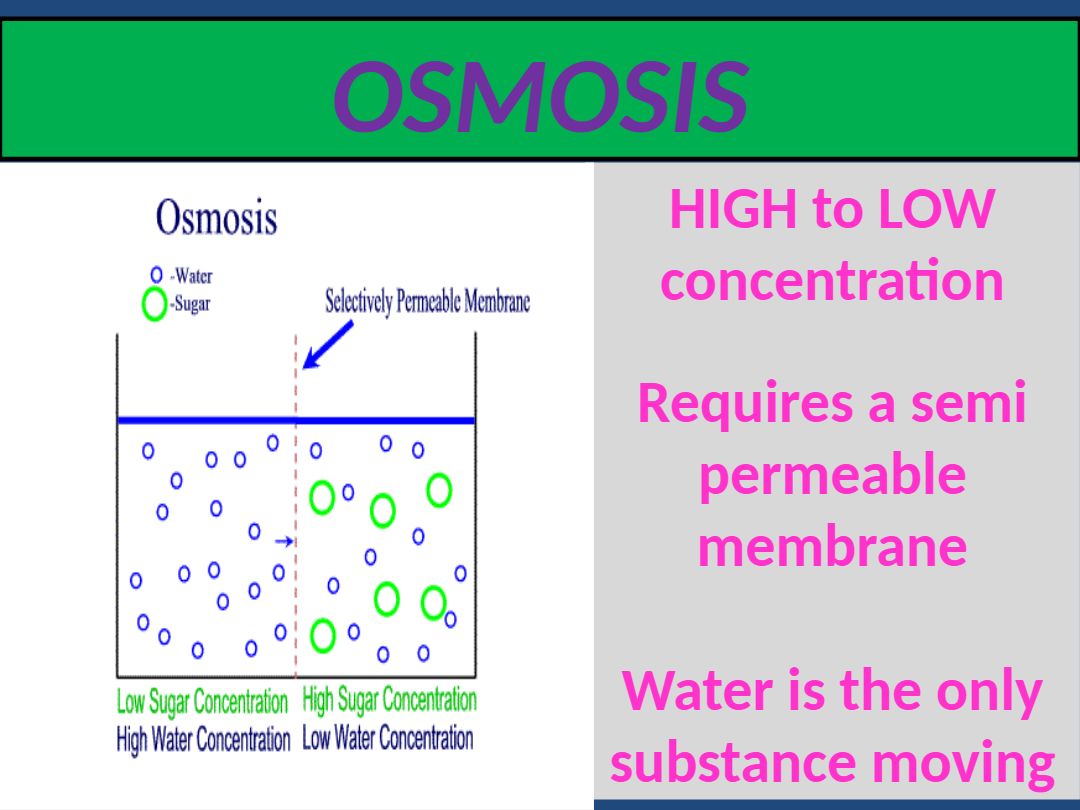
During diffusion, molecules move from a region of ___ concentration to a region of ___ concentration.
17
Open Ended
Write a summary explaining simple diffusion.
18
19
20
21
Fill in the Blanks
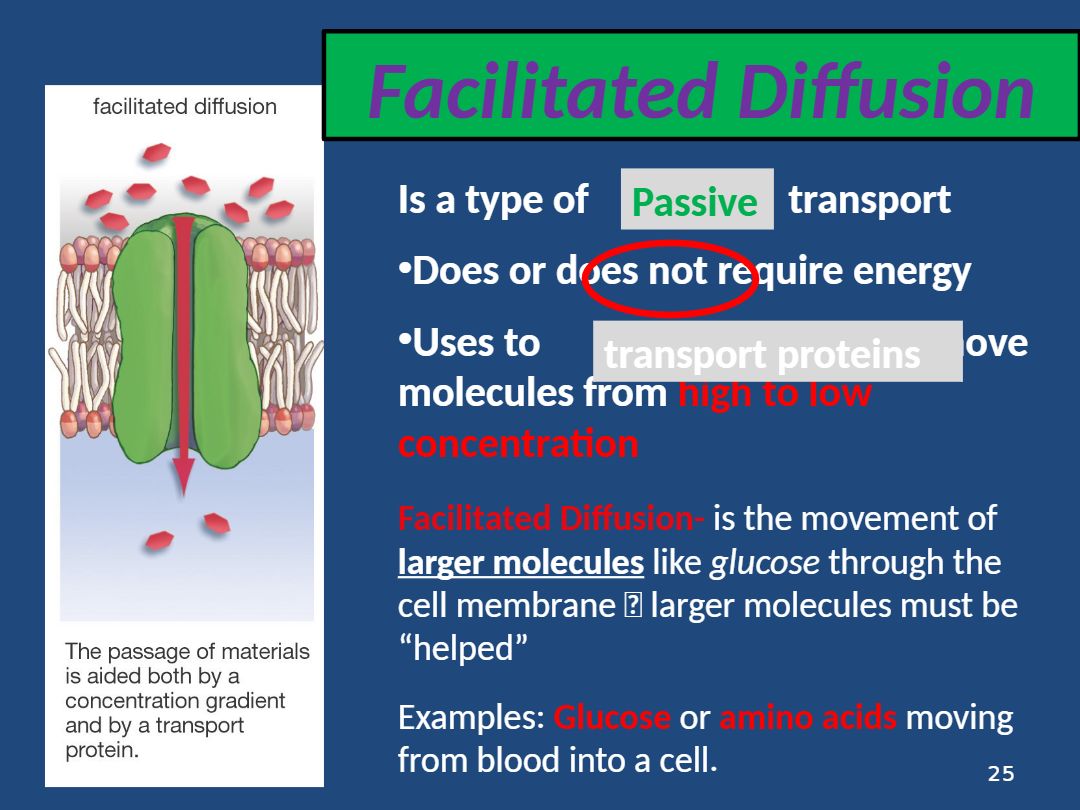
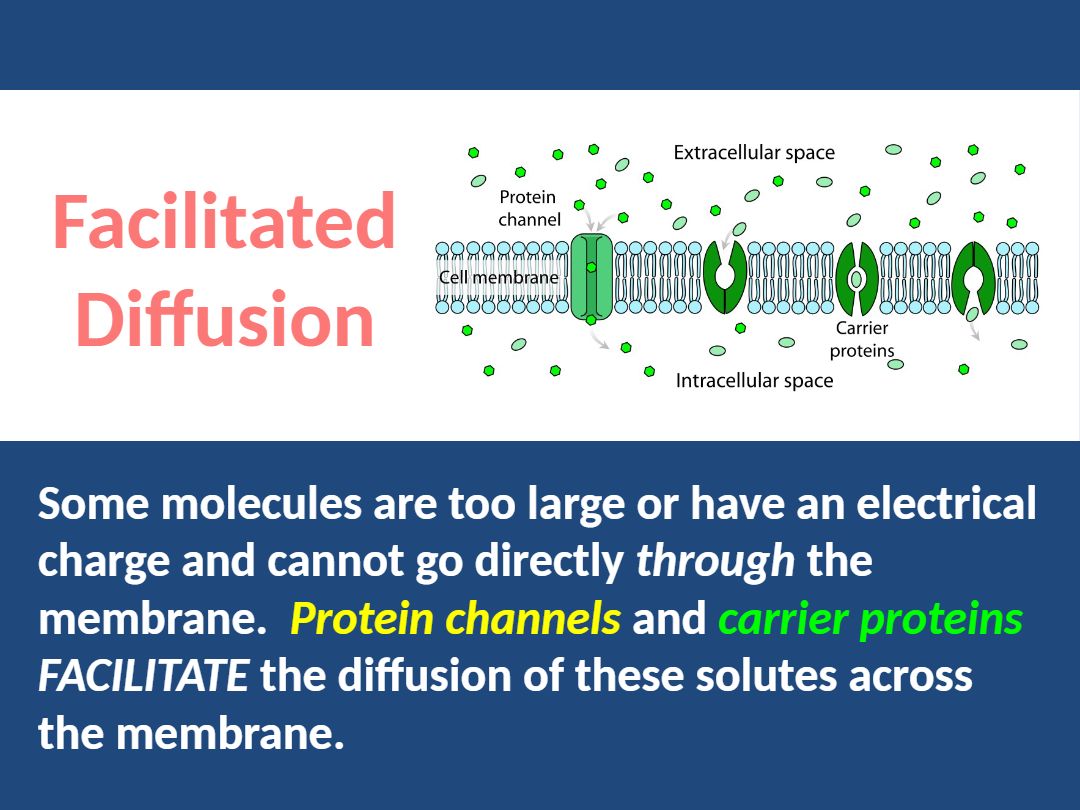
Facilitated diffusion requires the presence of
22
Multiple Select
Which of the following are characteristics of facilitated diffusion?
Requires energy
Uses transport proteins
Moves molecules from high to low concentration
Moves only small molecules
23
Multiple Choice
Why do chemicals move from areas of high concentration to areas of low concentration across a cell membrane?
To reach equilibrium
To use more energy
To increase concentration difference
To prevent osmosis
24
Open Ended
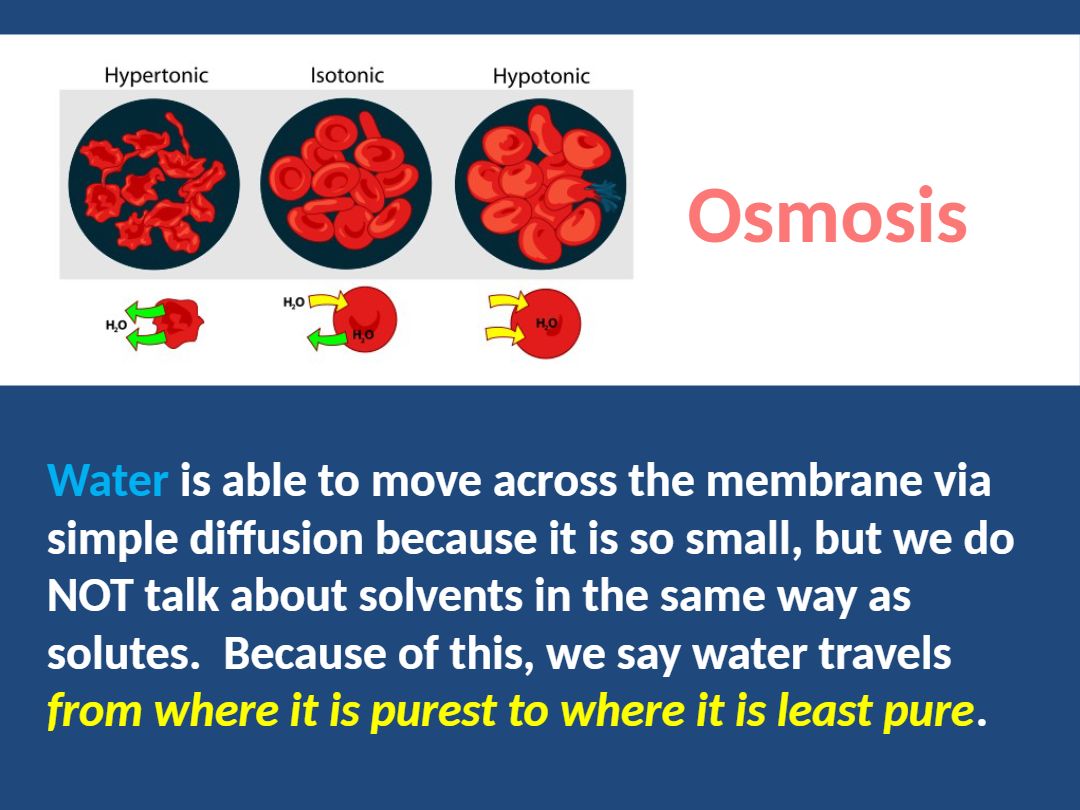
Name 2 types of Passive Transport and explain the difference.
25
26
27
Multiple Choice
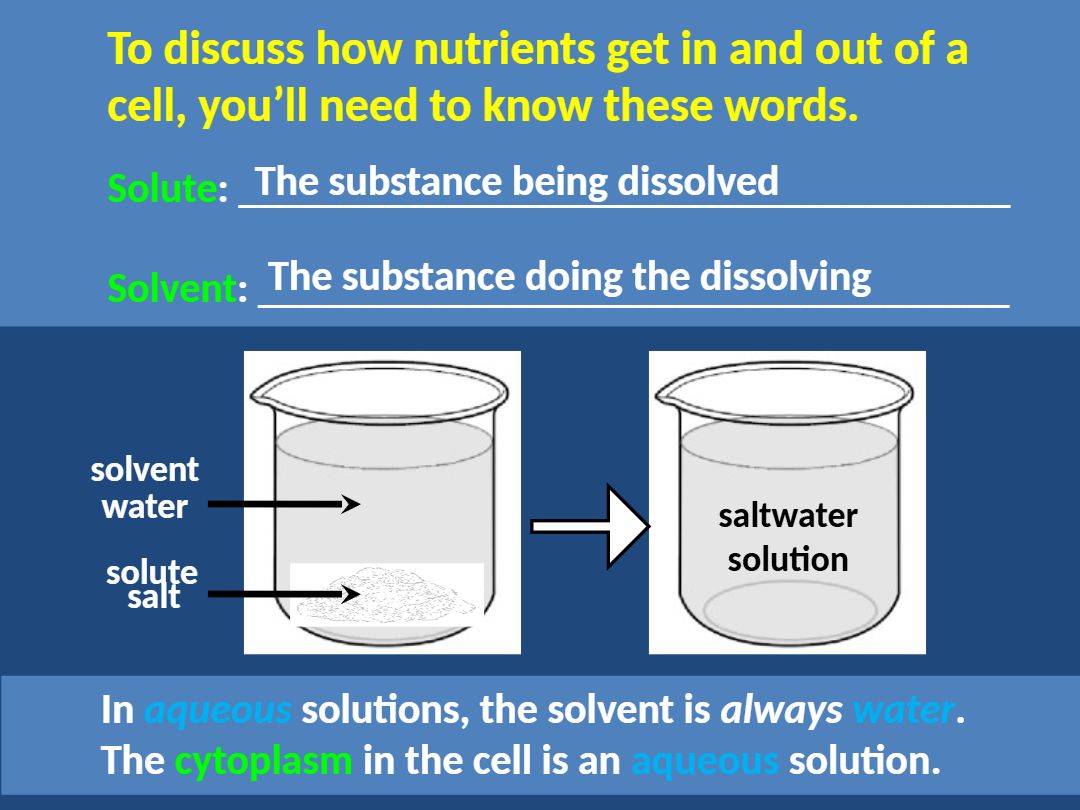
What is the main difference between a solute and a solvent in a solution?
A solute is the substance being dissolved, while a solvent is the substance doing the dissolving.
A solute is always water, while a solvent is always salt.
A solute is the substance doing the dissolving, while a solvent is the substance being dissolved.
A solute and solvent are always present in equal amounts.
28
29
30
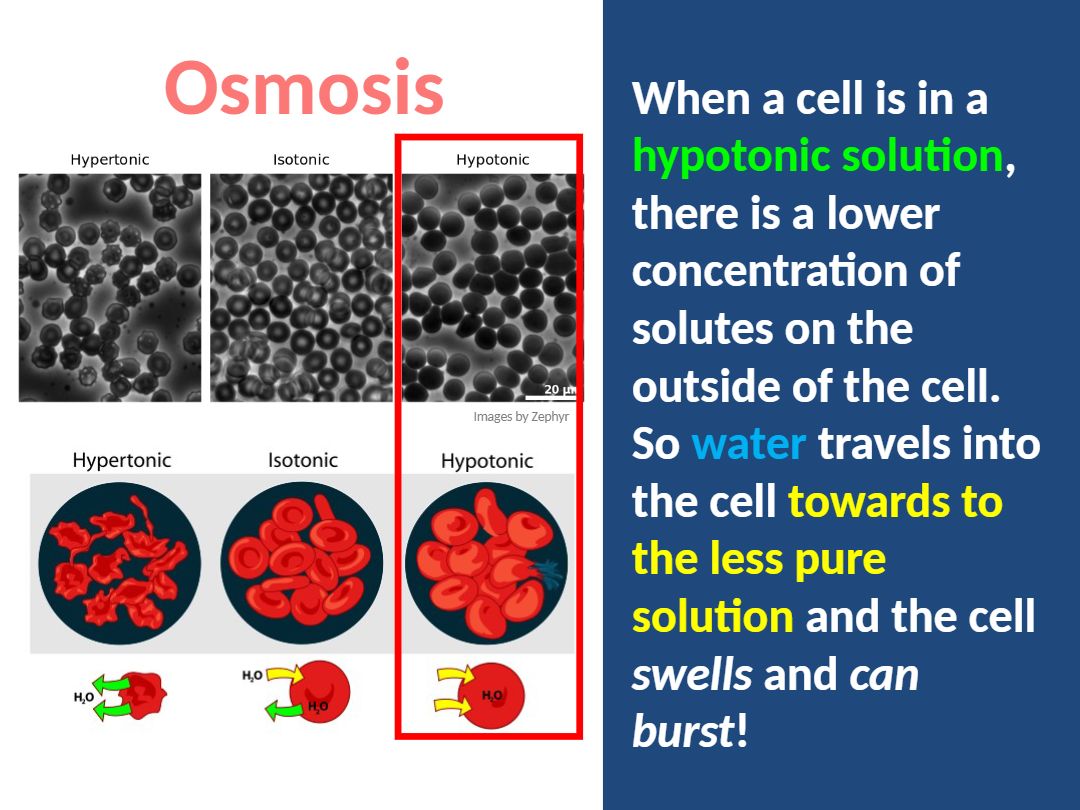
31
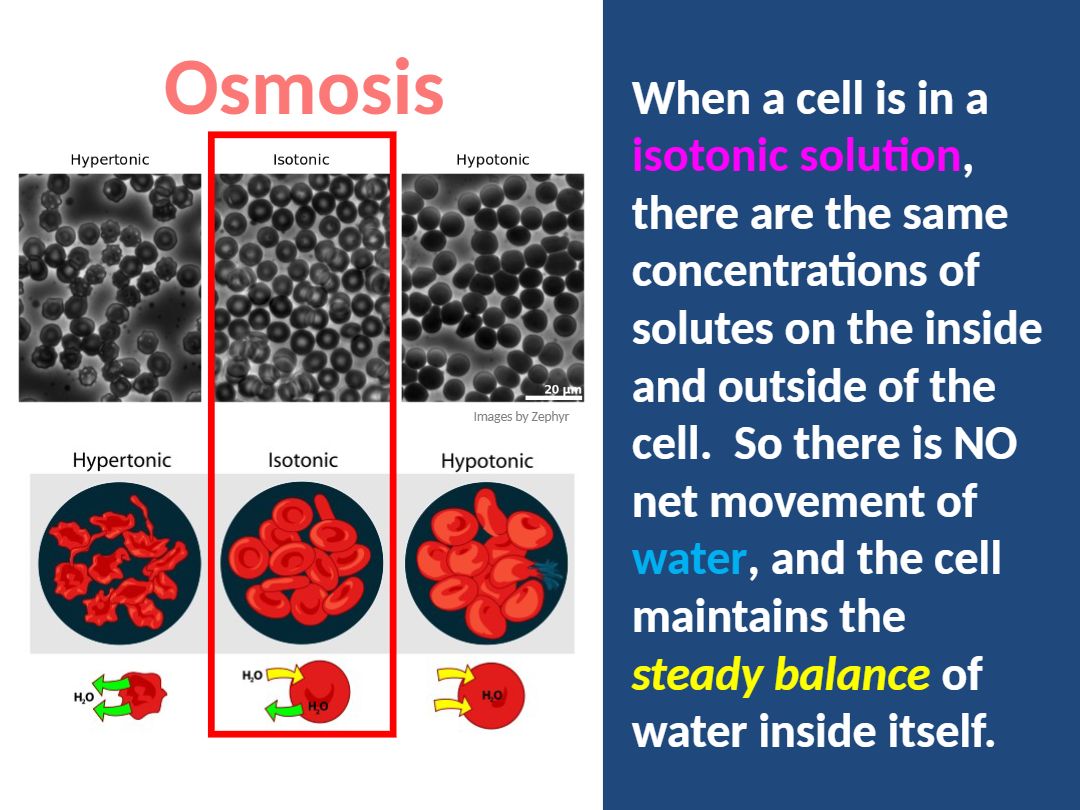
32
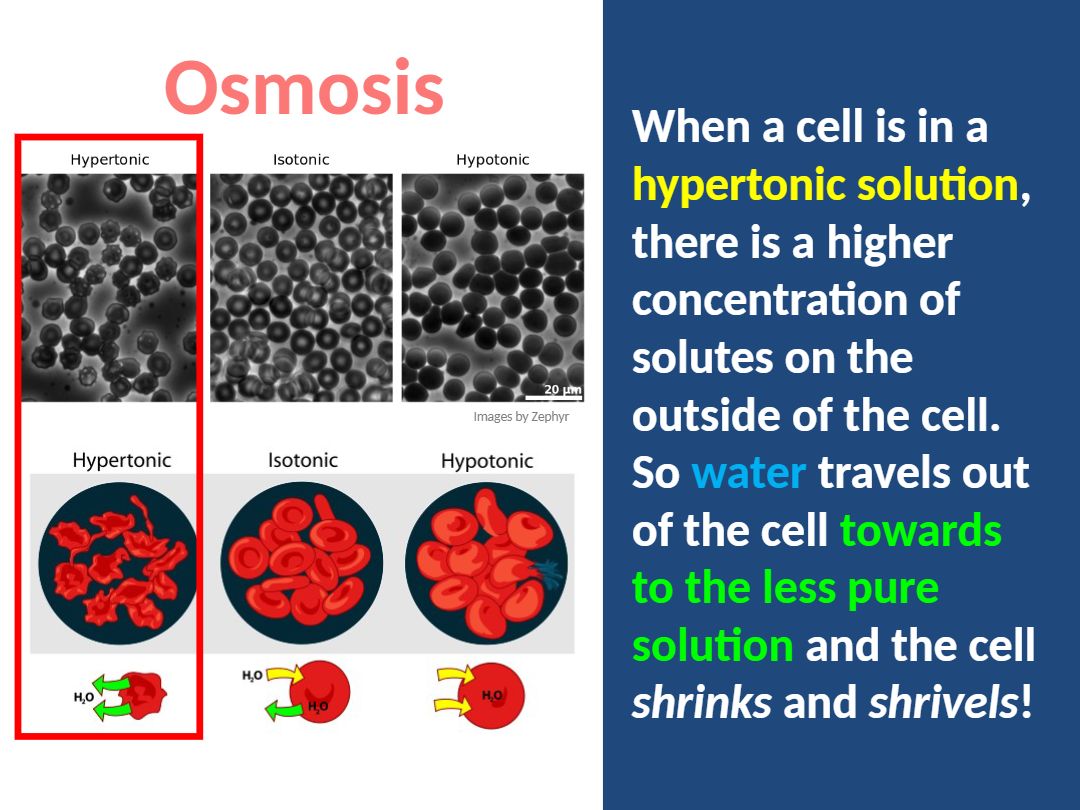
33
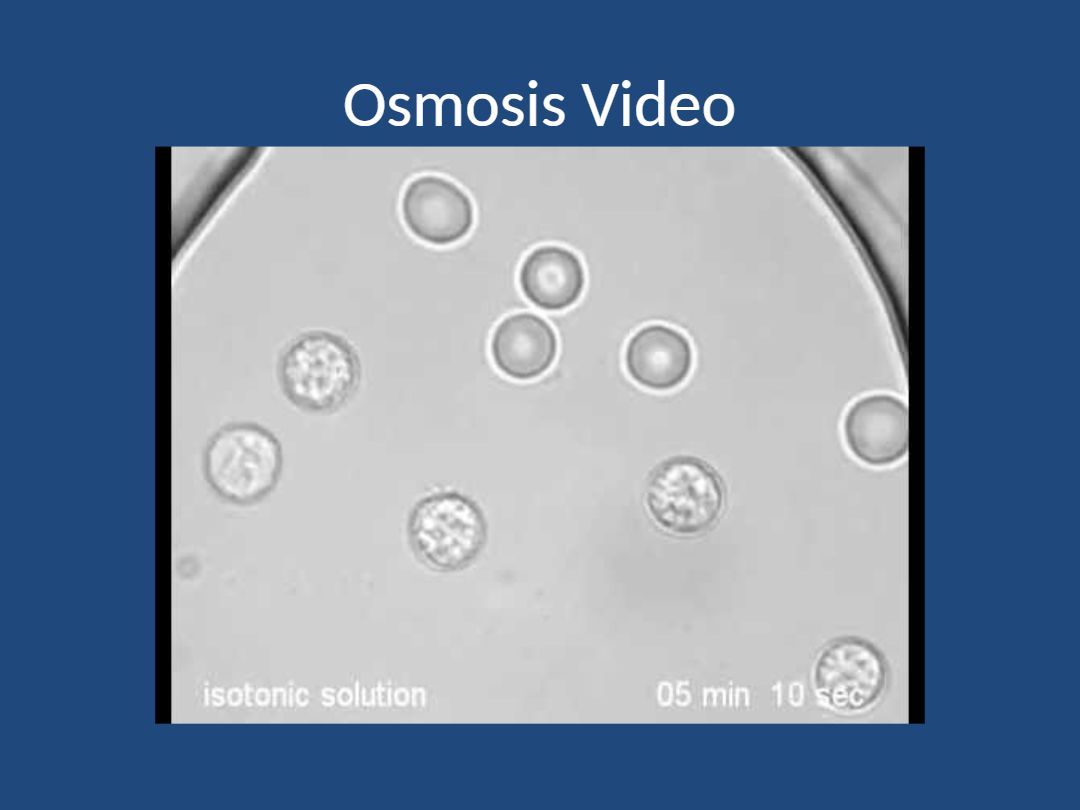
34

35
Multiple Choice
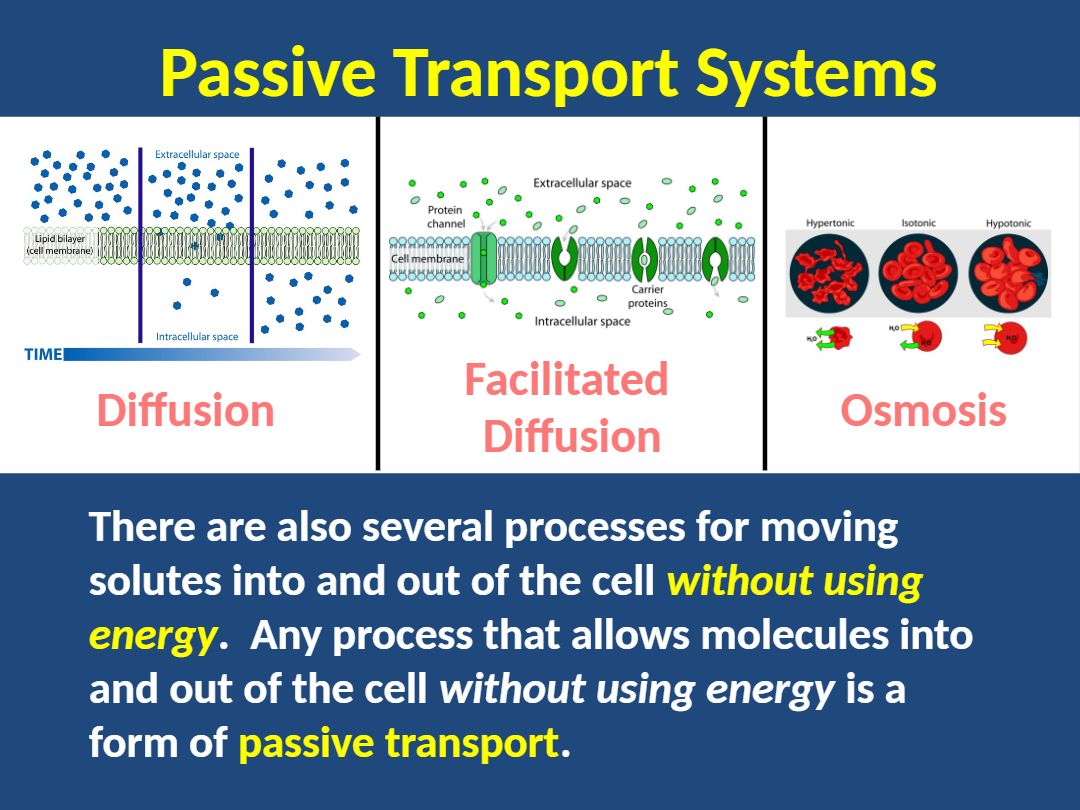
Which of the following best describes passive transport?
Movement of molecules without energy input across a semi-permeable membrane
Movement of molecules using energy across a membrane
Transport of only large molecules through the cell membrane
Transport that requires phospholipids to move molecules
36
Fill in the Blanks
Cells in
37
Multiple Choice
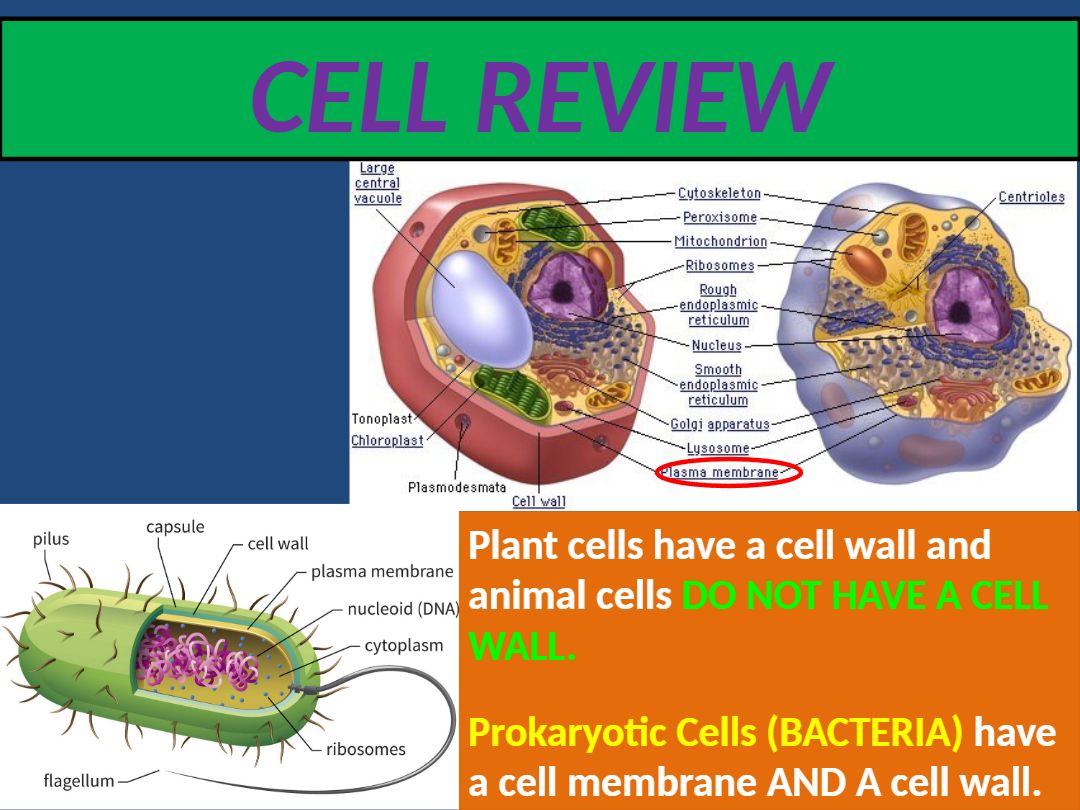
Which types of cells have both a cell membrane and a cell wall?
Plant cells, fungi, and bacteria
Animal cells and plant cells
Only animal cells
Only bacteria
38
Multiple Select
Which of the following are types of passive transport systems?
Diffusion
Facilitated Diffusion
Osmosis
Active Transport
39
Fill in the Blanks
Membranes are made mostly out of a special lipid molecule known as a
40
Multiple Choice
Which of the following statements best describes passive transport in cells?
It moves molecules using the cell's energy.
It moves molecules without using the cell's energy.
It only occurs in plant cells.
It requires carrier proteins in all cases.
41
Multiple Choice
Which of the following statements best describes facilitated diffusion?
It requires energy to move molecules across the membrane.
It moves molecules from low to high concentration.
It uses protein channels or carrier proteins to move molecules across the membrane.
It only allows water to pass through the membrane.
42
Fill in the Blanks
Fill in the blank: Passive transport is the movement of substances across the cell membrane
Show answer
Auto Play
Slide 1 / 42
SLIDE
Similar Resources on Wayground

41 questions
Air Pollution Lesson
Presentation
•
9th - 12th Grade
40 questions
Work, Power and Machines AMA and IMA
Presentation
•
9th - 12th Grade
36 questions
E2 T2 ¿Reflexivo o no?
Presentation
•
9th - 12th Grade
37 questions
Energy and Energy Transformations
Presentation
•
9th - 12th Grade
36 questions
Lab Safety Rules
Presentation
•
9th - 12th Grade
36 questions
Levels of Organization - Cells to Biome
Presentation
•
KG
34 questions
Ionic and Covalent Bonding
Presentation
•
9th - 12th Grade
41 questions
Earthquakes Notes w/ videos
Presentation
•
9th - 12th Grade
Popular Resources on Wayground
10 questions
How much do you know about our Portrait of an Eagle?

Quiz
•
10th Grade
10 questions
Fast Food Slogans
Quiz
•
6th - 8th Grade
21 questions
Continents and Oceans
Quiz
•
6th Grade
20 questions
Parts of Speech
Quiz
•
5th Grade
16 questions
Subject & Predicate
Quiz
•
5th Grade
25 questions
Multiplication Facts
Quiz
•
5th Grade
12 questions
Map Skills
Quiz
•
3rd Grade
22 questions
Continents and Oceans
Quiz
•
5th Grade
Discover more resources for Science
10 questions
Exploring Chemical and Physical Changes

Interactive video
•
6th - 10th Grade
20 questions
Atomic Structure
Quiz
•
9th Grade
10 questions
Decoding the Periodic Table of Elements
Interactive video
•
6th - 10th Grade
10 questions
Exploring the Periodic Table
Interactive video
•
6th - 10th Grade
14 questions
Physical and Chemical Changes
Quiz
•
10th Grade
22 questions
Periodic Table Review
Quiz
•
9th - 12th Grade
20 questions
Observation vs. Inference
Quiz
•
7th - 9th Grade
14 questions
Periodic Trends
Interactive video
•
11th Grade