
Comparative Writing - two characters

Presentation
•
English
•
10th Grade
•
Easy

Katarina Ule
Used 1+ times
FREE Resource
7 Slides • 10 Questions
1
Comparative writing - two characters
By Katarina Ule
2
1. Selection & Purpose
Choose your characters:Pick two characters to compare, whether from the same or different stories.
Establish a clear purpose:Why are you comparing these two characters? Common purposes include examining their similar/different relationships with the plot, their responses to conflict, or how their contrasting traits highlight a central theme.
3
Multiple Choice
What is the first step in writing a compelling comparative analysis of two characters?
Formulate a thesis statement
Choose textual evidence
Write the conclusion
Select characters and establish a purpose
4
2. Analysis & Identification
Identify similarities and differences:
Create a list of commonalities and distinctions. For example, both characters might have the same goal but different methods for achieving it.
5
Open Ended
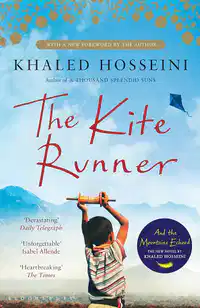
List 2 similarities and 2 differences between Baba and Ali
6
3. Thesis Statement
Formulate a strong thesis:This statement guides your entire essay and should explain the relationship between the characters, indicating whether their differences or similarities are more significant.
7
Multiple Choice
What should a strong thesis statement explain?
The plot of the story
The relationship between the characters
The author's background
The setting of the story
8
Multiple Select
What should be included in the introduction of a comparative analysis?
An introduction to the theme and characters
My thesis statement.
A detailed description of the setting
A summary of the author's life
9
Structure your essay around specific themes or traits, discussing how each character relates to that point in alternating paragraphs or within the same paragraph. This method highlights direct comparisons more clearly.
Point-by-Point Method
Discuss all relevant points for the first character, then move on to the second character. This method offers individual focus but can make direct comparisons less immediate.
Block Method
4. Structure
10
Multiple Choice
Which method involves discussing one character fully before moving to the next?
Sequential method
Point-by-point method
Block method
Comparative method
11
Multiple Choice
Which method highlights direct comparisons more clearly?
Block method
Point-by-point method
Narrative method
Descriptive method
12
Multiple Choice
Make sure to mention both characters, even if one is the primary focus of that point, to keep the comparison alive throughout the essay.
TRUE
FALSE
13
Employ transition words like "similarly," "likewise," "in contrast," or "conversely" to make your comparisons clear and smooth.
Use Comparative Phrases:
Support every claim with direct quotes or specific examples of the characters' actions or dialogue to illustrate the similarities and differences.
Use Textual Evidence
5. Writing & Evidence
14
Multiple Choice
What is the purpose of using comparative phrases?
To confuse the reader
To summarize the plot
To introduce new characters
To make comparisons clear and smooth
15
6. Conclusion
Summarize and analyze:Restate your thesis and summarize how the comparison deepens the reader's understanding of the characters and the work's broader themes.
Leave a lasting impression:Conclude with a thought-provoking statement that reinforces the significance of your analysis.
16
Multiple Choice
What should be included in the conclusion of a comparative analysis?
A detailed description of the setting
A restatement of the thesis and analysis of the comparison
A summary of the plot
A list of characters
17
Multiple Choice
What is the significance of a comparative analysis conclusion?
To describe the setting
To introduce new characters
To reinforce the significance of the analysis
To summarize the author's life
Comparative writing - two characters
By Katarina Ule
Show answer
Auto Play
Slide 1 / 17
SLIDE
Similar Resources on Wayground

13 questions
Gerunds and Gerund Phrases
Presentation
•
10th Grade
13 questions
The Power of Words: Exploring Different Text Types
Presentation
•
10th Grade
14 questions
Has/ have (Simple Present Tense)
Presentation
•
10th Grade
10 questions
Preposition
Presentation
•
10th Grade
13 questions
Report Text
Presentation
•
10th Grade
11 questions
Their Eyes Were Watching God, Chapter 1-5 Quiz
Presentation
•
10th Grade
12 questions
Gerunds & Infinitives
Presentation
•
10th Grade
11 questions
Parallel Structure
Presentation
•
10th Grade
Popular Resources on Wayground
10 questions
Factors 4th grade

Quiz
•
4th Grade
10 questions
Cinco de Mayo Trivia Questions

Interactive video
•
3rd - 5th Grade
13 questions
Cinco de mayo
Interactive video
•
6th - 8th Grade
20 questions
Math Review
Quiz
•
3rd Grade
20 questions
Main Idea and Details
Quiz
•
5th Grade
20 questions
Context Clues
Quiz
•
6th Grade
20 questions
Inferences
Quiz
•
4th Grade
19 questions
Classifying Quadrilaterals
Quiz
•
3rd Grade
Discover more resources for English
10 questions
Test Taking Strategies for State Reading Assessments
Interactive video
•
6th - 10th Grade
20 questions
Context clues
Quiz
•
10th Grade
12 questions
English 2 EOC Review
Quiz
•
10th Grade
11 questions
Text Structure Identification Practice
Quiz
•
10th Grade
17 questions
Romeo& Juliet Act 1 Quiz
Quiz
•
9th - 10th Grade
23 questions
Can You Figure It Out? (Figurative Language Review)
Quiz
•
10th Grade
50 questions
Romeo and Juliet Prologue & Acts 1-5 Test
Quiz
•
9th - 12th Grade
14 questions
Reading- SC Ready Practice
Quiz
•
5th Grade - University