

MS: Musculoskeletal Lesson

Presentation
•
Science
•
Vocational training
•
Easy
+4
Standards-aligned

Southern Tech LPN Department
Used 6+ times
FREE Resource
35 Slides • 32 Questions
1
Disorders of the Musculoskeletal System
2
Movement
Protection
Stores Calcium
Functions
Bone
Cartilage
Ligaments
Tissues
3
Movement
Heat production
Promotes blood return from legs
Functions
Skeletal muscle
Tendons
Fasciae
Tissues
4
Multiple Choice
Which of the following is NOT a function of the skeletal system?
Movement
Protection
Stores calcium
Produces calcium
5
Open Ended
Why is the skeletal system important for the human body?
6
Multiple Choice
Which of the following is NOT a tissue found in the muscular system?
Skeletal muscle
Fibrous connective tissue (tendons)
Fasciae
Epithelial tissue
7
Open Ended
Describe two main functions of the muscular system and explain their importance for the human body.
8

9
Multiple Choice
Which is NOT a function of synovial fluid?
Lubricates the articulating cartilage.
Acts as a shock absorber.
Nourishes the chondrocytes.
Keeps the bones from being pulled apart.
10

11
Multiple Choice
What are the possible consequences of bone calcium loss and muscle strength decline as shown in the diagram?
Fractures and falls
Joint pain and fever
Increased flexibility and energy
Improved posture and balance
12
Open Ended
Discuss how age-related changes in the musculoskeletal system can impact daily life and mobility.
13
Multiple Choice
Which of the following is considered subjective data in musculoskeletal system data collection?
Physical examination
Inspection
History
Palpation
14
Inspection
Palpation
Range of Motion (ROM)
Objective
History: Injury, occupation, family history, Nutritional history
Psychosocial: affect on body image, psychological stress
Subjective
15
Multiple Choice
What are the three main components of a physical examination in musculoskeletal system data collection?
Inspection, Palpation, Range of motion (ROM)
History, Inspection, Palpation
Inspection, History, Psychosocial
Palpation, ROM, Family history
16
17
Serum Lab Tests
Alkaline phosphatase (ALP)
Calcium
Phosphorus
Myoglobin
Uric acid
18
Match
Match the following serum lab test result to the indicated disease process
Elevated ALP
Decreased Calcium
Elevated myoglobin
Uric acid crystals in joint fluid
Bone Cancer
Osteoporosis
Rhabdomyolysis
Gout
Bone Cancer
Osteoporosis
Rhabdomyolysis
Gout
19
Diagnostic Tests
Arthrocentesis
Arthroscopy
Bone or muscle biopsy
Bone density scan
Myelography
Nuclear medicine scans
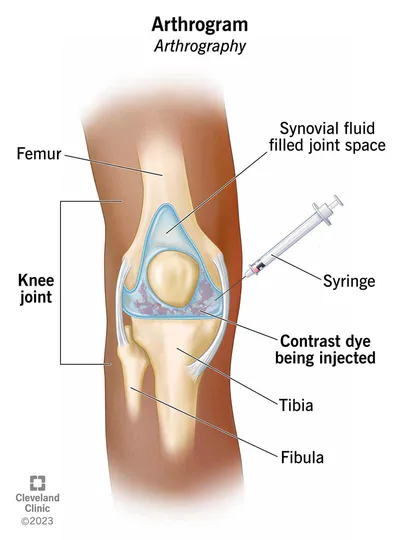
Arthrogram
20
Open Ended
Describe patient teaching when preparing for an arthrogram?
21
22
Multiple Choice
Procedure where synovial fluid is aspirated from the joint?
Arthroscopy
Arthrocentesis
Biopsy
Orthocentesis
23
Open Ended
How would the nurse explain the purpose of Arthrocentesis?
24
Open Ended
What are expected findings and treatment after arthroscopy procedure?
25


26
Multiple Choice
Used to diagnose Osteoporosis
27


28
Multiple Choice
Nurse evaluation post bone or muscle biopsy
29


30
Open Ended
Describe neurovascular data collection
31


32
Multiple Select
Radioisotopes used to identify bone cancer?
Gallium
Phosphorus 32
Thallium
Iodine 131
33

34
Open-Infection risk, delayed healing
Closed
Open vs Closed
Trauma
Pathological
Cause
35
Signs and Symptoms of Fractures
Pain
Decreased ROM
Limb rotation
Deformity, shortening of limb
Swelling
Bruising
36

37
Fractures: Dx Tx and Goals
X-ray or CT
911- Splint it as it lies
Immobilization
Realignment
38
External fixation
Open reduction w/internal fixation
Metal plates, screws
Prosthesis
Pins, metal frame
Allows care of wounds
39


40
Open Ended
What should the nurse monitor when caring for a patient with external fixation for femur fracture
41
Neurovascular compromise
Hemorrhage
Infection
Thromboembolic complications
DVT, PE, etc
Acute compartment syndrome
Fat embolism syndrome
42
Multiple Choice
What is compartment syndrome
43
Multiple Choice
Which of the following is an early sign of acute compartment syndrome
44
Pain
Paresthesia
Pallor
Paralysis
Pulselessness
Poikilothermia
45

46
Multiple Choice
Early sign of fat embolism syndrome?
47
Open Ended
Priority care for the patient showing signs of fat embolism syndrome
48
Diseases
49
Osteomyelitis
Osteoporosis
Osteoarthritis
Rheumatoid Arthritis

50
Match
Match the following
Osteomyelitis
Osteoporosis
Osteoarthritis
Rheumatoid Arthritis
Bone infection
Bone density loss
Joint inflammation
Autoimmune disorder
Bone infection
Bone density loss
Joint inflammation
Autoimmune disorder
51
Osteomyelitis
Data: Redness, swelling, pain, drainage, fever, ↑ WBC/ESR
Plan: Prevent infection spread, promote healing
Implement: Sterile dressing changes, antibiotics, pain meds
Evaluate: Wound healing, labs normal, afebrile
Teach: Hand hygiene, full antibiotics, report ↑ pain/fever
52
Word Cloud
Implementation Phase: Osteomyelitis
53
Osteoporosis
Data: Fractures, kyphosis, ↓ calcium/vit D intake
Plan: Prevent fractures, strengthen bone
Implement: Weight-bearing exercise, calcium/vit D, fall precautions
Evaluate: No new fractures, improved diet
Teach: Increase calcium and Vitamin D, safe home setup
54
Word Cloud
Teaching : Osteoporosis
55
Osteoarthritis
Data: Pain, stiffness, ↓ ROM, crepitus
Plan: Reduce pain, keep mobility
Implement: Heat/cold, assistive devices, meds, gentle ROM
Evaluate: Less pain, ADLs maintained
Teach: Joint protection, weight mgmt, exercise (walk, swim)
56
Word Cloud
Implementation Phase: Osteoarthritis
57
Rheumatoid Arthritis
Data: Early fatigue/stiffness → late deformities, nodules
Plan: Control inflammation, monitor systemic effects
Implement: DMARDs, NSAIDs, heat/cold, labs (ESR, CRP)
Evaluate: ↓ pain, stable labs, ADLs preserved
Teach: Med adherence, report chest pain/SOB/fever, energy conservation
58
Word Cloud
Data Collection Phase (Early): Rheumatoid Arthritis
59

60
Bone Cancer
Data: Bone pain, swelling, fractures, weight loss, ↑ alkaline phosphatase, ↑ ESR
Plan: Control pain, monitor spread
Implement: Pain meds, chemo/radiation, safe handling
Evaluate: Pain controlled, labs tracked
Teach: Report new pain, keep follow-ups, support options
61
Word Cloud
Data Collection Phase: Bone Cancer
62
Gout
Data: Sudden severe joint pain, redness, swelling, ↑ uric acid
Plan: Relieve pain, prevent attacks
Implement: NSAIDs/colchicine, fluids, ice to joint
Evaluate: Pain relief, fewer attacks
Teach: Avoid purine foods (red meat, shellfish), limit alcohol, hydrate
63
Word Cloud
Evaluation Phase: Gout
64
Total Hip Replacement
Data: Pain, incision site, mobility, DVT risk
Plan: Prevent complications, restore mobility
Implement: Abduction pillow, hip precautions, anticoags, early ambulation
Evaluate: No infection/dislocation, pain managed
Teach: Don’t cross legs or bend >90°, report swelling/fever, PT follow-up
65
Word Cloud
Teaching: Hip Replacement
66
Amputation
Data: Upper limb → big ADL impact, phantom pain, wound check
Plan: Prevent contractures, manage pain
Implement: Prone 30 min x4/day (if able), wound care, pain meds
Evaluate: Healing stump, pain managed, mobility gained
Teach: Phantom pain is real, proper positioning, adaptive devices, PT/OT
67
Word Cloud
Implementation Phase: Amputation
Disorders of the Musculoskeletal System
Show answer
Auto Play
Slide 1 / 67
SLIDE
Similar Resources on Wayground

64 questions
Optimalisasi fitur quizizz untuk akun belajar.id
Presentation
•
Professional Development
63 questions
Growth and Development W1
Presentation
•
KG - University
60 questions
PC Components
Presentation
•
Professional Development
65 questions
Enterprise Revision
Presentation
•
Professional Development
66 questions
03 - Extraoral Exams & Occlusion/Malocclusion
Presentation
•
Professional Development
58 questions
CERC PEDAGOGIC
Presentation
•
Professional Development
62 questions
CPC Present 3.1 Early Atomic Theory
Presentation
•
KG - University
61 questions
00101 Section 5
Presentation
•
KG - University
Popular Resources on Wayground
10 questions
Safety Day 2026 – Student Review

Quiz
•
9th Grade
21 questions
Continents and Oceans
Quiz
•
6th Grade
20 questions
Parts of Speech
Quiz
•
5th Grade
16 questions
Subject & Predicate
Quiz
•
5th Grade
25 questions
Multiplication Facts
Quiz
•
5th Grade
12 questions
Map Skills
Quiz
•
3rd Grade
22 questions
Continents and Oceans
Quiz
•
5th Grade
15 questions
Rounding Decimals
Quiz
•
5th Grade