

12ial-Global Challenges-El Nino

Presentation
•
Geography
•
KG - Professional Development
•
Easy

Aimee Cooper
Used 4+ times
FREE Resource
33 Slides • 18 Questions
1
By Aimee Cooper
2
By the end of this lesson you will be able to:
Describe normal Pacific circulation and explain the role of trade winds and upwelling.
Explain how El Niño and La Niña phases disrupt normal conditions.
Analyse global impacts of ENSO on hazards, ecosystems, and societies.
Evaluate why ENSO is difficult to predict and why its impacts are uneven worldwide.
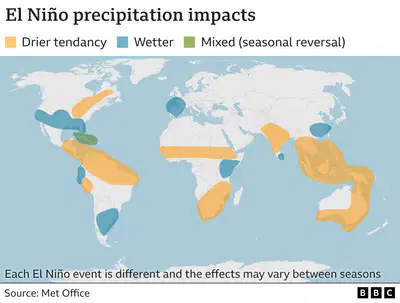
3
Open Ended
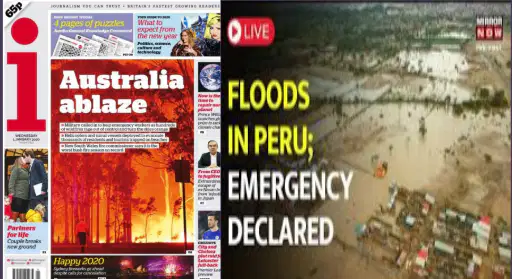
Write one guess explaining how these two extremes might be linked.
4
The El Niño–Southern Oscillation (ENSO) is a natural climate phenomenon that occurs in the tropical Pacific Ocean. It is caused by changes in sea surface temperatures and shifts in air pressure patterns across the Pacific.
ENSO has two main phases:
El Niño, when sea surface temperatures in the eastern Pacific become warmer than average.
La Niña, when sea surface temperatures in the eastern Pacific become cooler than average.
The “Southern Oscillation” refers to changes in air pressure between the western and eastern Pacific. When pressure is higher in the west and lower in the east, El Niño develops. When the pattern is reversed, La Niña develops.

5
The El Niño Southern Oscillation (ENSO) is a natural climate phenomenon in the tropical Pacific Ocean.
It is characterised by fluctuations in wind strength and sea surface temperatures.
There are three phases: Neutral, El Niño (warming), La Niña (cooling).
Events are irregular, usually every 2–7 years.
Each event varies in timing, intensity, and global effects.

6
Multiple Choice
ENSO events occur every:
7
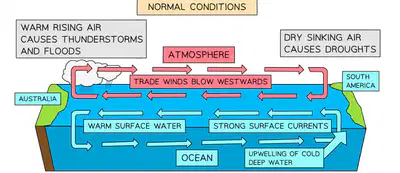
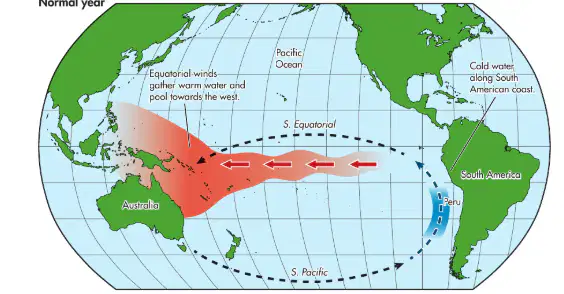
Strong trade winds blow westward, pushing warm surface water towards Australia and Indonesia.
Rising moist air above warm water produces convectional rainfall in the western Pacific.
Off the coast of Peru, cold nutrient-rich water upwells, creating dry conditions and supporting productive fisheries.
8
9
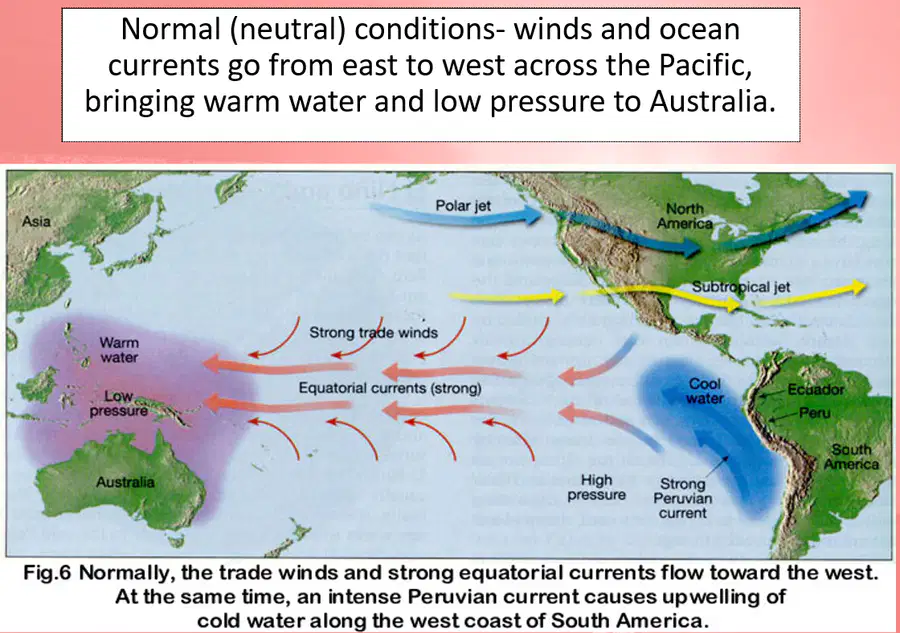
Under normal conditions, strong trade winds blow westward across the Pacific Ocean.
These push warm surface water towards Australia and Indonesia, where rising moist air produces convectional rainfall.
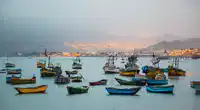
Meanwhile, along the coast of Peru, the movement of surface water away from the shore allows cold water to rise from the deep ocean.
This process is called upwelling. It brings nutrients such as nitrates and phosphates to the surface, which fertilise microscopic plants called phytoplankton.
These provide food for small fish such as anchovies, which in turn support larger fish, seabirds, and Peru’s fishing industry.
This means Peru is normally cool and dry but has extremely productive fisheries, while Australia and Indonesia are hot and wet.
10
Open Ended
Explain in your own words why Australia is wet and Peru is dry under neutral conditions.
11
What Causes ENSO?
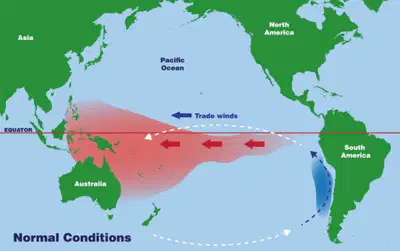
The El Niño Southern Oscillation is caused by changes in the strength and direction of the trade winds across the Pacific Ocean. Under normal conditions, these winds blow strongly from east to west, piling up warm water in the western Pacific and driving upwelling off the coast of South America.
If the trade winds weaken or reverse, the warm water flows back towards the eastern Pacific. This creates El Niño conditions. If the trade winds strengthen beyond normal, the warm water is pushed even further west and the eastern Pacific becomes cooler. This creates La Niña conditions.
12
What is El Niño?
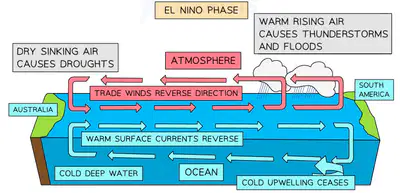
El Niño occurs when the normal trade winds weaken or even reverse. Without strong winds to push warm surface water westwards, the warm water spreads back across the central and eastern Pacific.
13
14

15
Open Ended
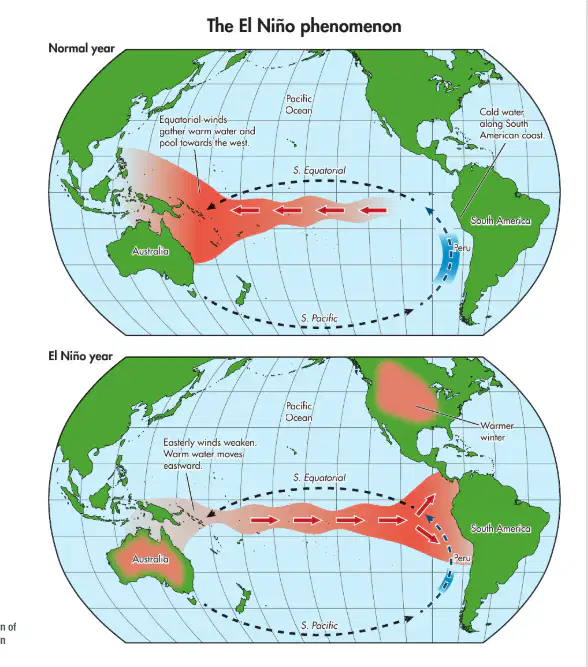
Write two changes that occur during El Niño compared to neutral conditions.
16
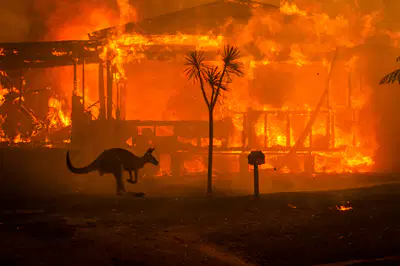
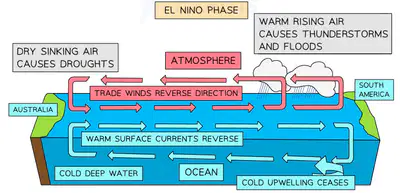
As the warm water shifts eastwards, the air above Peru and Ecuador rises, producing heavy rainfall and flooding in places that are normally dry.
At the same time, Australia and Indonesia experience sinking air and much less rainfall than normal. This often leads to severe droughts, crop failure, and wildfires.
17
During El Niño, the usual upwelling of cold, nutrient-rich water off the coast of Peru is reduced or even stops completely. Without upwelling, there are fewer nutrients to support phytoplankton. This causes fish populations to decline and has knock-on effects on seabirds, marine mammals, and the Peruvian fishing industry.
18
Open Ended
Describe two ways El Niño disrupts life along the coast of Peru.
19
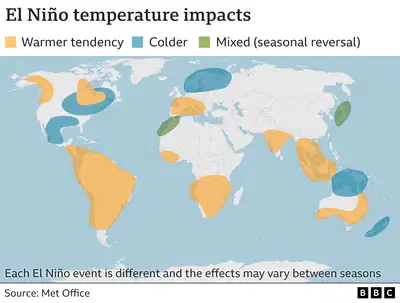
The influence of El Niño extends far beyond the Pacific Ocean. It often causes droughts in southern Africa, Southeast Asia, and Australia, while floods affect South America.
The Indian monsoon is usually weaker, reducing rainfall and harming agriculture. In North America, winters are often milder than normal, while the number of hurricanes in the Atlantic can be reduced.
20
Match
Match each region to its typical impact during an El Niño event.
Drought and wildfires
Flooding and landslides
Weaker monsoon rains
Warmer winter temperatures
Fewer hurricanes
Australia / Indonesia
Peru / Ecuador
India
Canada / Northern USA
Atlantic Ocean
Australia / Indonesia
Peru / Ecuador
India
Canada / Northern USA
Atlantic Ocean
21
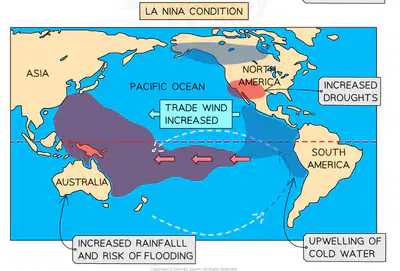
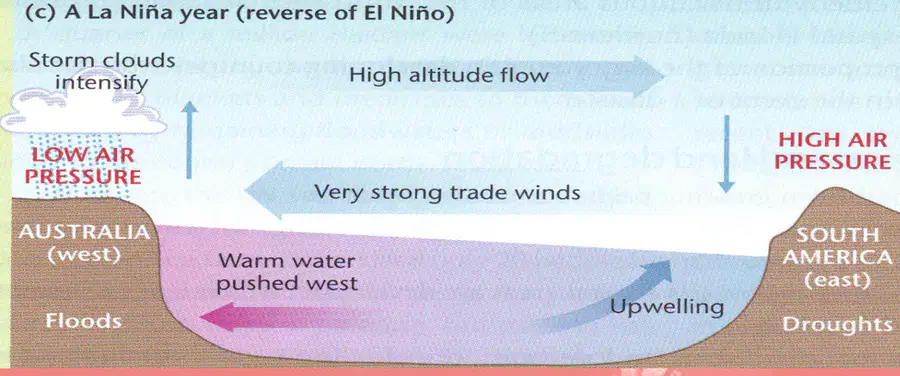
La Niña is the opposite phase of ENSO. During La Niña, the trade winds strengthen beyond their normal level. This pushes warm water even further into the western Pacific, causing very strong rising air and rainfall over northern Australia and Indonesia.
22
23
Open Ended
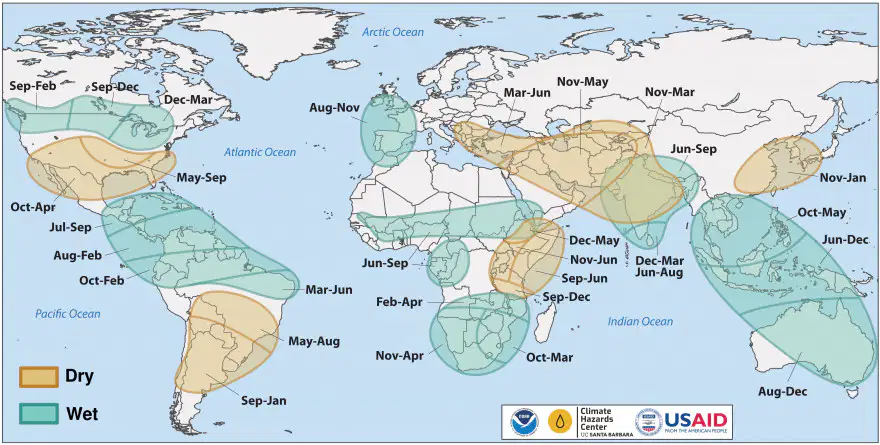
What will the climatic impacts of La Nina be?
24
While the western Pacific becomes wetter than usual, the eastern Pacific becomes cooler and drier. Upwelling off the coast of Peru intensifies, bringing more nutrients to the surface. This benefits fisheries but also increases the risk of drought for Peru and parts of South America.
25
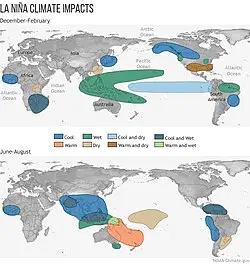
La Niña also produces global changes in weather. Floods are common in Australia and Southeast Asia, while the Indian monsoon often becomes stronger than normal.
The Atlantic hurricane season is usually more intense, and winters in Canada and the northern United States can be harsher than usual.

26
Match
Match each region to its typical impact during a La Niña event.
Heavy rainfall and flooding
Drier than normal conditions
Stronger monsoon rains
Harsher winter conditions
More hurricanes
Australia / Indonesia
Peru / western South America
South Asia (India)
Canada / Northern USA
Atlantic Ocean
Australia / Indonesia
Peru / western South America
South Asia (India)
Canada / Northern USA
Atlantic Ocean
27
Open Ended
Explain how La Niña can be both beneficial and damaging for Peru.
28
ENSO events have powerful effects on ecosystems. During El Niño, the reduction in upwelling off Peru means that phytoplankton numbers decline.
This reduces food for anchovies and other small fish, which in turn affects seabirds and larger predators.
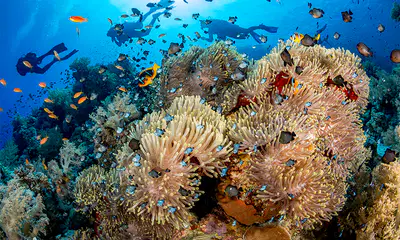
Fisheries collapse, and food chains are disrupted. Warmer ocean temperatures can also trigger coral bleaching in places like the Great Barrier Reef, damaging fragile reef ecosystems.
29
During La Niña, the opposite occurs. Stronger upwelling off South America boosts phytoplankton, which supports larger fish stocks and benefits fisheries.
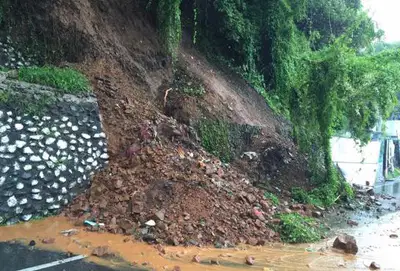
However, the heavy rainfall and flooding caused by La Niña can damage terrestrial ecosystems such as forests and farmland.
30
Open Ended

Explain why El Niño events often lead to coral bleaching in the Great Barrier Reef.
31
The knock-on impacts of ENSO are felt around the world. Agriculture is often one of the hardest hit sectors.
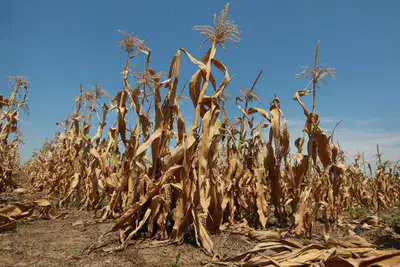
During El Niño, drought in Australia and southern Africa can cause widespread crop failure and food shortages.
During La Niña, flooding can destroy farmland, leading to waterlogging and harvest loss
32
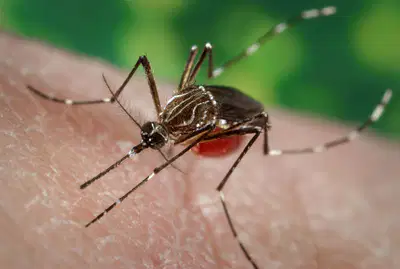
Health is also affected. La Niña’s wetter conditions create ideal breeding grounds for mosquitoes, increasing the spread of malaria and dengue fever in tropical regions.
In contrast, El Niño’s drought conditions can reduce access to safe drinking water, increasing malnutrition and disease linked to poor sanitation.
33
The economy also suffers. Countries that rely heavily on farming or fishing may lose income from exports.
Infrastructure is damaged by floods, and governments face high recovery costs.
34
Categorize
Crop failures in southern Africa during El Niño
Harvest losses from waterlogged fields during La Niña
Drought reduces food supplies in Australia
Flooding washes away fertile topsoil
Malaria and dengue fever spread during La Niña
Malnutrition increases during El Niño droughts
Poor sanitation in drought-hit regions increases disease risk
Respiratory problems linked to wildfire smoke during El Niño
Loss of fishing and farming export income
Tourism revenue falls when coral reefs are bleached
Repairing roads and bridges after floods costs billions
Governments face higher spending on aid and recovery
Sort the following impacts of ENSO into the correct human category.
35
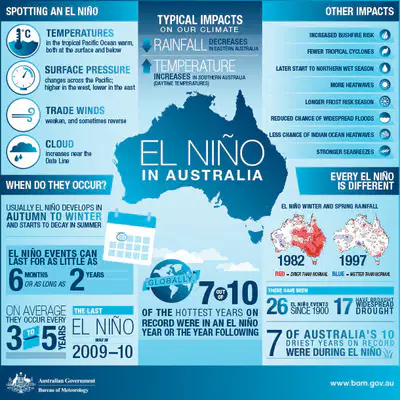
Australia is strongly affected by both El Niño and La Niña. During El Niño years, the country experiences extreme drought. Crops fail, water shortages spread, and bushfires become more frequent and intense. The Black Saturday bushfires of 2009 were linked to El Niño conditions.
During La Niña years, the opposite occurs. Heavy rainfall often leads to flooding. The Queensland floods of 2010–11 caused widespread damage, displacing 200,000 people and costing billions of dollars in recovery.
36
Open Ended

Compare the impacts of El Niño and La Niña in Australia. Which event do you think is more damaging overall, and why?
37
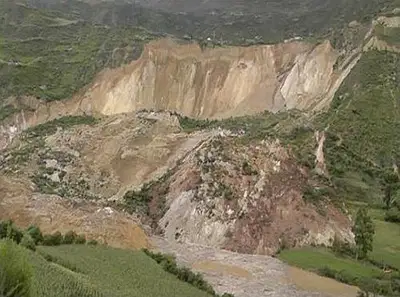
Peru also experiences dramatic impacts from ENSO. During El Niño, torrential rainfall along the normally dry coast causes flooding and landslides, destroying homes, roads, and farmland. The collapse of fisheries has a major economic impact, as anchovy exports are a vital industry.
During La Niña, Peru often benefits from stronger upwelling, which boosts fish stocks and improves marine productivity. However, the dry conditions can cause water shortages and harm agriculture in inland regions.
38
“El Niño events are natural, but their impacts are human-made.”
There are strong arguments for this statement. The hazard itself is natural, but the level of impact depends on human vulnerability. For example, poor countries often lack early warning systems, infrastructure, or resources to prepare for floods and droughts. Population growth and land use, such as farming on marginal land, also increase exposure to risk.
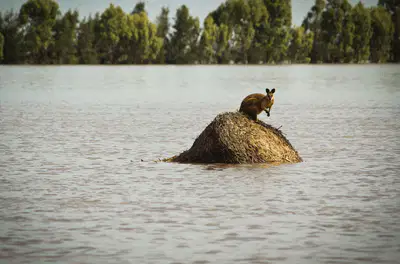
On the other hand, the sheer intensity of some ENSO events can overwhelm even wealthy countries. For example, La Niña floods in Australia in 2010–11 caused billions of dollars in damage despite strong preparation.
39
Open Ended
“El Niño events are natural, but their impacts are human-made.”
Write three points either agreeing or disagreeing with this statement.
40
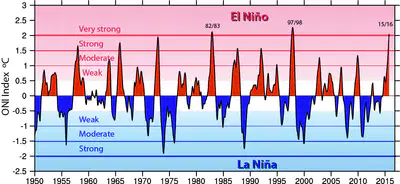
ENSO is very difficult to predict or manage. Events occur every 2–7 years, but there is no fixed cycle, and each one varies in strength and duration.
Impacts are not always the same from one event to the next, making forecasting even more uncertain.
This unpredictability makes it challenging for farmers and governments to plan for droughts or floods.
Some scientists believe climate change may be intensifying ENSO, although this is still debated.
41
Categorize
ENSO events happen every 2–7 years, but not on a fixed cycle
The start and end dates of ENSO events cannot be predicted in advance
Each ENSO event varies in how strong it is
La Niña can also vary in intensity, from minor to very strong
The same country may be hit by floods in one ENSO cycle and drought in another
The exact locations affected by ENSO impacts change from event to event
Climate models suggest global warming could make El Niño events more frequent
Scientists debate whether stronger La Niña events are linked to rising global temperatures
Sort the following challenges into the correct categories.
42
Open Ended
Why is ENSO’s unpredictability such a challenge for governments in countries that rely heavily on farming?
43
ENSO connects to many of the wider themes we study in geography. Droughts in Australia and East Africa can be linked directly to El Niño events. Flooding in Peru and Queensland shows how ENSO can increase disaster risk. Ecosystem change is also significant, with fisheries collapsing and coral reefs bleaching. Climate change is another synoptic link, as some scientists suggest it may make ENSO events stronger or more frequent.

44
Create a revision infographic with three panels showing Neutral, El Niño, and La Niña conditions. Each panel should include:
The strength and direction of trade winds.
The location of warm and cold water.
The rainfall impacts in Australia and Peru.
One global impact.
Extension: Add one ecosystem impact and one secondary human impact for each panel.
45
46
Multiple Choice
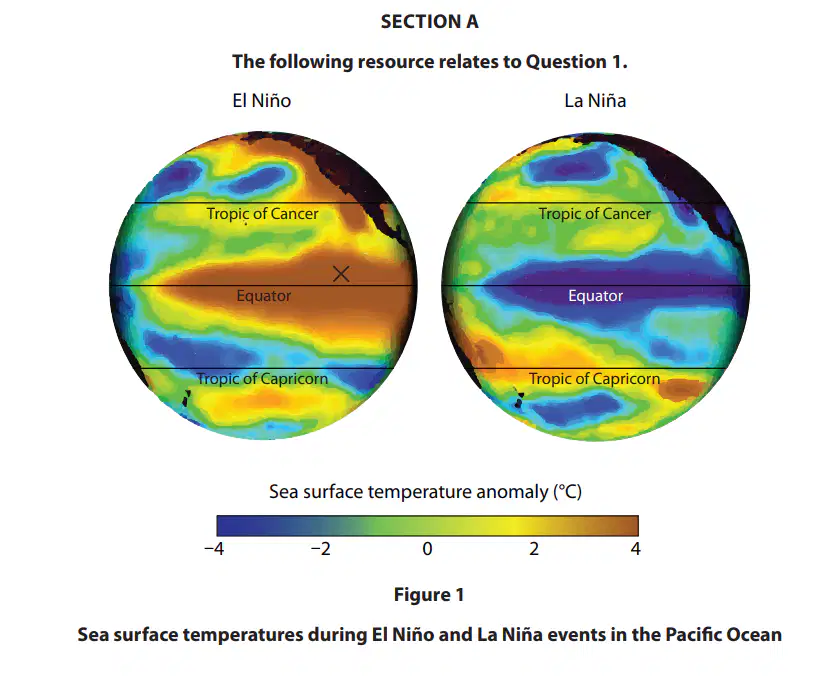
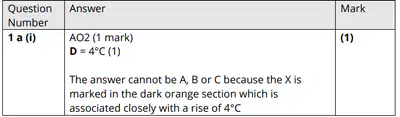
1 Study Figure 1 in the Resource Booklet. (a) (i) Identify the sea surface temperature anomaly at location X during El Nino. (1)
A -4 degrees
B -2 degrees
C 2 degrees
D 4 degrees
47
48
Open Ended
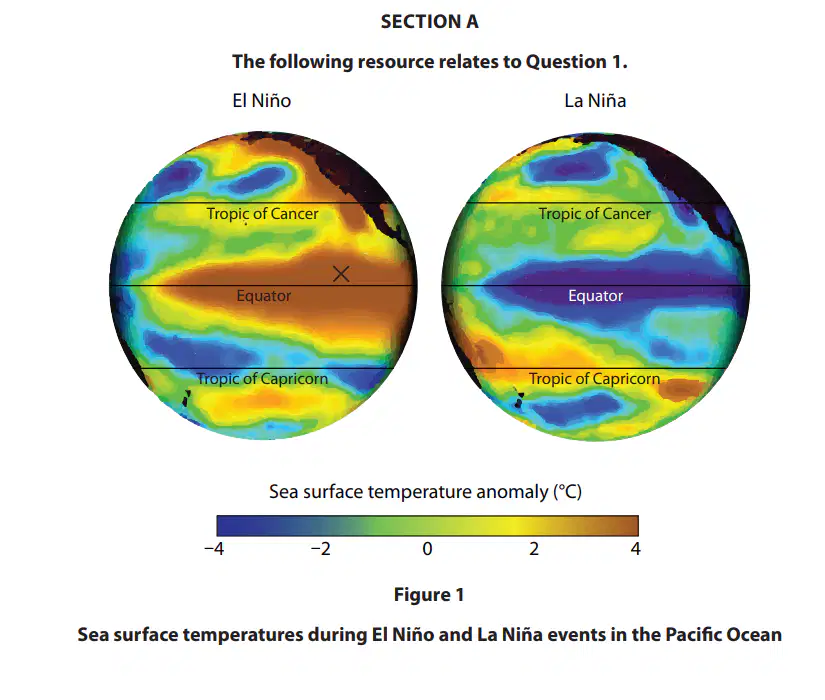
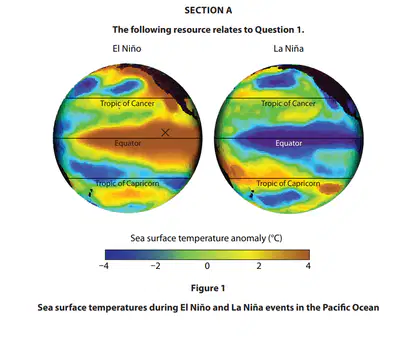
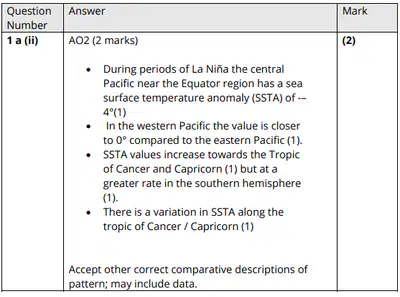
(ii) Describe the pattern of sea surface temperature anomalies between the tropics during the La Nina event. (2)
49
50
Open Ended

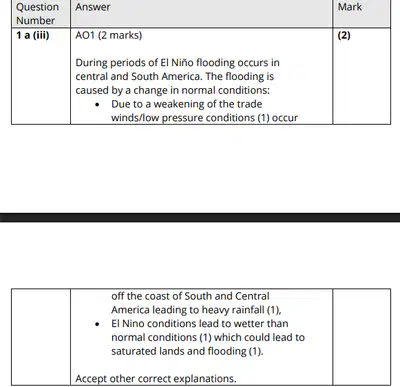
Explain one way El nino can increase the risk of flooding
51
By Aimee Cooper
Show answer
Auto Play
Slide 1 / 51
SLIDE
Similar Resources on Wayground

44 questions
Apps & applications
Presentation
•
Professional Development
48 questions
Introduction to Electromagnetic Waves
Presentation
•
8th Grade
47 questions
Flags of the World
Presentation
•
KG - 5th Grade
46 questions
Lesson: Principles in the U.S. Constitution
Presentation
•
5th - 8th Grade
47 questions
2021-22 Unit 3: Photoshop
Presentation
•
9th - 12th Grade
47 questions
Electromagnetism
Presentation
•
8th - 11th Grade
45 questions
Balancing Chemical Equations
Presentation
•
6th - 8th Grade
45 questions
Names and Formulas of Chemical Compounds
Presentation
•
9th - 10th Grade
Popular Resources on Wayground
10 questions
Safety Day 2026 – Student Review

Quiz
•
9th Grade
21 questions
Continents and Oceans
Quiz
•
6th Grade
20 questions
Parts of Speech
Quiz
•
5th Grade
16 questions
Subject & Predicate
Quiz
•
5th Grade
25 questions
Multiplication Facts
Quiz
•
5th Grade
12 questions
Map Skills
Quiz
•
3rd Grade
22 questions
Continents and Oceans
Quiz
•
5th Grade
15 questions
Rounding Decimals
Quiz
•
5th Grade
Discover more resources for Geography
21 questions
Continents and Oceans
Quiz
•
6th Grade
12 questions
Map Skills
Quiz
•
3rd Grade
11 questions
49b Establishment of Israel Remediation
Presentation
•
7th Grade
38 questions
49a and 49c - Partitioning leads to Conflict Remediation
Presentation
•
7th Grade
13 questions
5 Themes of Geography
Presentation
•
9th - 12th Grade
25 questions
Unit 4 Exam Review
Quiz
•
9th Grade
21 questions
Key Vocabulary Definitions Quiz
Quiz
•
7th Grade
14 questions
Continents and Oceans
Presentation
•
3rd - 5th Grade