

Untitled Presentation

Presentation
•
Science
•
10th Grade
•
Practice Problem
•
Medium
Standards-aligned

Karen Arthur
Used 1+ times
FREE Resource
18 Slides • 20 Questions
1
2
Open Ended
Why is it important for the body to have different types of joints with varying degrees of movement?
3
4
Multiple Choice
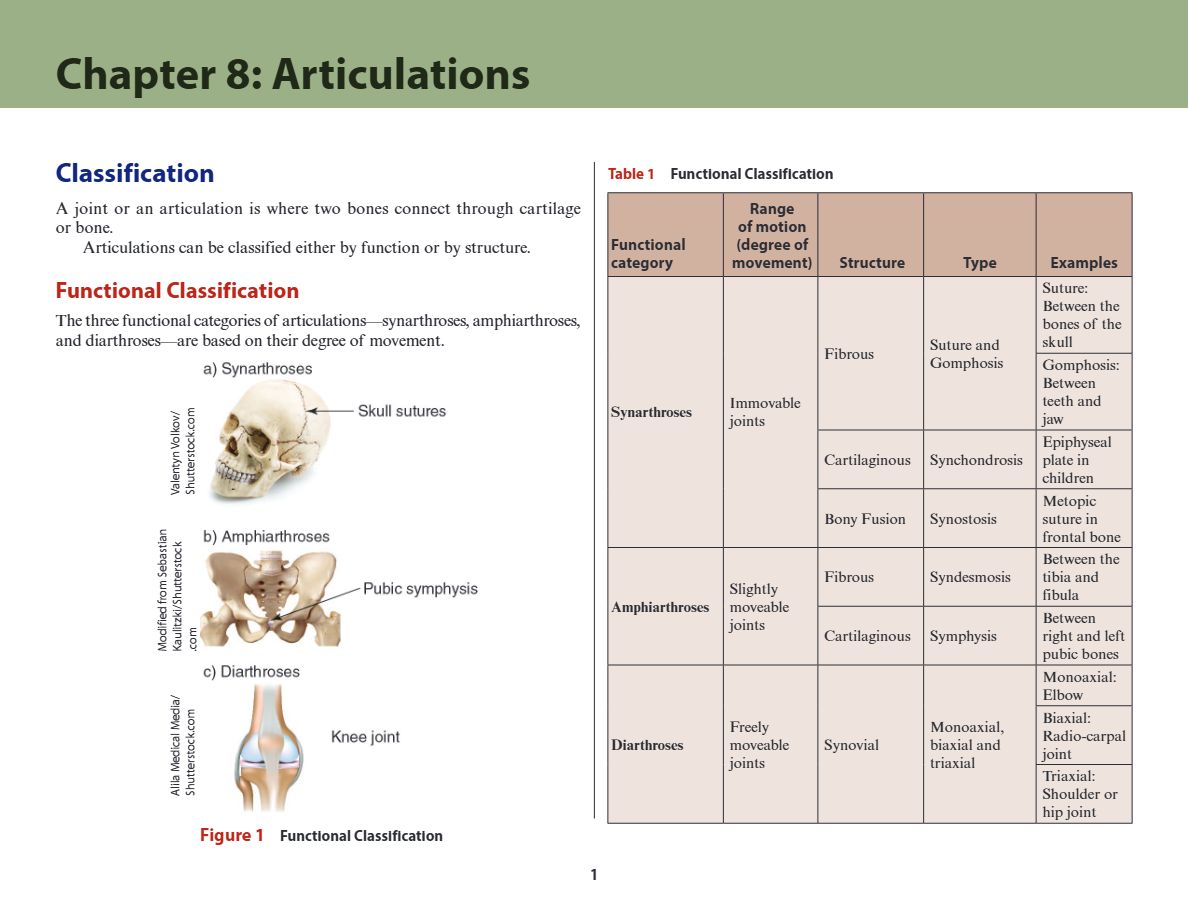
Which of the following joints is classified as a synarthrosis and is immovable?
Knee joint
Pubic symphysis
Skull suture
Shoulder joint
5
6
Open Ended
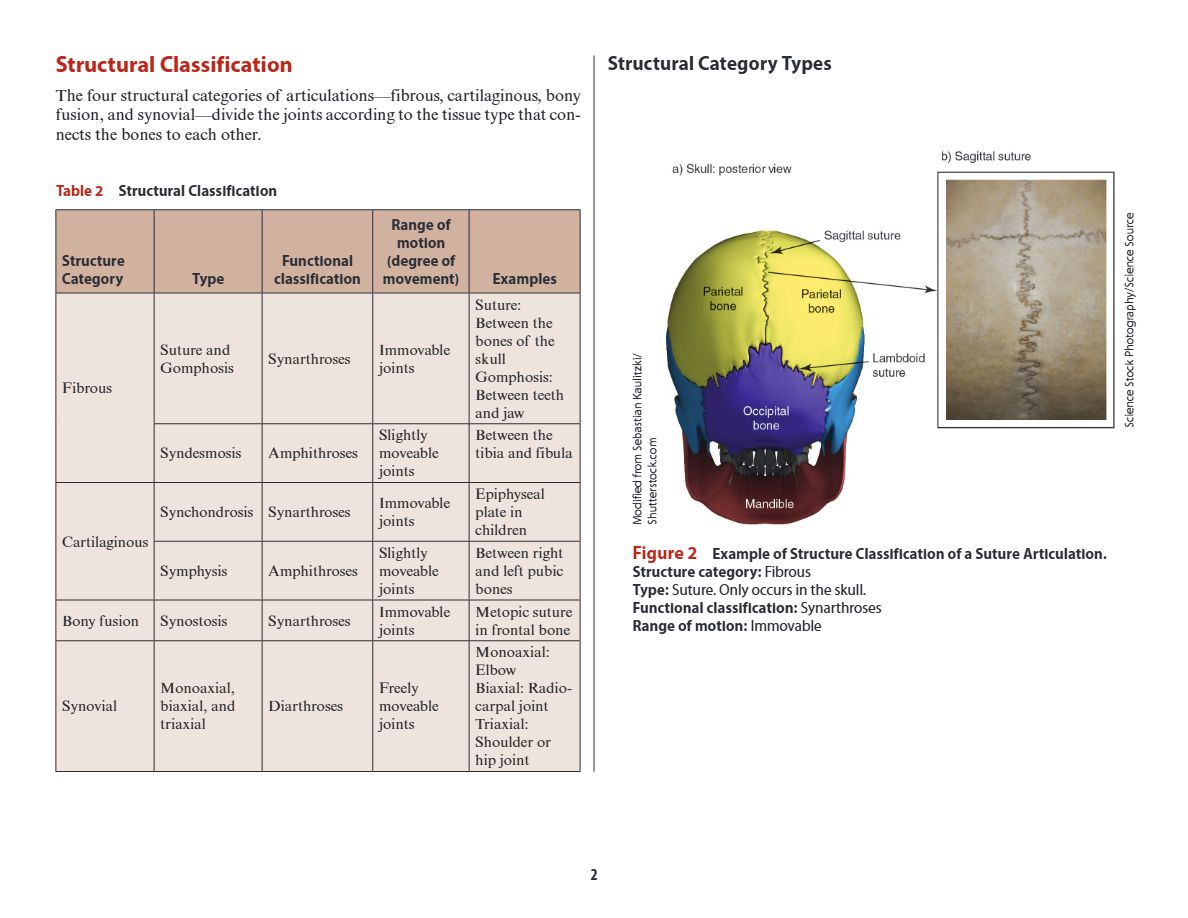
Compare the functional classification and range of motion between the synostosis in the skull and the symphysis in the pelvis.
7
Multiple Select
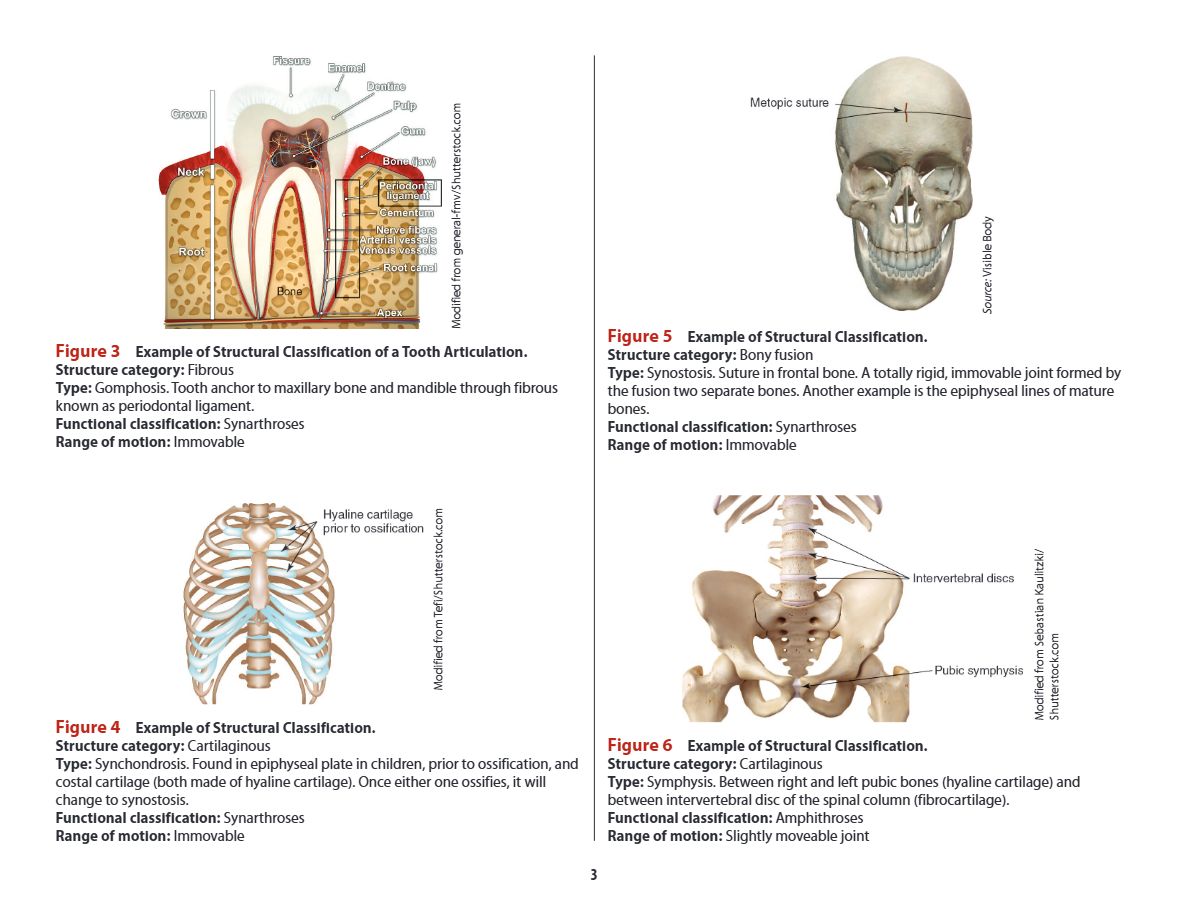
Which of the following joints are classified as cartilaginous?
Epiphyseal plate in children
Pubic symphysis
Tooth articulation
Intervertebral discs
8
Multiple Choice
Which of the following joints is classified as a fibrous joint with immovable range of motion?
Tooth articulation (Gomphosis)
Pubic symphysis
Epiphyseal plate (Synchondrosis)
Elbow joint
9
10
11
Multiple Choice
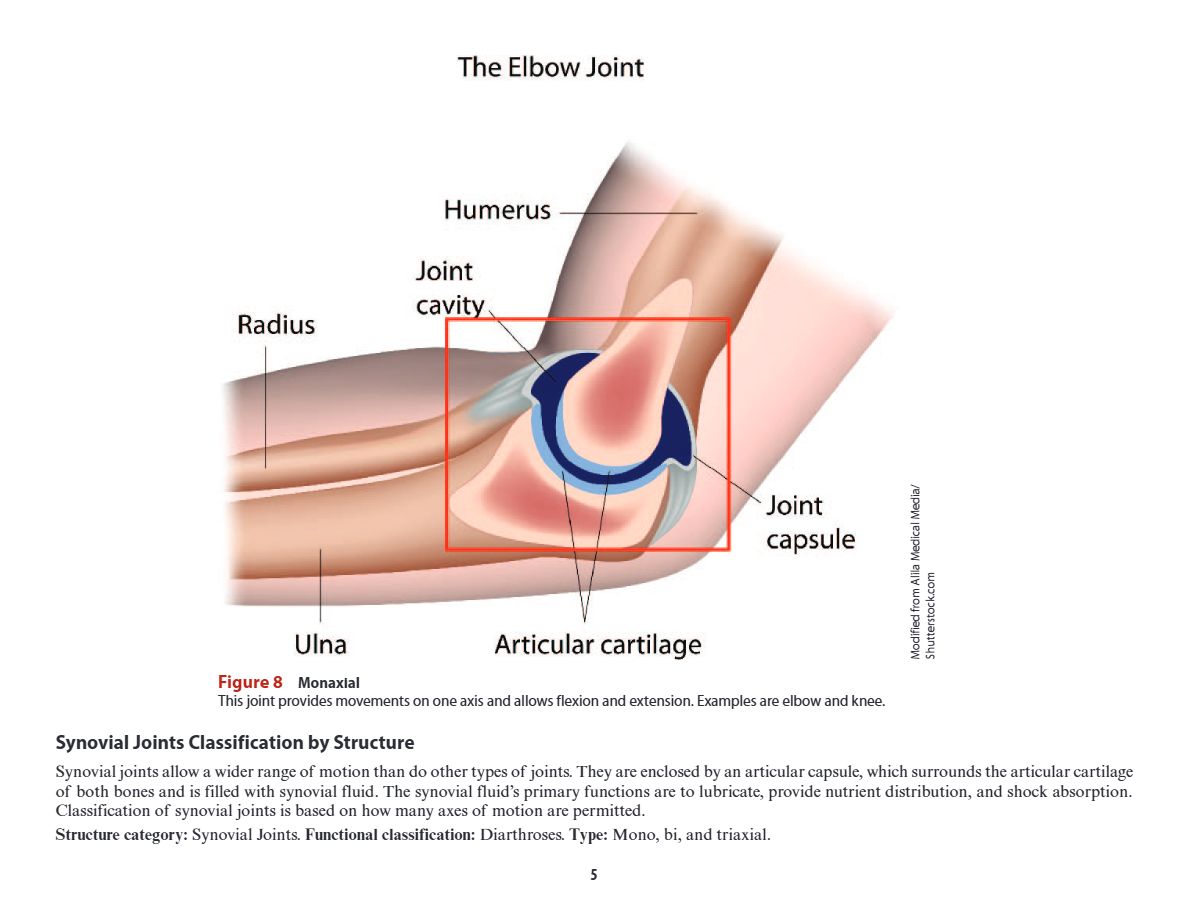
What is the main function of synovial fluid in synovial joints?
Lubrication and nutrient distribution
Bone fusion
Ossification of cartilage
Formation of ligaments
12
13
14
Fill in the Blanks
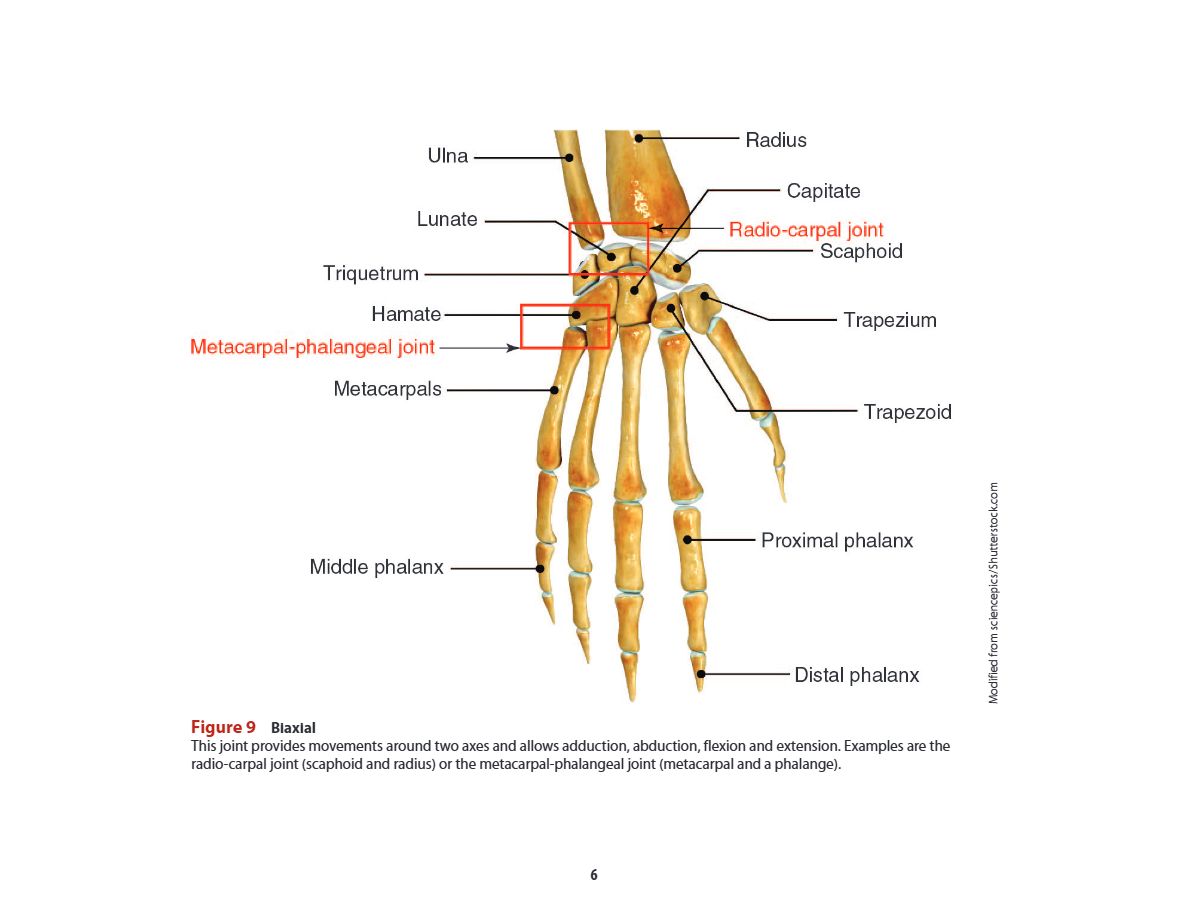
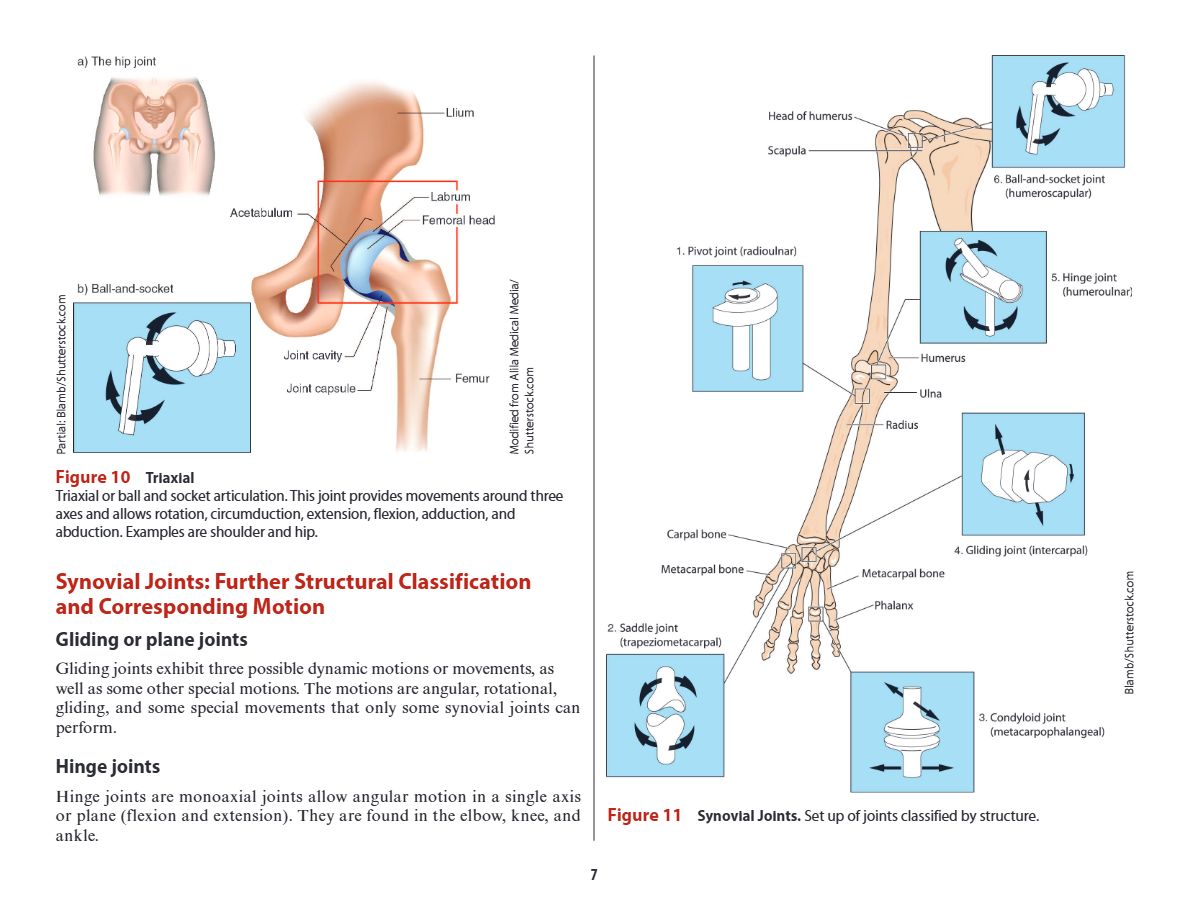
The joint that allows movement around three axes and is found in the shoulder is called a
Type answer...
15
16
Multiple Choice
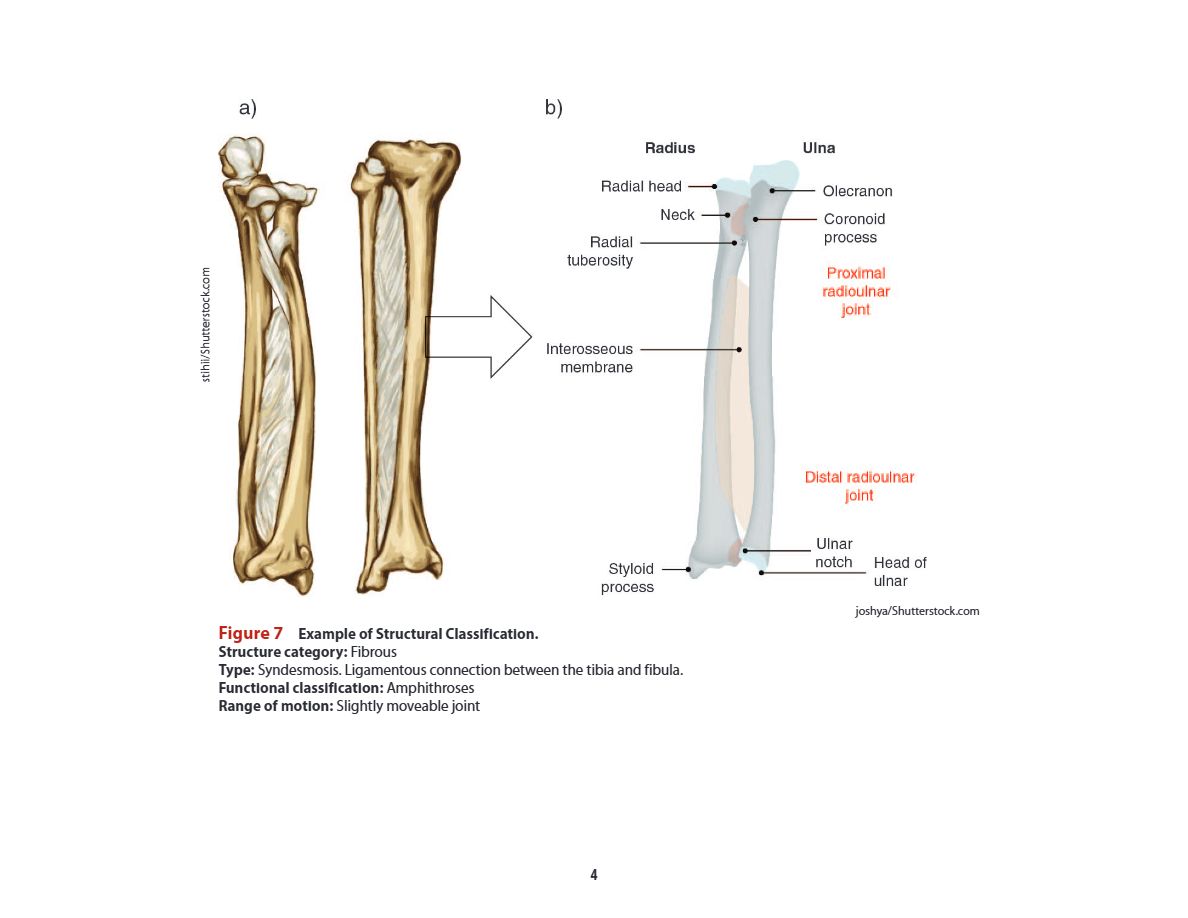
Which type of synovial joint allows only rotation, such as the joint between the radius and ulna?
Pivot joint
Saddle joint
Ball-and-socket joint
Gliding joint
17
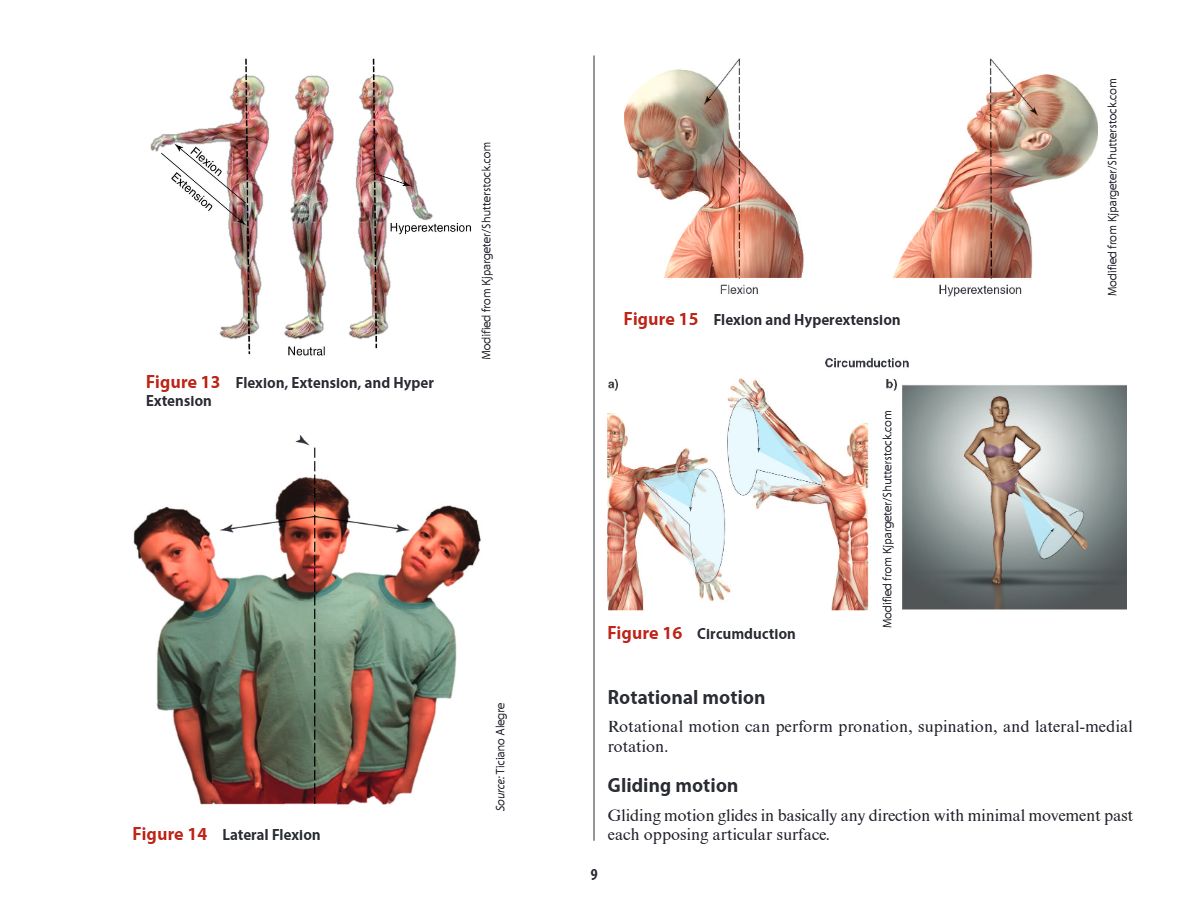
18
Multiple Choice
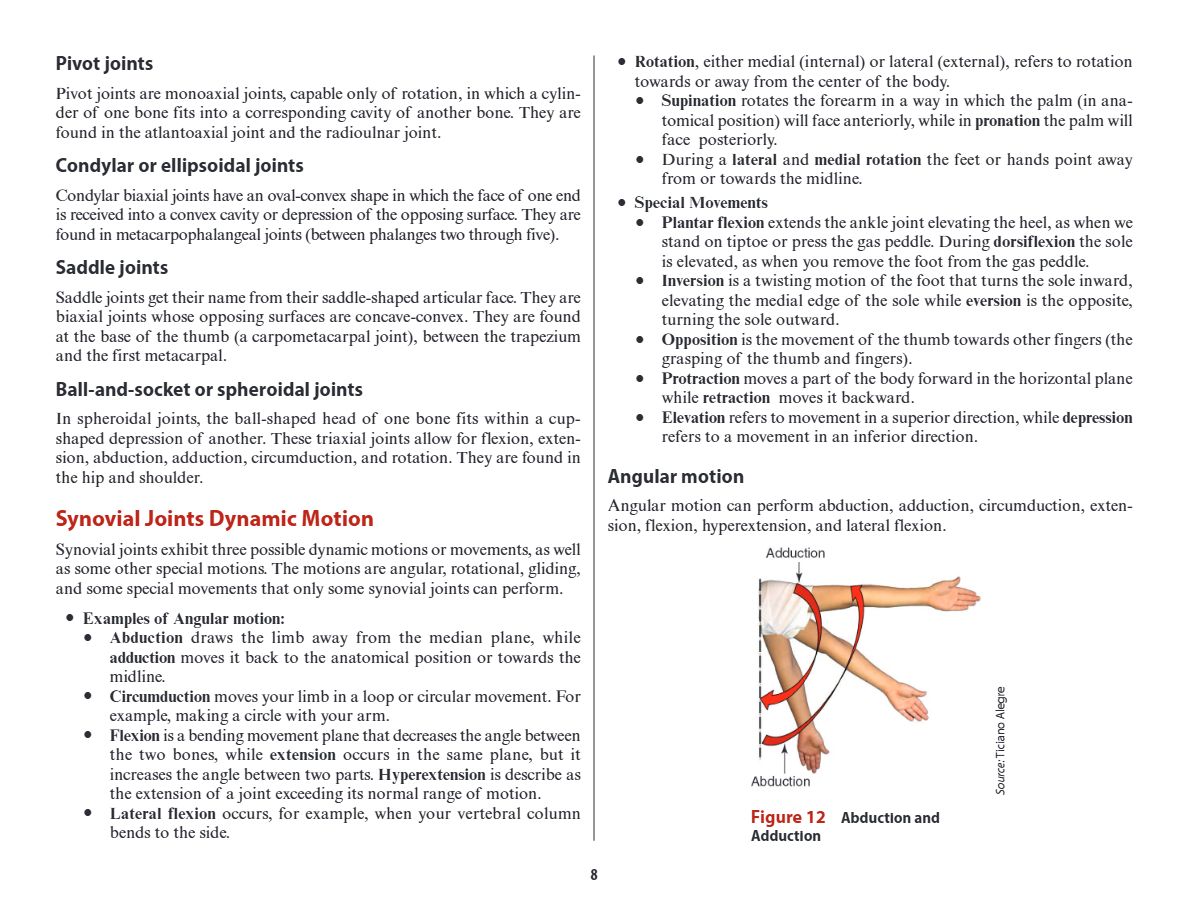
Which of the following best describes the difference between flexion and extension as shown in the diagrams?
Flexion decreases the angle between body parts, while extension increases it.
Flexion increases the angle between body parts, while extension decreases it.
Flexion and extension both decrease the angle between body parts.
Flexion and extension both increase the angle between body parts.
19
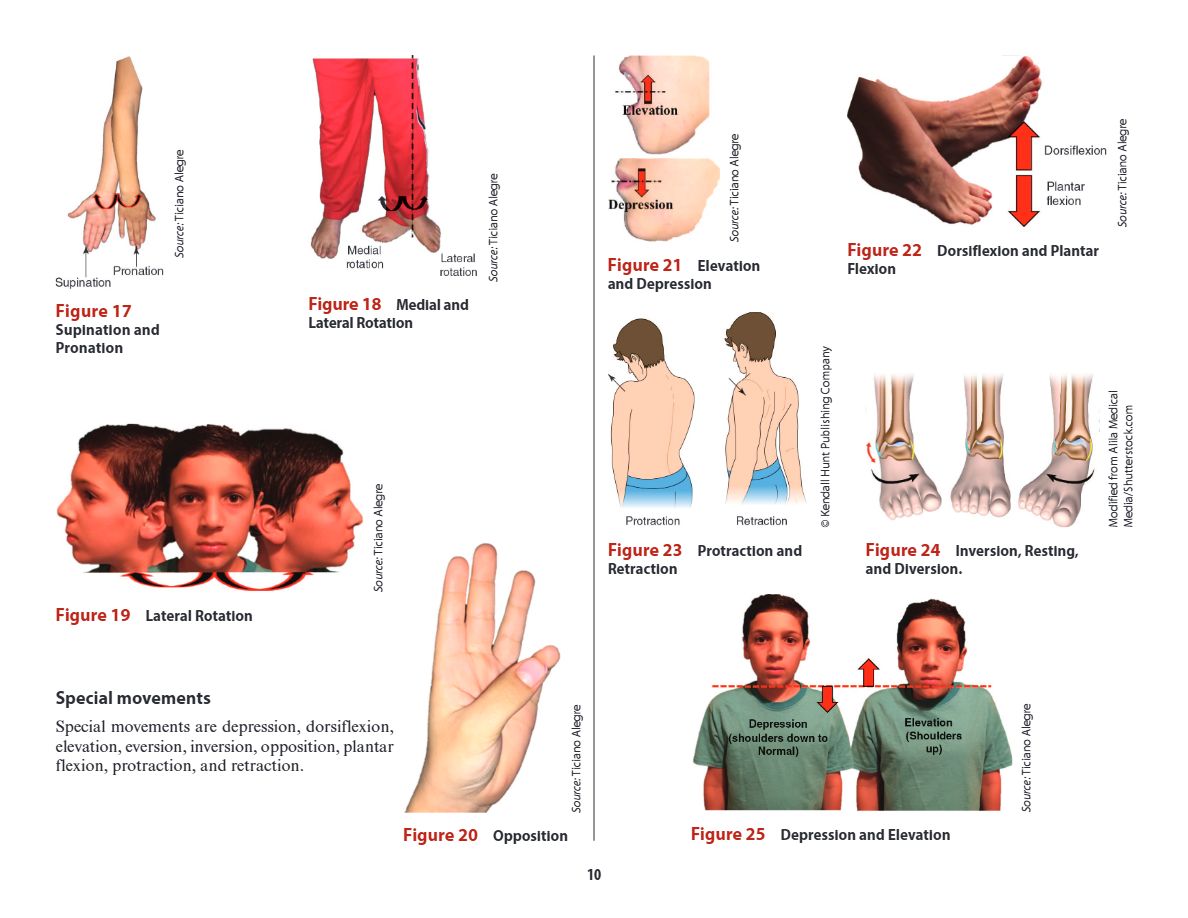
20
Multiple Select
Which of the following are examples of special movements described in the images?
Depression
Opposition
Protraction
Circumduction
21
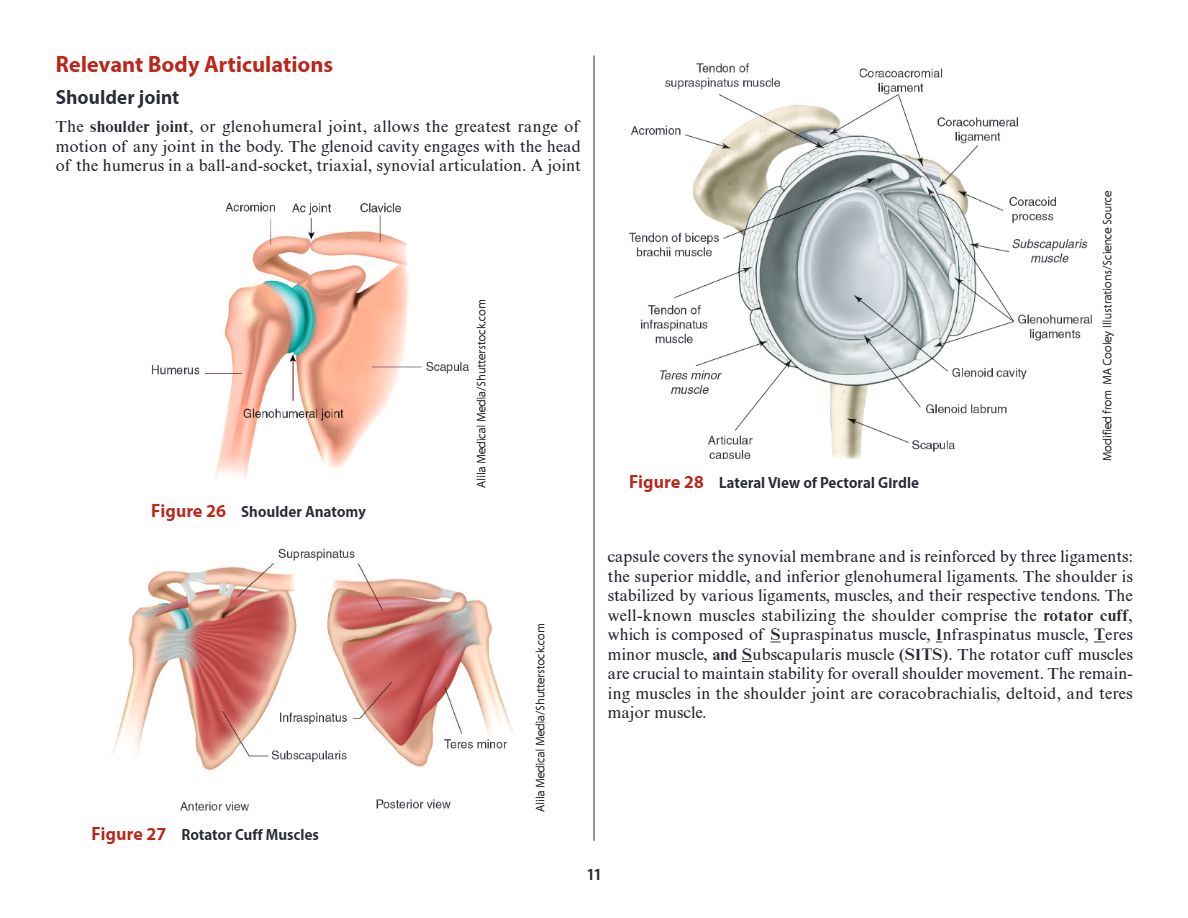
22
Open Ended
Explain the role of the rotator cuff muscles in stabilizing the shoulder joint. Why are these muscles important for shoulder movement?
23
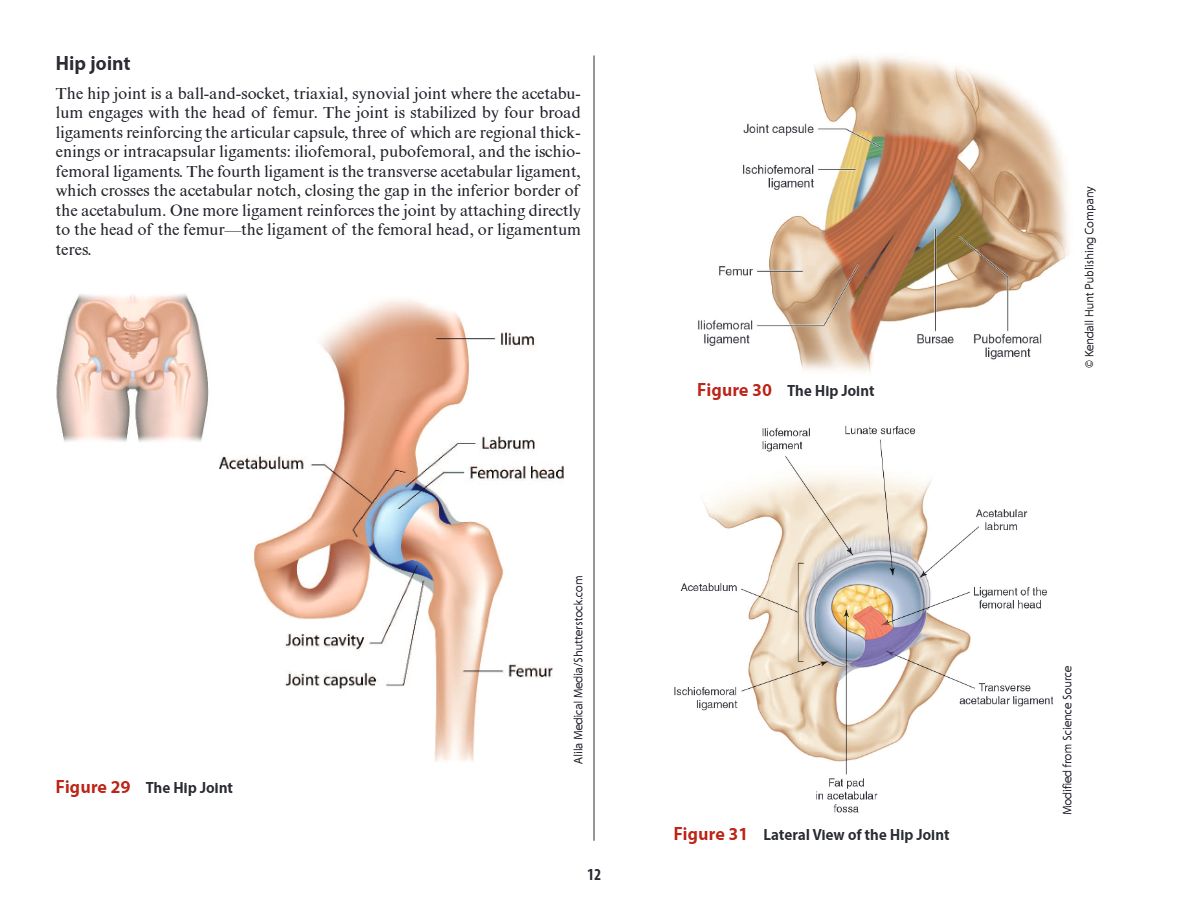
24
Fill in the Blanks
The ligament that attaches directly to the head of the femur is called the
Type answer...
25
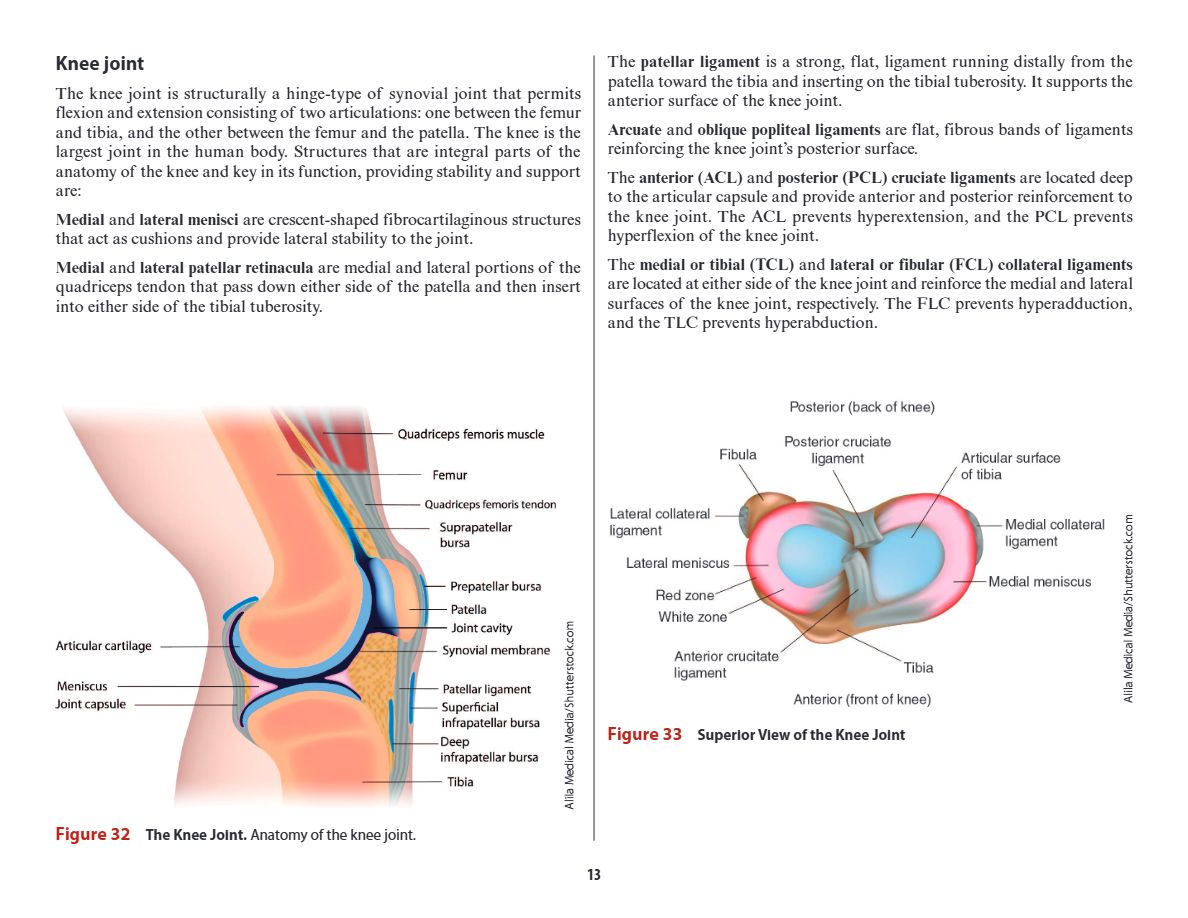
26
Multiple Choice
Which structure acts as a cushion and provides lateral stability to the knee joint?
Medial and lateral menisci
Patellar ligament
Quadriceps tendon
Articular cartilage
27
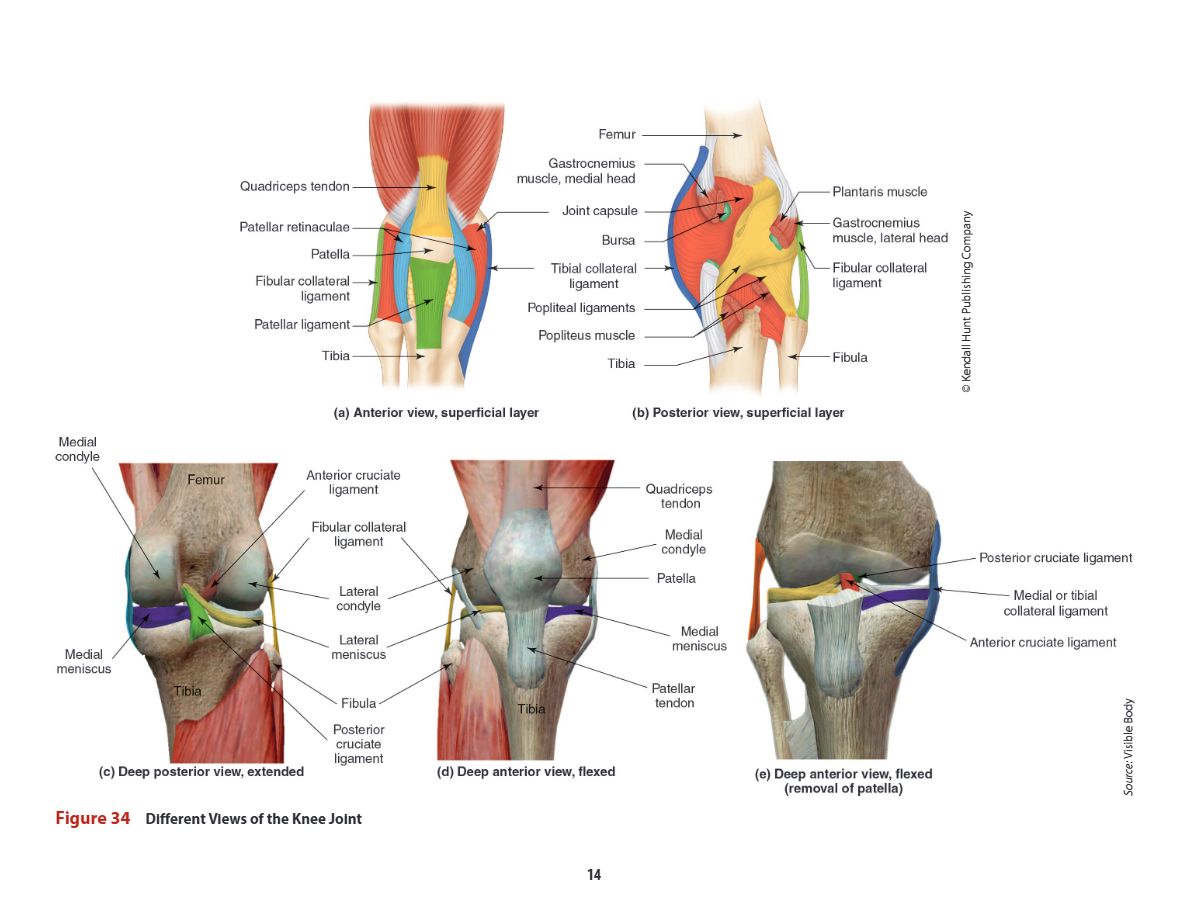
28
Open Ended
Compare the superficial and deep views of the knee joint as shown in the diagrams. What key anatomical differences can you identify between these views?
29
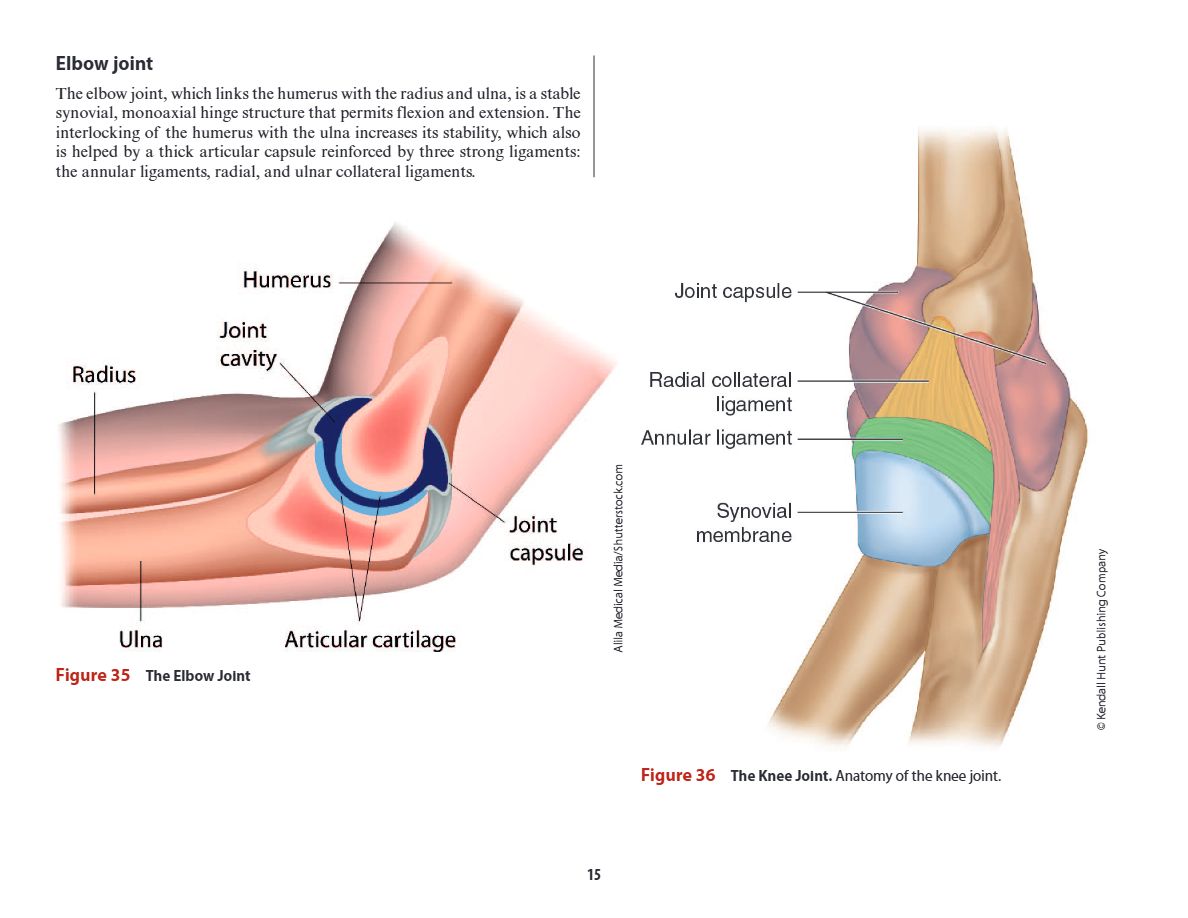
30
Multiple Choice
Which of the following ligaments is NOT associated with the elbow joint?
Annular ligament
Radial collateral ligament
Ulnar collateral ligament
Costoclavicular ligament
31
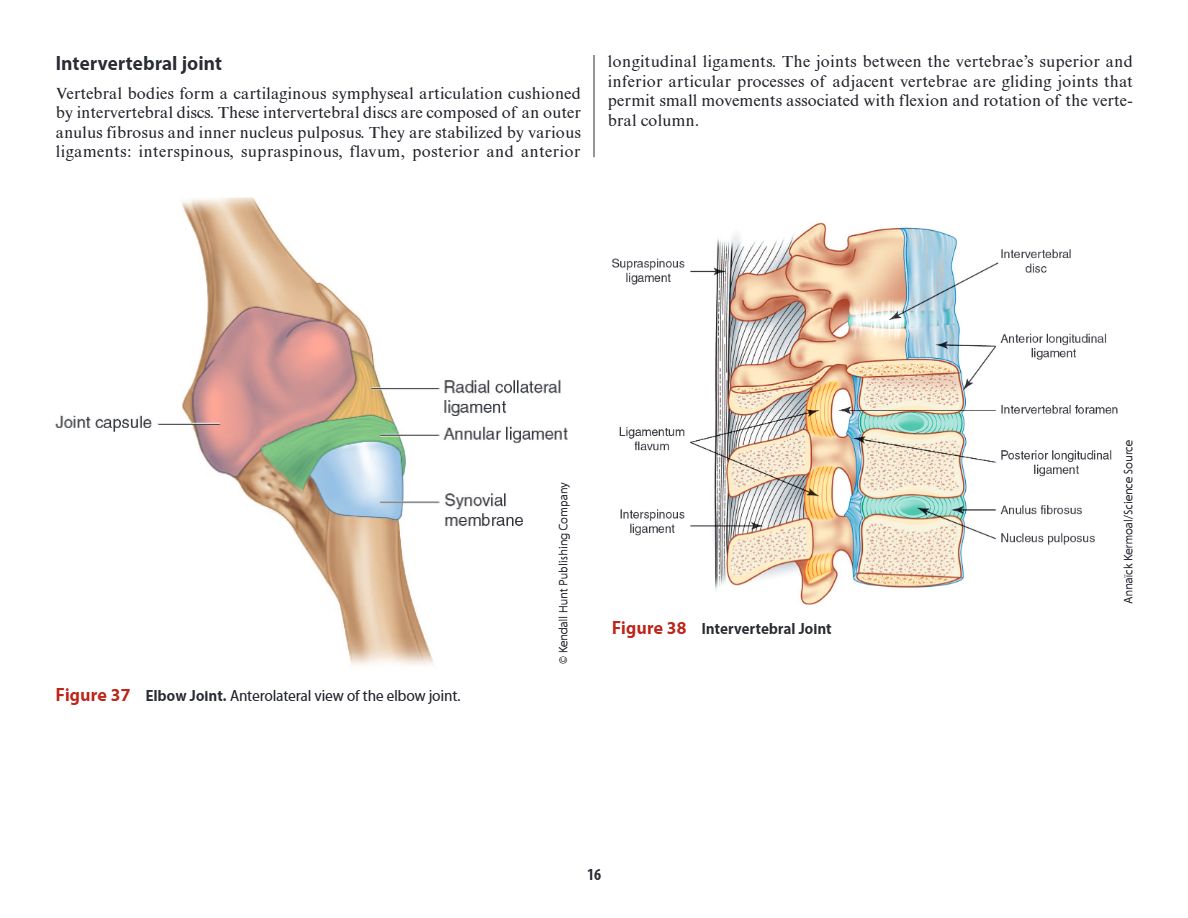
32
Open Ended
Compare the structure and function of the elbow joint and the intervertebral joint. How do their anatomical features relate to their movement capabilities?
33
34
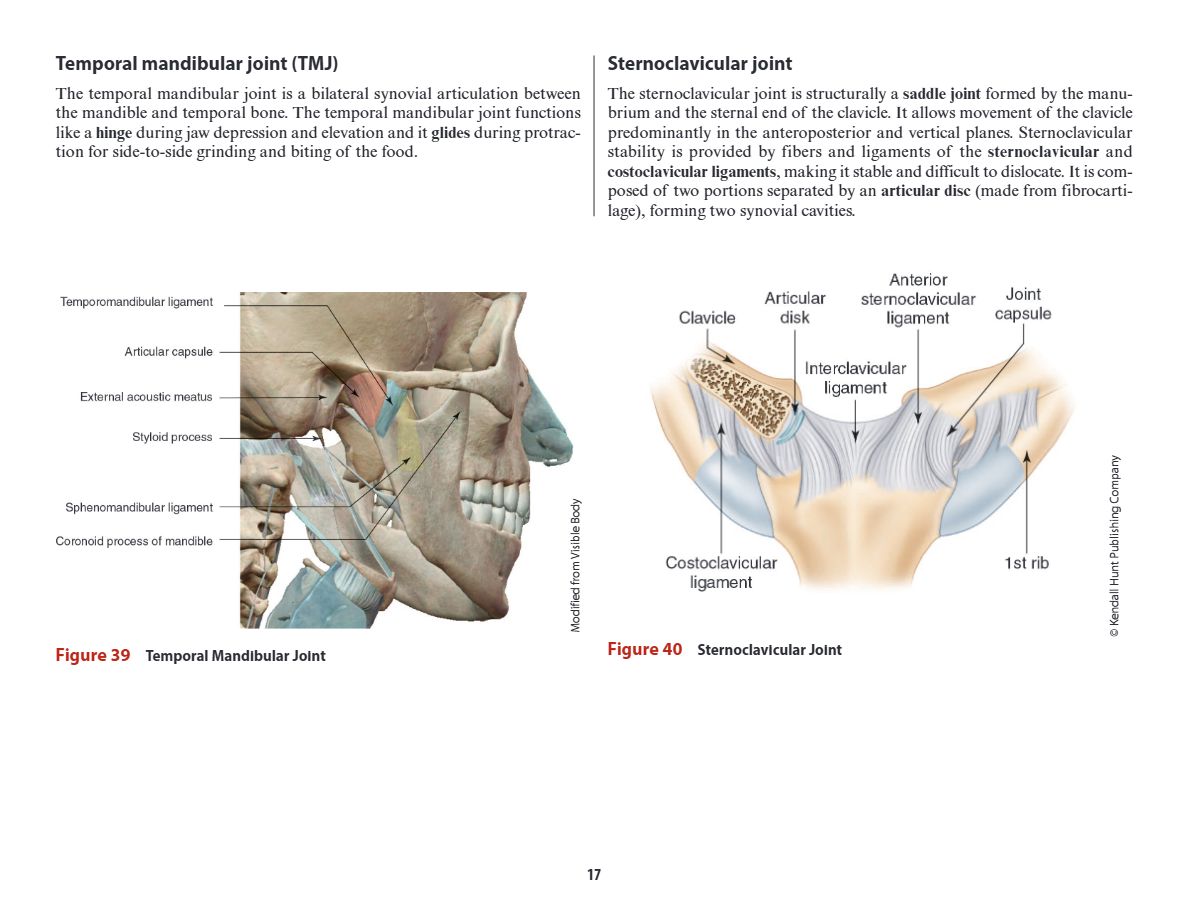
Multiple Choice
Which of the following structures are present in both the sternoclavicular joint and the temporal mandibular joint?
Articular disk
Costoclavicular ligament
Styloid process
Interclavicular ligament
35
36
Open Ended
Reflecting on what you have learned about structural and functional classification of joints, how do you think the structure of a joint influences its function and range of motion?
37
Multiple Choice
What are the three functional categories of articulations, and how do they differ in terms of their degree of movement?
Synarthroses (immovable joints), Amphiarthroses (slightly moveable joints), Diarthroses (freely moveable joints)
Synarthroses (freely moveable joints), Amphiarthroses (immovable joints), Diarthroses (slightly moveable joints)
Synarthroses (slightly moveable joints), Amphiarthroses (freely moveable joints), Diarthroses (immovable joints)
Synarthroses (immovable joints), Amphiarthroses (freely moveable joints), Diarthroses (slightly moveable joints)
38
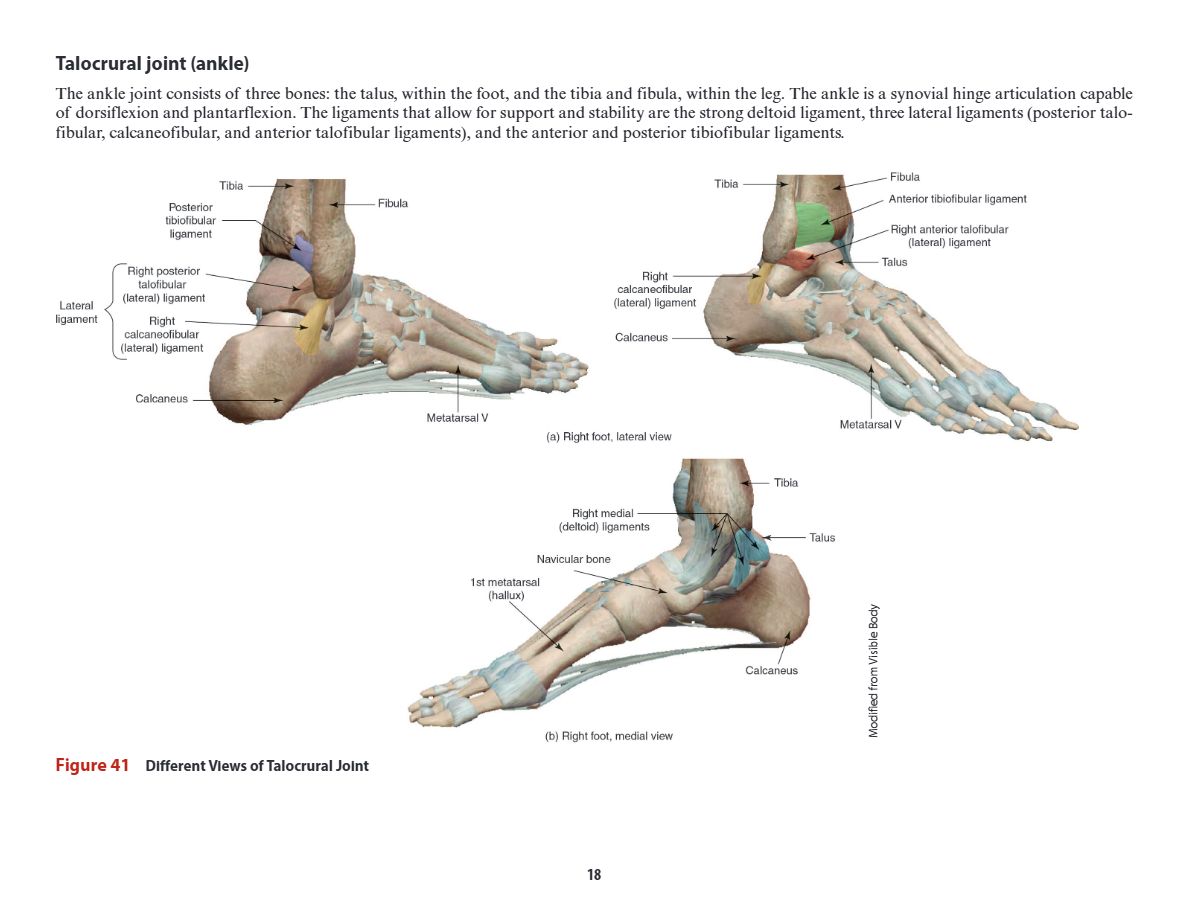
Fill in the Blanks
The ankle joint consists of the talus, tibia, and
Type answer...
Show answer
Auto Play
Slide 1 / 38
SLIDE
Similar Resources on Wayground

29 questions
Lab Safety Is Common Sense
Presentation
•
KG
30 questions
World War I
Presentation
•
10th Grade
30 questions
The Molecules of Life
Presentation
•
10th Grade
31 questions
Absolute Value Inequalities
Presentation
•
10th Grade
31 questions
Cell terms part 2 - 2023
Presentation
•
10th Grade
32 questions
Nucleosynthesis
Presentation
•
KG
34 questions
Levels of Organization, Food Chains, and Webs
Presentation
•
10th Grade
32 questions
Climate
Presentation
•
10th Grade
Popular Resources on Wayground
10 questions
Safety Day 2026 – Student Review

Quiz
•
9th Grade
21 questions
Continents and Oceans
Quiz
•
6th Grade
20 questions
Parts of Speech
Quiz
•
5th Grade
16 questions
Subject & Predicate
Quiz
•
5th Grade
25 questions
Multiplication Facts
Quiz
•
5th Grade
12 questions
Map Skills
Quiz
•
3rd Grade
22 questions
Continents and Oceans
Quiz
•
5th Grade
15 questions
Rounding Decimals
Quiz
•
5th Grade
Discover more resources for Science
10 questions
Exploring Chemical and Physical Changes

Interactive video
•
6th - 10th Grade
10 questions
Exploring the Electromagnetic Spectrum for Middle School Science
Interactive video
•
6th - 10th Grade
10 questions
Exploring Force and Motion Concepts
Interactive video
•
6th - 10th Grade
10 questions
Exploring Air Masses and Weather Fronts
Interactive video
•
6th - 10th Grade
10 questions
Exploring the States of Matter
Interactive video
•
6th - 10th Grade
10 questions
Exploring Forces: Net Force, Normal Force, Gravity, and Friction
Interactive video
•
6th - 10th Grade
10 questions
Differentiating Thermal Energy and Temperature
Interactive video
•
6th - 10th Grade
10 questions
Exploring the States of Matter and Thermal Energy
Interactive video
•
6th - 10th Grade