

Chapter 3.1

Presentation
•
Science
•
10th Grade
•
Practice Problem
•
Medium
+9
Standards-aligned

Kurt Trout
Used 1+ times
FREE Resource
23 Slides • 26 Questions
1

2
Multiple Choice
Which of the following best describes a global system within the biosphere?
A network of living organisms interacting with each other and their environment
A single organism living in isolation
A chemical reaction in a laboratory
A group of rocks found in a mountain
3
Open Ended
Why is it important to study the biosphere and its global systems?
4
5
Multiple Choice
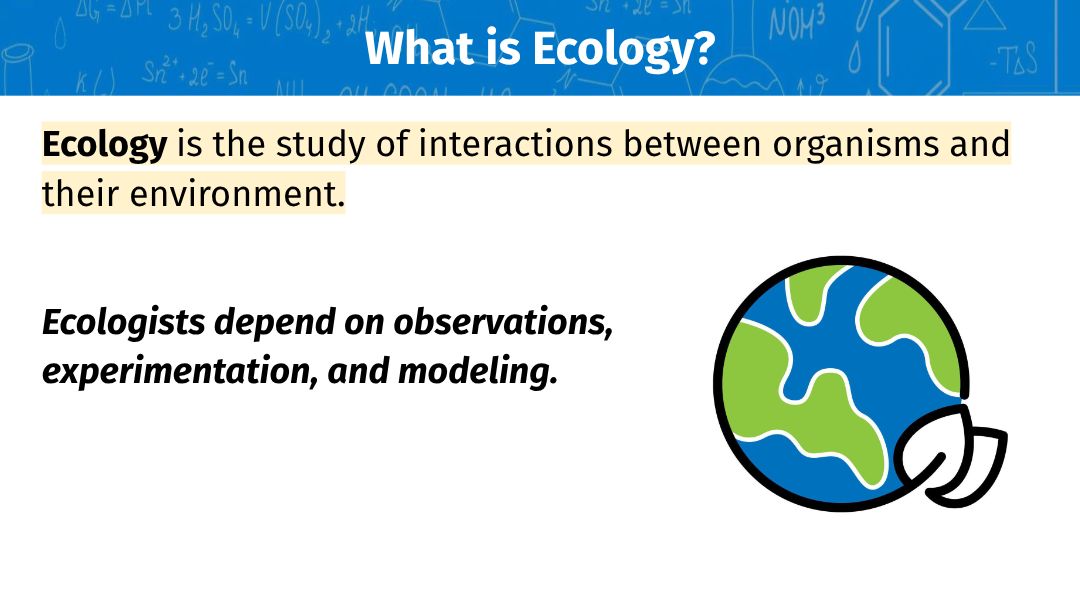
What are the three main methods ecologists use to study the environment?
Observation, experimentation, and modeling
Prediction, calculation, and simulation
Measurement, estimation, and calculation
Observation, prediction, and simulation
6
Multiple Choice
Which of the following best describes the main focus of ecology?
The study of chemical reactions
The study of interactions between organisms and their environment
The study of weather patterns
The study of ancient civilizations
7
8
Open Ended
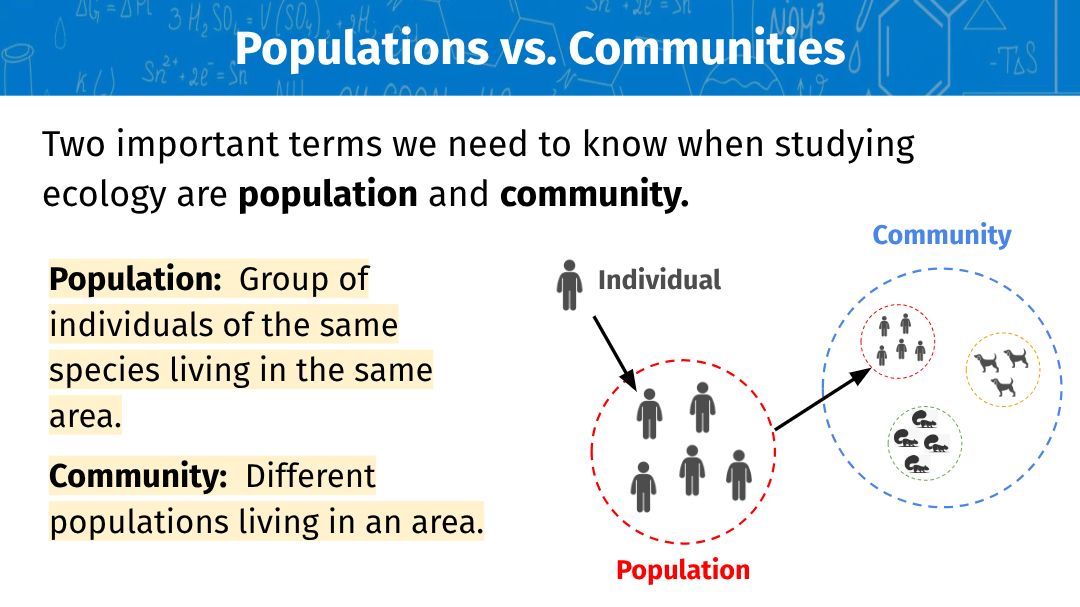
Explain the difference between a population and a community in ecological terms.
9
10
Fill in the Blanks
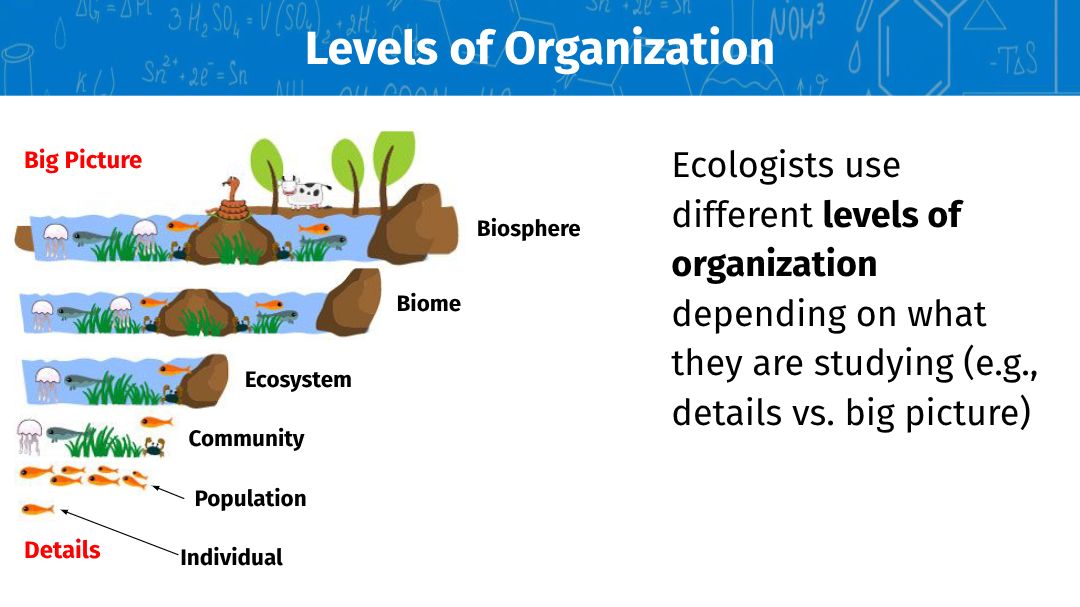
Ecologists use different levels of organization depending on what they are studying. Fill in the blank: The largest level of organization is the
11
12
13
Multiple Choice
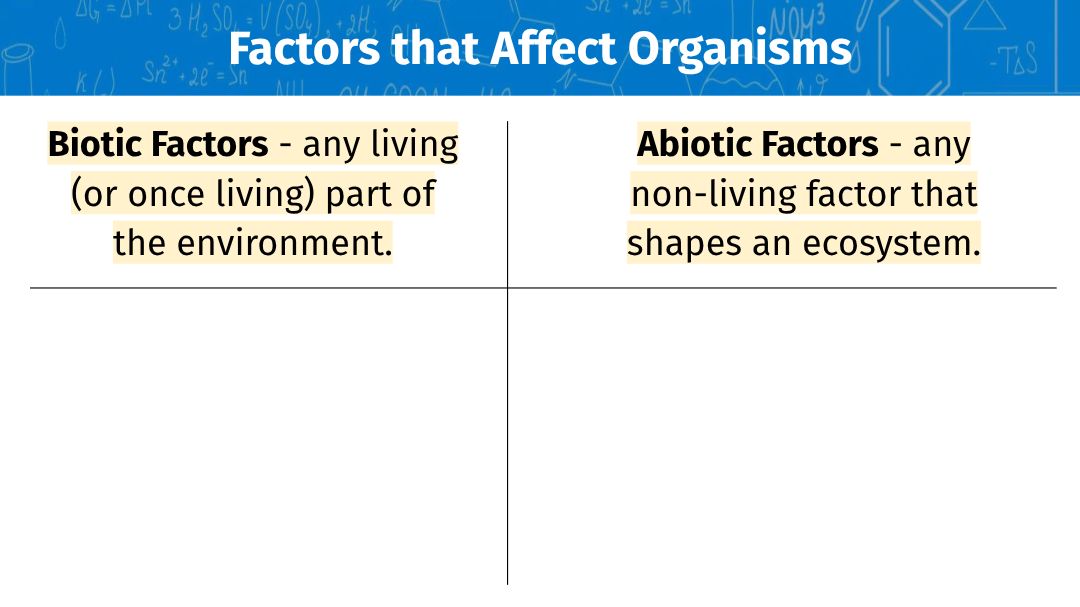
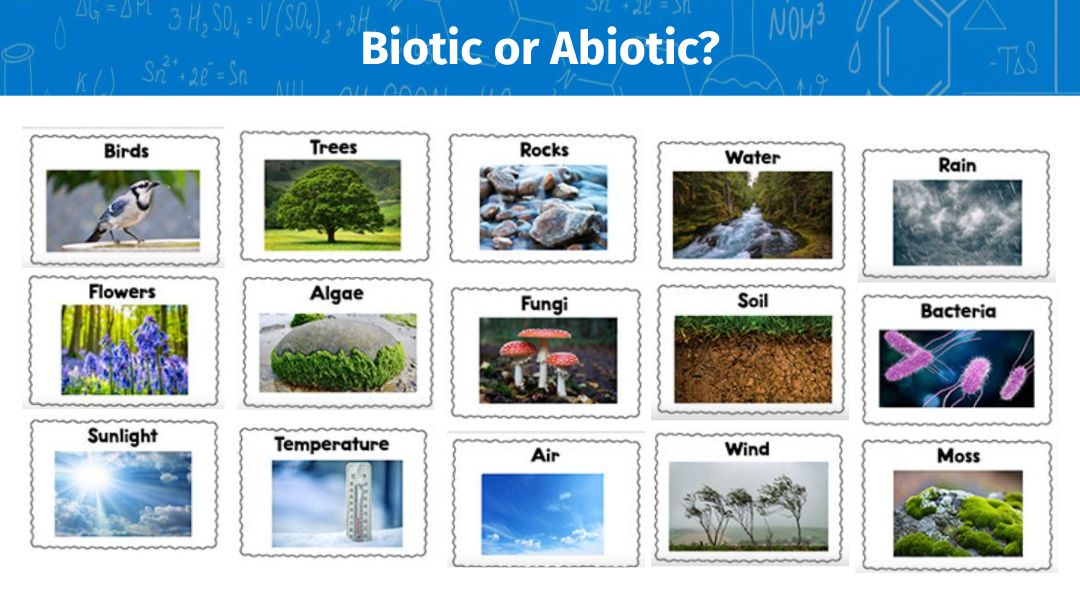
Which of the following are considered biotic factors?
Rocks, water, sunlight, temperature
Birds, trees, flowers, bacteria
Air, wind, rain, soil
Algae, fungi, moss, air
14
15
16
17
Multiple Choice
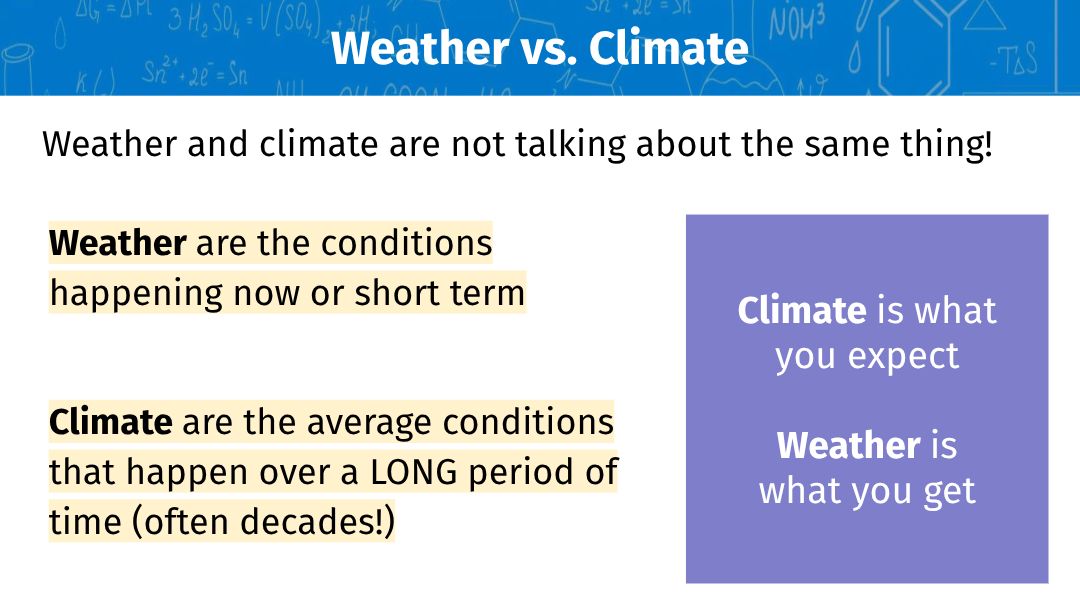
Which of the following best describes the difference between weather and climate?
Weather refers to short-term atmospheric conditions, while climate refers to long-term averages.
Weather refers to long-term averages, while climate refers to short-term atmospheric conditions.
Weather and climate are the same thing.
Climate is always colder than weather.
18

19
Open Ended
Explain what the main difference between weather and climate is.
20
21
Multiple Select
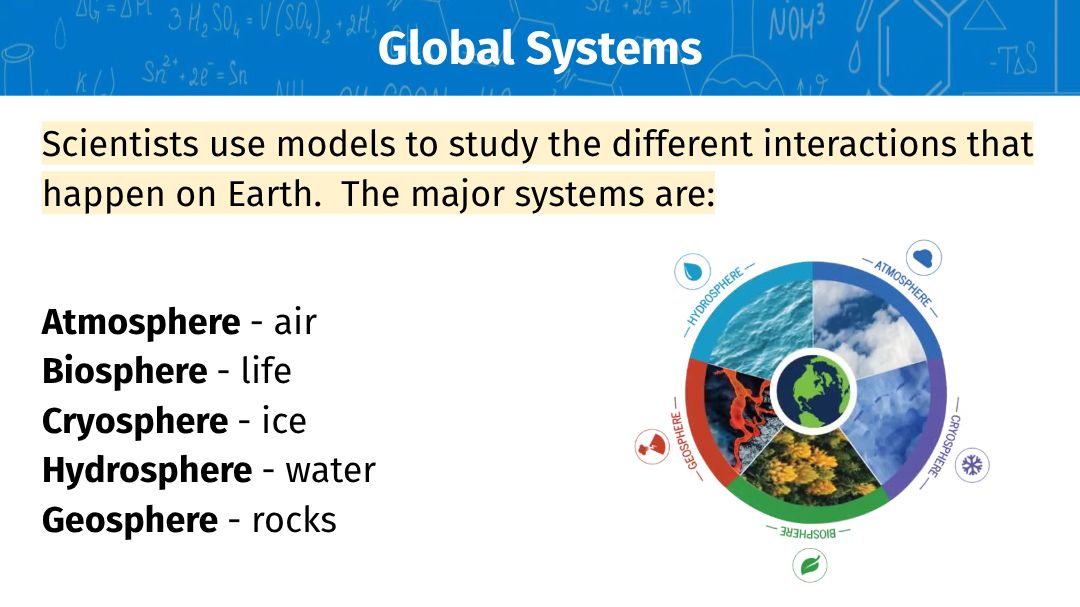
Which of the following are major Earth systems that scientists study to understand global interactions?
Atmosphere
Biosphere
Cryosphere
Hydrosphere
22
23
Multiple Choice
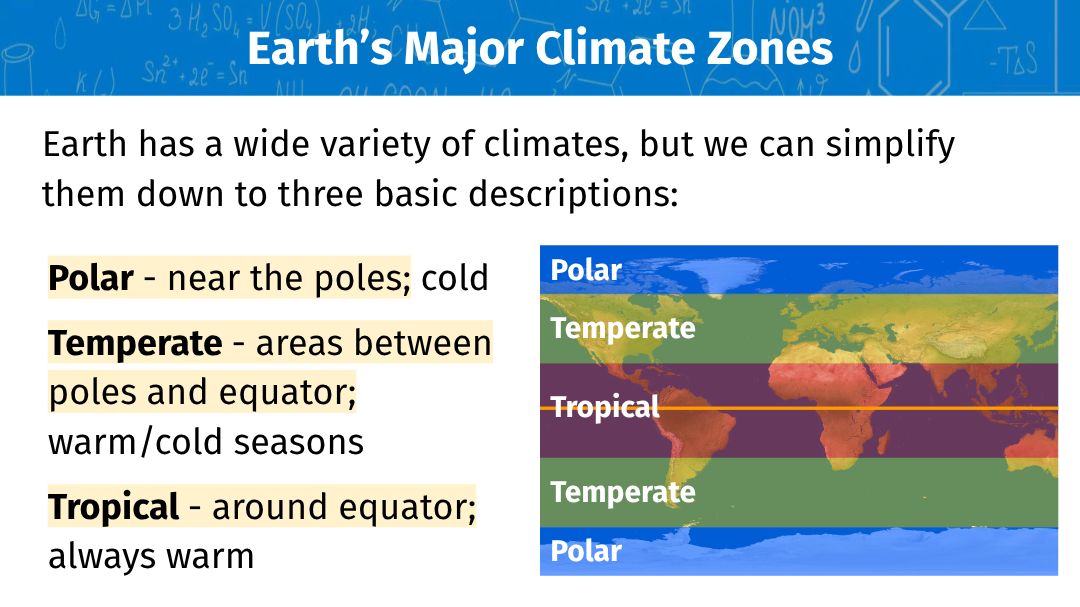
Which of the following statements about Earth's climate zones is correct?
Polar zones are near the poles and are cold.
Temperate zones are always warm.
Tropical zones are near the poles.
Temperate zones are around the equator.
24
Open Ended
Describe how Earth's climate zones are distributed geographically and how they differ from one another.
25
Fill in the Blanks
Earth's major climate zones include
26
27
Open Ended
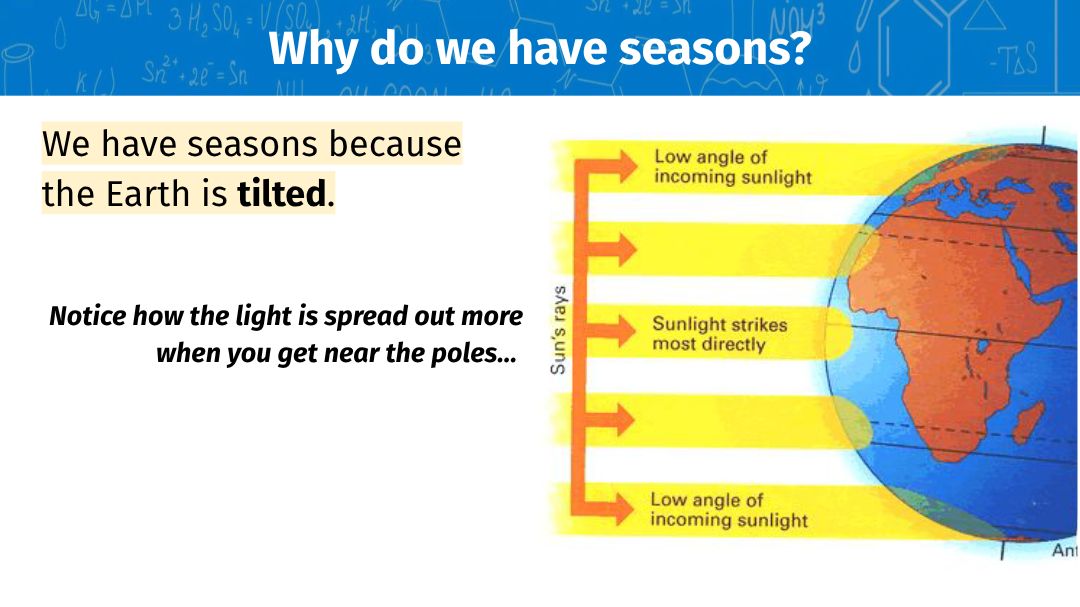
Explain how the angle of incoming sunlight affects temperature at different locations on Earth.
28
Multiple Choice
Which factor is primarily responsible for the existence of seasons on Earth?
The distance from the Sun
The tilt of the Earth's axis
The rotation speed of the Earth
The shape of the Earth
29
30
Multiple Choice
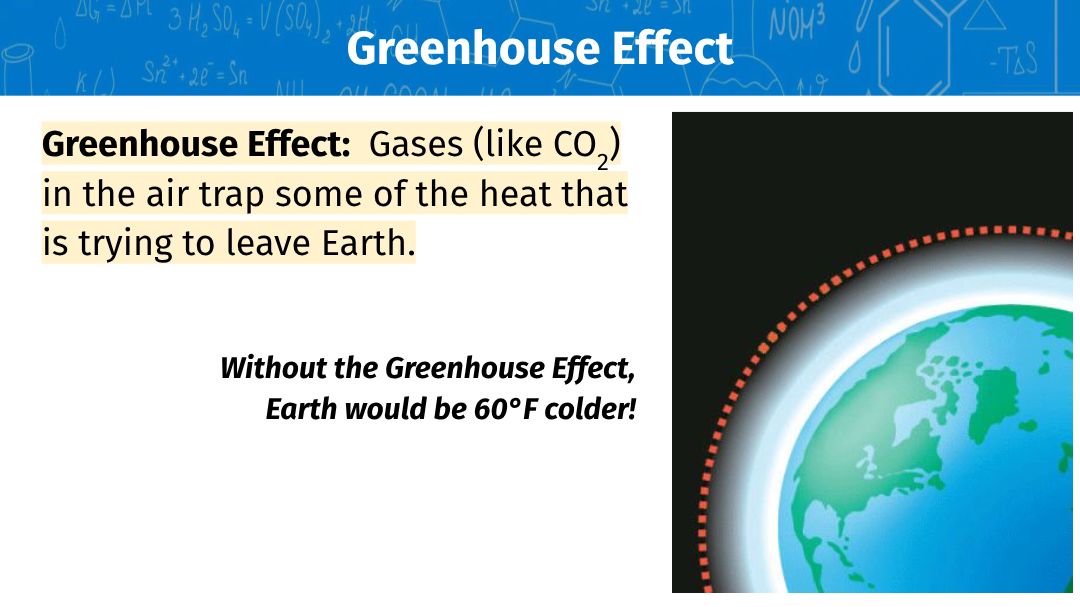
Which of the following statements about the greenhouse effect is correct?
It causes the Earth to cool down rapidly.
It traps some heat in the atmosphere, keeping Earth warmer.
It only affects areas near the equator.
It is caused by oxygen in the air.
31
32
Multiple Select
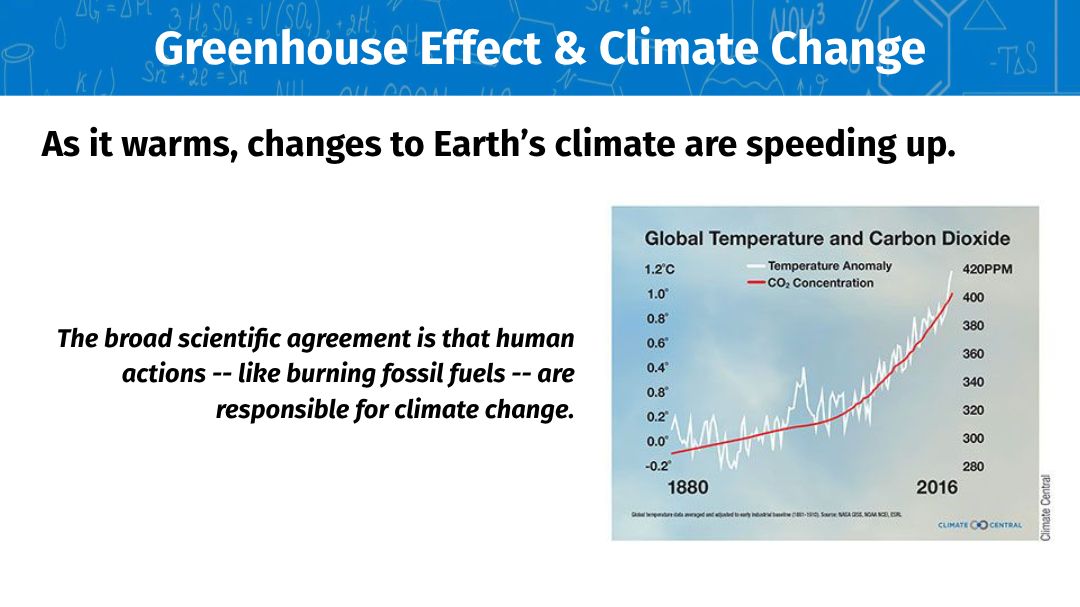
Select all the factors that contribute to climate change according to scientific consensus.
Burning fossil fuels
Deforestation
Earth's tilt
Increase in CO₂ concentration
33
34
35
36
Open Ended
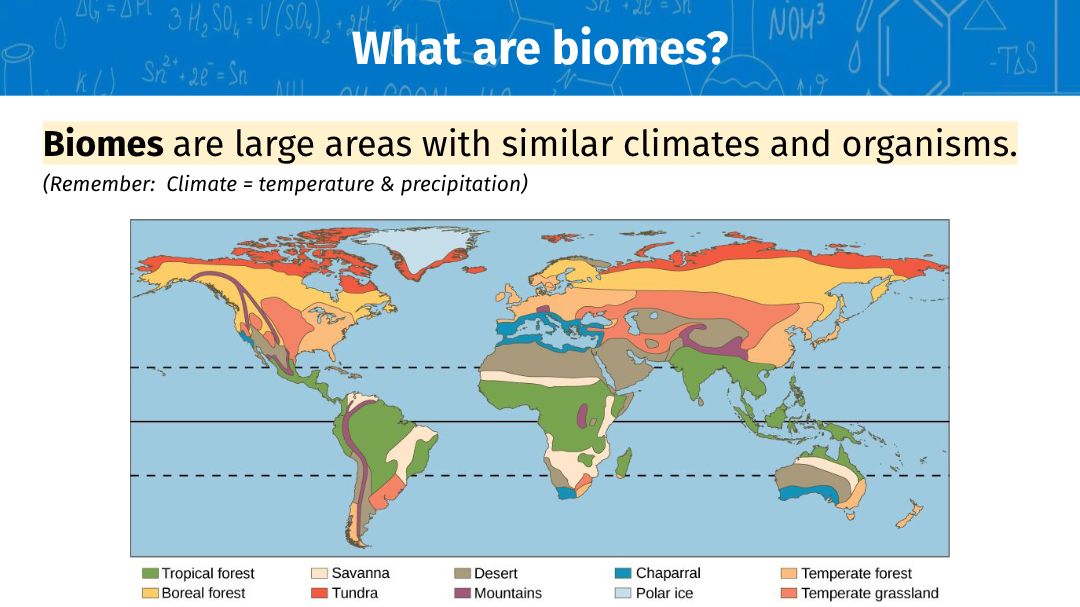
Describe how climate (temperature and precipitation) impacts the boundaries and separation of biomes around the world.
37
Fill in the Blanks
Biomes are large areas with similar climates and
38
39
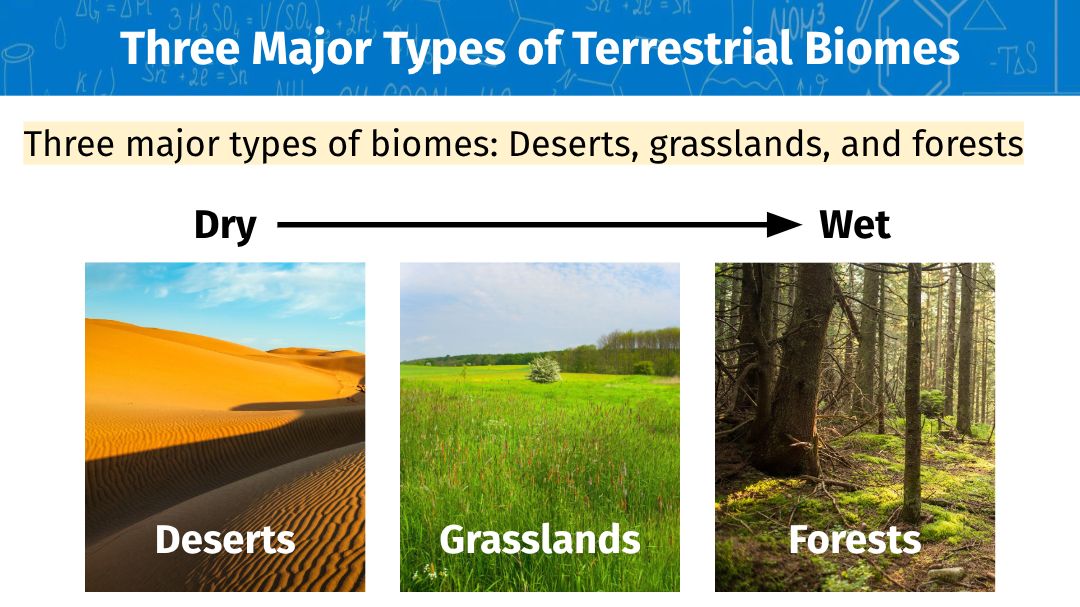
Multiple Choice
Which of the following is the correct order of terrestrial biomes from driest to wettest?
Deserts, Grasslands, Forests
Grasslands, Deserts, Forests
Forests, Grasslands, Deserts
Deserts, Forests, Grasslands
40
41
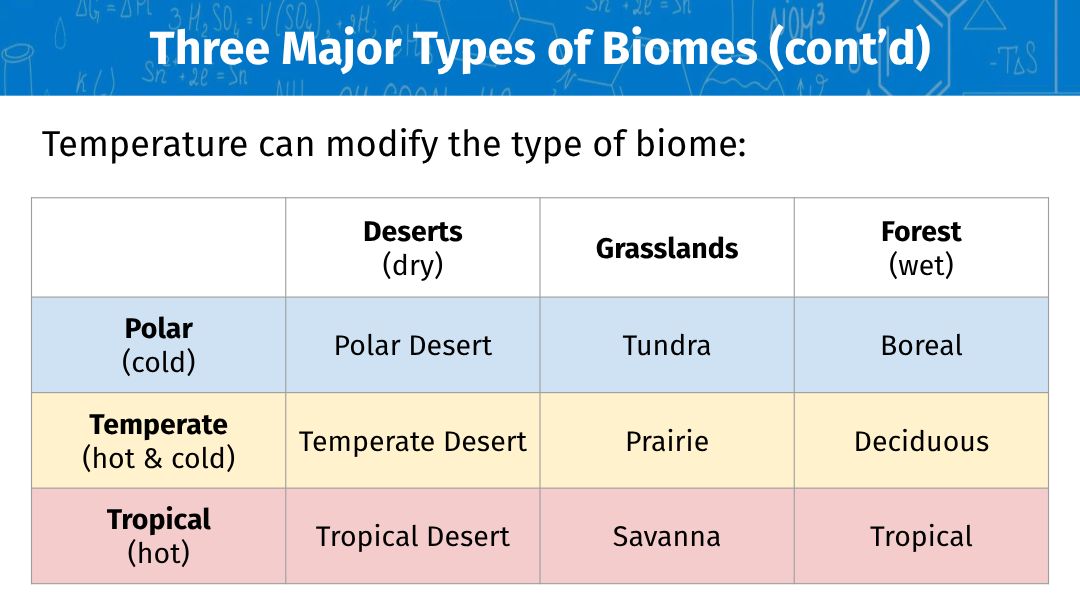
Multiple Choice
Which of the following biomes can be classified as both cold and dry?
Tundra
Polar Desert
Boreal Forest
Savanna
42
Open Ended
How does temperature influence the type of biome found in a region?
43
44
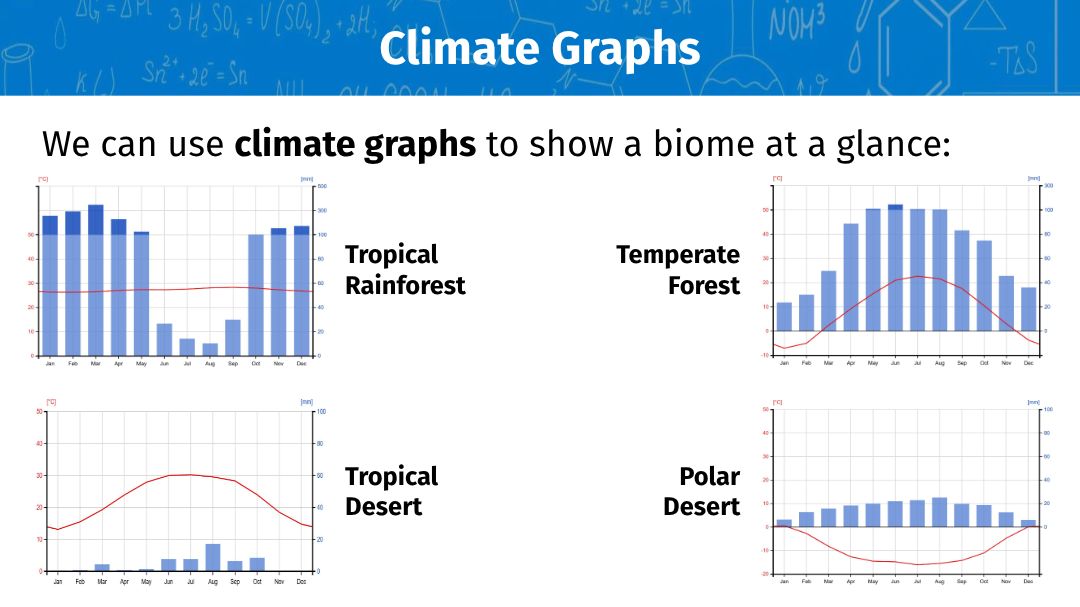
Fill in the Blanks
We can use
45
46
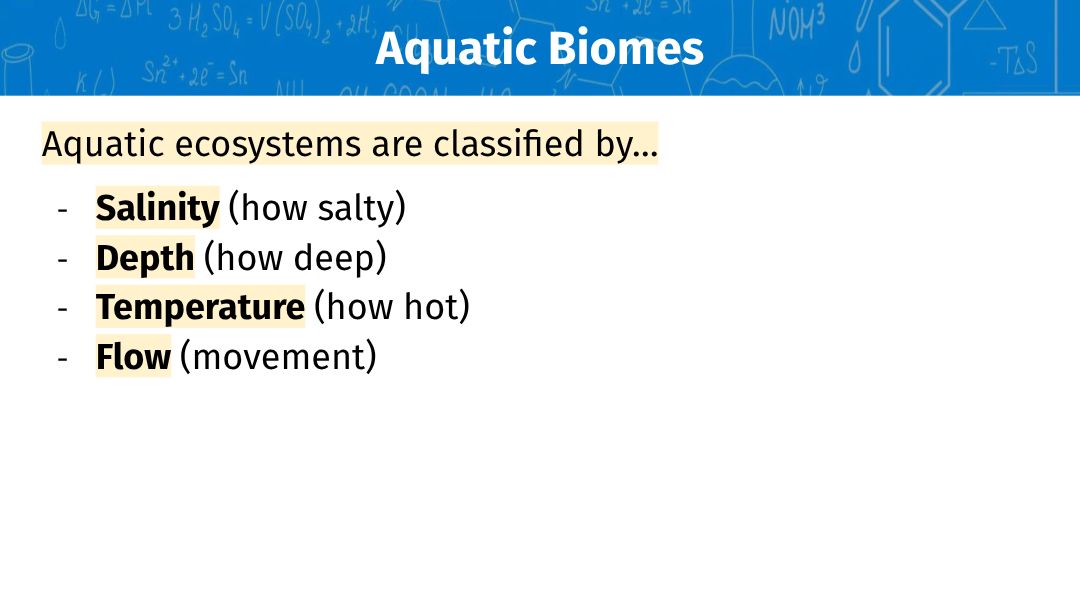
Multiple Choice
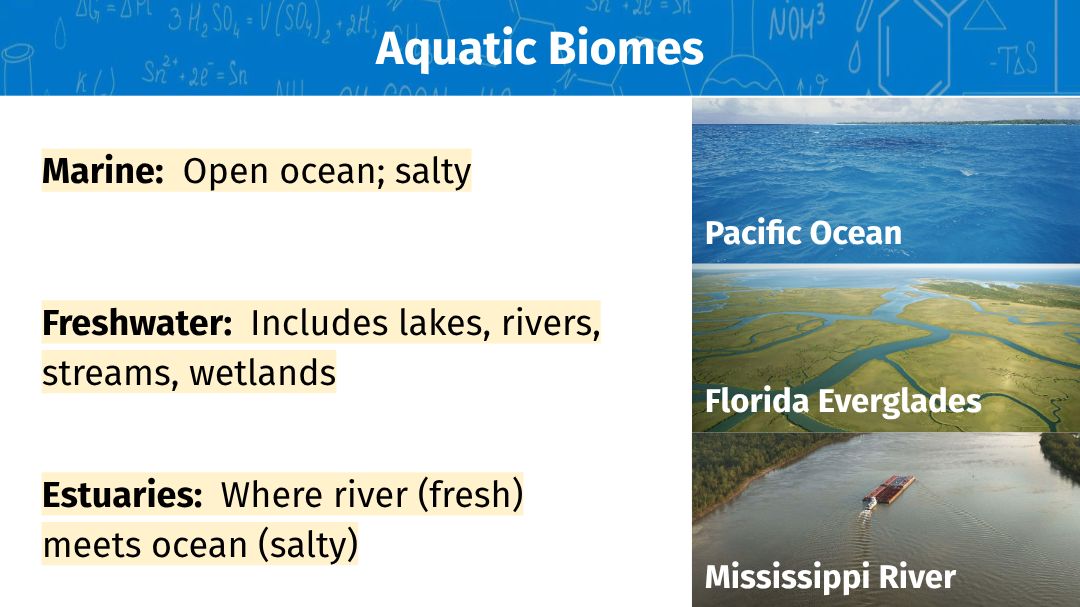
Which characteristic is NOT used to classify aquatic ecosystems?
Salinity
Depth
Temperature
Latitude
47
48
Multiple Choice
The biosphere includes all of the following except:
Land
Water
Atmosphere
Outer space
49
Open Ended
What is one question you still have about global systems after today's lesson?
Show answer
Auto Play
Slide 1 / 49
SLIDE
Similar Resources on Wayground

41 questions
Photosynthesis
Presentation
•
11th Grade
43 questions
Finding Epicenter
Presentation
•
10th Grade
45 questions
บทเรียนเรื่อง "การลำเลียงสาร"
Presentation
•
10th Grade
45 questions
Planets
Presentation
•
KG
45 questions
Physical Science 3.1
Presentation
•
9th - 10th Grade
45 questions
Motor effect
Presentation
•
10th - 11th Grade
42 questions
Circle Vocabulary Part 2
Presentation
•
10th Grade
41 questions
Interactions between organisms
Presentation
•
9th - 11th Grade
Popular Resources on Wayground
10 questions
Safety Day 2026 – Student Review

Quiz
•
9th Grade
21 questions
Continents and Oceans
Quiz
•
6th Grade
20 questions
Parts of Speech
Quiz
•
5th Grade
16 questions
Subject & Predicate
Quiz
•
5th Grade
25 questions
Multiplication Facts
Quiz
•
5th Grade
12 questions
Map Skills
Quiz
•
3rd Grade
22 questions
Continents and Oceans
Quiz
•
5th Grade
15 questions
Rounding Decimals
Quiz
•
5th Grade
Discover more resources for Science
10 questions
Exploring Chemical and Physical Changes

Interactive video
•
6th - 10th Grade
10 questions
Exploring the Electromagnetic Spectrum for Middle School Science
Interactive video
•
6th - 10th Grade
10 questions
Exploring Force and Motion Concepts
Interactive video
•
6th - 10th Grade
10 questions
Exploring Air Masses and Weather Fronts
Interactive video
•
6th - 10th Grade
10 questions
Exploring the States of Matter
Interactive video
•
6th - 10th Grade
10 questions
Exploring Forces: Net Force, Normal Force, Gravity, and Friction
Interactive video
•
6th - 10th Grade
10 questions
Differentiating Thermal Energy and Temperature
Interactive video
•
6th - 10th Grade
10 questions
Exploring the States of Matter and Thermal Energy
Interactive video
•
6th - 10th Grade