

Non-Malignant Leukocyte Disorders

Presentation
•
Specialty
•
University
•
Practice Problem
•
Easy

Marianne Solano
Used 2+ times
FREE Resource
61 Slides • 30 Questions
1

2

3
Multiple Choice
Primary immunodeficiency disorders are also known as:
Acquired immune disorders
Inborn errors of immunity
Autoimmune diseases
Malignant leukocyte disorders
4
Multiple Choice
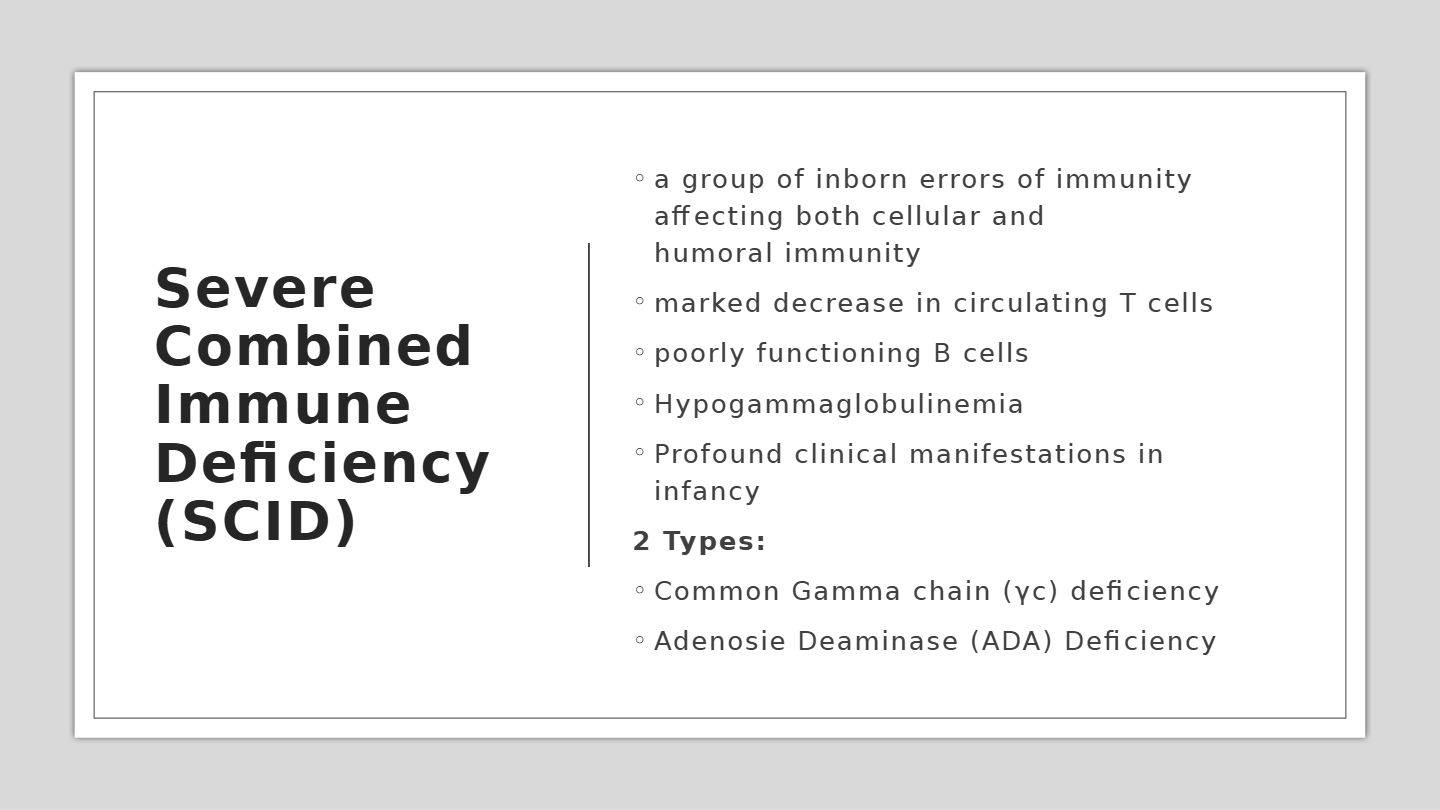
Which of the following is NOT a characteristic of Severe Combined Immune Deficiency (SCID)?
Marked decrease in circulating T cells
Poorly functioning B cells
Profound clinical manifestations in infancy
Increased immunoglobulin levels
5
6
Multiple Select
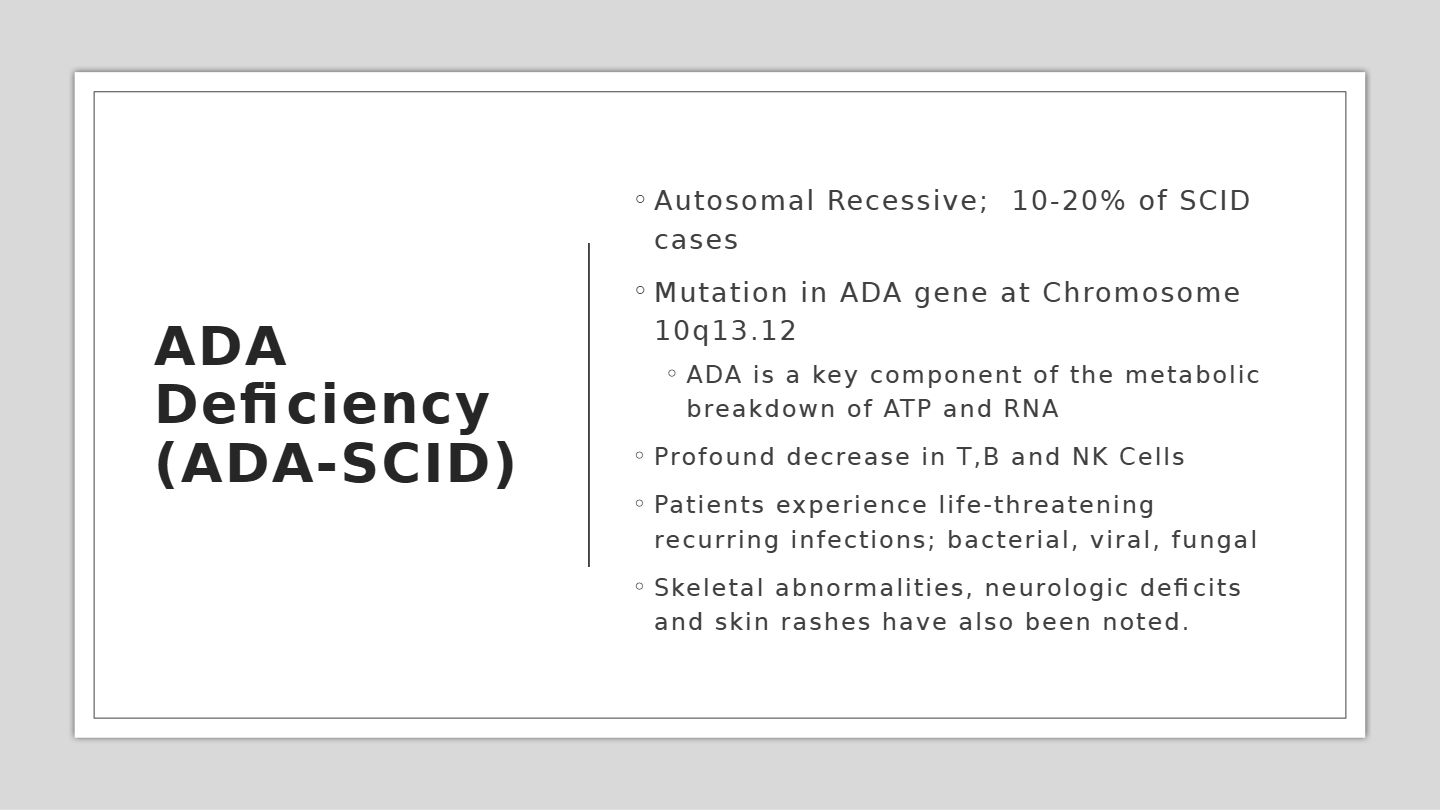
Which of the following cell types are decreased in both Common Gamma Chain Deficiency and ADA Deficiency?
T cells
B cells
NK cells
Platelets
7

8
9

10
Fill in the Blanks
Wiskott-Aldrich Syndrome is associated with decreased
11

12
Multiple Choice
Which of the following syndromes is classified as a combined immunodeficiency that involves a microdeletion on chromosome 22?
Wiskott-Aldrich Syndrome
22q11.2 Deletion Syndrome
ADA Deficiency
Common Gamma Chain Deficiency
13

14

15
Dropdown
16

17
Multiple Choice
Which of the following cell types are affected by the presence of fused lysosomal granules in Chediak Higashi Syndrome?
Granulocytes
Monocytes
Large granular lymphocytes
All of the above
18

19
Multiple Choice
Which of the following genes is affected in Chediak Higashi Syndrome?
WAS
IL2RG
CHS1 LYST
ITGB2
20
Fill in the Blanks
Give one condition where Pseudo-Chediak Higashi granules are observed.
Type answer...
21

22

23

24
Multiple Choice
Which of the following features is associated with G6PC3 deficiency in severe congenital neutropenias?
Neurologic defects
BM dysplasia, anemia, deafness
Short stature, hypothyroidism
No response to G-CSF
25

26
Multiple Choice
Which gene is associated with Kostmann disease in severe congenital neutropenias?
ELANE
GFI1
HAX1
G6PC3
27

28
Multiple Choice
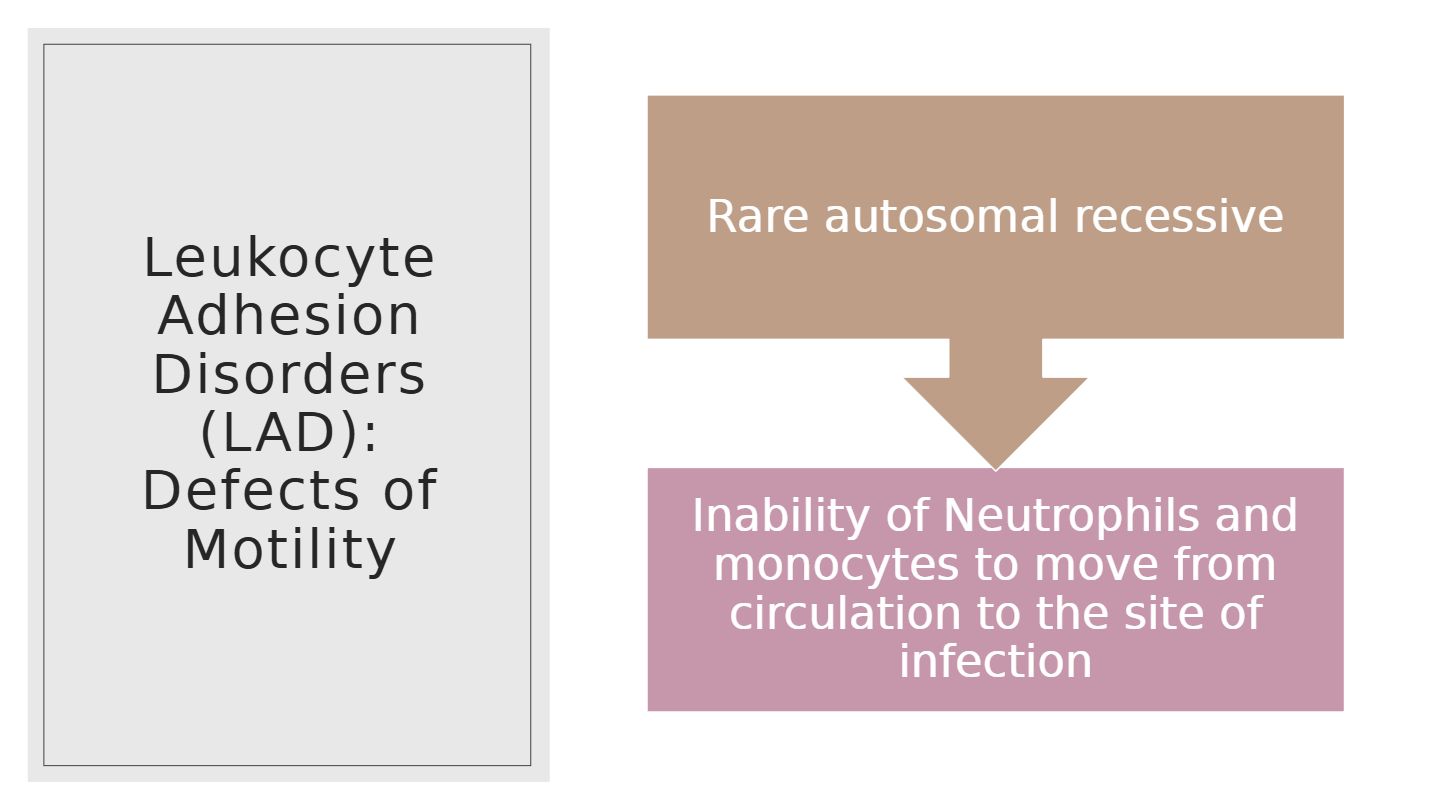
What is the primary functional consequence of leukocyte adhesion disorders (LAD)?
Impaired phagocytosis
Inability of neutrophils and monocytes to move from circulation to the site of infection
Decreased antibody production
Increased platelet aggregation
29
30
Fill in the Blanks
Fill in the blank: LAD I is caused by a mutation in the
Type answer...
31

32

33

34
Multiple Select
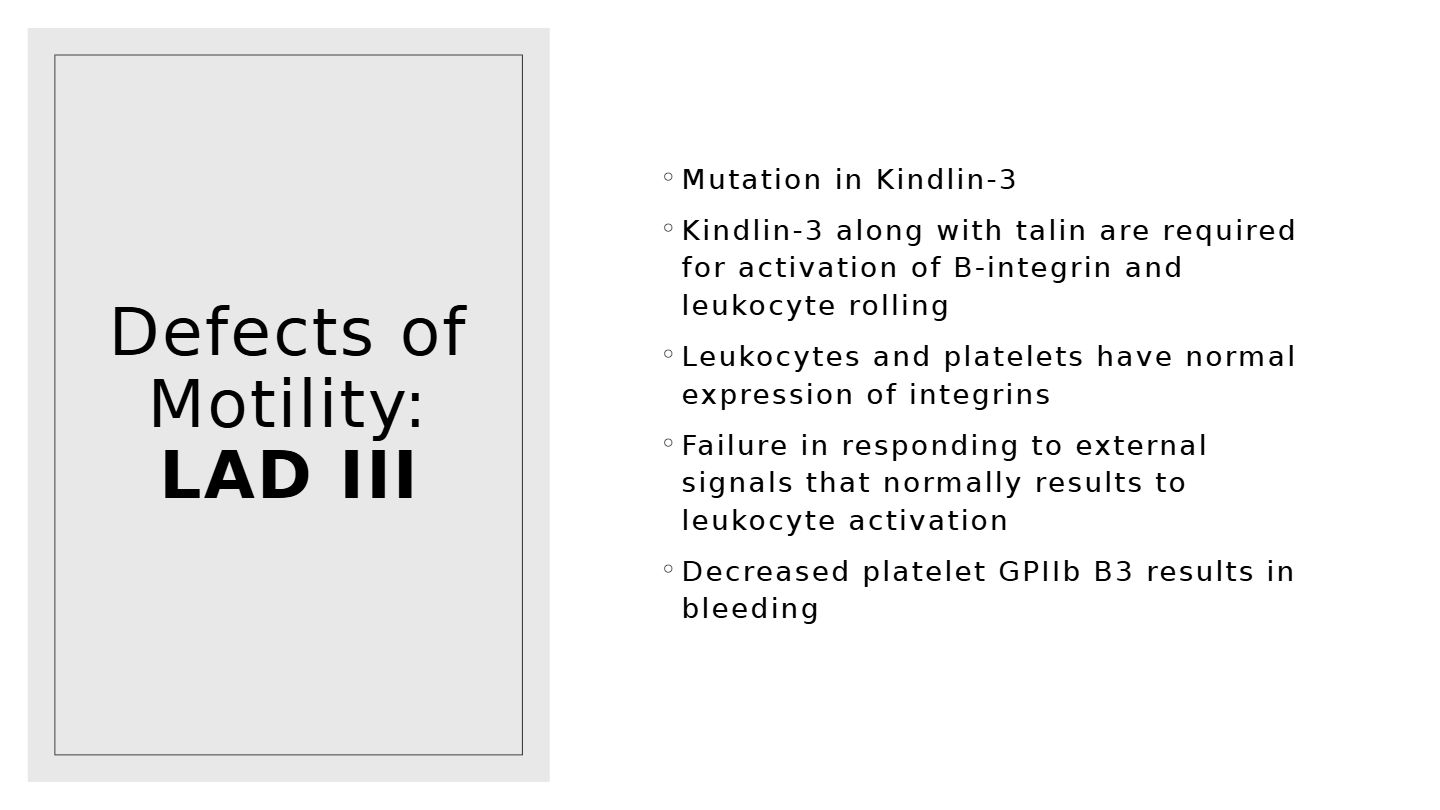
Select all correct statements about LAD III.
Mutation in Kindlin-3 is involved
Leukocytes have abnormal expression of integrins
Failure in responding to external signals leads to impaired leukocyte activation
Decreased platelet GPIIb B3 results in bleeding
35
36
Multiple Choice
Which of the following is a characteristic of Job’s Syndrome?
Directional motility of phagocytes is impaired
Bone marrow reserves of granulocytes are poor
Neutropenia is a consistent finding
Phagocytes have defective bactericidal activity
37

38
Multiple Select
Which of the following are true about Lazy Leukocyte Syndrome?
Both random and directed movement are defective
Bone marrow reserves of granulocytes are normal
Neutropenia is a consistent finding
Cells have increased phagocytic activity
39

40
Multiple Choice
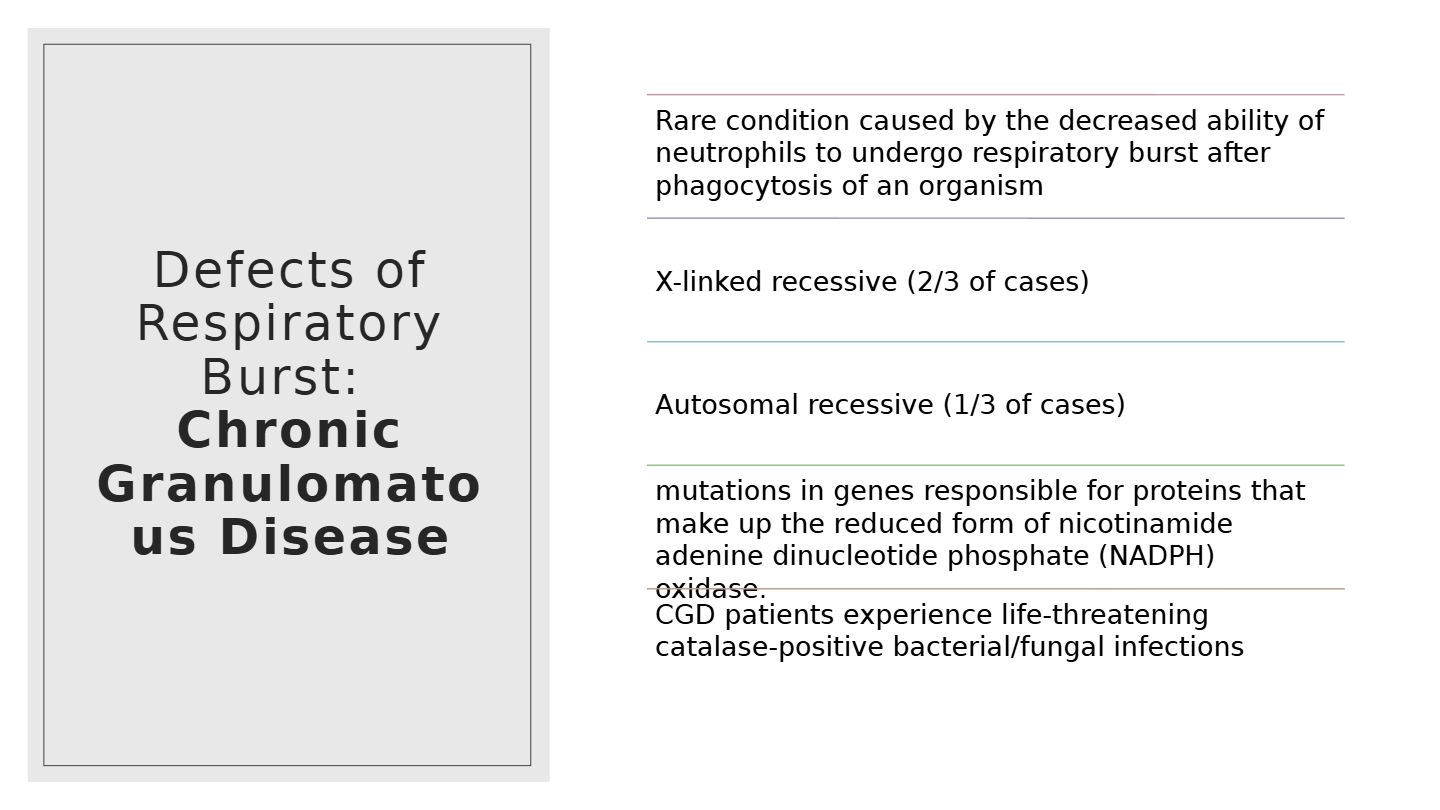
Chronic Granulomatous Disease is most commonly inherited in which manner?
X-linked recessive
Autosomal dominant
Autosomal recessive
Mitochondrial
41
42

43
Open Ended
Explain how the Nitroblue Tetrazolium (NBT) Reduction Test helps in diagnosing Chronic Granulomatous Disease.
44

45
Fill in the Blanks
The gene CYBB, associated with Chronic Granulomatous Disease, is located on chromosome
46

47
Multiple Choice
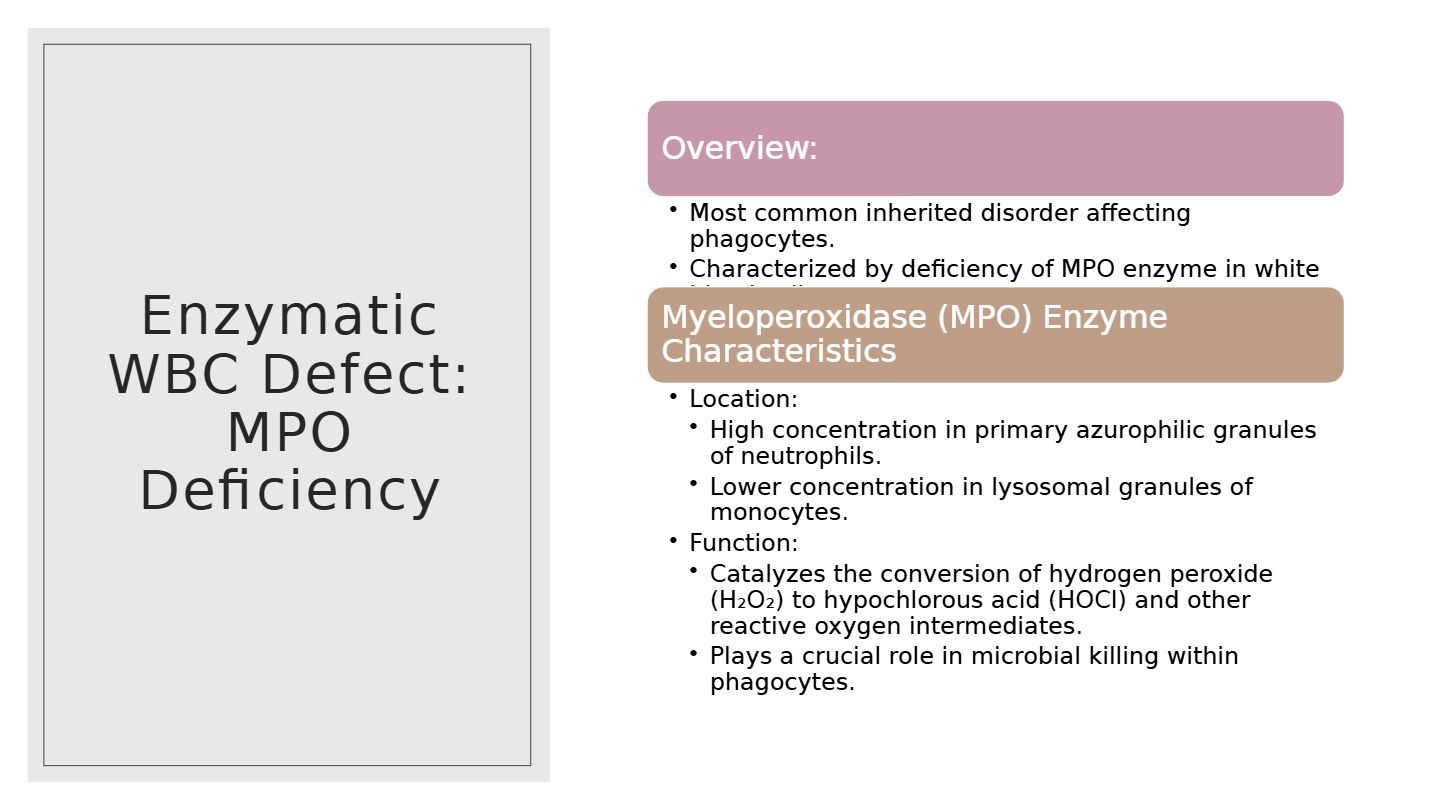
Which of the following best describes the function of Myeloperoxidase (MPO) in phagocytes?
Catalyzes the conversion of hydrogen peroxide to hypochlorous acid
Breaks down bacterial cell walls
Promotes neutrophil chemotaxis
Enhances antibody production
48
49
50

51

52
53
Multiple Choice
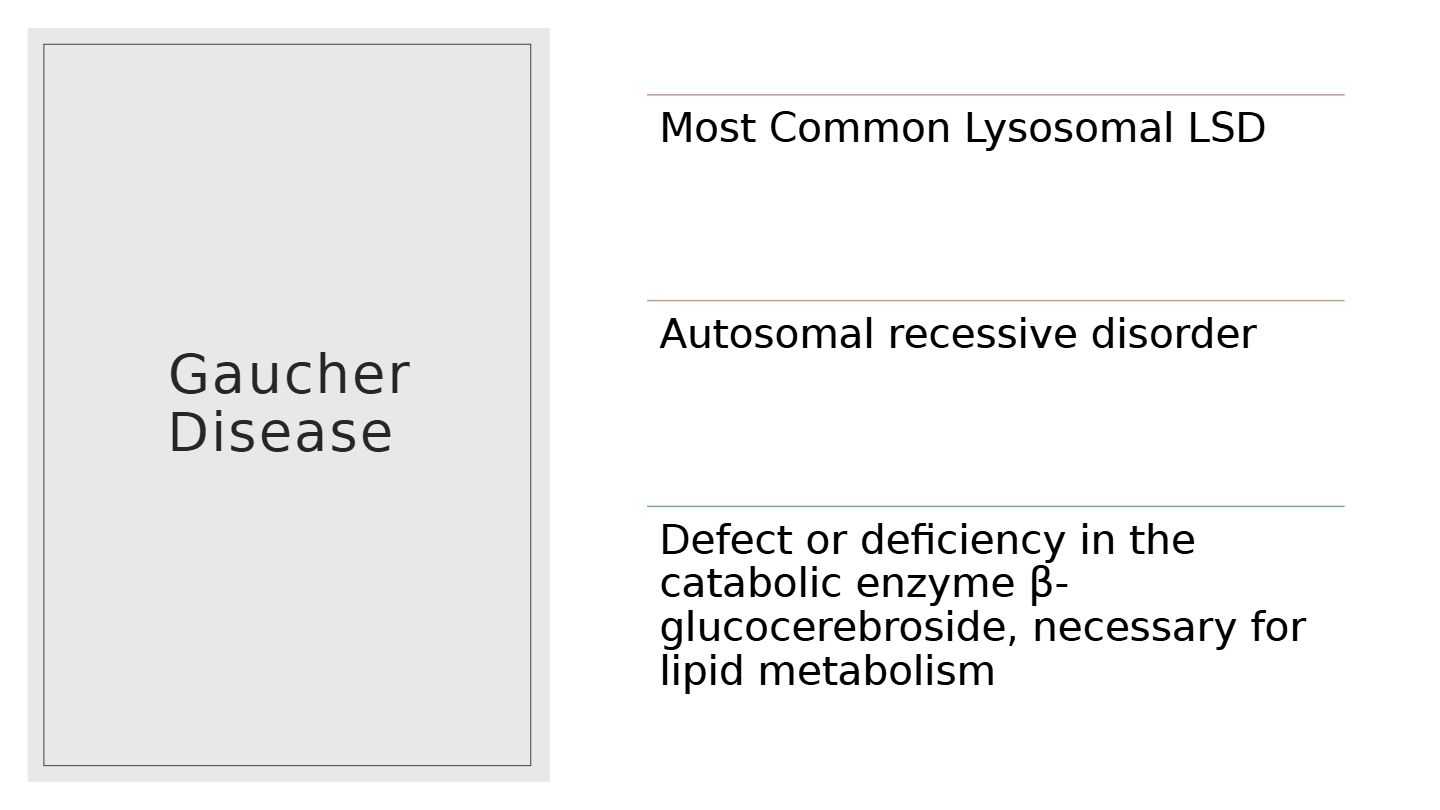
In Gaucher disease, which cytoplasmic appearance is classic for Gaucher cells in marrow?
Clear vacuoles with bubbles
Fibrillar, “wrinkled tissue‑paper” cytoplasm
Dense azurophilic granules only
Basophilic Döhle‑like inclusions
54

55
Multiple Choice
Niemann‑Pick cells most often show which feature on microscopic review?
Honeycomb nuclei
Bubble‑like cytoplasmic lipid deposits with eccentric nucleus
Needle‑like Auer rods
Iron granules within mitochondria
56

57

58
Multiple Choice
Congenital Pelger‑Huët anomaly (PHA) is caused by mutation in which gene?
BTK
LBR
ADA
WAS
59

60
Multiple Choice
Pseudo‑ or acquired Pelger‑Huët morphology is classically associated with:
Thalassemia trait
Iron deficiency anemia
Myelodysplastic syndrome (MDS) and AML
Vitamin B12 deficiency
61

62

63
Multiple Choice
Neutrophil hypersegmentation (>5 lobes) is most often linked to:
Megaloblastic anemia
Iron deficiency
Acute infection
Hemoglobinopathy
64

65

66
Multiple Choice
A hallmark of May‑Hegglin anomaly is the combination of:
Pince‑nez nuclei
Hypersegmented neutrophils only
Hypogranular basophils
Giant platelets with Döhle‑like inclusions
67

68

69

70

71
Multiple Choice
The most frequent cause of acquired neutropenia overall is:
Viral infection
Drug‑induced marrow suppression or immune reaction
Autoimmune disease
Congenital syndromes
72

73

74

75

76

77

78

79

80
Multiple Choice
A common pair of reactive changes in neutrophils during infection/inflammation is:
Toxic granulation and Döhle bodies
Giant platelets and basophilia
A common pair of reactive changes in neutrophils during infection/inflammation is:
Alder‑Reilly granules and Auer rods
81

82

83

84
Multiple Choice
Basophil and eosinophil hypogranularity on stained films is often due to:
Inherited granule disorders only
Water‑soluble granules and staining washout
Iron deficiency
Folate deficiency
85

86

87

88

89
Multiple Choice
The typical hematologic pattern in infectious mononucleosis is:
Neutrophilia with left shift only
Lymphocytosis with atypical/reactive lymphocytes
Basophilia with giant granules
Pancytopenia
90

91

Show answer
Auto Play
Slide 1 / 91
SLIDE
Similar Resources on Wayground

82 questions
ENTC Lecture 2, Variation, Standard Deviation
Presentation
•
University
87 questions
Sky Science
Presentation
•
KG - University
87 questions
Topic 5 & 6: Design Theory Part I
Presentation
•
University
88 questions
BIO110 Chapter 12
Presentation
•
University
83 questions
STUDENT NOTES THE CONSTITUTION PART 1
Presentation
•
12th Grade
84 questions
105 Planning and overseeing PPT 1
Presentation
•
KG - University
83 questions
DISORDERS OF THE MALE RT
Presentation
•
University
87 questions
WWI DC
Presentation
•
University
Popular Resources on Wayground
10 questions
Safety Day 2026 – Student Review

Quiz
•
9th Grade
21 questions
Continents and Oceans
Quiz
•
6th Grade
20 questions
Parts of Speech
Quiz
•
5th Grade
16 questions
Subject & Predicate
Quiz
•
5th Grade
25 questions
Multiplication Facts
Quiz
•
5th Grade
12 questions
Map Skills
Quiz
•
3rd Grade
22 questions
Continents and Oceans
Quiz
•
5th Grade
15 questions
Rounding Decimals
Quiz
•
5th Grade
Discover more resources for Specialty
20 questions
Disney Trivia
Quiz
•
University
10 questions
Spanish Greetings and Goodbyes!
Presentation
•
6th Grade - University
20 questions
Physical or Chemical Change/Phases
Quiz
•
8th Grade - University
39 questions
Unit 7 Key Terms
Quiz
•
11th Grade - University
25 questions
SER and Subject Pronouns
Quiz
•
8th Grade - University
38 questions
Unit 6 Key Terms
Quiz
•
11th Grade - University
19 questions
Key Concepts in Buddhism
Quiz
•
University
0 questions
Cell Domain Basic Review (Biology)
Quiz
•
University