Search Header Logo
Bio 3.1 Asexual Reproduction

Bio 3.1 Asexual Reproduction

Assessment

Presentation

Science

9th - 12th Grade

Hard

NGSS
MS-LS3-2

Standards-aligned

Created by

Meaghan Vollers

FREE Resource

2 Slides • 11 Questions

1

​3.1 Asexual Reproduction

By Meaghan Vollers

2

3

Multiple Choice

Why does sexual reproduction result in more genetic diversity than asexual reproduction? 
1
Traits from two parents are combined. 
2
More organisms reproduce this way. 
3
Offspring grow in different environments. 
4
Offspring come from identical parents. 

4

Multiple Choice

Organisms that reproduce asexually generally have offspring that are 
1
unicellular. 
2
multicellular. 
3
genetically varied. 
4
genetically identical. 

5

Multiple Choice

A plant that has traits identical to the parent plant provides evidence that the plant 
1
resulted from sexual reproduction. 
2
resulted from asexual reproduction. 
3
will develop many seeds. 
4
will have large leaves. 

6

Multiple Choice

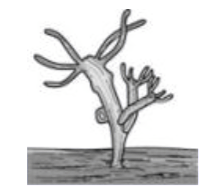
Question image
Many invertebrate animals, such as the hydra, reproduce asexually. What form of reproduction in this stage of the life cycle of the hydra is shown in the diagram? 
1
binary fission
2
budding
3
fragmentation 
4
vegetation propagation

7

Multiple Choice

Daffodils are plants that can perform both asexual and sexual reproduction. How does a daffodil population benefit more by reproducing sexually? 
1
It can reproduce more rapidly. 
2
It can adapt faster to its environment. 
3
It can increase the diversity of inherited traits. 
4
It can eliminate unfavorable traits from the gene pool. 

8

Multiple Choice

Requires only one parent
1
sexual
2
asexual

9

Multiple Choice

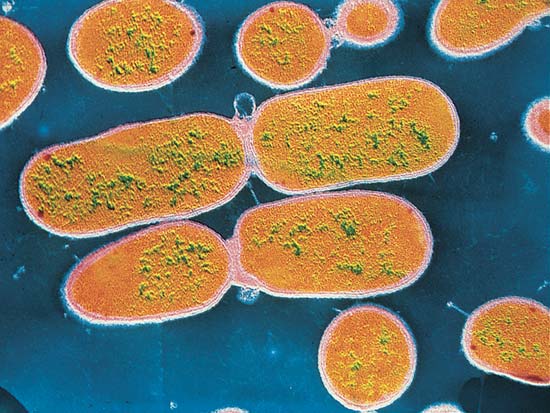
Question image
The offspring from asexually reproduced organisms are?
1
Different than their parents
2
Identical to parents
3
Like a combination from both parents
4
A different species

10

Multiple Choice

Bacteria reproduce asexually by ...

1

budding

2

fragmentation

3

binary fission

4

cloning

11

Multiple Choice

One of the key advantages of asexual reproduction is

1

offspring compete for food and space.

2

large number of offspring reproduce quickly.

3

extreme temperatures and wipe out entire colonies.

4

offspring are genetic clones.

12

Multiple Choice

Question image

Asexual reproduction in which each fragment of an organism develops into a clone of its parent

1

binary fission

2

budding

3

fragmentation

4

spores

13

Multiple Choice

Which statement is true of plants and animals that reproduce asexually?

1

They have no genes

2

The have genes but no chromosomes

3

They have offspring that are exactly like the parent

4

They have offspring that combine the traits of two parents

​3.1 Asexual Reproduction

By Meaghan Vollers

Show answer

Auto Play

Slide 1 / 13

SLIDE