

Impacts/Ethics Biotech

Presentation
•
Biology
•
9th - 12th Grade
•
Practice Problem
•
Hard

Jeremy Buie
Used 31+ times
FREE Resource
8 Slides • 0 Questions
1
Ethical Impacts of Genetic Engineering
Module G | Biotechnology
2
Essential Question
What are some ethical impacts of genetic engineering?
3
Impacts & Ethics of Biotechnology
Genetically Modified Crops
The four main biotech crops grown in the United States are soybeans, cotton, corn, and canola. The majority of US production of these crops is genetically modified for traits that are useful for commercial growers.
4
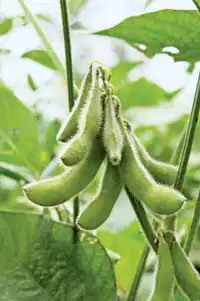
Genetically modified soybeans increased from 17% of US soybean acreage in 1997 to 94% by 2016. GM soybeans are herbicide tolerant, but not insect resistant.
Soybeans
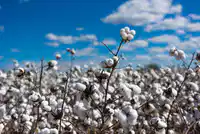
GM cotton may carry a gene for herbicide tolerant, insect resistance, or both. The GM plants make up more than 90% of cotton planted in the US.
Cotton
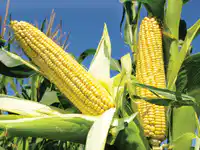
Much like cotton, GM corn generally carries genes for herbicide tolerance and pest resistance. When counted as a group, GM corn varieties made up about 92% of corn acreage in 2016.
Corn
5

Canola
Canola is raised for oil in its seeds. Canola oil is used in foods and to make diesel fuel. Almost all canola crop plants in the US are genetically modified.
6
The Pros and Cons of Biotechnology
People have been selectively breeding crops for thousands of years. Using traditional methods, getting a useful result can take a long time. Biotechnology speeds up the process.
Today, biotechnology is used to genetically modify many of the foods people eat. In the United States, most of our soy, corn, cotton, and canola crops are genetically modified and some commercially raised animals are also. Let's look at the pros and cons.
7
The Pros and Cons of Biotechnology
Pros of Biotechnology | Cons of Biotechnology |
|---|---|
Improved Resistance: Genetically modified crops can gain greater resistance to environmental conditions that reduce yield, such as droughts and pests. Biotechnology speeds up the process of engineering. | Cross Contamination: Pollen from GMO crops can reach nearby non-GMO fields through wind and pollinate them. This could introduce the new gene into the other farmer's fields without consent. |
Improved Nutrition: Crops can be modified to contain nutrients needed by people or livestock. For example, non-GM corn does not contain lysine, an essential amino acid. GM corn has been engineered to include lysine in the kernels. | Gene Jumping to Other Plants: Genes can spread from GM plants to non-GM plants through plasmids or plant viruses. If the new gene spreads to weeds, it can make super weeds that cannot be eradicated easily. |
Herbicides and Pesticides: Herbicide resistant crops allow producers to spray their weeds without killing the crop plants. Other GMO crops have been engineered to carry genes to resist crop pests and diseases. | Fear: Some people do not want to eat genetically engineered foods due to concerns about possible allergic reactions to the new proteins being produced by the plant. |
8
Show Mr. Buie your summary.
Ethical Impacts of Genetic Engineering
Module G | Biotechnology
Show answer
Auto Play
Slide 1 / 8
SLIDE
Similar Resources on Wayground

13 questions
Dictators of WW2
Presentation
•
9th - 12th Grade
12 questions
Biotechnology
Presentation
•
10th Grade
10 questions
Summarizing
Presentation
•
9th - 12th Grade
7 questions
Organics and GMOs
Presentation
•
8th - 12th Grade
9 questions
Moses
Presentation
•
9th - 12th Grade
10 questions
The Basis of Culture
Presentation
•
9th - 12th Grade
5 questions
Genetic Engineering
Presentation
•
9th - 12th Grade
7 questions
Module 2, Lesson 5 - Navigation Methods
Presentation
•
11th Grade - Professi...
Popular Resources on Wayground
6 questions
Secondary Safety Quiz
Presentation
•
9th - 12th Grade
10 questions
MyPath Diagnostic Overview
Presentation
•
6th - 8th Grade
20 questions
Lab Safety Quiz

Quiz
•
6th Grade
21 questions
Continents and Oceans
Quiz
•
6th Grade
20 questions
Adding and Subtracting Decimals
Quiz
•
5th Grade
20 questions
Parts of Speech
Quiz
•
5th Grade
16 questions
Subject & Predicate
Quiz
•
5th Grade
21 questions
Lab Safety
Quiz
•
10th Grade
Discover more resources for Biology
12 questions
Lab Safety Quizizz
Quiz
•
9th Grade
20 questions
Characteristics of Life
Quiz
•
9th - 10th Grade
20 questions
Scientific Method & Variables
Quiz
•
9th - 12th Grade
20 questions
Lab Equipment
Quiz
•
10th Grade
10 questions
Exploring the 4 Major Macromolecules and Their Functions

Interactive video
•
9th - 12th Grade
14 questions
Biomolecules
Quiz
•
9th Grade
20 questions
Biomolecules
Quiz
•
9th Grade
20 questions
Characteristics of Life
Quiz
•
7th - 10th Grade