Symbiotic Relationships
Presentation
•
Science
•
6th Grade
•
Medium
Standards-aligned
Sydney Frederick
Used 3+ times
FREE Resource
9 Slides • 18 Questions
1
2
3
Multiple Choice
Which of the following is NOT a type of symbiotic relationship?
Mutualism
Commensalism
Parasitism
Predation
4
5
Multiple Choice
Which of the following best describes mutualism?
A relationship where both organisms benefit
A relationship where one organism benefits and the other is harmed
A relationship where one organism benefits and the other is unaffected
A relationship where both organisms are harmed
6
7
Multiple Select
Which of the following are examples of mutualism?
Lichens and fungi
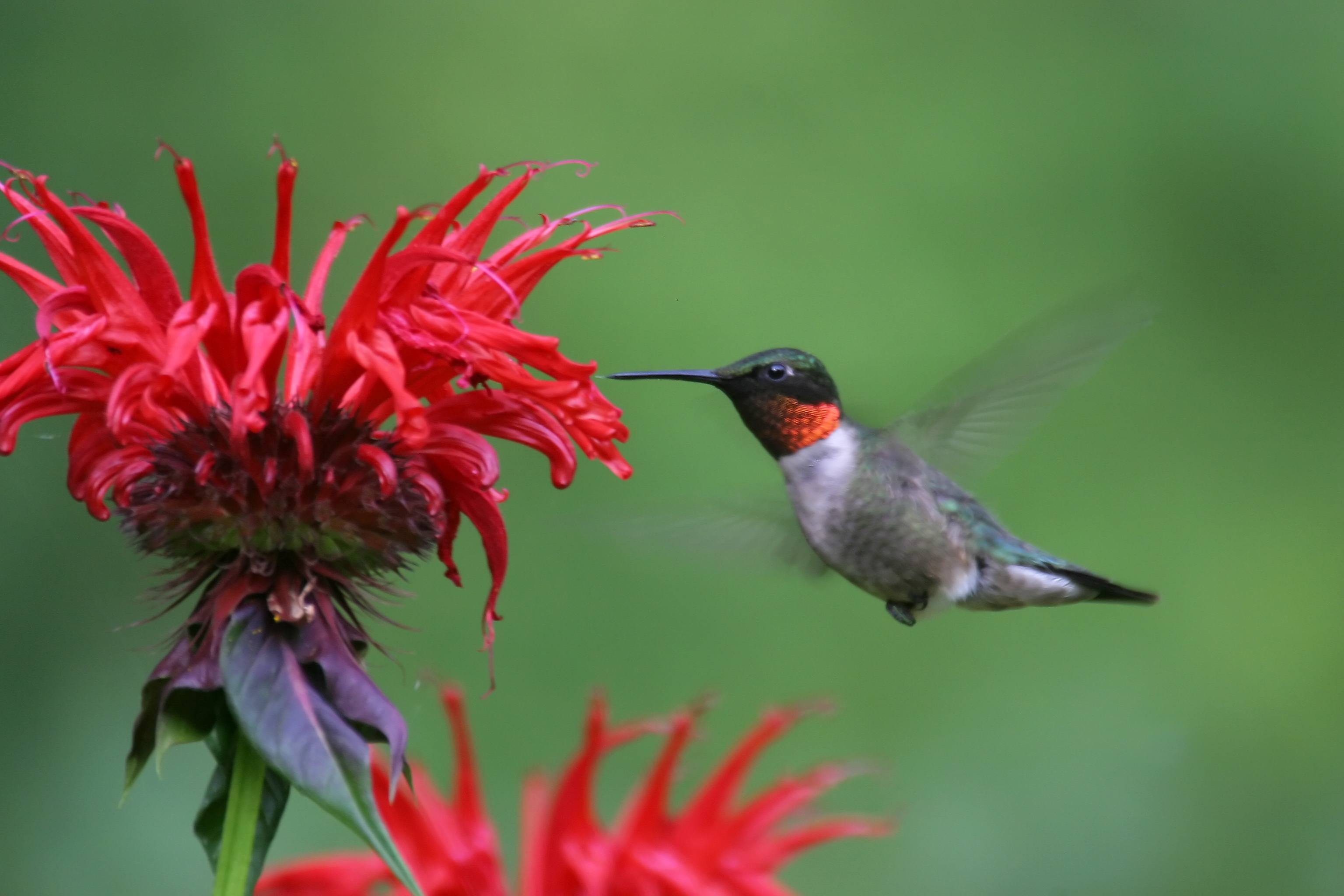
Bees and flowers
Clownfish and sea anemones
Remoras on sharks
8
9
Multiple Choice
Which of the following best describes commensalism?
A relationship where both organisms benefit
A relationship where one organism benefits and the other is harmed
A relationship where one organism benefits and the other is unaffected
A relationship where both organisms are harmed
10
11
Multiple Select
Which of the following are examples of commensalism?
Barnacles on whales
Epiphytic plants on trees
Clownfish and sea anemones
Remoras on sharks
12
13
Multiple Choice
Which of the following best describes parasitism?
A relationship where both organisms benefit
A relationship where one organism benefits and the other is harmed
A relationship where one organism benefits and the other is unaffected
A relationship where both organisms are harmed
14
15
Multiple Select
Which of the following are examples of parasitism?
Barnacles on whales
Tapeworms and humans
Ticks and cats
Rafflesia and vines
16
17
Multiple Choice
What are the three main types of symbiotic relationships described in science?
Mutualism, Commensalism, Parasitism
Friendship, Competition, Predation
Herbivory, Carnivory, Omnivory
Migration, Hibernation, Adaptation
18
Multiple Choice
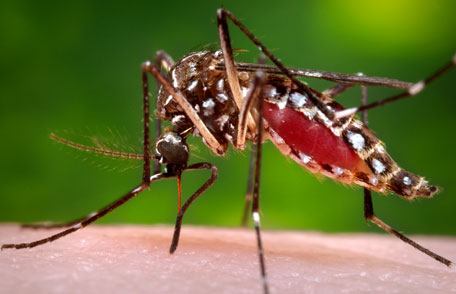
Ticks feed on deer blood with harms the deer.
Mutualism
Commensalism
Parasitism
19
Multiple Choice
Yucca flowers are pollinated by yucca moths. The moths lay their eggs in the flowers. Both species benefit.
Mutualism
Commensalism
Parasitism
20
Multiple Choice
Hermit crabs live in shells made and then abandoned by snails.
Mutualism
Commensalism
Parasitism
21
Multiple Choice
Honey guide birds alert and direct badgers to bee hives. The badgers feed on the honey and then allow the birds to eat.
Mutualism
Commensalism
Parasitism
22
Multiple Choice
Mistletoe extracts water and nutrient from the spruce tree it is attached to.
Mutualism
Commensalism
Parasitism
23
Multiple Choice
A lion stalks a herd of antelope wading in a pond. A flock of water birds on the shore become startled by the sound of the lion’s approach and fly away with a great deal of noise. The birds’ sudden departure gives warning to the antelope, and they are also able to escape safely. What type of relationship exists between the birds and the antelope?
competition
mutualism
commensalism
parasitism
24
Multiple Choice
A lichen is a combination of two organisms, an alga and a fungus. The fungus gets its food from the alga while the alga gets water from the fungus. This is an example of which relationship?
competition
mutualism
commensalism
parasitism
25
Multiple Choice
26
Multiple Choice
27
Multiple Choice
The close relationship between two different species in an ecosystem
Biosphere
Ecology
Symbiosis
Environment
Show answer
Auto Play
Slide 1 / 27
SLIDE

Similar Resources on Wayground
22 questions
Respiratory System
Presentation
•
6th - 7th Grade
23 questions
Asteroids, Meteors, and Comets
Presentation
•
6th Grade
20 questions
Integumentary System
Presentation
•
6th Grade
21 questions
Respiratory System
Presentation
•
6th Grade
19 questions
Photosynthesis
Presentation
•
6th Grade
19 questions
Food Web and Energy Pyramids
Presentation
•
6th Grade
20 questions
8.1 Rocks, MInerals, and Soil
Presentation
•
6th Grade
18 questions
Cell Theory Lesson
Presentation
•
6th Grade
Popular Resources on Wayground
10 questions
5.P.1.3 Distance/Time Graphs
Quiz
•
5th Grade
10 questions
Fire Drill
Quiz
•
2nd - 5th Grade
20 questions
Equivalent Fractions
Quiz
•
3rd Grade
22 questions
School Wide Vocab Group 1 Master
Quiz
•
6th - 8th Grade
20 questions
Main Idea and Details
Quiz
•
5th Grade
20 questions
Context Clues
Quiz
•
6th Grade
20 questions
Inferences
Quiz
•
4th Grade
12 questions
What makes Nebraska's government unique?
Quiz
•
4th - 5th Grade
Discover more resources for Science
19 questions
Introduction to Properties of Waves
Presentation
•
6th - 8th Grade
16 questions
Interactions within Ecosystems
Presentation
•
6th - 8th Grade
10 questions
Exploring the Layers of the Earth
Interactive video
•
6th - 10th Grade
15 questions
Punnett Squares
Quiz
•
6th Grade
20 questions
Energy Transformations
Quiz
•
6th - 8th Grade
20 questions
Cell Organelles and Functions
Quiz
•
6th - 8th Grade
10 questions
Ecosystem levels of organization
Quiz
•
6th Grade
20 questions
Levels of Organization
Quiz
•
6th Grade