

257 Unit 7 Chapter 23 Neurological Disorders

Presentation
•
Health Sciences
•
University
•
Practice Problem
•
Medium

Lesa Stacy
Used 3+ times
FREE Resource
30 Slides • 27 Questions
1
2
Open Ended
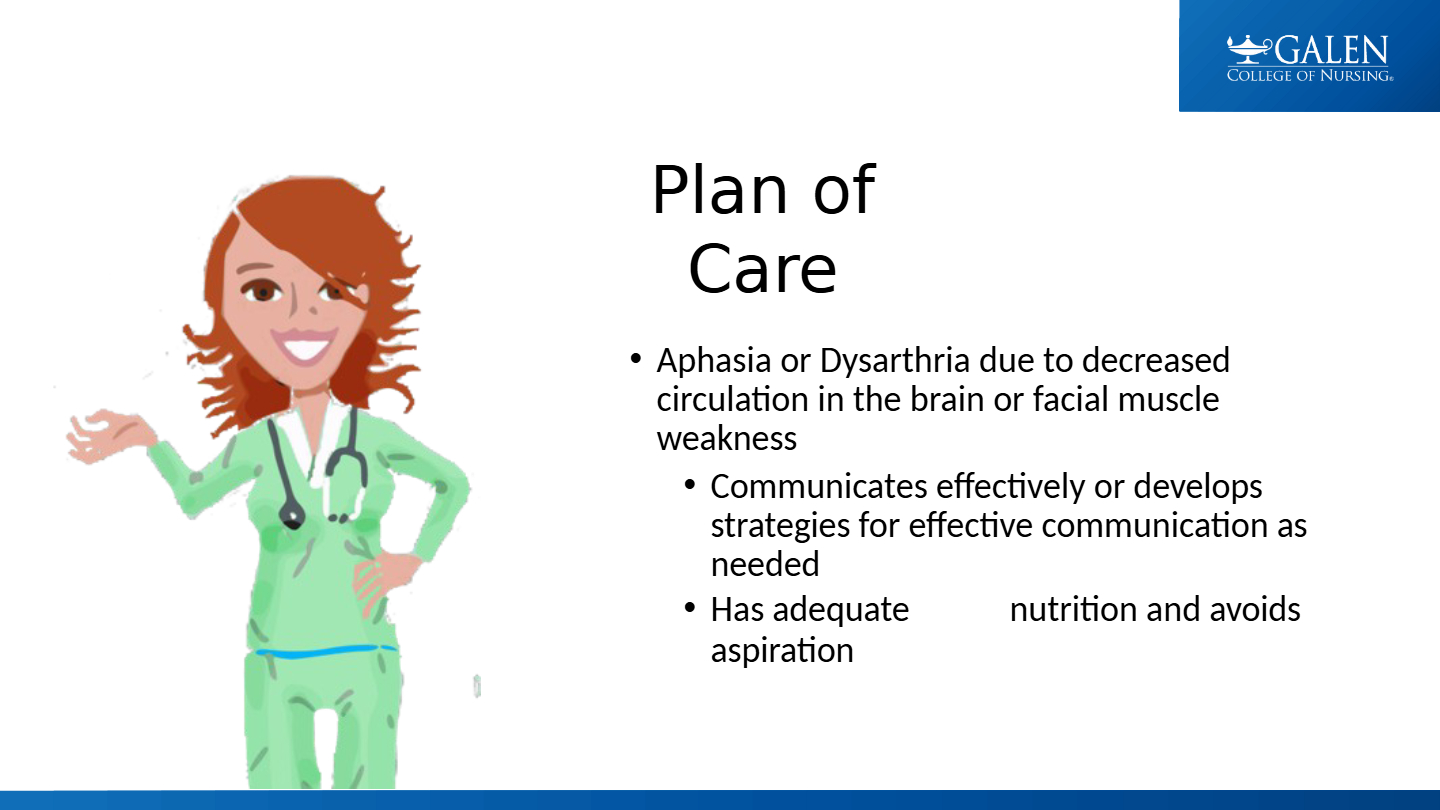
Describe effective communication strategies for a patient with aphasia or dysarthria due to decreased brain circulation or facial muscle weakness.
3
4
Open Ended
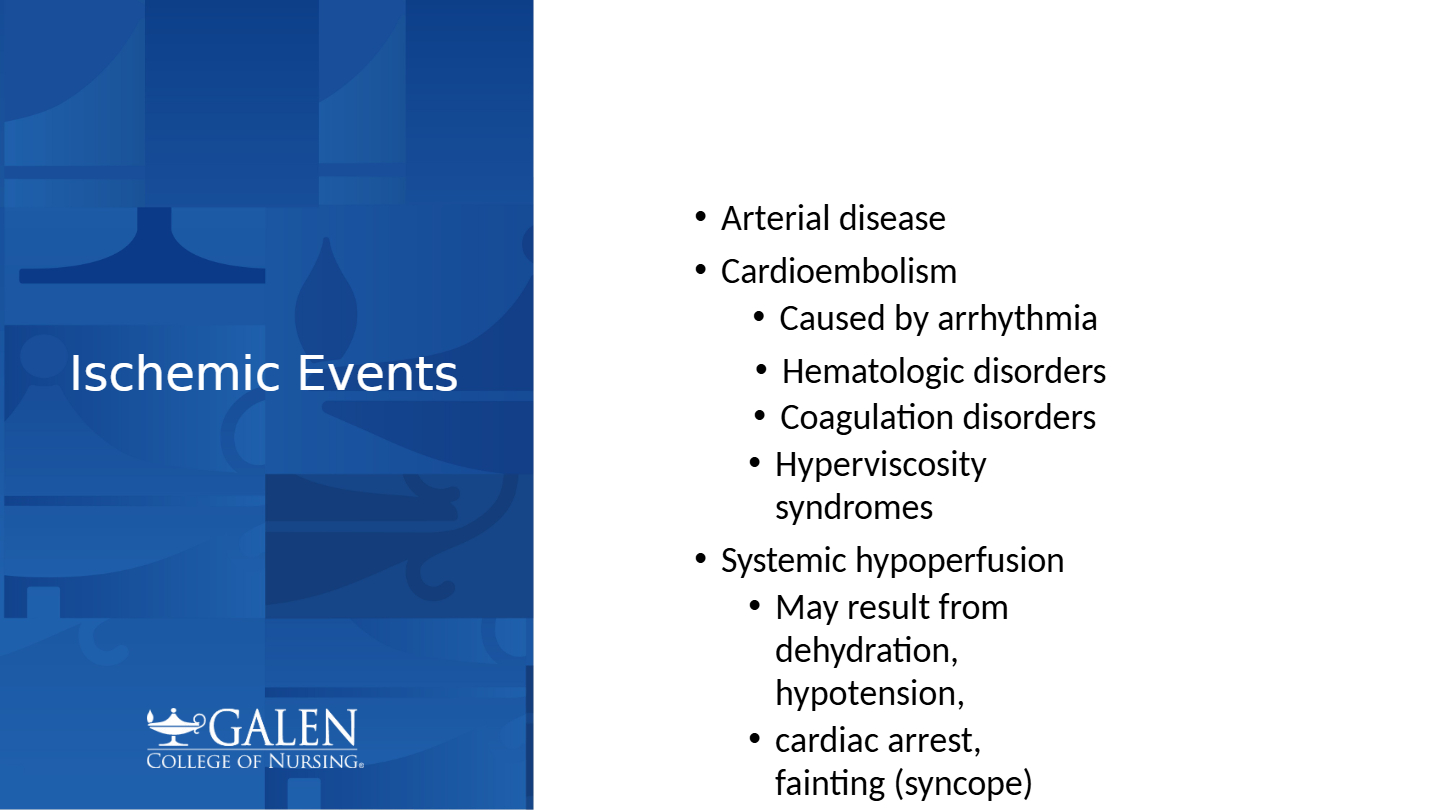
Explain the significance of ischemic events in the context of cerebrovascular disease. Why is it important to understand their causes?
5
6
Multiple Choice
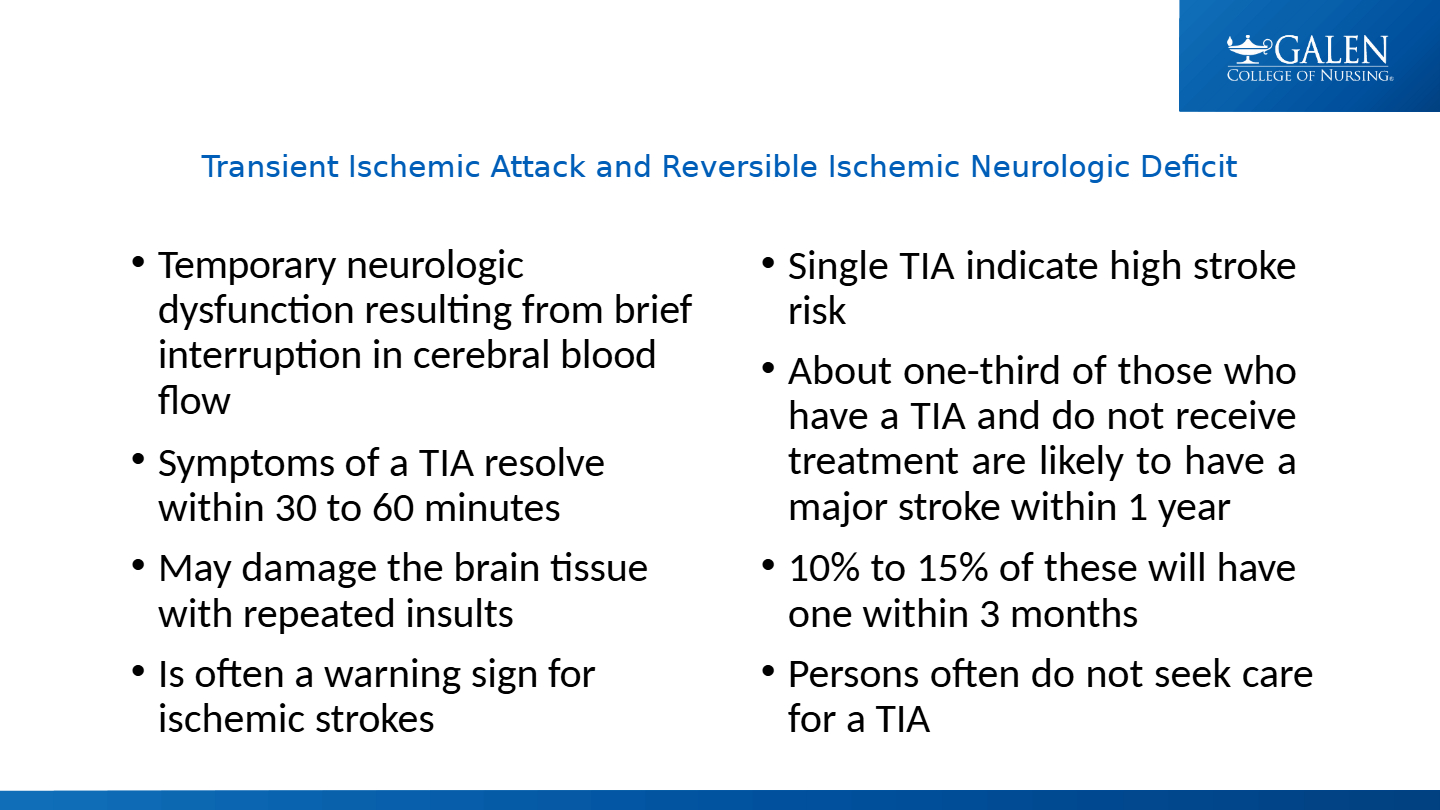
Which of the following is a warning sign for ischemic strokes?
Transient Ischemic Attack (TIA)
Hemorrhagic Event
Uncontrolled hypertension
Diabetes
7
8
Multiple Select
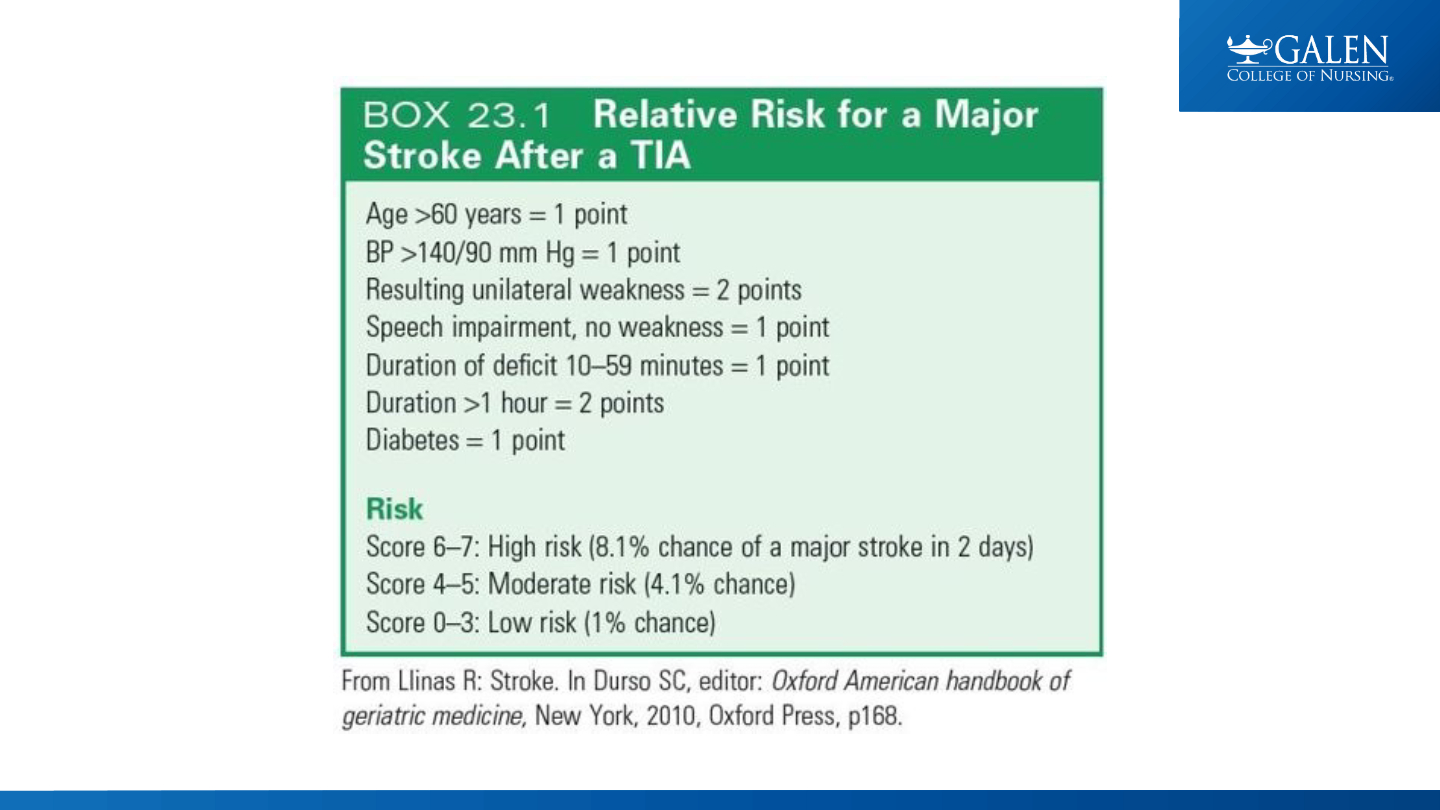
Which of the following are considered high risk factors for a major stroke after a TIA according to the risk scoring system?
Age >60 years
BP >140/90 mm Hg
Diabetes
Duration of deficit >1 hour
9
Open Ended
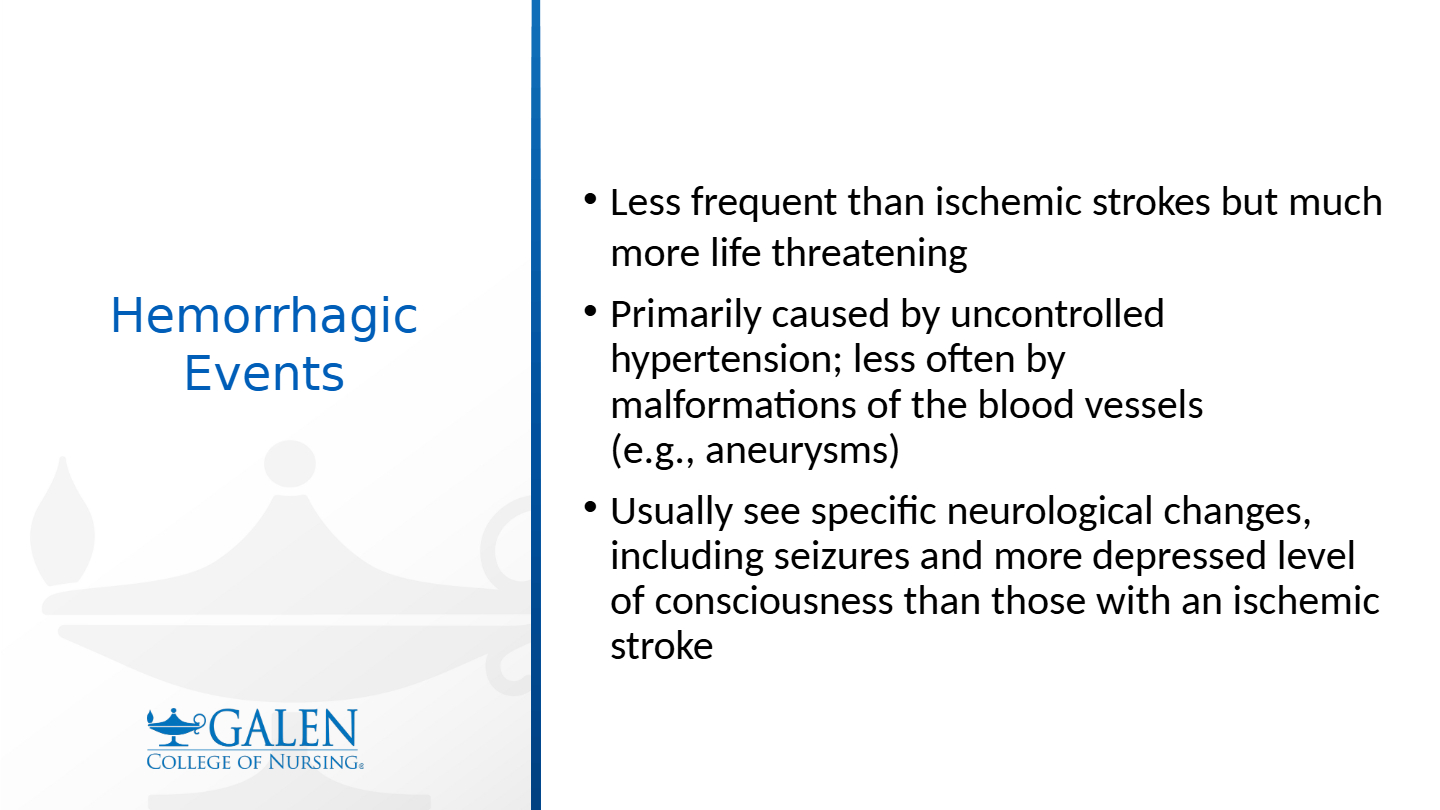
What factors contribute to the relative risk for a major stroke after a TIA? List at least three.
10
11
Fill in the Blanks
Type answer...
12
13
Multiple Select
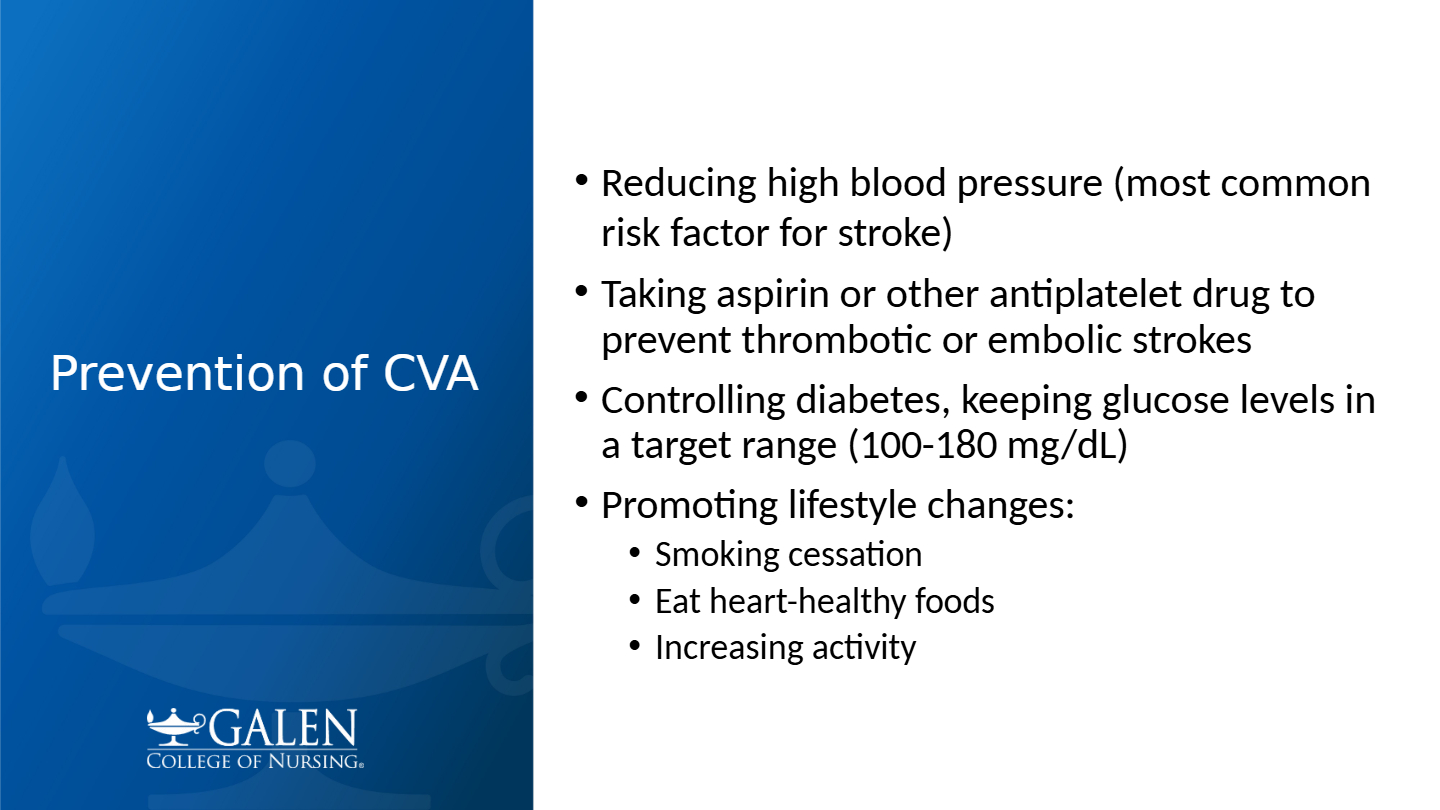
Which of the following are recommended lifestyle changes to prevent CVA?
Smoking cessation
Eat heart-healthy foods
Increasing activity
Reducing salt intake
14
15
Open Ended
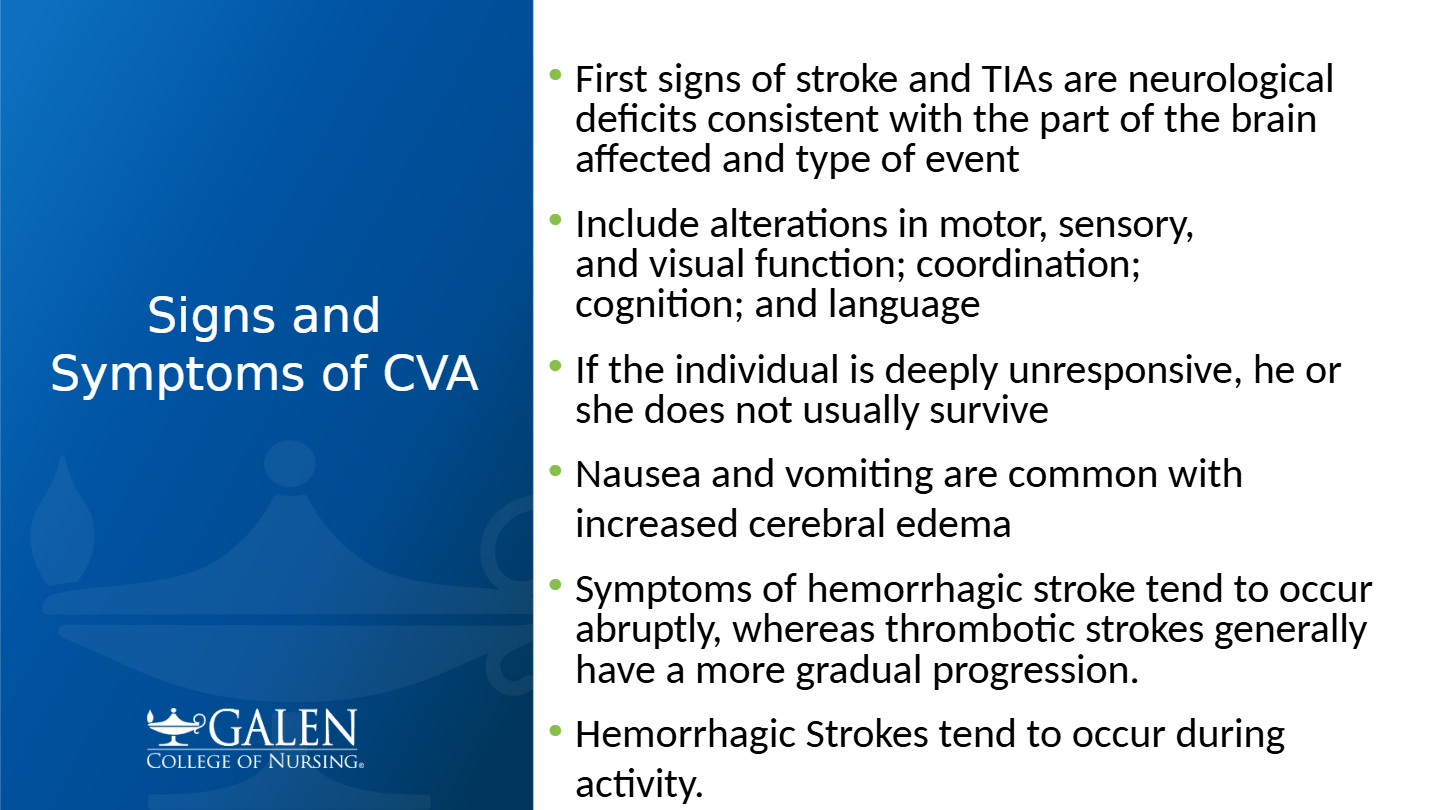
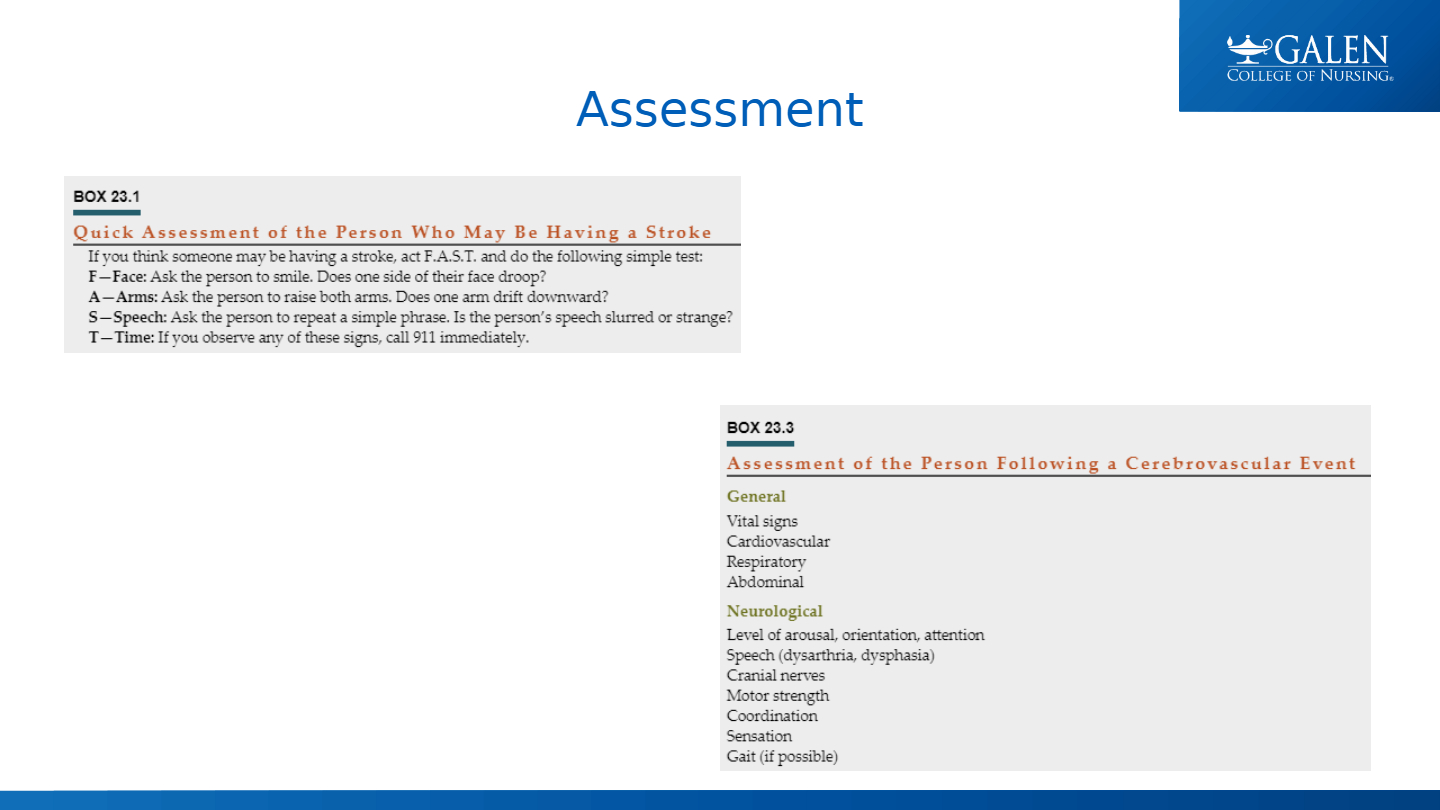
Describe the neurological deficits that are first signs of stroke and TIAs. How do these deficits relate to the part of the brain affected and the type of event?
16
17
18
Multiple Choice
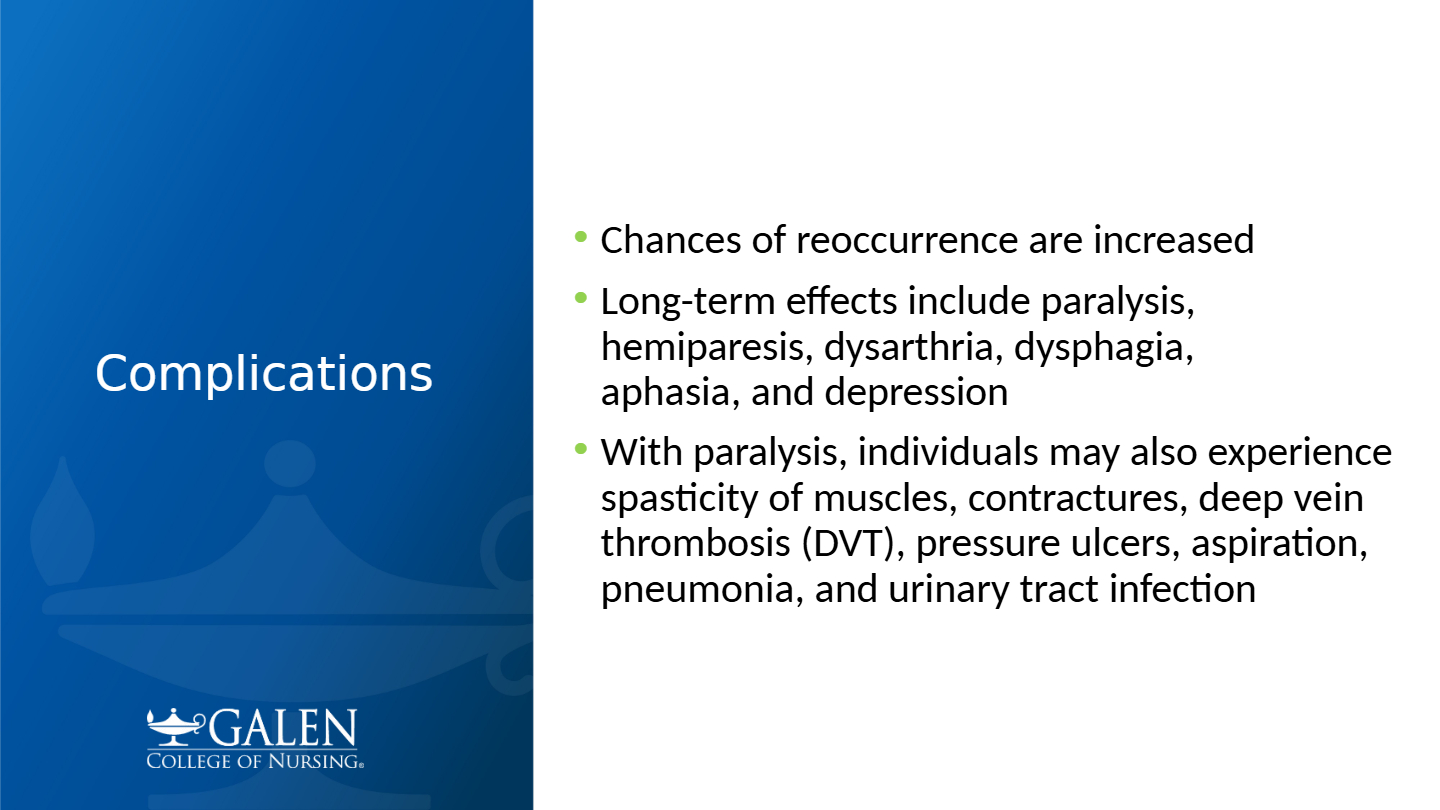
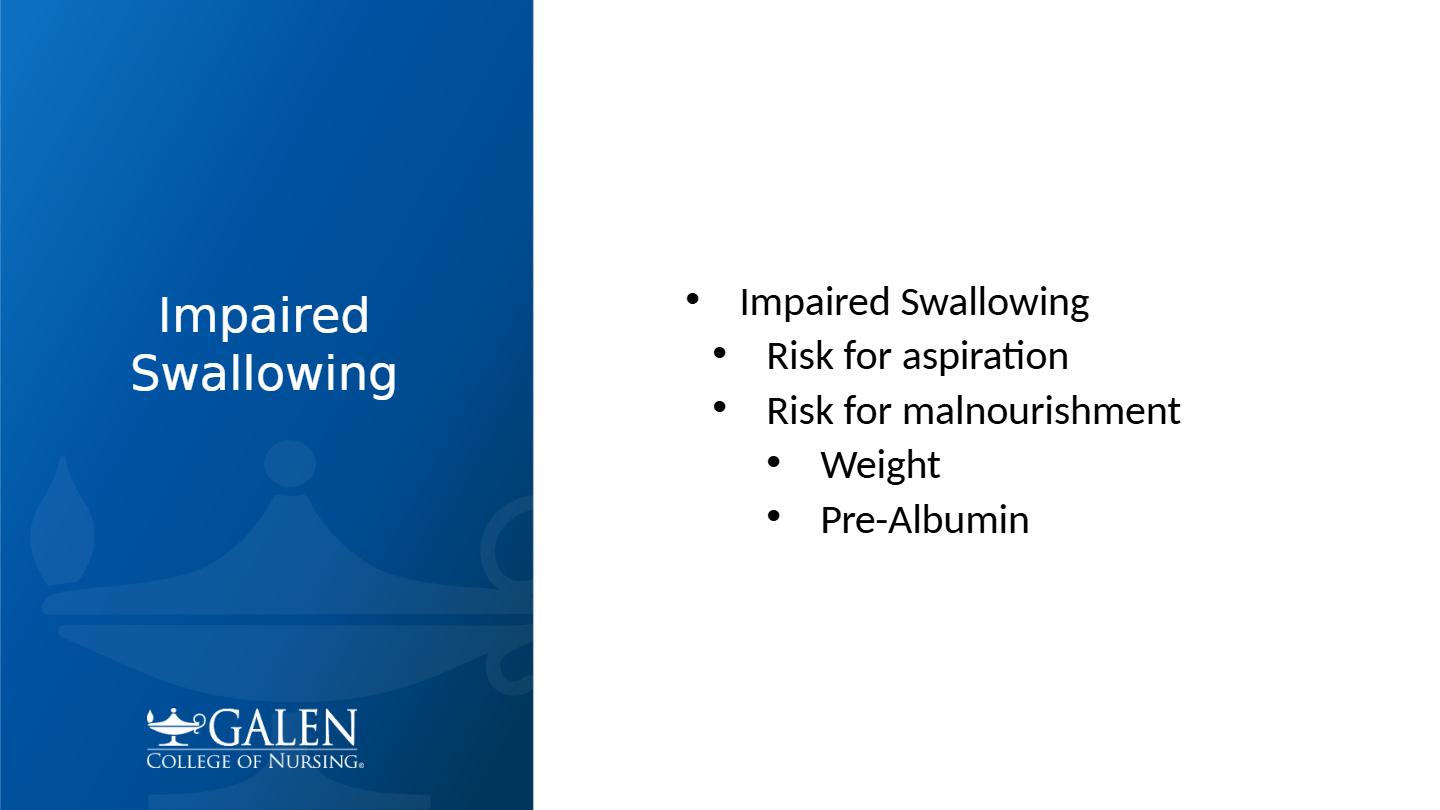
Which of the following is a long-term effect of stroke that may include paralysis, hemiparesis, dysarthria, dysphagia, aphasia, and depression?
Deep vein thrombosis
Spasticity of muscles
Long-term disability
All of the above
19
20
Multiple Choice
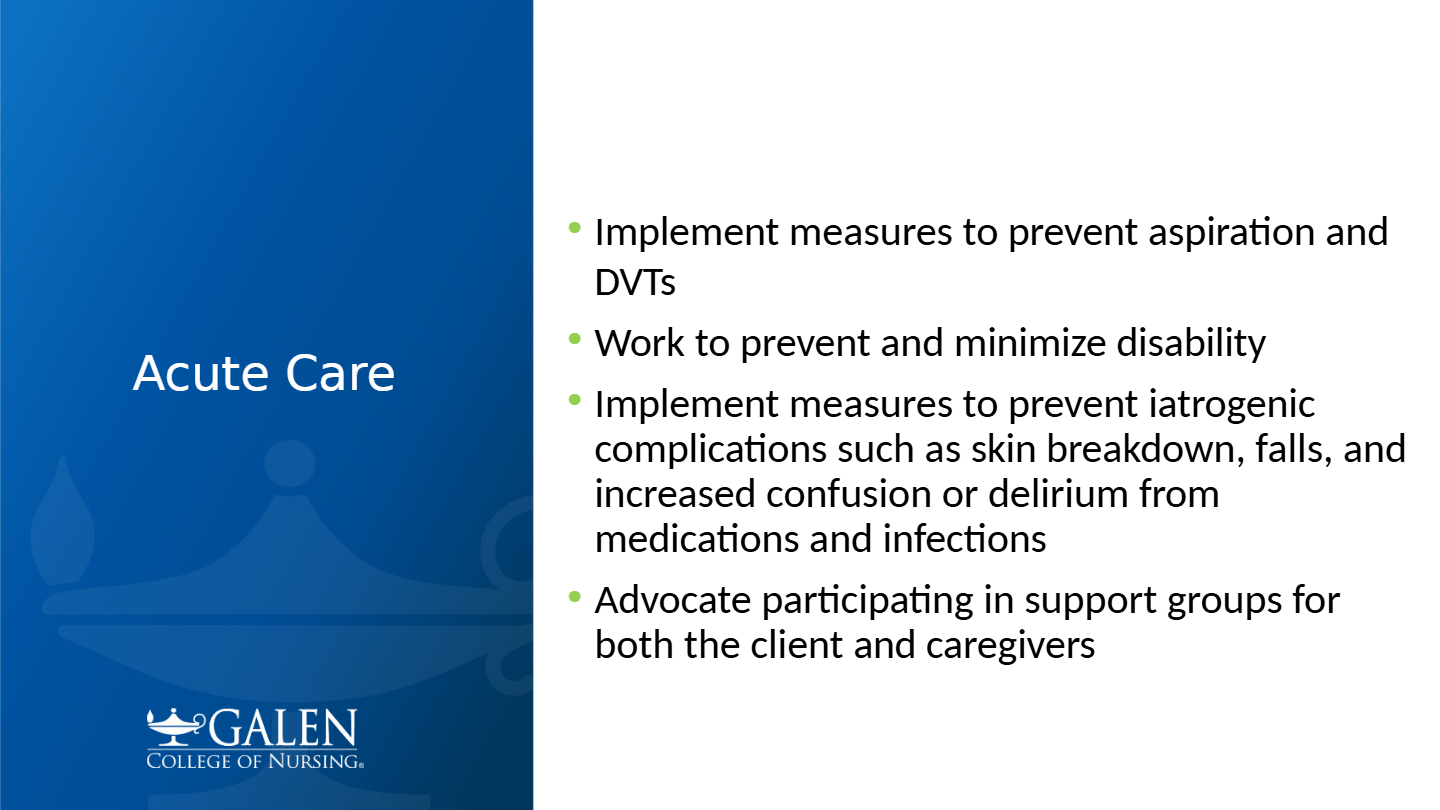
What are two key measures to prevent complications in acute care for stroke patients?
Preventing aspiration and DVTs
Increasing blood sugar
Reducing blood pressure only
Encouraging bed rest
21
22
Open Ended
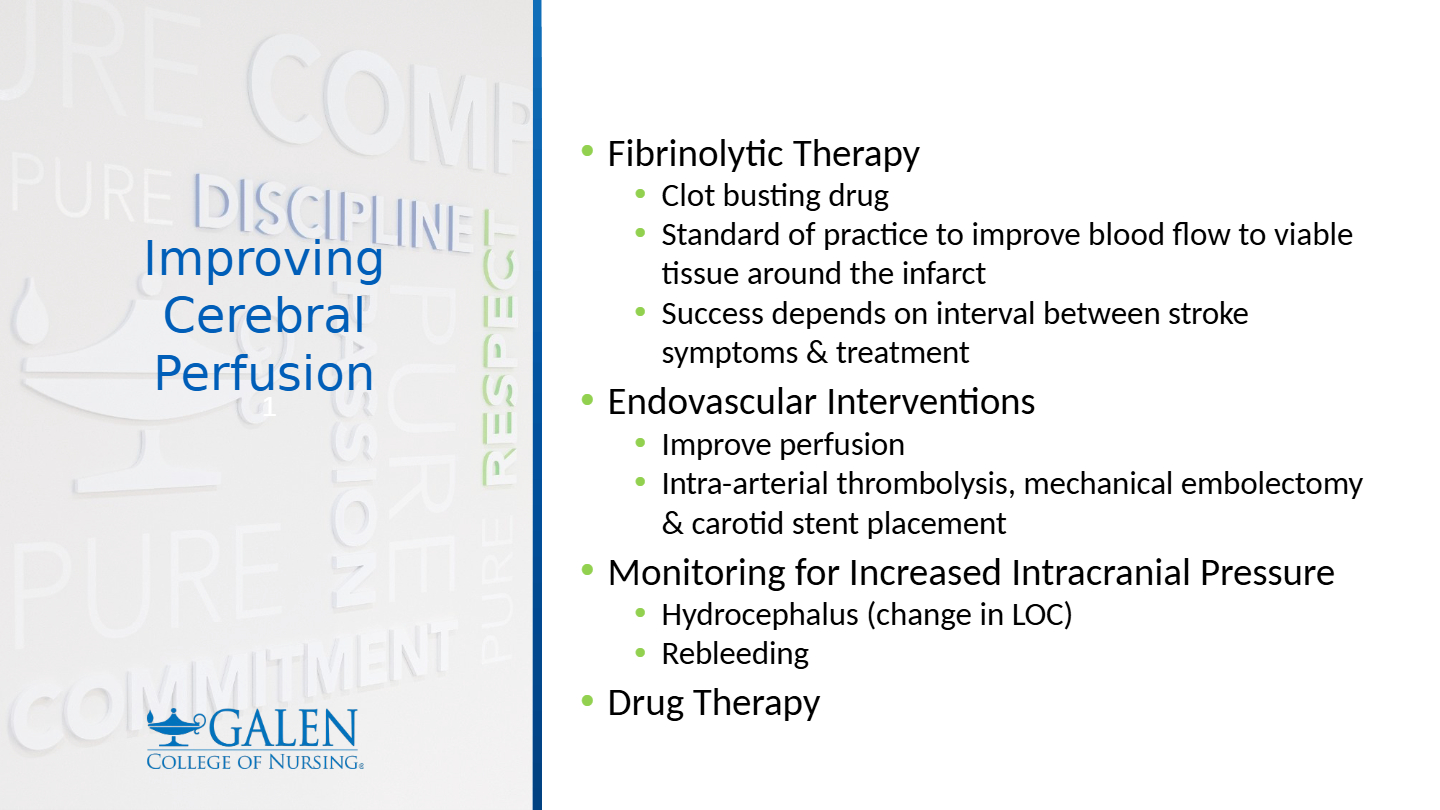
Explain the importance of monitoring for increased intracranial pressure in patients receiving cerebral perfusion therapy.
23
24
Fill in the Blanks
Type answer...
25
26
Multiple Choice
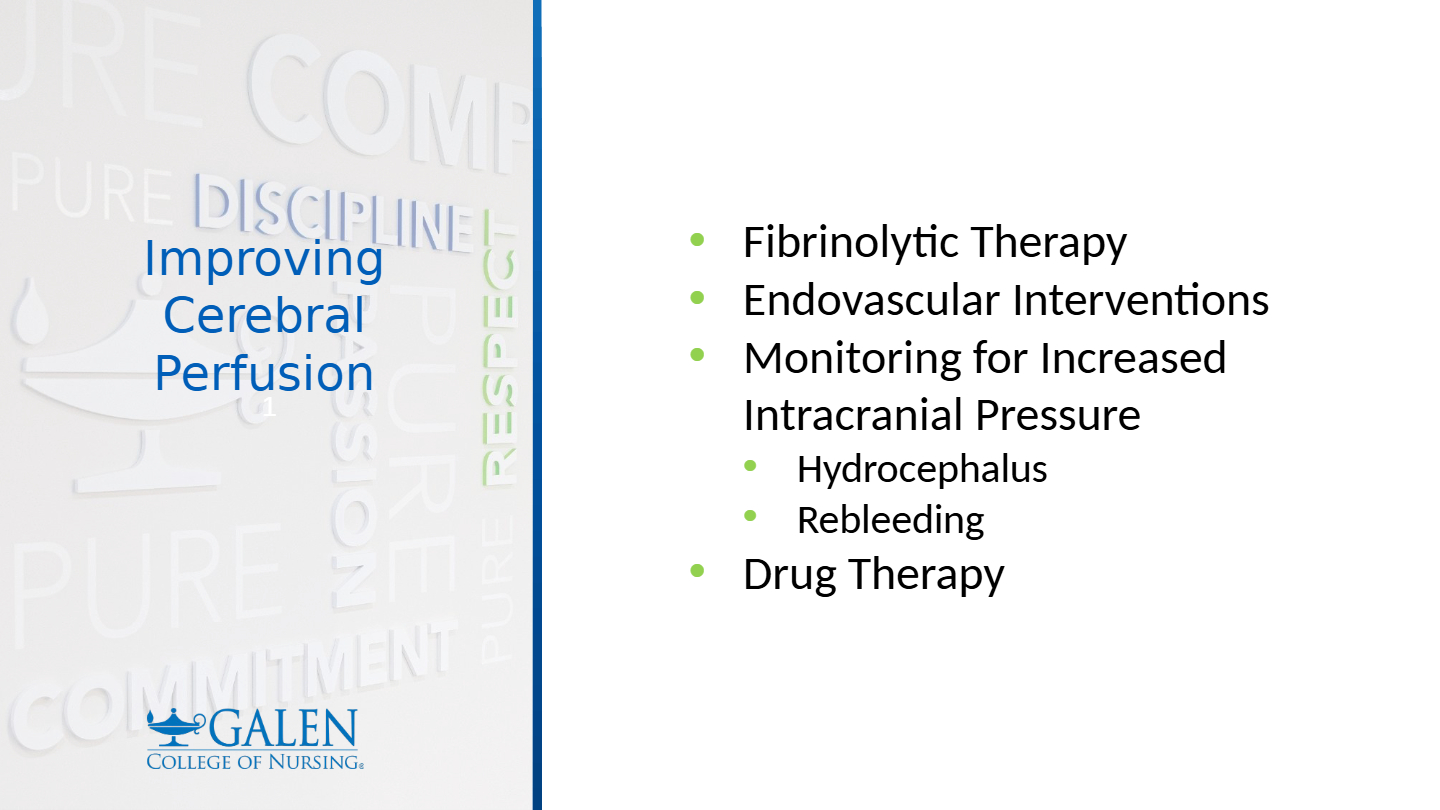
Which of the following therapies are used to improve cerebral perfusion after a stroke?
Antibiotic therapy
Fibrinolytic therapy
Physical therapy
Radiation therapy
27
28
Open Ended
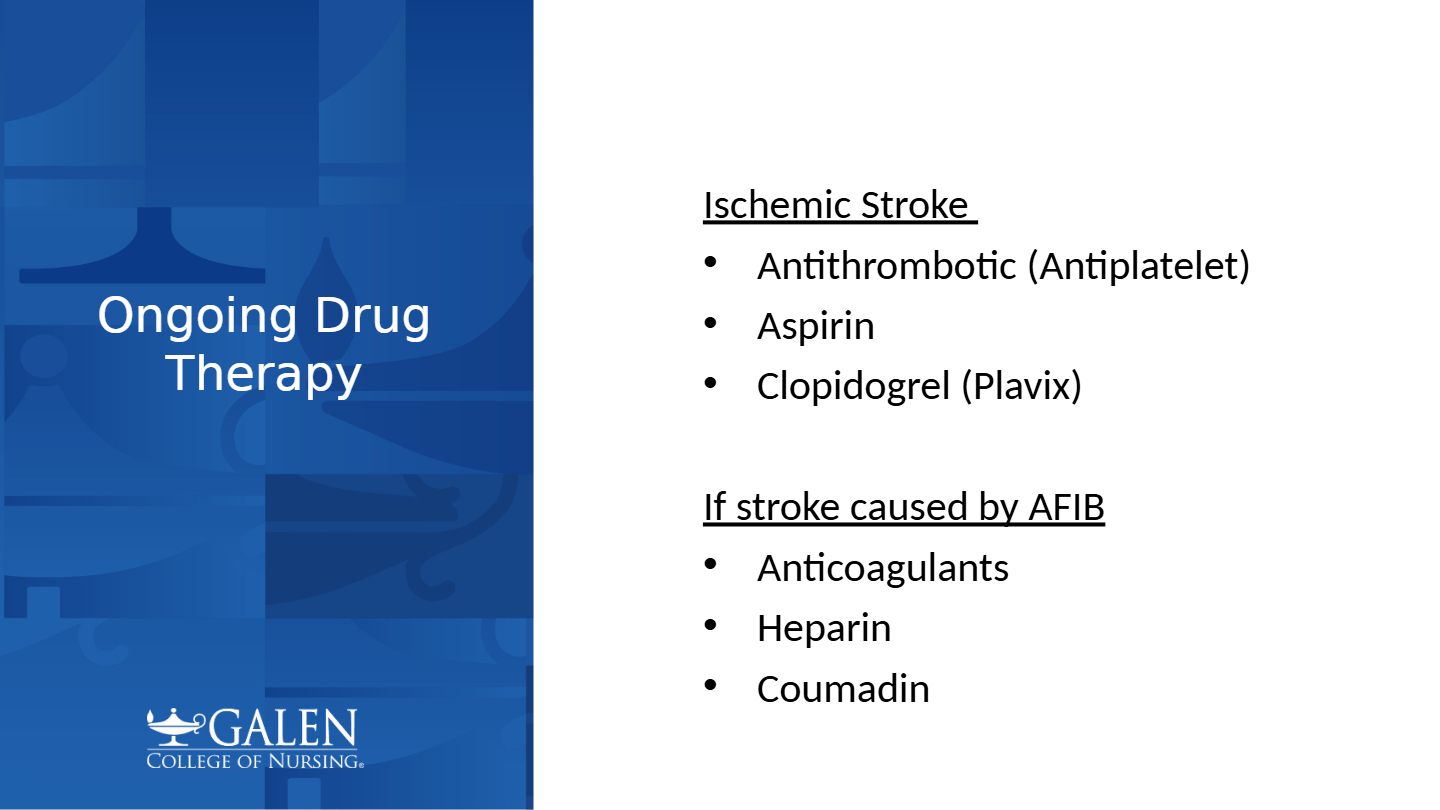
List the medications used for ongoing drug therapy in ischemic stroke and those used if stroke is caused by AFIB.
29
30
31
Multiple Choice
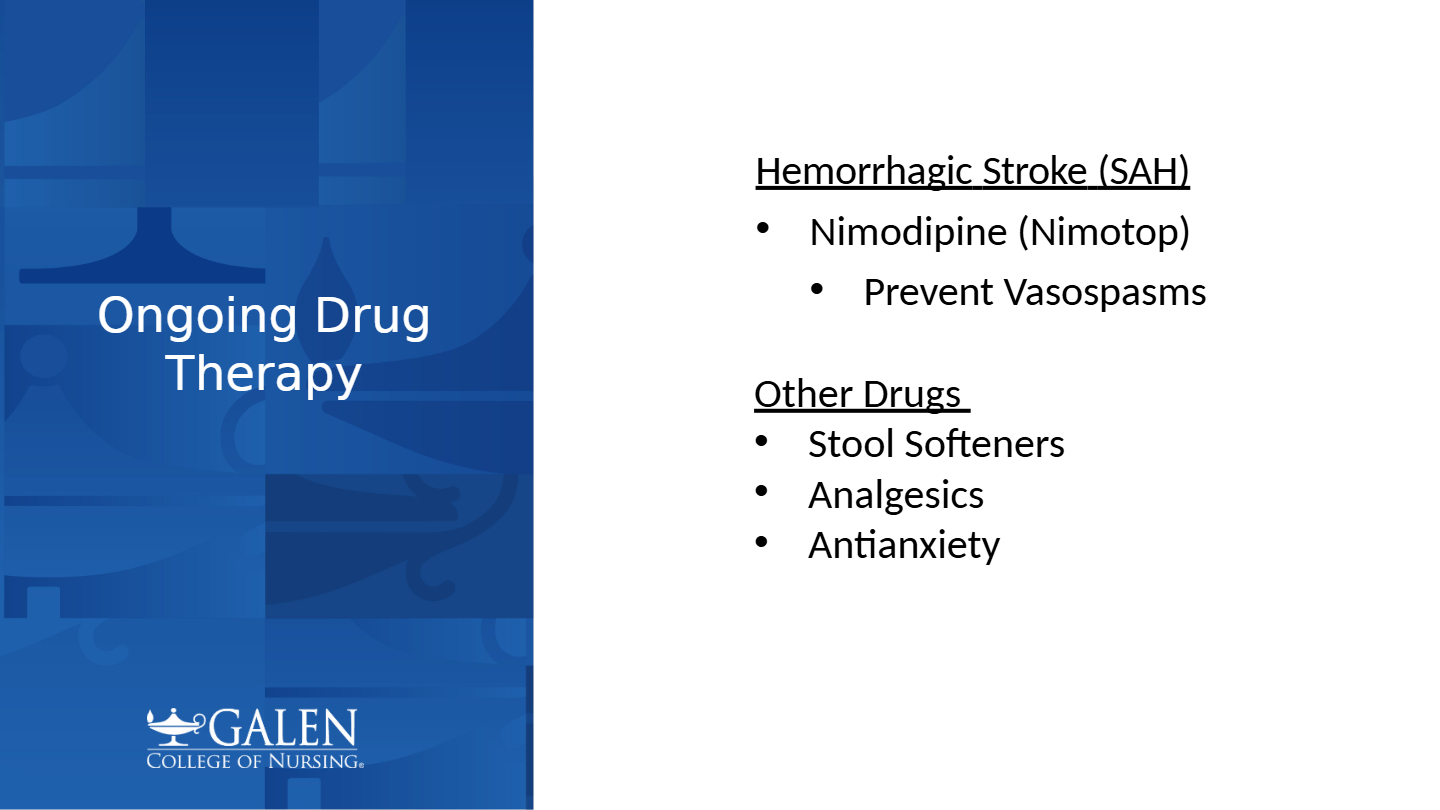
Which medication is specifically used to prevent vasospasms in patients with hemorrhagic stroke (SAH)?
Nimodipine
Stool softeners
Analgesics
Antianxiety medications
32
33
34
Multiple Choice
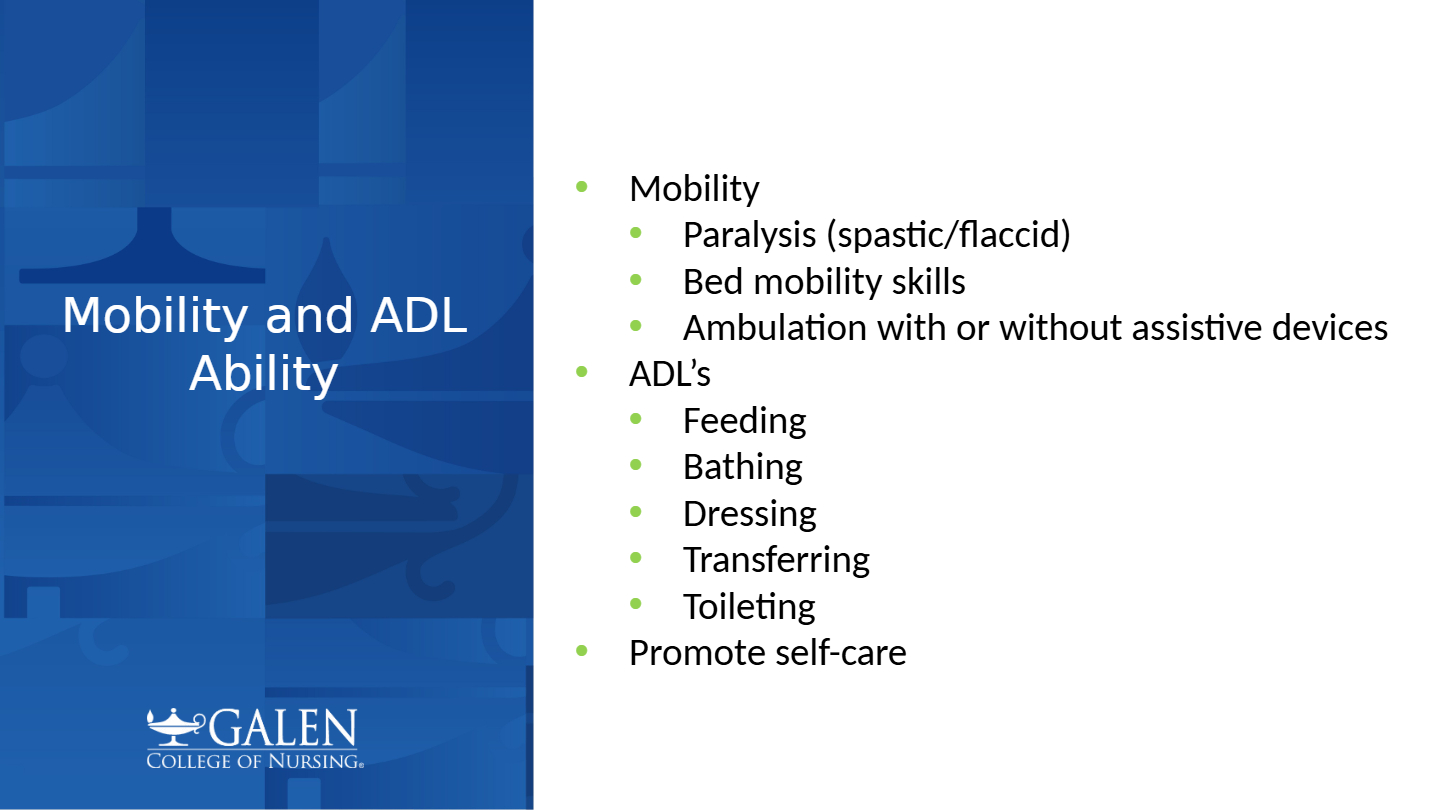
Which of the following are considered activities of daily living (ADLs)?
Feeding
Bathing
Dressing
All of the above
35
Open Ended
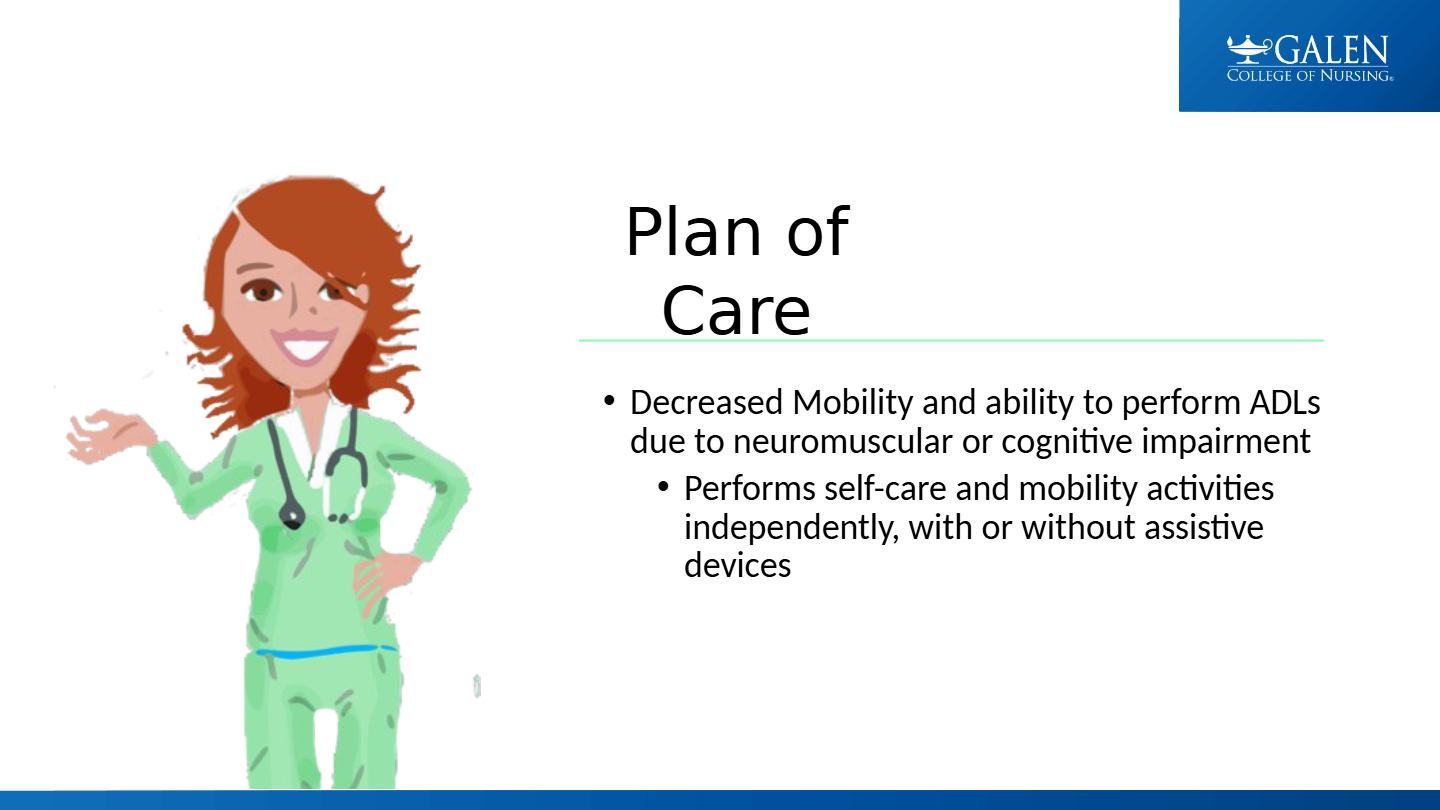
Explain how decreased mobility can affect a patient's ability to perform activities of daily living (ADLs) and what strategies can be used to promote independence.
36
37
Multiple Choice
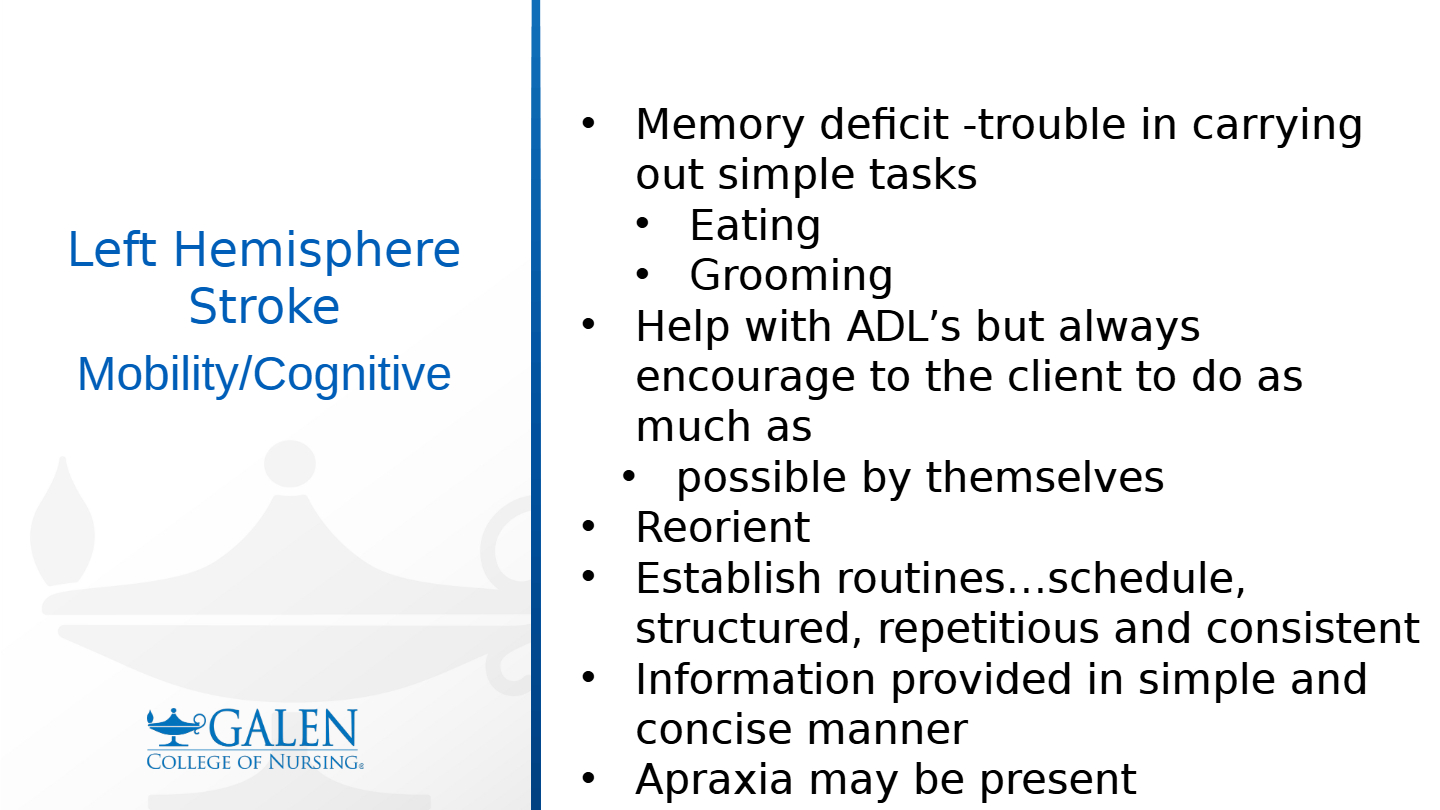
What are some recommended interventions for clients with left hemisphere stroke experiencing memory deficits and trouble carrying out simple tasks?
Help with ADLs but encourage independence
Reorient the client regularly
Establish structured and consistent routines
All of the above
38
39
Fill in the Blanks
Type answer...
40
41
42
Multiple Choice
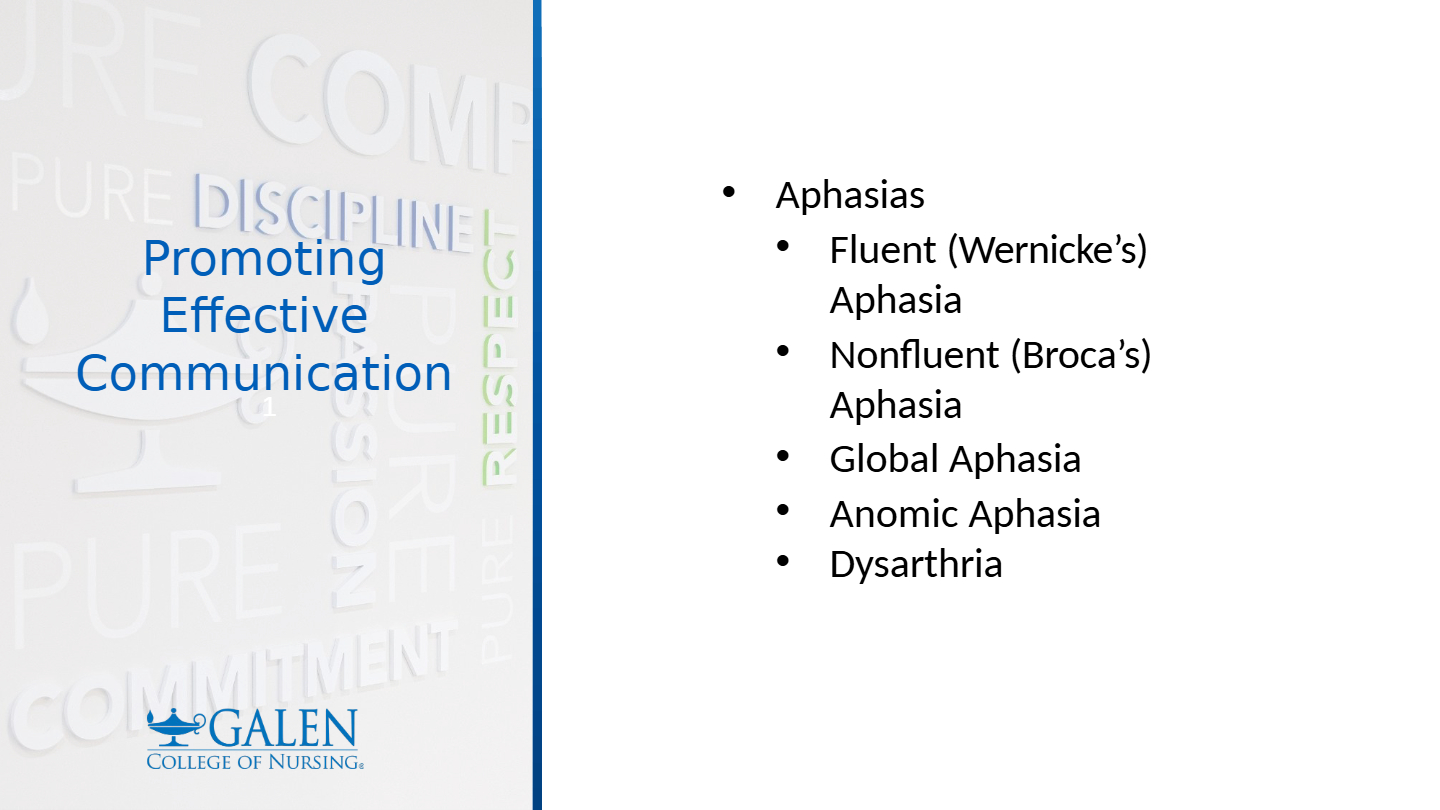
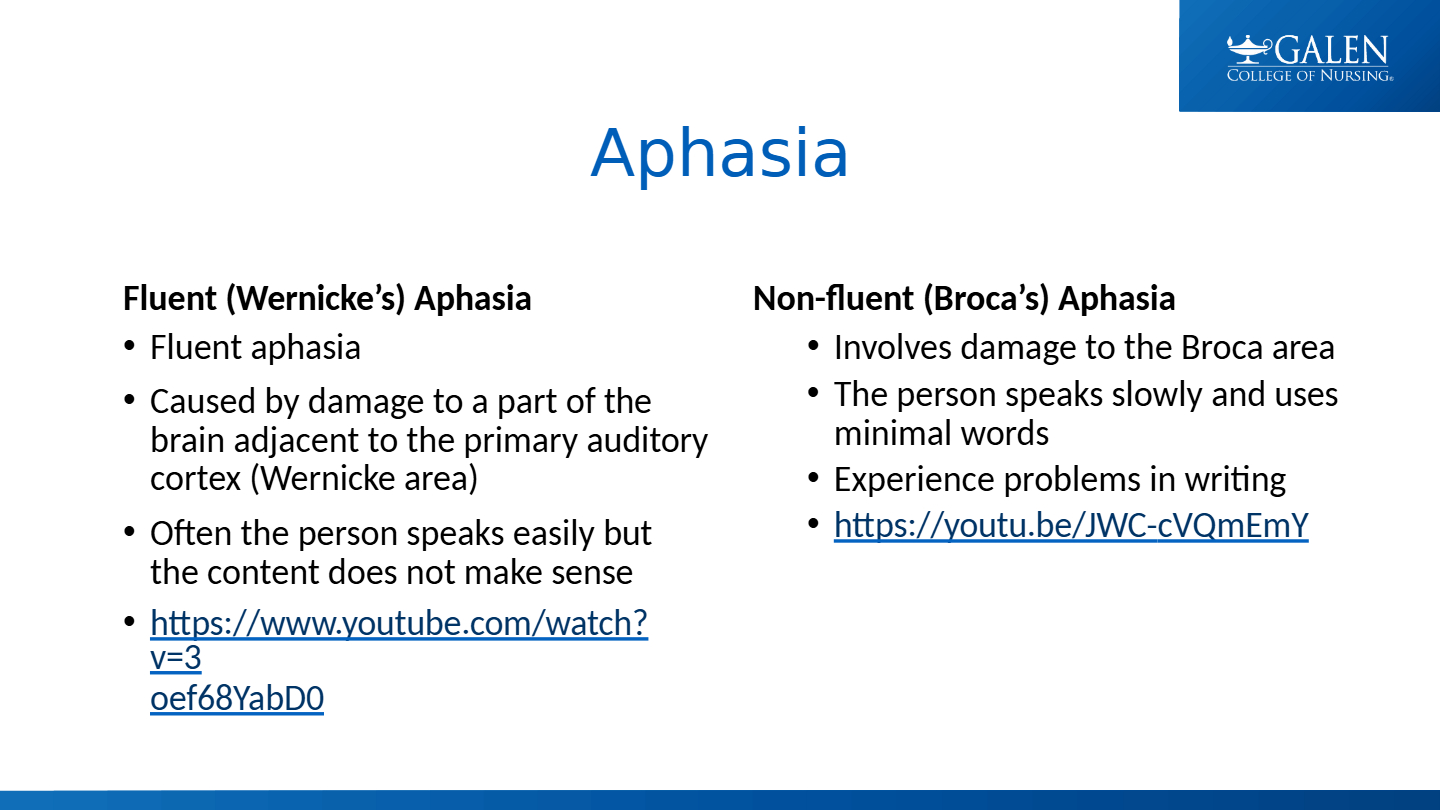
Which type of aphasia is characterized by fluent speech that often lacks meaning due to damage in the Wernicke area?
Non-fluent (Broca's) Aphasia
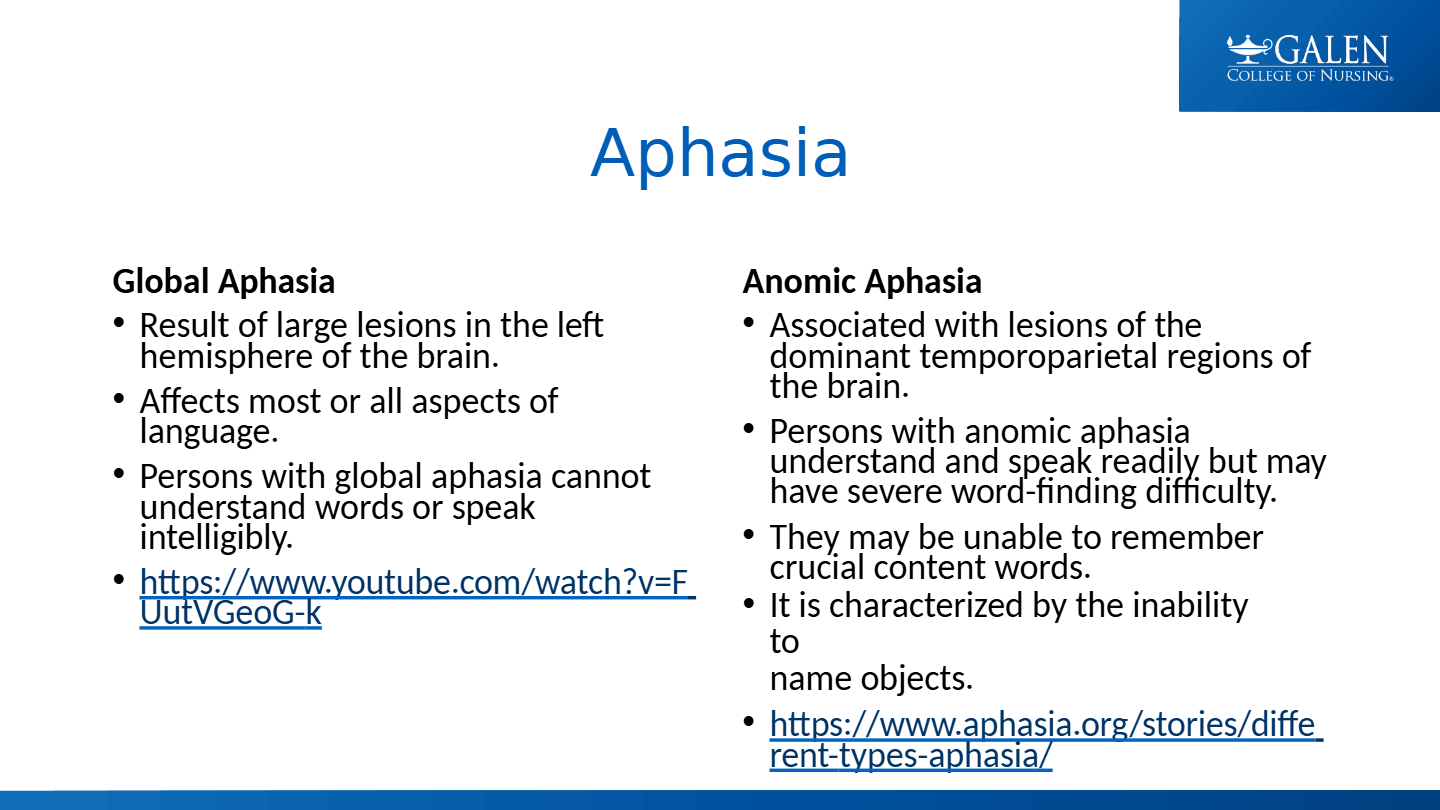
Global Aphasia
Fluent (Wernicke's) Aphasia
Anomic Aphasia
43
44
Open Ended
Compare and contrast the symptoms and causes of Global Aphasia and Anomic Aphasia.
45
46
Fill in the Blanks
Type answer...
47
Multiple Select
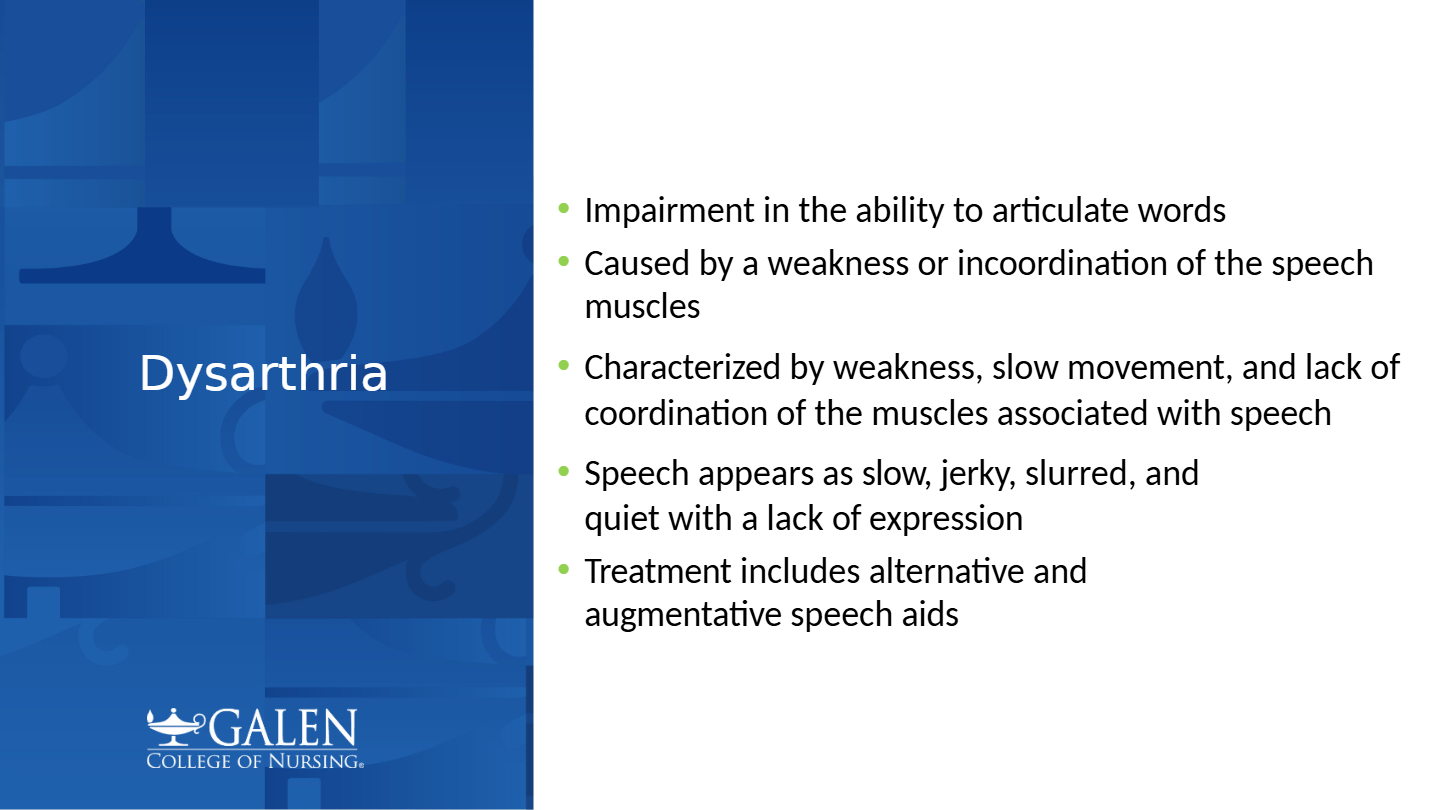
Which of the following are characteristics of Dysarthria?
Impairment in the ability to articulate words
Caused by lesions in the left hemisphere of the brain
Characterized by severe word-finding difficulty
Treatment includes alternative and augmentative speech aids
48
49
Open Ended
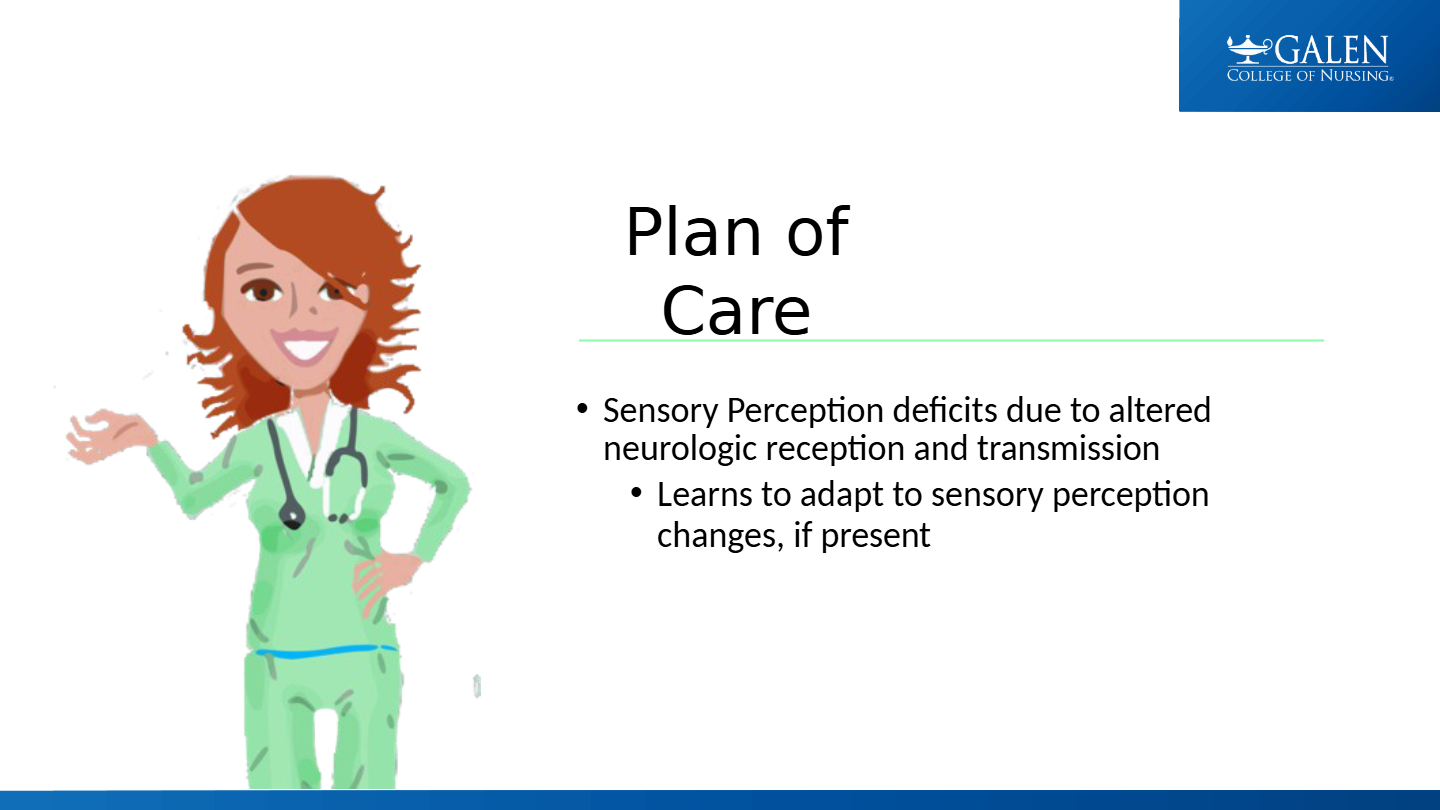
What is the primary goal when planning care for a patient with sensory perception deficits due to altered neurologic reception and transmission?
50
51
Multiple Select
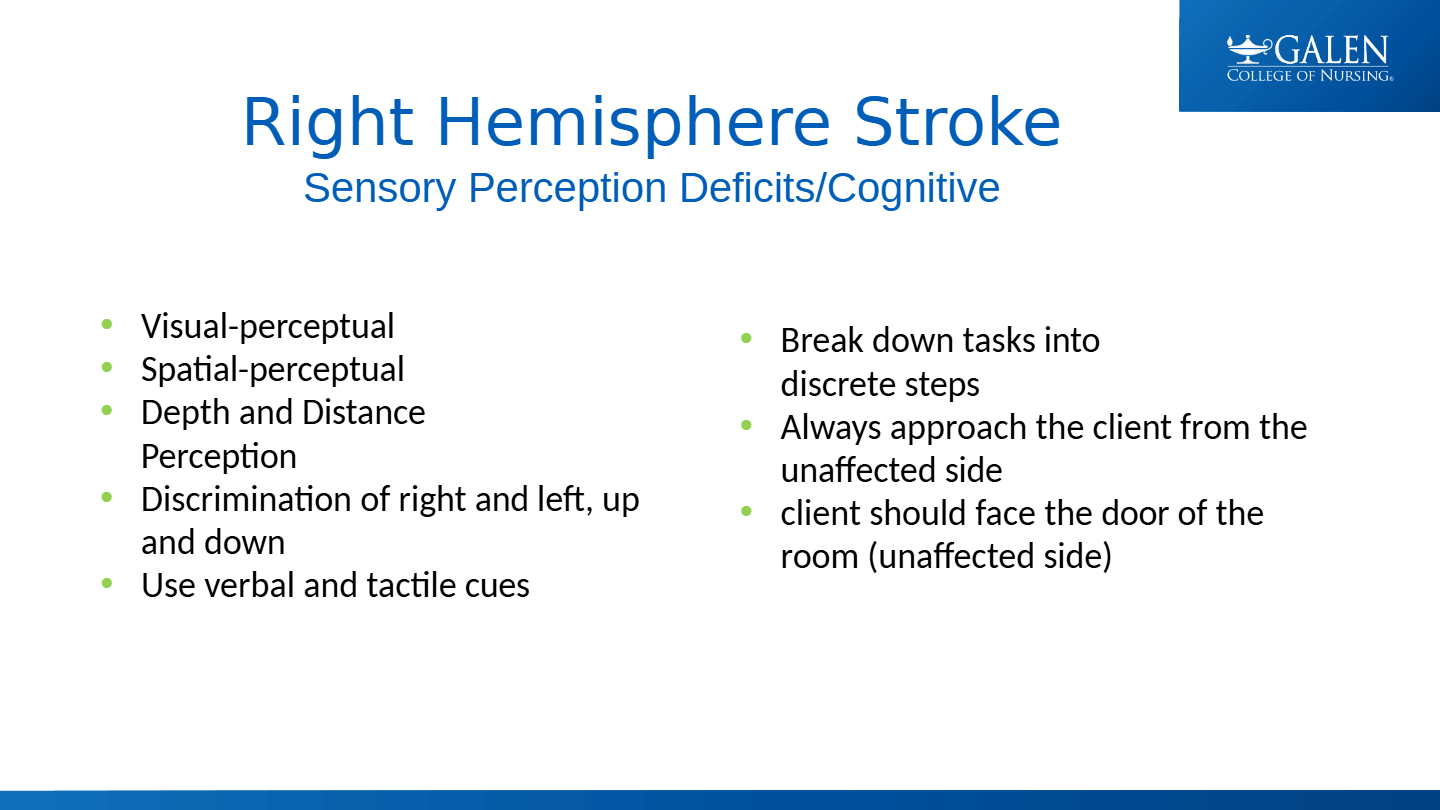
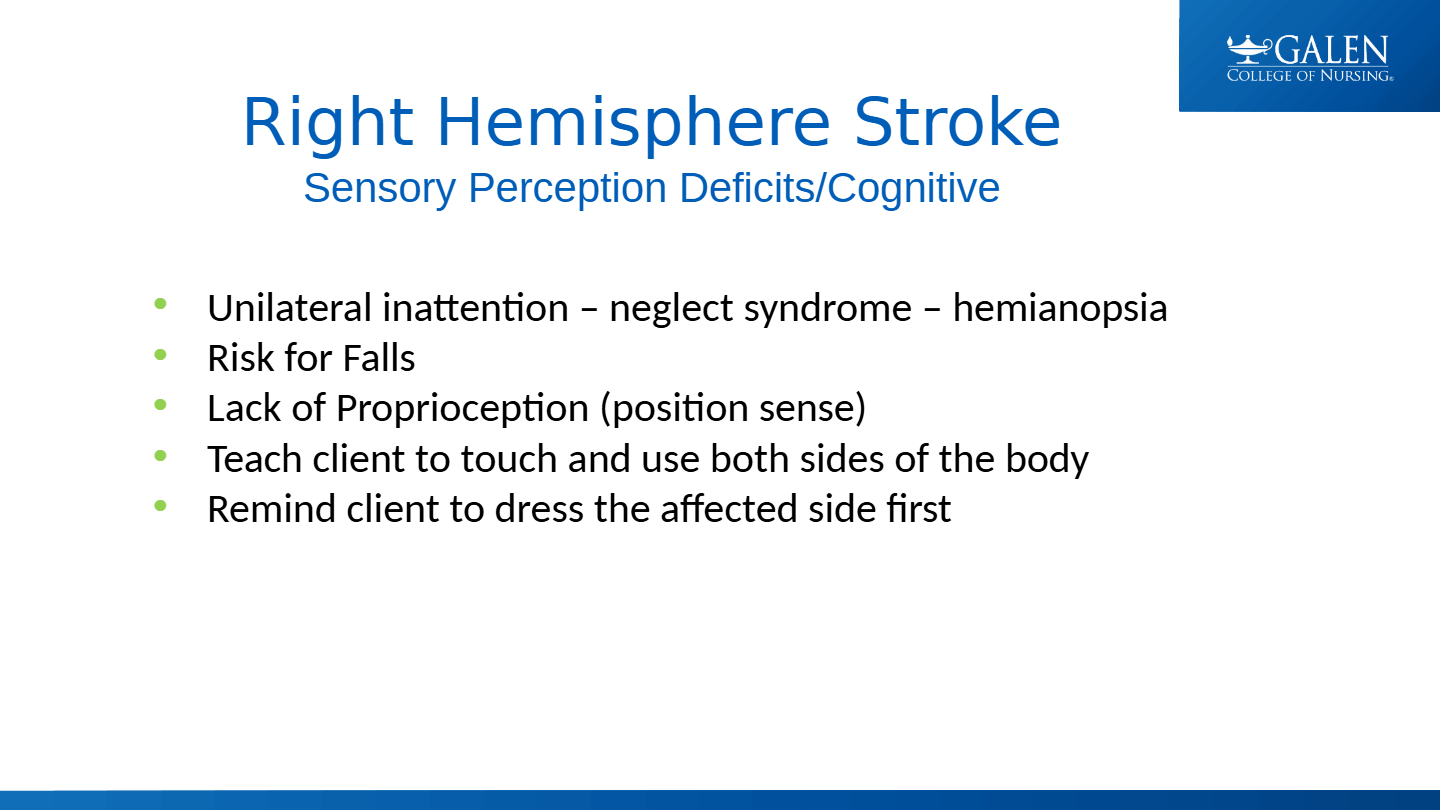
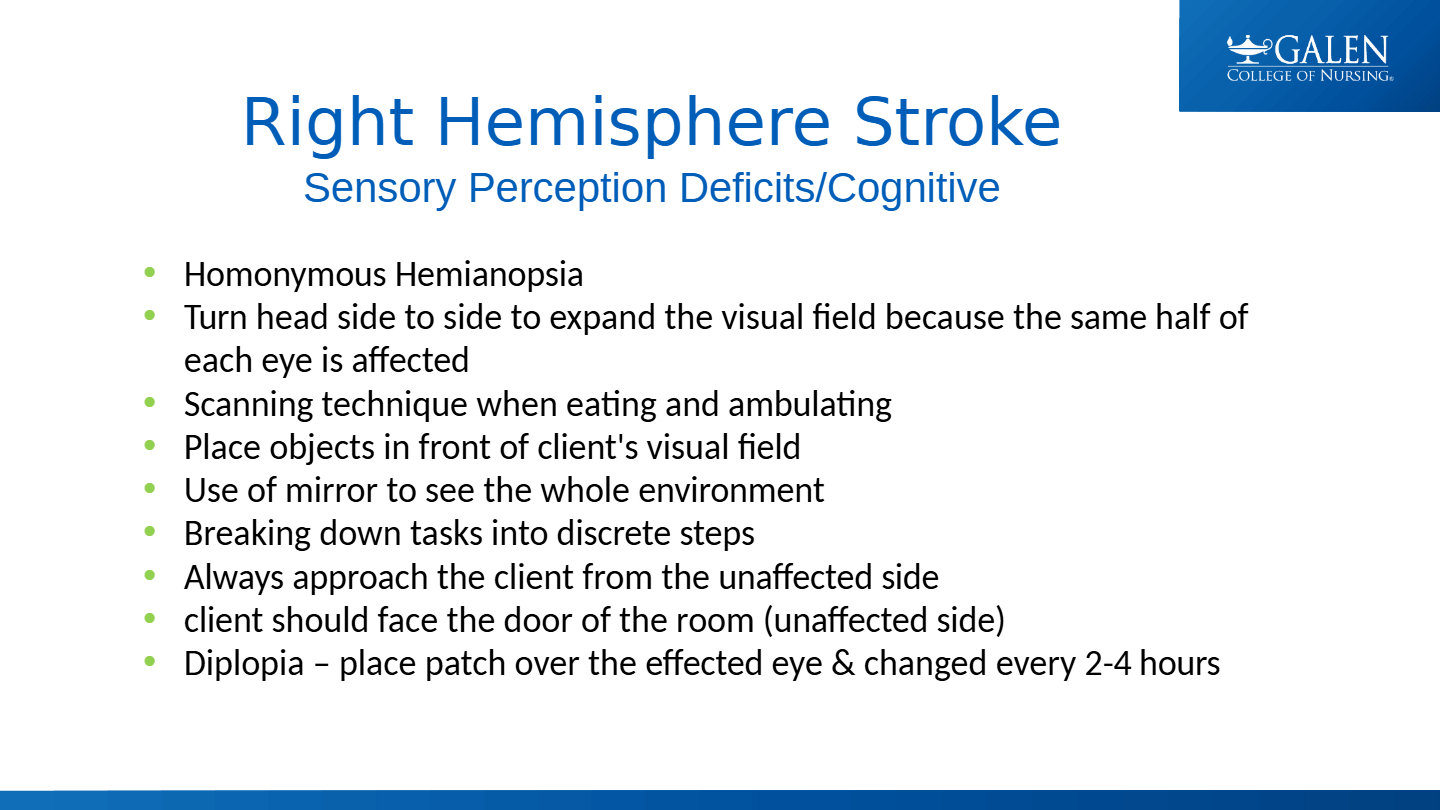
Which strategies are recommended for managing sensory perception deficits in clients with right hemisphere stroke?
Break down tasks into discrete steps
Always approach the client from the unaffected side
Use verbal and tactile cues
Encourage the client to face the door of the room (unaffected side)
52
53
54
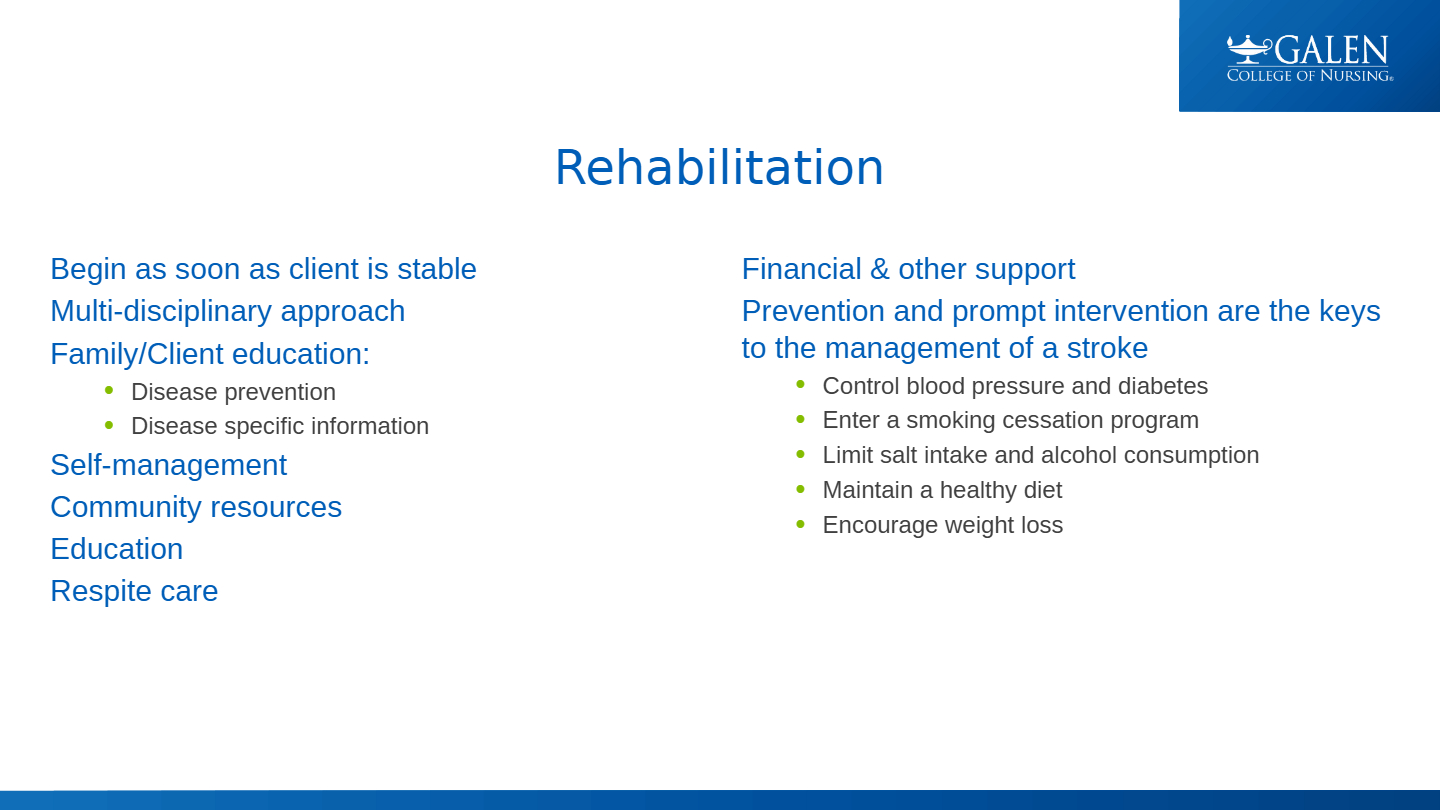
55
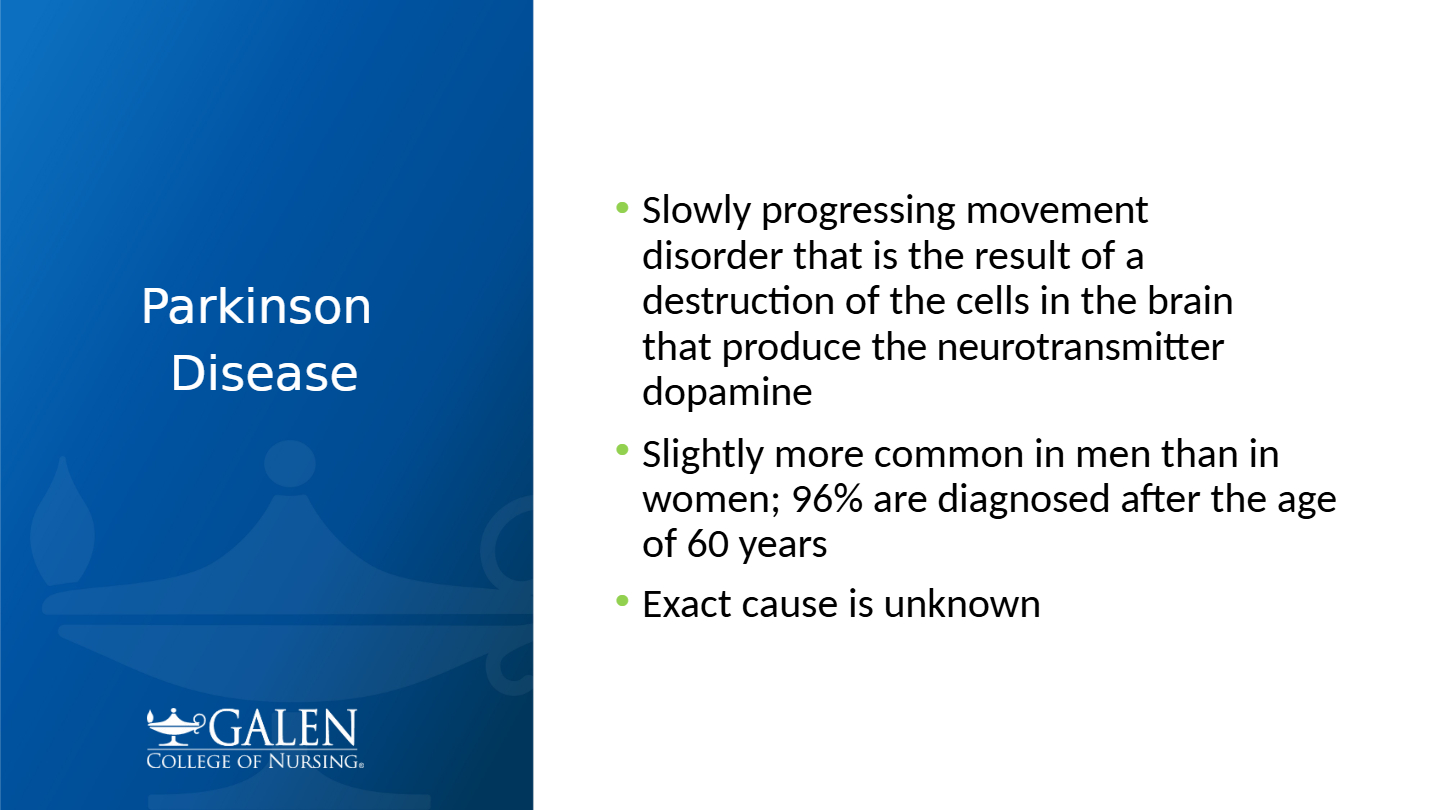
56
Open Ended
Reflecting on what you learned about ischemic events, what questions do you still have or what would you like to know more about regarding their causes or prevention?
57
Multiple Choice
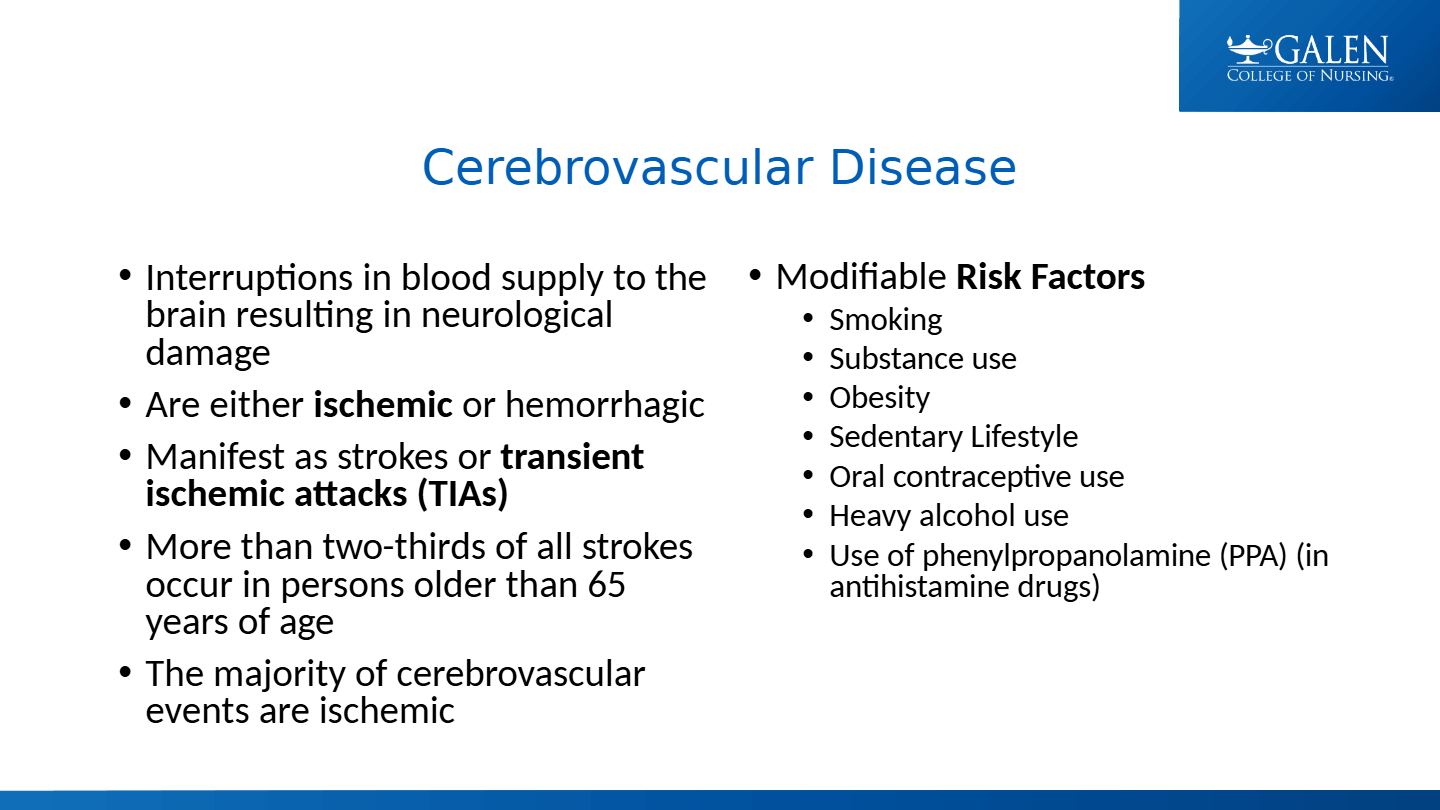
Which of the following is a modifiable risk factor for cerebrovascular disease?
Smoking
Age over 65
Genetic predisposition
Male gender
Show answer
Auto Play
Slide 1 / 57
SLIDE
Similar Resources on Wayground

51 questions
L04 Supply and Demand part 2
Presentation
•
University
52 questions
School of Business Presentation
Presentation
•
University
55 questions
Forms of Business Ownership
Presentation
•
University
52 questions
DSF - 07 Digital Forensics
Presentation
•
University
56 questions
Unit 1 Day 5 DHO 1:1 History of Healthcare slides
Presentation
•
KG - University
51 questions
Present Perfect vs Past Simple (for, since, yet, already, just)
Presentation
•
University
51 questions
Practice Quiz 2: History & Founders
Presentation
•
University
53 questions
B1-UNIT1
Presentation
•
KG - University
Popular Resources on Wayground
25 questions
The Ultimate College Knowledge Quiz

Quiz
•
8th Grade
20 questions
Math Review
Quiz
•
3rd Grade
15 questions
Fast food
Quiz
•
7th Grade
20 questions
Math Review
Quiz
•
6th Grade
20 questions
Context Clues
Quiz
•
6th Grade
20 questions
Inferences
Quiz
•
4th Grade
19 questions
Classifying Quadrilaterals
Quiz
•
3rd Grade
20 questions
Figurative Language Review
Quiz
•
6th Grade
Discover more resources for Health Sciences
20 questions
Guess The App
Quiz
•
KG - Professional Dev...
11 questions
dog breeds
Quiz
•
3rd Grade - Professio...
40 questions
Disney Trivia
Quiz
•
KG - University
11 questions
NFL Football logos
Quiz
•
KG - Professional Dev...
19 questions
Minecraft
Quiz
•
6th Grade - Professio...
32 questions
NC Biology EOC Review : Heredity, Genetics, Biotechnology
Quiz
•
KG - University
20 questions
Disney Trivia
Quiz
•
University
24 questions
5th Grade Math EOG Review
Quiz
•
KG - University