Lesson 1.4 - Traits and Reproduction
Presentation
•
Science
•
6th Grade
•
Easy
Standards-aligned
JAMIE BEECHER
Used 7+ times
FREE Resource
37 Slides • 14 Questions
1
2
3
4
Open Ended
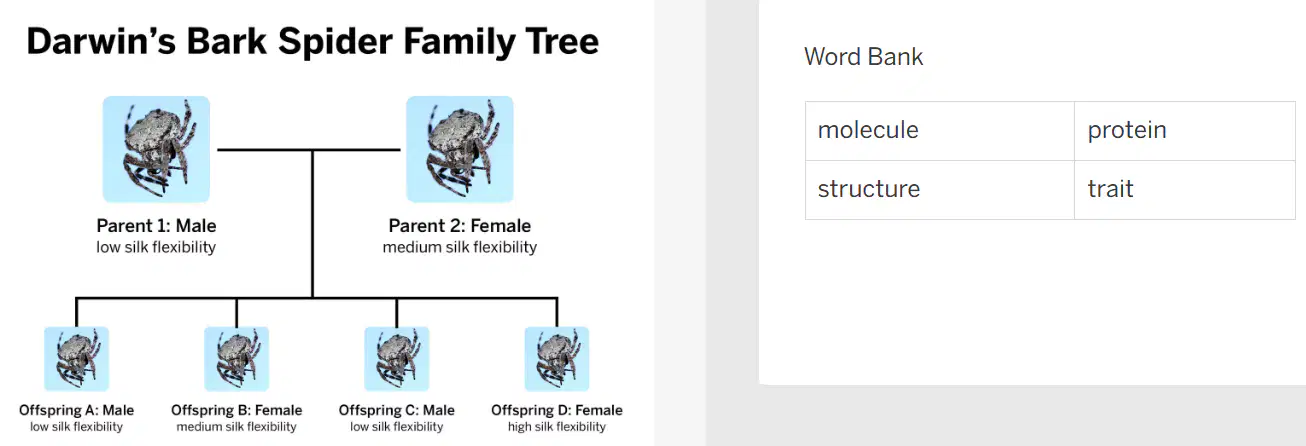
What have you learned so far about why some of the Darwin’s bark spiders have different traits for silk flexibility? Use the words form the word bank in your response.
5
6
7
8
10
11
12
13
14
15
16
17
Observe your first spider
18
Draw
Observing Proteins for Silk Flexibility in the Simulation
Launch the Traits and Reproduction Sim. Compare spiders with high, medium, and low silk flexibility.
In the first box, write your first spider's name.
In the middle box write their trait for silk flexibility (high, medium, or low).
In the third box, draw the structure (SHAPE) of the protein molecules in the cell.
Label the protein 1, 2, or 3.
19
Observe your second spider
20
Draw
Observing Proteins for Silk Flexibility in the Simulation
Launch the Traits and Reproduction Sim. Compare spiders with high, medium, and low silk flexibility.
In the first box, write your second spider's name.
In the middle box write their trait for silk flexibility (high, medium, or low).
In the third box, draw the structure (SHAPE) of the protein molecules in the cell.
Label the protein 1, 2, or 3.
21
Observe your third spider
22
Draw
Observing Proteins for Silk Flexibility in the Simulation
Launch the Traits and Reproduction Sim. Compare spiders with high, medium, and low silk flexibility.
In the first box, write your third spider's name.
In the middle box write their trait for silk flexibility (high, medium, or low).
In the third box, draw the structure (SHAPE) of the protein molecules in the cell.
Label the protein 1, 2, or 3.
23
Lets look at the Protein to Trait Example together
24
Open Ended
Look at the Protein to Trait Example for silk flexibility. How do the differences in proteins lead to different traits for silk flexibility?
25
26
27
Poll
Select the feature you chose to observe:
silk stickiness
venom
size
body color
stripe color
28
Observe your first spider
29
Draw
Observing Proteins for Another Feature in the Simulation
Launch the Traits and Reproduction Sim.
With your partner, select a feature. Find three spiders with different traits for this feature.
In the first box, write your first spider's name.
In the middle box write their trait for the feature you chose.
In the third box, draw the structure (SHAPE) of the protein molecules in the cell.
Label the protein 1, 2, or 3.
30
Observe your second spider
31
Draw
Observing Proteins for Another Feature in the Simulation
Launch the Traits and Reproduction Sim.
With your partner, select a feature. Find three spiders with different traits for this feature.
In the first box, write your second spider's name.
In the middle box write their trait for the feature you chose.
In the third box, draw the structure (SHAPE) of the protein molecules in the cell.
Label the protein 1, 2, or 3.
32
Observe your third spider
33
Draw
Observing Proteins for Another Feature in the Simulation
Launch the Traits and Reproduction Sim.
With your partner, select a feature. Find three spiders with different traits for this feature.
In the first box, write your third spider's name.
In the middle box write their trait for the feature you chose.
In the third box, draw the structure (SHAPE) of the protein molecules in the cell.
Label the protein 1, 2, or 3.
34
Look at the Protein to Trait Example for the feature you chose.
35
Open Ended
Look at the Protein to Trait Example for the feature you chose. How did the differences in proteins lead to different traits for this feature?
36
37
38
39
40
41
42
43
44
Draw
Draw the protein molecules each spider would have for silk flexibility inside their cells. Annotate the diagram to explain why the proteins lead to these traits.
45
46
47
48
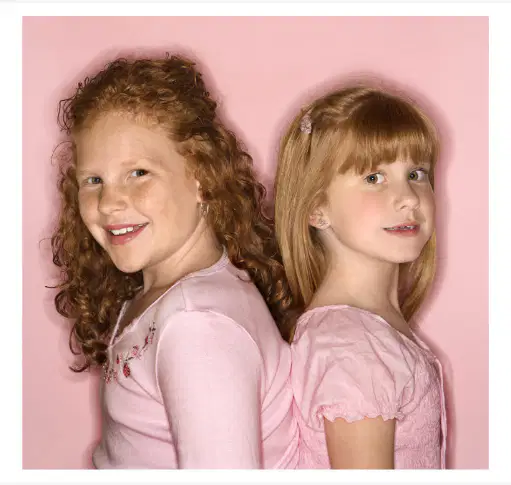
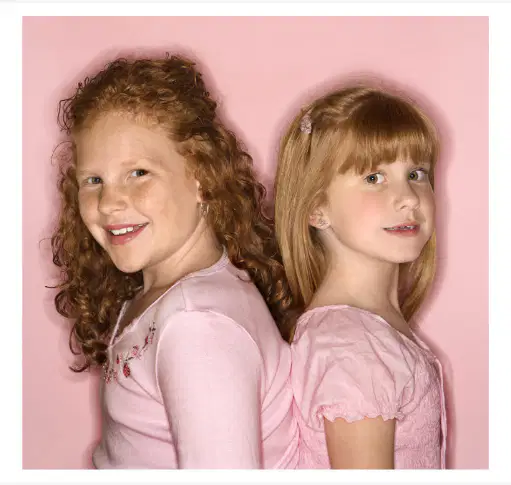
Poll
Identify a feature for which each sister has a different trait.
hair color
eye color
hair texture
something else
49
Open Ended
What are the sister's traits for the feature you chose?
50
Open Ended
Why do these sisters have different traits? Use the words in the word bank in your response, describing what would determine these traits at the molecular scale.
51
Show answer
Auto Play
Slide 1 / 51
SLIDE

Similar Resources on Wayground
42 questions
Module F Unit 2 Lesson 1 - Earth's Oceans and the Ocean Floor
Presentation
•
6th Grade
45 questions
Protons, Neutrons, and Electrons - How they differ. Outline
Presentation
•
6th Grade
45 questions
3/20/23
Presentation
•
6th Grade
45 questions
Mountain Building
Presentation
•
6th Grade
46 questions
Calculating Net Forces GuidedLesson
Presentation
•
6th - 8th Grade
46 questions
Heat Transfer Review 23-24
Presentation
•
6th Grade
47 questions
ACAP Review 6th grade math
Presentation
•
6th Grade
44 questions
Microbiome Review
Presentation
•
6th Grade
Popular Resources on Wayground
6 questions
Secondary Safety Quiz
Presentation
•
9th - 12th Grade
10 questions
Afterschool Activities & Sports
Quiz
•
6th - 8th Grade
19 questions
ROAR Week 2026
Quiz
•
9th - 12th Grade
20 questions
Lab Safety Quiz
Quiz
•
6th Grade
15 questions
Cool Tool:Chromebook
Quiz
•
6th - 8th Grade
22 questions
would you rather
Quiz
•
3rd - 11th Grade
21 questions
Continents and Oceans
Quiz
•
6th Grade
20 questions
Parts of Speech
Quiz
•
5th Grade
Discover more resources for Science
20 questions
Lab Safety Quiz
Quiz
•
6th Grade
20 questions
Lab Safety
Quiz
•
5th - 8th Grade
5 questions
Scientific Method Video
Interactive video
•
6th Grade
10 questions
Independent vs. Dependent Variable Practice
Quiz
•
6th Grade
18 questions
Lab Safety Review
Quiz
•
6th Grade
10 questions
Lab Safety Essentials
Interactive video
•
6th - 10th Grade
20 questions
Semester 1: Unit 1: Characteristics of Life
Quiz
•
6th - 8th Grade
10 questions
Essential Guidelines for Science Lab Safety
Interactive video
•
6th - 10th Grade