Search Header Logo
* Cell Transport Lesson

* Cell Transport Lesson

Assessment

Presentation

Biology

9th Grade

Practice Problem

Medium

NGSS
HS-LS1-3, HS-PS1-5, MS-LS1-1

+2

Standards-aligned

Created by

Lynette Ethridge

Used 1+ times

FREE Resource

25 Slides • 33 Questions

1

media

2

media

3

Multiple Choice

Which of the following best describes the main function of the cell membrane?

1

To provide energy for the cell

2

To regulate movement of substances in and out of the cell

3

To produce proteins

4

To store genetic information

4

Open Ended

Why is it important for cells to regulate what enters and exits through their membranes?

5

media

6

Multiple Choice

What does it mean when a cell membrane is described as semipermeable?

1

It allows all substances to pass through.

2

It allows some substances to pass through but not others.

3

It blocks all substances from passing through.

4

It only allows water to pass through.

7

media

8

Multiple Choice

Based on the diagrams, why are some molecules able to pass through the cell membrane while others cannot?

1

All molecules are the same size.

2

The membrane only allows water molecules to pass.

3

The size and type of molecule determine if it can pass through the membrane.

4

Molecules can only pass through with energy.

9

media

10

Multiple Select

Which of the following are types of passive transport?

1

Simple Diffusion

2

Facilitated Diffusion

3

Osmosis

4

Protein Pump

11

Open Ended

Explain the difference between passive and active transport in cells.

12

media

13

media

14

Fill in the Blanks

15

media

16

Open Ended

Which would have a higher concentration of sugar: coffee with 1 teaspoon of sugar or coffee with 2 teaspoons of sugar? Explain your reasoning.

17

Multiple Choice

Question image
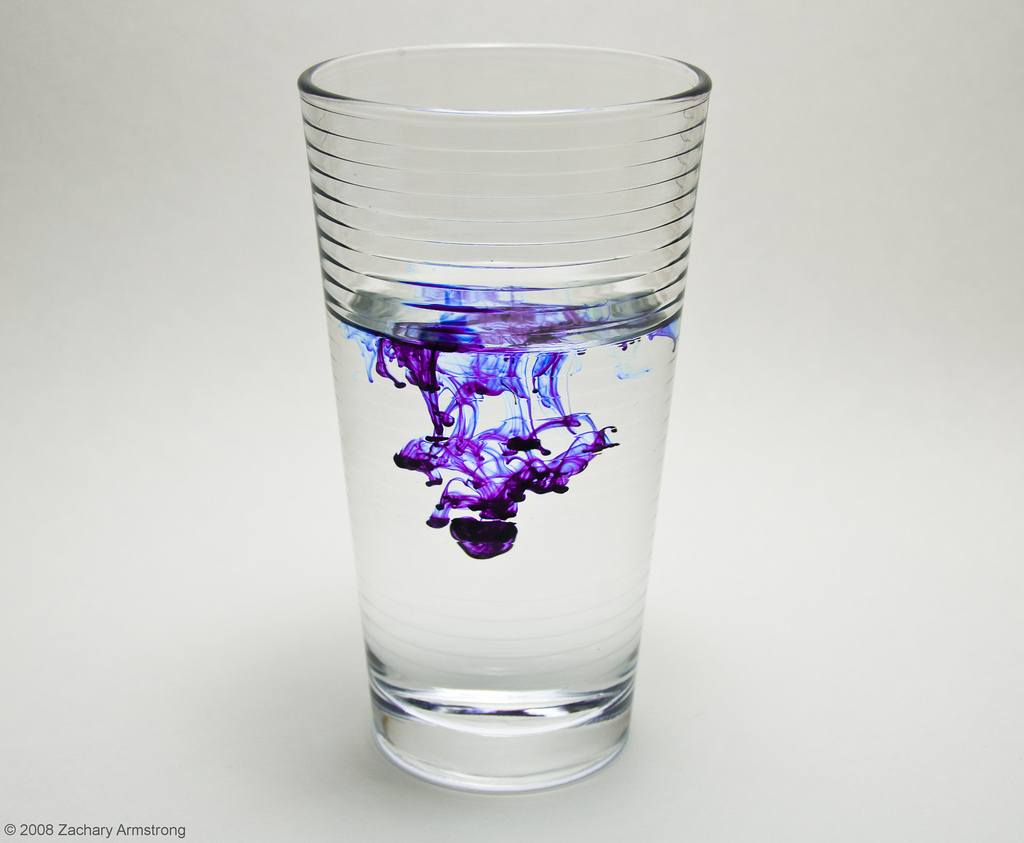
Where is there a low concentration of dye?
1
at the bottom of cup
2
in the color
3
at the top of cup 
4
no concenteraion gradient

18

Multiple Choice

Question image
Where is there a low concentration of perfume?
1
in the bottle
2
on the hand
3
in the room
4
in the top

19

media

20

media
media

21

Multiple Choice

Which process involves the movement of molecules from a high concentration to a low concentration without requiring energy?

1

Active transport

2

Diffusion

3

Endocytosis

4

Exocytosis

22

media

23

Multiple Choice

Which of the following molecules can diffuse directly through the cell membrane without the help of a protein?

1

Oxygen

2

Glucose

3

Sodium ions

4

Water

24

media
media

25

media
media

26

Multiple Choice

Which of the following statements about passive transport is correct?

1

It requires energy from the cell.

2

It moves molecules against the concentration gradient.

3

It includes diffusion, facilitated diffusion, and osmosis.

4

It only occurs in plant cells.

27

Fill in the Blanks

Type answer...

28

media

29

Open Ended

Describe what happens to water movement when the concentration of solute outside a cell is different from inside the cell.

30

Multiple Choice

Question image
Osmosis
1
diffusion of water molecules through a semi-permeable mebrane from an area of low concentration to an area of high concentration
2
the diffusion of particles from an area of high concentration to an area of low concentration
3
diffusion of water molecules through a semi-permeable membrane from an area of high concentration to an area of low concentration
4
the diffusion of particles from an area of low concentration to an area of high concentration

31

media

32

media

33

media

34

Multiple Choice

Which type of solution causes a cell to swell and possibly burst?

1

Isotonic

2

Hypertonic

3

Hypotonic

4

None of the above

35

media

36

Fill in the Blanks

37

Multiple Choice

Question image
This egg has shrunk, what type of solution was it placed in?
1
hypotonic solution
2
hypertonic solution
3
isotonic solution
4
active transport

38

Open Ended

Explain how the concentration of solute inside and outside a cell affects the movement of water and the cell's size.

39

media

40

Multiple Choice

According to the rhyme, what happens to a cell in a hypotonic solution?

1

The cell dries.

2

The cell shrinks.

3

The cell grows.

4

The cell stays the same.

41

media

42

Multiple Choice

Question image
The cell below is in a _________ solution.
1
Hypotonic
2
Hypertonic
3
Isotonic

43

Multiple Choice

Question image
What type of solution is this cell in?
1
Isotonic
2
Hypertonic
3
Hypotonic
4
diffused

44

Open Ended

Why is an isotonic solution preferred for animal cells?

45

Multiple Select

Select all the correct statements about isotonic solutions.

1

The solute concentration inside and outside the cell is equal.

2

Water moves equally in and out of the cell.

3

The cell shrinks in an isotonic solution.

4

The cell stays the same size in an isotonic solution.

46

media

47

Multiple Choice

Which type of solution causes a plant cell to become turgid, and why is this condition preferred in plants?

1

Hypertonic; because water moves out and the cell shrinks

2

Isotonic; because water moves equally and the cell stays the same

3

Hypotonic; because water moves in and the cell grows

4

Hypertonic; because water moves in and the cell grows

48

Multiple Choice

Question image
What type of solution allows water to enter the plant cell?
1
hypotonic solution
2
hypertonic solution
3
isotonic solution
4
active transport

49

media

50

Multiple Select

Select all correct statements about isotonic solutions and their effect on cells.

1

Water moves equally in and out of the cell

2

Cell shrinks

3

Cell stays the same

4

Higher concentration of solute outside the cell

51

media

52

Fill in the Blanks

Type answer...

53

media

54

Open Ended

Why is it important to pay attention to the numbers (such as g/L or %) when analyzing the effects of saline solutions on cells?

55

Open Ended

Compare what happens to a cell placed in a hypertonic solution versus a hypotonic solution. Use evidence from the diagrams and practice slides.

56

media

57

Open Ended

Reflecting on today's lesson, what questions do you still have about cell transport or the function of the cell membrane?

58

Multiple Choice

Why is it important for the cell membrane to regulate what enters and exits the cell?

1

To maintain homeostasis

2

To increase cell size

3

To produce energy

4

To divide the cell

media

Show answer

Auto Play

Slide 1 / 58

SLIDE