

poems unit 4

Presentation
•
English
•
9th - 12th Grade
•
Practice Problem
•
Medium
+25
Standards-aligned

Andrea Carrasco P
Used 1+ times
FREE Resource
9 Slides • 18 Questions
1

2
Open Ended
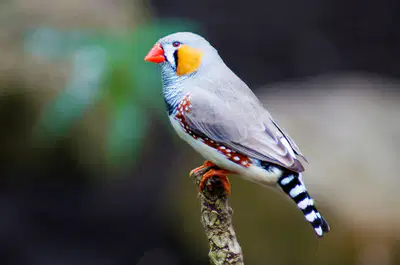
What do the photos have in
common?
3
Open Ended
Look at the poems on pages 130-133, What do the titles of these poems have in common?
4
Meter
What is Meter?
Meter is the basic rhythmic structure of a line within a work of poetry. Meter consists of two components:
1. The number of syllables
2. A pattern of emphasis on those syllables
A line of poetry can be broken into “feet,” which are individual units within a line of poetry. A foot of poetry has a specific number of syllables and a specific pattern of emphasis.
5
Multiple Choice
The rhythmic structure of a poem that can be felt when you tap each syllable in a line.
verse
meter
line
stanza
6
Line
What is a line?
A line in a poem is a set of words arranged in a row that end for a specific reason, which may include rhythm, meaning, syllable count, pacing, or rhyme. The poet chooses where to break the line, which can make the words at the end feel more important. This break can highlight words and create a strong impact, which can be felt especially at the beginning of a line or around pauses within a line, known as “caesuras.”
7
Multiple Choice
A group of words arranged in a row.
meter
stanza
line
rhythm
8
Multiple Choice
When a word, line, or stanza is repeated in poetry, it's called---
verse
alliteration
repetition
rhythm
9
Rhythm
What is rhythm?
An audible pattern in verse established by the intervals between stressed syllables.
Un patrón audible en el verso establecido por los intervalos entre sílabas acentuadas.
10
Multiple Choice
A pattern of stressed syllables or rhyming words is called---
rhythm
line
stanza
onomatopoeia
11
What is A Stanza?
A grouping of lines separated from others in a poem.
12
Multiple Choice
A group of lines within a poem.
stanza
meter
rhyme
verse
13
Multiple Choice
14
Poems are a form of creative writing. Poets use words to express their
ideas or emotions in creative ways.
15

Read and answer the question: How does each poet feel about words? As you read, underline any parts of the text you have questions about or find confusing.
The poet creates a speaker for every poem. As you read, look for clues that explain how words affect each speaker.
16
Multiple Choice
Why do you think poets use words that move, glow, or sing in their poems?
To make the poem more interesting and lively
To confuse the reader
To follow strict grammar rules
To make the poem longer
17
Multiple Choice
Who is Pat Mora
Pat Mora is an American
poet and writer. She has
written more than thirty
books for young people
and adults. She has received
many awards for her work.
She is a teacher.
She is a cook.
She is a firefighter.
18
Why are some words in the poem printed in italics?
The words in italics are the words the speaker mentions and collects. Italics are used to discuss words as words.
19
While reading
In line 2, the speaker mentions “words that move”
and then gives an example: “wiggle.” That example makes sense
because wiggle describes one way to move.
Talk about what you notice:
In line ____, the speaker mentions ____ words.
The speaker gives the example _____.
The example makes sense because ______ .
20
Multiple Choice
How does each stanza begin and end?
Each
stanza begins with a capital letter and ends with a punctuation
mark.
21
Multiple Choice
What do you see between stanzas?
22
Fill in the Blanks
23
Multiple Choice
How are canaries and the quetzal bird similar and
different?
They are both birds. Canaries are familiar; the quetzal
bird is exotic, or unfamiliar.
24
Multiple Select
Which of the following are examples of figurative language found in the poems 'Collecting Words' and 'Words Are Birds'?
Onomatopoeia
Metaphor
Simile
Hyperbole
25
Draw
What is unusual about the
capitalization and punctuation in this stanza?
26
Open Ended
How does the poet use punctuation and capitalization to affect the style and meaning of the poem 'Words Are Birds'?
27
Open Ended
What questions do you still have about how poets use language to express ideas and emotions? Would you like to learn more about figurative language in poetry?
Show answer
Auto Play
Slide 1 / 27
SLIDE
Similar Resources on Wayground

23 questions
Present tenses (all)
Presentation
•
10th - 12th Grade
21 questions
1st Conditional
Presentation
•
9th - 12th Grade
20 questions
Argumentative Essay
Presentation
•
KG - University
21 questions
FIRST CONDITIONAL
Presentation
•
10th - 11th Grade
21 questions
INFINITIVE PHRASE
Presentation
•
10th Grade - University
20 questions
Future Tense (Simple/Continuous)
Presentation
•
8th - 12th Grade
21 questions
Simple and compound subject / predicate
Presentation
•
9th - 12th Grade
21 questions
Writing prompts
Presentation
•
9th - 12th Grade
Popular Resources on Wayground
16 questions
Grade 3 Simulation Assessment 2

Quiz
•
3rd Grade
19 questions
HCS Grade 5 Simulation Assessment_1 2526sy
Quiz
•
5th Grade
10 questions
Cinco de Mayo Trivia Questions

Interactive video
•
3rd - 5th Grade
17 questions
HCS Grade 4 Simulation Assessment_2 2526sy
Quiz
•
4th Grade
24 questions
HCS Grade 5 Simulation Assessment_2 2526sy
Quiz
•
5th Grade
13 questions
Cinco de mayo
Interactive video
•
6th - 8th Grade
20 questions
Math Review
Quiz
•
3rd Grade
30 questions
GVMS House Trivia 2026
Quiz
•
6th - 8th Grade
Discover more resources for English
20 questions
Figurative Language Review
Quiz
•
10th Grade
10 questions
Test Taking Strategies for State Reading Assessments
Interactive video
•
6th - 10th Grade
20 questions
Context clues
Quiz
•
10th Grade
32 questions
Romeo and Juliet: Prologue/Act 1
Quiz
•
9th Grade
18 questions
Theme Practice
Quiz
•
7th - 9th Grade
19 questions
Reading Comprehension Review
Quiz
•
9th Grade
15 questions
How the Camel Got His Hump

Passage
•
10th Grade
51 questions
FAST ELA Review
Quiz
•
9th Grade