

Science LS 1.3 Review Slides #1

Presentation
•
Science
•
6th Grade
•
Practice Problem
•
Hard

Kelly Daugherty
Used 2+ times
FREE Resource
20 Slides • 0 Questions
1
Science LS 1.3 Review for Test #1
By Kelly Daugherty
2
A single cell.

3
All cells in your body are specialized. Some cells are eye cells, some are brain cells, others are stomach cells and so on.


4
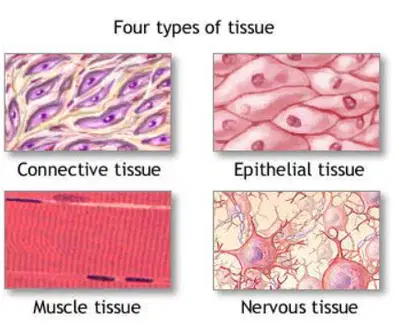
A tissue is a group of similar cells with a similar structure that work together to perform a specific function. Tissues are the building blocks of organs.
5
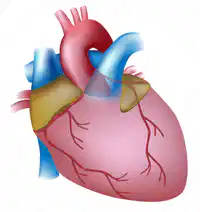
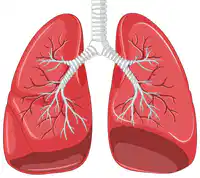
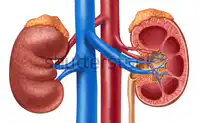
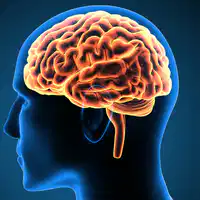
Cells make up tissue and tissues make up individual organs. For example: heart, lungs, kidneys, brain.
6
What is an organ system?
An organ system is a group of organs and tissues that work together to perform major, complex functions essential for an organism's survival, like the digestive system processing food or the circulatory system transporting blood.
7
So, what is an organ system?
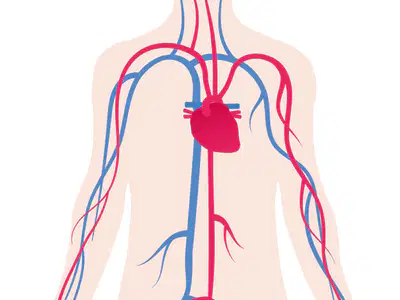
Example: Circulatory System is made up of the heart, blood and blood vessels.
8
It is important for different types of cells to work together in an organ system so that the organ system can perform complex functions efficiently.
9
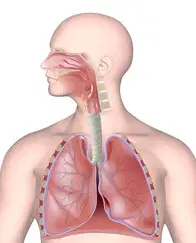
The organ system known as the respiratory system is made up of the trachea and lungs.
10
Here is an example of how organ systems might work together. Your digestive system breaks food into nutrients which are then absorbed into the bloodstream by the circulatory system.

11
All of your organ systems together make up YOU! You are the organism.

12
To review:
You are made up of cells.
Cells form tissue.
Tissue makes up organs.
Organs make up organ systems
Organ systems make up an organism. (like you)
13
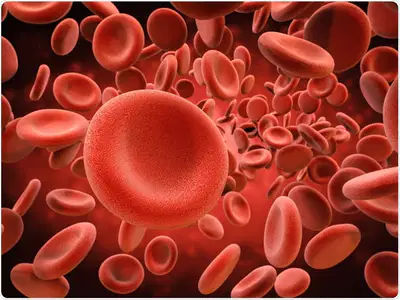
Red blood cells main function is to transport oxygen to the cells in your body.
14
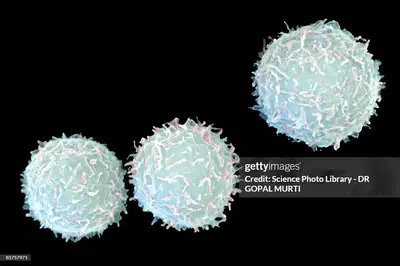
White bloods cells are your germ fighters. They protect your body from infection.
15
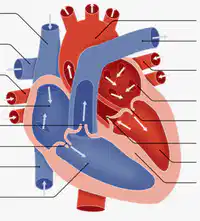
The heart's muscle tissue helps the heart pump blood by contracting and relaxing.
16
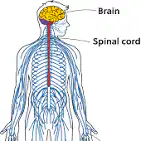
Your nervous system is your brain, spinal cord, and all other nerves. It is like your body's command center. It sends electrical and chemical signals for communication. It controls your breathing, movements, emotions and memory.
17
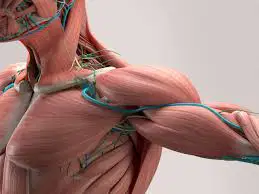
Your muscular system is network of muscles, tendons and connective tissue that enables movement.
18
Your nervous system and muscular system interact together to help you respond to stimuli in the environment.
19
Your nervous system will signal muscles in your body to shiver, which generates heat. This is an attempt to maintain a stable internal temperature called homeostasis.

20
The endocrine system produces and releases hormones into the bloodstream. These hormones control essential functions like stress, growth, mood, and reproduction.





Science LS 1.3 Review for Test #1
By Kelly Daugherty
Show answer
Auto Play
Slide 1 / 20
SLIDE
Similar Resources on Wayground

14 questions
Properties of Sound Waves Pt 1
Presentation
•
6th Grade
15 questions
Investigation 1- Earth and Sun
Presentation
•
5th Grade
15 questions
Outer Planets
Presentation
•
7th Grade
16 questions
Tides
Presentation
•
6th Grade
17 questions
The Solar System!
Presentation
•
6th Grade
18 questions
Cell Theory Lesson
Presentation
•
6th Grade
13 questions
RFMS Science: CFA 1 Recap
Presentation
•
6th Grade
15 questions
HUMAN DISEASES
Presentation
•
6th Grade
Popular Resources on Wayground
24 questions
PBIS-HGMS Day 10

Quiz
•
6th - 8th Grade
10 questions
HCS SCI 03 Summer School Review 3
Quiz
•
3rd Grade
11 questions
Home Scope
Quiz
•
7th - 8th Grade
15 questions
HCS SCI 05 Summer School Assessment 3 Review
Quiz
•
5th Grade
35 questions
Lufkin Road Middle School Student Handbook & Policies Assessment
Quiz
•
7th Grade
18 questions
Geo 11.3 Area of Circles and Sectors
Quiz
•
9th - 11th Grade