EMS Unit 4 Review
Presentation
•
Science
•
8th Grade
•
Hard
+3
Standards-aligned
Amanda Everett
FREE Resource
11 Slides • 39 Questions
1
By Amanda Everett
EMS Unit 4 Review
2
Electromagnetic Spectrum
3
4
Multiple Choice
All Waves carry.....
Light
Energy
Matter
Particles
5
6
7
8
9
Multiple Choice
Which of the following electromagnetic waves has the lowest energy?
Gamma Ray
Visible light
Infrared
Microwave
10
Multiple Choice
As the frequency of an electromagnetic wave increases, the amount of energy in that wave..
Increases
Decreases
Stays the Same
11
12
Multiple Choice
Light is a form of .....
Reflection
Radiation
Energy
13
Multiple Choice
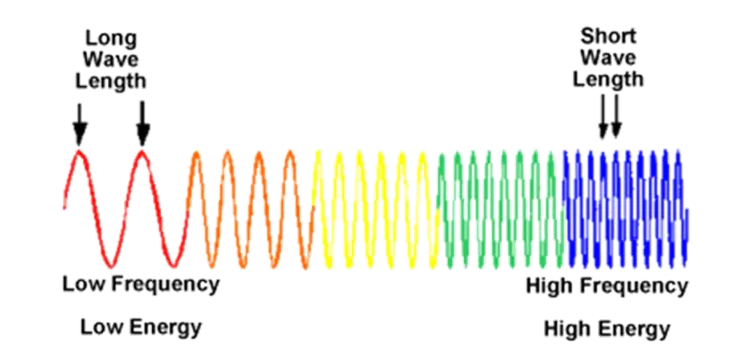
Which has the longest wavelength and, therefore, the LOWEST frequency/energy
gamma rays
visible light waves
radio waves
infrared waves
14
15
16
17
Multiple Choice
Which section of the spectrum is the ONLY one we can see?
x-rays
gamma rays
visible light
ultraviolet rays
18
Multiple Choice
Which of the following electromagnetic waves is given off as heat?
radio waves
infrared rays
visible light
gamma rays
19
Multiple Choice
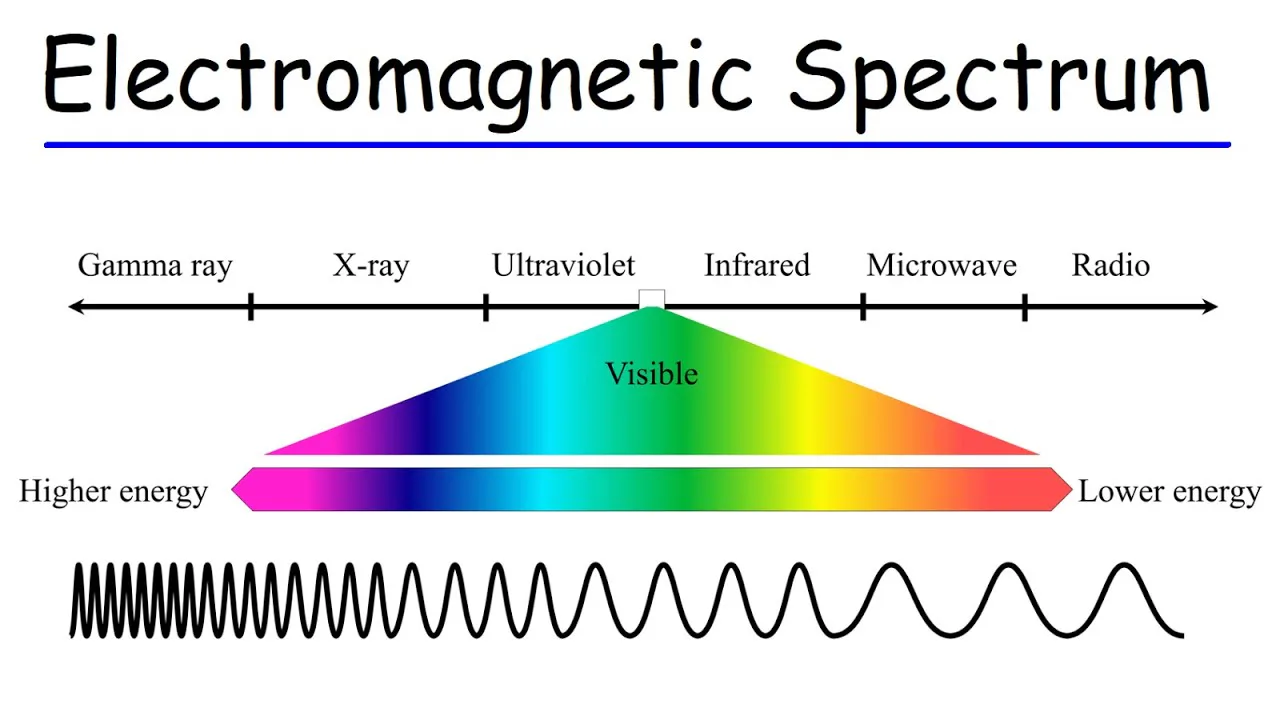
Select the correct order of waves on the EMS from the longest wavelength to the shortest wavelength
Gamma, X-Ray, Ultraviolet, Visible, Infrared, Microwave, Radio.
Radio, Microwave, Infrared, Visible Light, Ultra Violet, X-Ray, Gamma.
Microwave, Radio, Visible, Infrared, Ultraviolet, X-Ray, Gamma.
20
Multiple Choice
Which electromagnetic waves have the highest frequencies and the shortest wavelengths?
micro waves
visible light
gamma rays
21
Multiple Choice
Which electromagnetic waves are used in ovens and cell phone communications?
infrared rays
micro waves
ultraviolet rays
22
Multiple Choice
Electromagnetic waves that help your body produce vitamin D from the sun are called?
x-rays
ultraviolet rays
gamma rays
23
Multiple Choice
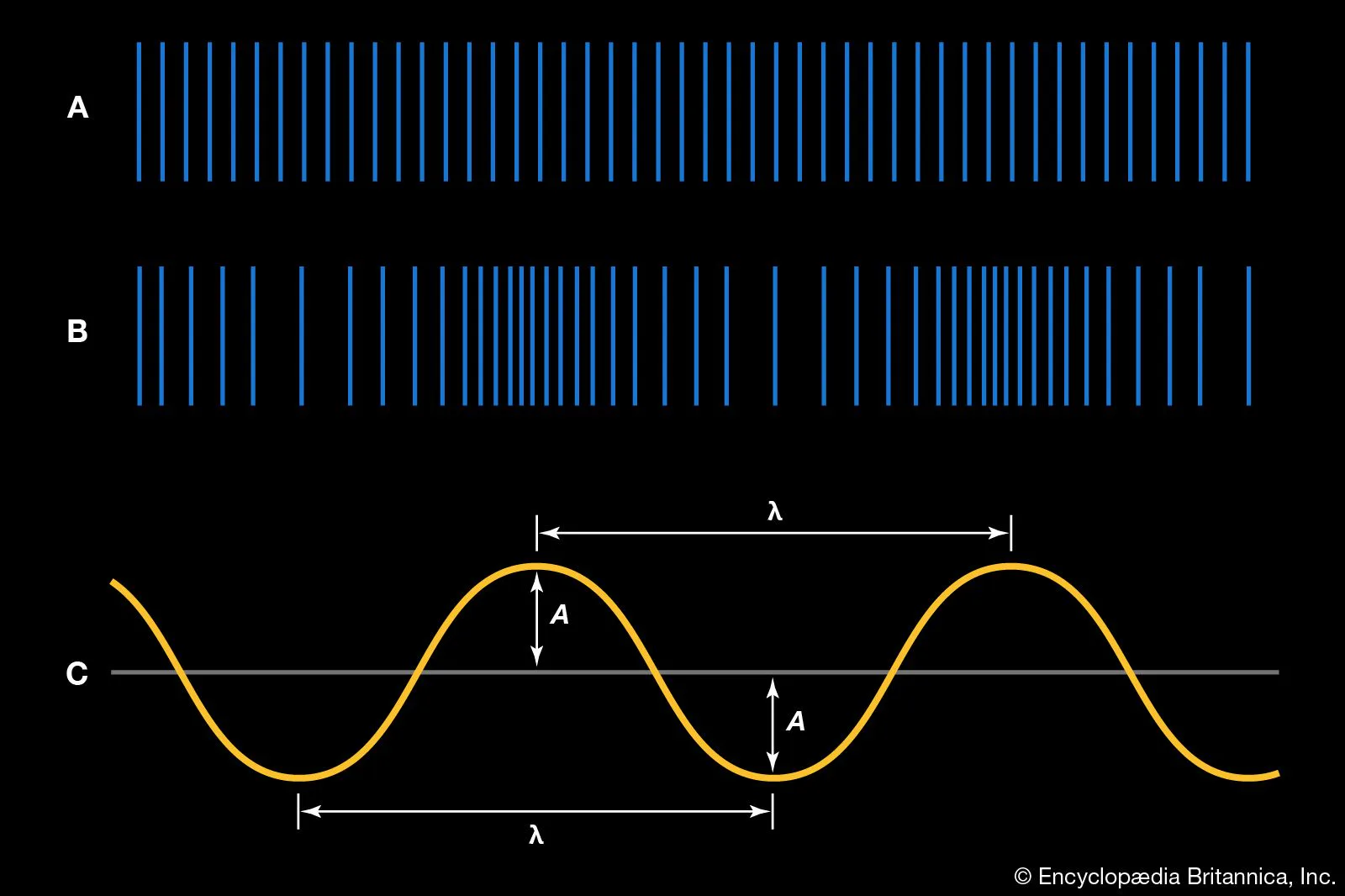
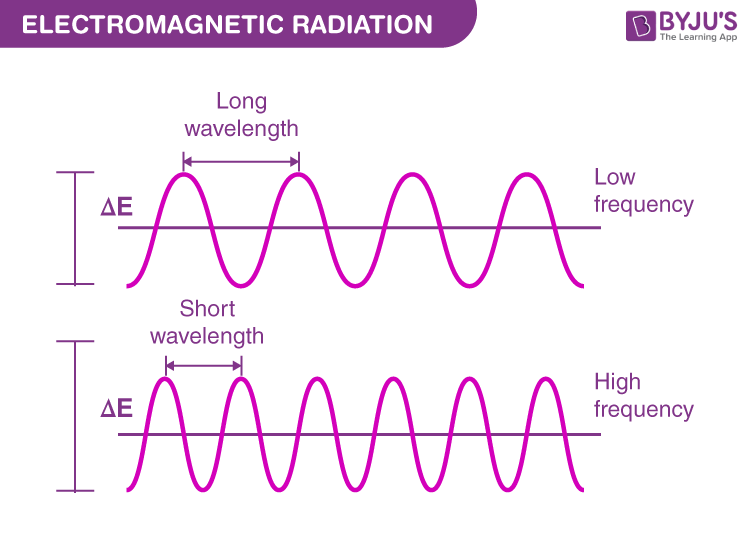
For waves in any medium, as the wavelength decreases, what happens to the frequency?
it decreases
it increases
it stays the same
24
Multiple Choice
Which of the following has wavelengths longer than microwaves?
infrared waves
radio waves
visible light
25
Multiple Choice
Which of the following has frequencies higher than ultraviolet rays?
x-rays
invisible light
infrared rays
26
Multiple Choice
Which of the following lists the electromagnetic waves in order of decreasing frequency?
X-rays, microwaves, infrared rays
infrared rays, microwaves, radio waves
UV rays, visible light, x-rays
27
Multiple Choice
These waves from the sun cause sunburn.
Gamma
Microwaves
Radio
Ultraviolet
28
Multiple Choice
Which electromagnetic waves have the highest frequencies and the shortest wavelengths?
microwaves
visible light
gamma rays
29
Multiple Choice
High frequency waves have _________ wavelengths.
varying
long
the same
short
30
Multiple Choice
How are the components of the EMS, from radio waves to gamma rays, grouped?
according to their speed
according to their velocity
according to their wavelength
according to their visibility.
31
Reorder
Reorder the following from longest wavelength to shortest
radio
microwave
infrared
visible light
ultraviolet
32
Reorder
Reorder the following in order from shortest wavelength to the longest.
Gamma Ray
X-Ray
Ultraviolet
Visible Light
Infrared
33
Multiple Choice
Where is visible light located on the electromagnetic spectrum?
between infrared and ultraviolet rays
between radio waves and infrared rays
between X-rays and gamma rays
between radio waves and microwaves
34
Multiple Choice
Which of the following types of electromagnetic waves have the shortest wavelengths?
infrared
x-rays
radio waves
ultraviolet
35
Multiple Choice
Which electromagnetic waves have the highest frequency?
microwaves
gamma rays
ultraviolet rays
radio waves
36
Multiple Choice
Which of the following statements correctly compares the frequency and energy of infrared waves and ultraviolet waves?
Infrared waves have lower frequencies than ultraviolet waves. Since frequency and energy are directly proportional, infrared waves also have less energy than ultraviolet waves.
Infrared waves have lower frequencies than ultraviolet waves. Since frequency and energy are inversely proportional, infrared waves also have more energy than ultraviolet waves.
Infrared waves have higher frequencies than ultraviolet waves. Since frequency and energy are directly proportional, infrared waves also have more energy than ultraviolet waves.
Infrared waves have higher frequencies than ultraviolet waves. Since frequency and energy are inversely proportional, infrared waves also have less energy than ultraviolet waves.
37
Multiple Choice
Which statement BEST compares a gamma ray to a radio wave?
A gamma ray has more energy than a radio wave because it has a longer wavelength and lower frequency.
A gamma ray has more energy than a radio wave because it has a shorter wavelength and a higher frequency.
A gamma ray has more energy than a radio wave because it has a shorter wavelength and lower frequency.
A gamma ray has more energy than a radio wave because it has a longer wavelength and a higher frequency.
38
Multiple Choice
Which statement BEST describes the frequency and wavelength of waves that are the most energetic?
Waves that have low frequency and long wavelengths.
Waves that have low frequency and short wavelengths.
Waves that have high frequency and long wavelengths.
Waves that high frequency and short wavelengths.
39
Multiple Choice
Based on this information, which statement can the student BEST make to explain the difference between radio waves and x-rays?
The shorter wavelength of x-rays indicates that they are less common.
The shorter wavelength of x-rays indicates that they have more energy.
The shorter wavelength of X-rays indicates that they have a higher temperature and can more easily cause burns.
The shorter wavelength of X-Ryas indicates that their particles are heavier and can travel farther through matter.
40
Multiple Choice
Ultraviolet rays have a higher frequency than microwaves. Which statement BEST compares the wavelength and energy of ultraviolet rays to microwaves?
Ultraviolet rays have a longer wavelength and less energy than microwaves.
Ultraviolet rays have a shorter wavelength and less energy than microwaves.
Ultraviolet rays have a longer wavelength and more energy than microwaves.
Ultraviolet rays have a shorter wavelength and more energy than microwaves.
41
Reorder
Arrange the colors of the visible light spectrum in order of decreasing frequency.
violet
indigo
blue
green
yellow
42
Reorder
Arrange in order of longest to shortest wavelength.
red
orange
yellow
green
blue
43
Drag and Drop
44
Multiple Choice
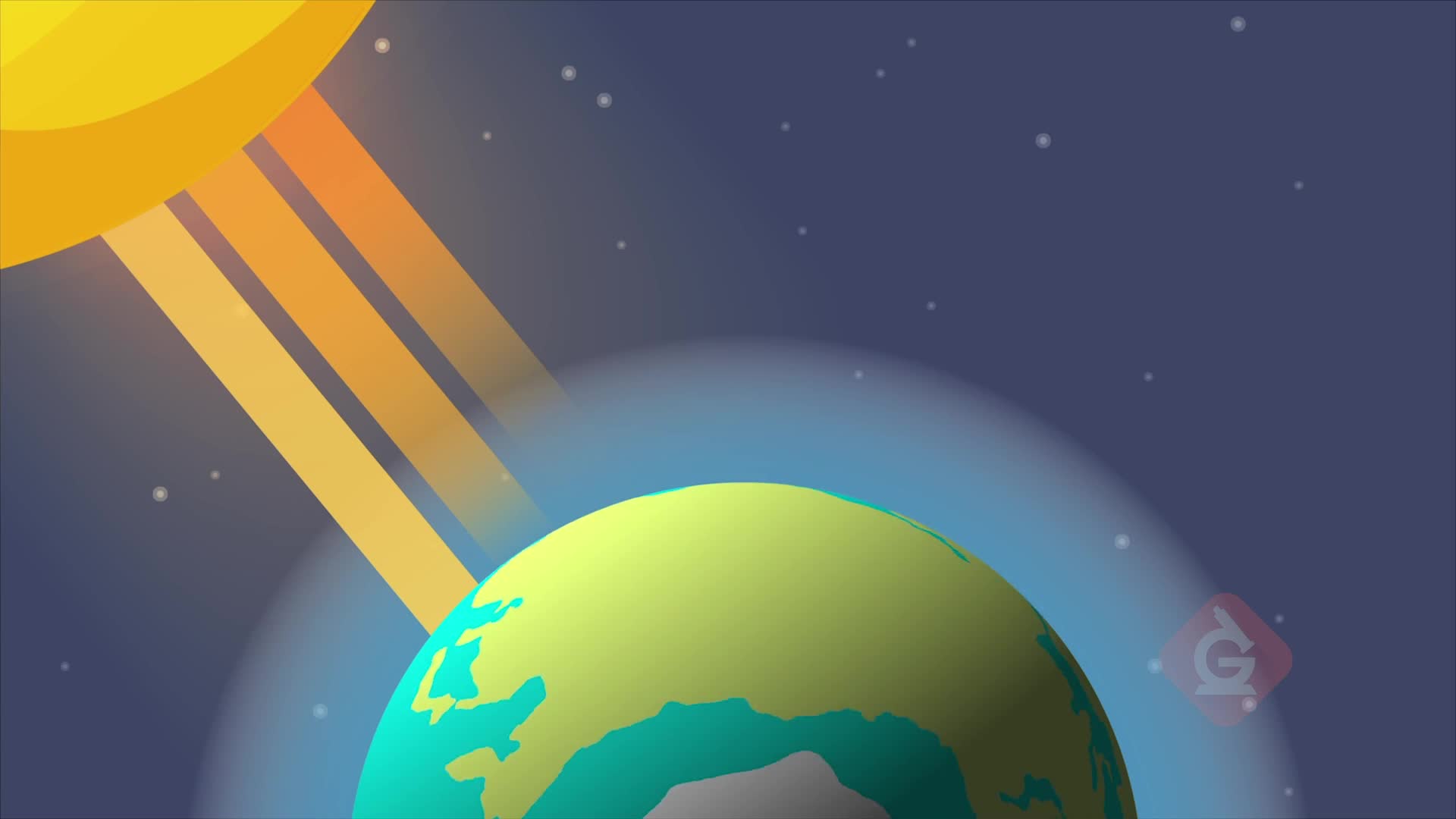
What type of electromagnetic radiation does the sun emit?
gamma rays and ultraviolet radiation
ultraviolet radiation only
infrared, visible, and ultraviolet radiation
all types of electromagnetic radiation
45
Multiple Choice
What does sunscreen lotion do to interfere with the transfer of energy from the sun to a person's skin?
Absorbs the radiation coming from the sun.
Causes the skin cancer from the radiation emitted from the skin
Reflects most of the UV radiation.
Causes skin exposed to the sun.
46
Multiple Choice
The longest waves, used to transmit information, are called...
Sound Waves
Ultraviolet Waves
Radio Waves
Gamma Rays
47
Multiple Choice
Choose the correct order of the colors in the field of visible light.
ROY G BIV
ROG Y BIV
ROY B GIV
YOV G BIR
48
Multiple Choice
Select the correct order of waves on the EMS from low to high energy
Radio, Micro, Infra, Visible, Ultra, X-ray, Gamma
Gamma, X-ray, Ultra, Vis, Infra, Micro, Radio
Vis, Micro, Infra, Ultra, X-ray, Gamma, Radio
Micro, Radio, Vis, Infra, Ultra, X-ray, Gamma
49
Multiple Choice
Which of the following statements can be concluded from the table?
X-Ray waves have a lower frequency than infrared waves.
Microwaves have a smaller wavelength than visible light.
The speed of all electromagnetic waves are equal.
The frequency and wavelengths are equal for each type of radiation.
50
Multiple Choice
By Amanda Everett
EMS Unit 4 Review
Show answer
Auto Play
Slide 1 / 50
SLIDE

Similar Resources on Wayground
44 questions
Wave Interference
Presentation
•
8th Grade
43 questions
Amplify Light Waves Ch 3 L 3.1
Presentation
•
8th Grade
46 questions
Waves Chapter 4
Presentation
•
8th Grade
44 questions
Human Impact on Oceans
Presentation
•
8th Grade
42 questions
Guided Notes Weathering, Erosion & Deposition
Presentation
•
8th Grade
45 questions
Modelling Waves
Presentation
•
9th Grade
41 questions
Getaran dan Gelombang
Presentation
•
8th Grade
Popular Resources on Wayground
6 questions
Secondary Safety Quiz
Presentation
•
9th - 12th Grade
10 questions
Afterschool Activities & Sports
Quiz
•
6th - 8th Grade
19 questions
ROAR Week 2026
Quiz
•
9th - 12th Grade
20 questions
Lab Safety Quiz
Quiz
•
6th Grade
15 questions
Cool Tool:Chromebook
Quiz
•
6th - 8th Grade
22 questions
would you rather
Quiz
•
3rd - 11th Grade
21 questions
Continents and Oceans
Quiz
•
6th Grade
20 questions
Parts of Speech
Quiz
•
5th Grade
Discover more resources for Science
10 questions
Lab Safety
Quiz
•
8th Grade
20 questions
Lab Safety review
Quiz
•
8th Grade
20 questions
Lab Safety
Quiz
•
5th - 8th Grade
10 questions
Lab Safety Essentials
Interactive video
•
6th - 10th Grade
20 questions
Scientific Method and Variables
Quiz
•
8th Grade
20 questions
Scientific method and variables
Quiz
•
8th Grade
20 questions
Semester 1: Unit 1: Characteristics of Life
Quiz
•
6th - 8th Grade
22 questions
Scientific Method and Variables
Quiz
•
8th Grade