

Untitled Presentation

Presentation
•
Other
•
University
•
Practice Problem
•
Easy

Lizette Suarez Jaimes
Used 1+ times
FREE Resource
30 Slides • 28 Questions
1
2

3
Multiple Choice
Which of the following is a key objective when conducting a respiratory assessment?
Obtaining a thorough history of the respiratory system
Identifying the main topic of the session
Reviewing outcomes of previous assessments
Discussing unrelated health promotion strategies
4
Open Ended
Why is it important for healthcare professionals to understand the structure and functions of the airways, alveoli, lungs, and pleura when performing a respiratory assessment?
5
6
7
Multiple Choice
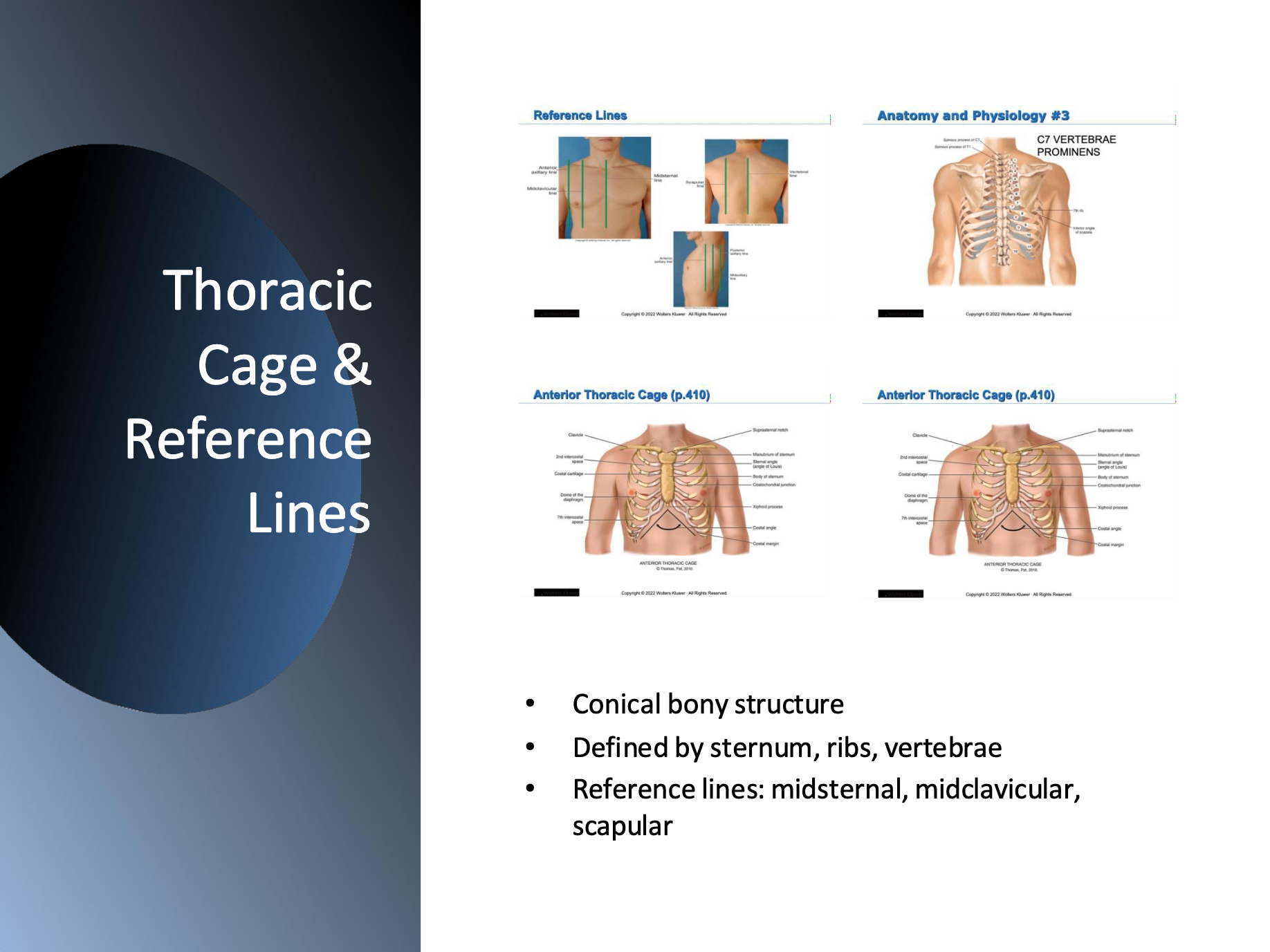
Which bones define the thoracic cage and what are the main reference lines used for assessment?
Sternum, ribs, vertebrae; midclavicular, midaxillary, scapular
Clavicle, scapula, humerus; midclavicular, midaxillary, scapular
Sternum, clavicle, scapula; midclavicular, midaxillary, scapular
Ribs, humerus, vertebrae; midclavicular, midaxillary, scapular
8
9
Open Ended
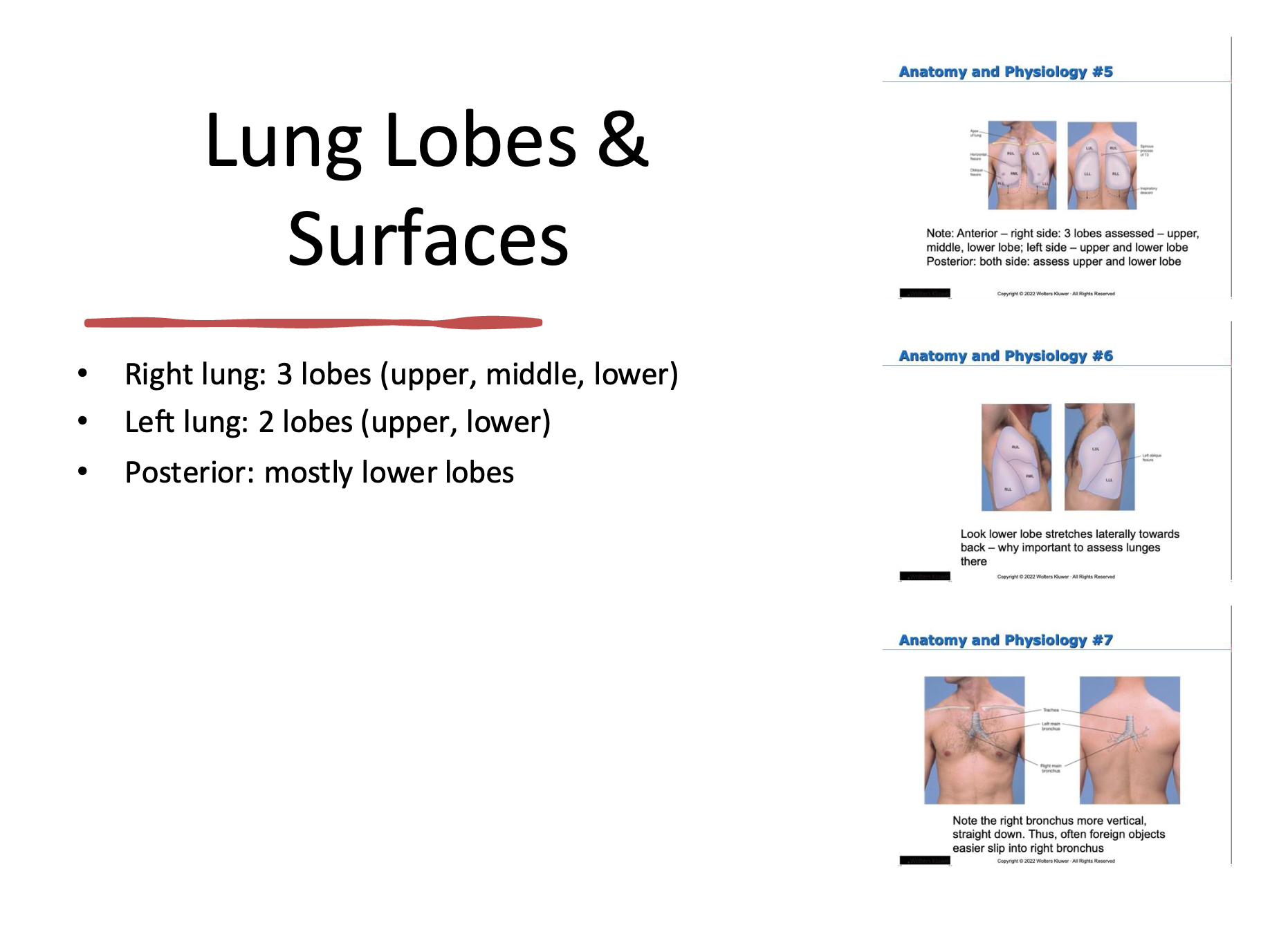
Explain the differences in the number and location of lobes between the right and left lungs, and why the posterior assessment focuses mostly on lower lobes.
10
11
Multiple Select
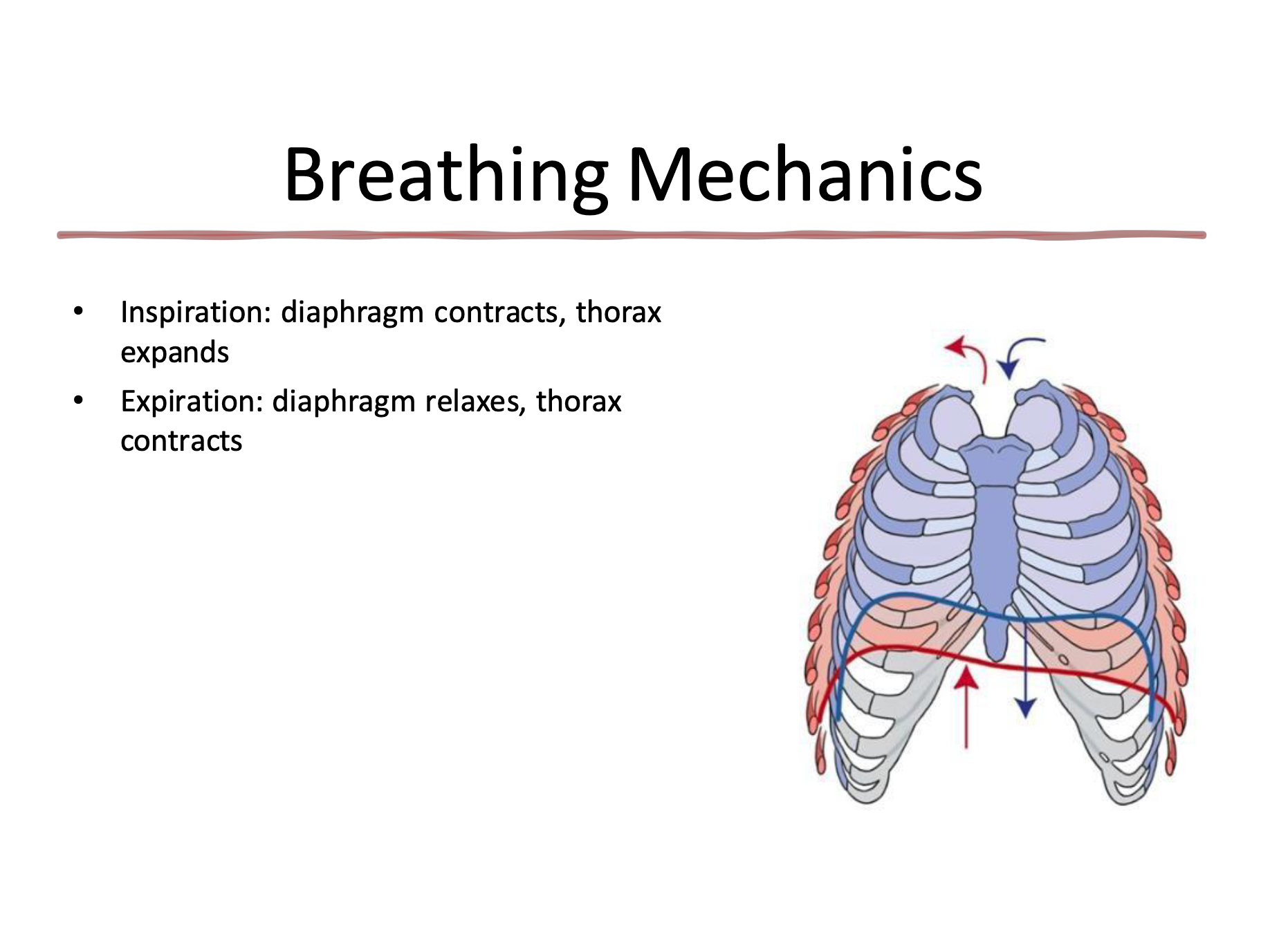
Which of the following statements about breathing mechanics is/are correct?
During inspiration, the diaphragm contracts and the thorax expands.
During expiration, the diaphragm contracts and the thorax expands.
During expiration, the diaphragm relaxes and the thorax contracts.
During inspiration, the diaphragm relaxes and the thorax contracts.
12
13
Fill in the Blanks
Type answer...
14
15
Multiple Choice
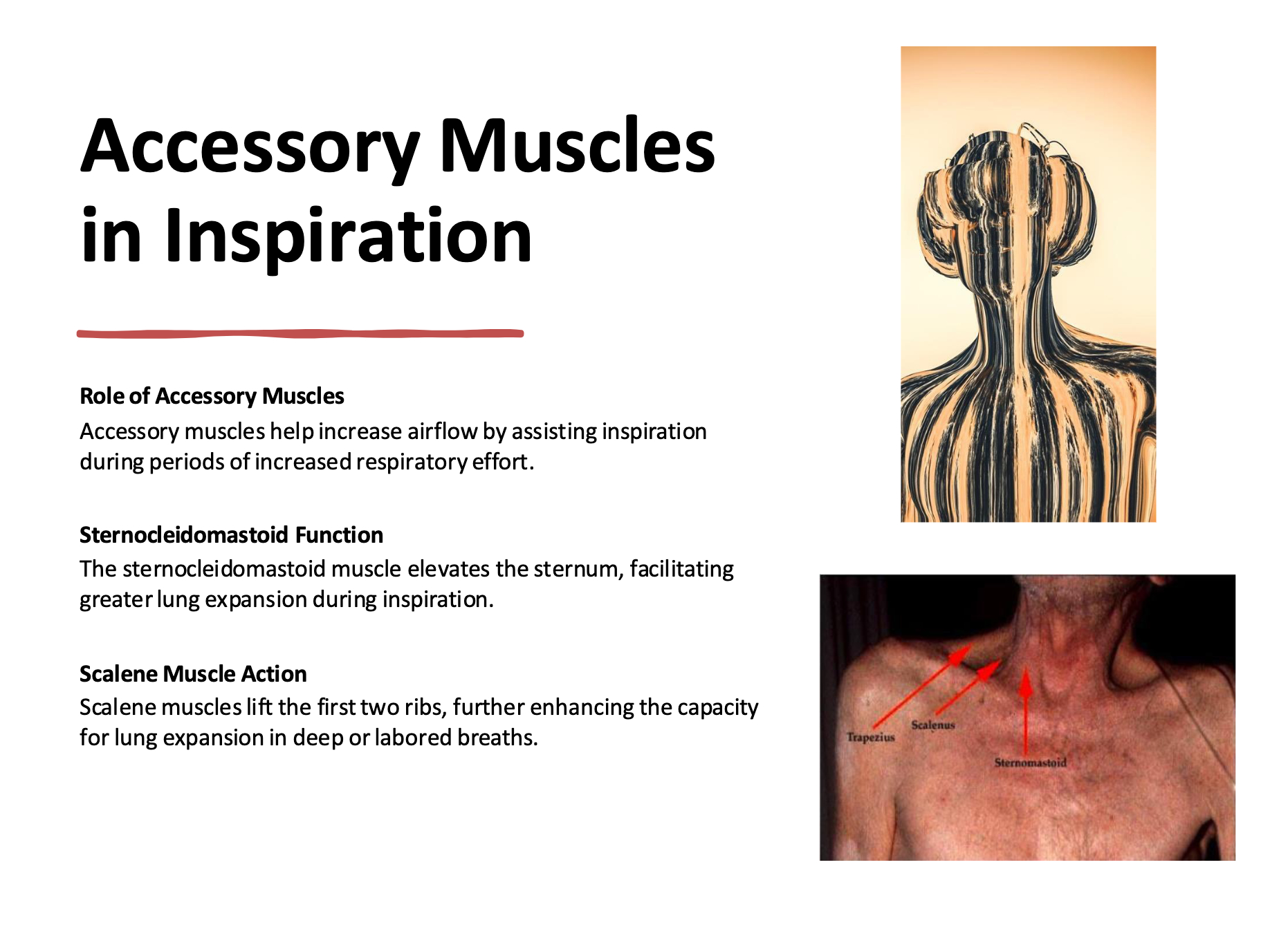
Which muscle elevates the sternum to facilitate greater lung expansion during inspiration?
Sternocleidomastoid
Trapezius
Scalenus
Pectoralis major
16
Open Ended
Describe the role of accessory muscles in inspiration and name two muscles involved.
17
18
Multiple Choice
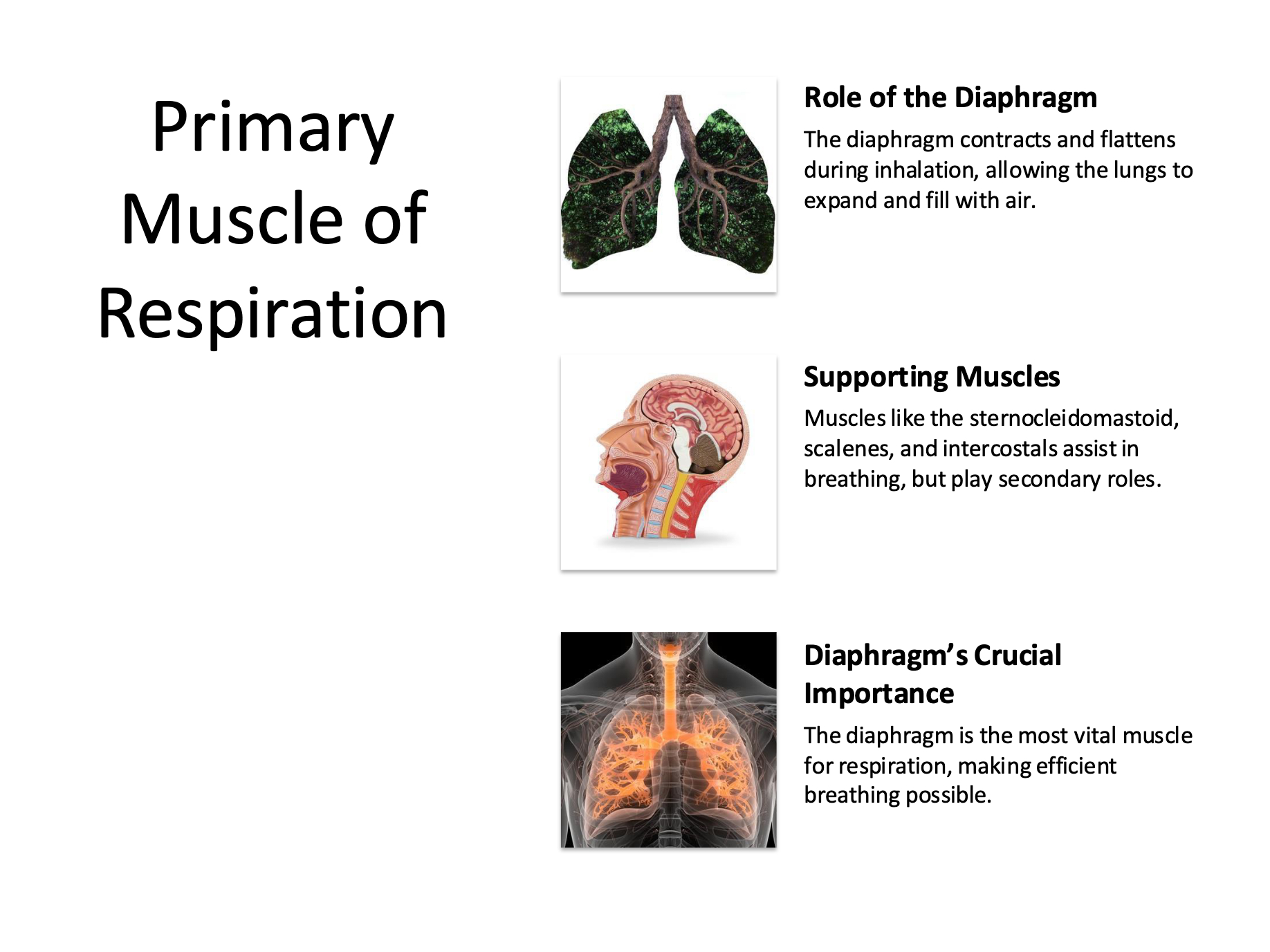
The ____________ is the primary muscle(s) of the respiratory system.
Sternocleidomastoid
Scalenes
Diaphragm
Intercostal muscles
19
20
Multiple Select
Which of the following are considered supporting muscles in respiration?
Sternocleidomastoid
Scalenes
Intercostal muscles
Diaphragm
21
Open Ended
Which muscle is primarily responsible for efficient breathing and what is its role during inhalation?
22
23
24
Multiple Select
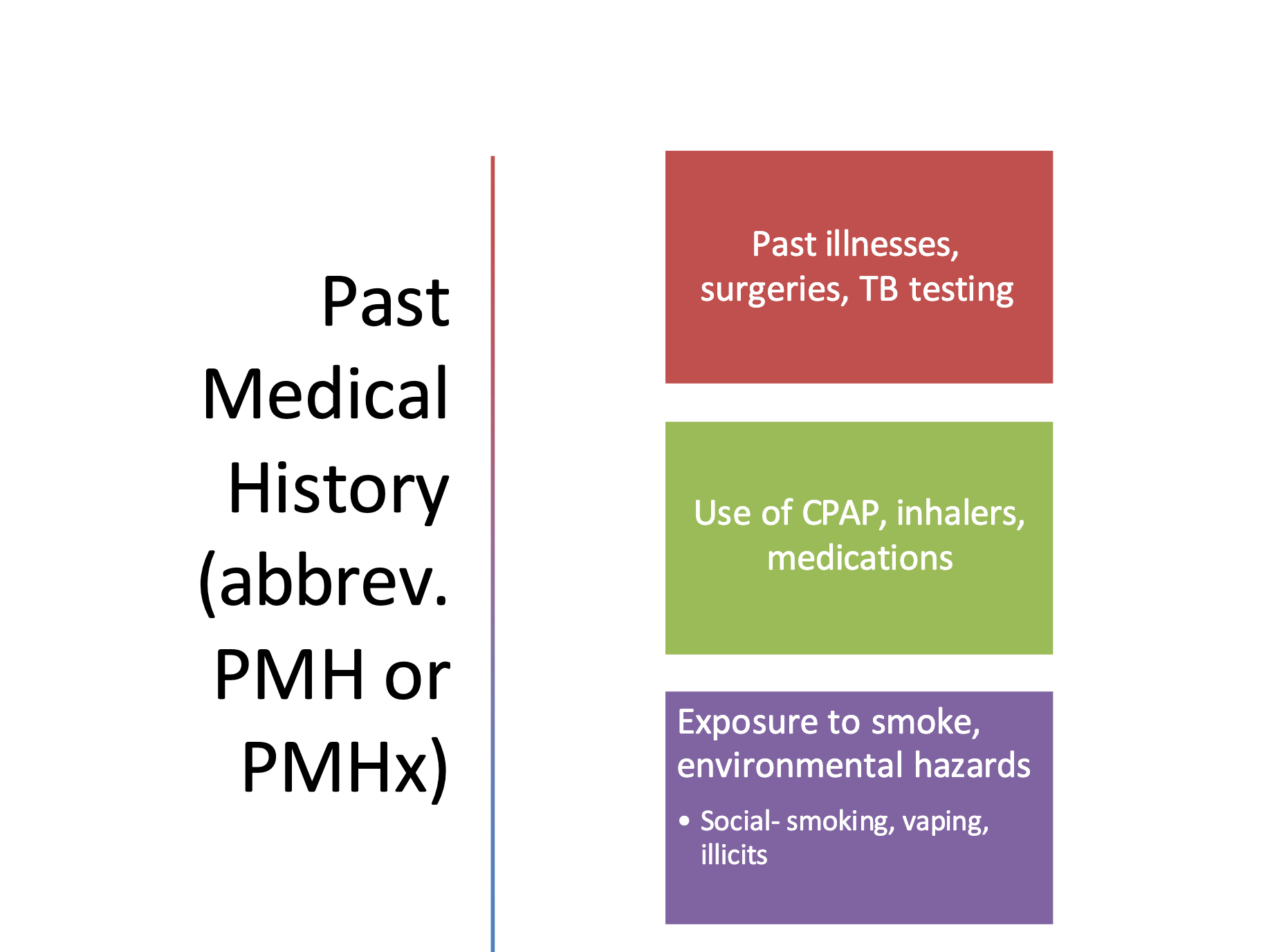
Which aspects are important to consider when taking a patient's past medical history for respiratory assessment?
Past illnesses, surgeries, TB testing
Use of CPAP, inhalers, medications
Exposure to smoke, environmental hazards
Family history of cancer
25
26
Multiple Select
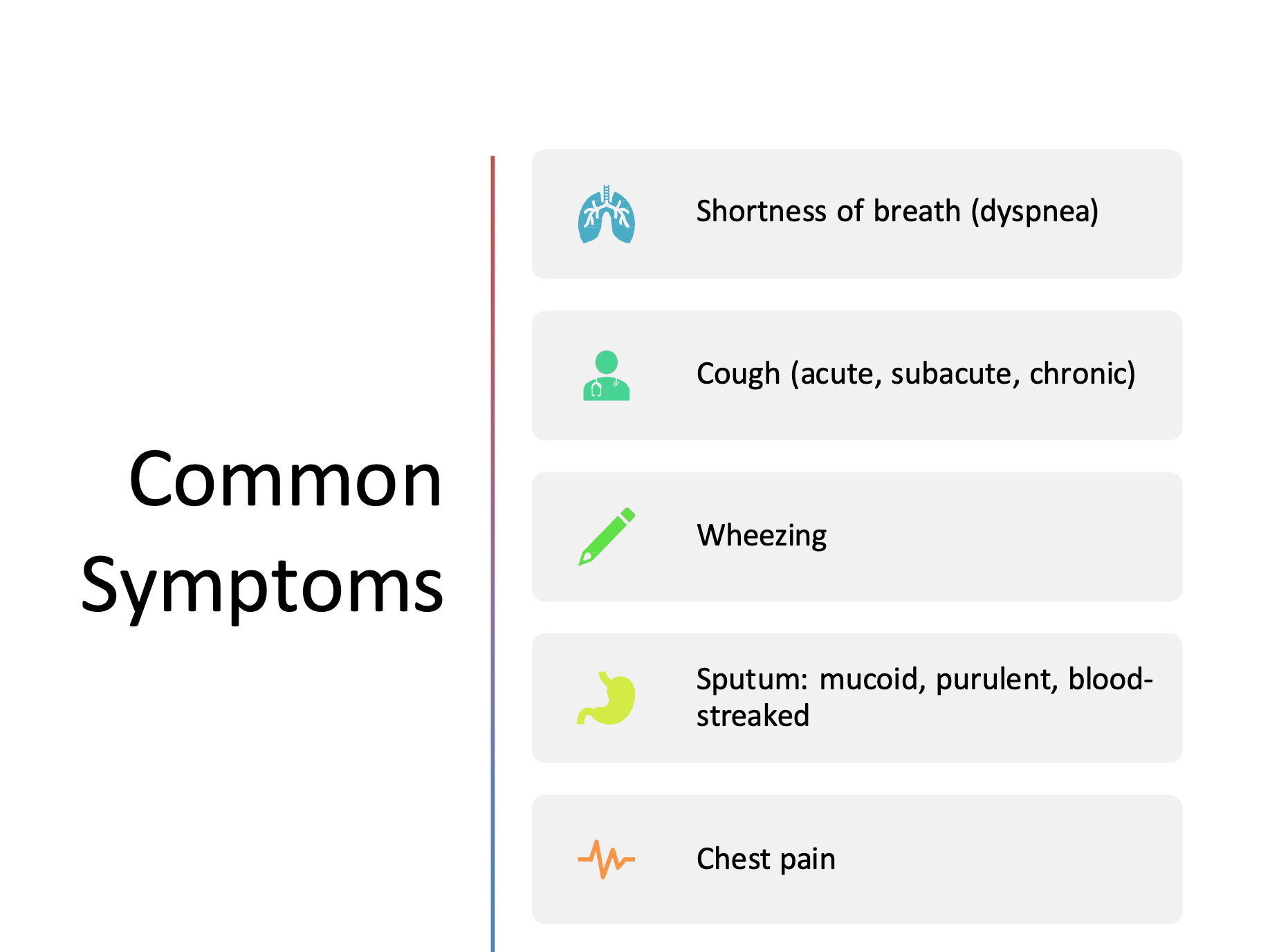
What are some common symptoms that may indicate a respiratory issue?
Shortness of breath
Cough
Wheezing
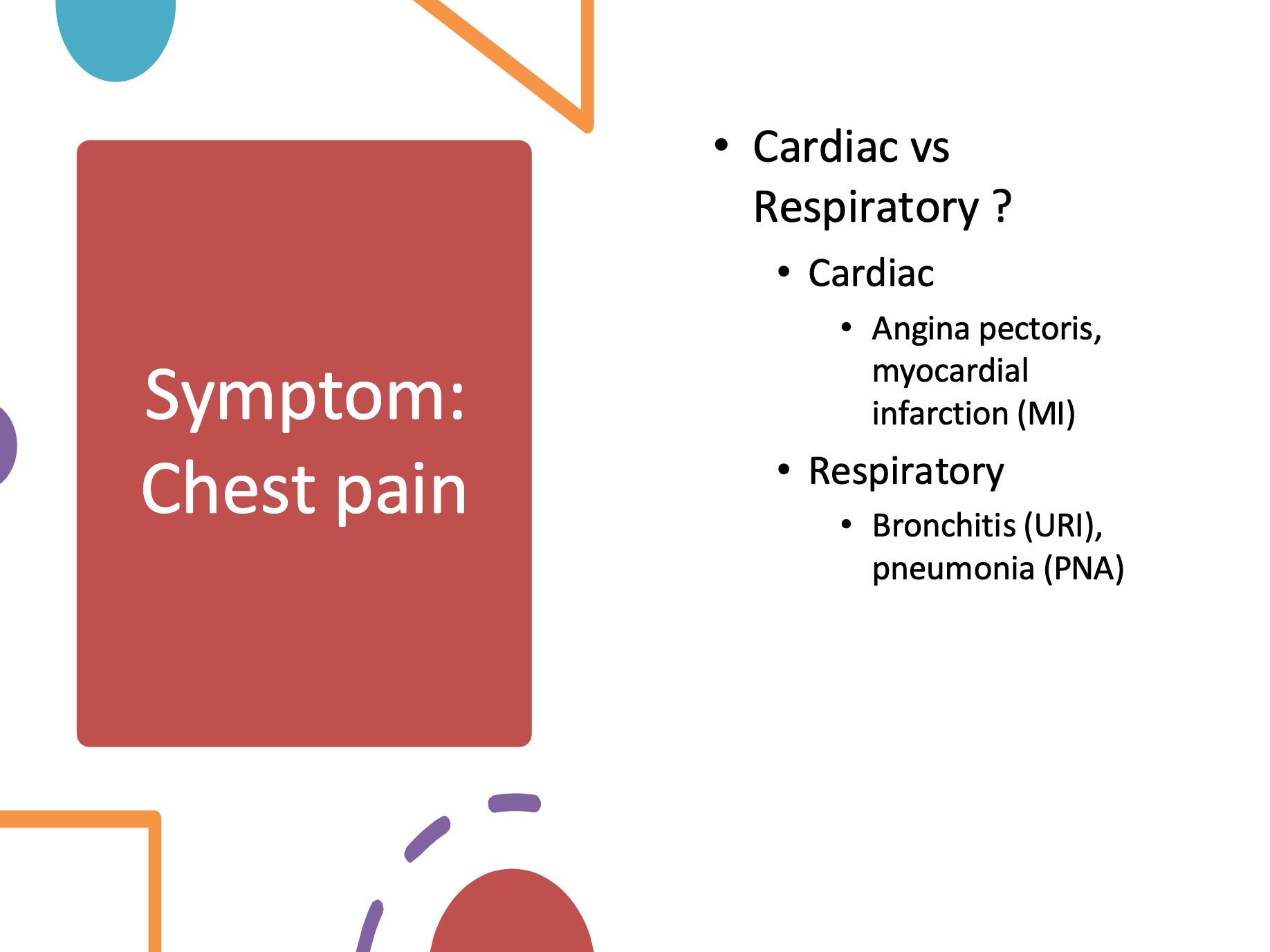
Chest pain
27
28
Open Ended
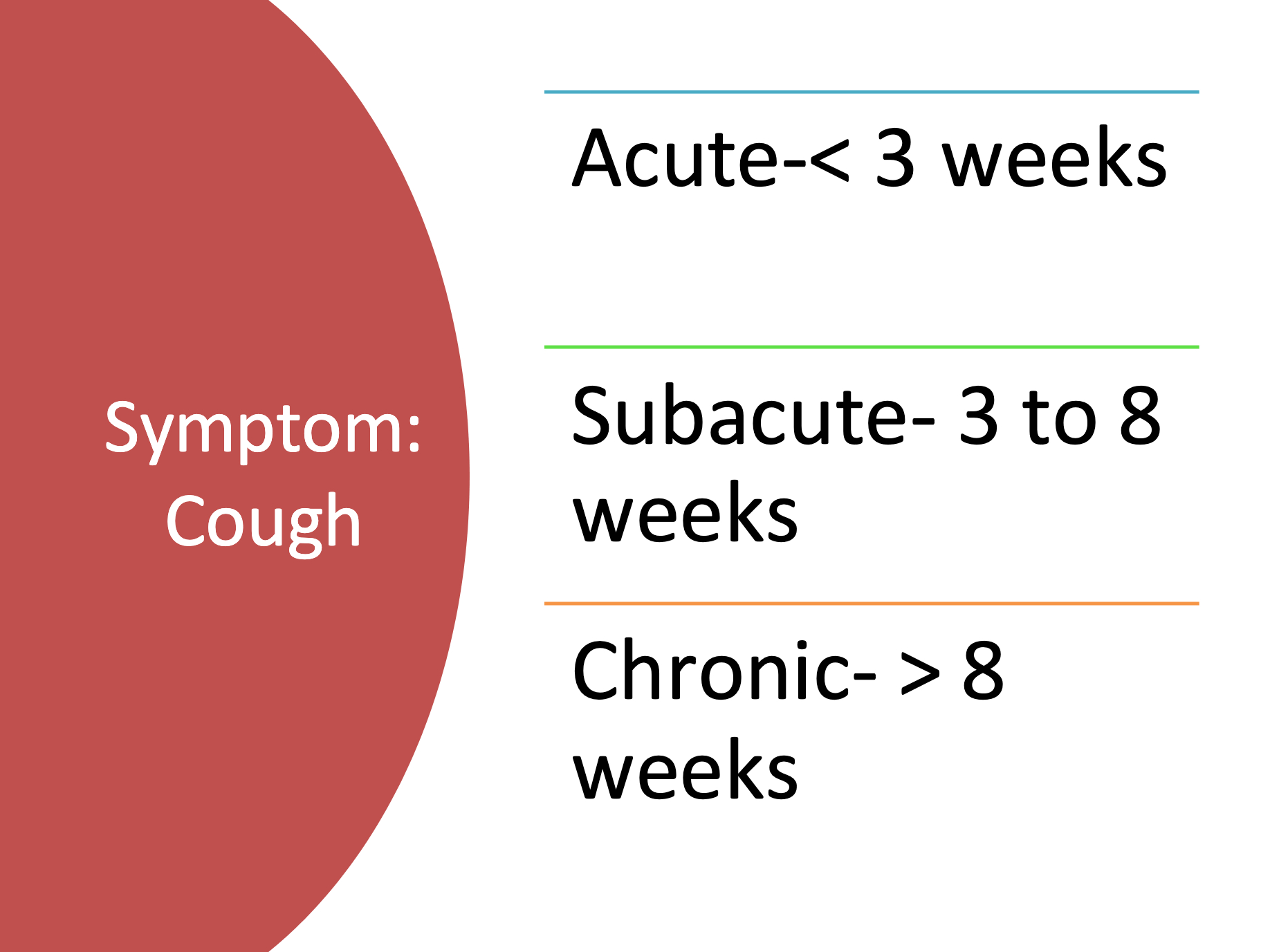
How would you differentiate between acute, subacute, and chronic cough based on duration?
29
30
Multiple Choice
Which of the following symptoms is most likely to be cardiac in origin?
Angina pectoris
Bronchitis
Pneumonia
Asthma
31
32
Open Ended
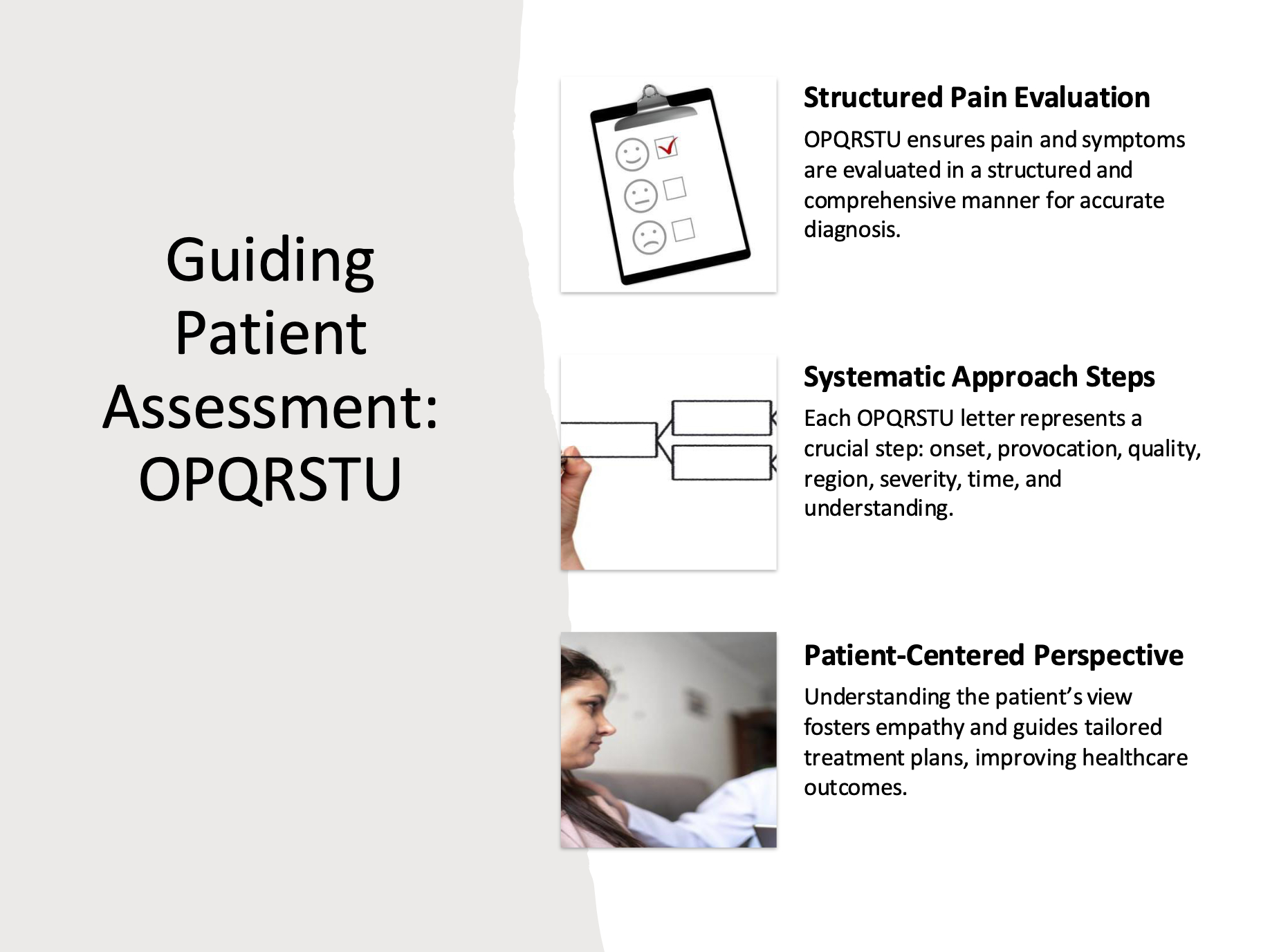
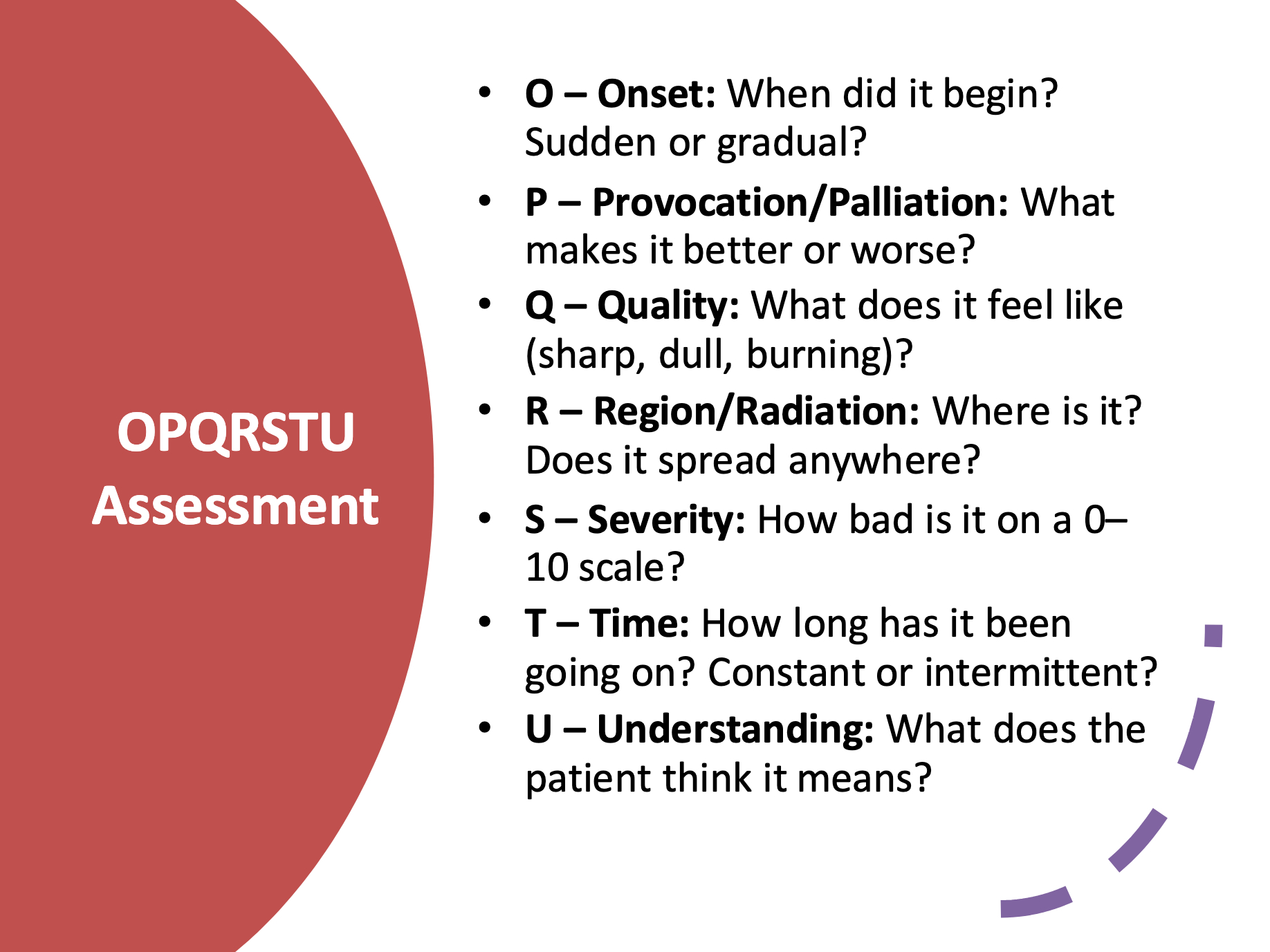
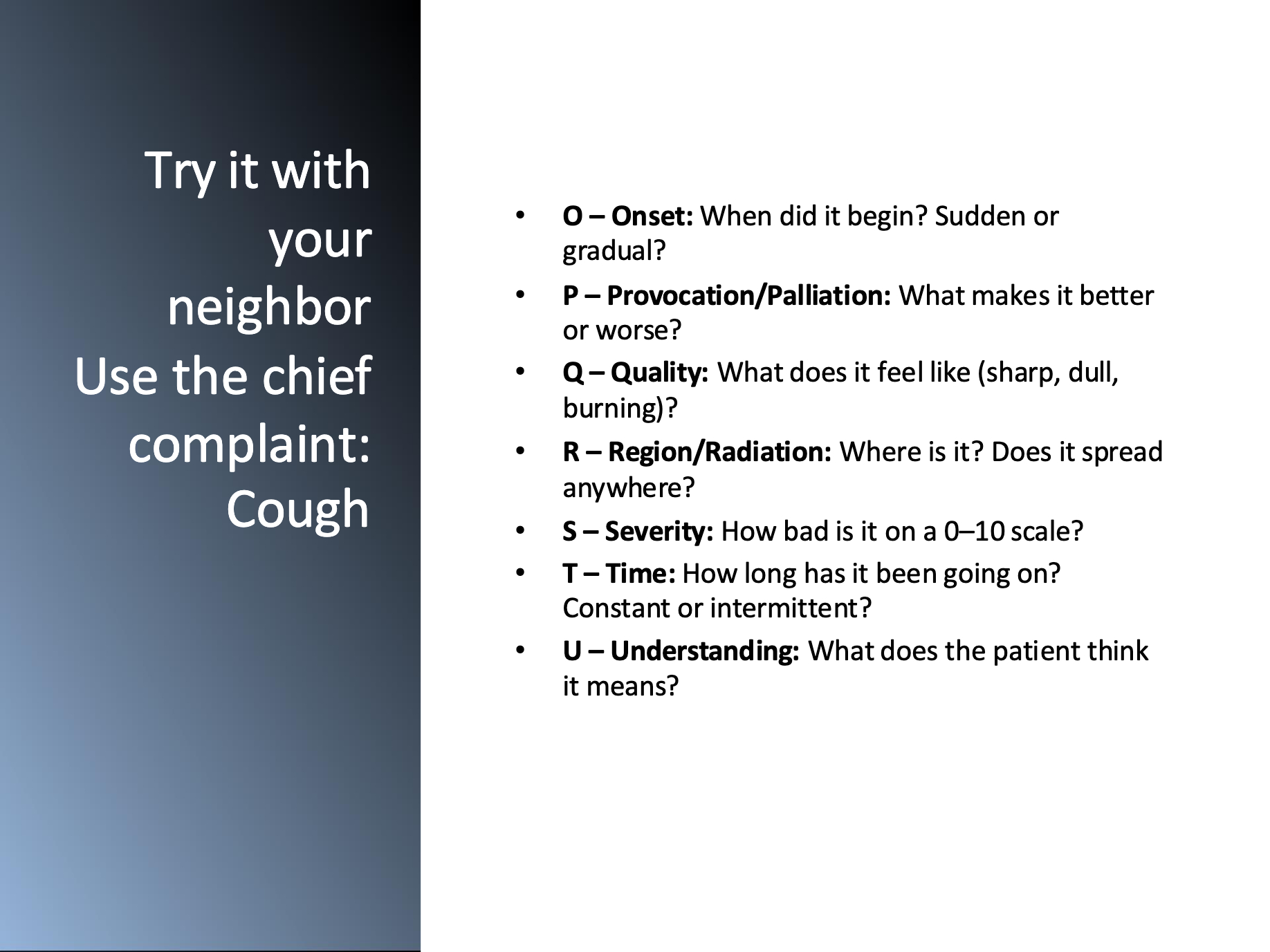
Explain how the OPQRSTU mnemonic guides a patient-centered assessment and why it is important in clinical practice.
33
34
Fill in the Blanks
Type answer...
35
Multiple Choice
Which of the following steps in the OPQRSTU assessment focuses on the location and spread of symptoms?
Onset
Region/Radiation
Quality
Severity
36
37
38
Multiple Choice
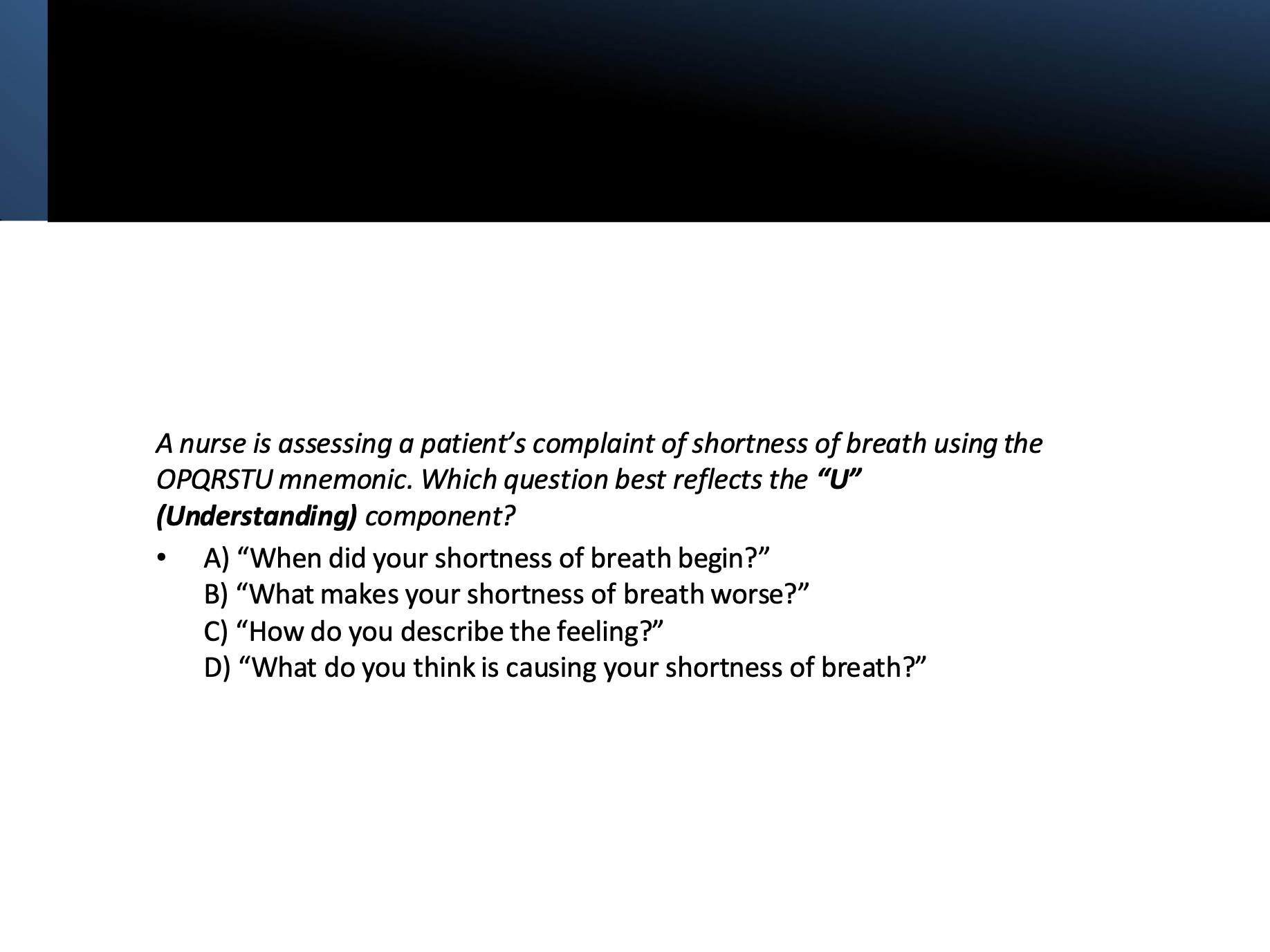
Which of the following questions best reflects the 'U' (Understanding) component of the OPQRSTU mnemonic?
When did your shortness of breath begin?
What makes your shortness of breath worse?
How do you describe the feeling?
What do you think is causing your shortness of breath?
39
40
Multiple Select
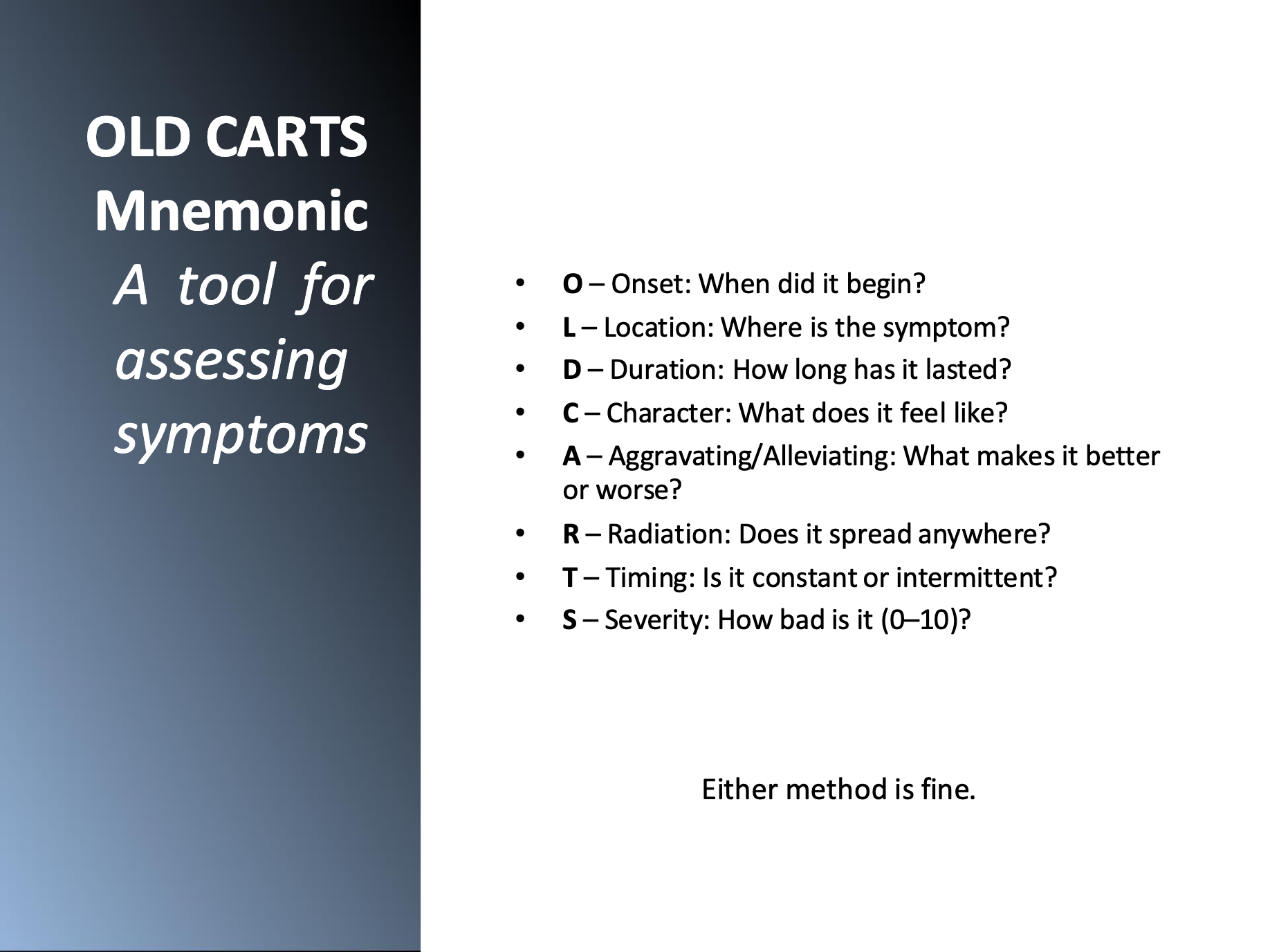
Select all components that are included in both the OPQRSTU and OLD CARTS mnemonics for symptom assessment.
Onset
Quality/Character
Severity
Timing
41
42
43
Open Ended
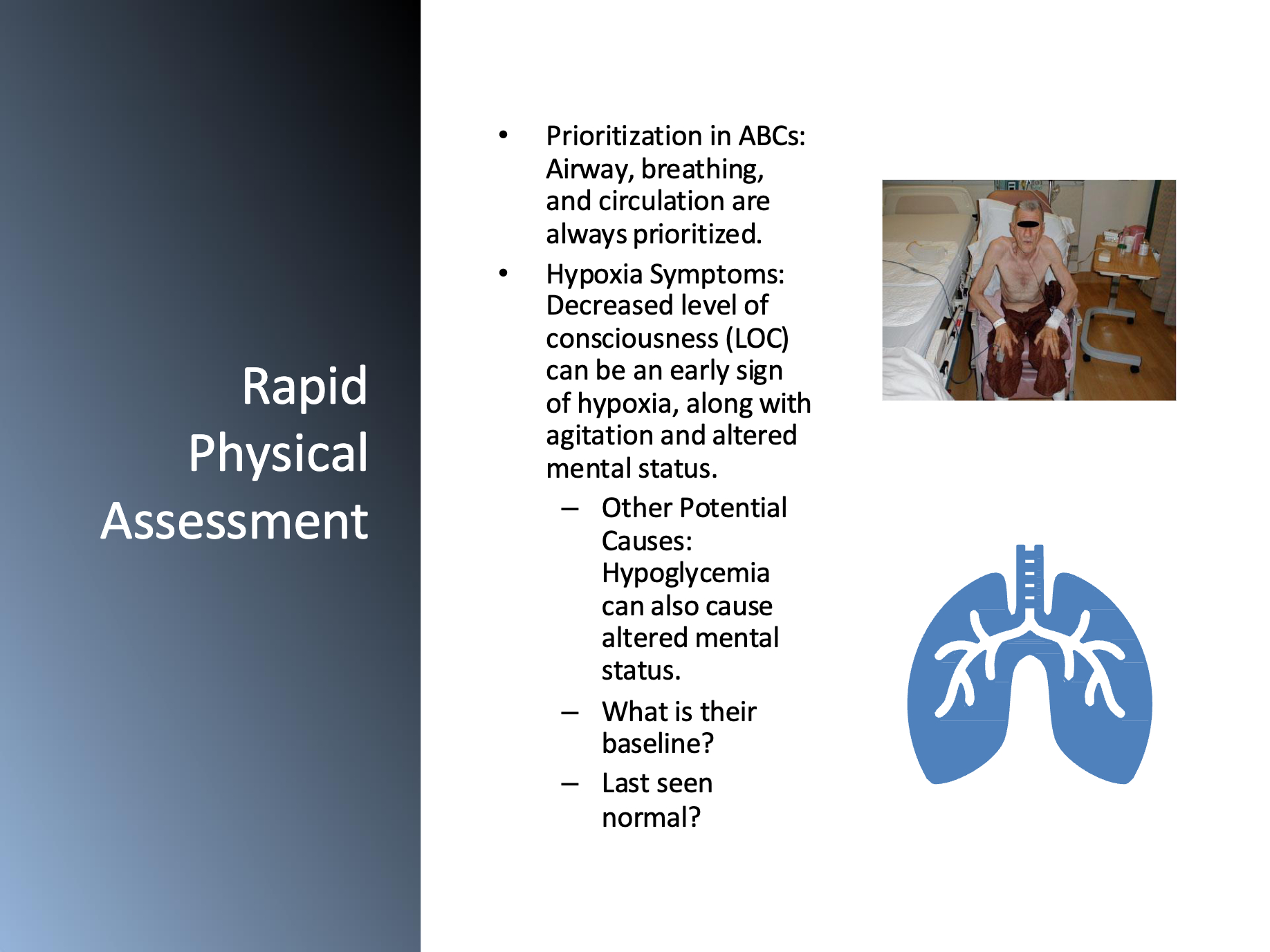
Why is it important to establish a patient's baseline and last seen normal during a rapid physical assessment?
44
Multiple Choice
Which of the following symptoms may indicate hypoxia during a rapid physical assessment?
Decreased level of consciousness (LOC)
Increased appetite
Elevated blood pressure
Dry skin
45
46
Multiple Choice
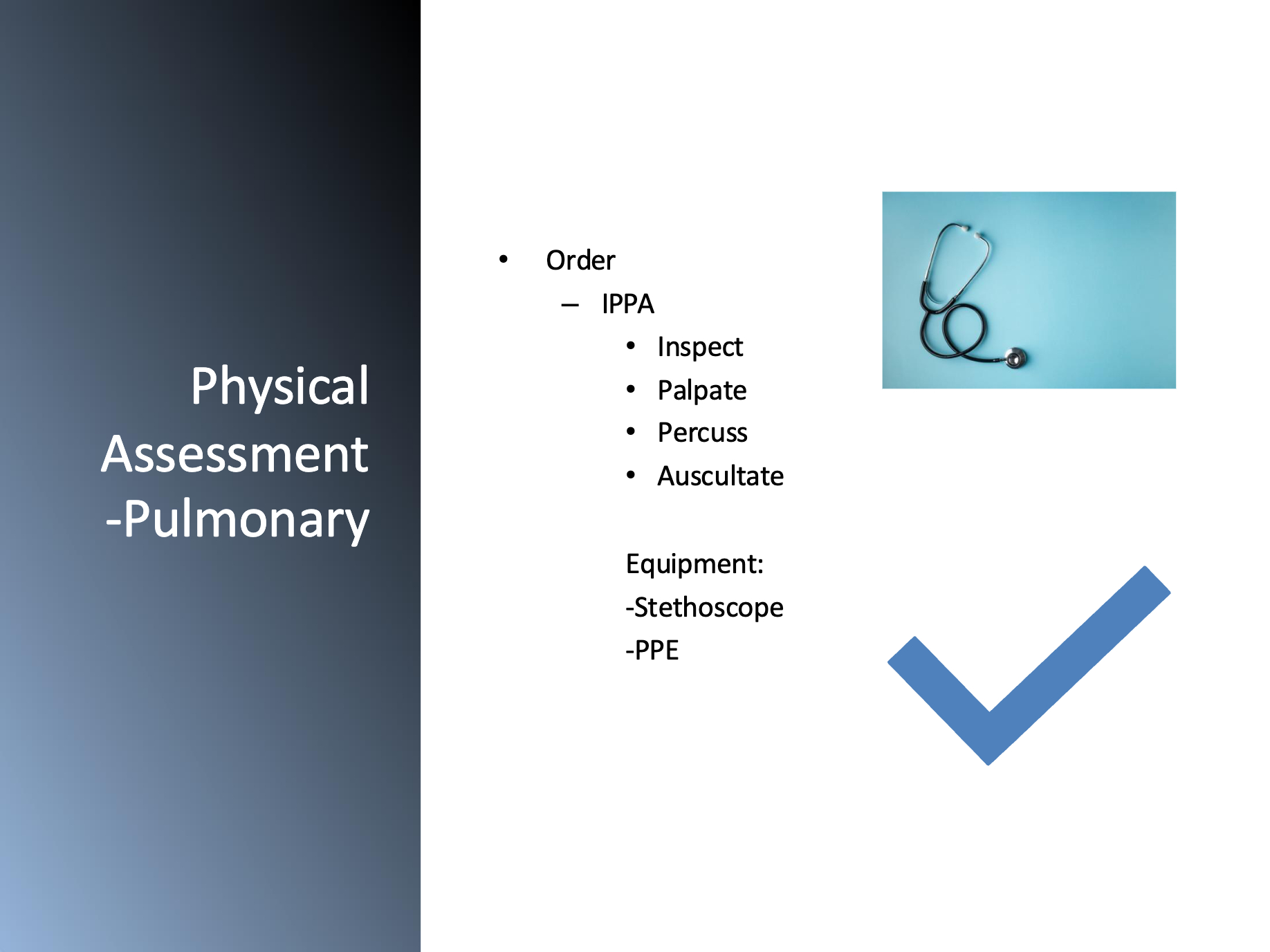
What is the correct order of steps in a pulmonary physical assessment according to the IPPA method?
Inspect, Palpate, Percuss, Auscultate
Palpate, Inspect, Auscultate, Percuss
Auscultate, Percuss, Inspect, Palpate
Percuss, Auscultate, Palpate, Inspect
47

48
Open Ended
Explain the difference between the bell and diaphragm of a stethoscope and when each should be used.
49

50
51
Fill in the Blanks
Type answer...
52
Multiple Choice
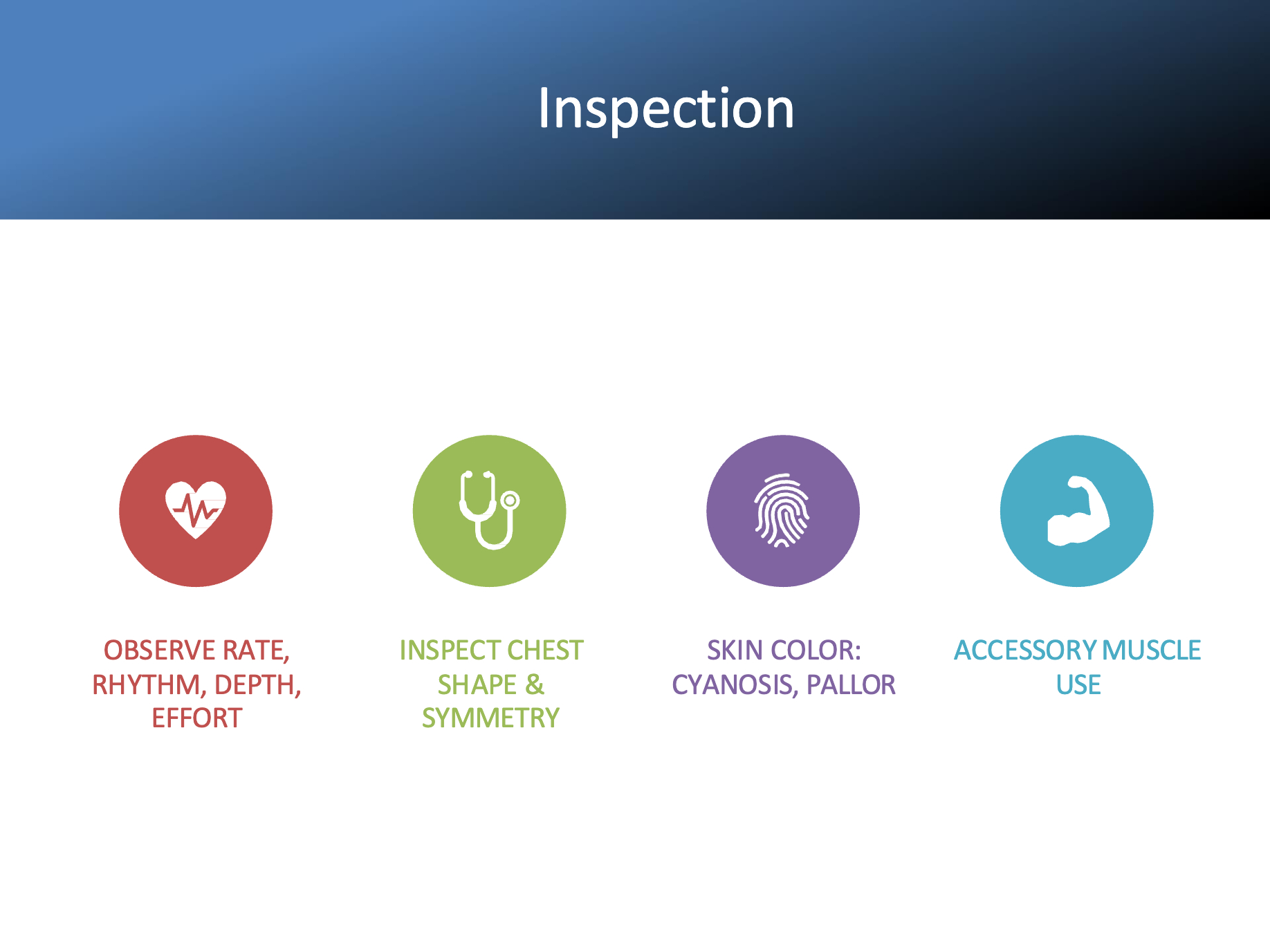
During inspection in a pulmonary assessment, what are the key features to observe?
Rate, rhythm, depth, effort; chest shape & symmetry; skin color; accessory muscle use
Blood pressure; heart rate; temperature; oxygen saturation
Lung sounds; cough frequency; sputum color; chest pain
Palpation findings; percussion notes; auscultation results; patient history
53
54
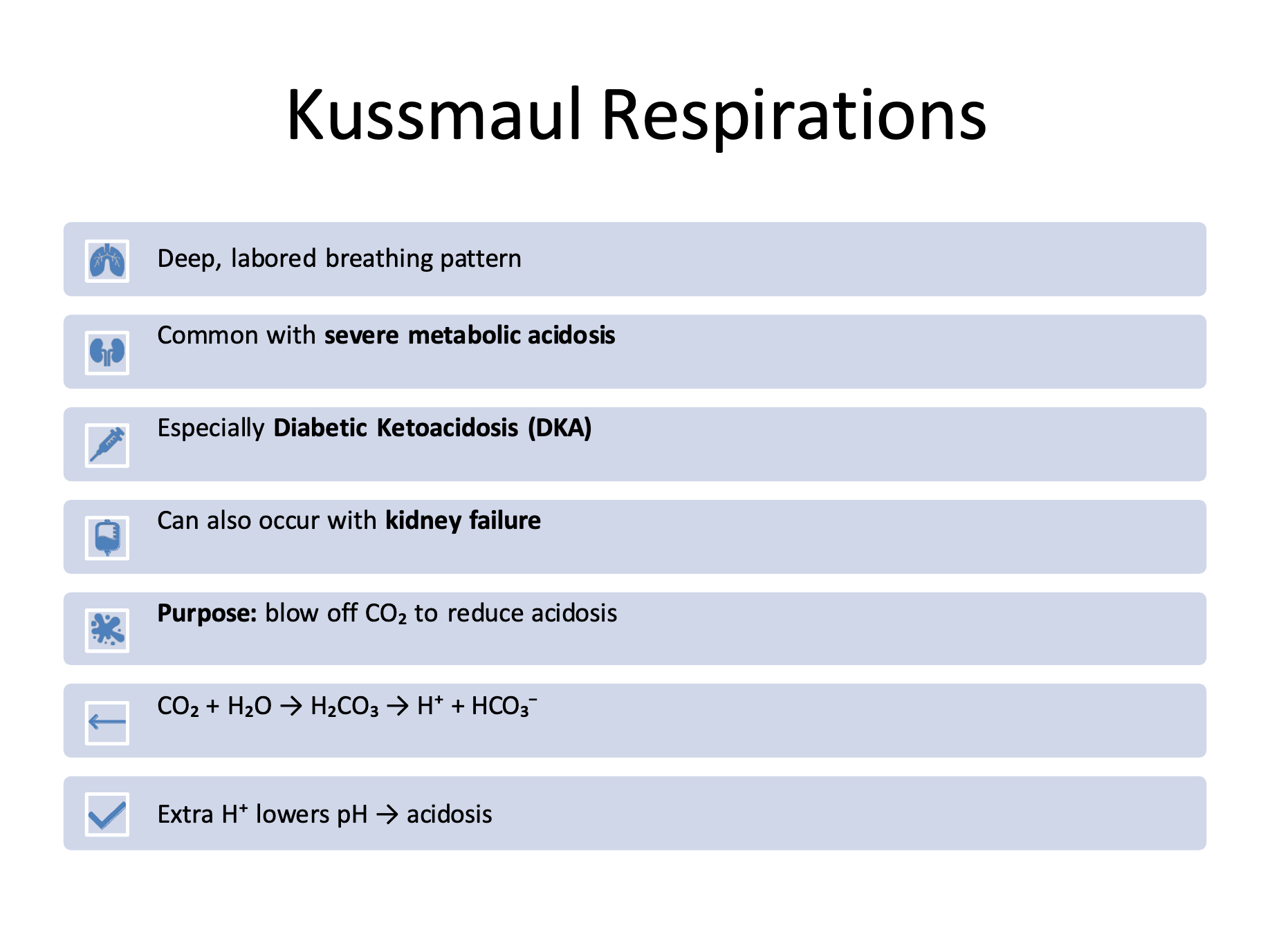
55
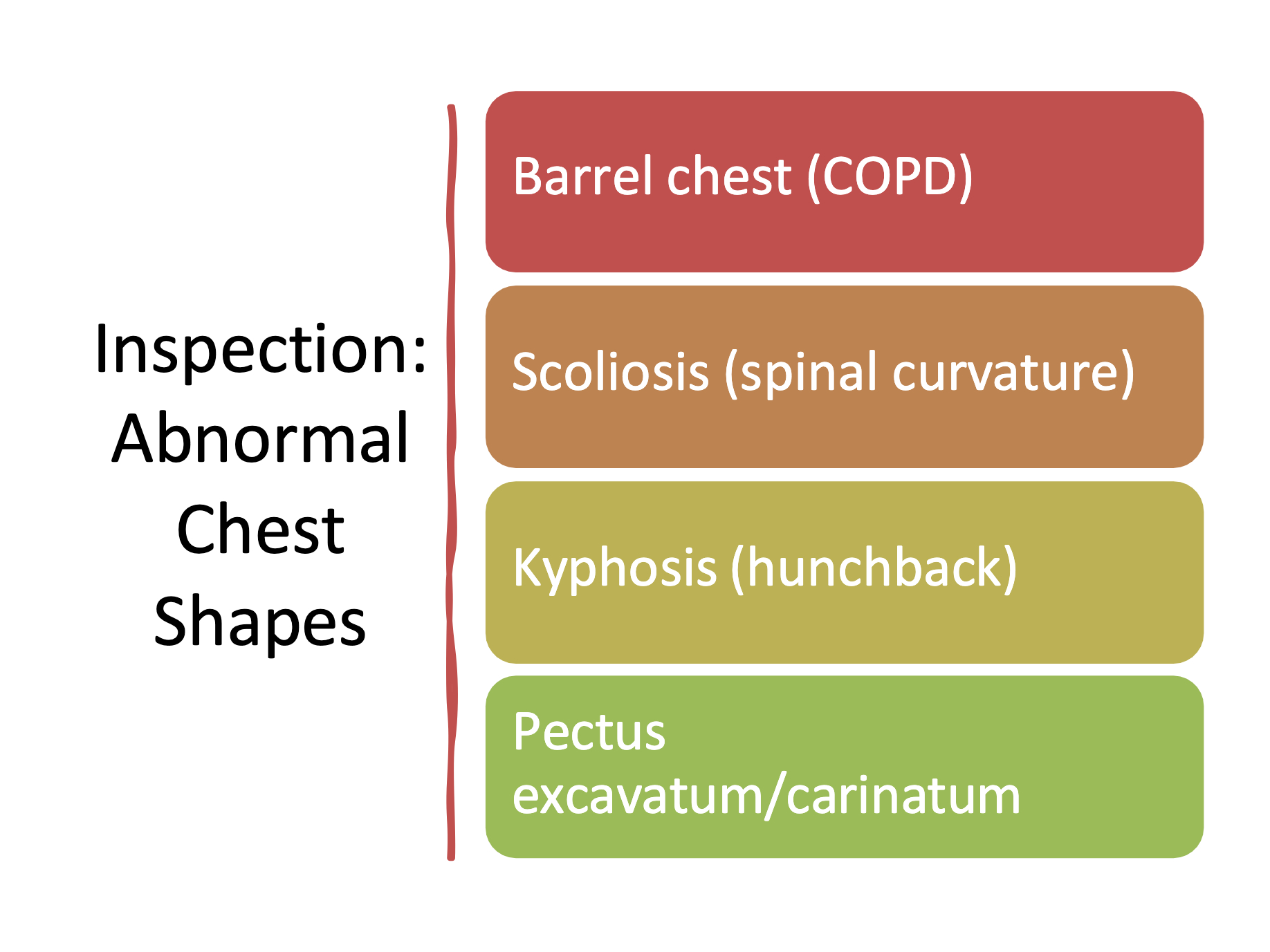
56
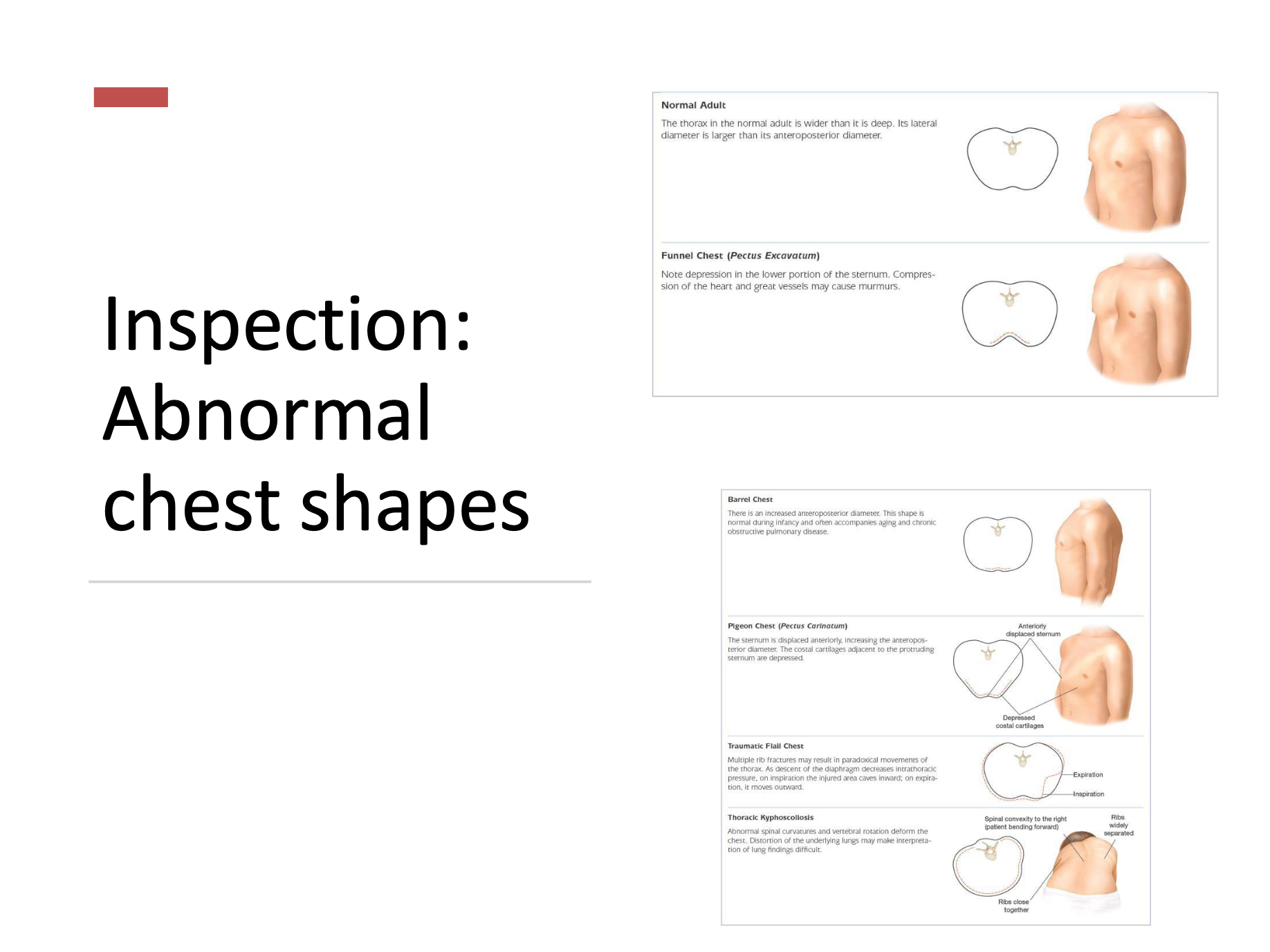
57
Fill in the Blanks
Type answer...
58
Open Ended
Reflecting on today's lesson about respiratory assessment, what is one aspect of the respiratory system you would like to learn more about or still find challenging?
Show answer
Auto Play
Slide 1 / 58
SLIDE
Similar Resources on Wayground

53 questions
Taxation and Regulation
Presentation
•
University
53 questions
Future: Will, Going to, Present Continuous, and Modals
Presentation
•
University
52 questions
CH 1 & 2 - INTRO & SAFETY IN WELDING
Presentation
•
KG - University
54 questions
1st, Unit 7, Lesson 6
Presentation
•
KG - Professional Dev...
50 questions
KM SESSION (FORs and Models) PART 2)
Presentation
•
University
50 questions
Written Test Demo
Presentation
•
University
50 questions
Unit 1 level 333
Presentation
•
University
Popular Resources on Wayground
24 questions
PBIS-HGMS Day 10

Quiz
•
6th - 8th Grade
10 questions
HCS SCI 03 Summer School Review 3
Quiz
•
3rd Grade
11 questions
Home Scope
Quiz
•
7th - 8th Grade
15 questions
HCS SCI 05 Summer School Assessment 3 Review
Quiz
•
5th Grade
35 questions
Lufkin Road Middle School Student Handbook & Policies Assessment
Quiz
•
7th Grade
18 questions
Geo 11.3 Area of Circles and Sectors
Quiz
•
9th - 11th Grade