

Nursing_Postoperative

Presentation
•
Health Sciences
•
Professional Development
•
Practice Problem
•
Hard

Sultan Mosleh
FREE Resource
48 Slides • 31 Questions
1

2
Multiple Choice
What is the focus of the course HNR 2403?
Postoperative Nursing Care
Preoperative Nursing Care
Emergency Nursing Care
Pediatric Nursing Care
3

4
Open Ended
What instructions should be given to patients and families about post-operative care?
5
Multiple Choice
What safety protocols should be described to prevent complications in post-operative care?
Monitoring vital signs
Patient education
Surgical site care
Physical therapy
6
Open Ended
Explain the methods for managing post-operative pain.
7
Multiple Select
Identify two key post-operative complications that nurses should monitor for.
Deep vein thrombosis
Surgical site infection
Anemia
Hypertension
8
Multiple Choice
What are the key responsibilities of a nurse in the post-operative period?
Patient monitoring
Surgical procedures
Medication administration
Physical therapy
9

10
Multiple Choice
What is the primary focus of nursing care during the postoperative period?
Monitor & Prevent complications post-surgical procedure
Provide immediate access to anesthesia
Minimize transport
Ensure patient comfort
11

12
Multiple Choice
What is the primary goal during the Postanesthesia Phase I?
To prepare the patient for Phase II
To discharge the patient
To perform surgery
To monitor vital signs
13

14
Open Ended
What kind of nursing assessments postoperative patient require during phase 1 recovery?
15

16
Open Ended
What patient information should be reported to PACU nurse by the ACP/circulatory nurse?
17

18
Multiple Choice
What information is included in the PACU Admission Report under General Information?
Patient name
Age
Surgeon
Surgical procedure
19

20
Multiple Choice
What unexpected events might occur during the intraoperative course according to the PACU Admission Report?
Unexpected anesthetic events
Unexpected surgical events
Vital signs and trends
Results of laboratory tests
21
Multiple Choice
What are the key components of intraoperative management as listed in the PACU Admission Report?
Anesthetic medications used
Blood loss
Fluid replacement
Urine output
22

23
Multiple Choice
What are the key components of postoperative assessment related to airway, breathing, and circulation?
Airway management
Breathing techniques
Circulation monitoring
All of the above
24

25
Multiple Choice
What are the key components of a postoperative neurologic assessment?
LOC/ Glasgow Coma Scale
Intake (IV fluids)
Pupil size and reaction
Estimated blood loss (EBL)
26

27
Multiple Choice
What are the key components of a postoperative assessment?
Gastrointestinal
Surgical site
Pain
Laboratory tests
28

29
Multiple Choice
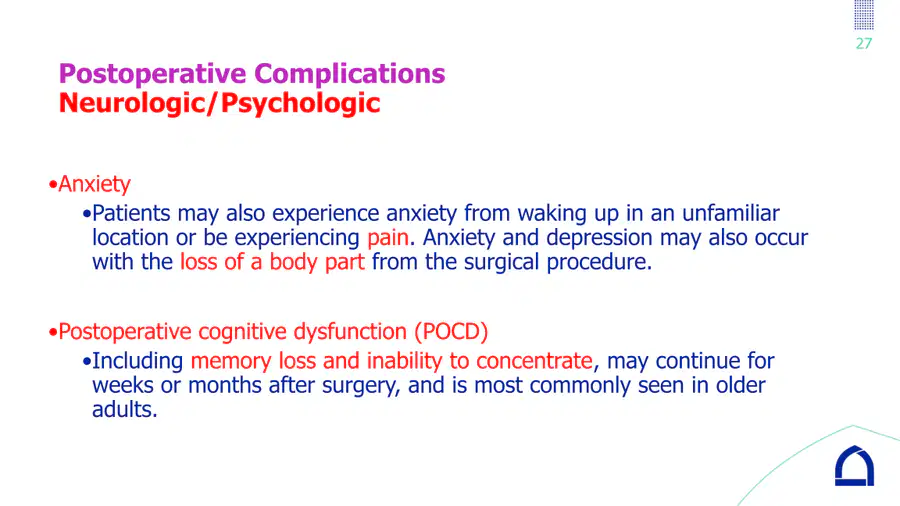
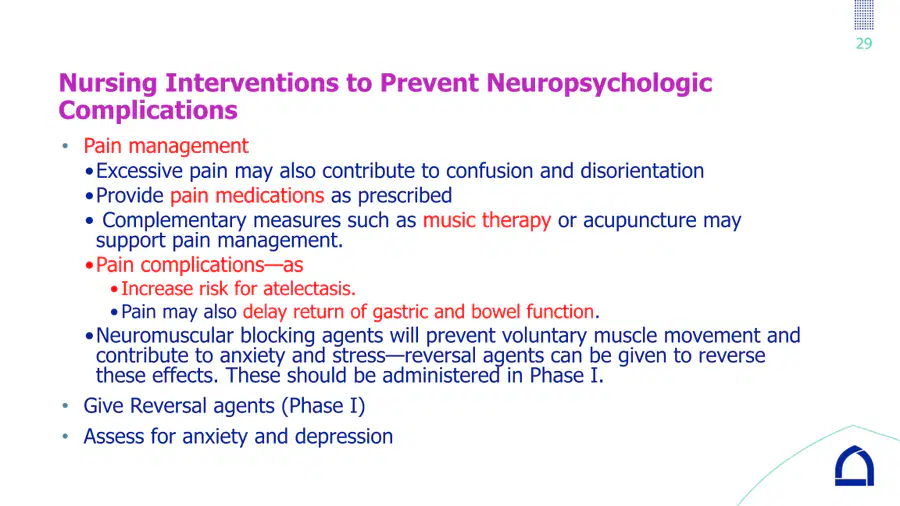
What are some common neuropsychological complications that can occur postoperatively?
Pain
Nausea
Retention
Infection
30

31
Multiple Choice
What are the common respiratory complications that can occur postoperatively?
Airway obstruction
Hypoxemia
Atelectasis
All of the above
32

33
Multiple Choice
What are the two positions mentioned for proper patient positioning to prevent respiratory complications?
Lateral recovery position and supine position
Sitting position and standing position
Prone position and lateral position
Supine position and upright position
34

35
Multiple Choice
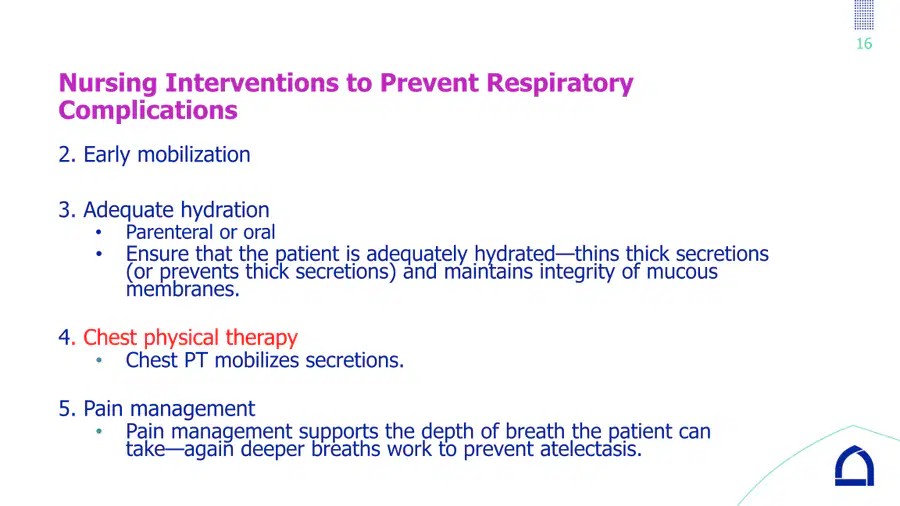
What are the nursing interventions to prevent respiratory complications?
Oxygen therapy
Cough and deep breathing
Change patient position
All of the above
36
37
38
39
Multiple Choice
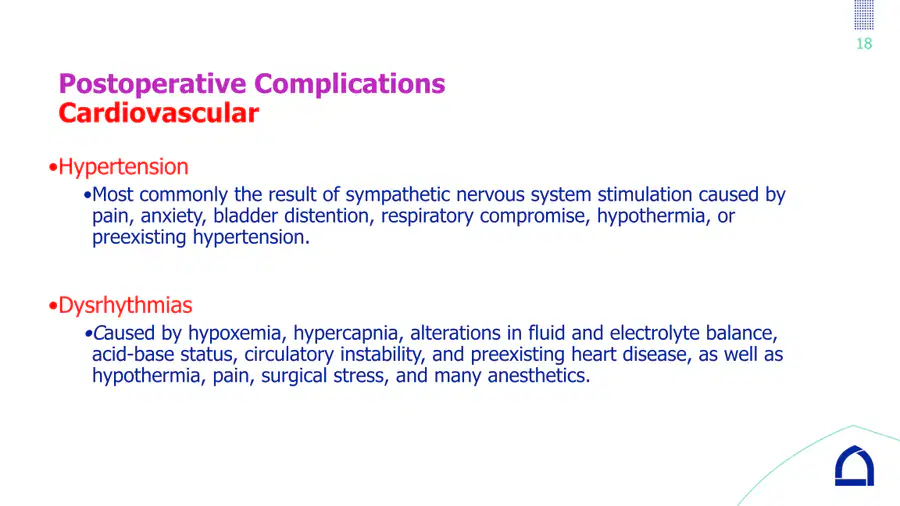
What factors can lead to dysrhythmias after surgery?
Hypoxemia
Hypercapnia
Electrolyte imbalance
All of the above
40
Multiple Choice
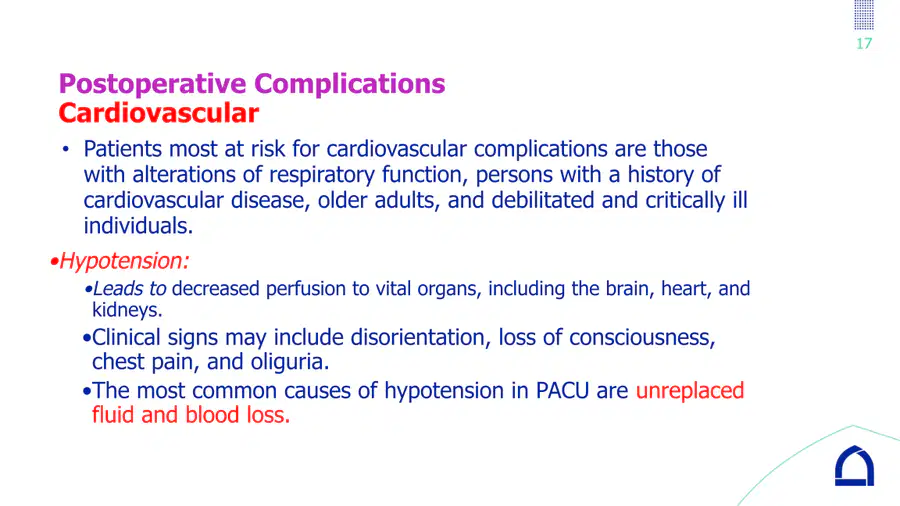
What are the common causes of hypertension in postoperative patients?
Pain
Anxiety
Bladder distention
All of the above
41

42
Multiple Choice
What are the two main postoperative cardiovascular complications mentioned in the image?
Venous thromboembolism (VTE)
Syncope (fainting)
Pulmonary embolism
Myocardial infarction
43

44
Multiple Choice
What can result from the stress response and secretion of antidiuretic hormone (ADH)?
Fluid deficit
Fluid overload
Dehydration
Electrolyte imbalance
45
Multiple Select
Which of these are symptoms of fluid overload? (select all that apply)
Swelling in hands or feet
difficulty breathing
high blood pressure
low blood pressure
46

47
Multiple Choice
What are the potential effects of electrolyte imbalances on cardiac output and tissue perfusion?
Decreased cardiac output
Increased tissue perfusion
No effect on heart
Improved contractility
48

49
Multiple Choice
What should be monitored every 15 minutes in Phase I to prevent cardiovascular complications?
Fluid replacement
Vital signs
Patient comfort
Medication administration
50
51
Multiple Choice
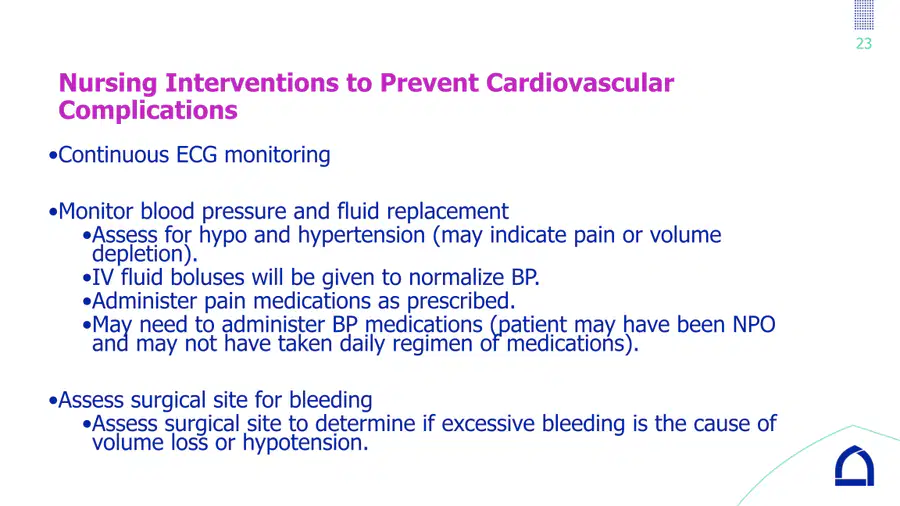
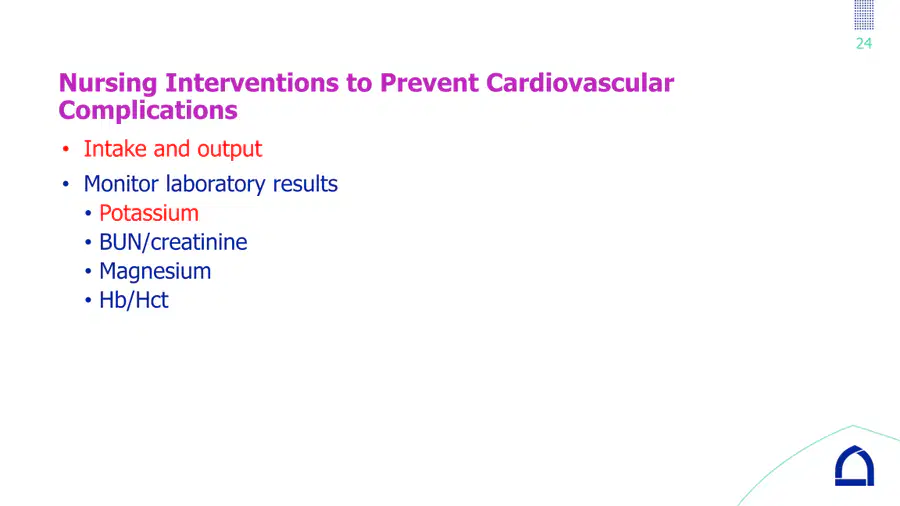
What are the nursing interventions to prevent cardiovascular complications?
Continuous ECG monitoring
Monitor blood pressure and fluid replacement
Assess surgical site for bleeding
All of the above
52
53
54
Multiple Choice
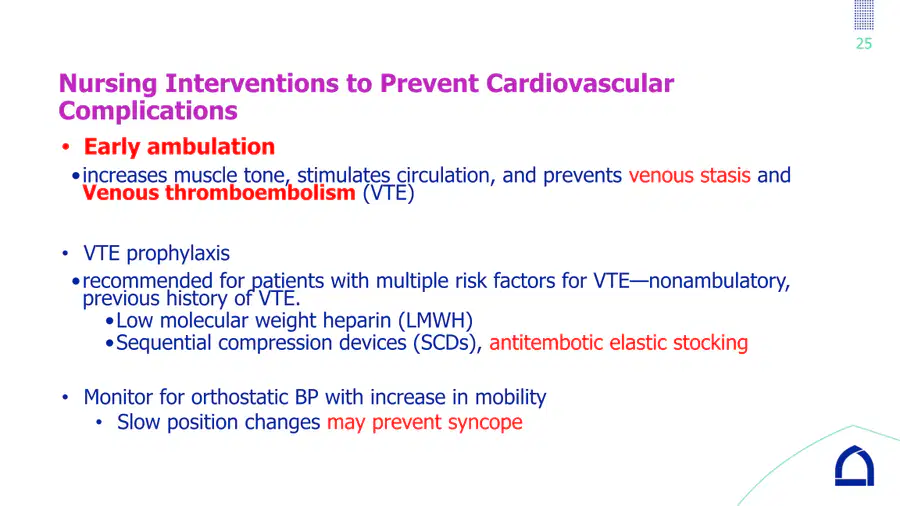
What is the purpose of early ambulation in preventing venous thromboembolism (VTE)?
To increase muscle tone
To stimulate circulation
To prevent venous stasis
All of the above
55

56
Multiple Choice
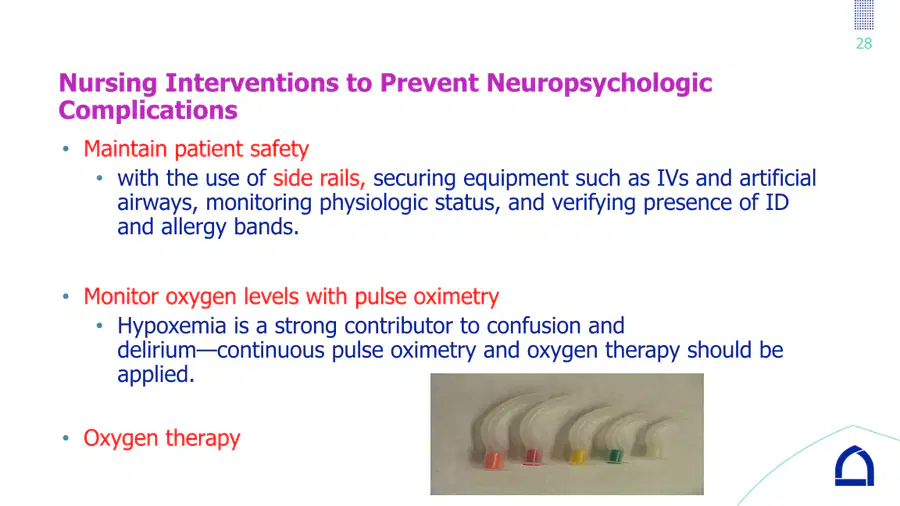
What is emergence delirium and what factors may contribute to it?
A type of anesthesia
A psychological condition
A physical reaction to pain
A result of hypoxia
57
58
59
60
61
62
63
64
65
66
67
68
69
70
71
72
73
74
75
76
77
78

79
Poll
How confident do you feel about this topic now?
Show answer
Auto Play
Slide 1 / 79
SLIDE
Similar Resources on Wayground

73 questions
Travelling
Presentation
•
KG
72 questions
CHOIR FAREWELL '25
Presentation
•
KG
75 questions
NUCLEAR CHANGES C8
Presentation
•
KG - University
71 questions
D. useful or wasted energy exchanged in physical systems
Presentation
•
KG
71 questions
EF2 - 12b Think Before You Speak
Presentation
•
Professional Development
74 questions
Genetic Engineering and Cloning
Presentation
•
University
75 questions
Review Chapter 2: Fractions
Presentation
•
University
74 questions
Unit 9 Review
Presentation
•
Professional Development
Popular Resources on Wayground
6 questions
Secondary Safety Quiz
Presentation
•
9th - 12th Grade
10 questions
MyPath Diagnostic Overview
Presentation
•
6th - 8th Grade
20 questions
Lab Safety Quiz

Quiz
•
6th Grade
21 questions
Continents and Oceans
Quiz
•
6th Grade
20 questions
Adding and Subtracting Decimals
Quiz
•
5th Grade
20 questions
Parts of Speech
Quiz
•
5th Grade
16 questions
Subject & Predicate
Quiz
•
5th Grade
21 questions
Lab Safety
Quiz
•
10th Grade
Discover more resources for Health Sciences
5 questions
Setting goals for the year
Quiz
•
Professional Development
87 questions
STEM Academy
Quiz
•
Professional Development
20 questions
Employability Skills
Quiz
•
Professional Development
20 questions
Interval & Set Notation
Quiz
•
9th Grade - Professio...
10 questions
How to Email your Teacher
Quiz
•
Professional Development