

Camera Shots and Movements - AVTF I

Presentation
•
Other
•
9th - 12th Grade
•
Practice Problem
•
Hard

Wilbert Jean
FREE Resource
17 Slides • 15 Questions
1
2
Multiple Choice

Which type of composition does this photo emphasize?
Rule of thirds
framing
light
texture
3
4
5
Multiple Choice
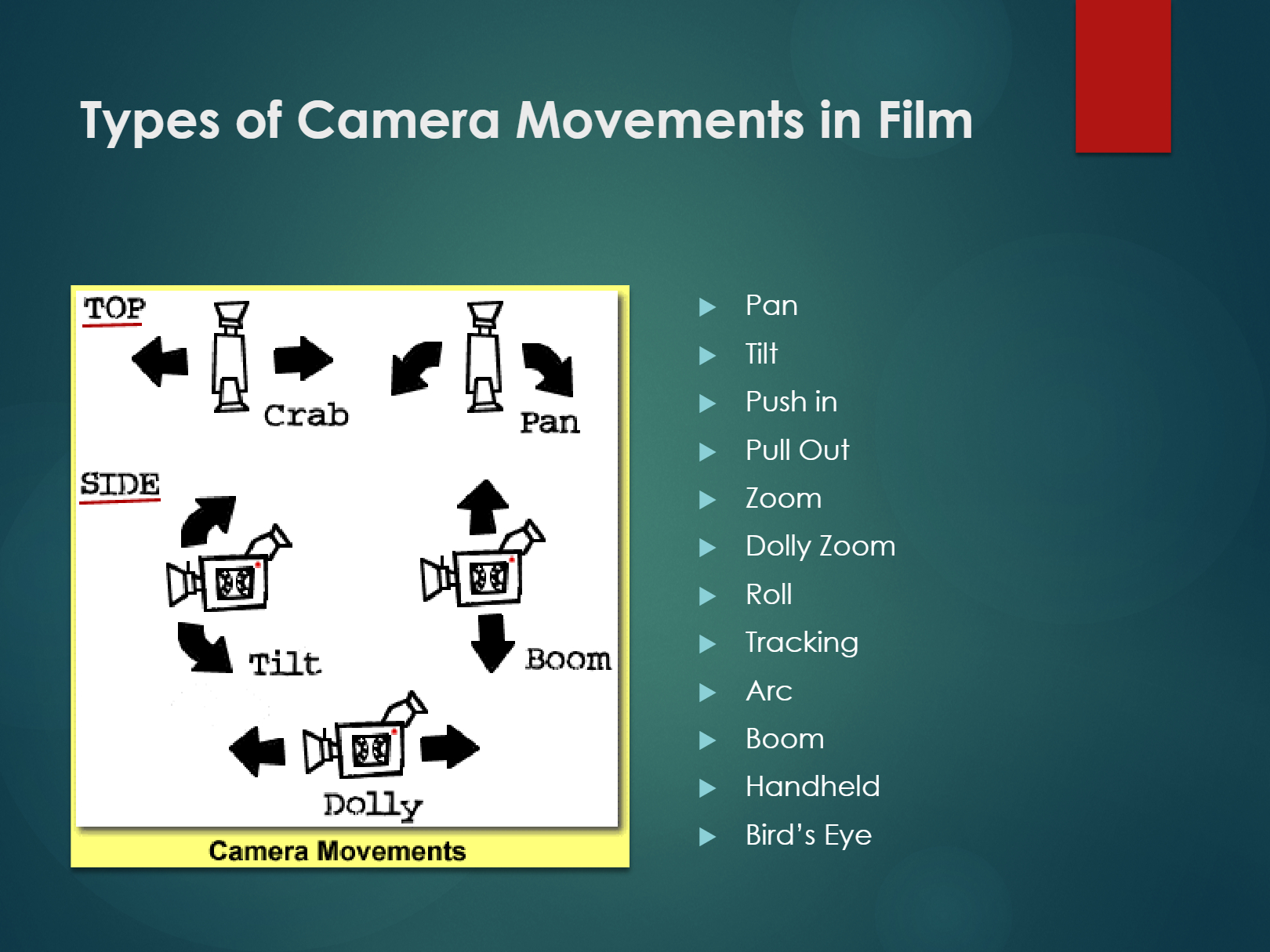
What is the role of camera movement in film?
To change the lighting
To alter the frame or perspective
To add sound effects
To create static shots
6
7
8

9
Multiple Choice
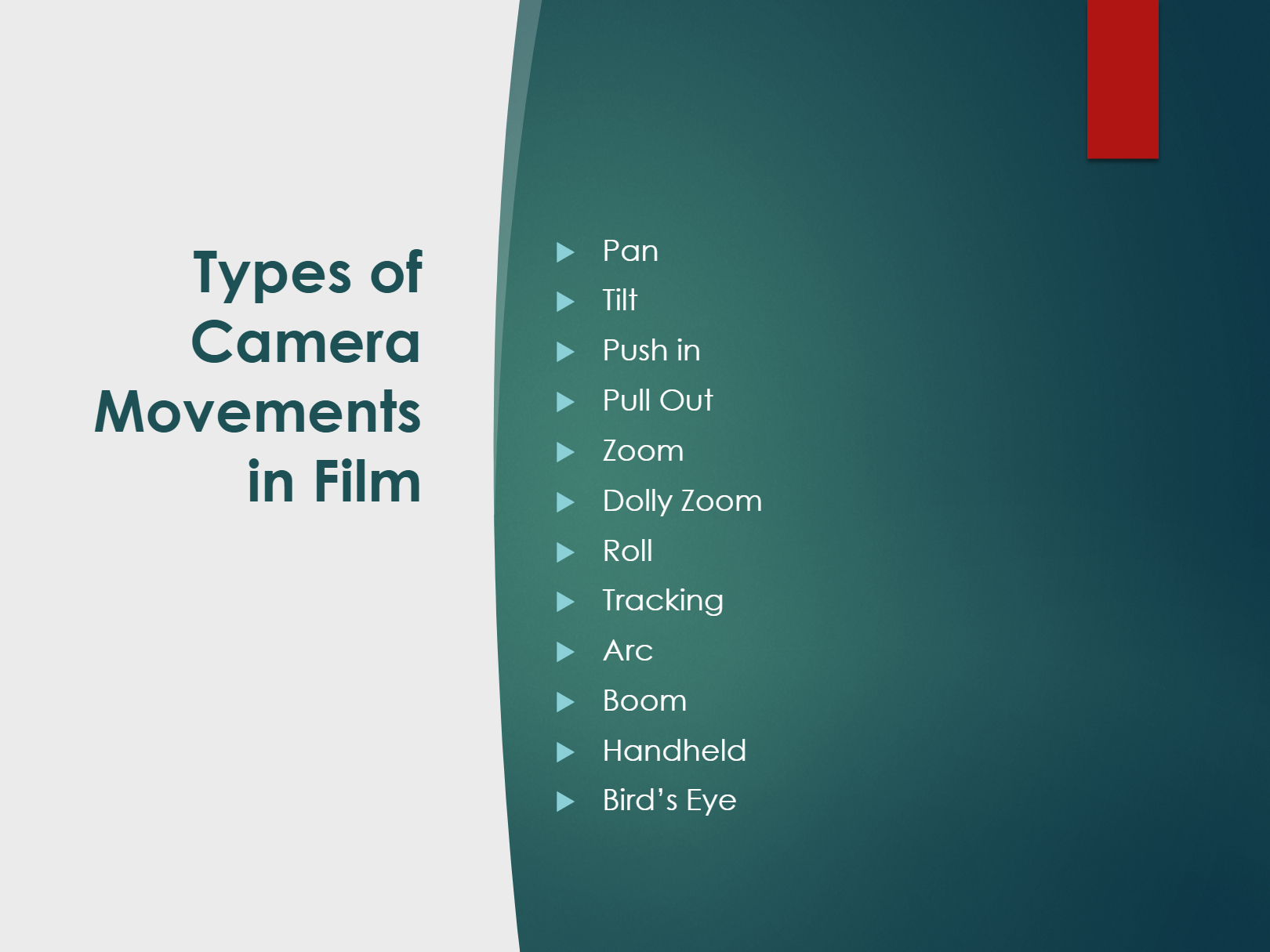
What are the key techniques involved in panning and tilting camera movements?
Zooming in
Panning left
Tilting up
Tracking shots
10

11
Multiple Choice
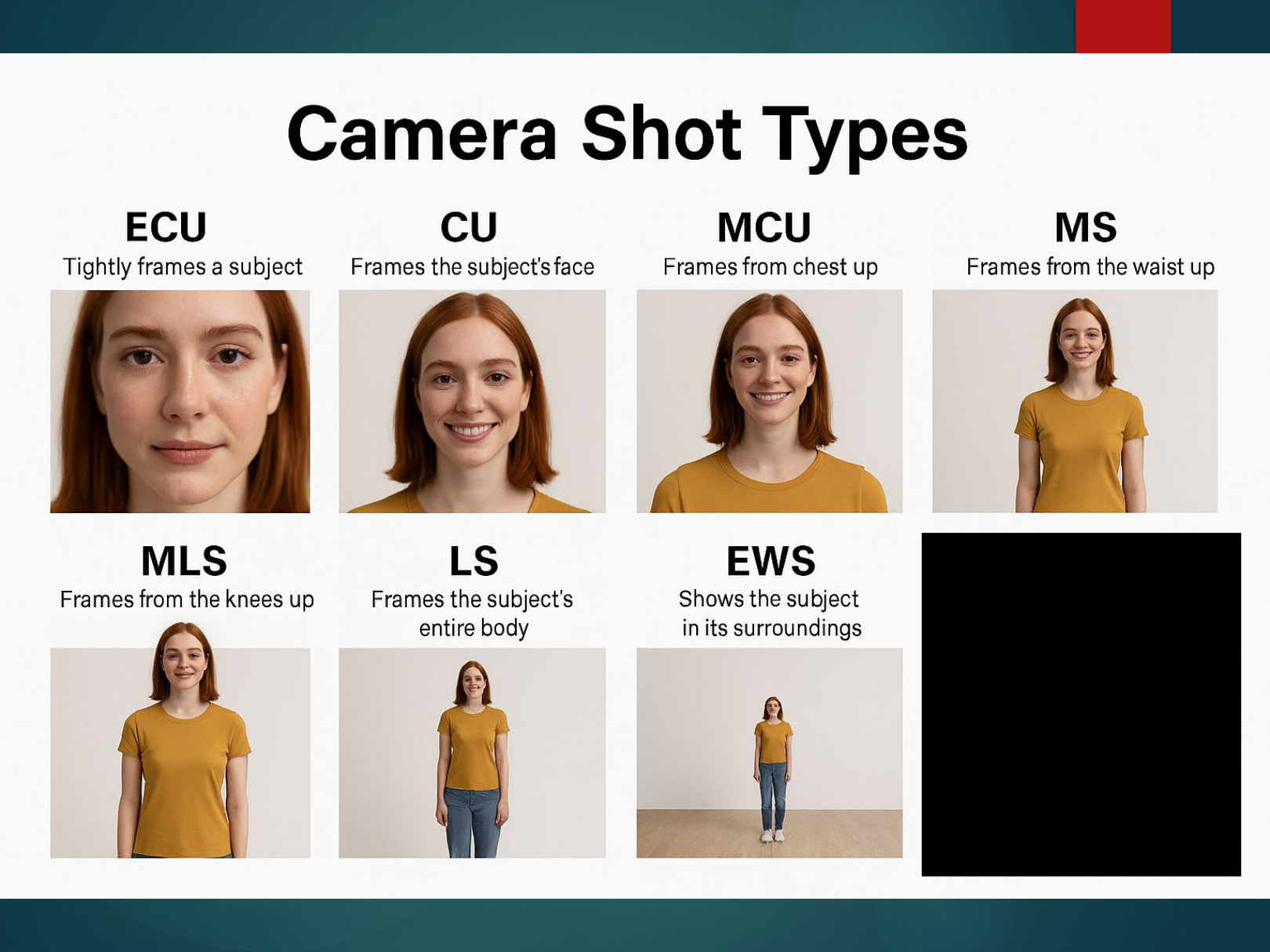
What are the different types of shots in film and media?
Extreme Close-Up
Medium Shot
Full Shot
Long Shot
12
13
Multiple Choice
What type of shot frames the subject's entire body?
Extreme Close-Up
Close-Up
Long Shot
Medium Shot
14
15
Multiple Choice
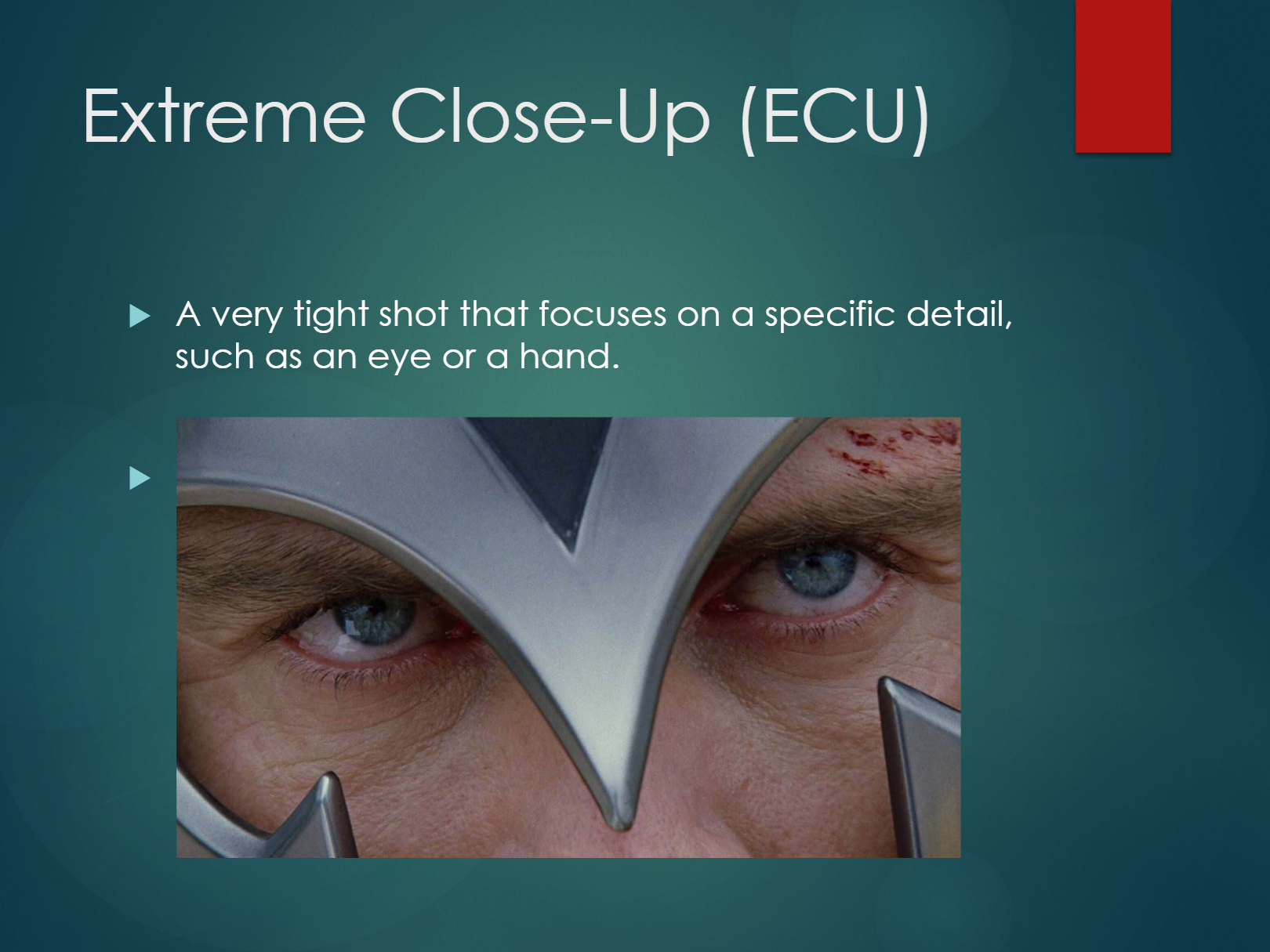
What is the purpose of an Extreme Close-Up (ECU) in photography?
To capture a wide scene
To focus on a small detail
To show the entire subject
To create a blurry background
16
17
Multiple Choice
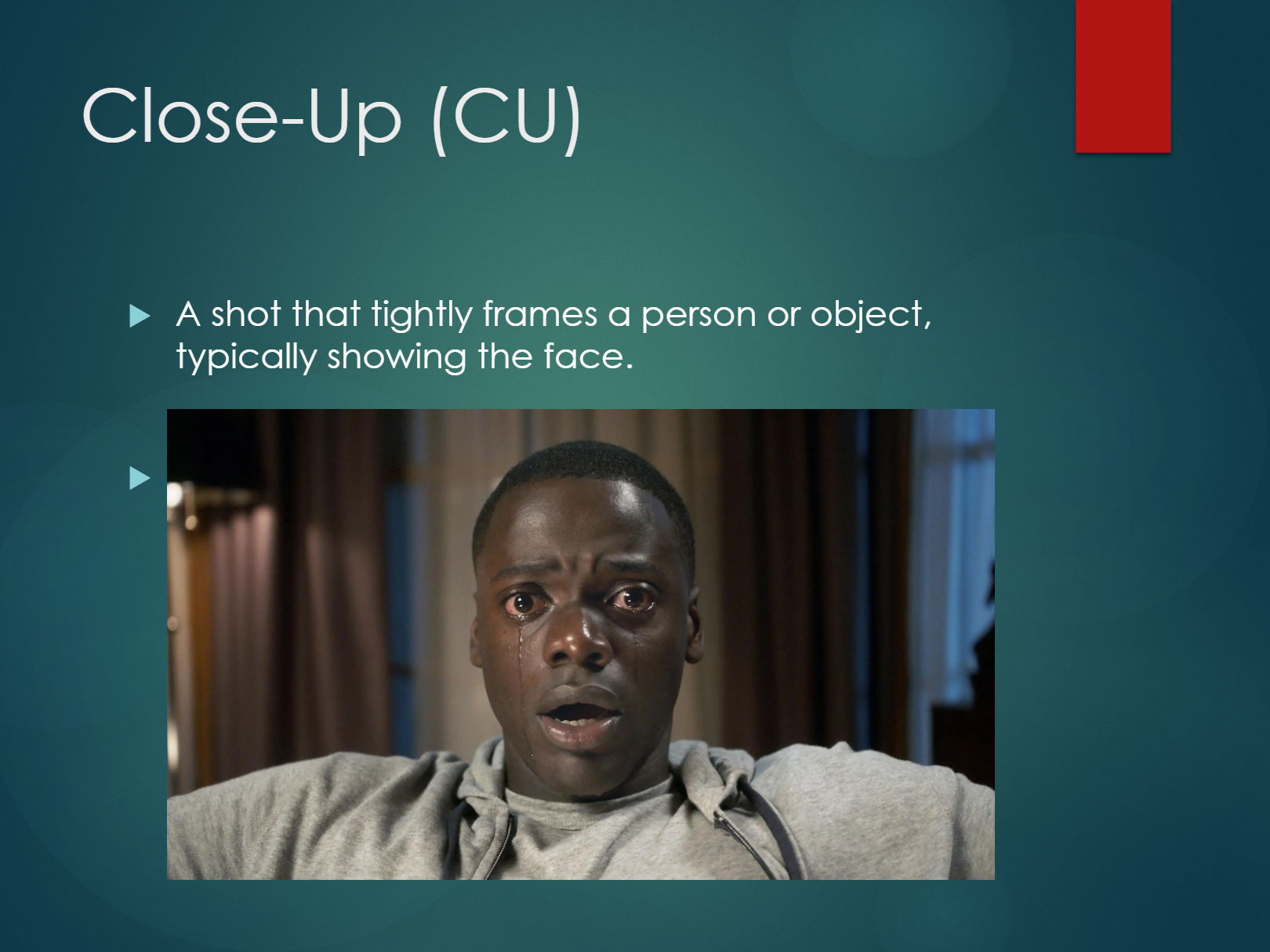
What is a close-up shot typically used for?
To show the entire scene
To tightly frame a person or object
To capture background details
To create a wide-angle view
18

19
Multiple Choice
What is the purpose of a Medium Close-Up (MCU) in photography?
To frame the subject from the waist up
To frame the subject from the chest up
To capture the entire body
To focus on the background
20
21
Multiple Choice
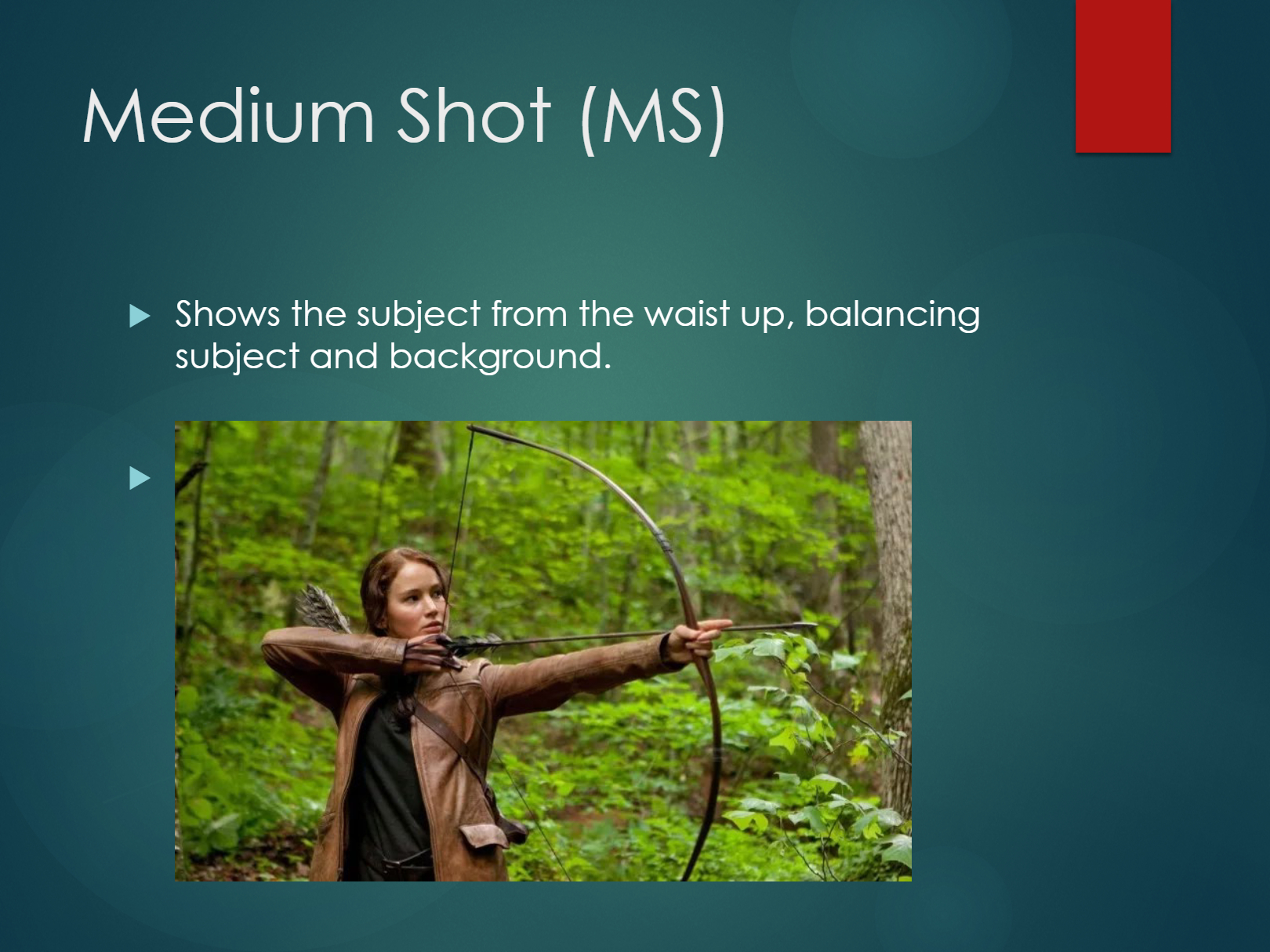
What does a Medium Shot (MS) show?
The subject from the waist up
The subject from the knees up
The subject in close-up
The subject from a distance
22
23
Multiple Choice
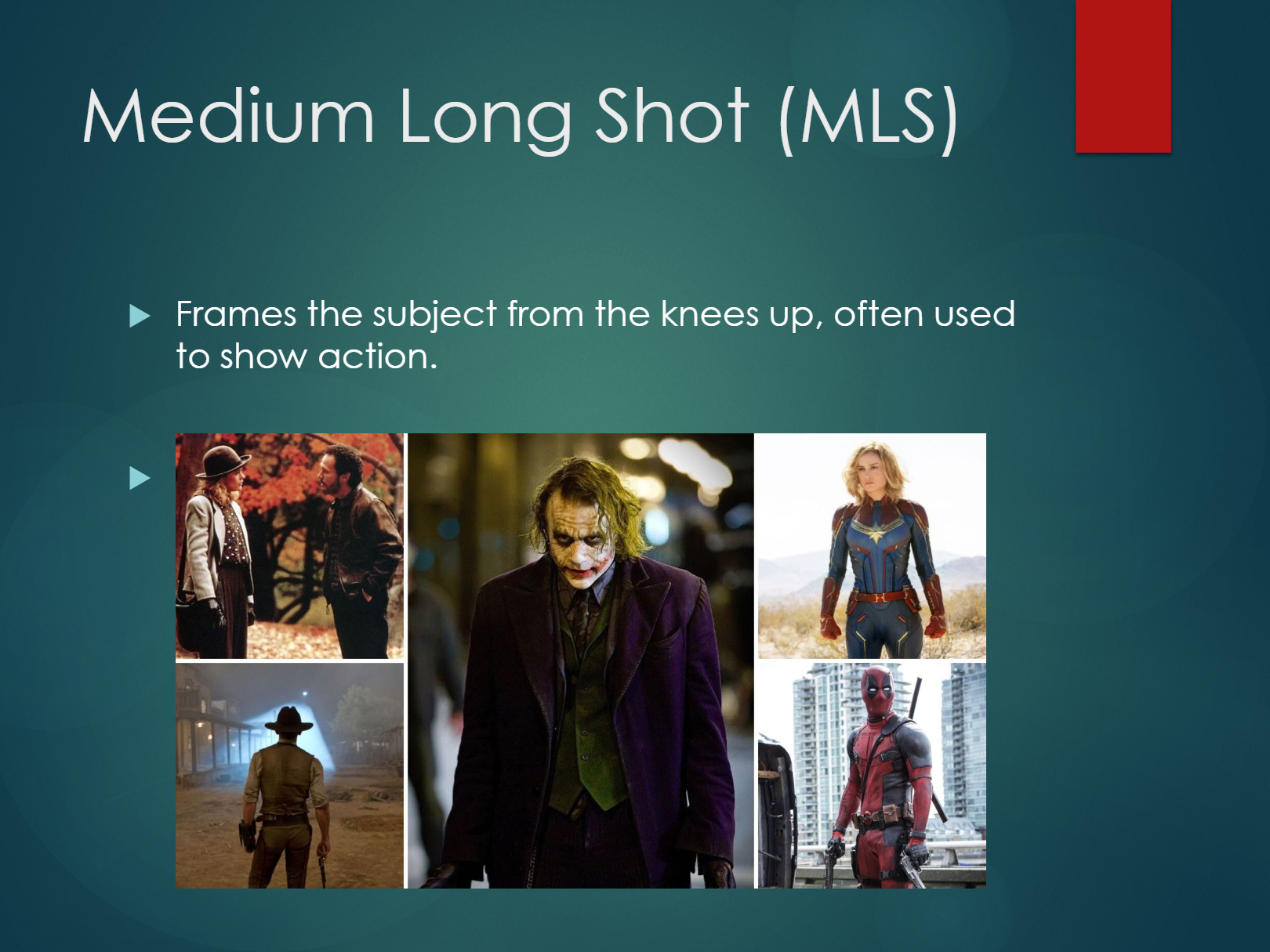
What is the purpose of a Medium Long Shot (MLS) in filmmaking?
To show the subject's full body
To frame the subject from the knees up
To capture close-up facial expressions
To provide a wide landscape view
24
25
Multiple Choice
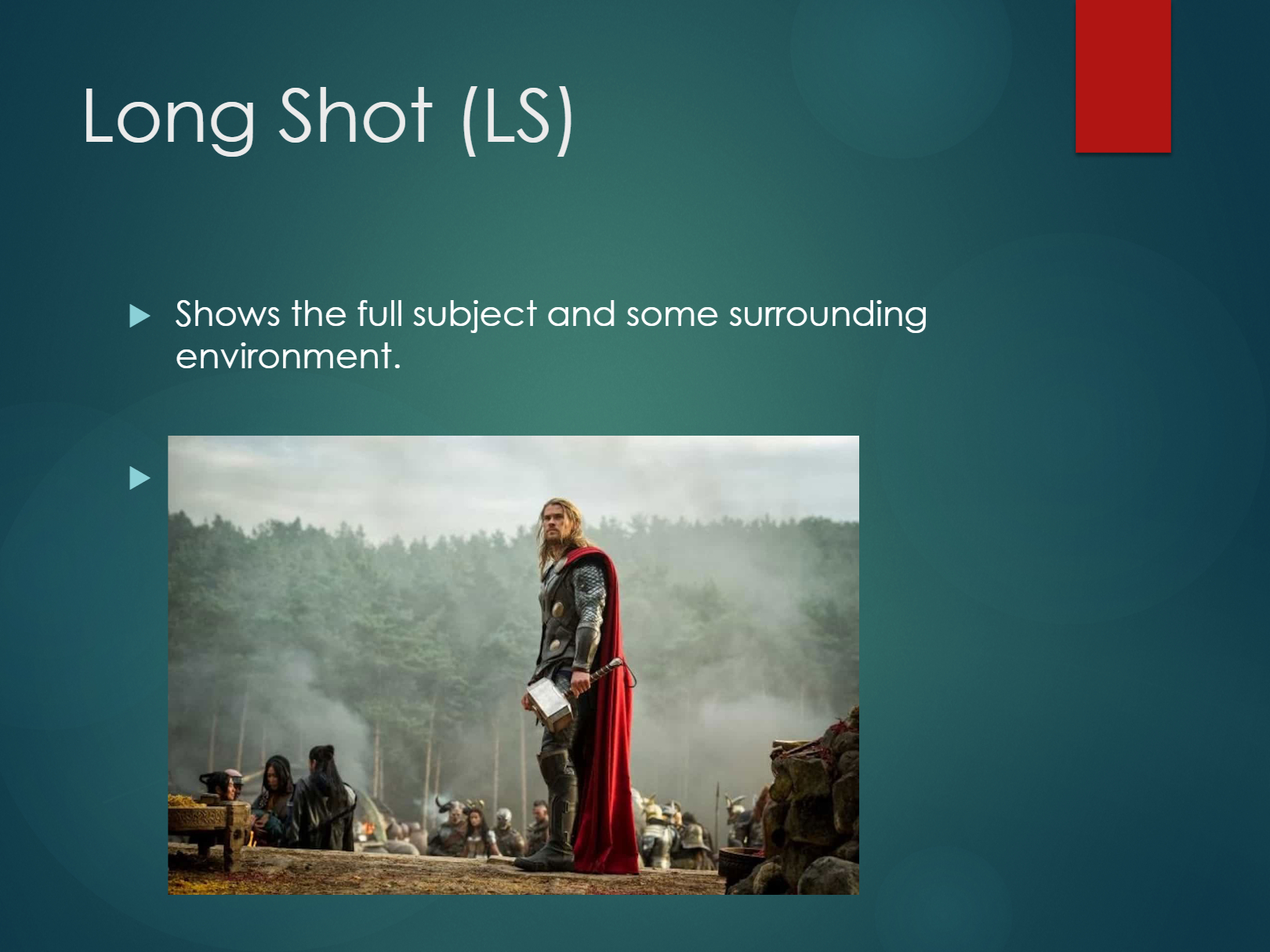
What does a Long Shot (LS) show in a scene?
Only the subject
The full subject and some surrounding environment
Only the background
Close-up of the subject
26
27
Multiple Choice
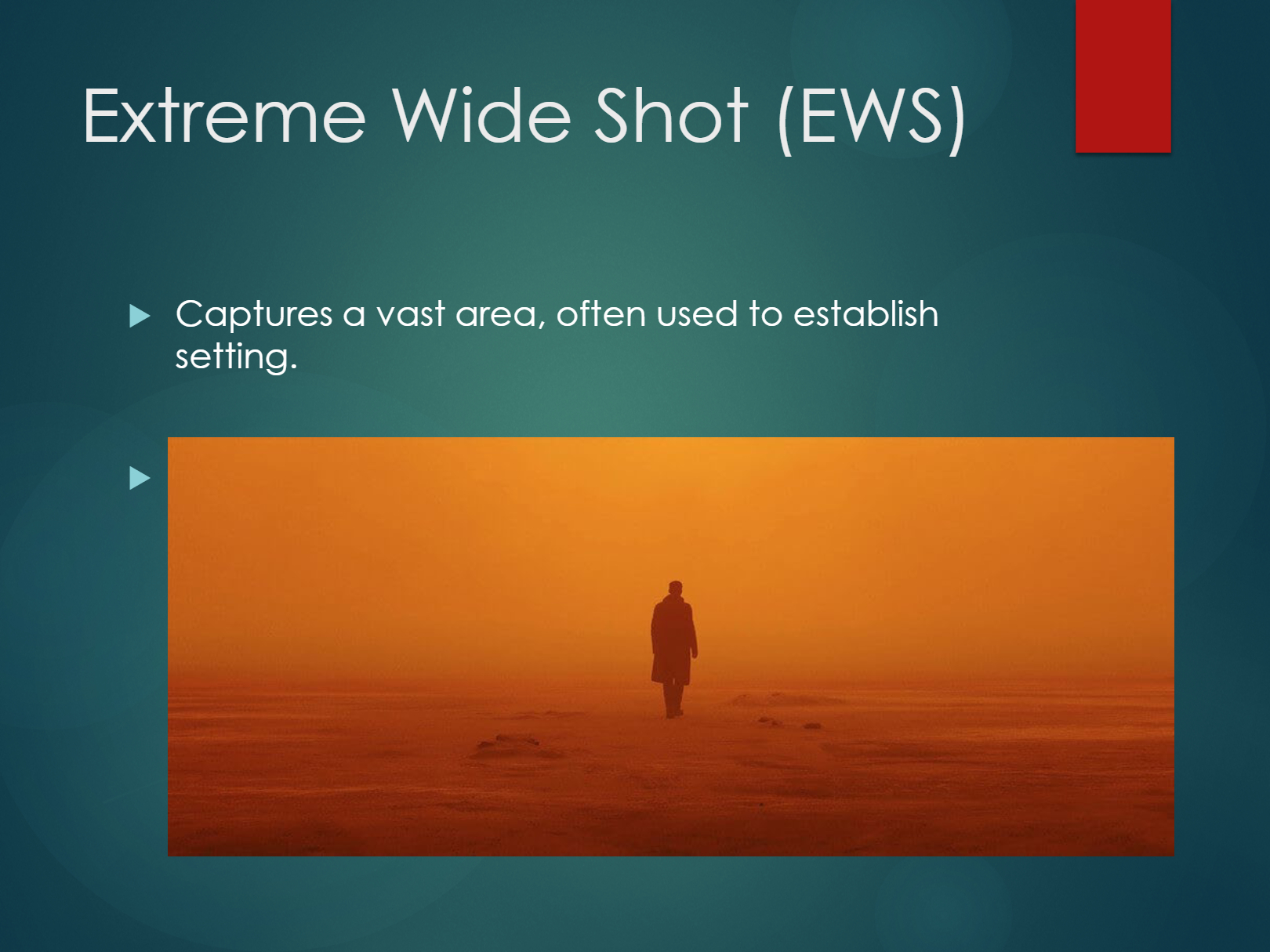
What is the purpose of an Extreme Wide Shot (EWS)?
To capture close-up details
To establish setting
To focus on a single subject
To create a sense of intimacy
28
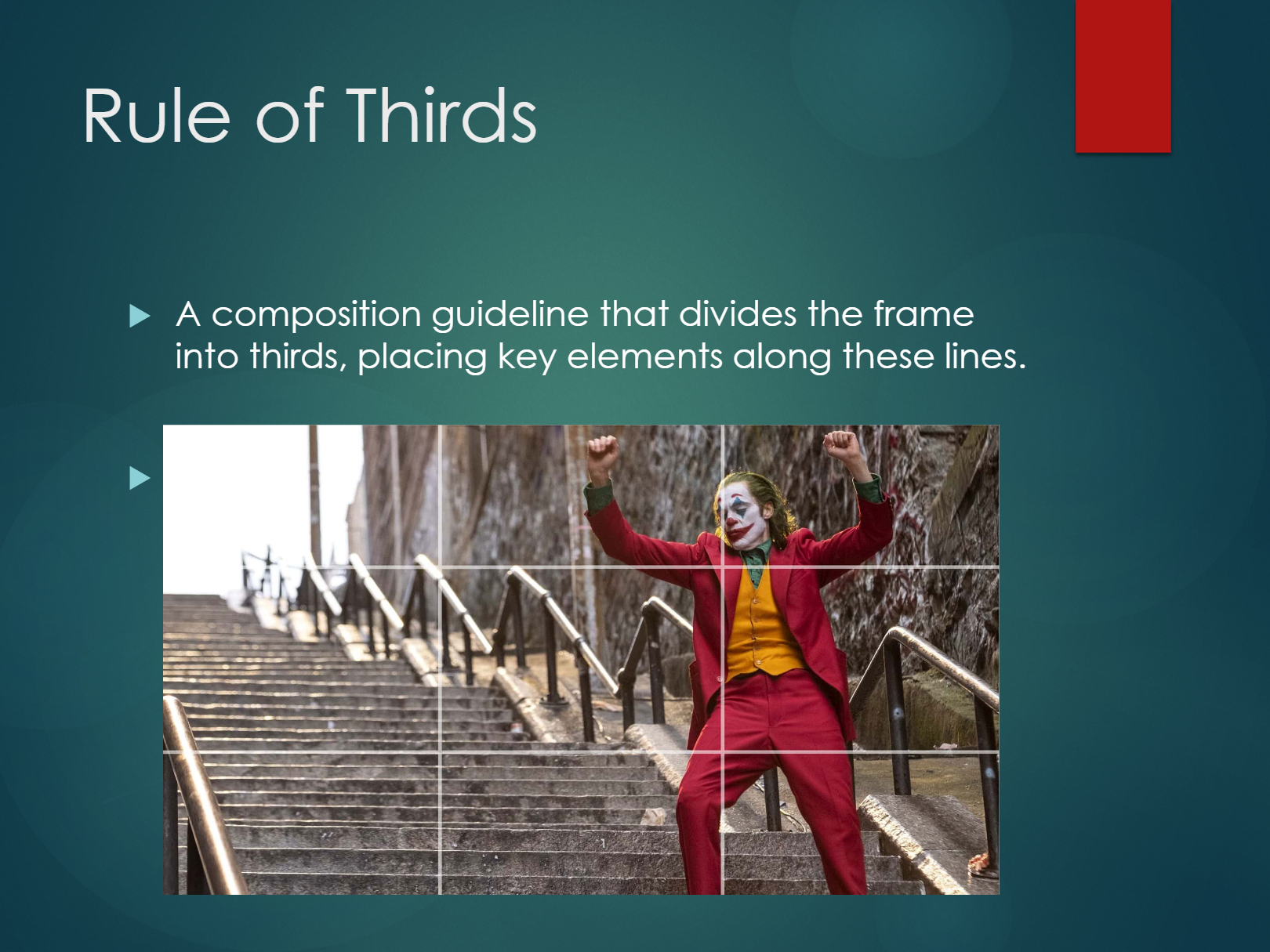
29
Multiple Choice
In what way do leading lines differ from the rule of thirds?
Leading lines can only be used in landscape photography.
Leading lines direct the viewer's attention to a specific part of the image, while the rule of thirds is about overall balance.
The rule of thirds is a newer concept in photography.
Leading lines require the use of artificial lines added in post-processing.
30
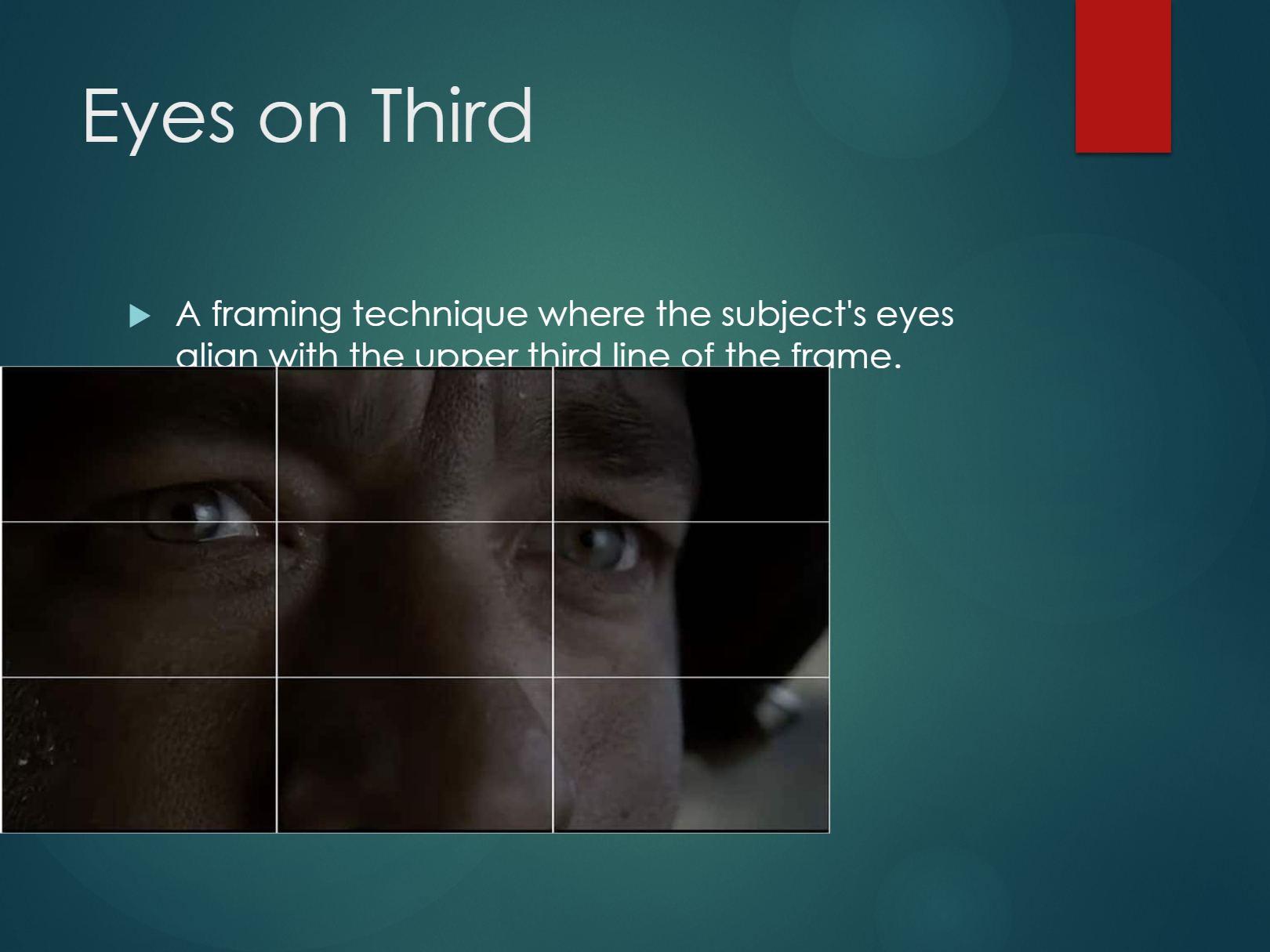
31
Multiple Choice
What is the significance of placing the subject's eyes on the third of the frame in photography?
It creates a balanced composition
It draws attention to the background
It makes the subject look smaller
It is a rule that must always be followed
32
Poll
How confident do you feel about this topic now?
Show answer
Auto Play
Slide 1 / 32
SLIDE
Similar Resources on Wayground

28 questions
Health & Wellness
Presentation
•
9th - 12th Grade
26 questions
Parts of a Plant
Presentation
•
9th - 12th Grade
25 questions
Egg Unit
Presentation
•
9th - 12th Grade
26 questions
Infant Social & Emotional Review
Presentation
•
9th - 12th Grade
25 questions
Fitness 203 - Heart Rate
Presentation
•
9th - 12th Grade
25 questions
Human Impact on the Environment
Presentation
•
9th - 12th Grade
25 questions
Intro to probability
Presentation
•
9th - 12th Grade
27 questions
Focused Note Taking
Presentation
•
9th - 12th Grade
Popular Resources on Wayground
6 questions
Secondary Safety Quiz
Presentation
•
9th - 12th Grade
10 questions
MyPath Diagnostic Overview
Presentation
•
6th - 8th Grade
20 questions
Lab Safety Quiz

Quiz
•
6th Grade
21 questions
Continents and Oceans
Quiz
•
6th Grade
20 questions
Adding and Subtracting Decimals
Quiz
•
5th Grade
20 questions
Parts of Speech
Quiz
•
5th Grade
16 questions
Subject & Predicate
Quiz
•
5th Grade
21 questions
Lab Safety
Quiz
•
10th Grade
Discover more resources for Other
6 questions
Secondary Safety Quiz
Presentation
•
9th - 12th Grade
21 questions
Lab Safety
Quiz
•
10th Grade
10 questions
Fact Check Ice Breaker: Two truths and a lie
Quiz
•
5th - 12th Grade
12 questions
Lab Safety Quizizz
Quiz
•
9th Grade
20 questions
Bloom Day School Community Quiz
Quiz
•
10th Grade
20 questions
Characteristics of Life
Quiz
•
9th - 10th Grade
10 questions
Scientific Method (The scientific method)

Interactive video
•
9th Grade
20 questions
REGULAR Present tense verbs
Quiz
•
8th - 9th Grade