

Safety Processes - Module 4

Presentation
•
Other
•
Professional Development
•
Practice Problem
•
Hard

Terrence Duncan
FREE Resource
30 Slides • 28 Questions
1
2
Multiple Choice
Why is it important for process industries to be aware of biological hazards?
To improve product quality
To ensure worker safety and health
To increase production speed
To reduce energy consumption
3
4
Open Ended
Describe a situation where a process technician might encounter a biological hazard in the workplace. What steps could be taken to minimize the risk in such a scenario?
5
6
Multiple Choice
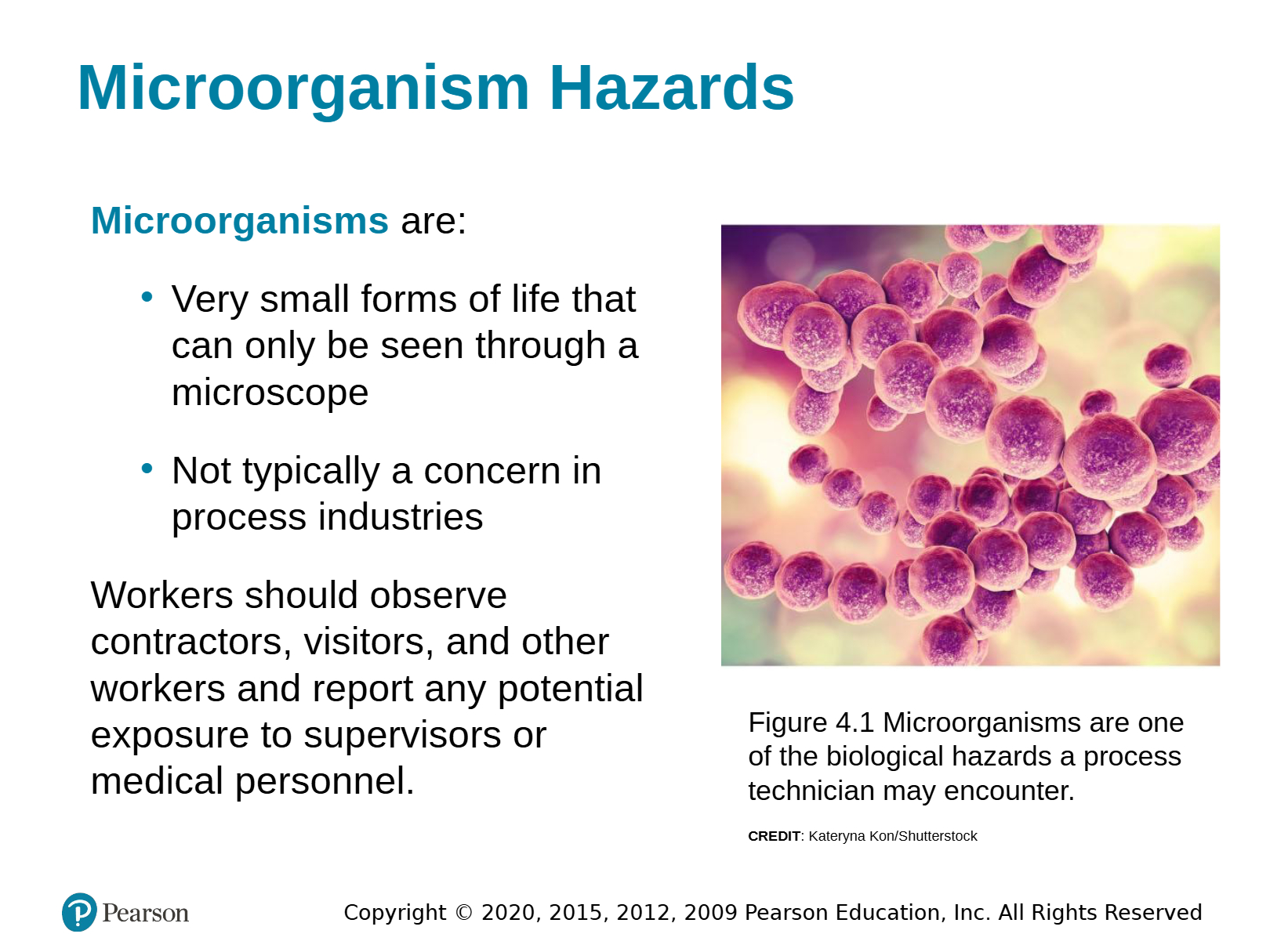
Which of the following statements about microorganisms is correct?
Microorganisms are large forms of life visible to the naked eye.
Microorganisms are typically a major concern in process industries.
Microorganisms can only be seen through a microscope.
Microorganisms should not be reported to supervisors or medical personnel.
7
8
9
Open Ended
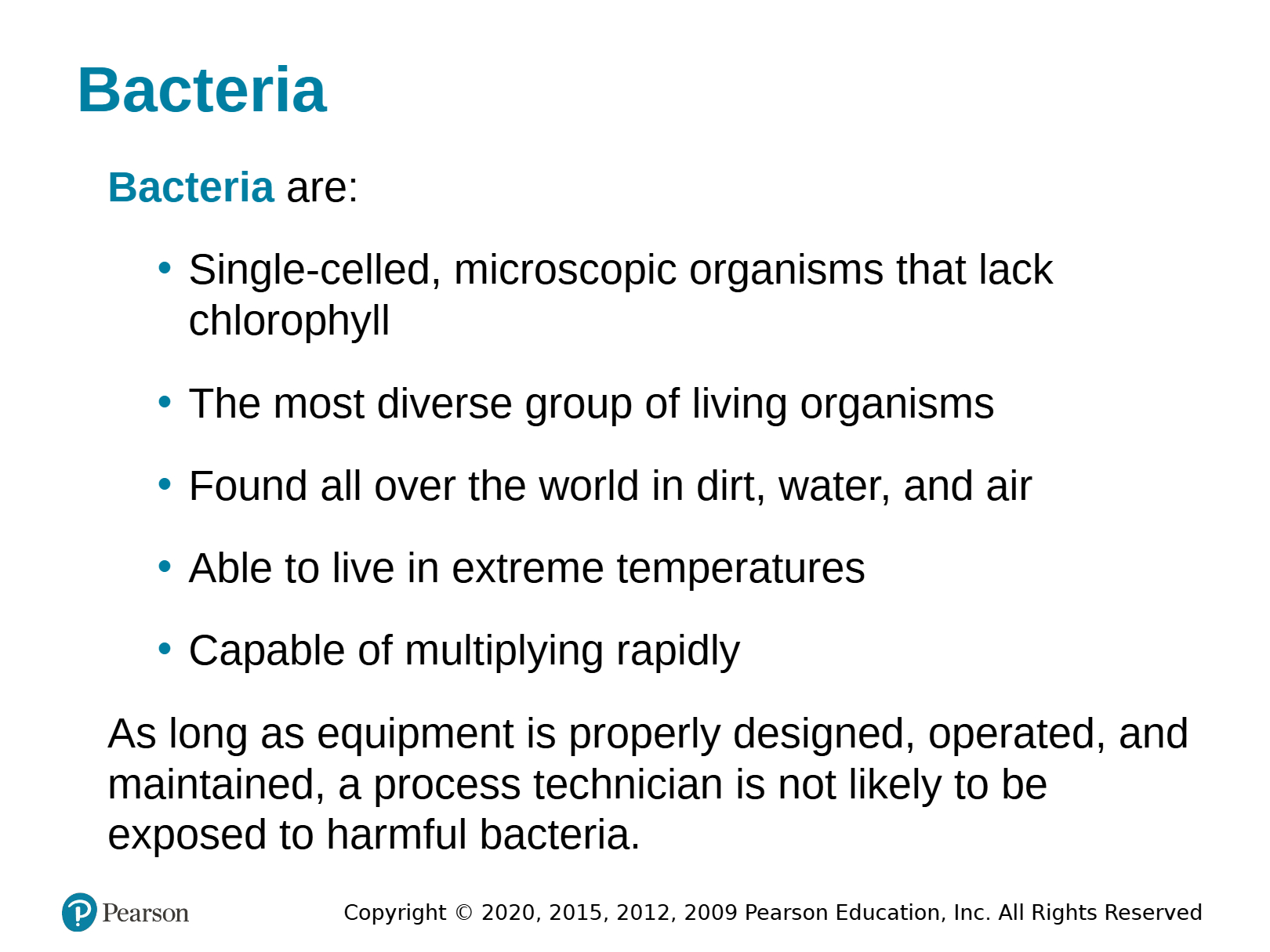
Compare and contrast the characteristics of viruses and bacteria as described in the slides.
10
11
Multiple Select
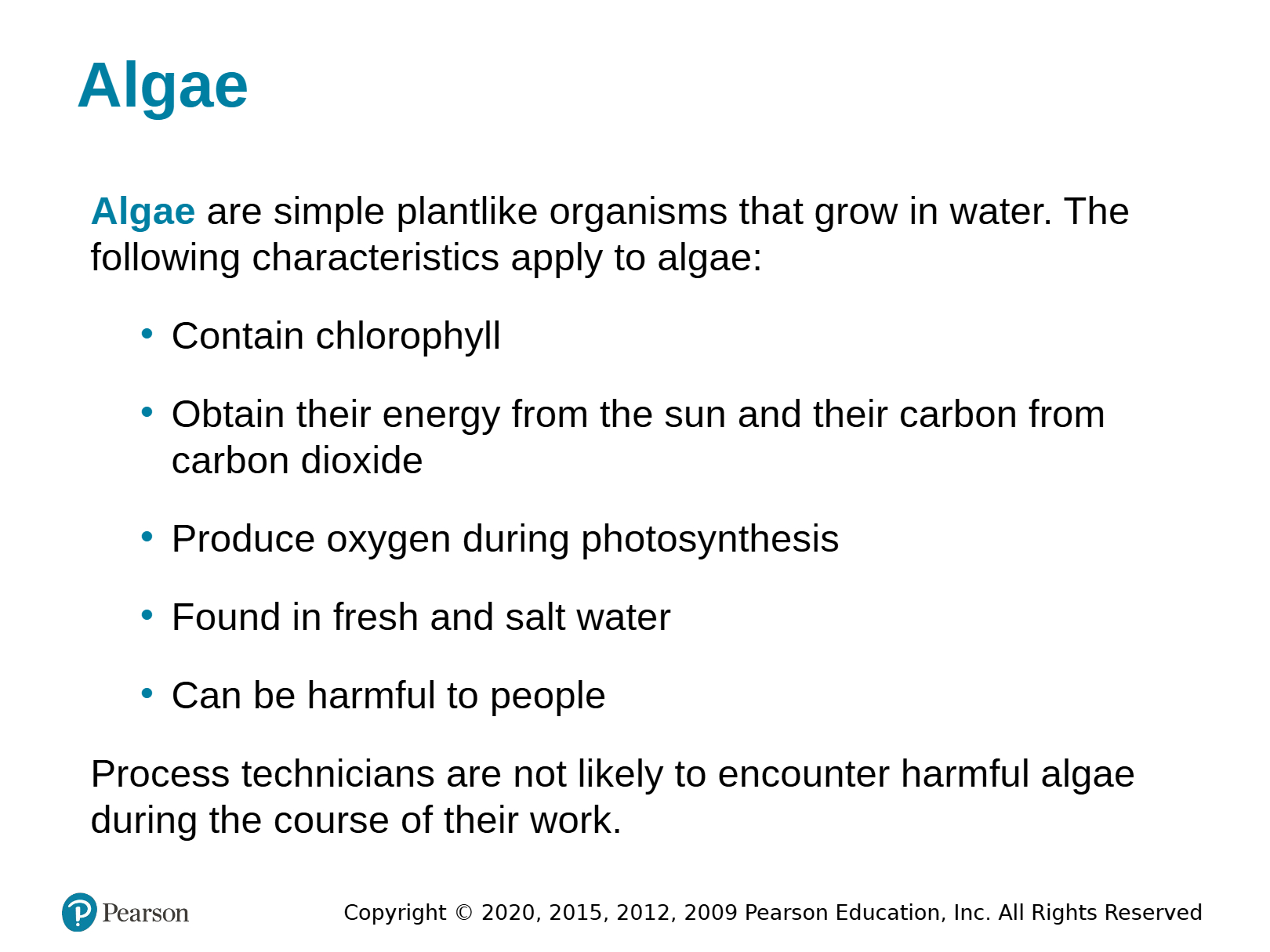
Which of the following are characteristics of algae?
Contain chlorophyll
Produce oxygen during photosynthesis
Found only in salt water
Can be harmful to people
12
13
Fill in the Blanks
Type answer...
14
15
Open Ended
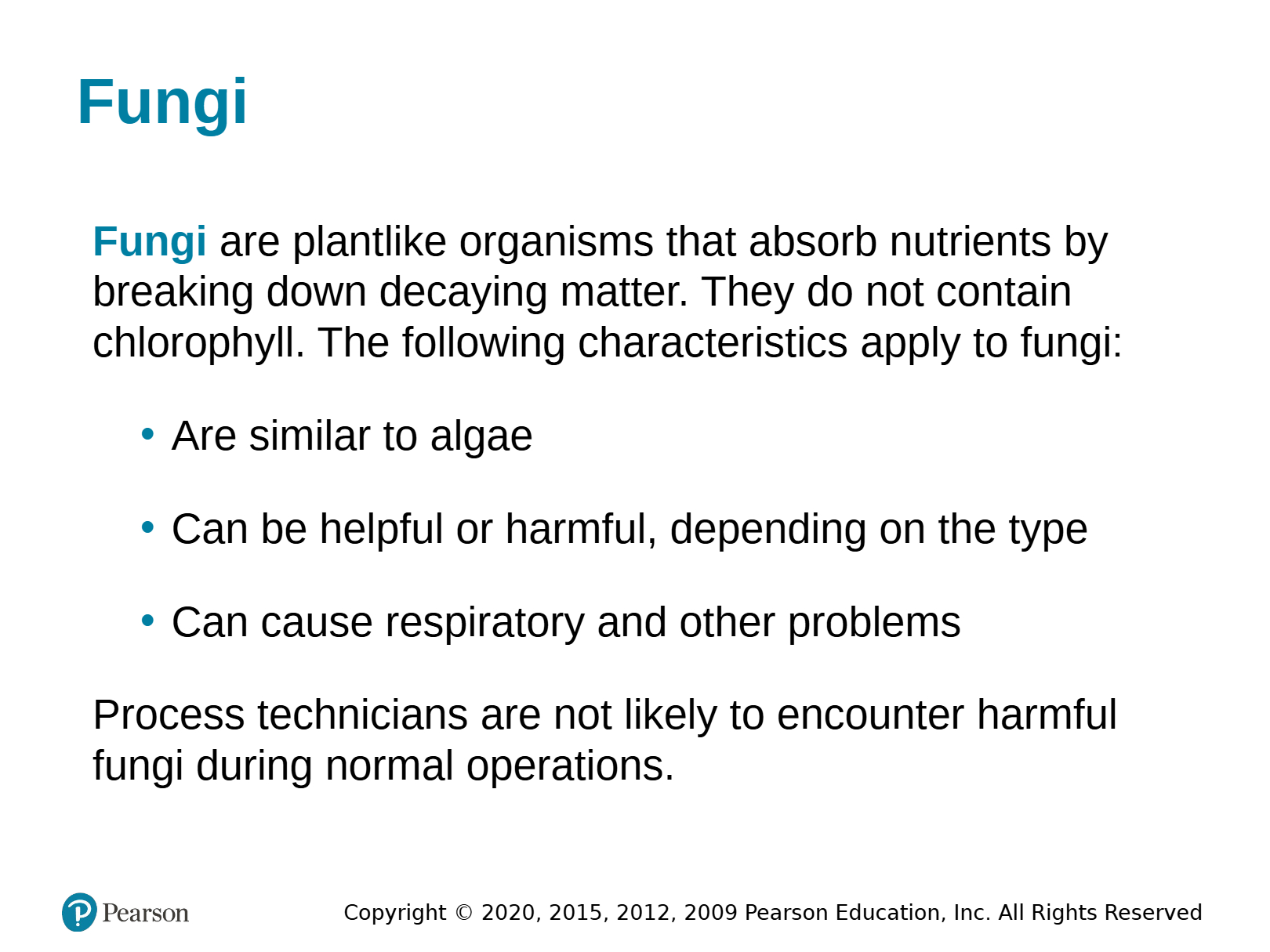
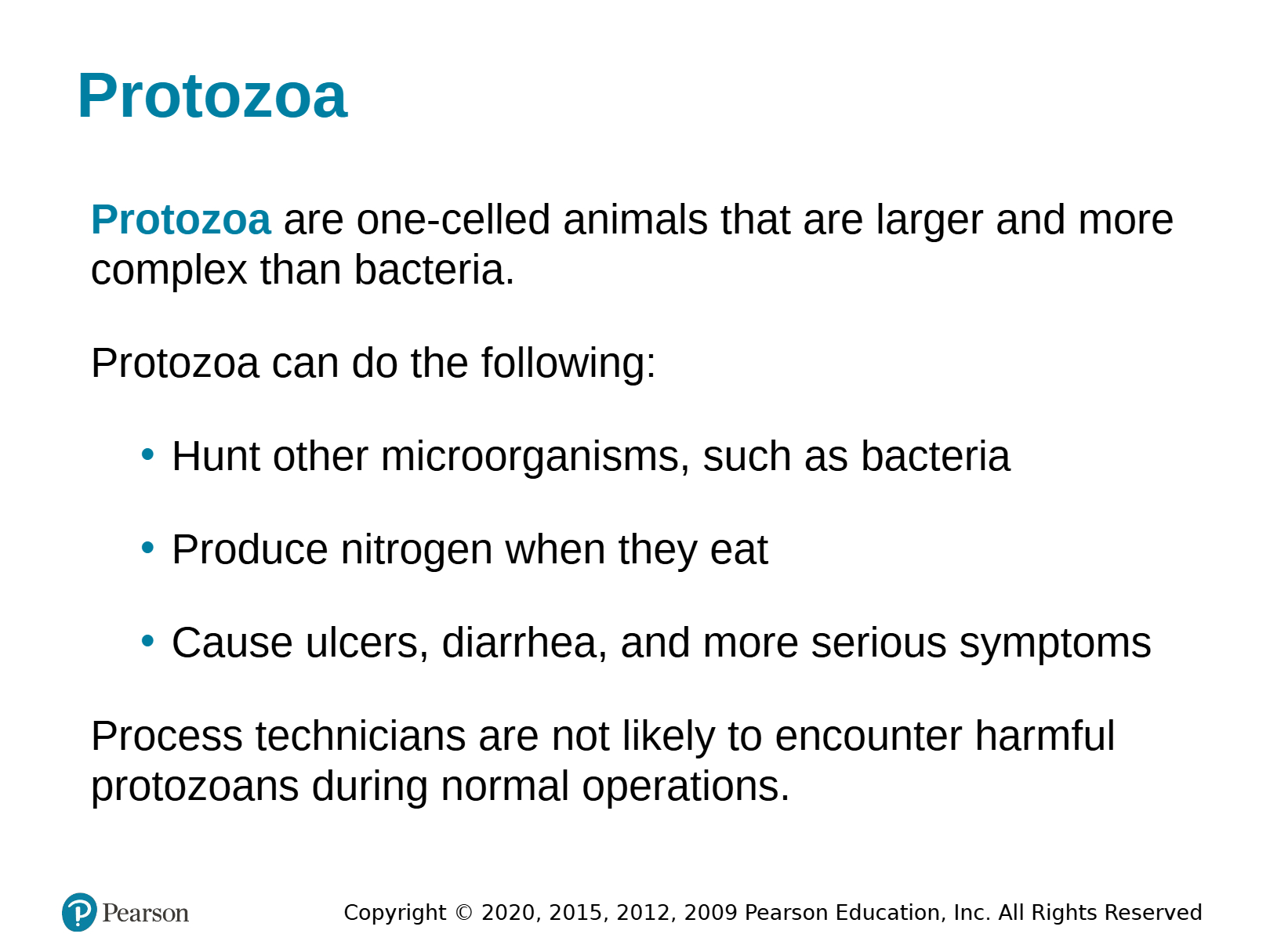
Explain why process technicians are not likely to encounter harmful microorganisms such as algae, fungi, or protozoa during normal operations.
16
Multiple Choice
Which of the following statements about protozoa is NOT true?
Protozoa are one-celled animals that are larger and more complex than bacteria.
Protozoa produce nitrogen when they eat.
Protozoa are likely to be encountered by process technicians during normal operations.
Protozoa can cause ulcers, diarrhea, and more serious symptoms.
17
18
Multiple Choice
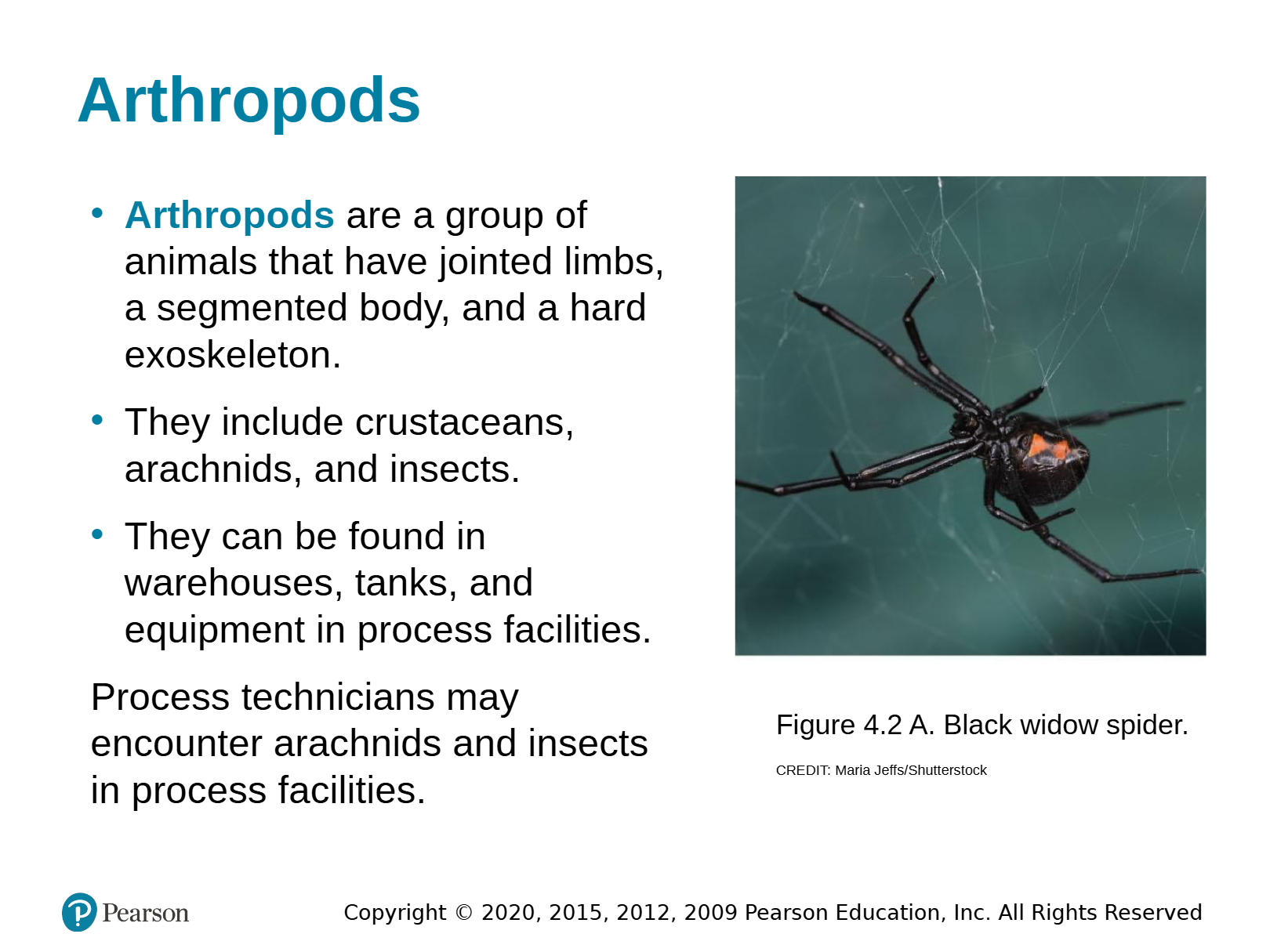
Which of the following is NOT a characteristic of arthropods?
Jointed limbs
Segmented body
Hard exoskeleton
Soft, unsegmented body
19
20
Open Ended
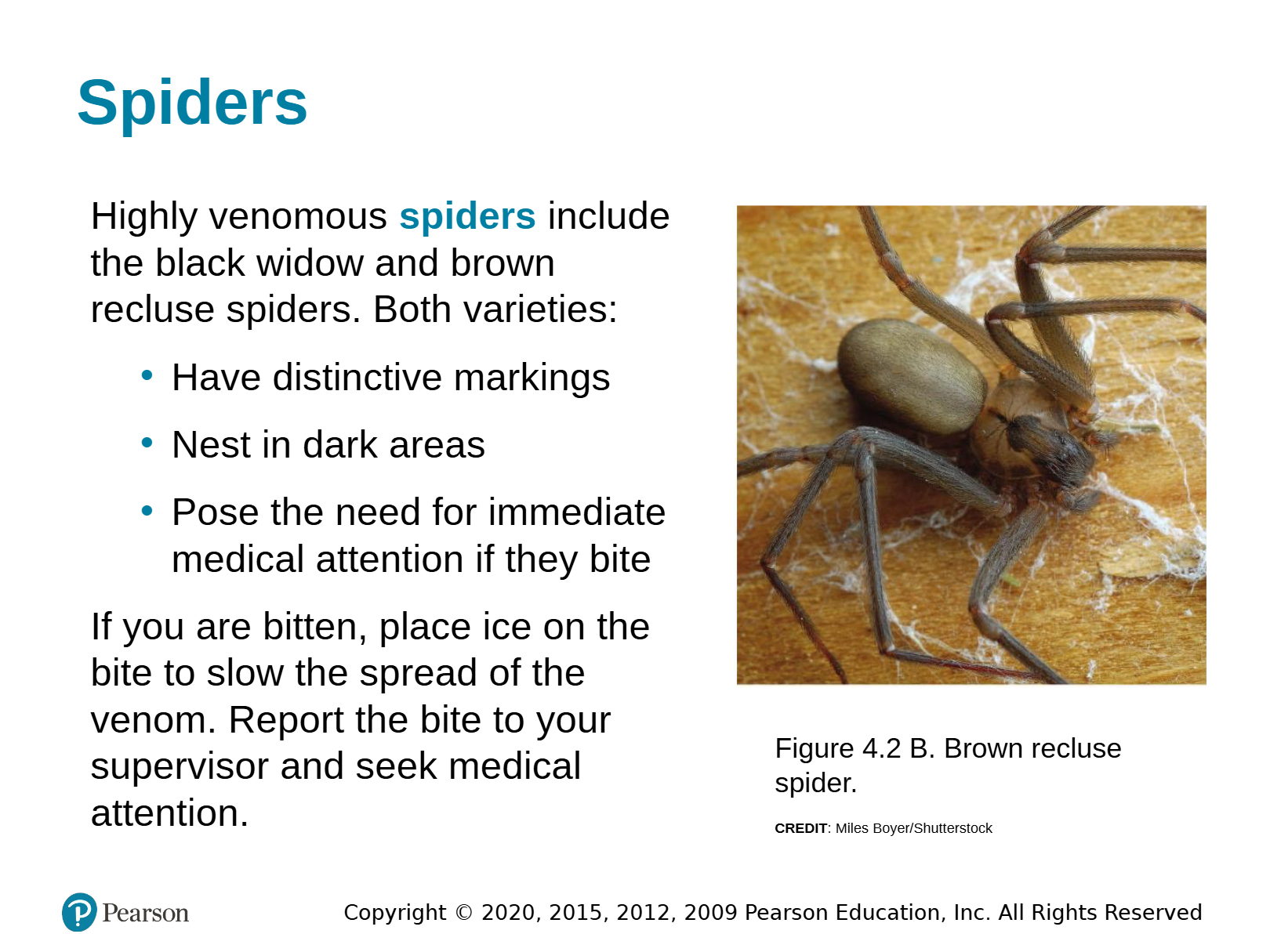
Compare the dangers posed by black widow spiders and brown recluse spiders. What steps should be taken if bitten by either?
21
22
23
Fill in the Blanks
Type answer...
24
25
Open Ended
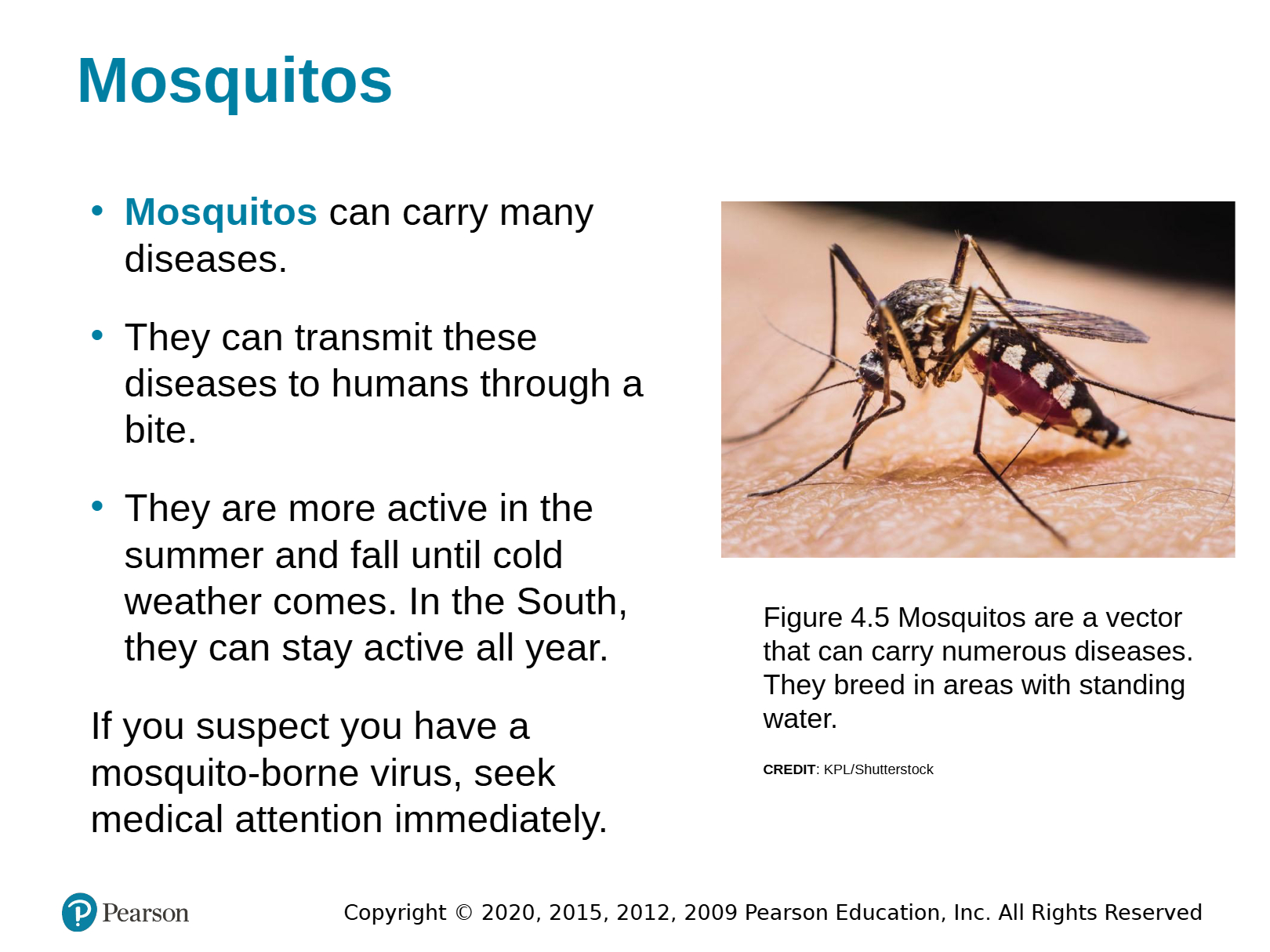
What environmental conditions increase mosquito activity, and what should you do if you suspect a mosquito-borne illness?
26
27
Multiple Choice
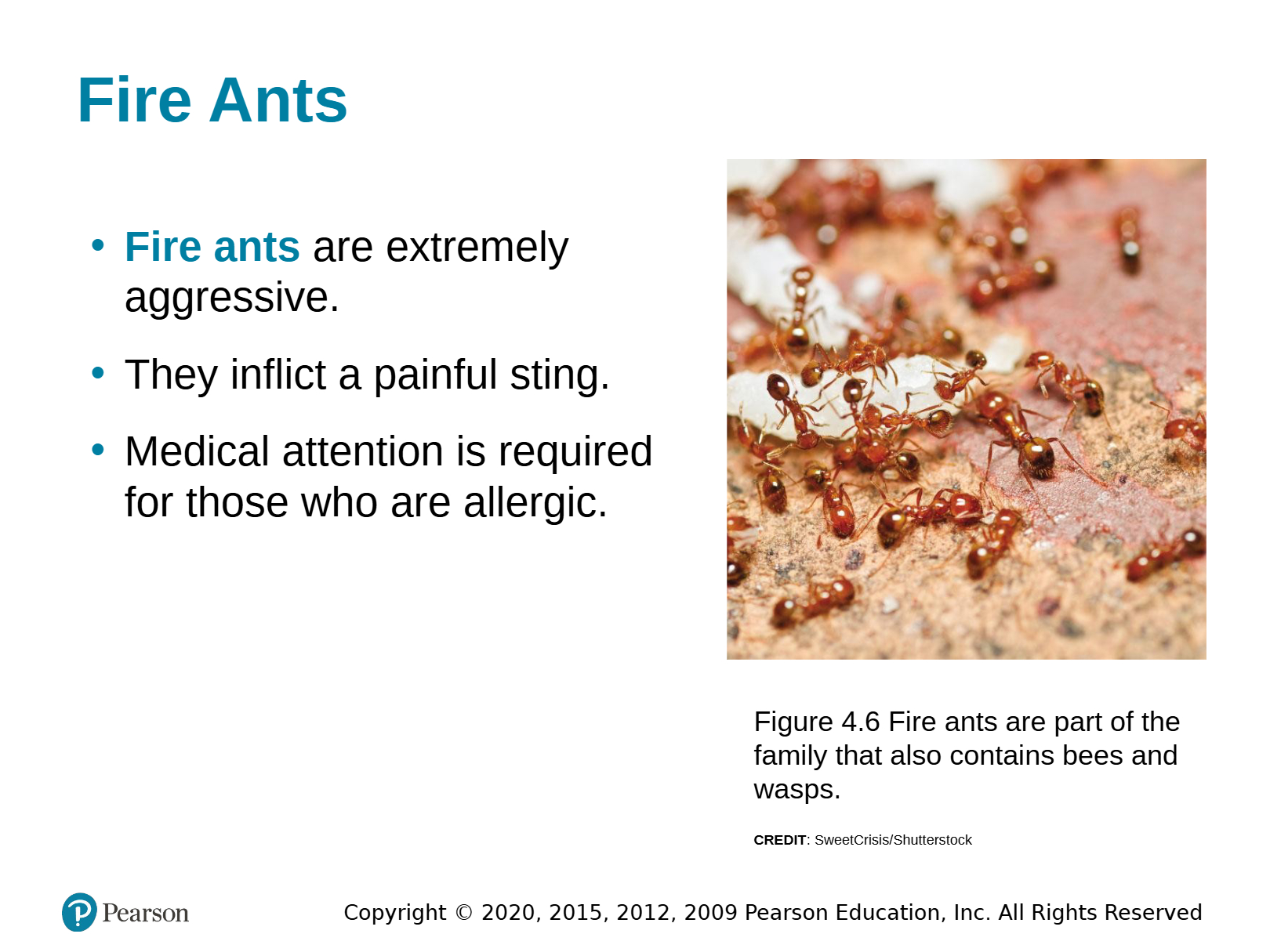
Which statement about fire ants is TRUE?
Fire ants are not aggressive.
Fire ants inflict a painful sting.
Fire ants do not require medical attention for allergic reactions.
Fire ants are part of the family that contains only ants.
28
Multiple Select
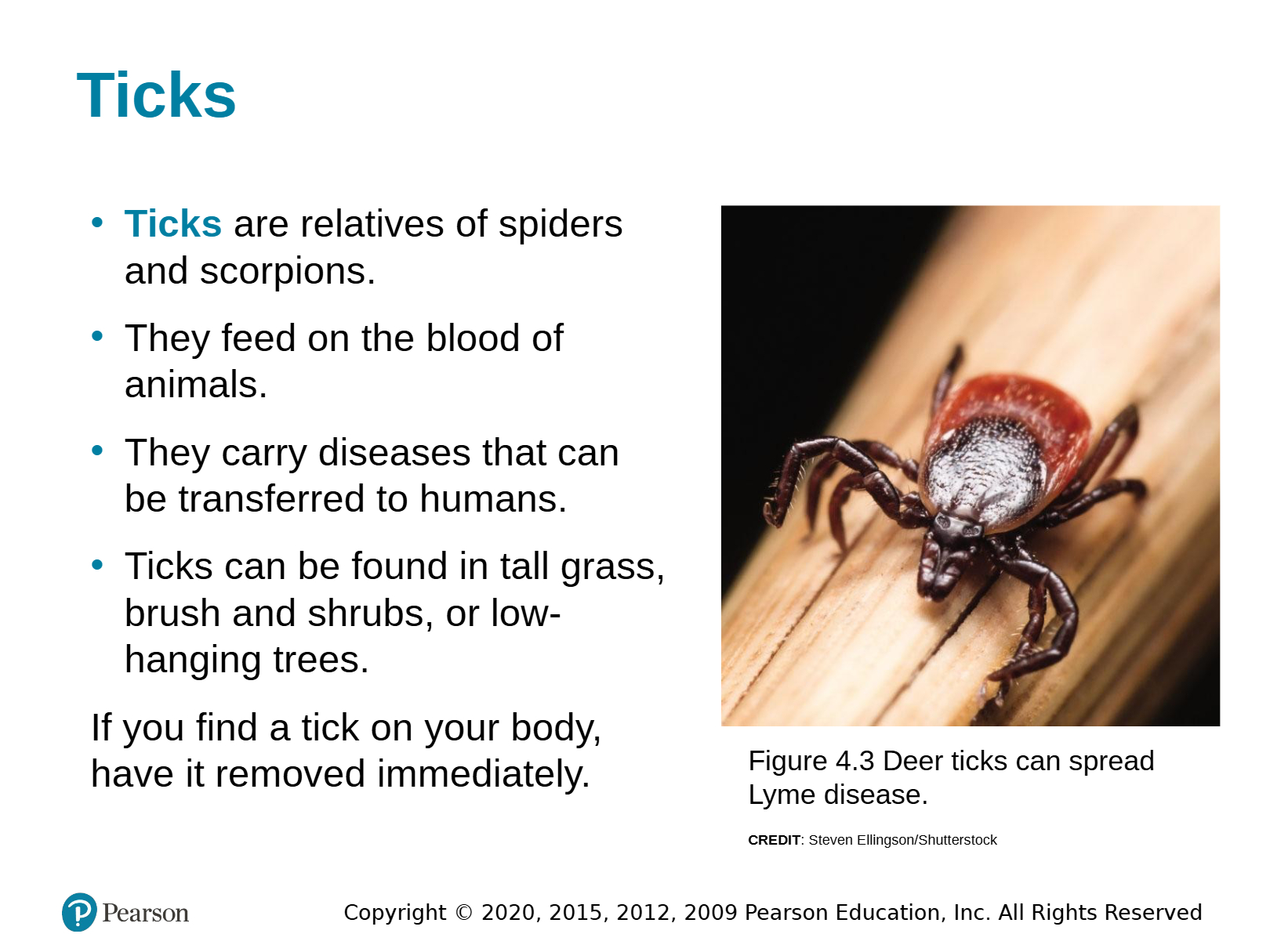
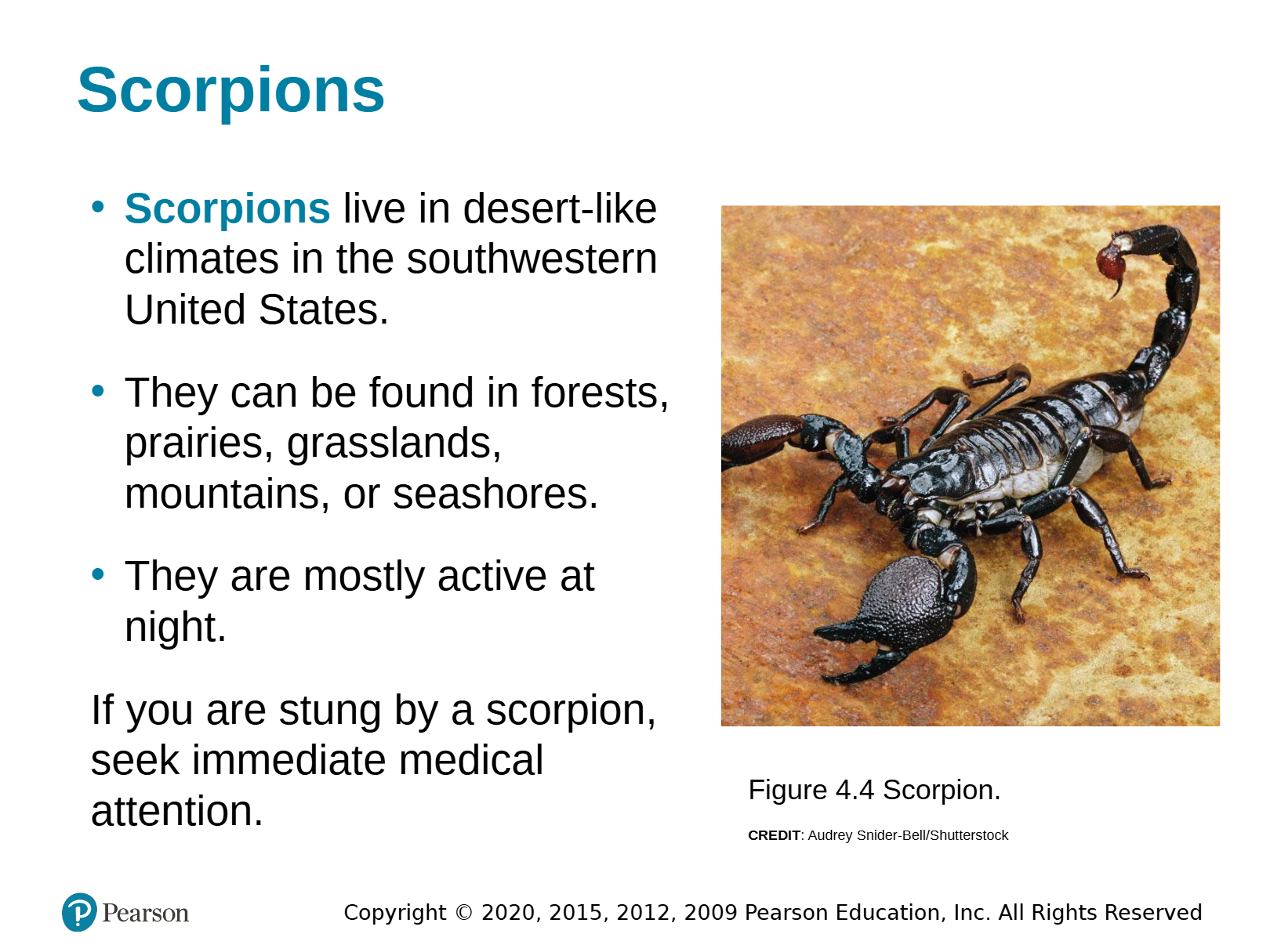
Which of the following organisms can transmit diseases to humans?
Ticks
Mosquitos
Fire ants
Scorpions
29
30
Multiple Choice
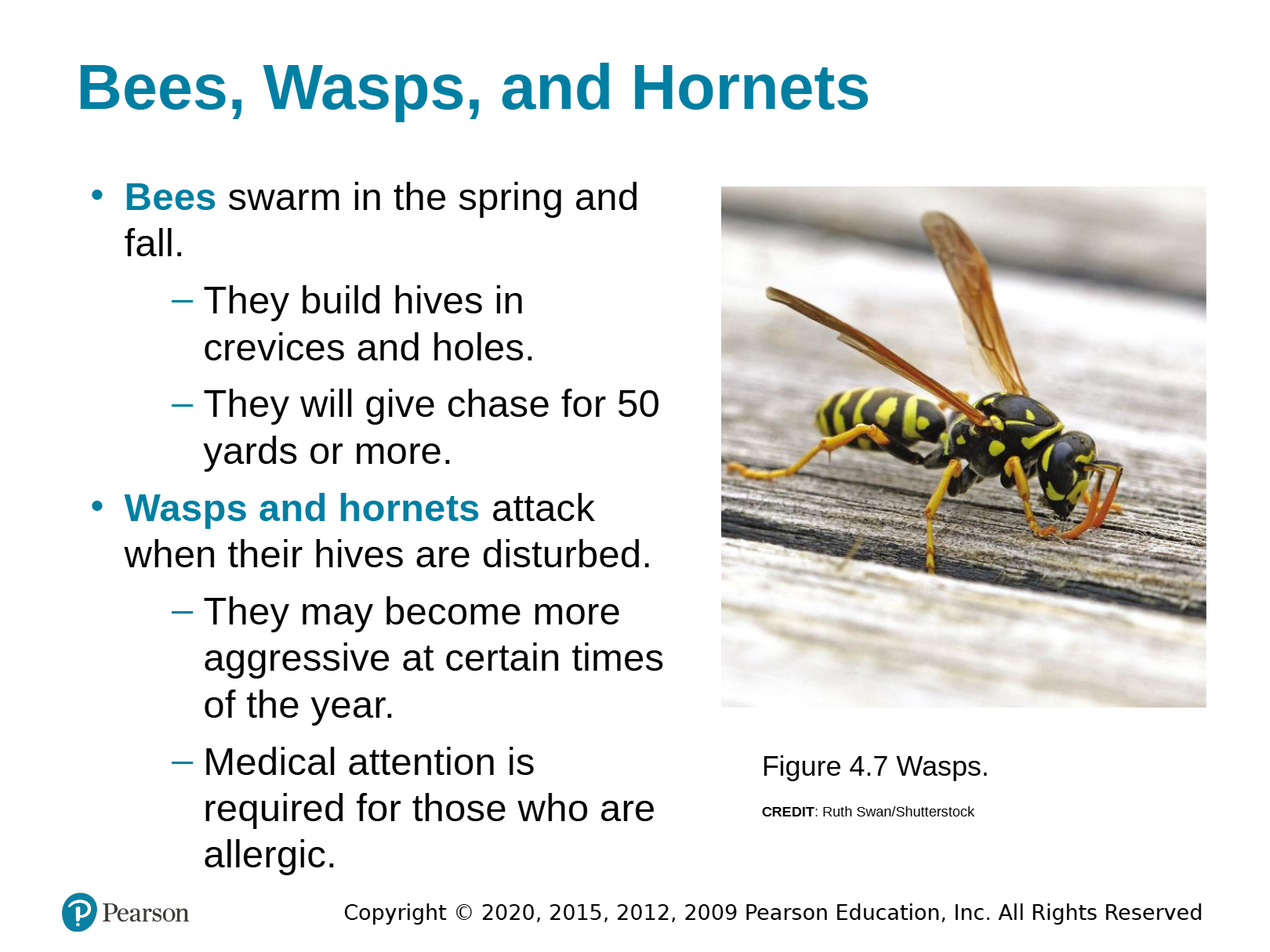
Which of the following statements about bees, wasps, and hornets is correct?
Bees attack when their hives are disturbed and require medical attention for allergic reactions.
Wasps and hornets swarm in the spring and fall and build hives in crevices and holes.
Bees build hives in crevices and holes and will give chase for 50 yards or more.
Wasps and hornets never become aggressive at any time of the year.
31
32
Multiple Choice
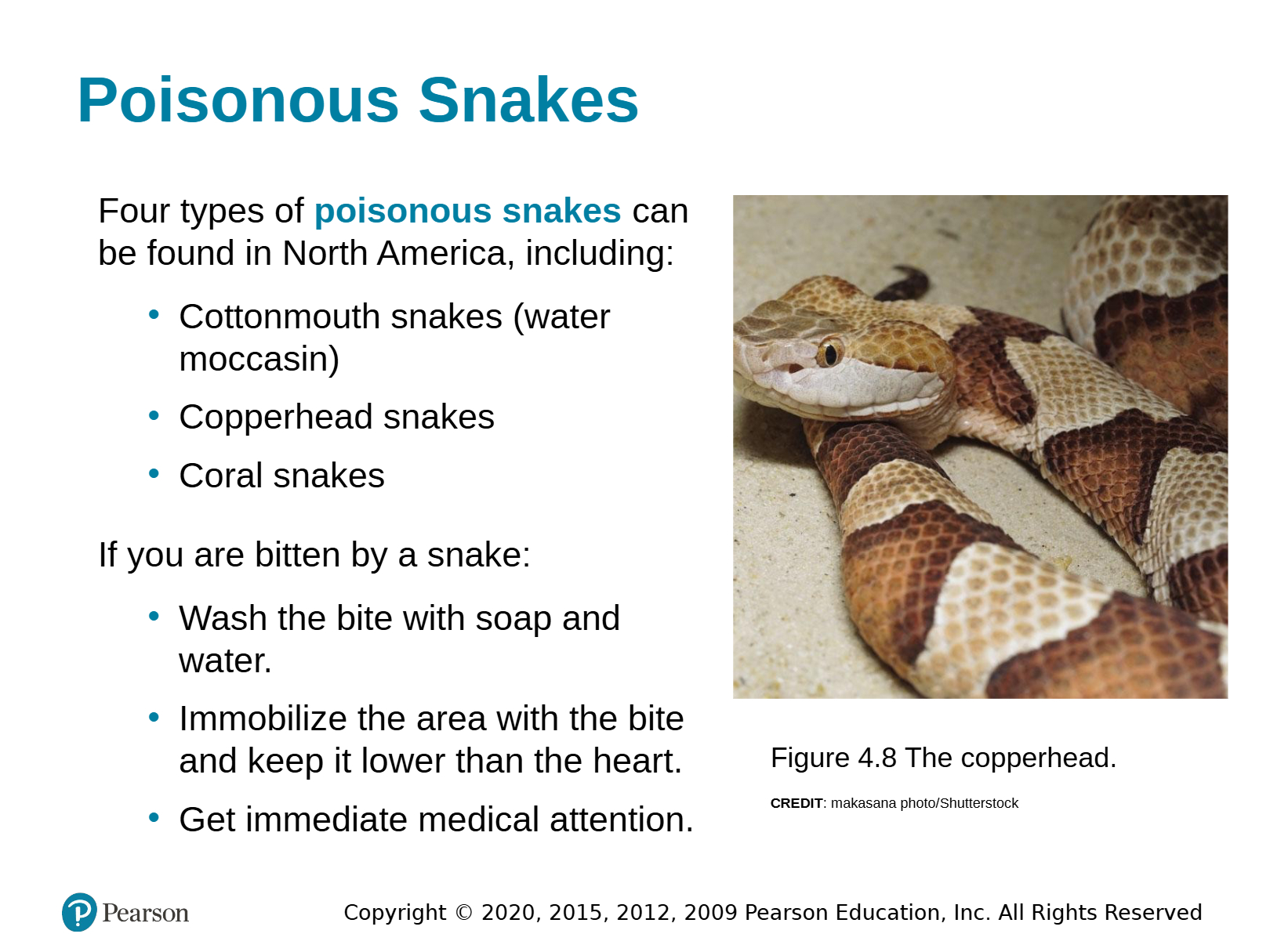
What are the recommended steps to take if you are bitten by a poisonous snake?
Apply ice to the bite and keep the area elevated.
Wash the bite with soap and water, immobilize the area, and get immediate medical attention.
Suck out the venom and bandage the bite tightly.
Ignore the bite unless symptoms appear.
33
34
Open Ended
Compare the dangers posed by animals and poisonous snakes as described in the slides.
35
36
Fill in the Blanks
Type answer...
37
38
Multiple Choice
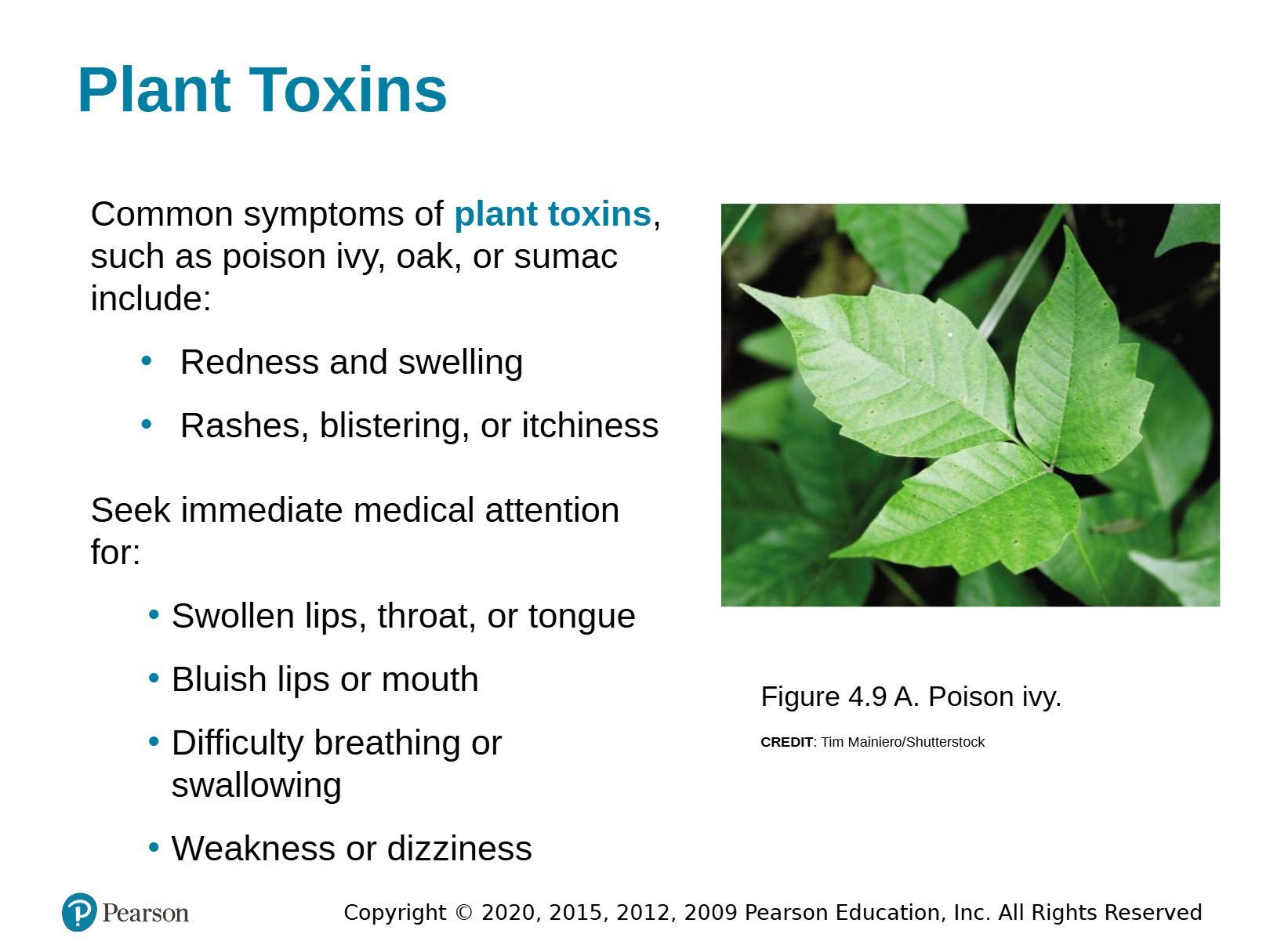
Which symptoms require immediate medical attention after exposure to plant toxins?
Redness and swelling
Rashes and itching
Sneezing and coughing
Swollen lips, bluish lips, difficulty breathing, or weakness
39
40
Open Ended
List three examples of protein allergens mentioned in the slide.
41
42
Multiple Choice
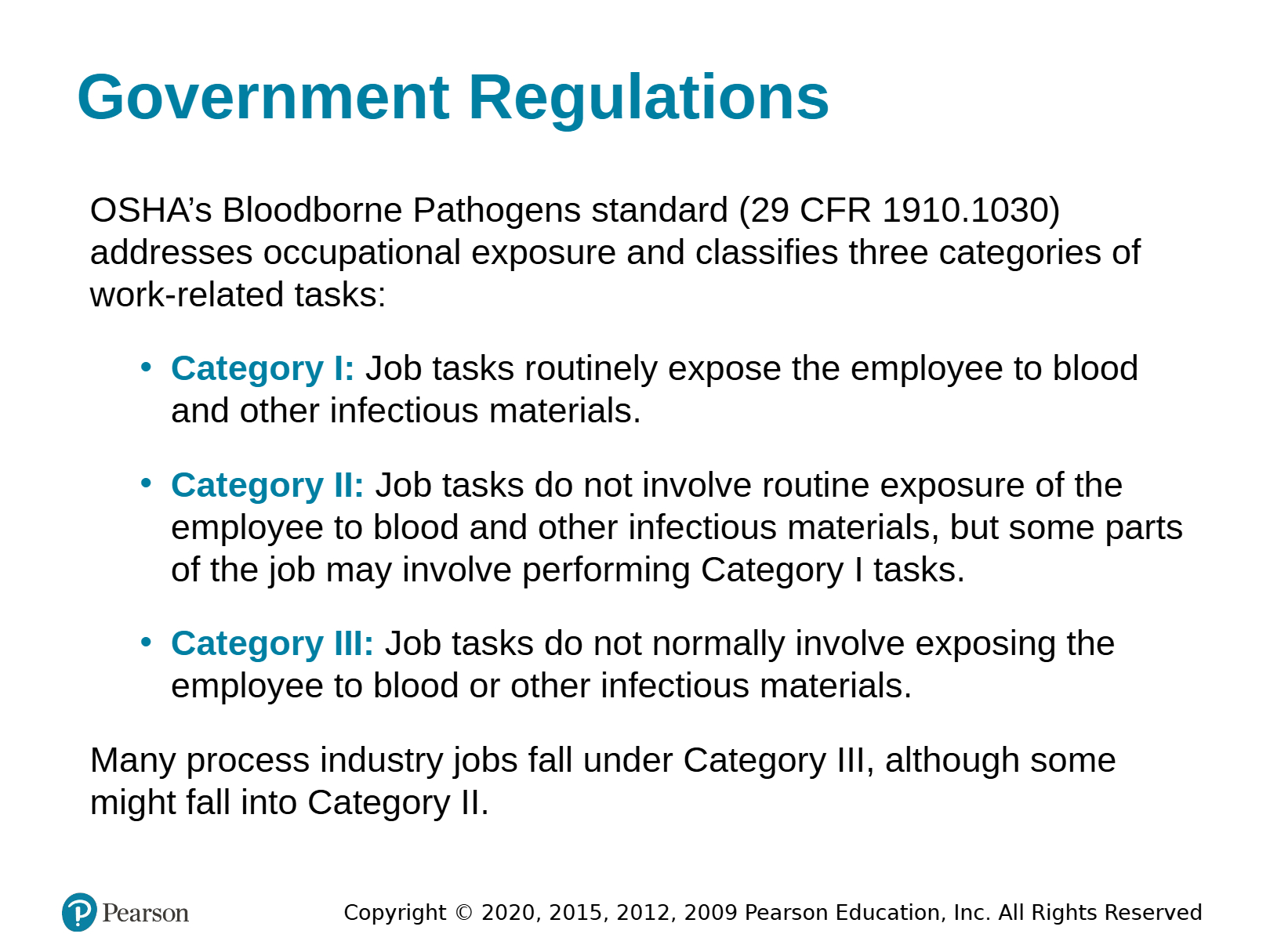
Which of the following diseases is NOT classified as a bloodborne pathogen?
Hepatitis B (HBV)
Human immunodeficiency virus (HIV)
Malaria
Influenza
43
44
45
Open Ended
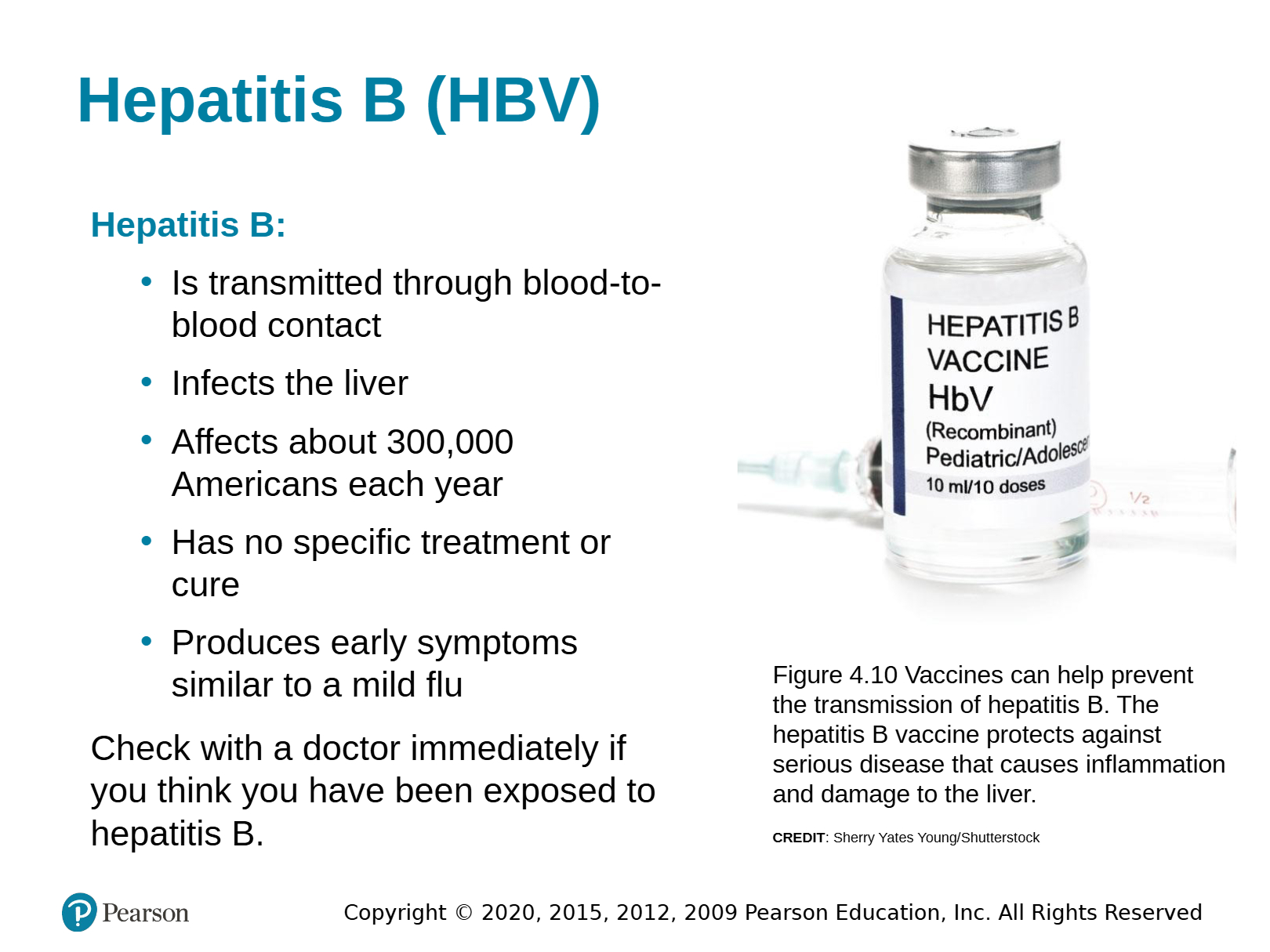
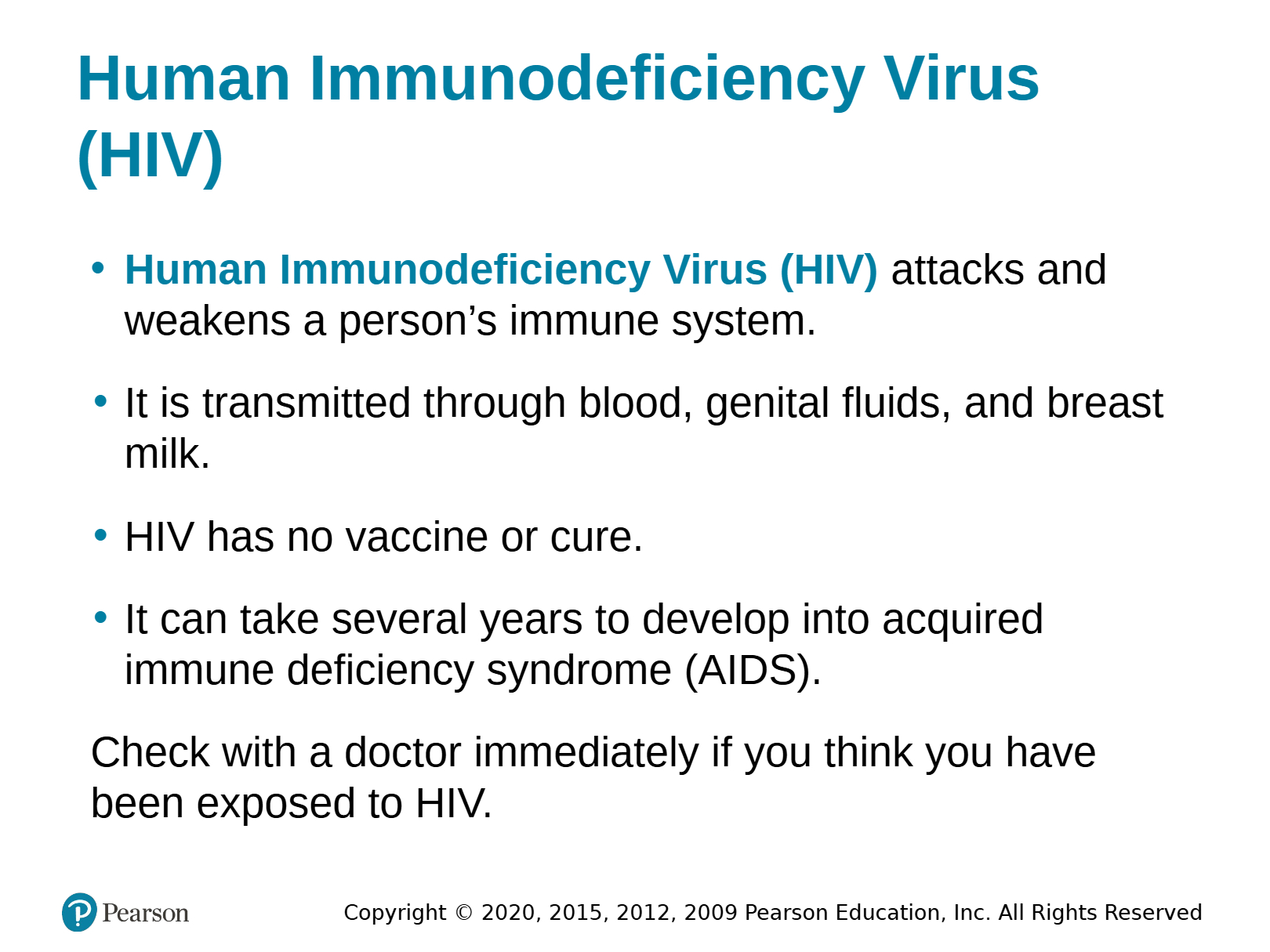
Explain how hepatitis B (HBV) and human immunodeficiency virus (HIV) are transmitted and discuss the differences in prevention and treatment options for each.
46
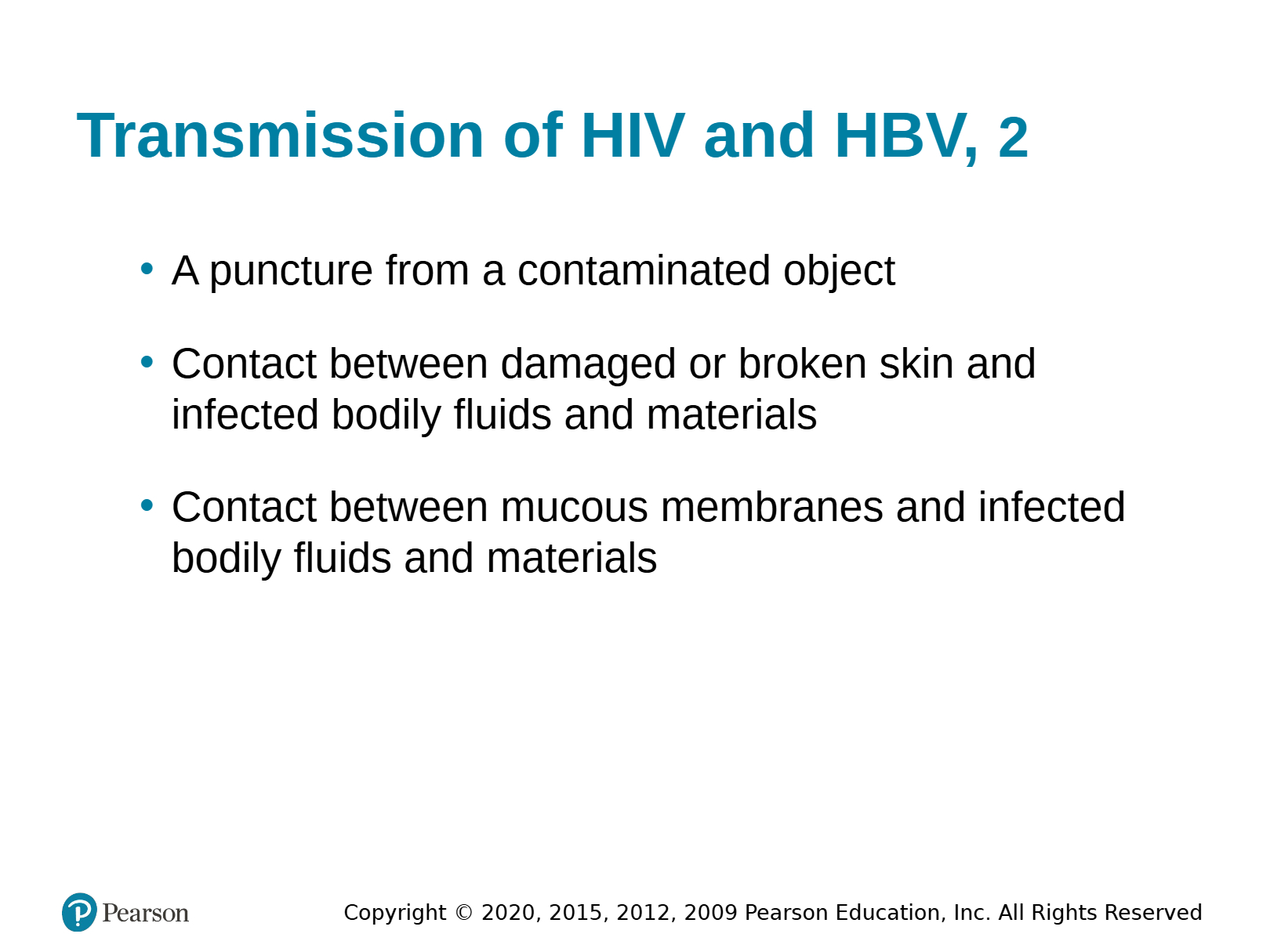
47
Multiple Select
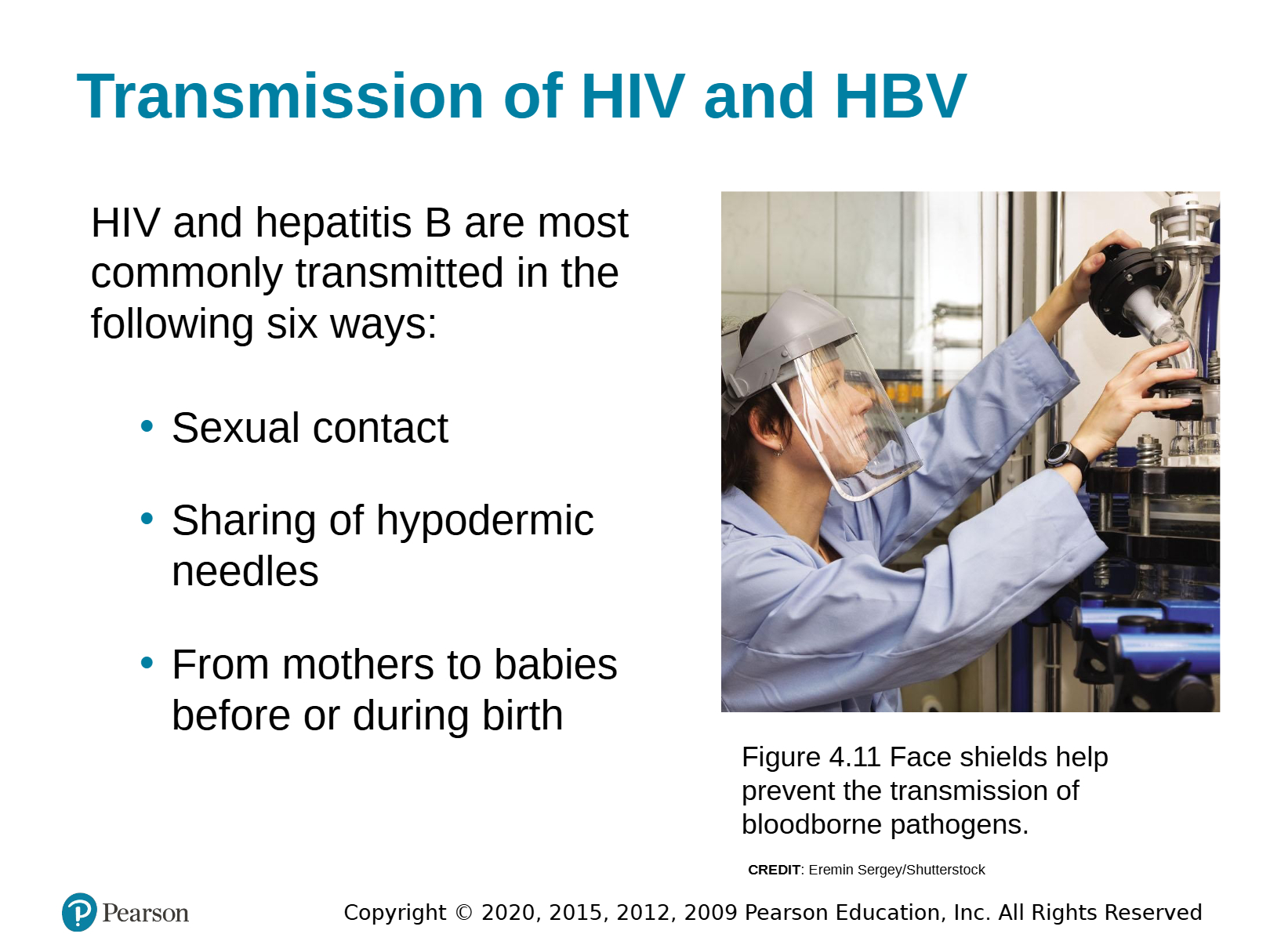
Which of the following are common ways HIV and hepatitis B can be transmitted?
Sexual contact
Sharing of hypodermic needles
From mothers to babies before or during birth
Coughing or sneezing
48
49
Fill in the Blanks
Type answer...
50
51
Open Ended
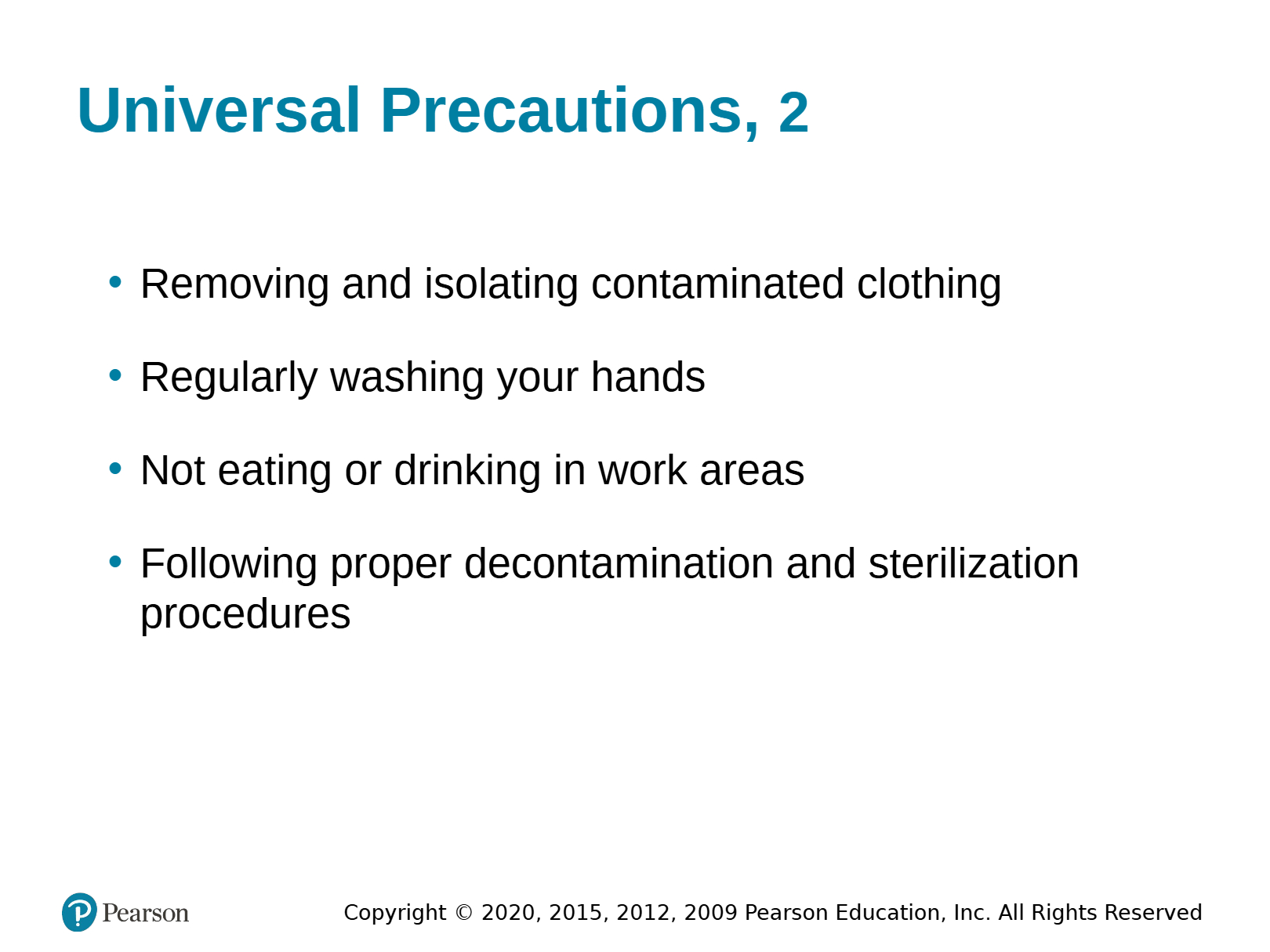
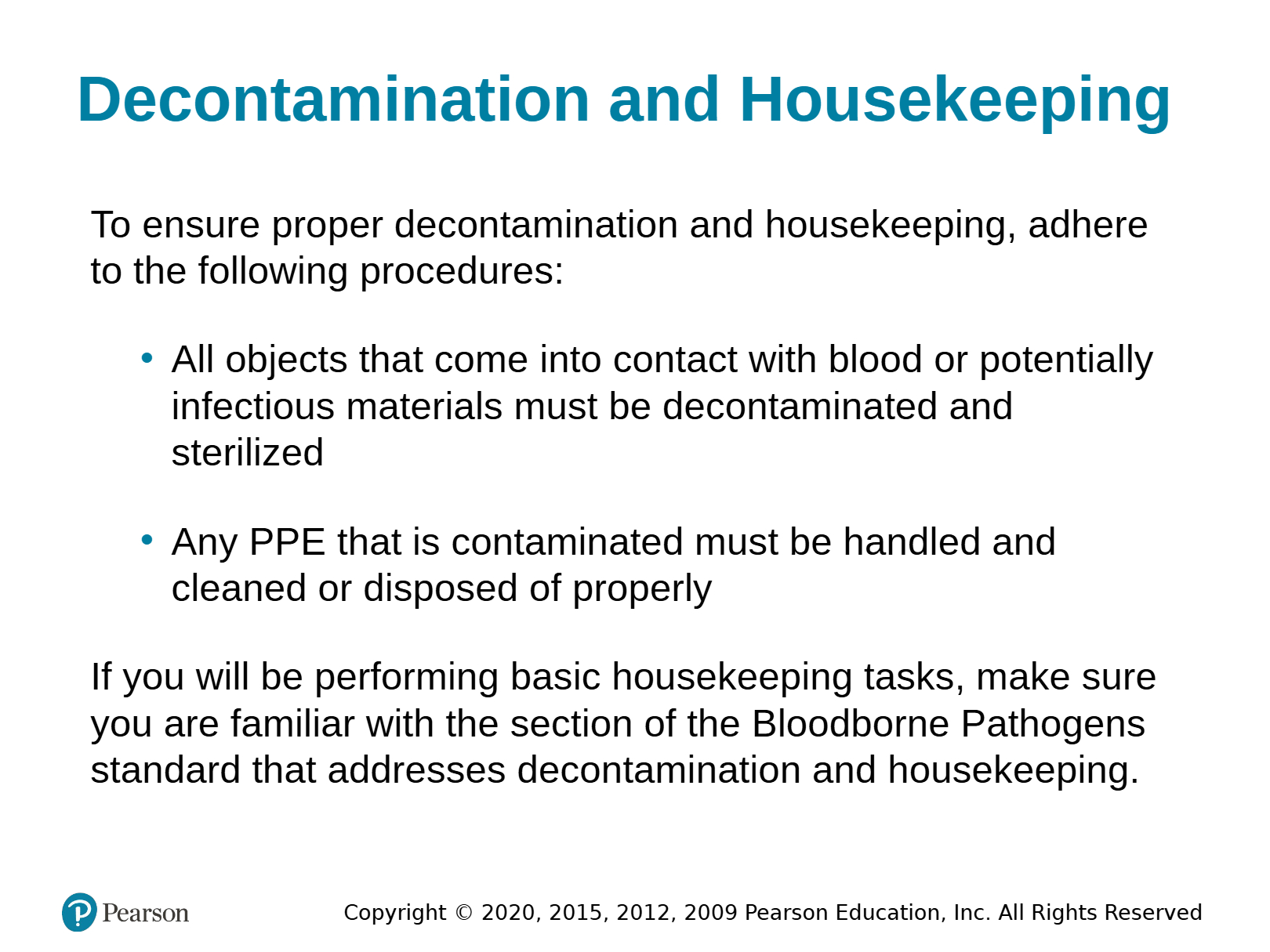
Describe the importance of following proper decontamination and sterilization procedures in work areas where exposure to bloodborne pathogens is possible.
52
Multiple Select
Which of the following are recommended universal precautions to prevent exposure to bloodborne pathogens?
Removing and isolating contaminated clothing
Regularly washing your hands
Not eating or drinking in work areas
Ignoring minor spills of bodily fluids
53
54
55
56
57
Open Ended
Reflecting on what you have learned about biological hazards, what is one question you still have or one area you would like to explore further?
58
Multiple Choice
Which of the following is NOT a common biological hazard in the process industries?
Microorganisms
Arthropods
Poisonous snakes
Radioactive isotopes
Show answer
Auto Play
Slide 1 / 58
SLIDE
Similar Resources on Wayground

53 questions
Comparative and superlative adjectives
Presentation
•
Professional Development
56 questions
Copy of G2_K9_L11_22-23
Presentation
•
KG
55 questions
FDNS1301: Chapter 20: Fish & Shellfish
Presentation
•
University
53 questions
Language and Communication
Presentation
•
Professional Development
53 questions
FC2_Level III_Unit5_ Body parts/ Imperatives
Presentation
•
Professional Development
53 questions
Exam review
Presentation
•
Professional Development
55 questions
Tutorial 1 - Internet, Cloud and E-mail
Presentation
•
University
53 questions
5| Step 3: Graphing by Slope-Intercept
Presentation
•
7th - 8th Grade
Popular Resources on Wayground
10 questions
HCS SCI 03 Summer School Review 4

Quiz
•
3rd Grade
11 questions
HSMS - Standard Response Protocol
Quiz
•
6th - 8th Grade
16 questions
1.1-1.2 Quiz Review
Quiz
•
9th - 12th Grade
12 questions
Exponent Expressions
Quiz
•
6th Grade
20 questions
Adding and Subtracting Integers
Quiz
•
6th - 7th Grade
11 questions
Northeast States
Quiz
•
3rd - 4th Grade
10 questions
Characterization
Quiz
•
3rd - 7th Grade
10 questions
Common Denominators
Quiz
•
5th Grade