

9.2 - Causes of World War I

Presentation
•
Social Studies
•
9th - 12th Grade
•
Easy

Cole Ferguson
Used 1+ times
FREE Resource
15 Slides • 1 Question
1
Causes of World War I

2
On This Day in History!(2/26)
On this day in 1815, Napoleon escaped his exile in Elba and returned to France for 100 days.
1815- Napoleon leaves Elba
On this day in 1917, President Woodrow Wilson is informed about the Zimmerman Telegram, in which German foreign secretary Arthur Zimmerman attempted to get Mexico to attack the United States to keep them out of World War I.
1917- Zimmerman Telegram


3
Today!
Today we will:
identify underlying causes of World War I
evaluate whether World War I was inevitable or a result of a specific event
Riddle! - How can you tell the difference between dogs and trees?
4
By their bark

5
Vocabulary
Allied Powers - included Britain, France, Russia, Italy, and their allies and colonies. The United States joined the Allied Powers later, in 1917
Central Powers - included Germany, Austria-Hungary, the Ottoman Empire, and their allies and colonies. The Ottoman Empire joined the war in October of 1914 due to an alliance with Germany
conscription - or military drafts, which required men in specified age ranges to serve time in the military
Franz Ferdinand - Archduke and heir to the Austro-Hungarian throne
Militarism - the belief that one’s country should increase its military power and be prepared to use it aggressively
Triple Alliance - Germany, Austria-Hungary and Italy
Triple Entente - Russia, France and United Kingdom
6
Completed Notes!
The Completed notes are found in today's lesson!
They are in the "prep for success" section

7
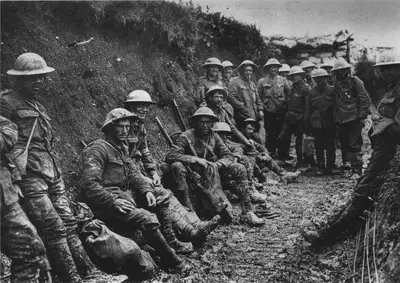
Main Causes of WWI
M --> Militarism
A --> Alliances
I --> Imperialism
N --> Nationalism
There were not isolated issues, they were all connected.
Nationalism inspired imperialism and the build up of militaries.
Nations formed alliances to protect against rival's militaries.
8
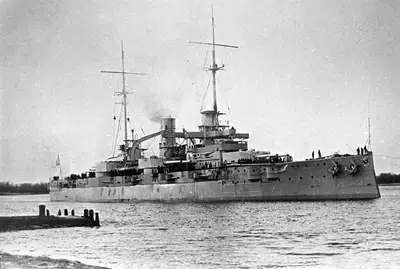
Militarism
Militarism is the belief that a country should increase their military power and be prepared to use it aggressively.
During the 1870s and 1880s major powers such as Britain, Germany and Russia increased the size of their armies and navies.
Military breakout led to increased international tensions and is considered a major factor of the outbreak of WWI.
9
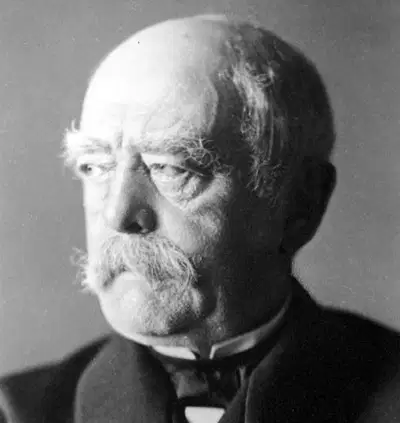
Alliances
During the nineteenth century major European powers went to great lengths of power throughout Europe.
They hoped created alliances would help them fight back against attackers and that the alliances would discourage rivals from attacking.
Triple Alliance --> Germany and Austria-Hungary
Triple Entente --> U.K., France, and Russia
10
11
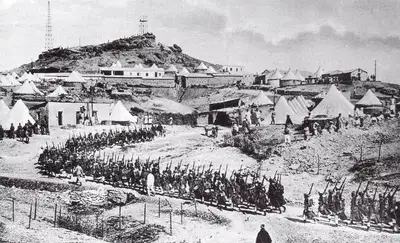
Imperialism
Nations used their power and forces during the nineteenth century to acquire land and resources.
They also used their power for influence around the world.
Competition for global power fueled tension among European powers.
12
Nationalism
Nationalism fueled tensions prior to the start of WW1.
Nationalism led to the unity of Germany and Italy.
Many nationalist movements took place in the Balkans, Austro-Hungarian Empire, and the Russian Empire.
Ethnic Serbs rebelled against the Ottoman Empire and established an independent Serbia.
Many other ethnic Serbian people were still under control of the Austro-Hungarian Empire and tensions increased between Serbia and Austria-Hungary.
Serbia and Russia made an alliance due to their shared culture. They had similar languages and the Orthodox Christian religion.
13
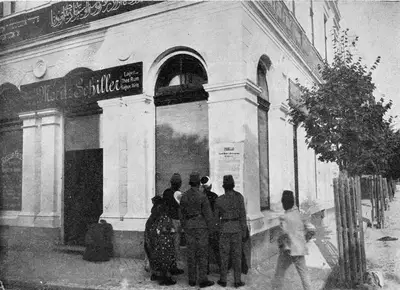
Assassination of Franz Ferdinand
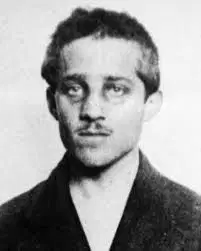
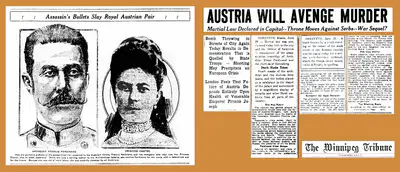
Serbian nationalist Gavrilo Princip assassinated Archduke Franz Ferdinand and his wife.
Franz Ferdinand was heir to the Austro-Hungarian throne.
Gavrilo Princip believed that killing Ferdinand would help the Serbian people gain freedom from Austro-Hungarian control.
This assassination led to a series of events that brought the start of World War I.
Watch video in Edio.
14
Agree or Disagree?
Do you agree or disagree with this statement?
"World War I could have been avoided if Franz Ferdinand's assassination had not occurred."
15
Multiple Choice
Which underlying cause of World War I does the assassination of Archduke Franz Ferdinand of Austria represent?
Militarism
Alliances
Imperialism
Nationalism
16
Tomorrow!
Tomorrow we will learn about a New Kind of War
If you have any questions please ask!
Have a great rest of your day!
Causes of World War I
Show answer
Auto Play
Slide 1 / 16
SLIDE
Similar Resources on Wayground

11 questions
World History PDOL 3 Review
Presentation
•
9th - 12th Grade
11 questions
Earth Sciences: Earth's Spheres
Presentation
•
9th - 12th Grade
12 questions
Parallelograms
Presentation
•
9th - 12th Grade
10 questions
Demonstrative Adjectives and Pronouns
Presentation
•
9th - 12th Grade
10 questions
Passe Compose avec Etre
Presentation
•
9th - 12th Grade
12 questions
El verbo estar
Presentation
•
9th - 12th Grade
12 questions
Text Structure 1
Presentation
•
9th - 12th Grade
10 questions
Counterclaim and Rebuttal
Presentation
•
9th - 12th Grade
Popular Resources on Wayground
10 questions
HCS SCI 03 Summer School Assessment 1

Quiz
•
3rd Grade
15 questions
HCS SCI 05 Summer School Assessment 1 Review
Quiz
•
5th Grade
22 questions
Day 9 Equations and Inequalities Review
Quiz
•
9th Grade
10 questions
Writing and Identifying Ratios Practice
Quiz
•
5th - 6th Grade
7 questions
PYRAMID PERSPECTIVES part 1
Presentation
•
9th - 12th Grade
12 questions
Understanding the Fourth of July
Quiz
•
9th Grade
15 questions
Soccer World Cup Quiz Questions
Quiz
•
7th Grade