

PLTW CEA 2.3.9 Residential Plumbing

Presentation
•
Engineering
•
9th - 12th Grade
•
Practice Problem
•
Easy

Trisha Brockoff
Used 1+ times
FREE Resource
17 Slides • 19 Questions
1
2

3
Multiple Select
What are today's learning targets?
Describe the components and functions of residential plumbing systems.
Plan and design a plumbing system for an affordable housing project.
Apply residential plumbing code requirements to ensure system compliance.
Analyze and solve water supply problems for different scenarios, ensuring proper water pressure and flow rate.
Calculate static head and dynamic head for a water supply system based on given parameters.
4
Open Ended
Why do you think Albert Einstein valued the profession of plumbing so highly that he said he would become a plumber if he had to do it all over again?
5
6
Multiple Choice
Which of the following is NOT typically considered a part of residential plumbing systems?
Water Supply System
Drain-Waste-Vent System
Plumbing Codes
Electrical Wiring
7
8
9
Multiple Choice
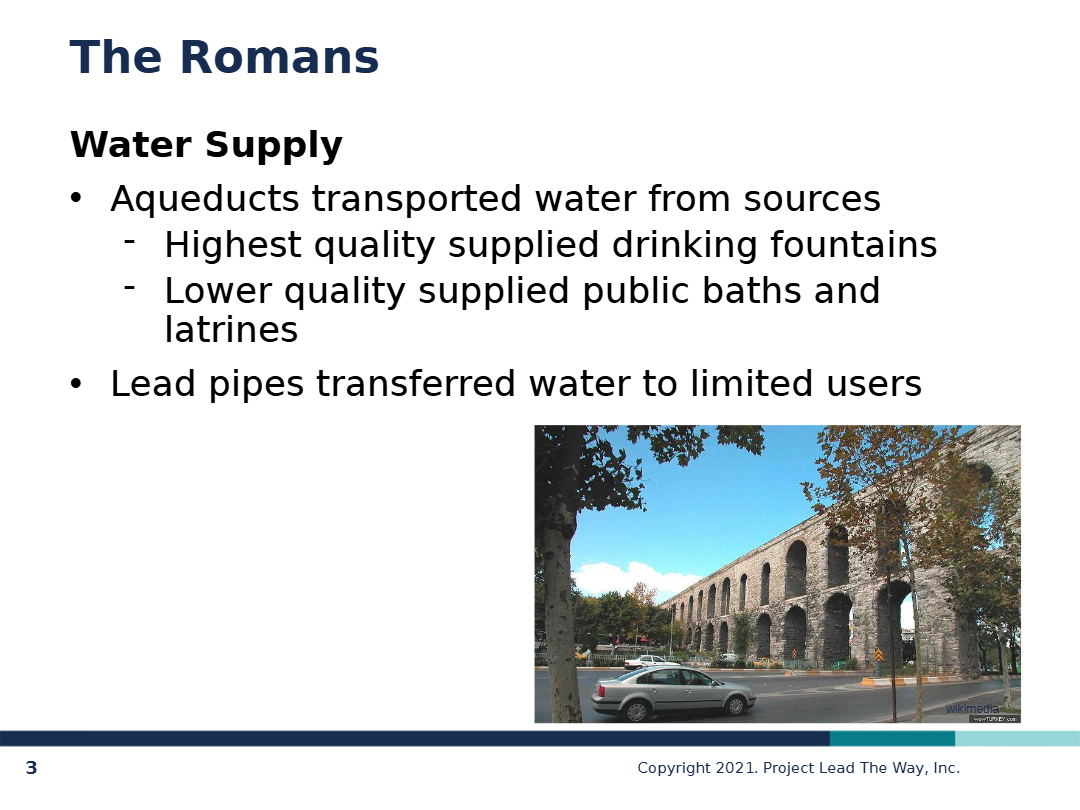
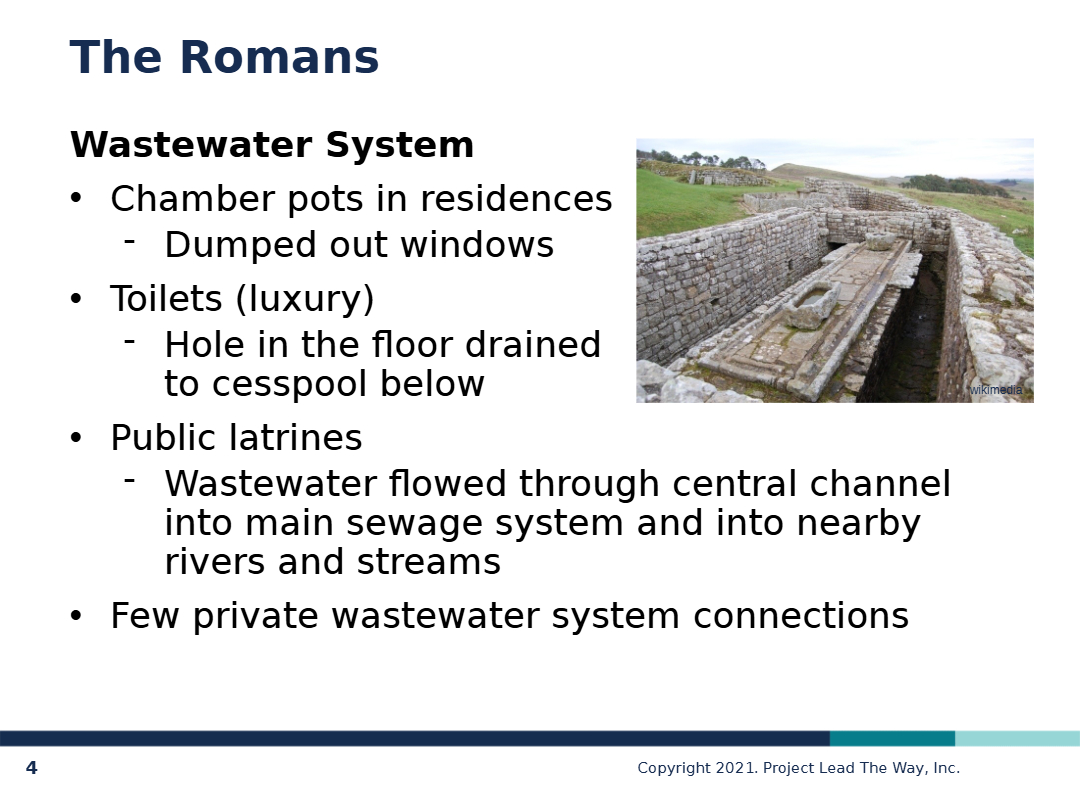
Compare the water supply methods used by the Romans with their wastewater system. What were the main differences in how water was transported and disposed of?
10
11
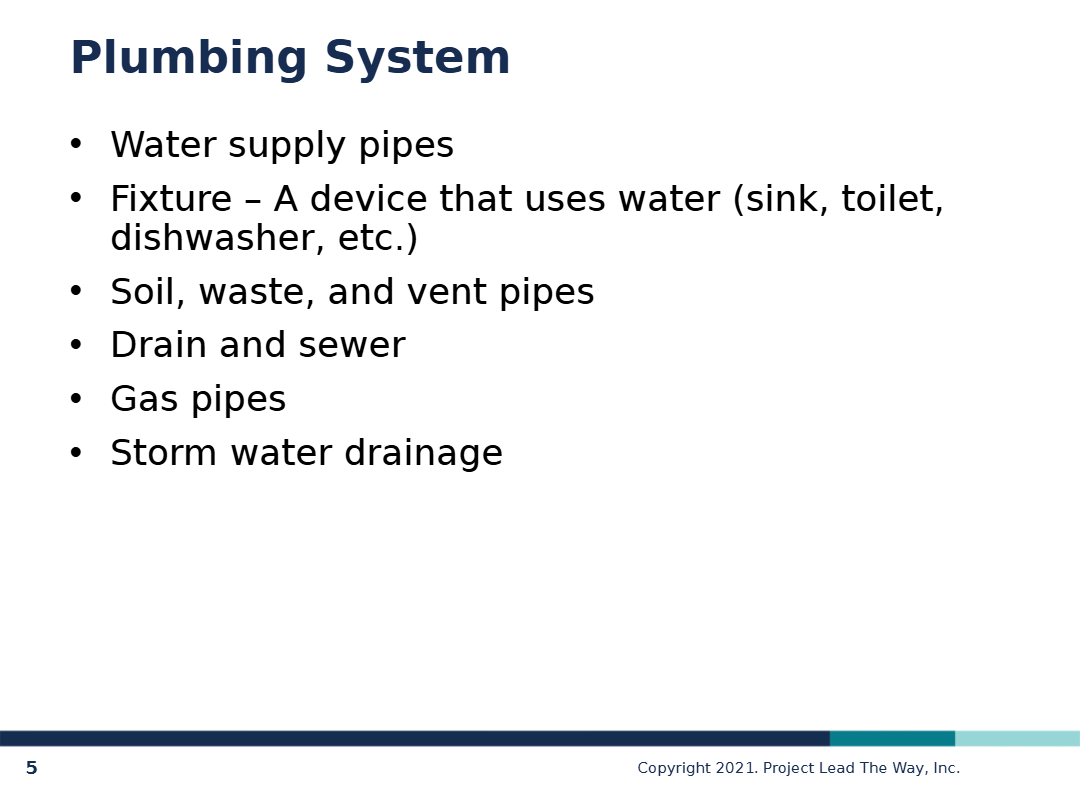
Multiple Choice
Which of the following was NOT a component of the plumbing system described in the slides?
Water supply pipes
Fixture
Gas pipes
Electric wires
12
13
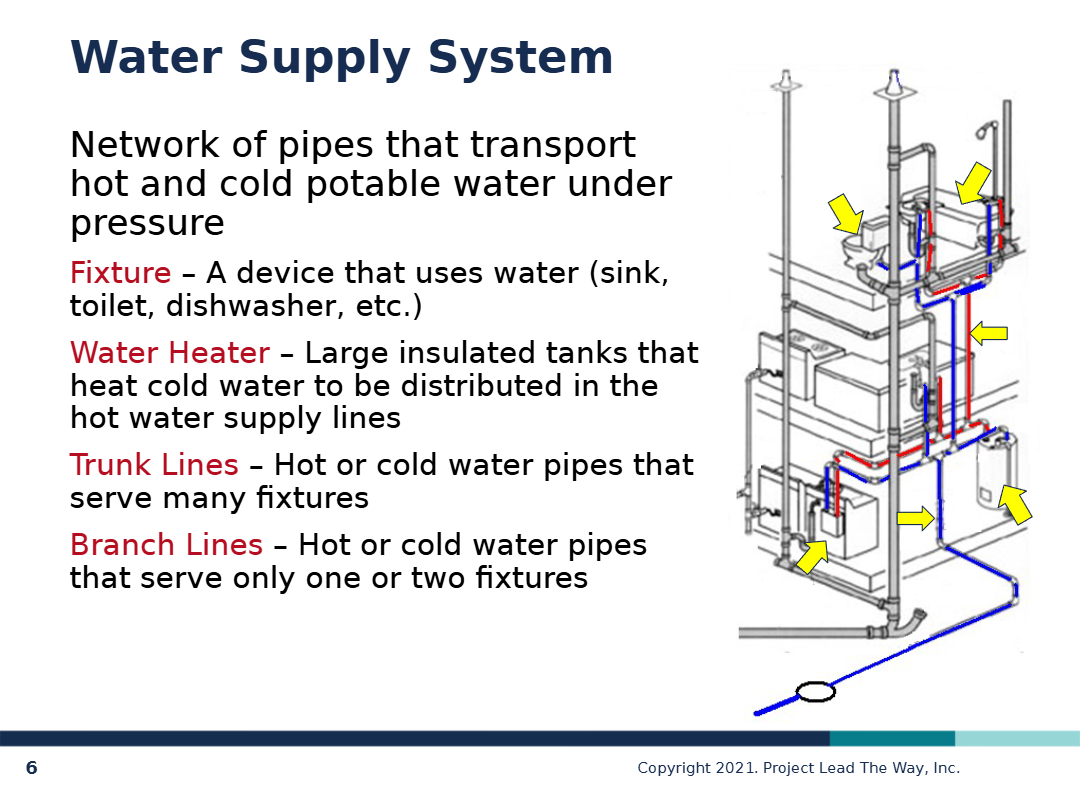
Match
Match the following
Fixture
Water Heater
Trunk Lines
Branch Lines
A device that uses water
Large insulated tanks
Hot or cold water pipes serves many
Hot or cold water pipes that serves few
A device that uses water
Large insulated tanks
Hot or cold water pipes serves many
Hot or cold water pipes that serves few
14
15
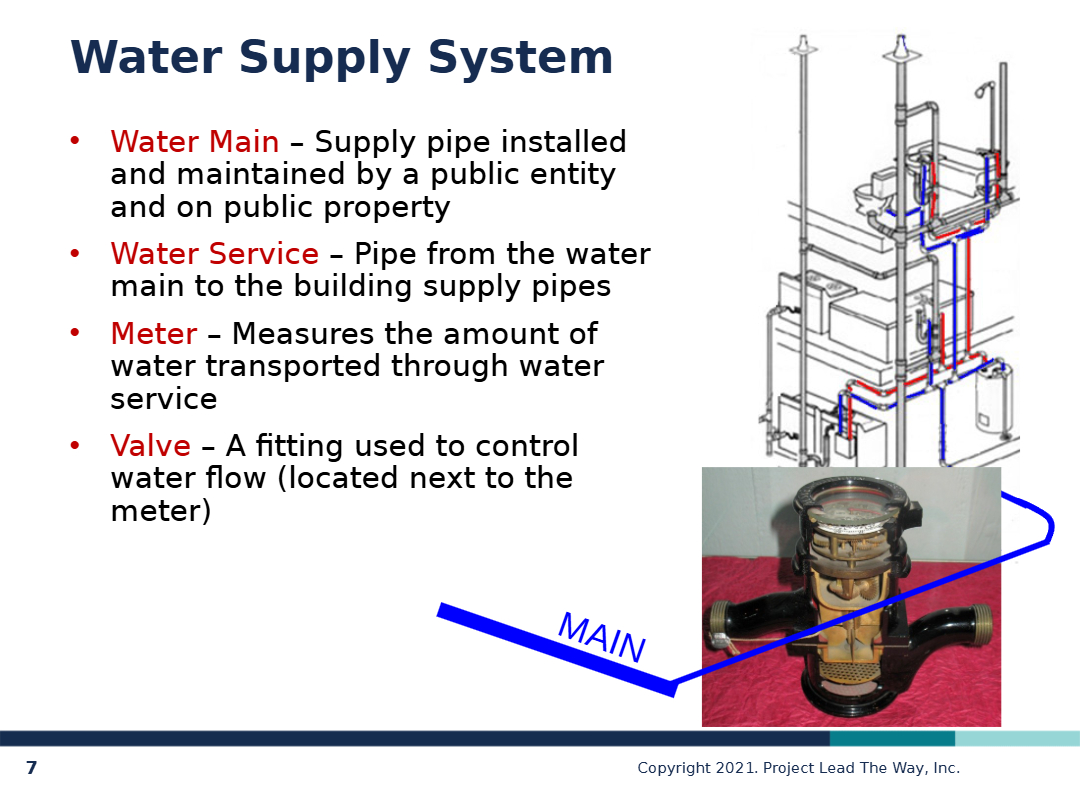
Match
Match the following
Water Main
Water Service
Meter
Valve
Supply pipe installed
Pipe from the water main
Measures the amount of water
A fitting used to control water flow
Supply pipe installed
Pipe from the water main
Measures the amount of water
A fitting used to control water flow
16
17
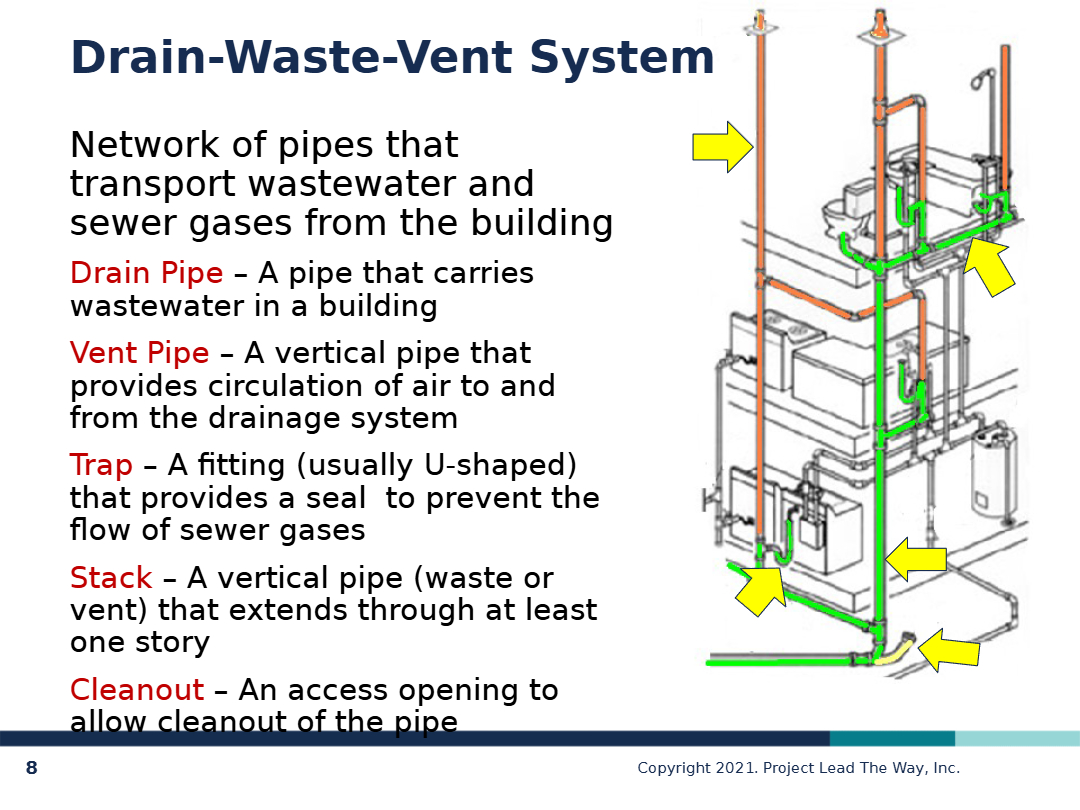
Match
Match the following
Drain Pipe
Vent Pipe
Trap
Stack
Cleanout
pipe that carries wastewater
provides circulation of air
fitting provides a seal
extends through at least one story
access opening
pipe that carries wastewater
provides circulation of air
fitting provides a seal
extends through at least one story
access opening
18
19
Match
Match the following
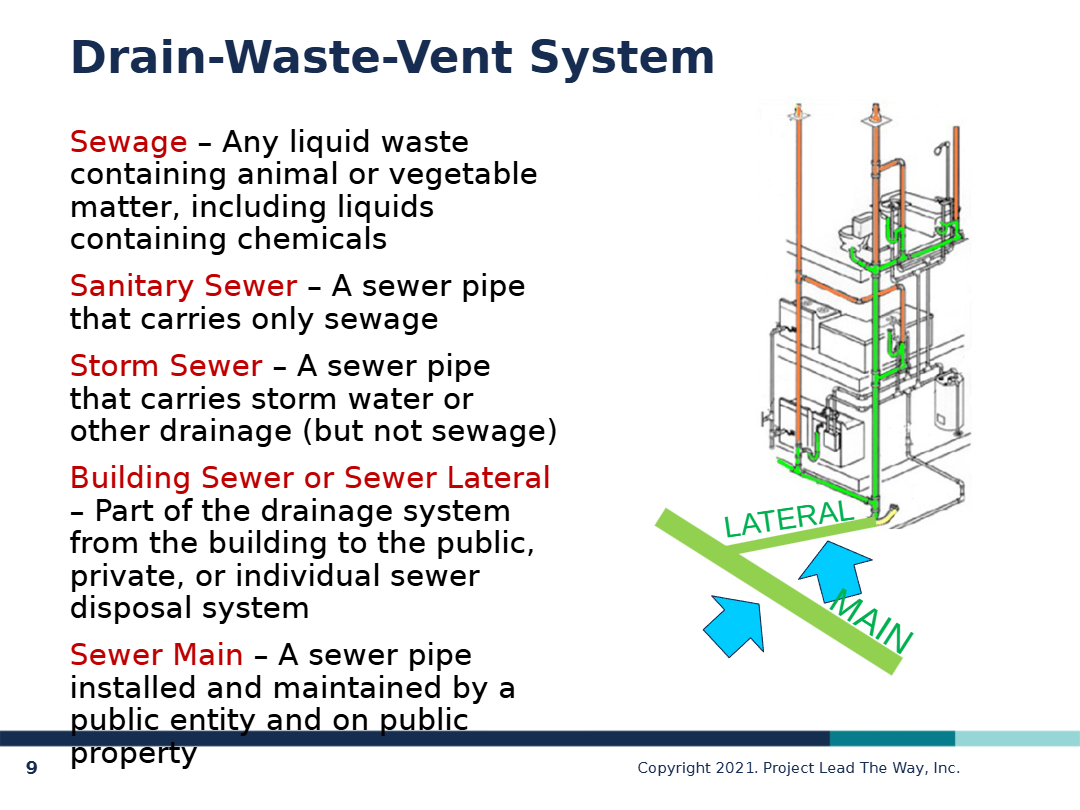
Sewage
Sanitary Sewer
Storm Sewer
Building Sewer or Sewer Lateral
Sewer Main
Any liquid waste
A sewer pipe that carries only sewage
sewer pipe that carries storm water
Part of the drainage system from buildin
sewer pipe on public property
Any liquid waste
A sewer pipe that carries only sewage
sewer pipe that carries storm water
Part of the drainage system from buildin
sewer pipe on public property
20
21
Multiple Choice
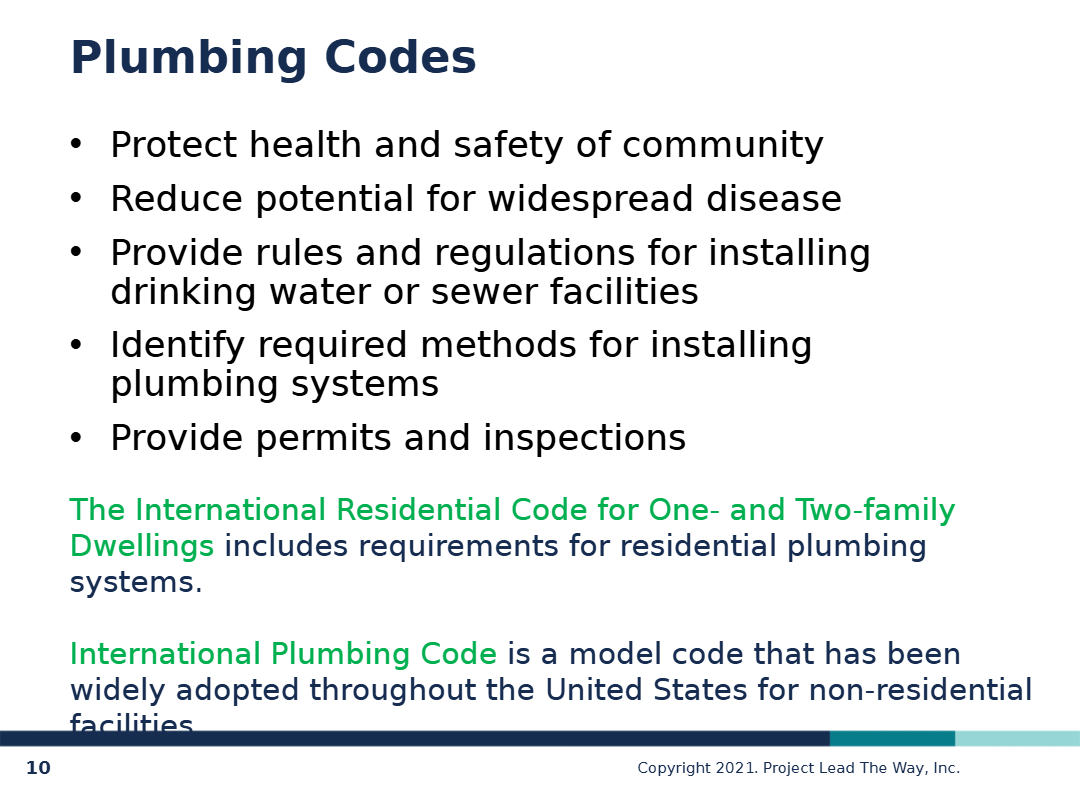
Explain how plumbing codes help protect the health and safety of a community.
22
23
Multiple Select
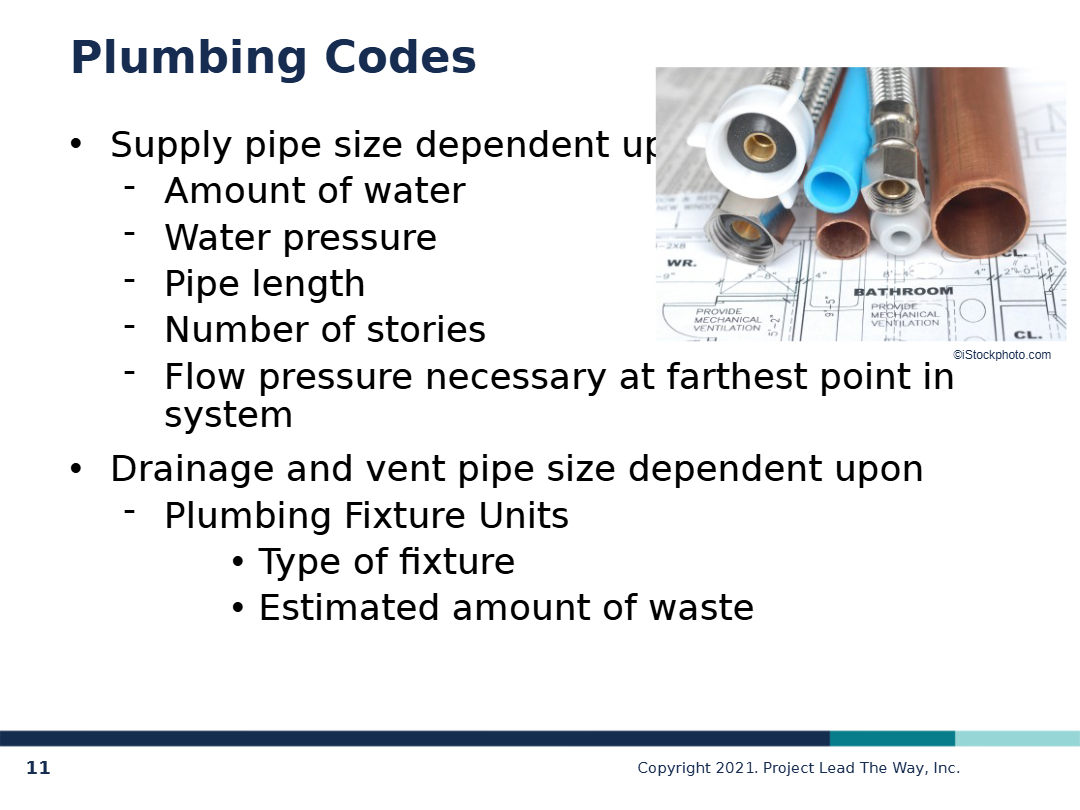
Which factors determine the size of supply pipes in plumbing systems? Select all that apply.
Amount of water
Pipe length
Type of fixture
Number of stories
24
25
Fill in the Blanks
Type answer...
26
27
Multiple Choice
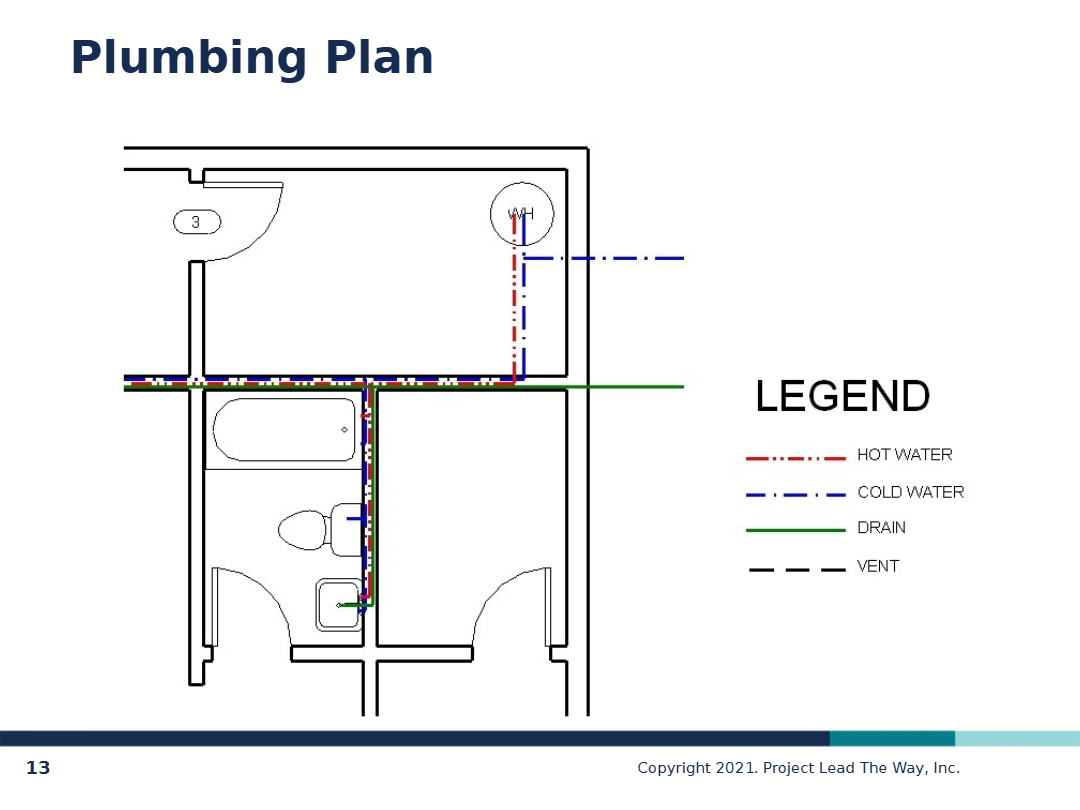
Based on the plumbing plan, which pipe is represented by the green line?
Hot water
Cold water
Drain
Vent
28
29
Multiple Choice
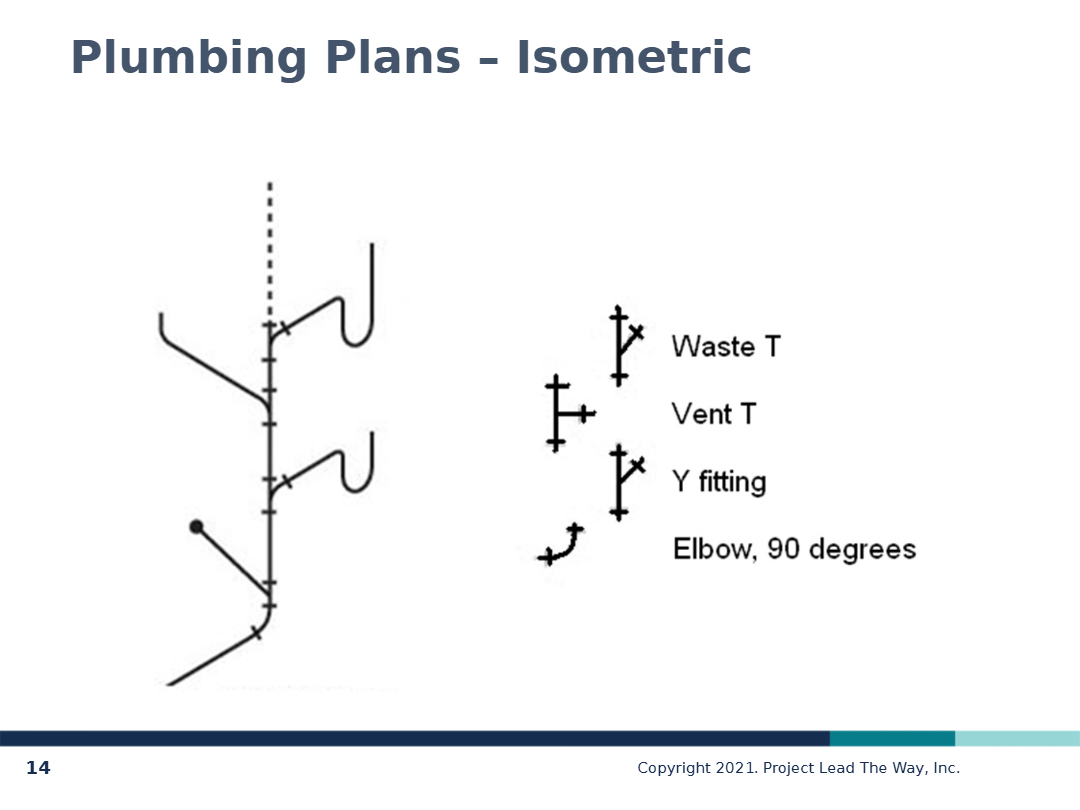
Describe the purpose of the 'Waste T' and 'Vent T' fittings in an isometric plumbing plan.
30
31
Open Ended
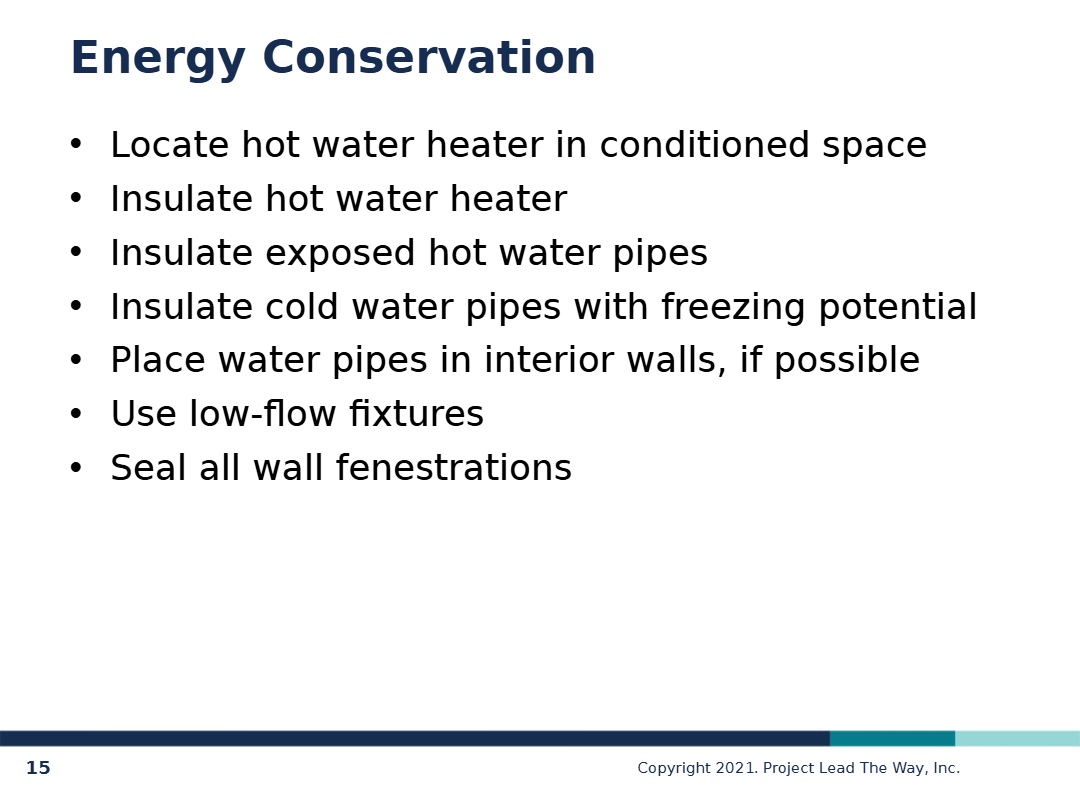
Discuss how energy conservation measures in plumbing systems can impact overall household energy usage. Provide examples from the listed practices.
32
Multiple Choice
Which of the following is NOT a recommended practice for energy conservation in residential plumbing systems?
Insulate hot water heater
Use low-flow fixtures
Seal all wall fenestrations
Leave water pipes exposed
33
34
Multiple Select
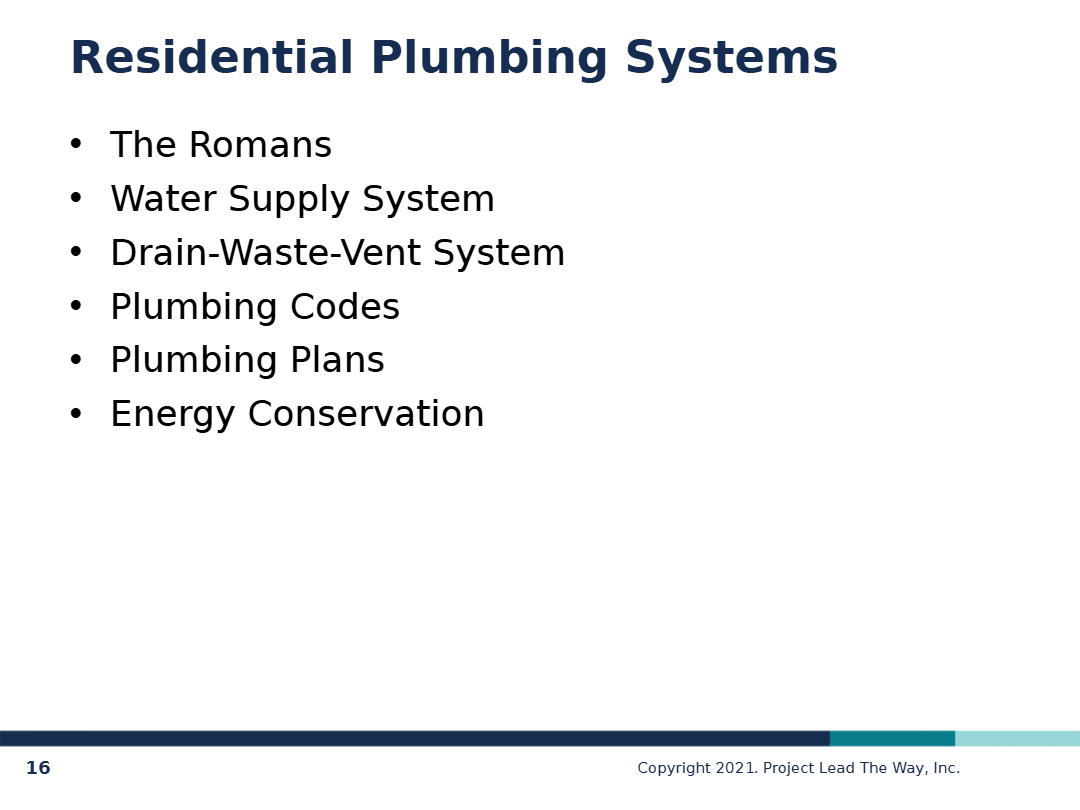
Residential plumbing systems include which of the following components?
Water Supply System
Drain-Waste-Vent System
Plumbing Codes
Electrical Wiring
35
Open Ended
Reflecting on today's lesson about residential plumbing systems, what is one aspect you found most interesting or would like to learn more about?
36
Multiple Select
What are today's learning targets?
Describe the components and functions of residential plumbing systems.
Plan and design a plumbing system for an affordable housing project.
Apply residential plumbing code requirements to ensure system compliance.
Analyze and solve water supply problems for different scenarios, ensuring proper water pressure and flow rate.
Calculate static head and dynamic head for a water supply system based on given parameters.
Show answer
Auto Play
Slide 1 / 36
SLIDE
Popular Resources on Wayground

16 questions
Grade 3 Simulation Assessment 2

Quiz
•
3rd Grade
19 questions
HCS Grade 5 Simulation Assessment_1 2526sy
Quiz
•
5th Grade
10 questions
Cinco de Mayo Trivia Questions

Interactive video
•
3rd - 5th Grade
17 questions
HCS Grade 4 Simulation Assessment_2 2526sy
Quiz
•
4th Grade
24 questions
HCS Grade 5 Simulation Assessment_2 2526sy
Quiz
•
5th Grade
13 questions
Cinco de mayo
Interactive video
•
6th - 8th Grade
20 questions
Math Review
Quiz
•
3rd Grade
30 questions
GVMS House Trivia 2026
Quiz
•
6th - 8th Grade
Discover more resources for Engineering
20 questions
Algebra 1 EOC Review 1
Quiz
•
9th Grade
5 questions
A.EI.1-3 Quizizz Day 1
Quiz
•
9th - 12th Grade
20 questions
Graphing Inequalities on a Number Line
Quiz
•
6th - 9th Grade
10 questions
Cinco De Mayo
Presentation
•
10th Grade
20 questions
Figurative Language Review
Quiz
•
10th Grade
210 questions
Unit 1 - 4 AP Bio Review
Quiz
•
9th - 12th Grade
100 questions
Biology EOC Review
Quiz
•
9th - 12th Grade
5 questions
A.EI.1-3 Quizizz Day 2
Quiz
•
9th - 12th Grade